


Your Dishwasher Safe Bowl: A Guide to Proper Care

You get home from a weekend trip, set your bowl beside the sink, and realize you're tired enough to want the simplest possible cleanup. That's where the dishwasher safe bowl question shows up. The label sounds straightforward, but in practice it depends on the material, the construction, and the way the bowl handles heat, detergent, spray, and drying.
For travelers, campers, and anyone who packs light, this matters more than it does for a plain dinner plate. A bowl that survives one wash can still soften, warp, haze, or hold odor after repeated cycles. The point isn't just whether it comes out clean today. The point is whether it keeps doing its job on the next trip too.
The Post-Adventure Cleanup Dilemma
You've got a cooler to empty, a mug with coffee rings, a lid with sauce on the seam, and one bowl that's been everywhere from a campground picnic table to the passenger seat of a van. It's tempting to toss everything into the dishwasher and call it done. That works sometimes, but not every bowl deserves that treatment.

The phrase dishwasher safe gets used like a promise, but it isn't a universal rule. Whirlpool notes that there's no industry standard definition for the term, which means durability can vary widely, even when two bowls look similar on the shelf. Their guidance says it generally means the item can handle high heat, strong water spray, and detergent, but repeated cycles can still damage lower-quality materials (Whirlpool).
A label is only the starting point. The real question is whether the bowl keeps its shape and food-contact integrity after repeat washes.
That's why a travel bowl that seems fine after one rinse can still become a problem later. Mixed materials, glued seams, coatings, and thin plastics are the first things I'd question if I were inspecting gear after a rough season of use. For packable dinnerware, the best mindset is the same one I'd use for outdoor equipment, trust the label, but verify the build.
What Dishwasher Safe Really Means
A dishwasher does more than wash a bowl, it puts the material through a repeatable stress test. Inside the machine, a bowl has to handle heat, alkaline detergent, and repeated mechanical abrasion from spray jets and rack contact. For gear that travels from a trailhead to a campsite to the back of a van, that matters because cleanup is only useful if the bowl still feels and performs like itself afterward.

The three forces that wear bowls down
A bowl that can handle the dishwasher has to tolerate wash temperatures of about 140–165°F (60–74°C) and detergents with a pH of 10.5–11.5 without warping, cracking, or degrading (Alibaba LifeTips). That combination is hard on cheap plastics, especially if the item is thin or built from several bonded parts.
Glass and stainless steel usually stay more stable because they do not soften the way many plastics do under heat. Certain ceramics can also hold up well, especially fully vitrified ceramic with water absorption below 0.5% under ASTM C373, which is a useful technical benchmark for long-term dishwasher use. For plastics, polypropylene (PP #5) and Eastman Tritan™ copolyester are among the more consistently validated options.
Practical rule: if a bowl has seams, glue, or a coating that looks decorative rather than structural, treat it as more vulnerable than a single-material bowl.
Silicone deserves its own explanation because it behaves differently from rigid plastics. It bends instead of snapping, which is why it shows up so often in travel gear, but it still has to stand up to detergent, heat, and drying stress. HYDAWAY's overview of food-grade silicone is useful background if you want to understand why that material is chosen for packable bowls and lids.
The same logic shows up in cookware care. A seasoned pan keeps working because its surface has been maintained for a specific job, and if that protection gets stripped away, performance drops. Smokey Rebel's guide to for a perfect non-stick cast iron makes that point clearly in a different context.
How to Confirm Your Bowl Is Dishwasher Safe
Start with the easiest clue, the symbol on the base, handle, or packaging. A dish icon with water droplets is the standard mark to look for, but the placement of those droplets matters more than many people realize. If the droplets cover the full icon, the bowl can usually go on either rack. If the droplets only cover the top portion, it is top-rack only.

What to inspect before the first wash
If there is no symbol, check the manufacturer's care page, the packaging insert, or the item listing. A bowl made from glass, ceramic, stainless steel, or a clearly labeled dishwasher-safe plastic is usually the right place to start, while wood and cast iron should stay out of the machine. Top-rack-only items deserve extra caution because the bottom rack is exposed to more intense heat and spray.
- Look for the symbol: It is the fastest way to confirm rack placement and general dishwasher tolerance.
- Check the material: Plastic type matters. PP #5 and Tritan are the safer plastic signals to look for.
- Read the maker's instructions: Brand guidance beats guesswork, especially for mixed-material bowls.
- Use handwashing if you are unsure: One gentle wash can protect a bowl you are not ready to risk.
If the bottom has a vague logo but no care instructions, I'd treat that as a yellow flag, not a green light.
For travel gear, the safest path is usually the one that combines clear food-contact labeling with direct cleaning guidance from the maker. A useful example is HYDAWAY's bottle cleaning tablets, which show how brands can give owners a practical cleaning routine instead of leaving them to guess. That matters for packable bowls too, because repeated washing only works well when the material and care instructions are easy to verify.
For dinnerware materials, Barenthal emphasizes clear food-contact compliance and straightforward safety claims such as lead-free or cadmium-free statements. That is the same standard to use here. A bowl is easier to trust when the labeling is specific, the material is identified, and the maker explains how the item should be cleaned instead of relying on vague marketing language.
Best Washing Practices for Collapsible and Insulated Bowls
After a hike, road trip, or campsite meal, collapsible bowls and insulated bowls usually need more care than a plain plate. They get packed into bags, tucked into vehicles, and exposed to swings in temperature before they ever reach the sink. That is why loading and detergent choice matter just as much as the bowl's material.
Put fragile gear where the machine is gentler
The top rack is usually the calmer zone for silicone and many plastics because it sits farther from the heating element and the hardest spray. If the care mark says top-rack only, treat that as the guide. A bowl that spends repeated cycles in a hotter lower rack can lose shape sooner, especially if it is meant to fold, nest, or compress for travel.
Skip high-heat or sanitize settings unless the maker says they are okay. Those cycles can clean well, but they also add stress that flexible gear does not always need. For packable bowls, a normal wash often does the job without asking the material to work harder than necessary.
Detergent choice matters too. A milder formula usually leaves fewer leftovers in seams, folds, and soft corners, which is where collapsible gear tends to hold onto residue. If you want a practical example of a brand guiding owners toward simple care, HYDAWAY's guidance on bottle cleaning tablets shows the same idea in action, keep cleaning routines straightforward so reusable gear stays ready for the next trip.
If you are comparing detergent types for travel gear, Powder vs liquid dishwasher detergent is a useful place to look at how different formulas behave in wash cycles. That matters for bowls with tight seams or insulation layers, because residue inside small spaces can lead to odor, dull surfaces, or a soapy taste later on.
Fully dry gear before you pack it away. Drying is not a small finishing step, it is part of the care routine that helps keep travel bowls clean, odor-free, and ready for repeated use.
Troubleshooting Warping Odors and Stains
If a bowl comes out warped, the first move is to stop using that cycle setting on that item. Warping usually points to heat exposure, rack placement, or a material that wasn't built for repeated dishwasher stress. Once the shape changes, sealing lids and nesting performance can also suffer.
Fixing stains and odor buildup
Tomato sauce stains often cling to light-colored plastics and silicone, especially around folds or seams. A gentle baking soda paste can help lift visible discoloration, and a vinegar soak can help cut the smell that sometimes lingers after repeated use. These are low-risk fixes compared with harsh scrubbers, which can scratch soft surfaces and make future staining worse.
If a bowl has a soapy taste or smells like detergent, rinse it again and let it dry fully before repacking. Detergent residue often hides in grooves, under rims, and around collapsible sections. That's especially true for bowls that get washed in harder water or in machines with heavy detergent dosing.
For travelers, drying is not a small detail. FUJIOH notes that properly washed and dried dishes can remain hygienic in a dishwasher's storage mode, but for collapsible bowls and other travel gear, being completely dry before packing is essential to avoid moisture-related hygiene risks in a sealed bag or van (FUJIOH).
Fully dry gear packs better, smells better, and lasts longer.
That's also where detergent choice matters in a very practical way. If you're trying to decide between formats, this comparison on Powder vs liquid dishwasher detergent is a useful starting point for thinking about residue, rinsing, and everyday cleanup.
HYDAWAY Bowls Your Adventure-Ready Solution

A good travel bowl has to do two jobs well. It needs to handle real food, then clean up without becoming a maintenance problem. That's why the most useful bowls for travelers are the ones built from materials that can tolerate repeated washing, dry cleanly, and stay dependable when you pack them again.
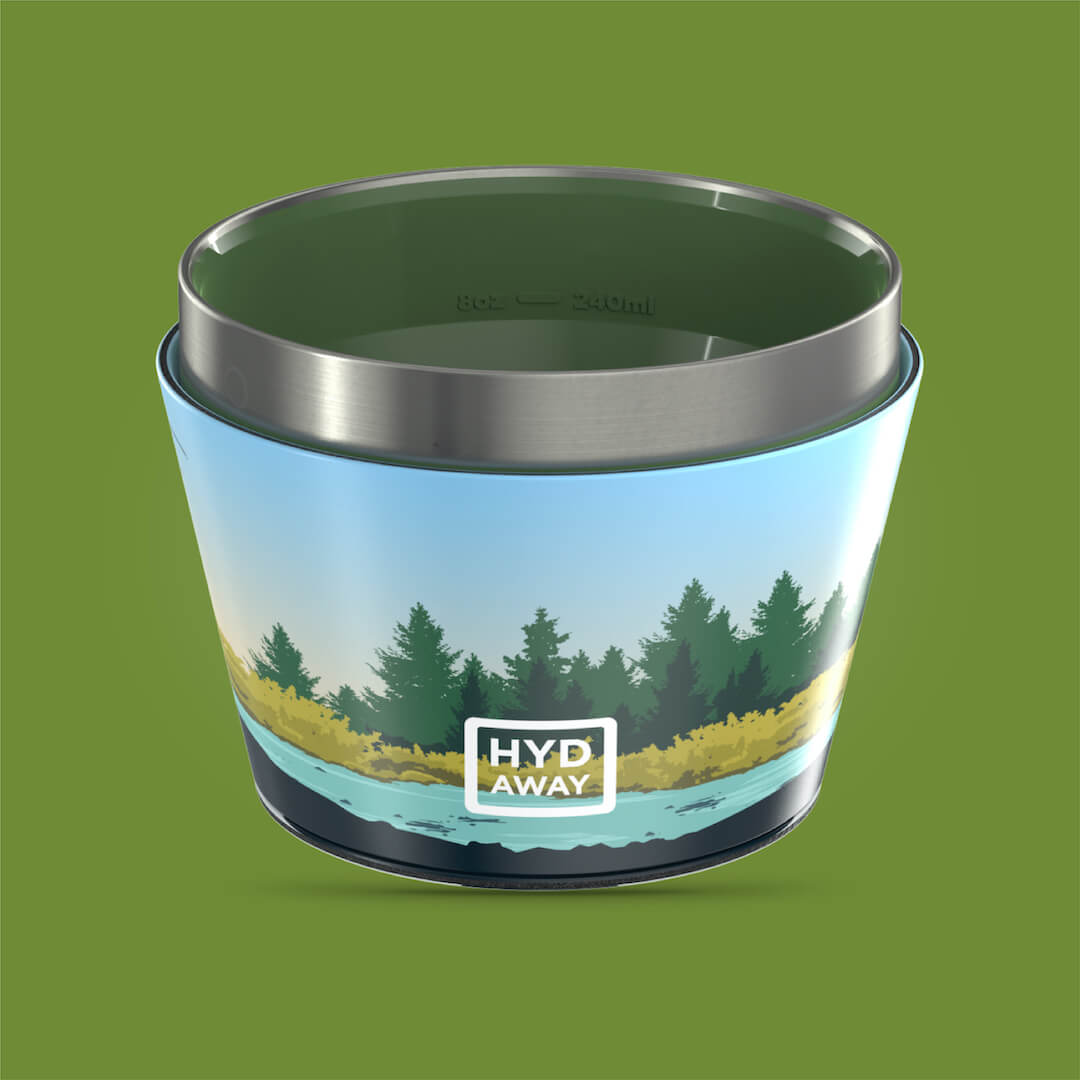
HYDAWAY's Collapsible Insulated Bowl 1.5 Cup is designed around that kind of use. It folds flat for transport, then expands for meals on the trail, in a van, or at home. For people who care about gear longevity, the important part is not just that it's convenient, it's that convenience doesn't fight cleanup.
Modern guidance for safer dinnerware in 2026 puts real weight on third-party verification and clear food-contact labels. The safest travel bowls are not only dishwasher-safe, they're also confirmed to be free of lead, cadmium, and other toxins (Barenthal). That's a better standard than a vague promise on a package, because it tells you something about both food safety and everyday durability.
For outdoor travelers, that combination matters. You want a bowl that survives the dishwasher, dries fully, packs small, and doesn't make you think twice before the next meal. Choose gear that treats cleanup as part of performance, not an afterthought, and you'll spend less time replacing bowls and more time using them.
If you want a bowl that's built for travel, easy cleanup, and everyday reuse, explore the HYDAWAY collection at HYDAWAY and compare the collapsible options that fit your packing style.