


Best Dishwasher Safe Dinnerware Set: Your Buying Guide

You're back at camp with one pan, one bowl, and just enough patience left for dinner. The sink in the campervan is tiny. The hostel kitchen sponge looks older than your passport. The hotel bathroom works in a pinch, but nobody wants to wash oatmeal out of a bowl where they brush their teeth.
That's why a dishwasher safe dinnerware set matters so much more on the road than it does at home. For travelers, campers, van-lifers, and families bouncing between parks, trailheads, and hotel stops, dishwasher safe doesn't just mean convenient. It means cleaner gear, less fuss, and a better shot at sticking with reusable habits when the day gets messy.
The End of Greasy Camp Sinks and Messy Hotel Washes
A lot of travel gear sounds good in the store and falls apart in real life. Dinnerware is one of the easiest places to get this wrong. A bowl can seem sturdy on day one, then hold onto grease, warp under heat, or become annoying to clean once you're three days into a road trip.

The best travel setups remove friction. If your dinnerware can go straight into a dishwasher at a campground laundry room, a vacation rental, or a hotel suite, you spend less time scrubbing and more time getting ready for the next leg of the trip. That matters whether you're feeding kids after a theme park day or rinsing down soup bowls after a wet evening in a van.
A real dishwasher-safe product has to handle high water temperatures from 140°F to 170°F (60°C to 77°C) along with powerful water jets and detergents, as noted in this dishwasher temperature guide for plates. In practice, that means less worry about a bowl or plate failing just because you put it through a proper machine wash.
Where this shows up on real trips
Three situations come up over and over:
- Campervan evenings: You've cooked in a tight space, and grease gets everywhere. A dishwasher-safe set turns cleanup from a chore into a quick reset.
- Hotel family travel: Parents bringing breakfast or leftovers back to the room need gear that can be cleaned thoroughly the next morning.
- Rainy campground days: When everything else feels damp, having dinnerware you can sanitize properly feels like a small luxury.
If a piece of dinnerware only works when conditions are perfect, it's home gear pretending to be travel gear.
Travelers already know that durable systems matter beyond the plate itself. The same mindset that helps you choose reliable dinnerware also helps you stay ahead on maintenance jobs like RV roof repair resealing, where small failures turn into expensive problems if you ignore them too long.
Decoding the Dishwasher Safe Label
“Dishwasher safe” gets printed on a lot of products. It doesn't always mean the same thing, and for travel gear, the label needs a closer look.

The first thing to check is the actual symbol or care language. Some products are fully dishwasher safe. Others are only top-rack safe. Some survive a few washes but aren't designed for repeated heat and detergent exposure. If you want a quick refresher on how manufacturers communicate care instructions, this guide to dishwasher safe labels is useful.
What the label should really mean
For ceramic-based dinnerware, the key detail is the finish. Dishwasher-safe dinnerware sets require a continuous, fully vitrified glaze layer that can withstand thermal cycling up to 140°F to 170°F (60°C to 77°C). For collapsible adventure-grade dinnerware, long-term safety also depends on material verification. In HYDAWAY's case, third-party verification confirms no BPA, phthalates, or lead leaching even after 50+ dishwasher cycles, aligning with food-contact standards for thermal stress.
That's the line most shoppers miss. A product isn't considered travel-ready just because it survives one hot wash. It needs to stay safe after repeated use, repeated folding if it collapses, and repeated contact with detergents.
A simple label reading checklist
When I assess any dishwasher safe dinnerware set for travel, I look for these signals first:
- Clear care language: “Dishwasher safe” should be explicit, not implied.
- Material transparency: The brand should tell you whether it's stoneware, porcelain, ceramic, silicone, or another food-contact material.
- Safety verification: Third-party testing matters when the product sees repeated heat.
- No decorative risk factors: Metallic accents and hand-painted details usually mean extra caution.
You can also compare product language with practical use cases. A bottle or bowl designed for commuting, trail use, and repeated washing is very different from decorative tableware made mostly to look good in a cabinet. HYDAWAY has a helpful example in its article on dishwasher-safe water bottles, which shows how care guidance connects to real daily use instead of just packaging claims.
Practical rule: If the care instructions are vague, assume the product wasn't designed for hard use.
Materials that usually work, and ones that need caution
| Material | Good for travel dishwashers | Main watchout |
|---|---|---|
| Stoneware | Yes, if properly glazed | Weight and packability |
| Porcelain | Yes, if fully rated | Chipping during transport |
| High-density ceramic | Often yes | Bulk in small rigs |
| Collapsible food-grade materials | Can be excellent | Needs proof of repeated-cycle safety |
| Decorated or metallic pieces | Usually no | Finish damage and heat issues |
A lot of home-focused buying guides stop at “safe or not safe.” Travelers need a deeper answer. The right question is whether the item stays safe, useful, and easy to carry after regular use on the road.
Choosing Your Adventure Ready Dinnerware Set
For travel, the best dinnerware isn't the prettiest set. It's the one you'll still be happy to use after miles of vibration, cramped storage, and repeated cleaning in whatever dishwasher you can access that week.

A classic stoneware set can work well in a full-size RV or a vacation rental. It's durable and pleasant to eat from. But in a backpacking-style setup, a small camper kitchen, or a one-drawer van galley, heavy pieces become dead weight fast. On wash day, they also bang into each other if you haven't packed them well.
Compare by use, not by style
Here's how different options usually shake out in practice.
| Option | Where it shines | Where it falls short |
|---|---|---|
| Stoneware | RVs, cabins, longer stays | Heavy, bulky |
| Porcelain | Vacation rentals, family travel | Less forgiving in transit |
| Melamine | Casual picnics, lighter carry | Heat concerns, not my first choice for repeated high-heat washing |
| Collapsible gear | Vans, flights, day trips, compact kits | Must be proven safe after repeated folding and washing |
The overlooked question is durability after folding. That matters if you want gear that packs flat in a backpack pocket or a van drawer. According to the verified data, a 2024 Global Adventure Gear Industry Report found that 35% of users of collapsible sets experience glaze degradation or micro-fractures after 100+ folding cycles, yet major brands generally don't provide third-party verification on that failure point. For campers and van-lifers, that's a real buying problem.
So the decision isn't just “Do I want collapsible?” It's “Has this collapsible product been engineered and verified for repeated folding plus repeated dishwasher use?”
What works best for specific travel styles
- Theme park family: Compact bowls with lids help with snacks, leftovers, and quick hotel breakfasts.
- Digital nomad: A pack-flat meal setup makes apartment hopping easier.
- Overlander: Gear needs to survive vibration, occasional dishwasher access, and plenty of hand cleaning in between.
- Bucket-list traveler: The less kitchen clutter you carry, the easier every move becomes.
A purpose-built kit matters more than a matching set. If you want examples of what a practical camp setup looks like, HYDAWAY's piece on a camp dish set reflects what many travelers need now: fewer items, better materials, easier storage.
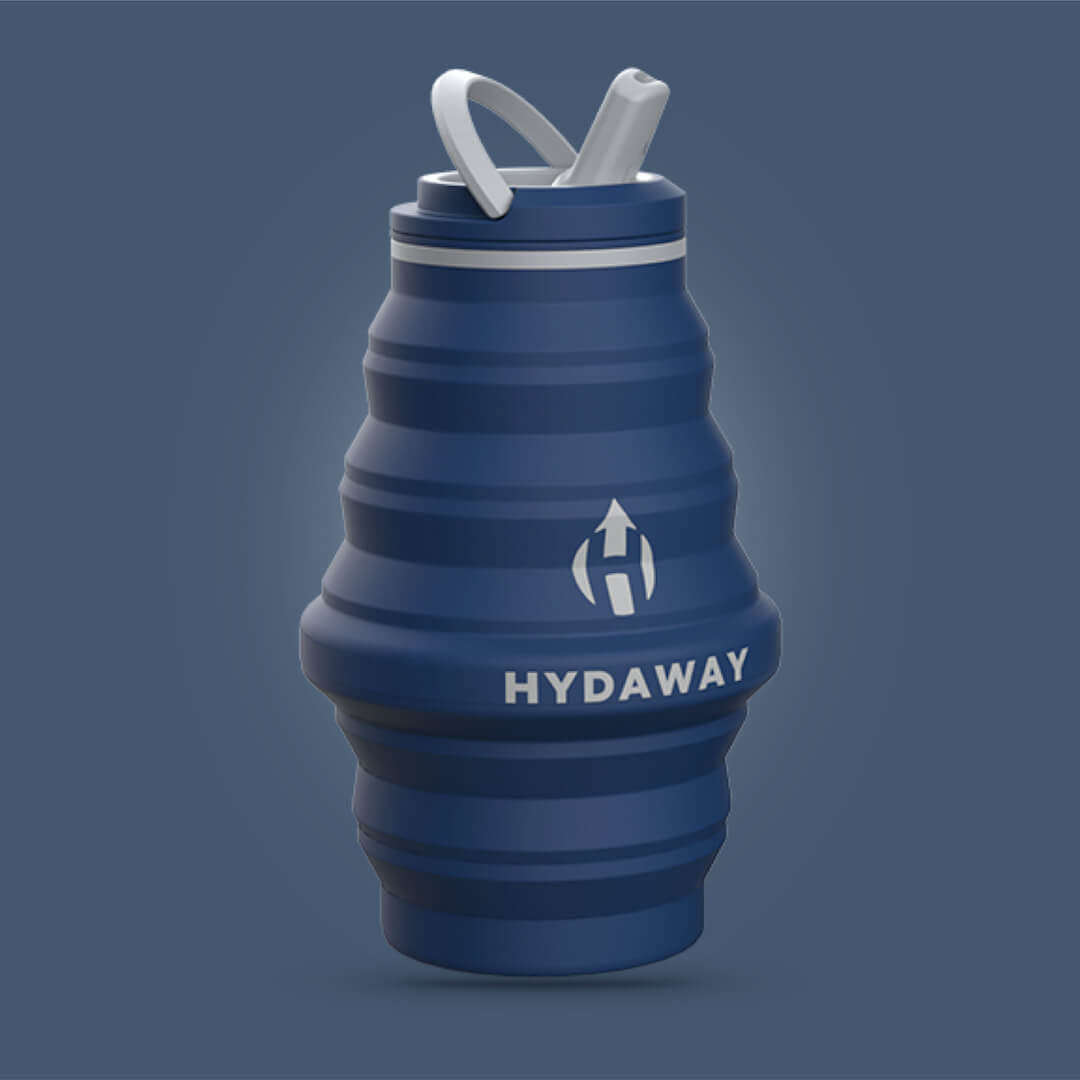
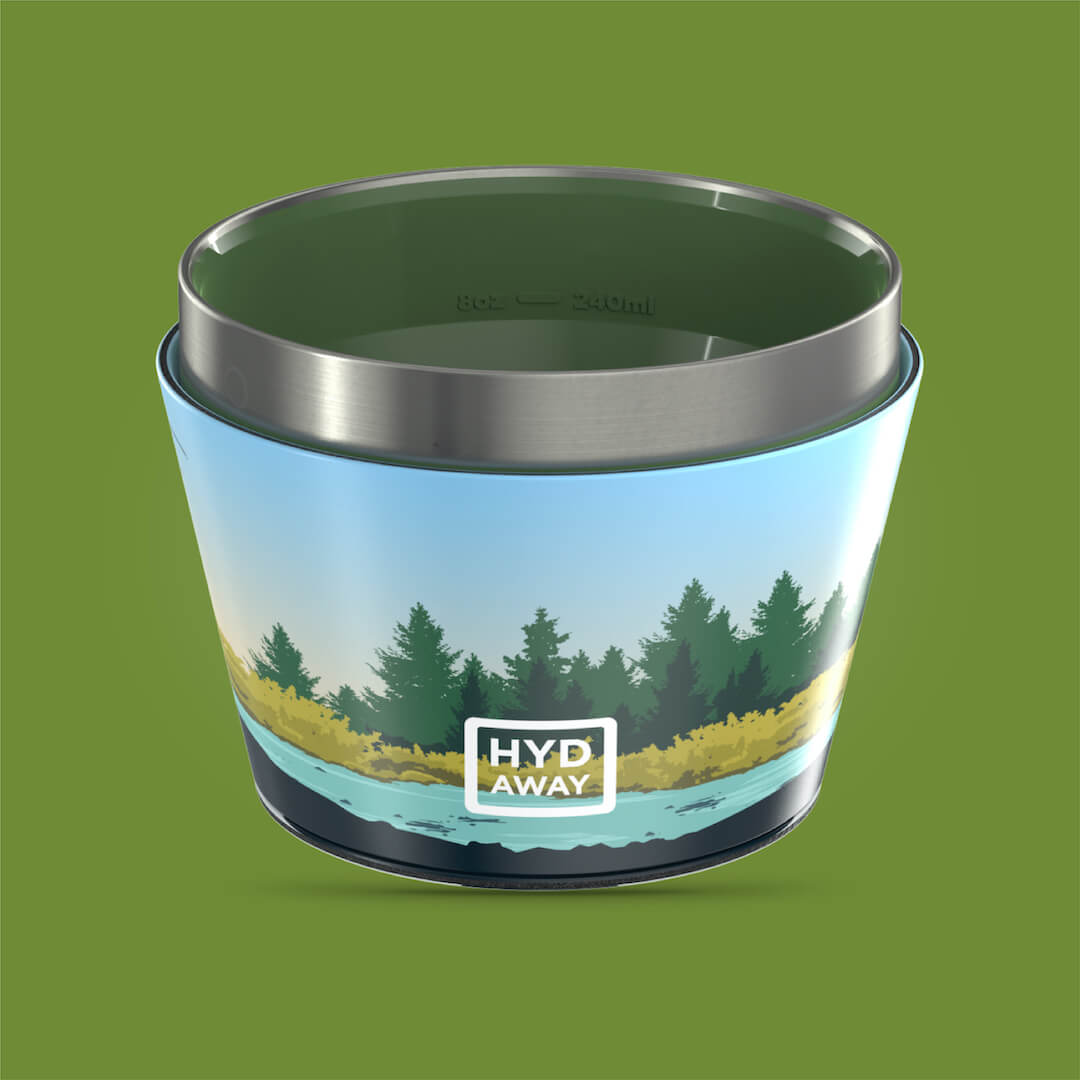
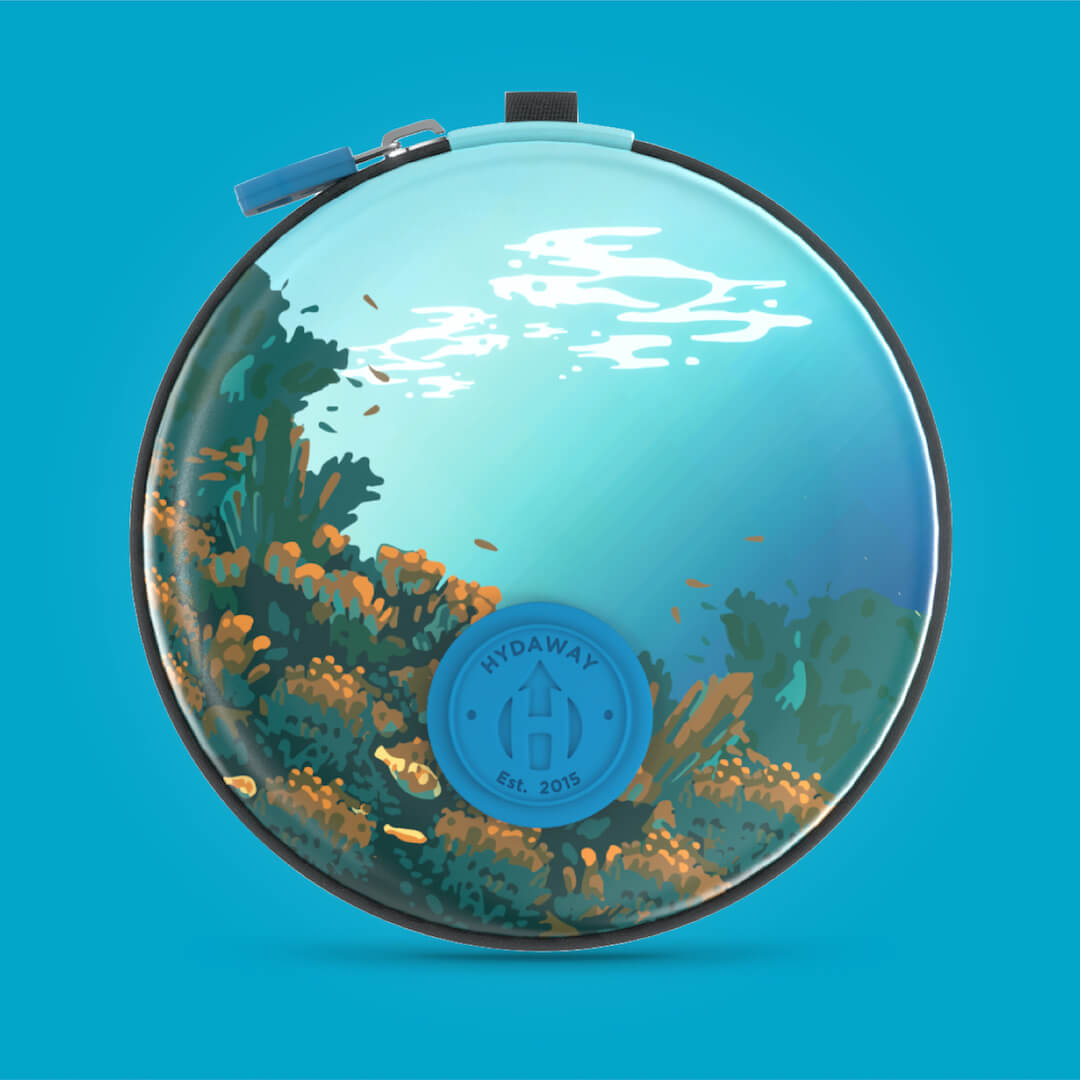
Here's a quick product look that helps visualize that approach:
My rule for buying travel dinnerware
I don't separate “kitchen gear” from “travel gear” anymore. If the item has to live in a van drawer, backpack, or hotel tote, it has to earn its space every day.
That means I'd rather carry one bowl that packs small, cleans easily, and handles hot food well than a full set that feels domestic but creates headaches on the road.
Buy for the cleanup you'll actually have, not the ideal campsite kitchen you wish you had.
Real World Pros and Cons for Travelers and Families
A dishwasher safe dinnerware set can make travel smoother. It can also disappoint you if you expect it to solve every cleanup problem.
Where the benefits are obvious
The biggest win is consistency. When families return to a hotel after a long day, or when remote workers bounce between short stays, a dishwasher-safe set gives them a reliable cleaning option. You can prep snacks, carry leftovers, and reuse the same core pieces without building up a pile of hard-to-clean gear.
Stoneware and other dishwasher-safe sets also offer superior resistance to chips, scratches, and thermal shock, making them dependable in busy homes and outdoor settings, as described by Sur La Table's stoneware dinnerware overview. That's one reason some travelers keep a heavier set in an RV while using lighter pieces for day trips.
Where the trade-offs show up
The obvious limitation is access. On a remote trail, there's no machine waiting for you. In some campgrounds, the nearest dishwasher may be in a shared kitchen that you don't want to depend on. So even the best dishwasher-safe set still needs to be easy enough to hand wash when necessary.
Another trade-off is false confidence. Some products survive a few washes and then start to show wear once heat, detergent, transport, and everyday knocks stack up. That matters more on the road because you tend to use the same few pieces constantly.
- Best case: Hotel stays, RV parks, vacation rentals, office kitchens.
- Mixed case: Van life with occasional access to proper dishwashers.
- Least useful case: Remote backcountry travel where every item gets washed by hand.
A balanced way to think about it
For families, the value is often time and hygiene. For solo travelers, it's simpler packing and less mess. For both, the downside isn't that dishwasher-safe gear fails as a category. It's that some people buy household-style dinnerware that wasn't designed for movement, tight storage, and uneven access to cleaning.
If your travel is mostly road trips, city stays, and campgrounds with amenities, dishwasher safe is a strong advantage. If your trips are more remote, treat it as one useful feature among several, not the whole reason to buy.
How to Care for Your Dinnerware on the Go
Good gear lasts longer when you load it right. That's especially true in travel, where dinnerware gets packed, unpacked, folded, stacked, and cleaned under less-than-perfect conditions.
Load for water flow, not for squeezing in one more item
Verified guidance says to avoid overcrowding and keep 1 to 2 cm of clearance between plates so water and detergent can circulate properly. That spacing reduces residue buildup and limits rubbing during the cycle. In plain terms, cramming the rack saves nothing if you pull everything out still dirty or nicked.
For travel dinnerware, I'd use this simple approach:
- Keep pieces vertical: Plates and flat items should sit in their proper slots.
- Separate similar shapes: Bowls nested too tightly won't clean well.
- Don't let items overlap: Movement during the cycle causes wear.
- Wash similar materials together: Mixed loads can create more abrasion.
Field note: Most dishwasher damage I've seen wasn't caused by the dishwasher itself. It came from bad loading.
Choose the normal cycle more often
Heavy-duty sounds appealing after a greasy meal, but more heat isn't always better. Standard guidance favors the normal or everyday cycle for many stoneware and porcelain items because extreme heat can push materials harder than necessary over time.
That's relevant for portable pieces too. Collapsible dinnerware needs thermal stability without compromising the very folds and seals that make it useful. If you use travel food containers alongside your bowls and drinkware, HYDAWAY's article on dishwasher-safe meal prep containers is a practical reference for building a repeatable cleanup routine.
Smart habits for travel kitchens
A few habits make a big difference:
- Scrape first, don't bake residue in. Dried sauce and starch make every wash harder.
- Let hot items cool before washing. Sudden temperature swings are rough on materials.
- Fully open collapsible pieces before loading. Every food-contact surface should be exposed.
- Check rims and folds after washing. Those spots tell you early if the item is aging badly.
Parents already use the same logic with feeding gear. The process for washing baby bottles in the dishwasher is a good reminder that spacing, full exposure to water, and careful placement matter just as much as the “dishwasher safe” label itself.
When hand washing is still the better call
If the machine looks overloaded, skip it. If the shared hostel dishwasher has mystery residue inside, skip it. If a decorative piece has metallic trim or a fragile finish, definitely skip it.
Dishwasher safe should give you more options, not lock you into one method. The best travel dinnerware handles machine washing well and still behaves sensibly when you need to clean it by hand in a sink, wash bin, or campground station.
The Adventurers Buying Checklist
The right set earns its place every time you pack up camp, clear a hotel counter, or reorganize a van drawer. Use this checklist before you buy.

What to check before you commit
- Durability first: Can it handle drops, stacked storage, and repeated travel movement?
- Packability matters: If space is tight, bulky dinnerware becomes annoying fast.
- Material safety: Look for transparent material details and third-party verification.
- Real dishwasher suitability: The label should be clear, not vague or implied.
- Travel usefulness: Lids, compact storage, and multi-use shapes beat decorative extras.
- Cleanup flexibility: It should work in a dishwasher when available and still be manageable by hand.
- No fragile finishes: Skip metallic accents and delicate decorative details for travel use.
- Fits your trip style: RV living, hotel hopping, family road trips, and day hikes all need different setups.
The strongest buying decision usually comes from subtraction. Fewer pieces. Better materials. Easier cleaning. Less wasted space.
If you want a dinnerware setup that supports sustainable travel instead of becoming one more thing to replace, choose gear built for movement, repeated washing, and real daily use.
HYDAWAY makes that choice easier with compact, reusable gear designed for travel, camping, commuting, and everyday life. If you want bowls, bottles, and drinkware that fold flat, clean easily, and fit the way people move now, take a look at HYDAWAY.