

Unlock 1 Qt Mason Jars: Versatile Uses & 2026 Alternatives

You're probably looking at the same scene I see in a lot of real kitchens and camp setups right now. A pantry shelf lined with clear glass jars looks calm, capable, and a little aspirational. Then real life steps in. You need one container for soup prep, another for trail snacks, something for oats, something for leftovers, and suddenly the question isn't whether a mason jar is useful. It's whether it's the right tool for where you're headed.
That's why I like using the 1 qt mason jar as a benchmark. It's one of the clearest ways to think about storage. At home, it's hard to beat for visibility, reusability, and pantry order. On the road, though, the same qualities that make it great on a shelf can become a hassle in a backpack, cooler, or campervan drawer.
Why the 1 Quart Mason Jar Is a Kitchen Icon
Set a quart jar on the counter while you pack lunch, portion dry goods, or cool leftover soup, and its value becomes obvious fast. The format has been around since November 30, 1858, when John Landis Mason filed U.S. Patent No. 22,186 for a screw-threaded glass jar closure that made home food preservation far more reliable. That closure still shapes how people use mason jars now. Glass, threads, lid, repeat.
A 1-quart mason jar holds 32 fluid ounces, or 4 U.S. cups, and about 946 milliliters. That amount is big enough for broth, oats, beans, cut fruit, or a full salad, but still easy to carry from shelf to sink to fridge. I keep coming back to quart because it gives a clear, repeatable volume reference. Once you know what 32 ounces looks like in real use, it gets easier to choose other containers, including sustainable food storage containers for everyday meals and travel.

Wide-mouth or regular-mouth
For day-to-day use, the mouth style matters as much as the volume. According to technical benchmarks for Ball 1-quart jars, the wide-mouth 32 oz jar has a midpoint width of 3.25 inches and a height of 6.5 inches, while the regular-mouth version measures 3.375 inches wide and 6.75 inches high. The same source notes that the wide-mouth opening offers a 25% larger cross-sectional area, which makes a real difference when you are scooping flour, washing out peanut butter, or building a layered lunch.
| Jar type | Best use at home | What works well | What gets annoying |
|---|---|---|---|
| Wide-mouth | Grains, layered meals, cut produce | Easy to fill, scoop, and clean | Takes a slightly broader footprint in use |
| Regular-mouth | Liquids, dressings, drink bases | Feels neater for pouring | Harder to scrub and reach into |
The quart size keeps winning because it fits real routines without much fuss. It stores enough food to matter, stacks well, and works across pantry, fridge, and approved canning projects. It also gives a solid benchmark for meal planning. If you prep high-protein lunches, it helps to calculate macros for muscle gain and compare those portions against a container size you can picture.
A simple starting rule works well:
- Pick wide-mouth for oats, salads, flour, beans, and anything you scoop or eat from the jar.
- Pick regular-mouth for pourable liquids, dressings, and drink mixes.
- Use quart as your baseline because it is one of the easiest ways to judge whether another container offers enough capacity without wasting space.
That last point matters more than it gets credit for. A 1 qt mason jar is useful on its own, but it is also a measuring stick. It shows exactly how much volume you need before you commit to heavier, bulkier gear, or choose a lighter collapsible option for life beyond the kitchen.
Master Common Mason Jar Uses at Home
A 1 quart mason jar proves its value through repetition. It holds enough to matter, fits standard home routines, and gives you a reliable volume reference for food planning. I use quart jars at home for the jobs that benefit from visibility, repeatable portions, and a container that can move from shelf to fridge without fuss.

Pantry order that actually sticks
Dry goods are where quart jars earn their spot fastest. Oats, rice, flour, lentils, nuts, coffee, and snack mix become easier to track once they leave crumpled bags and half-closed boxes. Clear sides help you see what needs refilling before you end up with three open bags of the same thing.
The best systems stay boring on purpose. Give each jar a steady assignment and keep refilling it with the same item. A dedicated oat jar, flour jar, and trail-mix jar creates less waste, fewer duplicate purchases, and much less rummaging.
A setup that tends to last includes:
- Label by the refill item so the jar always returns to the same job.
- Keep high-use foods at eye level so the convenient choice stays visible.
- Use wide-mouth jars for scoopable staples because they are easier to fill, measure from, and wash.
This is also where the quart size starts acting as a benchmark, not just a storage vessel. Once you know what a true quart of oats, beans, or pasta looks like in your kitchen, it gets easier to judge whether a lighter travel container will carry enough food for a day out.
Meal prep that fits real schedules
Quart jars work well for make-ahead meals because the volume is practical. It is enough room for a full lunch, overnight oats with add-ins, chopped fruit, or soup, without pushing into oversized-container territory. For salads, the vertical shape keeps ingredients layered in a way that helps texture hold up longer.
If you train regularly or track intake with some precision, quart jars also make portioning more repeatable. For readers dialing in performance nutrition, this guide to calculate macros for muscle gain is a useful companion to quart-jar meal prep because it helps you decide what should go in the jar, not just how to store it.
Good meal prep depends on both the container and the food itself. A jar can standardize volume, but the true win comes from filling it with meals you will still want on a busy Wednesday.
At home, I like quart jars for ingredient kits too. One can hold smoothie add-ins, chopped vegetables for stir-fry, or a ready-to-cook soup base. If your goal is to cut down on disposable bags and brittle plastic tubs, HYDAWAY's ideas on sustainable food storage containers are worth reviewing because they connect the same low-waste mindset to gear that travels better.
A quick demo helps if you want visual inspiration for jar-based prep and storage:
Canning with the right limits
Quart jars also have a place in home preserving, with clear boundaries. The National Center for Home Food Preservation states that 1-quart jars are recommended for processing high-acid foods and also warns that jars can break if they go through sudden temperature changes, such as setting a hot jar on a cold surface.
That practical limit matters. Glass is dependable in tested canning setups, but only when the recipe, jar size, and handling all match approved guidance.
Use quart jars well by keeping three rules in mind:
- Match the jar to the recipe. Don't swap sizes casually in canning.
- Prevent thermal shock. Keep temperature changes gradual and set hot jars on a protected surface.
- Reserve quart jars for jobs they handle well. Pantry storage, meal prep, and approved high-acid canning all fit that description.
The Traveler's Dilemma with Glass Jars
Quart jars feel efficient until you start packing for movement. A pantry shelf doesn't bounce down washboard roads, get shoved into an overhead bin, or share space with a stove, cables, shoes, and a wet rain shell. Travel changes the standard.
Glass creates three immediate problems on the road. It's heavy, it's rigid, and it doesn't forgive impact. One jar of soup in a cooler can feel reasonable. Three or four jars, plus lids, plus protective wrapping, and you've built a system that asks for constant babysitting.
What works at home stops working fast in transit
At home, a quart jar sits upright and mostly stays there. In a van or campsite kitchen, it competes with motion and tight storage geometry. The cylindrical shape wastes corners in packed bins. The glass body needs padding. The metal lid can get bent or sticky. And if it breaks, you're not dealing with a minor inconvenience. You're dealing with sharp shards, lost food, and cleanup in a place that probably doesn't have a proper sink.
There's also a safety trade-off that matters before the trip even starts. As noted in this bulk-sourcing and canning guide, the 32 oz volume heats more slowly at the center during canning, which can create a “cold pocket” in low-acid foods. That's one reason 32 oz jars aren't advised for canning low-acid foods. In practice, that makes quart jars better for dry goods and cold liquids than for a lot of grab-and-go travel meal scenarios people assume they can handle.
If you still want to bring glass
Some travelers still prefer jars for short trips, and that can work if you're realistic.
- Wrap each jar separately in a sleeve, sock, or towel.
- Pack jars upright whenever possible, not loose in a bin.
- Use them for cold storage and dry goods, not for anything that would become a major mess if the seal fails.
- Keep a backup container plan for leftovers once you're on the move.
For more packable options and a broader look at what travel containers need to do well, HYDAWAY's article on reusable travel containers is worth a read.
The right container in a house can be the wrong container in a backpack.
That's the main issue. The quart jar isn't bad. It's just stationary by nature.
A Modern Solution for Portable Meals
A quart still matters on the road. It is a familiar meal size for soup, chili, pasta salad, overnight oats, or a full bottle of water. The smart move is to keep that 1 quart benchmark in your planning, then choose a container that travels better than glass.

A 1 qt mason jar gives you a clear reference point: 32 ounces, or 4 cups. That makes portioning easy at home and helps you compare other containers with confidence. If a meal usually fills a quart jar on your counter, you already know the capacity you need in your pack.
That shift in mindset improves packing decisions fast. I use quart jars this way all the time. They set the standard for volume, but they do not have to be the item that comes with me. For travel, commuting, and camp meals, collapsible gear solves the part glass never could. It holds a useful amount, then takes up less room when the food is gone.
The trade-off is straightforward. Glass feels solid, cleans up well, and works beautifully in a home kitchen. Collapsible containers give back space, cut carried weight, and remove the stress of packing something fragile next to a stove, laptop, or sleeping bag.
Here is how that plays out in real use:
| Scenario | With a quart glass jar | With collapsible gear built around quart-equivalent capacity |
|---|---|---|
| Soup for the day | Full-size container all day, even after lunch | Easier to stash once emptied |
| Campervan pantry | Hard corners and dead space between jars | Better use of drawers, bins, and odd gaps |
| Trail lunch | Bulky and risky to carry | More practical for repeated packing and movement |
| Cleanup and carry | Great at home, less forgiving on the move | Better matched to compact travel routines |
That difference matters more than people expect.
A container that collapses after breakfast or lunch changes how a small bag feels by mid-afternoon. In a van or campsite kitchen, it also keeps your setup flexible. You can carry quart-sized portions without building your whole storage system around rigid cylinders.
The quart jar remains a strong benchmark because the capacity is useful. Modern portable gear applies that same volume in a form that fits current travel habits better. You keep the practical part of the 1 qt mason jar, then swap out the bulk, weight, and breakage risk that come with taking glass on the move.
How to Buy Your Jars New and Vintage
Buying quart jars is easy. Buying the right quart jars takes a little more thought. I'd split the decision into three paths: new for utility, thrifted for affordability, and vintage for character or collecting.

New jars for everyday use
If your goal is meal prep, dry storage, or approved home preserving, buying new is usually the cleanest path. You get matching sizes, predictable closures, and less uncertainty about chips or fatigue. New jars are what I'd choose for anyone building a working kitchen system from scratch.
Use this quick decision guide:
- Choose new if reliability matters more than charm.
- Choose wide-mouth first if you'll clean by hand or store scoopable foods.
- Buy enough for a repeat routine, not just a one-off project.
Thrifted and local finds
Single quart jars can be harder to buy than people expect because many stores focus on multi-packs. The verified market note in the background material points to thrift shops, Goodwill, and Facebook Marketplace as common places people look for affordable single jars, but availability is inconsistent and local inventory can be hit or miss.
That makes secondhand buying practical, but not predictable. Inspect every jar before you commit. Hold it at eye level, rotate it slowly, and check the rim carefully. A cheap jar isn't a bargain if the edge is damaged.
Vintage jars and collectible value
Vintage quart jars sit in a different category. Some are daily-use charming. Others are display pieces. According to this vintage Mason jar valuation video, vintage 1 qt Mason jars can range from $15 to over $500, with rare colors such as olive green or rose purple commanding the highest prices, while common clear or aqua blue Ball jars typically sell for $15 to $50.
A few details matter more with vintage glass:
| What to look for | Why it matters |
|---|---|
| Unusual color | Rare colors tend to attract collectors |
| Clean rim and intact body | Damage lowers usefulness and value |
| Irregular bubbles or oddities | Can signal age and collectible appeal |
| Original markings | Help identify maker and era |
If you buy vintage, decide first whether you want a working jar or a collectible. Those are not always the same purchase.
Essential Care for Long-Lasting Use
Good jars last when you treat them like tools, not decorations. The same is true for any reusable container. Durability comes from habits.
Avoid the fastest way to ruin glass
Thermal shock is the big one. Hot glass on a cold counter, cold liquid into a hot jar, or sudden temperature swings can end a jar's life quickly. The earlier canning guidance applies here too: gentle temperature transitions matter.
A safe routine looks like this:
- Warm and cool gradually instead of forcing fast changes.
- Check rims before every serious use because tiny chips can become bigger failures.
- Retire damaged jars early rather than hoping they'll be fine one more time.
Glass usually gives you years of service. It doesn't give many second chances after a crack starts.
Clean for reuse, not just appearance
Jars are simple to wash, but lids and threads deserve more attention than they typically receive. Food residue hides in those areas, especially after dressings, syrups, soups, or fermented foods.
For any reusable container system, a few maintenance habits go a long way:
- Wash thoroughly after strong-smelling foods so odors don't settle into seals and lids.
- Dry completely before storing because trapped moisture creates frustration later.
- Store with parts organized so you're not pairing random rings and lids when you're in a hurry.
If you use modern reusable bottles and bowls alongside jars, dedicated cleaners can make maintenance easier. HYDAWAY's page on bottle cleaner tablets is a useful example of how people simplify deep cleaning for travel gear and everyday drinkware.
Match the container to the life you live
That's the takeaway I keep coming back to. Quart jars are excellent in a home system. They're visible, reusable, and familiar. They support lower-waste routines and can bring real order to pantry shelves and weekly prep.
But smart packing asks a different question. Not “What has always worked?” but “What works here?” If you're staying put, glass may be perfect. If you're moving through airports, trailheads, campsites, and road-trip stops, a collapsible option often fits the same need with far less friction.
Sustainable living isn't about forcing one object into every role. It's about choosing reusables that get reused.
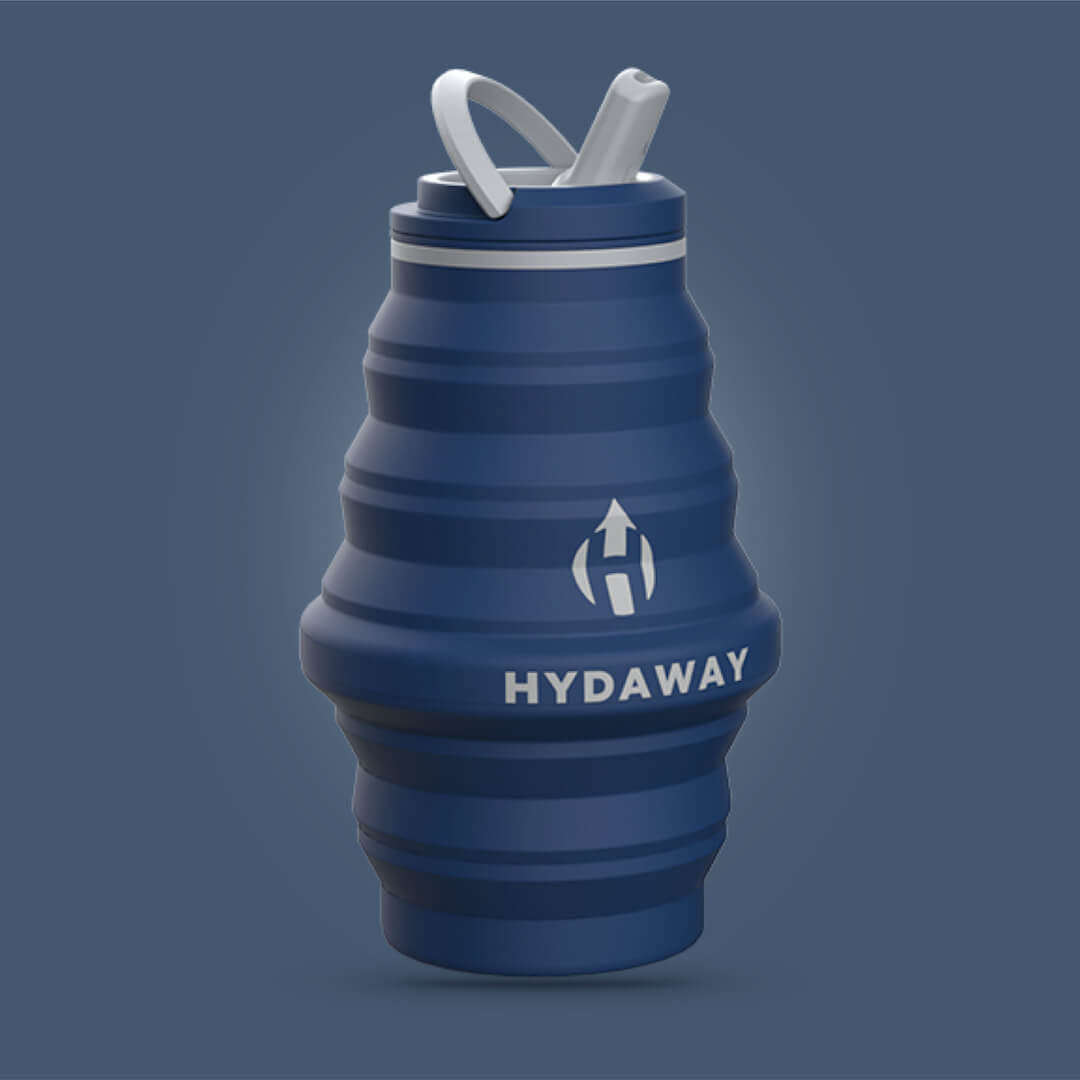
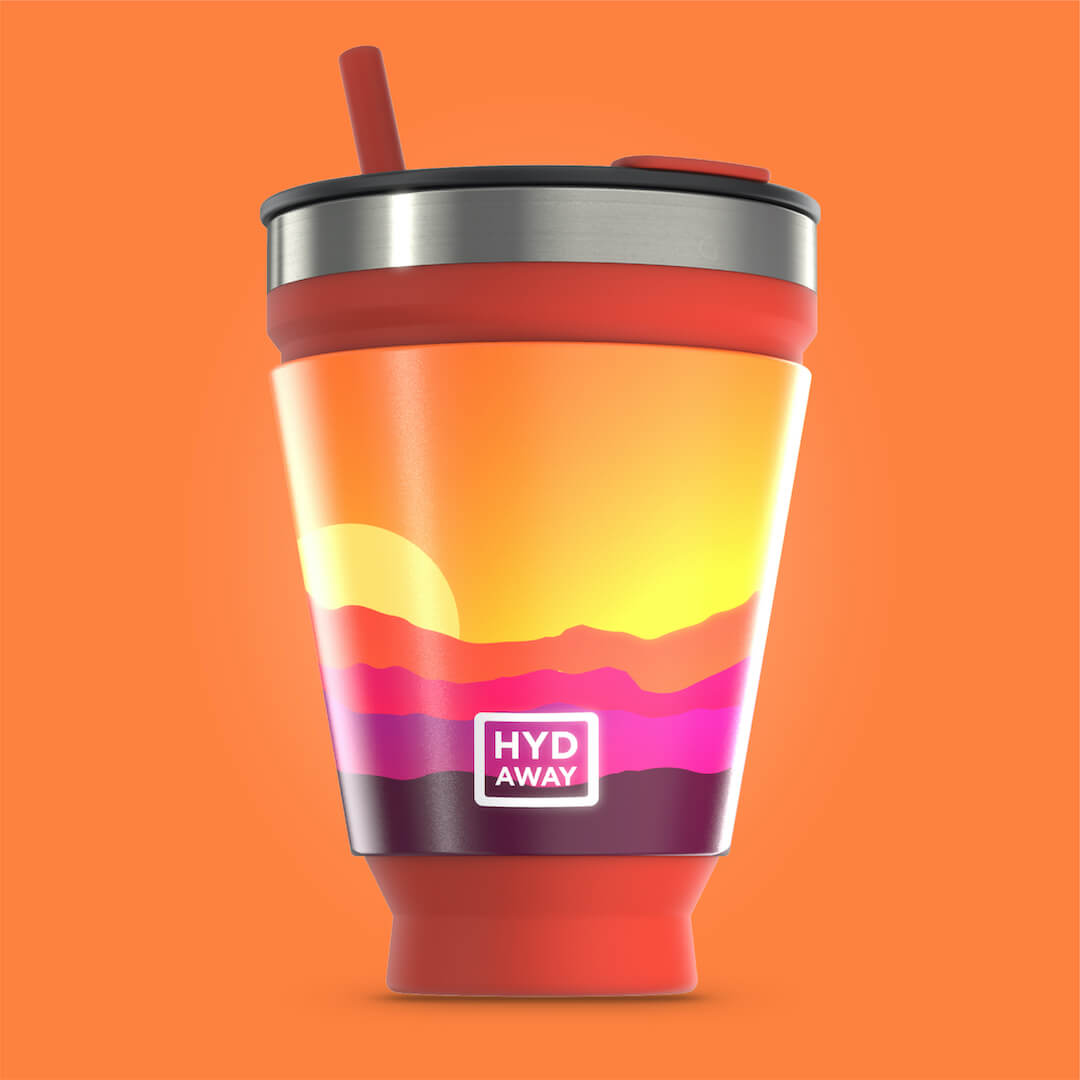
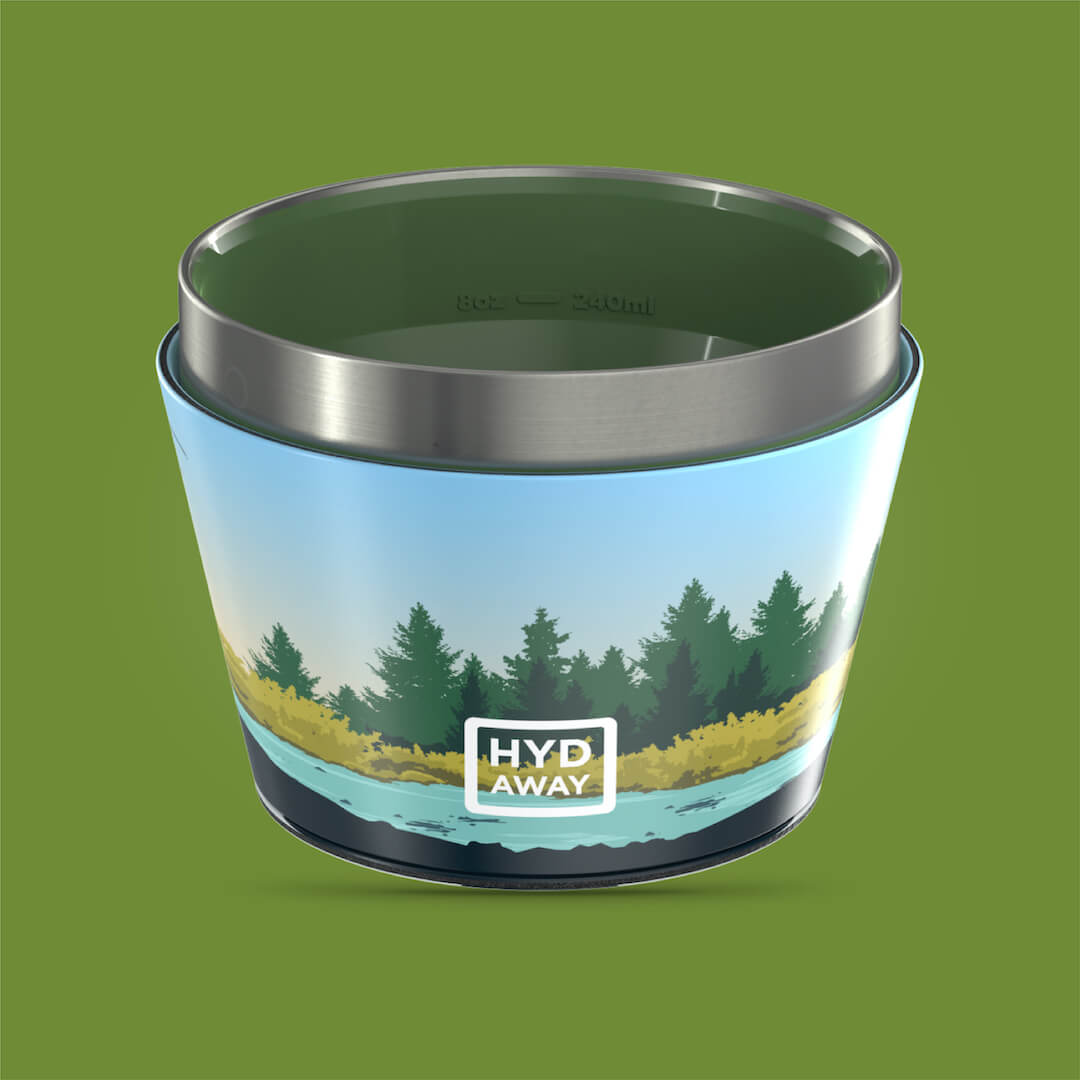
If you want the practicality of quart-sized meal planning without the bulk and fragility of glass, HYDAWAY is worth a look. Their collapsible bottles, insulated bowls, drinkware, and travel-ready accessories make it easier to carry what you need, pack smaller, and skip single-use waste whether you're commuting, camping, or crossing time zones.