


Cutlery for Camping: Top Picks and Why They Matter (cutlery for camping)

When you're packing for a trip, the right cutlery might be the last thing on your mind. But choosing the best fork, spoon, or spork for your adventure can make a huge difference. The best cutlery for camping is always lightweight, tough as nails, and perfectly suited to your kind of trip—whether that's an ultralight titanium spork for a multi-day trek or a full stainless steel set for a comfy car camping weekend.
Unlike the silverware you use at home, outdoor utensils are built to handle the rough and tumble of the trail, resist rust, and pack down small.
Why Your Kitchen Fork Won't Cut It Outdoors

It's tempting to just raid the kitchen drawer before heading out, but trust us, it's a recipe for frustration. Imagine trying to eat your morning oatmeal with a heavy dinner fork that’s already starting to rust from the morning dew. Home cutlery is bulky, heavy, and simply not designed for life in the great outdoors.
This is exactly why dedicated cutlery for camping exists. These tools are engineered with portability and resilience baked right in, making every trailside meal that much better. It's a growing movement, too; the global market for camping utensils hit $2.64 billion in 2021 and is projected to reach $4.61 billion by 2031. Clearly, people are discovering the joy of a good outdoor meal kit! You can read more about the industry's growth on einpresswire.com.
Matching Cutlery to Your Adventure
The golden rule of outdoor gear is simple: match it to your adventure. The needs of a thru-hiker who counts every single ounce are worlds away from a family setting up for a weekend at a drive-in campsite.
- For the Minimalist Backpacker: Weight is everything. Every single item needs to be as light as possible and, ideally, serve more than one purpose. Think of someone tackling the Pacific Crest Trail—they'll choose an ultralight titanium spork that works for both stirring their morning coffee and eating their rehydrated dinner.
- For the Car or Van Camper: When you have more space, you can afford a little more comfort. This means you can bring gear that feels more like home, like a full-sized, durable stainless steel set that can handle flipping burgers on a portable grill.
Thinking this way—matching your gear to your trip—is the key to a smooth, enjoyable experience. A well-chosen kit just makes everything easier. If you want to dive deeper, we have a whole guide on building out your perfect camping kitchen setup ideas.
The HYDAWAY Philosophy
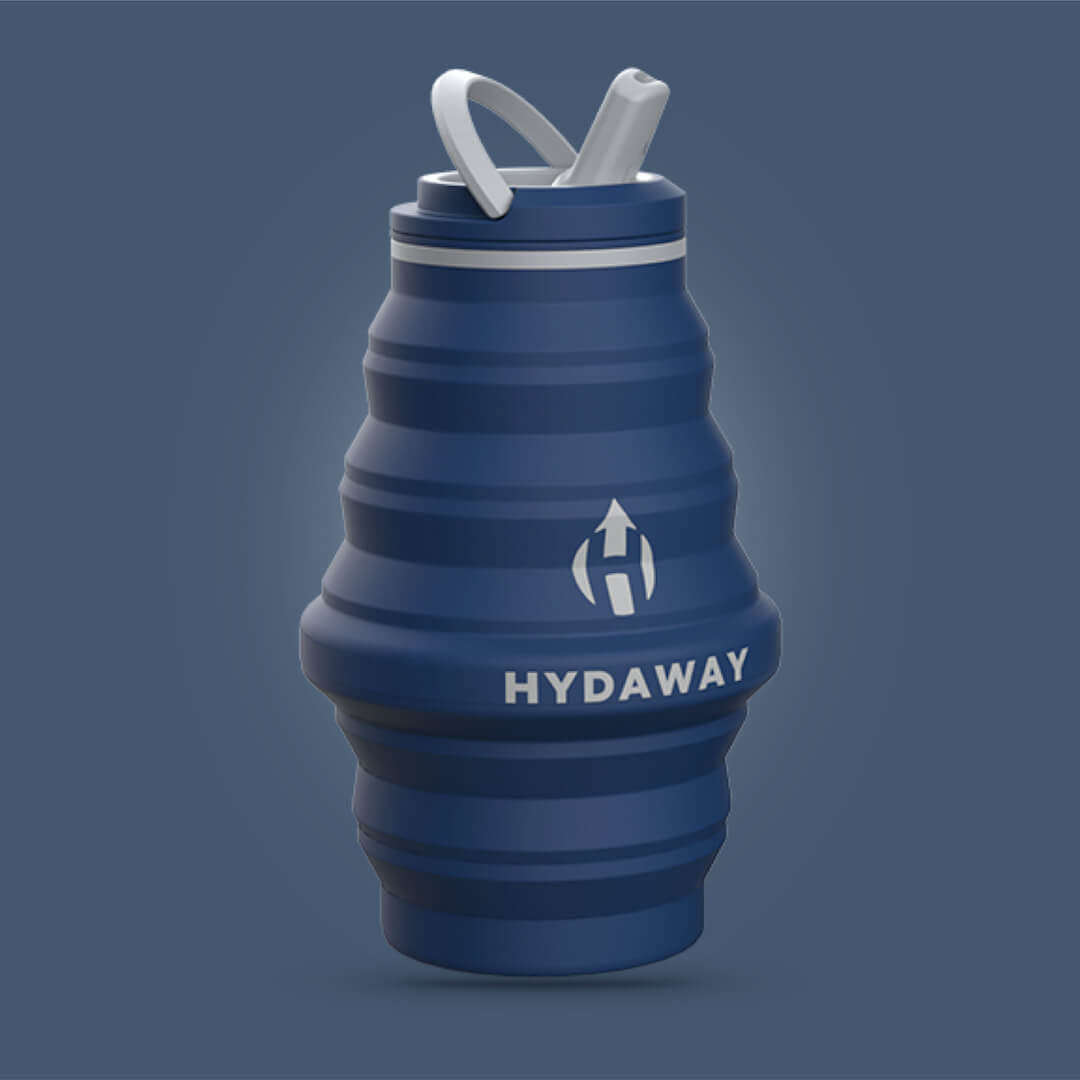
Here at HYDAWAY, our belief is that the best gear is both incredibly functional and ridiculously packable. While we're known for our collapsible dinnerware and drinkware, that philosophy applies to everything in your pack.
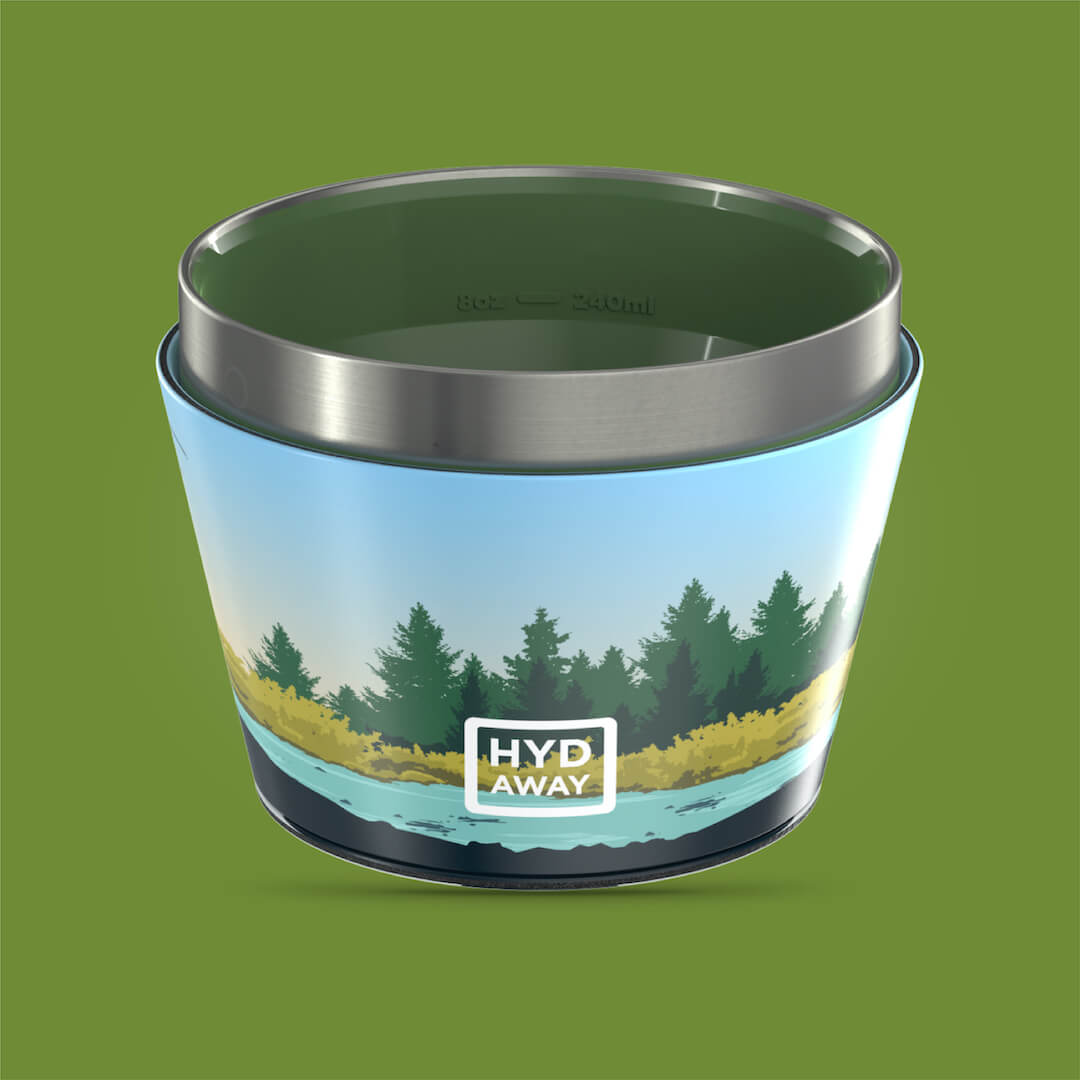
A practical example is how our gear creates a complete meal system. When you pair a featherlight spork with a collapsible HYDAWAY Insulated Bowl, you have a setup that's efficient, saves a ton of space, and weighs practically nothing. This means you can enjoy a hot meal on the trail without the bulk, allowing you to focus on the view, not the weight on your back.
A Practical Guide to Cutlery Materials
Picking the right material for your camping cutlery is a bit like choosing the right hiking boots; the pair you wear for a casual day hike won't be the same ones you'd trust on a multi-day mountain trek. The material determines its weight, durability, and even its price tag, all of which shape your experience in the wild. It’s similar to how you’d choose different materials for gear around the house—what it’s made of really matters for the long haul.
And a lot more people are thinking about this stuff lately. In the U.S. alone, camping gear sales jumped from $461.83 million in 2019 to $605 million in 2020. That's a massive 31% increase, showing just how many of us have been getting back to nature. Good utensils are a fundamental part of any kit. You can dig into more of this trend in the Allied Market Research report on the camping utensils market.
The Ultralight Champion: Titanium
For the serious backpacker counting every single ounce, titanium is the undisputed king. It’s incredibly strong but weighs about 45% less than steel. That’s a difference you can genuinely feel in a pack you’re lugging up a mountain.
A thru-hiker on the Appalachian Trail, for instance, will happily invest in a titanium spork because they know that shaving off even tiny amounts of weight adds up, reducing fatigue and letting them cover more ground. Sure, titanium is the priciest option out there, but its resistance to rust and corrosion makes it a buy-it-once investment that'll last you a lifetime of adventures. Imagine stirring a hot meal in your collapsible HYDAWAY bowl with a utensil that feels like it’s barely there—that’s the beauty of titanium.
The Durable Workhorse: Stainless Steel
If titanium is the sleek, specialized road bike, then stainless steel is the trusty, all-terrain mountain bike. It's heavier, no doubt, but it's also incredibly tough, much more affordable, and nearly impossible to bend or break.
This makes stainless steel the perfect fit for car campers, van-lifers, and anyone who values rugged reliability over featherlight weight. A family setting up camp at a national park for the weekend isn't sweating a few extra ounces; they need a solid set of forks and knives that can handle everything from campfire cooking to clumsy kids. It feels familiar and sturdy, just like the cutlery back in your kitchen drawer.
Sustainable and Budget-Friendly Options
Beyond the two big metals, a few other materials have carved out their own niches in the camping world.
- Aluminum: This is a fantastic lightweight alternative for those on a tighter budget. While it’s not as tough as titanium, it’s a solid middle-ground for casual campers looking to lighten their load without breaking the bank.
- Bamboo: For the eco-conscious adventurer, bamboo is the obvious choice. It's a highly sustainable, renewable resource that’s surprisingly strong and lightweight. Plus, it won’t scratch up your non-stick pots and just feels nice and natural to eat with.
- Food-Grade Silicone: You'll often find silicone on utensil tips or handles because it’s super heat-resistant and flexible. Our own HYDAWAY bowls and tumblers are made from this durable, safe material. Using a silicone-tipped spoon to scrape the last bit of chili from our bowls ensures you get every bite without scratching the surface. You can learn more about food-grade silicone and see exactly why it's a top choice for modern outdoor gear.
Matching Your Gear to Your Adventure Style
Let's be real: the "best" camping cutlery isn't a one-size-fits-all thing. It’s a piece of gear that has to perfectly match how you travel. Think of it like picking out a car—you wouldn't take a slick sports car down a rugged, muddy trail, right? In the same way, the sturdy utensil set that’s perfect for a sprawling car camping setup is going to be completely impractical for a backpacker who lives by the mantra "grams become pounds."
Your adventure dictates your gear. Making the right choice makes your trip smoother, while the wrong one just adds weight, hassle, and frustration. Getting this distinction right is the first step toward building an outdoor kitchen that actually works for you.
This flowchart can help you zero in on what matters most for your style of adventure.

As you can see, if shedding every possible gram is your goal, titanium is usually the answer. But if you’ve got the space and durability is king, stainless steel is a clear winner.
For the Weight-Conscious Backpacker
When you're hauling everything on your back, every single ounce counts. This is where minimalist, multi-functional gear really shines. A long-handled titanium spork, for example, is a backpacker's best friend. It’s ridiculously light and long enough to scrape the very bottom of a dehydrated meal pouch without getting chili mac all over your knuckles.
The goal is maximum utility with a minimal footprint. A backpacker’s entire kitchen might just be a small stove, a pot, and a single utensil. This whole philosophy is about being smart and ruthlessly efficient with every single item you decide to carry.
This is where HYDAWAY gear slots in perfectly. Here's a practical example for your next trip: tuck your spork and a tiny camp towel neatly inside a collapsed HYDAWAY bowl. The whole setup fits in the palm of your hand, saving you critical space and weight for that extra energy bar or rain shell. If you're passionate about lightening your load, checking out a complete ultralight camping gear list can spark even more ideas for optimizing your kit.
For the Comfort-Focused Car Camper
Now, if your adventures involve a car, truck, or van, the rulebook gets tossed out the window. Weight is no longer the main enemy; comfort and convenience take center stage. You suddenly have the freedom to pack gear that feels a lot more like a little slice of home.
This means you can grab a full-sized stainless steel cutlery set without a second thought. Plenty of today's van-lifers dedicate an entire drawer to a robust set of forks, knives, and spoons, letting them enjoy a familiar dining experience miles from anywhere. These sets are durable, a breeze to clean, and can handle any camp meal you throw at them, from flipping pancakes to slicing up a steak.
Making Sustainable Choices for Outdoor Dining
Every time we head out into the wild, we’re making a promise to take care of it. That promise extends right down to our camp kitchen and the gear we pack. Being truly sustainable isn’t just about using a reusable fork; it’s about choosing cutlery for camping that’s built to last, not something that’ll end up in a landfill after a couple of trips.
This is a huge part of the "Leave No Trace" philosophy. When you pick a tough-as-nails titanium spork or a solid bamboo set instead of a flimsy plastic one from a big-box store, you're actively shrinking your environmental footprint. Quality materials are designed to handle years of adventures, which means less waste, one meal at a time.
Why Quality Gear is a Long-Term Win
Sure, it's easy to grab the cheapest option off the shelf. But that’s a trap that leads to a cycle of buying, breaking, and replacing. A well-made stainless steel or titanium utensil set might seem like a bigger investment at first, but its sheer durability makes it the smarter, greener, and more budget-friendly choice in the long run. Think of it as a one-time purchase for countless future meals under the stars.
This isn’t just our opinion; it’s a shift happening across the outdoor community. The camping utensils market is set to grow from $2.6 billion in 2021 to a whopping $4.6 billion by 2031, mostly because folks are consciously ditching disposable plastics. You can read more about this powerful trend over at digitaljournal.com.
Choosing gear built to last isn't just a purchase—it's a commitment. It means less waste, fewer resources consumed, and a smaller footprint left on the wild places we cherish.
Building Your Zero-Waste Camp Kitchen
This whole mindset is right in line with what we do at HYDAWAY. Our mission has always been to create gear that’s incredibly practical and endlessly reusable. When you pair your durable cutlery with our products, you create a complete, zero-waste dining system that’s ready for anything.
Here's how this looks in real life: pack a lightweight titanium spork inside a collapsed, BPA-free HYDAWAY Insulated Bowl. Add a HYDAWAY Collapsible Tumbler for your morning coffee. Your entire meal kit is now unbelievably compact, weighs almost nothing, and completely eliminates the need for single-use plates, cups, or utensils. It’s a simple, smart choice that makes a real difference, trip after trip.
How to Pack and Clean Your Cutlery Like a Pro
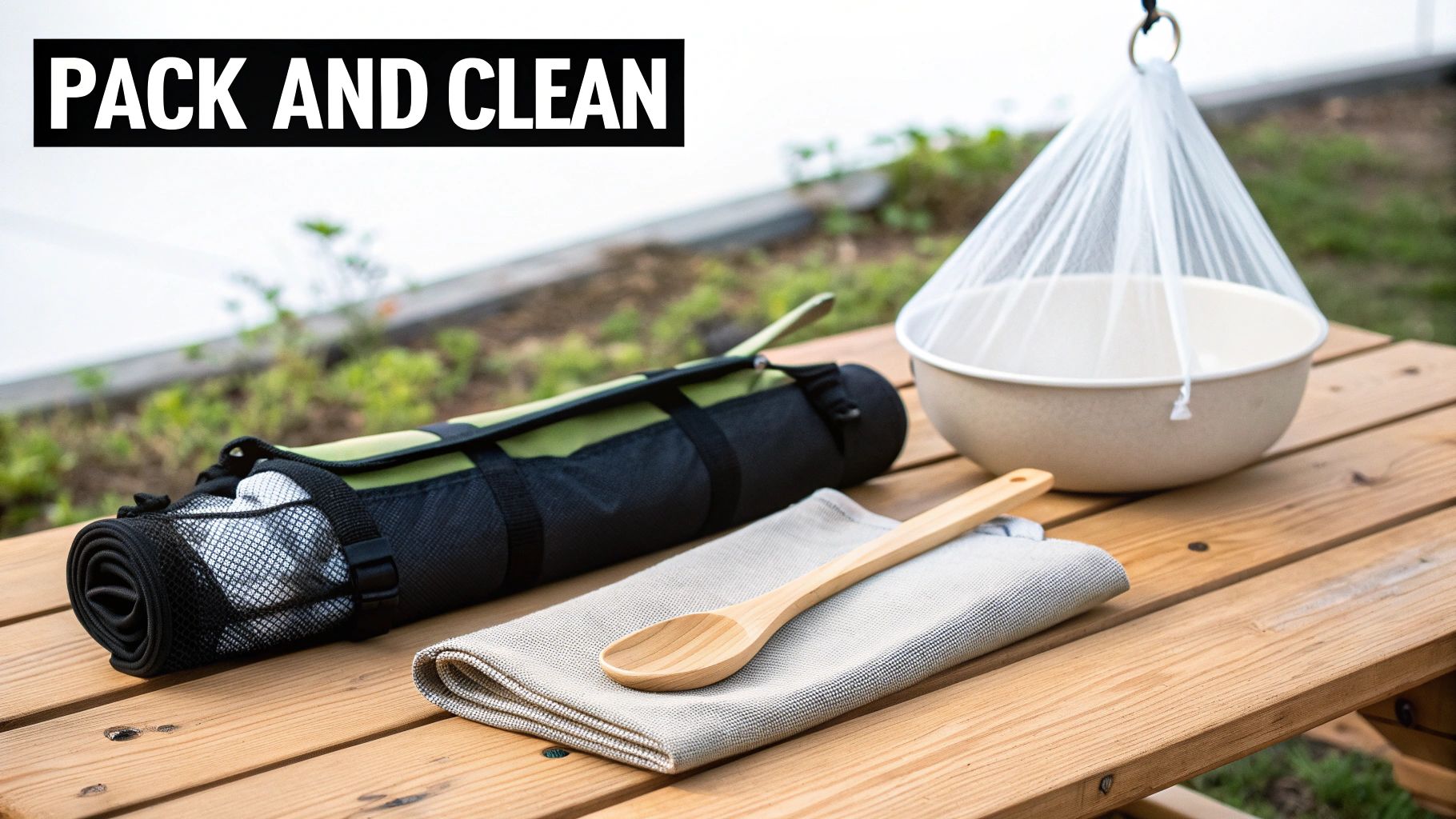
Owning the perfect set of camping cutlery is only half the battle. Knowing how to manage it on the trail is what really separates a good trip from a great one. Smart packing and proper cleaning are the unsung heroes of a stress-free outdoor kitchen, saving you from frustration and that awful rattling sound in your pack.
Great gear management starts before you even lock the front door. The goal is a system that's both organized and quiet. After all, nobody wants their peaceful hike to sound like a drawer of silverware falling down a flight of stairs.
Smart Packing Solutions
A little forethought in how you pack your cutlery for camping makes a world of difference. Please, forget just tossing them loosely into a pot. Dedicated solutions not only keep things tidy but also protect your other gear from getting scratched up.
Here are a few field-tested methods to keep your kit silent and organized:
- Utensil Rolls: A simple fabric roll with individual slots is a classic for a reason. It keeps each piece separate, stops the clanking, and makes it easy to grab exactly what you need.
- Mesh Bags: These are perfect for air drying on the go. After washing, you can just hang the bag from your pack and let your utensils dry as you hike to the next spot.
- Gear Ties: A simple, reusable rubber twist tie is a backpacker's best friend. Tightly wrapping one around your cutlery set is the quickest way to kill the rattle.
Here’s a practical packing action for you: create a self-contained meal kit by wrapping your compact cutlery set in a small camp towel and tucking it perfectly inside a collapsed HYDAWAY Insulated Bowl. This creates a hyper-efficient system that takes up almost no room in your pack and is ready to go at a moment's notice.
Cleaning Your Cutlery in the Wild
Keeping your utensils clean is non-negotiable for hygiene, especially on multi-day trips. Your method will look a little different depending on whether you’re deep in the backcountry or kicking back at a developed campsite.
For backpackers following Leave No Trace principles, the three-bucket system (or a scaled-down version of it) is the gold standard.
- Scrape Bucket: This is a designated pot or bowl for scraping every last food scrap. You’ll pack this waste out with you.
- Wash Bucket: Use hot water and just a drop of biodegradable soap to scrub the utensils clean.
- Rinse Bucket: A final dip in clean water ensures all the soap residue is gone.
For car campers with easy access to water, the process is a whole lot simpler. You can often use a campsite spigot and a small basin, but the principle is the same: wash, rinse, and dry thoroughly. Properly drying your cutlery before stashing it is key to preventing rust on steel or mildew on bamboo. This simple step ensures your gear is always clean, safe, and ready for your next meal under the stars.
Your Smart Camping Cutlery Buying Checklist
Alright, you're ready to pick out the perfect cutlery for camping. It’s way easier to feel good about your choice when you know exactly what to look for. This simple checklist will walk you through the big questions, making sure the gear you bring home is the right fit for your adventures.
Think of this as your final gut-check before you click "buy." Running through these points will help you skip the impulse buys and land a set that feels like it was made just for you.
Define Your Adventure Style
First up, get real about how you actually camp. Just answering this one question honestly will slash your options down to the ones that make sense.
- Are you an ultralight backpacker? If every single gram counts, weight is your number one enemy. You should be looking at feather-light titanium sporks or minimalist multi-tools that pack a ton of function into the smallest possible package.
- Are you a car camper or van-lifer? When you’ve got the space, you can afford to think about comfort and toughness. This is where those beefy stainless steel sets shine—they feel more like what you use at home and can take a serious beating.
Assess Your Cook Kit Integration
Your cutlery doesn’t live on an island; it has to play nice with the rest of your kitchen gear. Think about how a new utensil will fit with your current pots, bowls, and packing system. This is where smart design really starts to matter.
A long-handled spoon, for instance, is an absolute game-changer when you’re digging into a deep dehydrated meal pouch or a well-insulated bowl.
Here's a practical example of great gear synergy: you're scraping up that last, delicious bite of chili from the bottom of a HYDAWAY Insulated Bowl without getting food all over your knuckles. Our collapsible bowl’s depth is designed to work perfectly with longer utensils for an efficient, mess-free meal, letting you enjoy your food without the frustration.
Key Questions Before You Buy
Last but not least, run through this quick list before you pull the trigger.
- Is multifunctionality important? Do you want one tool that does it all (like a spork with a serrated edge), or do you prefer having separate, dedicated utensils for each job?
- What's your budget? Titanium is a top-shelf investment, but you can get amazing value and performance from stainless steel and bamboo.
- How easy is it to clean and pack? Look for smooth, simple designs without a bunch of nooks and crannies that trap food. Sets that come with their own carrying case are a huge plus for keeping things organized.
Common Questions About Camping Cutlery
Even after laying out all the options, a few questions always seem to surface when people are trying to pick the perfect set of camping utensils. Let's tackle some of the most common ones so you can finalize your gear list with confidence.
What Is the Best Material for Camping Cutlery
Honestly, the "best" material really comes down to what you're doing.
If you're a backpacker counting every single gram, titanium is the undisputed champion. It's ridiculously strong for how little it weighs. But for car campers who just want something durable that feels familiar, good old stainless steel is a rock-solid and affordable choice.
And of course, BPA-free plastics are a fantastic lightweight and budget-friendly option, while bamboo is the clear winner for anyone focused on making the most sustainable choice.
Do I Really Need a Special Knife
For actual cooking—like chopping veggies or prepping a fish you just caught—a dedicated small camp knife or even a quality multi-tool is going to be way more effective and a whole lot safer. The little serrated blades you find on many all-in-one sporks are best left for simple jobs, like spreading peanut butter or slicing a block of cheese.
Just think about how you cook outdoors. If your "cooking" is mostly just boiling water for dehydrated meals, the knife on a spork will probably do just fine. But if you get more involved with your camp kitchen, adding a separate, more robust blade to your kit is a really smart move. If you want to get into the weeds of utensil terminology, understanding the difference between flatware and silverware can be pretty interesting.
Nothing ruins the quiet of the trail like the constant clanking of utensils in your pack. The easiest fix? Just wrap them up tightly in a bandana or a small cloth. Many sets also come in a dedicated pouch, which solves the problem right away. A great backcountry hack is to bind them together with a thick rubber band or a gear tie to stop them from rattling around.
At HYDAWAY, we’re all about designing gear that solves these kinds of problems. When you pair your quiet, perfectly packed cutlery with a collapsible HYDAWAY bowl, you've got the ultimate setup for an efficient and enjoyable meal in the wild. Check out our full collection of adventure-ready dinnerware at https://myhydaway.com.