


A Practical Guide to Corporate Sustainability Initiatives

So, what exactly are corporate sustainability initiatives? In short, they're the real, on-the-ground actions a company takes to lessen its negative impact on the world while also boosting its own health and profitability for the long haul. These aren't just fluffy, feel-good afterthoughts; they're smart, strategic moves designed to build a stronger, more responsible business.
Why Corporate Sustainability Is Now a Business Essential

Think of sustainability initiatives as your company's immune system. You invest in it every day—through good nutrition, exercise, and rest—to build up resilience against whatever comes your way. A solid sustainability program works the same way, requiring consistent effort to protect your business from market shocks, new regulations, and damage to your reputation.
For years, many companies treated sustainability like a "nice-to-have" PR stunt. That time is officially over. Today, it’s a non-negotiable part of any sound business strategy, absolutely vital for survival and growth.
The Shift from Optional to Critical
The pressure on businesses to do better is coming from all directions. Modern consumers, especially younger generations, are making their voices heard with their wallets. Recent data shows that purpose-driven consumers, who choose products based on how well a brand’s values align with their own, now represent 40% of all consumers.
This demand for purpose isn't just a consumer trend; it's completely reshaping the world of investing. Investors now comb through Environmental, Social, and Governance (ESG) reports to figure out a company's long-term strength and how well it manages risk. A weak sustainability plan is now a major red flag, signaling poor leadership and a shaky investment.
A strong sustainability program does more than just good; it builds a competitive advantage. It sparks innovation, attracts top talent looking for meaningful work, and creates unshakable brand loyalty in a sea of competitors.
Making Sustainability Tangible
Bringing sustainability into your business doesn't have to be some huge, abstract headache. It can start with simple, practical steps that make a visible difference. For instance, a company can slash its plastic waste by swapping out single-use items at corporate events or in new-hire welcome kits.
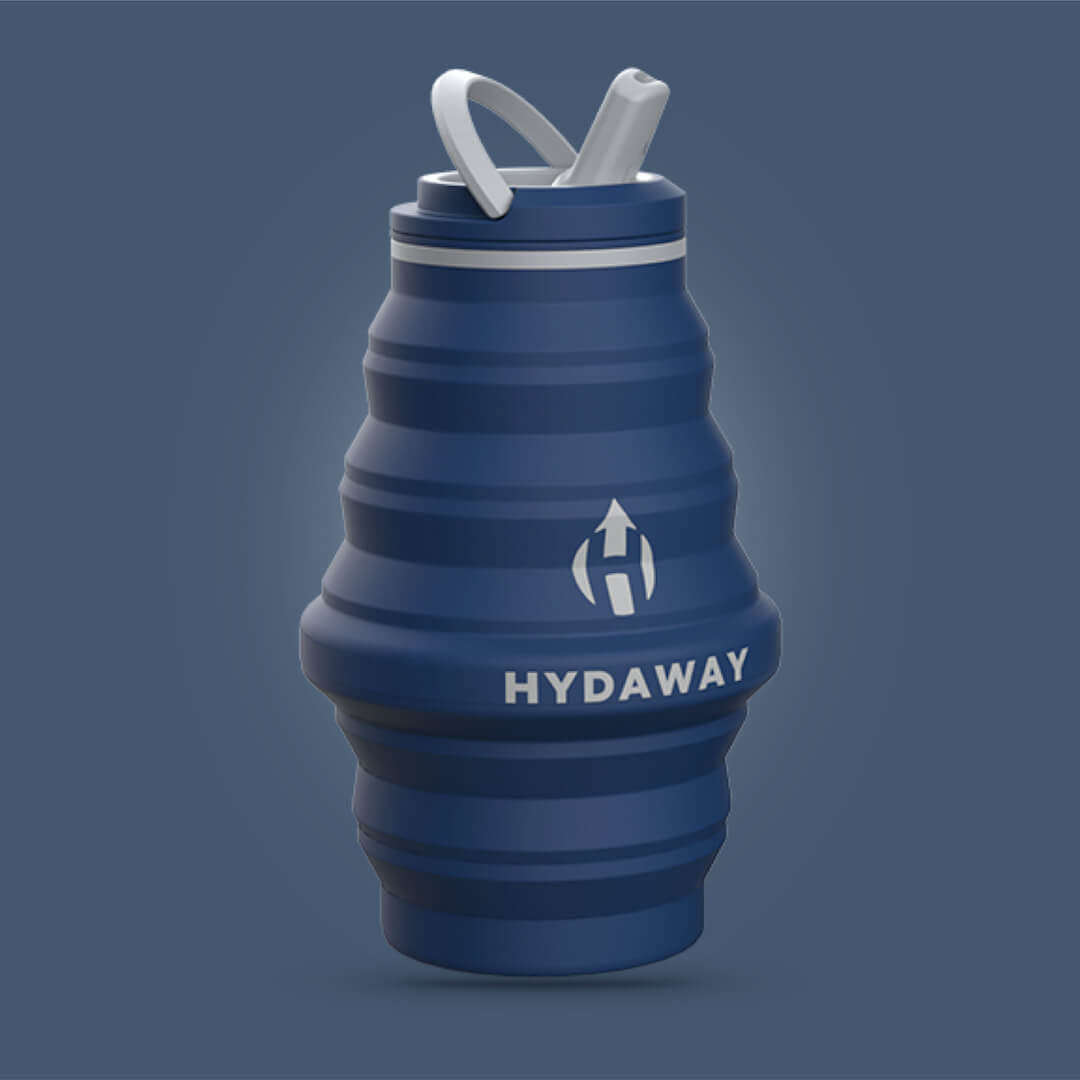
This is where smart, simple choices have a big impact. Imagine you're a new employee, and on your first day, you receive a welcome kit. Instead of disposable branded trinkets, you get a high-quality HYDAWAY collapsible water bottle. This isn't just a useful gift for your commute or travels; it's a practical tool that immediately connects you to the company's eco-conscious values. It's a daily-use item that says, "We care, and we want you to be part of it." You can learn more about how small changes contribute to a larger impact by exploring what sustainable living truly means.
This guide is your roadmap, taking you from these foundational ideas to concrete strategies. We'll show you how to build a program that doesn't just check the boxes but delivers real, measurable value to your business.
The Tangible Business Case for Sustainability Initiatives
It’s easy to think of corporate sustainability as a “nice-to-have” that just generates a bit of goodwill. But the real story is that these initiatives are one of the smartest business moves a company can make today, delivering concrete, measurable value that goes straight to the bottom line. This isn't about charity anymore; it’s about building a stronger, more resilient, and more profitable business.
The connection between doing good and doing well is getting clearer by the day. Top executives are no longer asking if they should invest in sustainability, but how much. In fact, a recent global survey found that nearly two-thirds of C-suite leaders plan to increase their sustainability investments. They’re seeing real returns, and you can get the full picture on sustainability spending from Deloitte's 2025 survey.
Boosting the Bottom Line Through Efficiency
One of the fastest wins from any sustainability program is simply cutting costs. It works just like making your home more energy-efficient—swapping out old bulbs for LEDs or adding insulation doesn’t just help the planet, it lowers your utility bills. Businesses see the same effect, but on a much larger scale.
A great current example is Microsoft, which implemented an internal carbon fee that charges its business divisions for their emissions. This created a powerful financial incentive to cut energy use, leading to massive investments in renewable energy and efficiency upgrades across their data centers. This isn't just an environmental headline; it's a strategic move to reduce long-term operational costs and innovate for a low-carbon future.
Those are real financial gains that can be plowed right back into the company to fuel new ideas and growth.
Attracting Talent and Inspiring Loyalty
In a tight job market, a paycheck isn't the only thing that matters. The most talented people, especially younger generations, want to work for companies that stand for something positive. They’re actively looking for employers whose values match their own.
A strong sustainability program is a magnet for top-tier employees. It shows you’re a forward-thinking company that cares about more than just profits, creating a place where people are proud to work.
The same idea holds true for your customers. With a growing number of consumers saying a brand’s purpose influences what they buy, a real commitment to sustainability can build an incredibly strong bond. When a customer picks your product because they trust your mission, they're not just making a purchase—they're becoming a fan.
That kind of loyalty is priceless, leading to repeat business and word-of-mouth marketing that you just can't buy.
Mitigating Risks and Unlocking Investment
Finally, a solid sustainability plan is your best defense against a whole world of business risks. By getting ahead of environmental and social issues, companies can protect themselves from a long list of potential headaches.
- Supply Chain Resilience: When you audit suppliers for fair labor and environmental practices, you’re less likely to be sideswiped by factory shutdowns, resource shortages, or a climate-related disaster.
- Regulatory Compliance: Governments are rolling out stricter environmental laws all the time. Companies that are already focused on sustainability are ahead of the game, dodging fines and legal drama.
- Investor Confidence: Today, investors look closely at a company's Environmental, Social, and Governance (ESG) performance. Strong ESG signals a well-run, forward-thinking business that's ready for the future, which can open the door to new funding.
Even a small step can have a huge ripple effect. Imagine you're preparing for a business trip. Instead of relying on airport plastic bottles, you pack your company-branded HYDAWAY collapsible bottle. It takes up almost no space in your carry-on, saves you money, and cuts down on plastic waste. For the company, this simple employee habit reduces travel expenses and provides a visible reminder of its commitment to doing better—a practical win for everyone.
Alright, you've seen why sustainability is good for business. Now for the fun part: figuring out how to actually do it.
Thinking about "corporate sustainability" can feel a bit overwhelming, like trying to boil the ocean. But it’s not one giant, monolithic task. It’s really a collection of focused efforts that add up to create some serious positive change. Once you start breaking it down into specific categories, you can spot the perfect places for your company to jump in.
So, let's look at some of the most common and effective ways businesses are making a difference.
Below is a quick overview of some popular initiatives and the business perks they bring. We'll dive deeper into a few of these in the next sections.
Common Sustainability Initiatives and Their Business Impact
| Initiative Category | Practical Example | Primary Business Benefit |
|---|---|---|
| Waste Reduction | Equipping the team with reusable items like water bottles and coffee cups. | Lowers supply and disposal costs; strengthens company culture. |
| Energy & Emissions | Installing EV charging stations for employees and company vehicles. | Reduces Scope 3 emissions; attracts and retains eco-conscious talent. |
| Supply Chain | Prioritizing suppliers with transparent, third-party sustainability certifications. | Builds supply chain resilience and enhances brand trust. |
| Water Conservation | Implementing rainwater harvesting for non-potable uses like landscaping. | Decreases water and sewage costs; demonstrates innovation. |
| Employee Engagement | Sponsoring local environmental clean-up days or community gardens. | Boosts morale, retention, and local community relations. |
These are just starting points, of course. The key is to find the right fit for your business and build from there.
1. Drive Visible Change With Waste Reduction
If you want an initiative that gets people excited and shows immediate results, start with waste. It's often the most tangible and rewarding place to begin, giving you clear proof of your commitment right from day one. The goal is simple: send less stuff to the landfill.

One of the easiest wins? Go after the single-use items. Just stop and think about the mountain of disposable cups, plastic water bottles, and takeout containers an office burns through in a year. Swapping those out for high-quality reusables is a straightforward move with a huge impact.
- Office Kitchens: Ditch the paper cups and flimsy plastic cutlery. A practical first step is to set up a well-stocked kitchen with real mugs, glasses, and silverware, making the sustainable choice the easy choice.
- Corporate Events: Instead of ordering pallets of bottled water, set up hydration stations and give attendees a branded reusable bottle. This not only cuts waste but also serves as a lasting, positive reminder of the event.
- New-Hire Kits: Welcome new team members with a sustainability starter pack. Imagine receiving a collapsible HYDAWAY water bottle and a travel-friendly bowl. As someone who's always on the go, these aren't just cool swag; they're practical tools for your daily life, reinforcing the company's eco-conscious values from day one.
And waste isn’t just about coffee cups. For many businesses, responsible ESG electronics recycling is a critical piece of the puzzle for managing e-waste properly.
2. Get Smart About Energy Management
Every light left on, every old-school computer humming away—it all adds up. It inflates your carbon footprint and your operating costs. Smart energy management is all about using power more intelligently, which is a direct win for both the planet and your bottom line.
A current, real-world example is the widespread corporate adoption of electric vehicle (EV) fleets. Companies like Amazon and FedEx are investing billions to electrify their delivery vans. This move helps them meet their climate goals, but just as importantly, it hedges against volatile fuel prices and lowers long-term maintenance and operational costs.
Think of an energy plan like a fitness tracker for your building. It shows you where you’re spending your energy, flags areas for improvement, and helps you set goals to get your operational budget into healthier shape.
You can start with a few simple steps:
- Run an energy audit to find and plug your biggest "energy leaks."
- Swap out old bulbs for LED lighting and put motion sensors in places like conference rooms and bathrooms.
- Install EV charging stations, which can be a major perk for attracting and retaining employees who drive electric.
3. Build a More Sustainable Supply Chain
A company’s real impact doesn’t stop at its own front door. It stretches all the way down its supply chain. This is where things get a bit more complex, but the payoff is enormous. It’s all about working with your suppliers to make sure everyone is holding up their end of the bargain on environmental and ethical standards.
This means you have to start asking some tough questions about your partners. Are they treating their workers fairly? How are they managing their own emissions and waste? This is what experts call tackling your Scope 3 emissions—all the indirect impacts up and down your value chain.
Take the apparel brand Patagonia. They are famously transparent about their supply chain, mapping out their material sources and factories. They actively partner with suppliers to improve environmental performance and ensure fair labor practices, which builds immense trust with their customers. A simple way to get started is by making your own procurement more sustainable. Learning how to get started with purchasing reusable water bottles in bulk for your company is a practical first step that can make a real difference.
How to Navigate Global Sustainability Frameworks
Jumping into corporate sustainability can feel like you're trying to follow three different GPS apps at once, all shouting different directions. Let's make it simple. Think of sustainability frameworks as different navigation systems, each built to get you to a specific destination. You don't need to run them all at the same time—the trick is picking the one that aligns with where you want to go and who you're trying to impress.
These frameworks give your efforts structure. They help you measure what actually matters, report your progress honestly, and speak a language that investors, customers, and even regulators will understand. A recent survey from KPMG revealed that 79% of the world’s top companies now report on sustainability, with the GRI Standards being the most popular framework. This highlights a massive global shift toward organized, transparent reporting. You can dive deeper into these trends and discover essential sustainability statistics on Green Places.
ESG: The Investor's Satellite View
Environmental, Social, and Governance (ESG) is the high-level satellite view that investors and financial folks are looking at. It's less of a step-by-step manual and more of a lens they use to judge a company's overall health and ability to handle long-term risks.
- Environmental (E): How are you treating the planet? This covers your carbon footprint, energy and water use, and how you manage waste.
- Social (S): How do you treat people? This is all about your relationships with your team, your suppliers, your customers, and the communities you work in.
- Governance (G): How is your company actually run? This looks at your leadership, how executives are paid, internal checks and balances, and shareholder rights.
A solid ESG profile tells investors you're a well-managed company that's ready for what the future holds, making you a much more appealing place to put their money.
SDGs: The Inspiring Global Destinations
The United Nations Sustainable Development Goals (SDGs) are a set of 17 interconnected goals for a better world. Think of them as inspiring destinations for all of us—things like ending poverty, ensuring clean water, and promoting responsible consumption.
While your company can't solve all 17 problems alone, you can absolutely align your initiatives with the SDGs that make sense for your business. This connects your day-to-day actions to a globally recognized mission, which is a powerful story to tell and a great way to get employees excited about their work having a real purpose.
For example, imagine you're a frequent traveler. A company that provides a HYDAWAY collapsible bottle helps you personally contribute to SDG 6 (Clean Water and Sanitation) and SDG 12 (Responsible Consumption and Production) every time you fly. By choosing to refill your bottle instead of taking a disposable cup on the plane, you're actively reducing plastic waste and promoting reuse, turning a simple habit into a meaningful action.
GRI and SBTi: Your Turn-by-Turn Directions
If ESG is the "what" and the SDGs are the "why," then frameworks like the Global Reporting Initiative (GRI) and the Science Based Targets initiative (SBTi) are the "how." They give you the practical, turn-by-turn directions.
- GRI: This is the most popular playbook for sustainability reporting. It lays out exactly how to measure and talk about your impact across a huge range of topics, from carbon emissions to your labor practices.
- SBTi: This one is laser-focused on climate action. It helps companies set aggressive greenhouse gas reduction targets that are in line with what climate science says we must do to meet the goals of the Paris Agreement.
So, which one is for you? It really depends on your goals. If you're trying to attract investors, you need to be speaking the language of ESG. If you want to build a comprehensive and transparent sustainability report that covers all your bases, GRI is your guide. By picking the right system for your journey, you can make sure your sustainability efforts are clear, credible, and headed in the right direction.
Your Actionable Roadmap for Launching a Sustainability Program
Knowing the “what” and “why” behind corporate sustainability is a fantastic starting point. But turning that ambition into real-world action? That’s where things get exciting. This is your guide to launching a program that actually builds momentum, gets your team on board, and delivers results you can measure.
We’re breaking it down into a practical, step-by-step process designed to move your company from ideas to impact. Think of it as a clear path from getting leadership buy-in and picking your battles to setting clear goals and, most importantly, getting your whole team involved.
Step 1: Get Leadership on Your Side
Let's be honest: no major initiative gets off the ground without support from the top. Your first move is to build a business case that speaks the language of leadership—we're talking cost savings, risk management, brand reputation, and attracting top talent.
Instead of framing sustainability as a cost, show it as a strategic investment. A practical example: show leadership a cost-benefit analysis of switching the company's vehicle fleet to EVs. Highlight not just the reduced emissions, but the projected savings on fuel and maintenance over the next five years. This frames the decision around long-term financial health, not just environmental goodwill.
Step 2: Pinpoint Your Most Impactful Focus Areas
You can't do everything at once, and you shouldn't try. The real key is to focus your energy where it will make the biggest splash. The best way to do this is with a materiality assessment—a straightforward but powerful way to figure out your priorities.
A materiality assessment boils down to two simple questions:
- What sustainability issues matter most to our stakeholders (like customers, employees, and investors)?
- Where can our business have the most significant positive impact (or reduce the most significant negative impact)?
The sweet spot is where those two answers overlap. For a tech company, that might be data center energy use and e-waste. For a food and beverage brand, it could be sustainable sourcing and packaging. For a more detailed approach to crafting your program, refer to this guide on building a comprehensive business sustainability strategy.
Step 3: Set Clear, Measurable Goals
Once you know where you're going, you need to define what success looks like. Vague goals like "being more green" are impossible to track and even harder to celebrate. It’s time to set clear, measurable targets grounded in actual data. Think SMART goals: Specific, Measurable, Achievable, Relevant, and Time-bound.
Here are a few practical examples:
- Reduce single-use plastic waste in our offices by 50% within 12 months by eliminating plastic water bottles and providing reusable alternatives.
- Achieve 100% renewable energy for our main headquarters by the end of next year through a direct power purchase agreement.
- Increase employee volunteer hours for environmental causes by 25% over the next two years through a new paid-time-off-for-volunteering policy.
Step 4: Empower and Engage Your Team
Your employees are your single greatest asset in making sustainability stick. Their buy-in and participation are what will turn a corporate policy into a cultural movement. The trick is to make the mission personal, tangible, and incredibly easy to join.
One of the most effective ways to do this is by launching an internal "Pledge to Reuse" campaign. This isn't just about sending an email; it's about giving your team the tools to be part of the change.
Imagine you're juggling a busy work schedule and trying to live more sustainably. By providing every employee with a custom-branded HYDAWAY collapsible bottle, the company removes a barrier. It’s no longer on you to remember or buy a reusable bottle; you're given a high-quality one that's perfect for your gym bag, daily commute, or carry-on. This simple act transforms a corporate policy into a personal benefit, fostering a powerful sense of community and purpose.
This simple act can drastically cut down on disposable cup and bottle waste at the office, at corporate events, and during business travel. It’s a practical, visible win that lets everyone be part of the solution. If you’re thinking about this, check out our guide on finding the right sustainable office products to support your team.
This simple flowchart shows how different frameworks provide a high-level view (ESG), global goals (SDGs), and reporting guidelines (GRI) for your program.

This visual shows how you can start with a broad ESG assessment, align your efforts with global SDGs, and then use GRI for detailed reporting to create a well-rounded strategy.
Step 5: Report Your Progress and Build Momentum
Finally, transparency is everything. It’s how you build trust and keep the energy high. Regularly track your progress against the goals you set in Step 3 and share the results—both the wins and the challenges—with everyone.
This creates a positive feedback loop. Celebrating milestones gets people excited and reminds them that their efforts are paying off. And being honest about where you've hit a snag shows you're serious about the journey. This kind of reporting turns your sustainability program from a one-time project into an evolving, living part of your company's DNA.
Measuring and Communicating Your Sustainability Impact
Getting your corporate sustainability initiatives off the ground is a huge win, but that's just the beginning of the story. After all, as the old business saying goes, "If you can't measure it, you can't manage it." Tracking your progress and sharing your journey are what transform good intentions into a rock-solid reputation and real, lasting change.
The whole process kicks off by figuring out the right Key Performance Indicators (KPIs). These are the specific, measurable numbers that prove your efforts are actually making a difference. We’re talking about going beyond just dollars and cents to tell a compelling story about your impact.
Choosing Your Key Performance Indicators
Your KPIs should line up perfectly with the goals you laid out in your roadmap. They’re the hard evidence you need to show a return on your investment (ROI) and keep the momentum going strong. Instead of making vague claims, you need to focus on concrete metrics.
- Environmental KPIs: Think in terms of kilowatt-hours of electricity saved, metric tons of CO2 emissions reduced, or the total pounds of waste diverted from landfills.
- Social KPIs: You could measure your employee participation rate in green programs, track the percentage of spending with diverse or local suppliers, or see improvements in employee satisfaction surveys related to company values.
- Operational KPIs: This is where you can monitor the number of single-use items eliminated from your supply chain or the percentage of materials you source from certified-sustainable content.
For instance, a company giving its team HYDAWAY collapsible bottles can easily track a powerful metric: the reduction in single-use plastic bottle procurement. If 500 employees stop using just one disposable bottle per workday, that’s over 125,000 fewer plastic bottles purchased and discarded annually. That’s a powerful, quantifiable win that’s incredibly easy to communicate.
The Power of Transparent Reporting
Once you've got your data, it’s time to share it. Transparent reporting isn't about bragging; it's about building unshakeable trust with your customers, investors, and employees by being honest about the entire journey—the wins, the hurdles, all of it.
And people are demanding this more than ever. The pressure for corporate sustainability disclosure has ramped up as investors and regulators are looking closer. Recent global standards, like those from the IFRS Foundation, are now creating a global baseline for reporting, making it easier to compare apples to apples. This points to a major shift toward comprehensive, data-driven management, especially with more companies now reporting on their trickier Scope 3 value chain emissions. You can dive deeper into these global trends in the full OECD report.
A great sustainability report is more than just a data dump. It’s a storytelling tool. It’s your chance to showcase your commitment, paint a picture of your vision, and inspire everyone involved to take the next step.
By clearly measuring your impact and sharing your progress honestly, you cement your reputation as a company that’s truly thinking ahead. This data-backed story doesn't just keep stakeholders happy; it kicks off a cycle of continuous improvement and helps build a culture where sustainability is truly woven into your company's DNA.
Diving into corporate sustainability can feel like a huge undertaking, and it’s natural to have a lot of questions. We get it. Let’s walk through some of the most common ones we hear from business leaders, so you can get past the initial roadblocks and start making a real impact.
How Can a Small Business Start with a Limited Budget?
You absolutely don't need a huge budget to start making a difference. The trick is to start small with low-cost, high-impact changes that often pay for themselves. These early wins can even help fund bigger projects down the line.
A fantastic place to begin is by tackling waste. For you, the reader, this can be as simple as making a conscious effort to use a reusable coffee cup or water bottle every day. For a business, it means eliminating single-use plastics in the office—a move that immediately slashes supply and disposal costs. For example, instead of buying cases of disposable water bottles for meetings, install a water filter on a tap and provide reusable cups. It's a simple switch that feels better and delivers a positive return from day one.
We’ve seen so many small businesses discover that their first sustainability steps actually boost their bottom line. When you focus on efficiency and waste reduction, you’re not just helping the planet—you’re running a smarter, leaner business.
How Do We Get Employees Excited About Our Goals?
The secret to getting your team fired up is to make sustainability personal and easy to get involved in. A mandate from the top rarely sparks true passion. The real magic happens when you empower your employees to be part of the solution.
A practical way to do this is to form a voluntary "Green Team" to spearhead initiatives. They could organize a "Waste-Free Lunch" challenge or set up a composting program in the office kitchen. Most importantly, give them tools that make it effortless to participate. Imagine as an employee, you want to reduce your plastic use but often forget your bottle at home. When the company provides a super-portable HYDAWAY collapsible bottle that you can just keep in your work bag, it removes that barrier. This makes you feel supported in your personal goals and builds a powerful sense of being in it together.
What Sustainability Issue Should We Focus On First?
Trying to figure out where to start can be paralyzing. The best approach is a simple materiality assessment. It sounds technical, but it really just means asking two key questions:
- What sustainability topics do our most important stakeholders (like our customers and employees) really care about?
- Where can our business make the biggest, most meaningful impact?
The sweet spot is right where those two answers overlap. If you're a reader who wants to support sustainable businesses, look for companies tackling issues that matter to you. For a retail shop, this might mean cutting down on packaging waste. For a company that provides services, it might be reducing the carbon footprint from business travel. Start there, and you’ll get the most bang for your buck.
Ready to make your sustainability goals something your team can see and feel? Equip them with gear they’ll actually love and use every single day. HYDAWAY offers custom-branded, collapsible water bottles and travel gear that puts your commitment to a better planet right into your employees' hands.
Explore our branding options at https://myhydaway.com and kick off your "Pledge to Reuse" campaign today.