


Collapsible Water Bottle Dog: Ultimate Guide & Reviews 2026

You know the moment. Your dog stops at the side of the trail, tongue out, breathing hard, and you start the usual routine: unclip the leash from one hand, dig through the pack with the other, pull out a bottle, find a bowl, pour too much, spill some on your shoes, and watch the rest run into the dirt.
That's the point where a collapsible water bottle for a dog stops feeling like a novelty and starts feeling like basic outdoor sense.
More people are traveling, hiking, road-tripping, and spending ordinary errand days with dogs in tow, and their gear is changing with that lifestyle. The broader collapsible water bottle market was valued at USD 1.68 billion in 2023 and is projected to reach USD 2.81 billion by 2031, with a 6.60% CAGR, according to Data Bridge Market Research's collapsible water bottle market report. Dog-specific versions fit neatly into that same shift toward portable, reusable, space-saving gear.
A good setup doesn't just help your dog drink. It makes the whole outing smoother, from neighborhood walks to weekends in the mountains. If you're planning more outings this season, a list of new places to take your pup can help you think beyond the same loop around the block and choose gear that matches where you go.
Hydration on the Go The Modern Dog Owner's Essential
A standard human bottle works fine until your dog needs water somewhere without a sink, a hose, or a public bowl. Then every flaw shows up at once. The bottle is awkward to aim, the separate bowl takes up room, and whatever your dog doesn't drink becomes waste.
That's why the collapsible water bottle dog category has become such a practical staple for active owners. The appeal isn't complicated. It saves space, limits mess, and keeps water ready in a format your dog can use.
Why this gear changed everyday outings
On a city walk, pack size matters. On a hike, wasted water matters. On a road trip, leaks matter.
A collapsible bottle solves all three better than the old bottle-plus-bowl combo because it earns its place in your kit even when you don't end up using all of it. When it empties, it shrinks. When the dog drinks, the bowl is already attached. When you toss it back into a bag, it doesn't need the same amount of room as a rigid bottle.
Practical rule: The best dog gear removes one step at the exact moment you're busiest.
That matters most in practical use, not in product photos. You're often holding a leash, watching trail footing, opening a car door, or managing two dogs at once. Simpler gear wins because you'll use it.
What makes it feel modern
This product didn't appear by accident. Portable dog hydration gear grew out of the same outdoor and travel habits that made collapsible human bottles more common. Owners wanted less bulk and fewer loose parts. Brands answered with integrated bowl designs, fold-flat bodies, and closures that travel better than open cups or flimsy plastic bowls.
The result is a piece of gear that fits the way people move now: short local outings during the week, longer outdoor days on weekends, and more dogs included in daily travel.
How Collapsible Dog Water Bottles Work
Most designs are simple once you've used one for a day. The bottle either compresses down when empty, or the drinking section folds into the body so it takes up less room in a pack.
The key innovation is the built-in drinking bowl or flip-top lid, which lets a dog drink without a separate dish. Many designs hold around 21 oz and include an on/off switch to reduce leaks during travel, as described in this portable dog water bottle overview.
The two designs you'll see most often
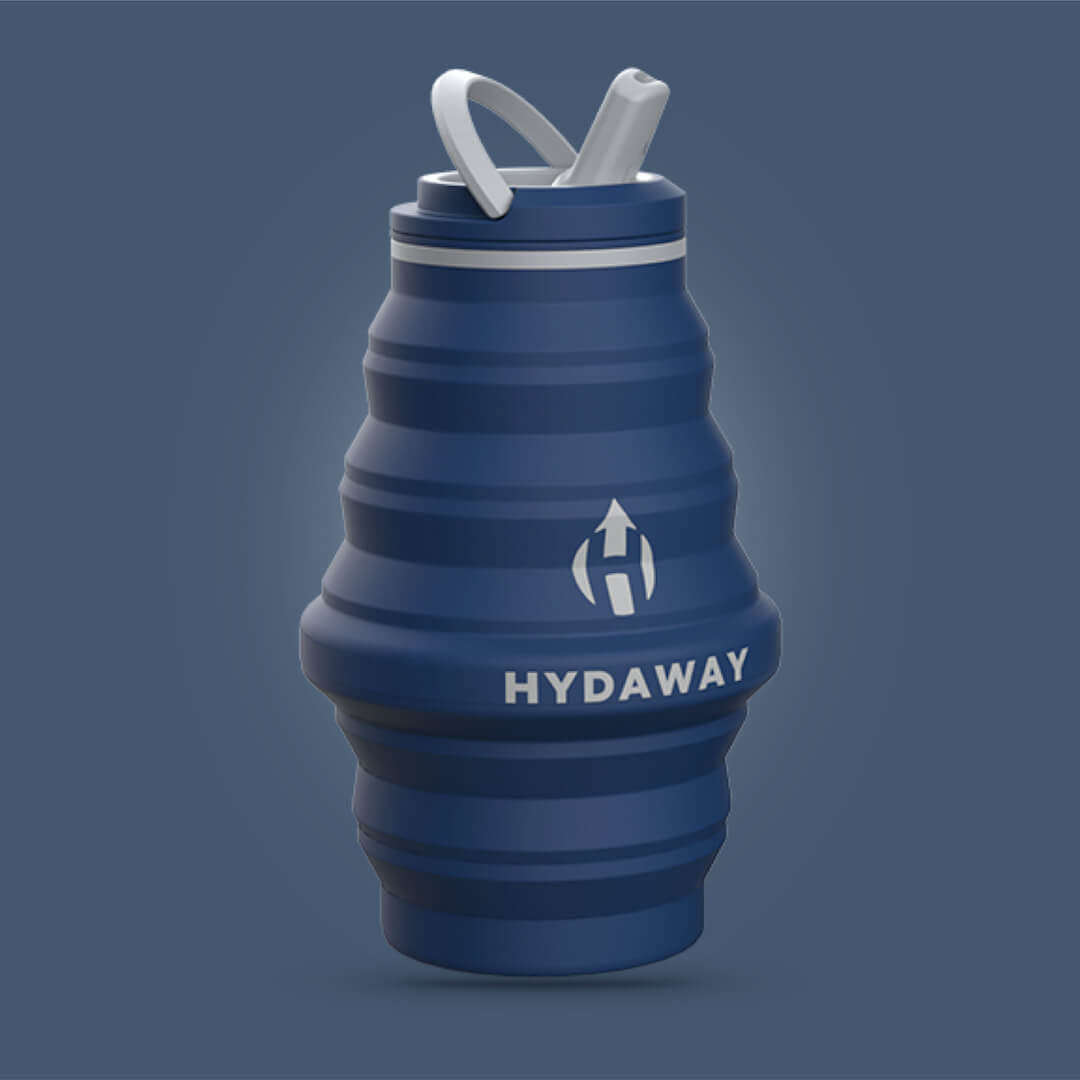
The first style uses a flexible body that compresses like an accordion. Fill it up, use it normally, then press it down smaller as the water level drops or once it's empty. This style is good for travelers who care most about saving pack space.
The second style uses a built-in trough, leaf, or flip-out drinking area. The bottle itself may stay more bottle-shaped, but the bowl folds into it so you're not carrying a second item. This style often feels faster at rest stops because the drinking surface is already part of the bottle.
What the drinking mechanism actually does
A collapsible bottle dog setup works best when it controls water flow instead of dumping water all at once. That usually means one of these:
- Flip and pour: Open the trough or bowl section, then tip or squeeze.
- Button or switch release: Let water into the attached bowl only when needed.
- Return-flow design: Some bottles let unused water move back into the bottle instead of being tossed out.
That last detail matters more than people expect. Dogs rarely drink the exact amount you pour, especially when they're distracted, excited, or only taking a quick break.
If you've ever poured half a bottle into the dirt because your dog took three laps and walked off, you already know why controlled flow matters.
Why integrated bowls are better than improvising
Pouring into your hand works in a pinch. So does a spare food container. Neither works well repeatedly.
An integrated bowl gives your dog a stable drinking surface and gives you a cleaner routine. It also keeps dog slobber off your own bottle, which is reason enough for many owners to carry a dedicated setup.
For active travel, space-saving products earn their keep. A compact bottle that collapses flat can live in a daypack pocket, glove compartment, or side pouch without becoming dead weight once the water is gone.
Must-Have Features in a Dog Water Bottle
Features sound abstract until one fails on the trail. Then they become very concrete. The bottle leaks into your pack. The bowl is too narrow for your dog's face. The lid traps residue and starts to smell. The material picks up flavor and your dog refuses it.
The most useful collapsible water bottle dog models get the basics right before they add anything clever.
Start with the closure and bowl shape
A trail-ready bottle needs leak-tight closure and controlled release. One independent product spec highlights a screw-top with a pull-tab stopper and a bowl width of about 4.5 inches, a combination that helps reduce spillage and gives dogs more room to drink comfortably in this foldable leaf dog bottle spec review.
That bowl width matters more than many listings suggest. Narrow troughs can work for small dogs, but broad-faced dogs often crowd the edges and push water out. A wider drinking area is usually easier for everyone.

The features worth paying for
- A secure seal: If the cap or stopper feels vague when closed, skip it. Small leaks become big annoyances in backpacks, car seats, and laptop bags.
- A bowl your dog can use naturally: Wide openings help. So does enough depth to drink without forcing your dog to lap from a shallow smear of water.
- Easy cleaning access: Narrow necks and fixed creases trap residue. A bottle you can open fully is easier to keep fresh.
- Packable shape: Flat or compressible designs are more useful than bottles that are only “portable” because they include a strap.
Materials and maintenance matter too
Food-safe, easy-clean materials are the difference between a bottle you use every day and one that ends up in a drawer. If a bottle absorbs odors or feels annoying to wash, it won't stay in rotation.
For readers comparing bottle formats, HYDAWAY's own guide to a stainless steel dog water bottle is useful because it frames the decision around actual use, including portability, cleaning, and daily carry, not just listing specs.
Field note: One-handed operation sounds like a small luxury until your other hand is busy with a leash, trekking pole, or car door.
The best feature list is short. It seals well, dispenses neatly, fits your dog's mouth, and cleans without drama. Everything else is secondary.
Sizing Guide for Your Dog and Your Adventure
Dog bottle size is often selected incorrectly. Individuals tend to shop by breed alone.
Breed matters, but outing type matters just as much. A compact dog on a warm half-day outing may need a more capable setup than a larger dog taking a cool evening stroll around the neighborhood. The right size depends on duration, heat, refill access, and whether you're carrying backup water elsewhere.
Match the bottle to the trip
For quick local use, smaller and flatter is often better. You want something easy to bring every time, not a large bottle you leave at home because it feels bulky.
For longer outings, don't assume one large bottle solves everything. On hikes and camp days, some owners prefer a compact dog bottle paired with extra water stored separately. That setup lets the dog drink from a clean built-in bowl while your reserve stays sealed.
Here's a practical way to think about it.
| Dog Size / Example Breeds | Short Outing (Under 1 hour) | Half-Day Adventure (1-4 hours) | All-Day Hike (4+ hours) |
|---|---|---|---|
| Small / Terrier, Dachshund, Toy Mix | Compact bottle that's easy to clip or pocket | Mid-size bottle or compact bottle plus refill water | Larger carry plan with refill support |
| Medium / Beagle, Cocker Spaniel, Border Collie | Mid-size bottle for routine walks and park use | Larger bottle or two-stage setup with backup water | Larger bottle plus separate reserve water |
| Large / Lab, Shepherd, Boxer | Mid-size minimum for warm days | Larger bottle with wide bowl access | Larger bottle and dedicated extra water |
| Flat-faced or heavy-coated breeds | Easy-access bottle for frequent short drinks | Prioritize frequent access over minimal size | Carry enough reserve to offer water often |
A practical buying framework
Ask these questions before you choose:
- How far from refills are you usually? Park loop and car travel are different from a long trail.
- Do you hike in heat? Warm-weather use pushes capacity and access higher on the priority list.
- Will the bottle live in a bag every day? Daily carry favors packability.
- Does your dog drink eagerly or reluctantly? Reluctant drinkers often do better when you can offer water more often with less setup.
When two-bottle logic makes sense
There's no rule that says one bottle has to do everything. Many owners do better with one compact bottle for daily life and one larger trail option for longer outings.
That's especially true if your routine changes a lot. The best bottle for neighborhood walks often isn't the one you want for a beach day, mountain trail, or long car ride with multiple stops.
Keeping Your Dog Safe and Your Bottle Clean
A reusable bottle only works if you trust it. That means it has to stay clean, and the water inside it has to stay worth drinking.
Most dog bottle roundups focus on portability and leak resistance. The bigger blind spot is water temperature. Veterinary guidance emphasizes offering fresh, cool water frequently to help prevent overheating, and gear coverage often leaves that part underexplored, as noted in this dog water bottle review roundup discussing hydration safety.

A cleaning routine that's easy to keep doing
After a normal outing, rinse the bottle and the drinking surface the same day. Don't leave water sitting in it overnight if the bottle has been exposed to heat, dirt, or dog saliva.
For deeper care, use a routine like this:
- Disassemble what you can: Lids, caps, stoppers, and bowl sections should be separated if the design allows it.
- Wash every contact surface: Pay attention to folds, seals, and creases where residue can sit.
- Let it dry fully: Closed storage while damp is where odors and growth start.
- Deep-clean on a schedule: If you use the bottle several times a week, occasional deep cleaning helps keep taste and smell neutral.
If you want a simple maintenance option for reusable drinkware, HYDAWAY's guide to bottle cleaner tablets for a deeper clean lays out a low-effort approach that fits travel gear routines well.
The warm-water problem most people miss
Water can heat up fast in a car, on exposed trails, or in a pack sitting in the sun. Dogs may still drink it, but warm, stale water isn't ideal on a hot outing.
Give water often, not just when your dog looks exhausted.
A few habits help:
- Store the bottle out of direct sun: Side pockets on the sunny side of a pack can heat quickly.
- Refresh water during long outings: If it has been sitting warm for hours, replace it when you can.
- Pair the dog bottle with insulated storage: Carry reserve water in a cooler or insulated container when heat is part of the plan.
- Watch your dog, not just the bottle: Heavy panting, slowing down, or disinterest in drinking can all matter. If you want a quick refresher on warning signs, this guide on how to recognize heat stroke in dogs is worth bookmarking.
Clean bottle. Cool water. Frequent offers. That's the baseline.
Integrating Your Bottle into Your Travel Gear
A dog bottle works best when it becomes part of your standard carry, not a special item you remember only after the trailhead. Packability decides that more than any marketing line does.
Flat-folding or compressible bottles fit the way many people already travel. They slide into the dead spaces of a daypack, camper bin, tote, or carry-on better than rigid gear. That matters when every pocket is already competing with a leash, treats, poop bags, layers, and your own water.

Where it should live
The right storage spot depends on the trip.
- Daypack side pocket: Best for quick trail access.
- Outer admin pocket: Better for city walks and park loops where you want fast reach.
- Car door or seat organizer: Good for road trips, especially when water breaks happen at random pull-offs.
- Clip point on the outside of a bag: Useful only if the bottle seals securely and won't swing annoyingly.
Build a smarter travel kit
A compact dog bottle is more useful when it fits into a system. Think of it as one piece of a lightweight travel setup: collapsible bottle, spare water reserve, packable bowl if needed for meals, towel, and cleanup supplies.
That's where space-saving gear starts to compound in a good way. If each item stores smaller, you can carry a more complete kit without feeling overloaded. HYDAWAY's broader approach to reusable travel bottles is a good example of that mindset. The point isn't to carry more stuff. It's to carry gear that disappears when you're not using it.
A bottle that fits your life gets used. A bottle that only works in ideal conditions stays home.
For commuting dog owners, that might mean a bottle that lives in a work bag for after-office walks. For campers, it might mean one that tucks into a kitchen bin. For frequent travelers, it might mean a bottle that earns space in carry-on luggage because it collapses down instead of claiming a full pocket all day.
The right collapsible water bottle dog setup should feel boring in the best way. It packs easily, comes out fast, cleans up well, and never makes you wonder whether bringing water was worth the hassle.
If you want packable hydration gear that fits everyday carry, road trips, hikes, and dog-friendly travel, take a look at HYDAWAY. Their collapsible bottles, bowls, and compact travel gear are built for people who want less bulk and more usable space without giving up reusability.