


Optimal CamelBak Bladder Cleaner Guide for a Fresh Hydration Pack in 2026

We’ve all been there. You’re miles into a hike, take a big gulp of water, and… ugh. That funky, plastic-y taste. It’s not just an unpleasant surprise; it’s a warning sign that something’s growing inside your hydration reservoir.
A damp, forgotten bladder is the perfect petri dish for mold and bacteria, which absolutely love dark, moist spots. This little ecosystem brewing in your pack does more than just make your water taste gross—it can be bad for your health and will definitely shorten the life of your expensive gear.
Think about it: every sip introduces a little bit of you back into the system. Mix that with any leftover water and the warmth from your backpack, and you've created the ideal home for biofilm—that slimy, sticky layer of gunk. This is exactly why cleaning your bladder isn't just a good idea; it's a non-negotiable part of your gear maintenance routine.
Health and Gear Longevity
Ignoring that funky taste means you're drinking whatever bacteria decided to move in. At best, it’s just an off-flavor. At worst, it could lead to stomach problems right when you can't afford them.
If you’re serious about your training, whether you're crushing goals with a fitness app or just trying to hit a new personal best on the trail, a clean water source is as crucial as your workout itself. A contaminated reservoir can sideline you fast.
Beyond your health, good cleaning habits just make your gear last longer.
- Material Integrity: Mold and biofilm can actually eat away at the plastic and polyurethane, making your bladder brittle or leaving permanent stains.
- Functionality: All that gunk can easily clog up your bite valve or hose, cutting off your water flow when you need it most.
- Cost Savings: A well-cared-for bladder can last for years. A neglected one will need replacing, and that adds up.
The HYDAWAY Advantage in Your Hydration System
This is where having a smart, complete hydration system really pays off. Your main CamelBak is cleaned and hanging to dry, but you still need water for your day-to-day. What do you do?
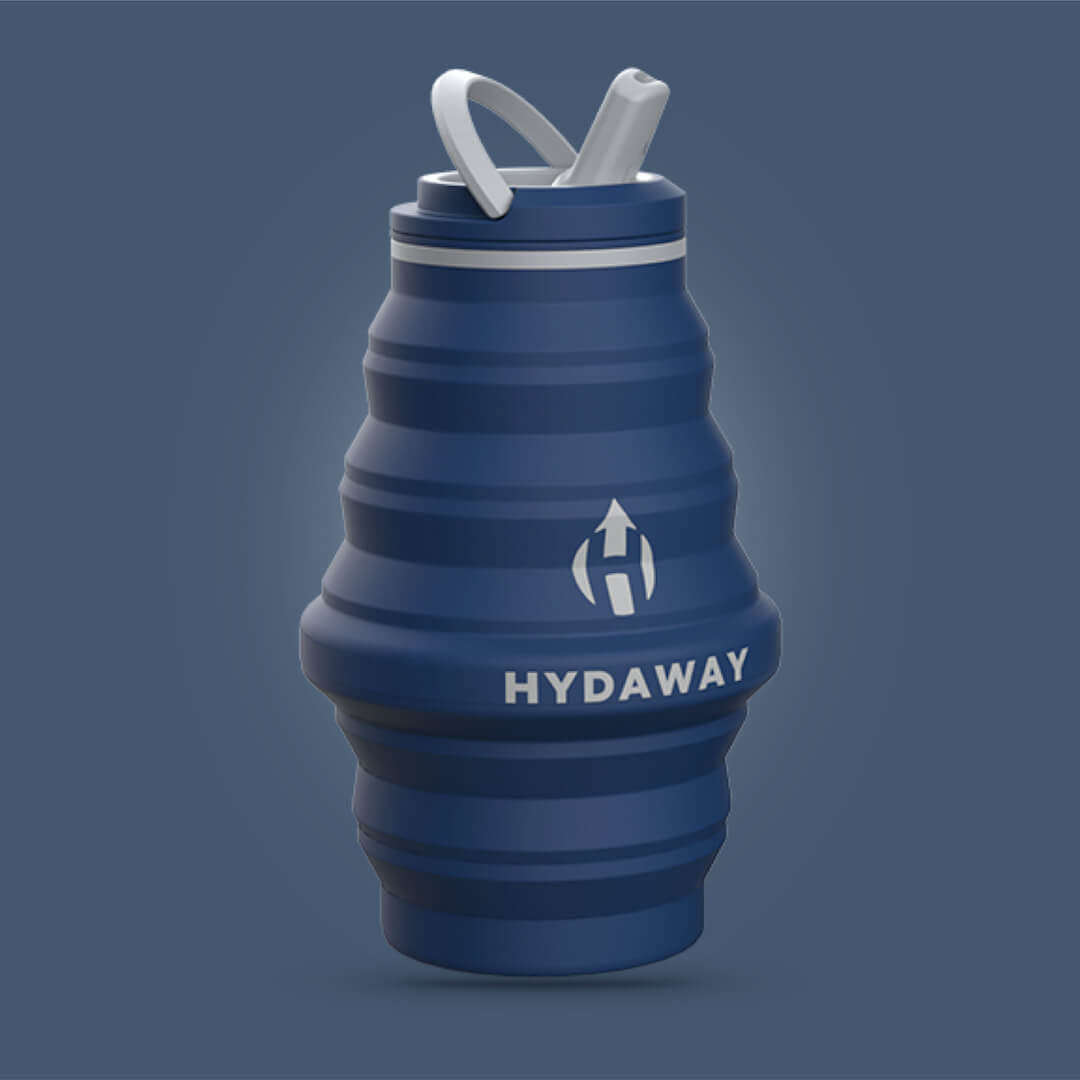
This is the perfect job for a collapsible HYDAWAY bottle. It’s the ideal lightweight sidekick. You can use it for your daily hydration around town, on your commute, or even for that after-work gym session. When your primary bladder is out of commission for cleaning, the HYDAWAY bottle steps in seamlessly. It’s a reliable backup that’s super easy to clean, ensuring you’re never caught without clean water while your main reservoir is air-drying.
Deep Cleaning Your Hydration Bladder for a Fresh Start
Let's be honest, sometimes a quick rinse just won't cut it. We’ve all been there—you pull your hydration pack out of the closet only to find it’s been sitting since last season, or you just finished a grueling, dusty trek and it needs more than a simple swish of water.
When it's time for a full reset, a deep clean will get your reservoir back to pristine, trail-ready condition. This is about breaking it all down to get into every nook and cranny where the gunk likes to hide.
First things first: you have to take it completely apart. It's the only way to expose those problem spots where biofilm and other unpleasantries love to grow.
- Pop the hose off. Most newer bladders have a quick-disconnect button right at the base. Just press it and the hose will pull free.
- Yank the bite valve. Get a firm grip on the base of the bite valve where it meets the hose and pull it straight off. Some models have a little cover or a shut-off lever you'll need to deal with first.
- Look for O-Rings. Give the screw-cap and quick-disconnect port a good look. If you see any small rubber gaskets, gently remove them, but make a mental note of exactly how they go back on.
With everything separated, you can finally see every surface that needs a good cleaning. This is an absolute must for getting your bladder truly clean.
Scrubbing with an Official Camelbak Bladder Cleaner
Now that your bladder is in pieces, you're ready for the main event. While a simple soap and water wash is great for regular upkeep, for a deep clean—especially if you're dealing with stubborn residue—it's worth grabbing an official kit. They usually come with specialized brushes and cleaning tablets that make the job much easier.
Start by filling your reservoir about halfway with warm water, but not hot. Drop in a cleaning tablet from CamelBak or a similar brand. These things are great; they fizz up and are specifically made to break down biofilm and kill odors without harming the bladder material. Let it do its thing for about 5-10 minutes.
Then, it's time to get scrubbing. The big brush is perfect for getting into all the corners of the main reservoir. Really focus on the seams and the bottom where stuff tends to settle. The long, skinny hose brush is your best friend for the drink tube—feed it all the way through and work it back and forth to clear out any buildup. And don't forget to use the smallest brush on the bite valve.
This is the goal: taking your gear from a potential science experiment back to a source of fresh, clean water for your adventures.

Transforming a dirty bladder into a fresh one is a simple process, but it makes a huge difference in your health and hydration on the trail.
Pro-Tip: Before you empty the cleaning solution, drain a little bit through the port where the hose connects. Then, click the hose back in and let the rest of the solution run through the tube and bite valve. It’s a great way to clean them from the inside out.
The Critical Final Steps: Drying and Reassembly
After you've given every single part a thorough rinse with clean water, it’s time to dry. This is where a lot of people mess up, and it's how mold gets an immediate foothold. Your goal here is 100% complete dryness.
You need to prop the main reservoir open to get good airflow. A dedicated bladder hanger works, but honestly, a kitchen whisk stuck inside does the job perfectly. For the hose, you can swing it around your head like a lasso (carefully!) to fling out the extra water before hanging it up to air dry.
Once every single component is bone-dry—and don't rush it, this can take up to 24 hours—you can put it all back together.
For a complete rundown of the best gear for the job, check out our guide on what makes a great hydration bladder cleaning kit. With your gear fully reset, it’s ready to be packed for your next adventure.
Effective DIY Camelbak Bladder Cleaner Alternatives
You’re packing for a spontaneous weekend trip, pull out your hydration pack, and get a whiff of… something funky. To make matters worse, you realize you’re completely out of cleaning tablets.
Don't sweat it. You don’t need to scrub the trip. Some of the best tools for cleaning your Camelbak-style bladder are probably sitting in your kitchen pantry right now.
With just a few common household items, you can mix up a safe and effective cleaner that will have your reservoir ready for the trail in no time. These DIY methods are perfect for routine maintenance, a last-minute deep clean, or just saving a few bucks.

Kitchen Staples to The Rescue
The secret is knowing which ingredients to use and, more importantly, the right ratios to get the job done without damaging your gear. You wouldn't use steel wool on a non-stick pan, right? The same logic applies to the polyurethane material of your bladder.
Here are a few of my tried-and-true homemade solutions that I've relied on for years.
The table below breaks down the most common household items you can use for cleaning. It covers what each one is best for, how to mix it, and how long to let it work its magic.
DIY Hydration Bladder Cleaning Solution Comparison
| Cleaning Agent | Primary Use | Mixing Instructions (per liter of water) | Soaking Time |
|---|---|---|---|
| Baking Soda | Deodorizing & General Cleaning | 2 tablespoons | 30+ minutes |
| Lemon Juice | Removing "plastic" taste & mild cleaning | ¼ cup | 30+ minutes |
| White Vinegar | Disinfecting & removing buildup | ¼ cup (1 part vinegar to 6-10 parts water) | 30 minutes |
After mixing your chosen solution, pour it into the bladder, seal it up, and give it a good shake for about 30 seconds. Let it soak, then make sure to drain the solution by squeezing the bite valve to clean the hose and valve too. Finish with a thorough rinse with clean water, and you're good to go.
What You Must Avoid
While going the DIY route is great, some household products should never touch your hydration reservoir. Bleach is the biggest offender. It's far too harsh and can degrade the bladder's material, weaken the seams, and leave behind toxic residues you definitely don't want to drink.
The goal is to clean, not corrode. Stick to gentle, food-safe ingredients.
Harsh dish soaps are another one to skip. They can leave a soapy taste that’s almost impossible to rinse out completely, ruining your water for the next few trips. Trust me, you don't want your mountain spring water tasting like "fresh rain."
For a powerful, non-toxic option that offers sanitizing properties, some people turn to solutions containing food grade hydrogen peroxide. But honestly, for most situations, the simple pantry items listed above are more than enough.
This same principle of simple, effective cleaning applies to all your reusable gear. Just like you can easily maintain your primary reservoir with baking soda, you can also keep your everyday water bottle in top shape. For instance, the HYDAWAY collapsible bottles you carry on your commute are dishwasher safe. But for a quick refresh of your whole collection of reusable drinkware—like that travel mug you forgot in your car—our effervescent cleaning tablets are a perfect solution. You can learn more about how our specialized bottle cleaning tablets work on all your reusable drinkware.
Knowing these simple homemade cleaner recipes means you’re always prepared. Whether you’re deep cleaning your main pack or refreshing your everyday HYDAWAY bottle, you have plenty of options to keep your water tasting fresh and clean on any adventure.
Mastering the Art of Drying and Storing Your Bladder
Cleaning your bladder is a great start, but it's only half the job. I’ve seen it countless times: someone diligently scrubs their reservoir, only to have it all undone by one common mistake—improper drying. A single drop of moisture left behind is all it takes for mold to throw a party, and all your hard work goes down the drain.
Getting that reservoir bone-dry isn't just a friendly suggestion; it's non-negotiable. The goal is simple: get air to every single interior surface. You want to leave no damp corners for gunk to grow.

Pro Drying Techniques
You can forget about fancy, expensive gadgets. The best tools for drying your bladder are probably already in your kitchen. The real trick is just propping the reservoir open so the inner walls can’t stick together and trap moisture.
Something as simple as a balled-up paper towel or a small, clean kitchen whisk placed inside works wonders. This props the bladder open, letting air circulate freely for a completely dry interior. And don't forget the hose and bite valve! A few good swings of the hose, like you’re a cowboy with a lasso, uses centrifugal force to fling out any stubborn water droplets before you hang it up.
Proper drying is the dividing line between a pristine reservoir and a science experiment in your pack. Give it the time and attention it deserves—your future self will thank you on the trail.
This whole mindset of having gear prepped and ready for action is a core part of an adventurous lifestyle. For example, your HYDAWAY bottle collapses down to fit in a pocket, so it's always ready for an impromptu refill at a water fountain downtown or a fresh spring on a trail. It’s all about ensuring you have reliable, clean hydration ready to go at a moment's notice, no fuss involved.
Smart Storage for Long-Term Readiness
Once your bladder is totally, completely, 100% dry, where you keep it makes a difference. Just tossing it into a dark gear closet is like rolling out the welcome mat for dust and whatever else is floating around. You need a storage strategy that keeps it perfect until your next trip.
The most effective method, and a favorite among seasoned hikers and backpackers, is the freezer trick. Just roll up your completely dry bladder and hose, and stick them in the freezer. The freezing temperature completely stops any potential bacteria or mold growth dead in its tracks. This keeps your bladder in a state of suspended freshness, ready to grab and go.
This approach transforms your gear from something you have to prepare into something that's always prepared for you. You can find more tips on keeping your gear in top shape in our guide on building the ultimate outdoor hydration pack. This way, whether you're grabbing your main reservoir or your backup HYDAWAY, you're always ready for whatever comes next.
Troubleshooting Common Hydration Bladder Issues
You’re two hours into a beautiful hike, you take a big swig of water, and... ugh. That distinct plastic taste. Or even worse, you feel a slow, cold drip seeping into your backpack.
These gear frustrations can happen to anyone, but the good news is that most are surprisingly easy to fix, even right there on the trail.
Getting Rid of That Awful Plastic Taste
Even with a brand-new bladder, that factory flavor can be pretty stubborn. It’s a common complaint, but you don’t have to just suffer through it until it fades on its own.
That "new gear" taste is just a harmless but unpleasant byproduct of the manufacturing process. Luckily, a common kitchen staple is all you need to neutralize it.
- Before you head out for the first time, fill the bladder with warm water and toss in about two tablespoons of baking soda.
- Give it a good shake to get everything dissolved, then just let it soak for at least an hour. For really stubborn plastic flavors, leaving it overnight works wonders.
- When you're done, make sure to drain the solution through the hose and bite valve to clean out the entire system. A thorough rinse with clean water, and that plastic taste should be gone for good.
Think of it as a pre-clean and taste-neutralizer all in one. It ensures your water tastes like, well, water from the very first sip.
What to Do When a Connection Leaks
A leak is one of the most maddening trailside issues, but it’s rarely a catastrophic failure. More often than not, the problem is a tiny component that has just wiggled out of place, usually where the hose connects to the bladder.
If you spot a leak, don't panic. The culprit is almost always the small, black rubber gasket, or O-ring, sitting inside the quick-disconnect port. It may have gotten unseated during cleaning or just from being jostled around in your pack.
Simply disconnect the hose, use your fingernail to carefully re-seat the O-ring so it's lying flat, and reconnect the hose with a firm click. Nine times out of ten, this solves the problem instantly.
A small gear problem should never be the reason your adventure ends early. This is exactly why a reliable backup is so important. A minor leak or clog can happen, but if you have a super-portable HYDAWAY bottle stashed in your pack, you'll always have access to clean water and can keep moving forward.
Unclogging a Stubborn Bite Valve
A clogged bite valve is bound to happen if you use electrolyte powders or if a small bit of trail debris finds its way into the system. You’ll know it’s clogged when you go to drink and get little more than a frustrating trickle.
For a quick trailside fix, just pop the silicone sheath off the plastic base of the valve. You can usually clear out any visible gunk from the slit with your fingers or a multi-tool. Give it a quick rinse, reassemble, and you're back in business.
This simple fix will get your water flowing freely again, keeping you hydrated and on track for the rest of your adventure.
Your Hydration Bladder Questions, Answered
Even when you have a solid cleaning routine, you're bound to run into questions. We get it. We’ve pulled together the most common things our community asks about keeping their hydration bladders in top shape, so you can have clear, no-fuss answers.
How Often Should I Really Clean My Bladder?
Honestly, it all comes down to what you're putting in it. If you’re just using it for water, a quick rinse with hot water and a thorough air-dry after every single outing is a fantastic habit. This simple step stops most problems before they ever begin.
But if you’re a regular user, a deeper clean with a Camelbak bladder cleaner or a homemade solution is a good idea about once a month. The big exception? If you add sports drinks, electrolyte powders, or anything with sugar. In that case, you absolutely have to clean it right after you use it. Those sugars are a feast for bacteria and mold.
A good rule of thumb: If it’s not just water, it needs a wash right away. You’ll thank yourself later when you aren’t scrubbing a sticky, science-project-level mess.
Can I Just Toss My Hydration Bladder in The Dishwasher?
We see this question a lot. While many newer reservoirs say they're top-rack dishwasher safe (always, always check the manufacturer's label first!), we don't recommend it. Think about it—a dishwasher's spray just can’t get into every nook and cranny of the bladder, let alone scrub the inside of the tube or the tiny parts of the bite valve.
If you want a truly deep clean that gets rid of all the gunk, nothing beats getting in there yourself with a dedicated brush kit. It’s the only way to be sure. On the plus side, for your daily hydration, all HYDAWAY collapsible bottles and drinkware are completely dishwasher safe, making that part of your cleanup a breeze.
Is It Safe to Store My Bladder in The Freezer?
Yes! This is one of our favorite tricks and a go-to for seasoned hikers and backpackers to keep bladders fresh between trips. The freezing temps stop any lingering microbes in their tracks.
There’s just one critical step: make sure the reservoir, hose, and bite valve are 100% dry before you freeze them. Any trapped water will expand as it freezes and could easily damage the seams or plastic. Once it's bone-dry, just roll it up and pop it in the freezer.
With these tips in your back pocket, your gear will always be ready for the next adventure. For hydration solutions that are simple to use and even easier to clean, check out the full line of packable gear from HYDAWAY at https://myhydaway.com.