


BPA Free Foldable Water Bottle: The Complete 2026 Buyer's

You're halfway through an airport journey when security asks you to empty your water bottle. A rigid bottle goes back into your bag, still occupying the same awkward space it had when full. A BPA-free foldable water bottle can collapse flat, slip beside a passport or trail map, and return to full size at the first refill station after security. The convenience is obvious. The safety question is more complicated.
A collapsible bottle has to balance flexible materials, repeated folding, heat exposure, leak resistance, and hygiene in seams and gaskets. In 2026, “BPA-free” is a useful starting point, but it isn't a complete answer. The better buying decision considers what the bottle is made from, how particles and chemicals may migrate, how easily the folds can be cleaned, and whether you'll carry it on the trips you take.
Why Foldable Water Bottles Are Taking Over Travel Gear
At an airport checkpoint, a rigid bottle stays in your carry-on for the entire flight, even when empty. A BPA-free foldable water bottle can pass through screening empty, then compress into a flat disc beside your passport or trail map. On a day hike, it carries water in an external pocket and folds after a filter refill or once the remaining water is gone. At a theme park, it leaves more room for snacks, sunscreen, and spare clothes between refills.

The design is straightforward. A flexible body expands when filled and folds, rolls, or compresses when empty. Current travel buying guides often feature collapsible bottles in the 500 to 620 mL range, roughly 17 to 20 ounces, alongside leak-resistant caps and dishwasher-safe construction for hiking, commuting, and travel. This current buying guide places those capacities in the context of everyday mobility.
Why portability changes behavior
The bottle you keep within reach is the one you are most likely to refill. Digital nomads move between cafés, coworking spaces, airports, and short-term rentals. Van-lifers have limited storage, so gear must serve its purpose without claiming a permanent shelf. Adventure travelers may need a full bottle early in the day, then prefer not to carry a rigid container for the rest of the route.
Packability also changes how a bottle handles real travel. A flexible body can fit into a crowded day bag or vehicle compartment, but its folds and closures demand closer inspection than a rigid bottle. Check whether creases can be opened for cleaning, whether the cap remains secure when the body is compressed, and whether the material description explains how it handles repeated flexing. A bottle that packs small but traps residue in its folds will create a hygiene problem.
The reusable bottle market provides the commercial backdrop. Reports place its global value at about USD 9.7 billion in 2024, with projections ranging from roughly USD 12.6 billion by 2030 to USD 14.9 billion by 2033, and projected annual growth of about 4.6% to 4.9%, depending on the report. Business Research Insights connects that expansion with demand for portable, sustainable alternatives to single-use plastics. Asia Pacific has also been identified as a leading region, with one report assigning it a 38.4% share in 2025. Straits Research documents the regulatory and category context.
Field rule: If you regularly carry a bottle empty, packability determines whether it comes with you.
BPA-free labeling remains only a starting check. Flexible materials experience repeated folding, warmth inside bags, and frequent handling, so long-term safety also depends on cleanable folds, stable construction, and clear material information. Buyers comparing independent makers can browse small brand hydration gear for flexible designs and portability.
Understanding BPA-Free Materials and Safety Standards
BPA, or bisphenol A, was used in polycarbonate plastics and epoxy resins to make hard, clear, impact-resistant products. Its use in consumer plastics dates to the 1940s and 1950s. Public concern intensified in 2008, after studies reported that BPA could leach from heated baby bottles into liquids. Canada restricted BPA in bottles and formula that year, while the European Union banned it in baby bottles in 2011. Packaging-industry reporting later noted that 11 U.S. states had banned BPA in baby bottles and children's sippy cups by its 2023 review. These milestones show why BPA-free labeling became common, but they do not settle every material-safety question.

The label BPA-free answers one narrow question: whether the product is made without bisphenol A. It does not identify other bisphenol substitutes, plasticizers, dyes, adhesives, or coatings. It also says little about how the finished bottle handles repeated folding, washing, heat, or abrasion. Those conditions matter more for a collapsible bottle than they do for a rigid container.
What food-grade silicone adds
Food-grade silicone is widely used in collapsible bottles because it combines flexibility with heat resistance and is commonly described as inert. It can compress repeatedly without cracking like rigid plastic, making it practical for flights, trail packs, and van storage. Food-contact guidance commonly treats silicone as compliant when it meets specifications such as FDA or LFGB requirements. This material guide explains why those certifications matter.
FDA or LFGB compliance concerns food contact under specified conditions. It is not a universal guarantee for every use or every component. Check the manufacturer's temperature limits, cleaning instructions, and whether the cap, valve, gasket, and bottle body meet the same food-contact specifications.
For a clearer explanation, read what BPA-free plastic means. The useful distinction is between a product that only omits BPA and one whose manufacturer identifies its primary materials and supports them with appropriate testing.
Read the label beyond the headline
Look for a complete material statement rather than a large BPA-free badge. A useful product page should identify the bottle body, spout, cap, and sealing components, then state which parts are food-contact compliant. It should also specify whether the bottle is dishwasher safe and which rack or cycle is suitable.
Inspect the fold areas as well. Deep creases, textured seams, and narrow openings can retain residue even when the silicone itself is suitable for food contact. A vague claim does not prove the bottle is unsafe, but it gives you less information for judging long-term use. If the bottle will sit in a hot vehicle, pass through repeated wash cycles, and fold along the same seam for years, material transparency and cleanable construction are both signs of better quality.
The Microplastic Question Most Buyers Overlook
A foldable bottle may carry a BPA-free label and still raise questions about microplastic particles. The two labels address different concerns. “BPA-free equals microplastic-free” is false because removing bisphenol A does not prove that a flexible material will not shed particles or permit other chemical migration. Travel + Leisure's 2026 discussion makes this distinction useful when comparing travel bottles.

Risk assessment depends on the material, construction, and conditions of use. Heat, abrasive cleaning, repeated folding, and storage in a hot vehicle can place more stress on flexible polymers. That does not show that every foldable bottle releases a harmful amount of particles during ordinary use. It does show why a BPA-free claim cannot answer the entire long-term exposure question.
Material trade-offs are unavoidable
Stainless steel and glass are usually the more suitable choices for buyers focused on minimizing microplastic exposure. Neither folds like silicone or another flexible polymer. Glass can break, while stainless steel keeps its full size after emptying, which matters when packing for a flight, hike, or van trip.
Food-grade silicone offers the flexibility that makes a collapsible format practical and is commonly described as chemically stable when it meets food-contact requirements. Flexible polymers can weigh less, pack into a smaller space, or feel more like a conventional bottle. Their evaluation depends more heavily on the exact formulation, construction, and temperature and cleaning conditions.
A BPA-free label is a chemical claim, not a complete lifecycle assessment.
Follow the stated use limits. Avoid leaving filled water in a hot vehicle, and do not add boiling liquids unless the manufacturer explicitly allows them. Replace the bottle if its body develops cracks, a sticky surface, an unusual odor, or damaged folds. Repeated flexing and abrasion matter alongside the material name, particularly at creases and attachment points.
Choose your compromise deliberately
For home use, stainless steel or glass may reduce concern about particle shedding. For a bottle that needs to collapse into a small bag after travel or a day on the trail, food-grade silicone offers a practical balance between portability and material performance.
The strongest purchase choice combines an identified material, food-contact compliance, clear heat guidance, and folds that can be reached during routine care. A bottle made from a preferred material can still become an everyday hygiene problem if moisture and residue remain trapped in a sealed crease.
Cleaning and Maintenance Without the Hassle
On a trail or between flights, the bottle itself is easy to carry. Drying it after the last refill takes more care. Fold lines, threads, valves, and gaskets can retain moisture and residue. Closing the bottle while damp creates conditions for odor, biofilm, or mold. The published bottle research supports following the manufacturer's instructions and separating material choice from compliant use.

A routine that works on the road
Rinse the bottle with warm water as soon as possible after use. This matters even more after flavored drinks, electrolyte mixes, juice, or other sweet liquids, which leave residue in compressed folds. Open the body fully, remove detachable parts where the design permits, and expose each surface to air.
For a deeper clean, use warm soapy water and a bottle brush. Work through the folds, cap threads, valve, and gasket rather than cleaning only the main chamber. Vinegar or baking soda may appear in weekly cleaning advice, but never mix cleaning agents. Follow the manufacturer's dilution and compatibility guidance. This collapsible bottle hygiene guide also focuses on seams and storage, areas generic bottle routines often overlook.
- Rinse after each use. Warm water removes fresh residue before it dries.
- Scrub the contact points. Clean the lid, mouthpiece, gasket, and compressed creases.
- Rinse thoroughly. Remaining soap or cleaner can affect taste.
- Dry fully open. Invert the bottle with its mouth wide open so air reaches the folds.
- Store expanded or loosely open. Do not compress and seal a damp bottle inside a dark bag.
A bottle brush works well in a hotel sink. A clean cloth or paper towel can wick moisture from a gasket before air-drying. In a van, leave the bottle open near ventilation instead of closing it immediately to save space.
The packability trade-off is simple: compression saves space, while an open, dry bottle is easier to keep sanitary.
On a long trip without a brush or dependable sink, bottle-cleaning tablets can simplify the process. They do not replace rinsing, scrubbing, or drying, particularly around fold lines.
Warm soapy water, thorough rinsing, and air-drying between uses remain the practical baseline for collapsible bottles. Travel + Leisure's collapsible bottle guide reflects the same routine. Watch the embedded care demonstration before your next trip:
Matching Bottle Features to Your Specific Use Case
The best collapsible bottle depends on where you will use it and how often you can refill it. On a flight, a bottle that folds flat and closes securely is easier to pack and carry empty through security. A day hiker may prefer a tougher fold pattern, a drinking opening reachable without removing the pack, and a closure that will not open inside a side pocket. For family outings, leak resistance, quick refills, and straightforward cleaning usually matter more than minimum packed size.
| Use Case | Priority Features | Recommended Capacity | Key Considerations |
|---|---|---|---|
| Air travel | Flat collapse, secure cap, easy cleaning | Around 17 to 20 oz | Carry it empty through security, then refill |
| Daily commuting | Leak resistance, compact storage, dishwasher-safe design | Around 17 oz | Choose a size that fits beside a laptop |
| Hiking day trips | Durable folds, dependable closure, accessible drinking opening | Around 20 to 25 oz | Balance refill frequency against pack weight |
| Theme parks and family outings | Leak-resistant lid, simple cleaning, easy refilling | Around 20 to 25 oz | A family may value several compact bottles over one bulky reservoir |
| Van trips and camping | Durable construction, packability, broad opening | Around 25 oz | Leave it open to dry before storing it in a small compartment |
Match capacity to refill opportunities
Choose capacity around your route, not the largest number on the product page. A smaller bottle fits well when fountains, cafés, or office sinks are easy to reach. Around 17 ounces suits a laptop bag, gym tote, or coat pocket. A 25-ounce bottle reduces refill stops on trails, at outdoor events, or during travel days where the next reliable water source is uncertain.
For air travel, the empty collapsed footprint may matter more than filled capacity. For a van trip, a broad opening and a place to store the bottle expanded can make daily drying easier. A hiking bottle needs enough volume for the distance between refills, while a commuter bottle should fit beside a laptop without pressing against it.
Insulation keeps drinks cold longer, but it adds structure and limits how flat the bottle becomes. An insulated tumbler can suit a desk or campervan when temperature retention is the priority. A flexible bottle is a better fit when empty storage space matters most.
Inspect the parts you actually touch
Caps, valves, and gaskets determine both leak protection and cleaning effort. A simple leak-resistant cap leaves fewer surfaces where residue can collect. A drinking valve may allow quicker access on a trail, but it adds parts that need regular inspection and washing. Dishwasher-safe construction can reduce work at home, provided the manufacturer's instructions permit the cycle and temperature you plan to use.
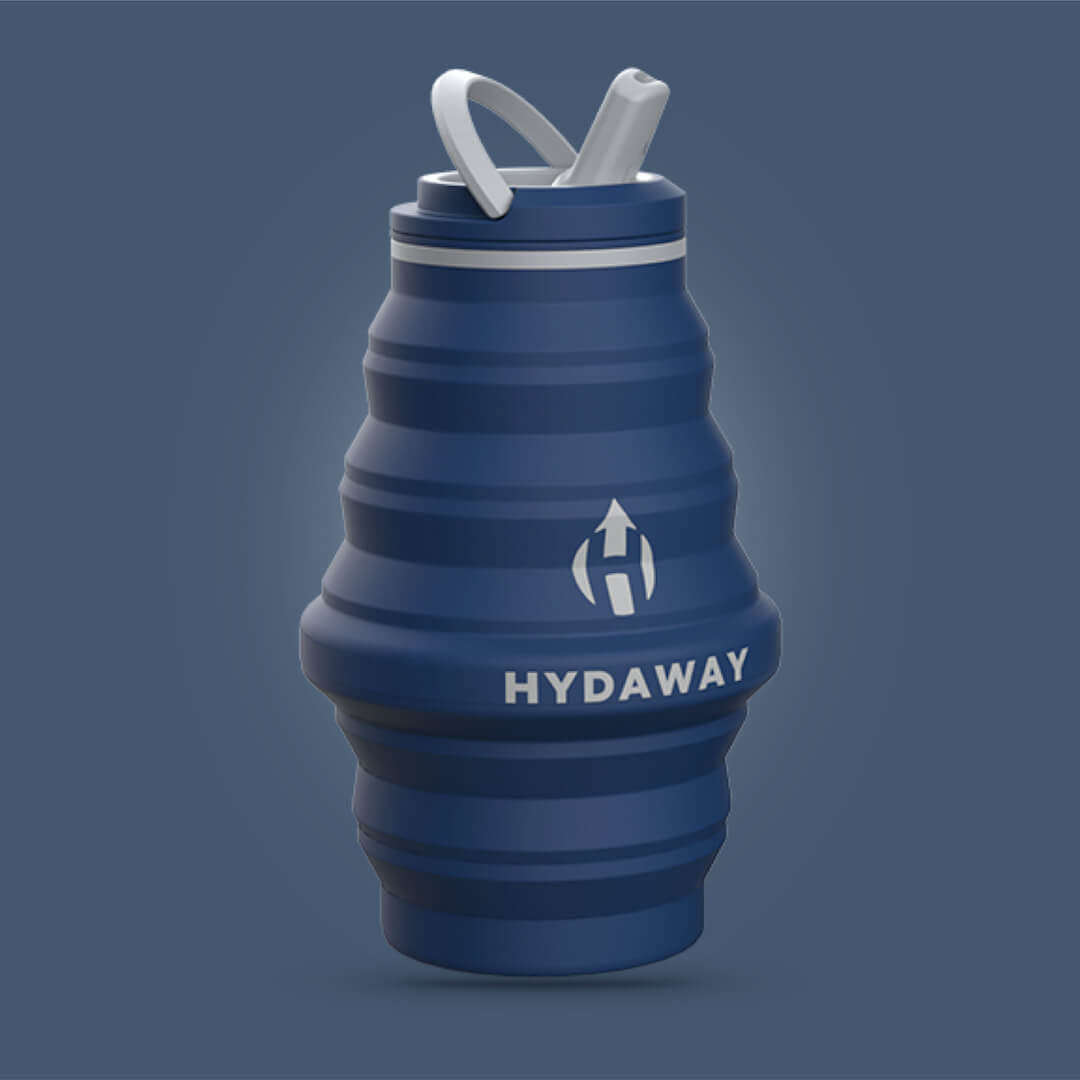
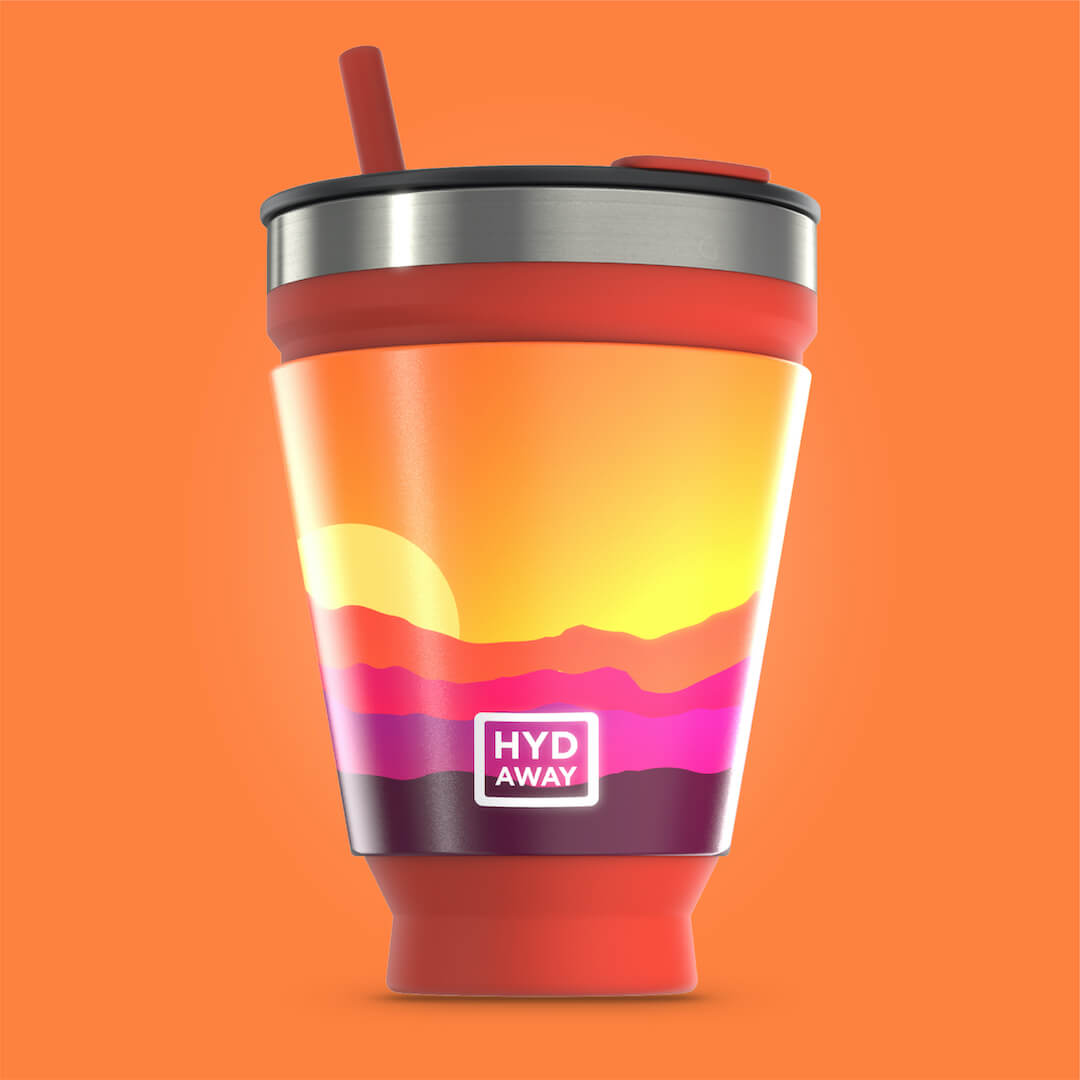
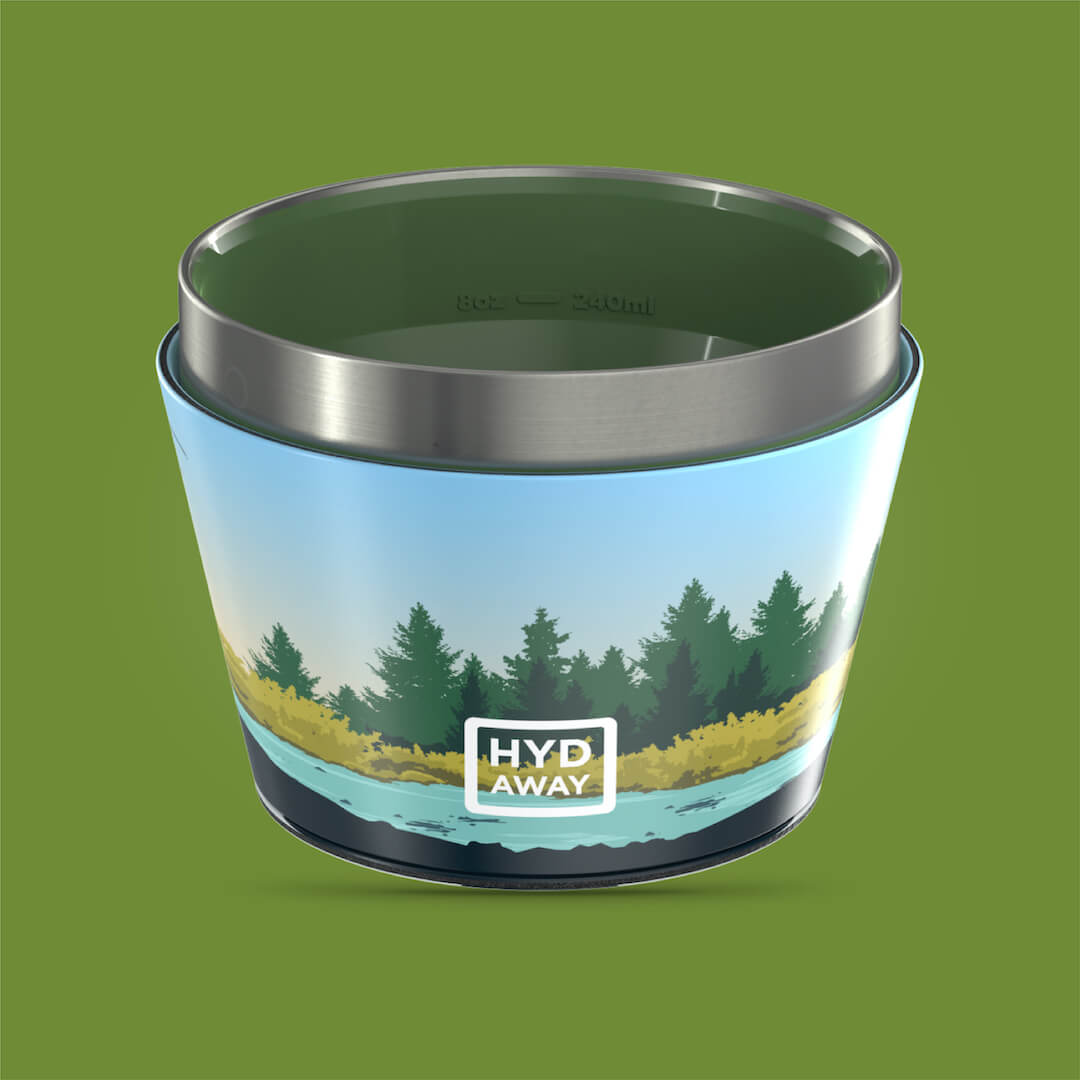
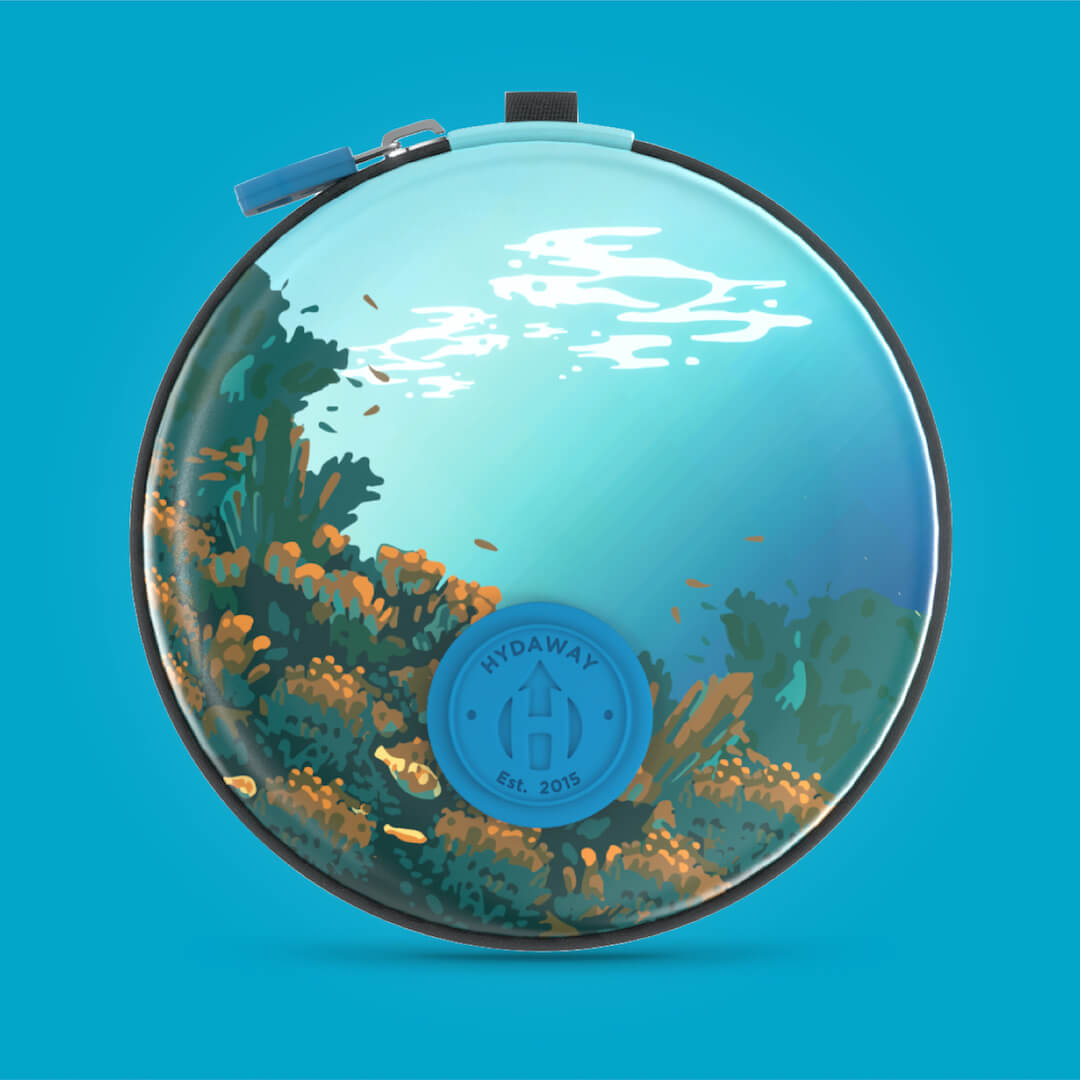
HYDAWAY's range includes 17-ounce and 25-ounce collapsible bottles, insulated tumblers, travel cases, and kits for hiking, camping, and adventure travel. Its products are designed to fold flat, and the brand states that its items are dishwasher safe and third-party verified free of BPA, phthalates, and other pollutants. Compare those specifications with the closure, fold construction, and cleaning access your routine requires.
Use the bottle you will refill and dry consistently. A large format adds little value if you usually refill at work, while the smallest option becomes inconvenient when trail days regularly outlast your water supply.
How to Evaluate Quality and Make Your Purchase Decision
A reliable purchase starts with evidence, not the product color or the phrase “eco-friendly.” A good product page should tell you what the body, cap, and gasket are made from, which food-contact standards apply, and what the manufacturer says about heat, dishwashers, and repeated folding.
Use a practical buying filter
Start with the safety file. Look for material certifications or third-party test information that names the substances tested, rather than a generic “non-toxic” statement. BPA testing is useful, but broader verification for phthalates and other pollutants gives you a more complete view of the product's material claims.
Then assess the physical design:
- Leak resistance: Look for a cap that closes securely without relying on a fragile drinking valve.
- Cleaning access: Check whether you can remove the gasket and reach the folds with a brush.
- Fold durability: Examine whether the body bends along a deliberate seam or creases randomly under pressure.
- Heat instructions: Confirm the allowed temperature range and whether hot liquids are prohibited.
- Collapsed footprint: Measure the empty form, not just the filled dimensions.
- Warranty and returns: A clear policy matters when long-term folding is difficult to judge online.
Reviews are most useful when they describe failure conditions. Look for comments about leaking inside a laptop bag, persistent odors after cleaning, cap threads, and whether the bottle still collapses after regular use. A review that only says the bottle “feels sturdy” doesn't tell you much.
Compare value over the trips you take
The cheapest collapsible bottle can be expensive if you stop carrying it because it leaks or smells. A better-value option is one that fits your bag, survives your normal folding routine, and remains easy to clean. Pay for the features that solve your problem, not for insulation or accessories you'll leave at home.
HYDAWAY lists a 1-year guarantee, 30-day returns, and third-party verification covering BPA, phthalates, and pollutants. Those policies give buyers a concrete way to evaluate risk before committing, especially when purchasing a bottle for frequent travel.
Purchase test: Before checkout, explain how you'll carry, fill, wash, dry, and store the bottle. If the design makes any of those steps awkward, the bottle probably won't become a lasting habit.
Making the Switch to Sustainable Hydration
A refill habit succeeds when the bottle remains practical after the trip begins. At an airport, roadside stop, trailhead, or attraction, single-use bottles are easy to obtain. A collapsible bottle lets you carry your own container while you need it, then flatten it instead of storing an empty rigid bottle for the rest of the day.
Reusable gear does not remove every environmental cost. Manufacturing, washing, replacing, and eventually discarding a bottle all matter. Repeated use can still reduce dependence on disposable travel containers, especially when the bottle remains hygienic, reliable, and easy to pack. For broader guidance, see TerraDrift's collapsible bottle guide.
Design makes sustainable behavior easier
A rigid bottle occupies nearly the same space after it is empty. That becomes inconvenient on flights, road trips, hikes, and family outings, when a jacket, groceries, or souvenirs compete for room. A foldable bottle can shrink after use, but the environmental benefit depends on carrying and reusing it consistently. Choose the design you will refill, clean, dry, and store without avoiding those tasks.
Build the routine around predictable moments. Place the bottle beside your passport before a flight, in the daypack pocket before a trail, or near the van door before a driving day. At an office, refill it during an established break instead of waiting until thirst makes a disposable drink the easier choice.
Use this guide to reduce plastic waste in everyday routines for practical ways to replace disposable items. Convenience matters because a bottle that stays damp in its folds, develops an odor, or becomes awkward to pack will gradually disappear from your routine.
Inspect the flexible body, fold creases, cap, and seals regularly. Clean it after use and let every internal surface dry before storage. Replace the bottle when damage, persistent odor, or an unreliable closure affects hygiene or performance. A sustainable choice is durable equipment used repeatedly and maintained properly, not gear kept in service after it can no longer be trusted.
HYDAWAY offers collapsible 17-ounce and 25-ounce bottles, insulated drinkware, travel cases, and adventure kits for flights, commutes, trails, and van trips. Visit HYDAWAY to compare a packable option with your routine, then use it for the next refill instead of buying another single-use bottle.