


Mesh Storage Bag: The Ultimate Adventure Organizer

You unzip your backpack at a trailhead, reach into a campervan drawer, or open a carry-on at a hostel, and the same thing happens. Charging cables loop around utensils. A damp swimsuit touches your notebook. Your collapsible bottle rolls under a jacket. The mess isn't dramatic, but it slows everything down.
A good mesh storage bag fixes that without adding bulk. It gives loose gear a home, lets you see what you packed, and keeps wet items from turning the rest of your bag into a clammy pile. For people who travel with compact reusables, that matters more than it sounds. When your kit is designed to fold flat and save space, your organizer should do the same.
That's part of why this category keeps growing. The reusable produce mesh bag segment is projected to grow from USD 116.8 million in 2025 to USD 125.4 million in 2026, at a CAGR of 7.4%, driven by the global shift away from single-use plastics, according to Future Market Insights on the reusable produce mesh bag market. For travelers in 2026, that shift shows up in everyday choices. People want reusables that work harder, pack smaller, and last longer.
The Unsung Hero of Smart Packing
The most useful travel gear often isn't the flashiest. It's the item that prevents friction all day long.
A mesh storage bag earns that spot because it improves your space-to-utility ratio. When it's full, it organizes awkward gear. When it's empty, it takes up almost no room. That makes it a better fit for compact packing than rigid bins, hard cases, or bulky pouches that keep their shape even when there's nothing inside.
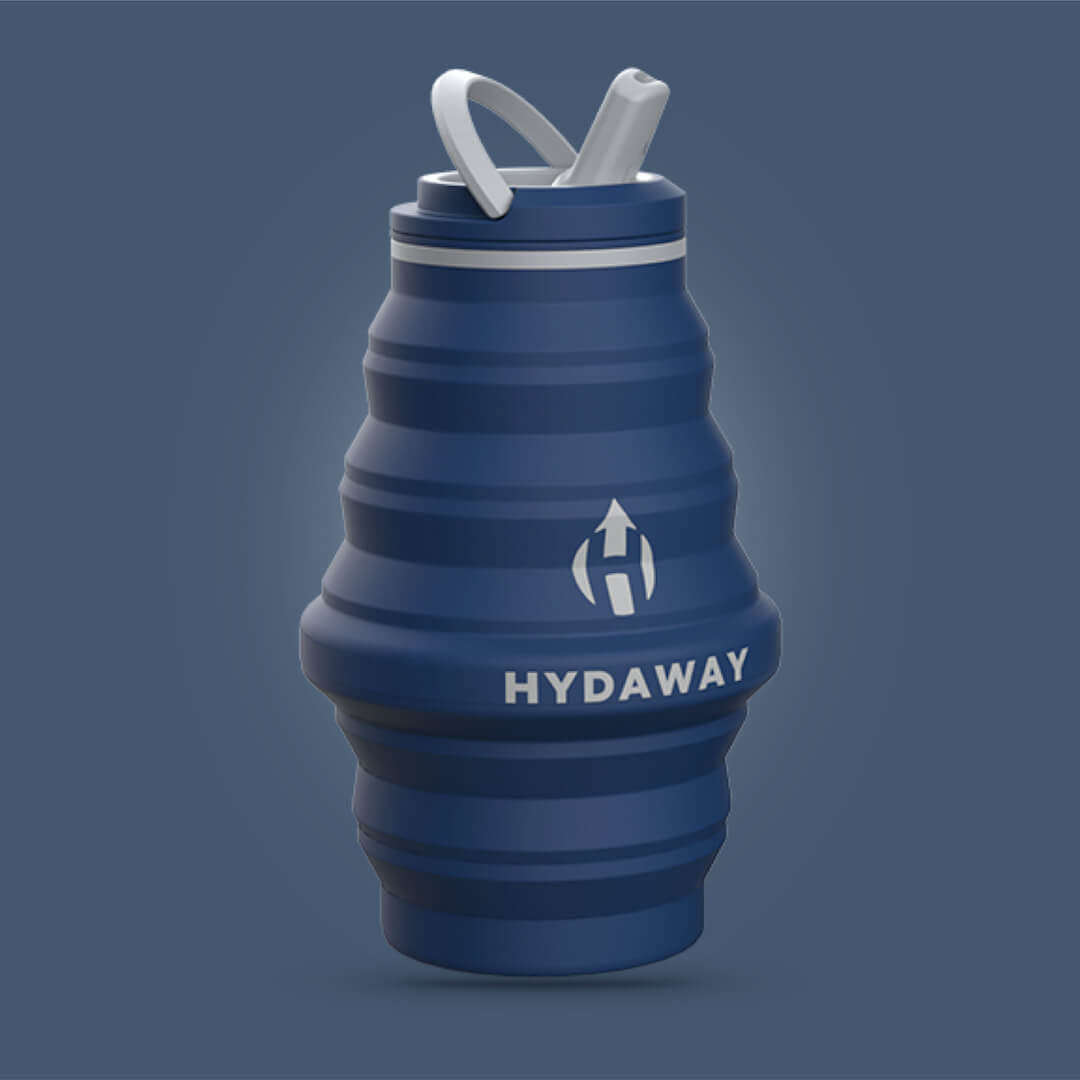
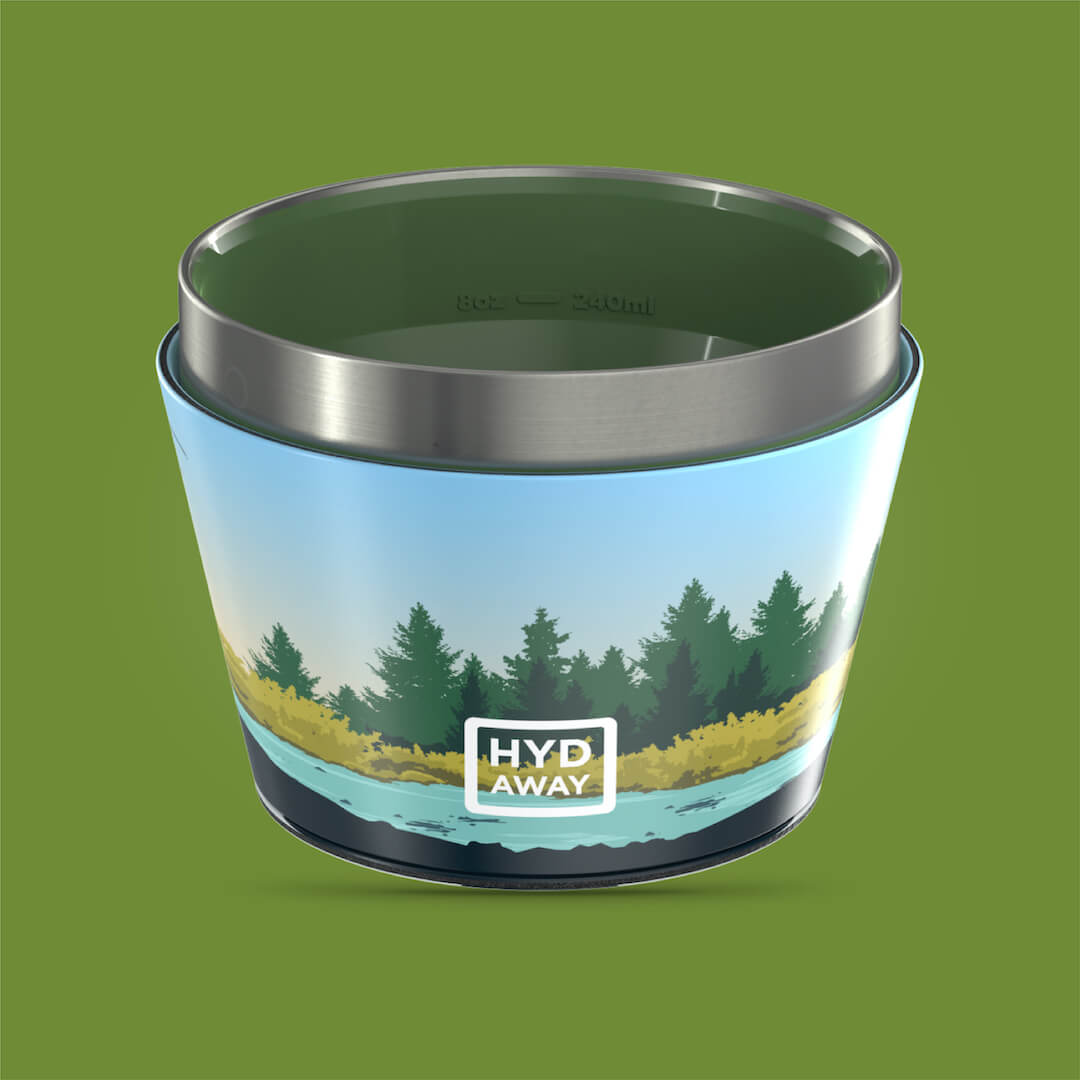
Think about a common weekend setup. You bring a collapsible bottle, a compact bowl or cup, a charging brick, a few snack items, and one layer for changing weather. None of those items is huge. The problem is that they're all different shapes, and they tend to spread out inside your bag. A mesh bag turns that scattered gear into one grab-and-go unit.
Why this small item changes the whole bag
A solid organizer doesn't just hold things. It reduces decisions.
With a mesh bag, you can separate:
- Clean from damp so one lake swim doesn't affect the rest of your pack
- Kitchen from tech so you're not digging past a fork to find a charging cable
- Daily essentials from backup gear so quick stops stay quick
A packed bag feels lighter when every item has a place, even if the total weight hasn't changed.
That's why mesh works so well for adventure travel, van life, and everyday carry. You don't need another heavy container. You need a soft structure that adapts to changing gear.
Better than the loose-pile method
A loose-pile system seems fine when you leave home. It breaks down fast once your trip gets messy. Wet socks need airflow. Snacks shouldn't get crushed under toiletries. Small accessories disappear into corners.
A mesh storage bag solves those problems with a very simple idea. It groups like items while staying breathable and visible. For anyone building a lighter, more reusable travel kit, that's not a minor upgrade. It's a habit that makes every outing smoother.
Anatomy of a High-Performance Mesh Bag
Not every mesh bag deserves a spot in your travel kit. Some are fine for grocery runs but too flimsy for repeated stuffing, clipping, rinsing, and drying on the move. If you want one that can handle outdoor use, the details matter.

Start with the fabric
The first thing to check is the mesh itself. High-performance versions often use 75D multi-filament nylon, which balances durability with very low weight. That material spec is associated with an ultra-low weight range of 22 to 70 grams, and the multi-filament construction improves breathability for damp gear, according to Aventure Nordique's product specifications for a 75D mesh stuff sack.
If “75D” sounds technical, keep it simple. Denier is a way of describing fiber thickness. In practice, it helps you judge whether a bag feels more like disposable packaging or actual gear. For adventure use, you want mesh that bends easily but doesn't feel fragile when packed with utensils, chargers, or laundry.
Some bags also use recycled polyester, often called RPET, which can be a strong option for people trying to cut waste without giving up reusability. Material choice matters because your bag has to survive compression, moisture, and repeated washing.
Then look at construction
The mesh panel gets most of the attention, but the weak points are usually elsewhere.
Check these parts:
- Closure type: A zipper keeps tiny items more secure. A drawstring works well for quick access and bulkier contents.
- Seams: Reinforced stitching helps the bag hold up when it's overstuffed or pulled from a tight pocket.
- Handle or loop: A small loop makes hanging, clipping, and drying easier in a tent, van, or hotel bathroom.
If you already think this sounds similar to other performance textiles, it is. The same practical logic shows up in products designed for airflow and comfort, including dog joint support and comfort, where breathable mesh matters because trapped heat and moisture create problems fast.
Practical rule: If a mesh bag feels good only when empty, it's probably not built for travel.
Match the design to the job
A simple comparison helps:
| Feature | Better for small accessories | Better for damp or bulky gear |
|---|---|---|
| Closure | Zipper | Drawstring |
| Mesh feel | Tighter, more stable | More open, faster drying |
| Best use | Cables, adapters, utensils | Swimwear, socks, laundry |
The point isn't to buy the most technical option every time. It's to choose a mesh storage bag that matches how you travel. If your gear lives in backpacks, glove boxes, and campsite bins, the bag should act like gear too.
How to Choose the Right Mesh Bag
Choosing the right mesh storage bag gets easier when you stop thinking about category names like “produce bag” or “laundry bag” and start thinking about what you need the bag to protect, separate, and dry.
The best choice depends on three things. Size, weave, and closure. If one of those is wrong, the bag becomes annoying instead of useful.

Pick size by kit, not by label
Ignore vague labels like small or large at first. Build around a real packing job.
A compact pouch works well for the little things that vanish first. Think charging cables, earbuds, adapters, or bottle accessories. A medium bag is more useful for a meal setup, where you want your cup, utensils, napkin, and snacks in one visible place. A larger bag makes sense for wet clothing, a towel, or a day's worth of dirty laundry.
- Pocket-sized jobs: Tech accessories, lip balm, medication, or utensils
- Meal-kit jobs: Compact dinnerware, snack prep items, coffee gear
- Wet-zone jobs: Swimwear, socks, base layers, or a camp towel
If you're also comparing mesh with waterproof organization, this guide on what a dry bag is and when to use one helps clarify the difference. Mesh is for airflow and visibility. Dry bags are for sealing out water.
Weave density matters more than most people think
A common pitfall for many shoppers is assuming all mesh performs the same. It doesn't.
For protecting fragile or snag-prone gear, technical specifications recommend 15 to 25 holes per inch. Lower-density mesh in the 8 to 12 holes per inch range is better suited to produce storage and doesn't provide the same barrier against snagging or abrasion, according to Alibaba's mesh bag buying guide. That difference matters if you're packing collapsible dinnerware, small utensils, or anything with edges that could catch.
A tighter weave won't turn a mesh bag into a hard shell. It will, however, do a better job containing small pieces and reducing friction against delicate surfaces.
If you want one bag for travel dining gear, skip the loose grocery-style mesh and look for a denser weave.
Choose closure by failure point
Most bag problems aren't dramatic. They're small annoyances that repeat all trip long.
A zipper is usually the better choice when:
- You carry tiny items like adapters, memory cards, or medication
- You want fast visual confirmation that nothing slipped out
- Your bag gets tossed around in overhead bins or car trunks
A drawstring is often better when:
- You're storing damp gear and opening the bag often
- You need quick in and out access at camp or the beach
- The contents change shape from day to day
Buy for your actual travel style
A theme park parent has different needs than a digital nomad. A van-lifer packs differently than a commuter. That's why the right mesh storage bag is the one that removes friction from your routine.
Ask yourself:
- What always gets lost?
- What often stays damp?
- What needs light protection from snags?
- What do I want to grab without unpacking half my bag?
Answer those questions, and the right bag type becomes obvious. The goal isn't to own more organizers. It's to make one simple bag do useful work every day.
Smarter Packing with Mesh Bag Use Cases
A mesh storage bag becomes more useful the moment you assign it a job. Not a vague job like “extra storage.” A specific one.

For one traveler, that job is cable control. For another, it's keeping wet socks off clean clothes. The bag stays simple. The value changes with the trip.
In a campervan
Van storage goes bad in a very predictable way. Drawers become junk drawers, and cabinets turn into mixed piles of food packets, utensils, headlamps, and chargers.
Mesh bags help because they create modules without adding rigid boxes. One bag can hold coffee gear. Another can carry dish items. A third can be the “dirty but still useful” bag for dishcloths or trail socks that need air before wash day.
If you're building a whole vehicle system, these smart camping gear storage tips offer practical ideas for keeping categories separated and easy to reach.
On a weekend hike or beach day
For items like a rinsed bottle, sandals, or damp swimsuits and socks, mesh shines. A standard pouch traps that moisture. Mesh gives those items breathing room while keeping them contained.
Clip the bag to the outside of a pack when conditions allow, or keep it in an exterior pocket so wet gear doesn't migrate into the center of your load. It's a small move that keeps the rest of the bag cleaner and easier to sort later.
Here's a useful demo of compact travel organization in motion:
For digital nomads and city travelers
Tech clutter is sneaky because each item is small. A cable, wall plug, battery bank, mouse, earbuds case, and adapter set don't look like much until they're loose in the same backpack pocket.
A zippered mesh bag solves that fast because you can see everything at once. No black-hole pouch effect. No pulling out three unrelated items to find one connector. If you move between coworking spaces, trains, airports, and cafés, that visibility saves hassle every single day.
The most useful organizer is usually the one that lets you find one item without touching five others.
For family outings and theme park days
Parents often need separation more than storage. Snacks should stay away from sunscreen. Spare clothes shouldn't get mixed with sticky wrappers. Wet rides and splash zones create a bonus challenge.
Try a three-bag setup:
- One visible snack bag for refillable food items
- One clean-change bag with a shirt, shorts, or underwear
- One damp-items bag for ponchos, swimsuits, or towels after use
That same logic works for festivals, pool days, and long road-trip stops. If your bag needs to support several people at once, mesh helps you sort by purpose instead of by whatever landed in the tote first.
For a broader system, this guide on how to organize camping gear is a useful companion. The key idea is the same. Group gear by use, not by random available space.
Keeping Your Gear Fresh Care and Cleaning
A mesh storage bag is low maintenance, but it still deserves basic care. If you use it for damp towels, gym clothes, swimwear, or camp laundry, regular cleaning keeps odors from settling in.
Mesh works well for this job because its open-weave construction allows air to move freely, which helps prevent moisture buildup and inhibits mildew in humid spaces like a campervan or packed backpack, as explained in this overview of the advantages of mesh bags.

Keep cleaning simple
You don't need a complicated routine. Most of the time, a gentle wash and full air-dry are enough.
A practical routine looks like this:
- Shake out debris first so sand, crumbs, and lint don't stay trapped in seams
- Use mild soap if the bag held clothing, towels, or food-related items
- Air-dry completely before stuffing it back into a drawer or packing cube
If your bag regularly carries damp gear, pair it with smart drying habits between uses. This guide to a quick dry towel for camping is helpful because the same principle applies. The faster your gear sheds moisture, the less funk builds up in storage.
A few habits that extend lifespan
Don't leave a wet bag crumpled in a sealed compartment for days. Don't overload delicate mesh with sharp-edged tools. Don't treat a breathable bag like a waterproof one.
Rinse early, dry fully, and reuse often. That routine does more for gear hygiene than buying a more complicated organizer.
When a bag starts smelling off, clean it right away instead of masking the odor. A simple maintenance habit keeps the mesh useful for much longer.
Mesh Bag FAQ and Pro Tips
A few questions come up again and again, especially once people start using a mesh storage bag for travel instead of just groceries.
The biggest confusion is hygiene. There's a known information gap here. Many sources talk about produce dryness, but they often skip how weave density in the 8 to 25 holes per inch range and material choice may affect mold growth and bacterial retention for damp textiles in places like backpacks and campervans, as noted in this discussion of mesh bag hygiene gaps.
Will tiny items fall out
Sometimes, yes. It depends on the weave and the closure.
If you carry earrings, SD cards, SIM tools, or other very small pieces, use a tighter-weave bag with a secure zipper, or place those items inside a smaller pouch within the mesh bag. Mesh is great for visibility, but the loosest versions aren't built for microscopic gear.
Is it okay to pack a wet swimsuit in one
Yes, with a caveat. A mesh bag helps contain the item and improves airflow, but it doesn't perform magic. If the swimsuit is dripping, wring it out first. Then place the bag somewhere with ventilation, not buried at the very bottom of a fully stuffed pack for the next day and a half.
What if the drawstring gets stuck
Start simple. Loosen tension on the opening, then work the cord backward gently instead of yanking harder. If the cord has twisted inside the channel, flatten the fabric and feed slack through bit by bit.
If you deal with this often, switch tasks. Use drawstring bags for bulkier items and zippered bags for frequent-open items.
Pro tips that make mesh work better
- Color-code by category: Keep one color for kitchen gear, another for laundry, another for tech.
- Use outside clipping selectively: A carabiner is useful for airing out non-valuable damp items in safe conditions.
- Build a “transition bag”: Dedicate one mesh bag to the in-between stuff. Wet after use, dirty but rewearable, or not ready to mix with clean gear.
- Don't force one bag to do every job: One tighter mesh pouch and one more breathable bag cover most travel needs.
The strength of a mesh bag is that it stays adaptable. It works on a beach day, on a train, at a campsite, or in a crowded family tote because it solves the same problem each time. Loose gear becomes manageable gear.
A well-chosen organizer makes every reusable item easier to carry, clean, and use on the go. If you want compact gear designed around that same pack-light philosophy, explore HYDAWAY for collapsible bottles, drinkware, dinnerware, and travel-ready essentials that help you carry less and do more.