


Quick Dry Towel Camping: Pack Lighter & Dry Faster

You know the moment. You’ve rinsed off after a swim, wiped down after a dusty hike, or grabbed a quick shower at a campground. Then you reach for your towel the next morning and it’s still damp, heavy, and starting to smell like the inside of a closed gym bag.
That’s the problem a lot of campers accept for way too long.
A good quick-dry towel fixes more than comfort. It changes how your whole camp routine works. You pack less bulk, manage moisture better, and stop devoting prime gear space to one soggy rectangle of cotton. For backpackers, van-lifers, families, and anyone trying to build a smarter outdoor kit, that’s a big upgrade.
That Damp Towel Feeling We All Know Too Well
A cotton towel feels fine at home. At camp, it turns into a chore.
You use it once at a chilly riverside site, hang it on a line, and hope for the best. By sunset it’s still wet in the corners. The next morning, you stuff it into a tote, dry bag, or plastic bin because you need to get moving. Now everything around it feels clammy too.

I’ve seen this play out on mountain weekends, beach camps, and long road trips. One person brings a regular bath towel from home because it seems easy. By day two, that towel is draped over a camp chair, then over a car door, then over a cooler lid, never quite drying and always in the way.
The frustration isn’t dramatic. It’s constant. That’s what makes it annoying.
Why damp towels become a campsite problem
A wet towel creates a small chain reaction:
- It eats space: You can’t pack it tightly without trapping moisture.
- It spreads moisture: Nearby clothes, toiletries, or bedding pick up the dampness.
- It gets funky fast: Humid air, tent condensation, and repeated use make odor much more likely.
- It slows you down: You start each day managing gear instead of heading out.
Wet gear rarely ruins a trip all at once. It wears people down in little ways.
That matters more now because so many people travel with tighter systems. Weekend hikers want smaller packs. Families want less mess in the car. Van-lifers want every item to earn its spot. A towel that dries quickly and packs small isn’t a luxury anymore. It’s basic camp efficiency.
The fix is simpler than most people think
Modern camping towels solve this with better materials and smarter construction. Instead of holding water like a household towel, they’re built to absorb moisture, release it fast, and fold away without becoming dead weight.
Once you switch, you notice it right away. Your towel dries on a branch while dinner cooks. It fits into a side pocket. It doesn’t dominate your hygiene kit. And your campsite feels less like a laundry line and more like a place to relax.
Beyond Cotton Why Quick Dry Towels Rule the Campsite
The easiest way to understand a quick-dry towel is this. Cotton behaves like a sponge. A quick-dry towel behaves more like a tool that grabs water fast, then lets it escape fast.
That difference comes down to fiber design.
Microfiber quick dry towels have a surface area approximately 40 times greater than regular cotton fibers, which is a big reason they can dry in about 45 to 60 minutes according to Gear and Home’s camping towel overview. The same source notes that they usually weigh 70 to 80% less than cotton towels of similar size, which is exactly why they’ve become standard gear for people watching pack weight closely.
What the science means in plain language
Those tiny fibers create more places for water to spread out. When water spreads into thinner films instead of pooling deep in thick fabric, it evaporates faster. This is why it works so well.
Cotton can feel soft and familiar, but in the outdoors it tends to stay loaded with moisture. A quick-dry towel is made to do three jobs better:
- Absorb water quickly
- Release water when wrung out
- Dry fast enough to use again soon
This is why a camping towel can feel less plush than your bathroom towel and still perform much better at camp.
Why that matters in real trips
For quick dry towel camping, performance shows up in small practical wins.
A backpacker can wash up at a trailhead and clip the towel to a pack. A parent can dry muddy feet and not end up with a soaked back seat. A van traveler can shower in the morning and have the towel ready again by evening.
Those are quality-of-life gains, but they also improve hygiene. Faster drying means less time for moisture to linger in enclosed spaces like gear bins, tents, and vans.
Practical rule: If an item touches water often and lives in a small space, drying speed matters more than softness.
The three big advantages
Individuals often choose a quick-dry towel for one reason, then continue to use it for three.
First is drying speed. That’s the obvious one.
Second is weight savings. On a multi-day trip, ounces add up. If you’re building a leaner setup, this matters just as much as the weight of your stove, bottle, or extra layer. If you’re trimming your whole loadout, this ultralight camping gear list is a useful companion read.
Third is packability. A towel that folds down small changes where you can stash it. It can live in an outside pocket, dopp kit, daypack, or camp kitchen bin instead of taking over a whole compartment.
That’s why quick-dry towels rule the campsite. They don’t just dry you off. They remove a recurring hassle.
A Campers Guide to Towel Materials and Construction
Not all quick-dry towels feel or perform the same. Two towels can look similar on a product page and behave very differently after a lake dip or campground shower.
The biggest differences come from material, weave, and finish. That’s what affects how the towel feels on your skin, how well it absorbs water, how much debris it picks up, and how pleasant it is to use day after day.

Standard microfiber
This is the material most campers will see first. Usually it’s a polyester and nylon blend. Some have a suede-like finish that feels smoother on skin. Others feel more synthetic and grabby.
The big reason microfiber dominates is performance. It’s built for fast water pickup and quick evaporation. Many campers also like that it folds down small and wrings out easily.
What confuses people is texture. Some microfiber towels feel almost slick. Others feel like they drag against dry skin. If you’re sensitive to fabric feel, this matters more than product photos suggest.
Best for: backpacking, gym-to-trail use, emergency towel needs, compact travel kits
Watch for: texture preference and odor over time
Waffle-weave microfiber
Waffle-weave towels deserve their own category because the structure changes the feel. The grid pattern gives them more texture and often makes them feel a bit more like a traditional towel.
Some campers prefer this because it feels less like wiping off with a piece of technical apparel. It can also help the towel pick up water from skin and gear surfaces in a more familiar way.
The tradeoff is personal preference. Some people love the extra grip. Others find the texture less comfortable on face or sunburned skin.
Lyocell blends and Lyocell towels
If sustainability and feel matter just as much as speed, Lyocell is worth a serious look. According to Cocoon’s ECO travel towel product information, advanced materials like Lyocell are biodegradable, resist trapping sand and pet hair, can absorb up to 4x their weight in water, and can still dry in under an hour in average conditions.
That combination is interesting because it addresses one of microfiber’s common annoyances. A lot of microfiber loves to collect lint, grit, and random campsite debris. Lyocell’s smoother fiber structure makes that less of an issue.
For beach campers, dog owners, and van travelers who use one towel for everything, that can make the towel feel cleaner with less fuss.
Where Lyocell shines
- Beach and lake trips: Less sand cling is a real quality-of-life upgrade.
- Pet-friendly travel: Hair is easier to deal with.
- Eco-minded kits: Biodegradability appeals to people trying to rely less on long-lasting synthetics.
Where it may not be first choice
If your main goal is absolute minimum weight for an ultralight kit, you may still lean toward a very stripped-down microfiber model.
A towel can be fast-drying and still annoying if it collects half the campsite.
Linen and natural-fiber alternatives
Linen often comes up in conversations about travel gear because it dries faster than thick cotton and can feel more natural. Some campers like it for warm weather, minimalist packing, or everyday van use.
Still, linen usually occupies a different lane than high-performance microfiber or Lyocell camping towels. It may feel nicer to people who dislike synthetics, but it often won’t match the compactness or instant-dry behavior of purpose-built camp towels.
That doesn’t make it bad. It just makes it more niche.
Construction details that matter more than marketing
When you compare towels, don’t stop at material name. Construction often tells you more.
Look at these details:
- Hang loop placement: A centered loop tends to hang better than one tucked into a corner.
- Edge stitching: Better stitching usually means less curling and better durability.
- Storage pouch design: Nice to have, but not as important as towel performance.
- Surface finish: Suede-like towels feel smoother. Textured weaves may grip water better.
- Thickness: Thicker doesn’t always mean more absorbent in real use.
A quick comparison
| Material | Feel in hand | Field strengths | Main downside |
|---|---|---|---|
| Standard microfiber | Smooth to slightly synthetic | Fast dry, light, compact | Can feel clingy or trap odor |
| Waffle microfiber | Textured, more towel-like | Better grip, familiar feel | Texture isn’t for everyone |
| Lyocell | Smooth, softer, less debris-prone | Sustainable, sand-resistant, absorbent | May not be the lightest option |
| Linen | Natural, airy | Good for simple warm-weather use | Less optimized for technical camping use |
If you’re choosing for comfort, touch the towel if you can. If you’re choosing for trail efficiency, prioritize dry time, weight, and loop design. If you’re building a lower-waste setup, Lyocell deserves attention.
The right answer isn’t universal. It depends on where you camp, how often you use the towel, and what kind of annoyances you’re trying to eliminate.
The Six Point Checklist for Your Perfect Towel
A towel can look great online and still disappoint the first time you use it at camp. The fix is to shop with a short checklist instead of guessing from product photos.
These six points will keep you focused on performance, not packaging.
Weight
If you hike, bike camp, or move gear often, start here. A lighter towel is easier to justify bringing, easier to air out on the move, and less annoying when it’s still slightly damp.
For car campers, weight matters less, but lighter towels still dry and store more easily. For backpackers, this one can be the deciding factor.
Ask yourself: do I want a towel for comfort, or a towel I’ll barely notice in my bag?
Packability
Packability is different from weight. Some towels are light but awkwardly bulky. Others fold into something not much bigger than a phone or a compact bottle.
That matters if your hygiene kit shares space with chargers, toiletries, sunscreen, or dish gear. A towel that packs small is easier to separate from clean clothes and easier to grab quickly after a swim or shower.
Absorbency
A towel that dries fast but doesn’t dry you off is frustrating. You want a balance.
For some trips, a small towel only needs to handle hands, face, condensation, or quick rinses. For others, it has to work after a full shower. Think about your real use, not the idealized version on the label.
If you need full-body coverage every day, don’t buy a tiny ultralight towel and expect it to feel luxurious.
Drying time
This is the heart of quick dry towel camping. Fast drying means you can reuse the towel sooner and stash it without creating a damp zone in your bag or vehicle.
Pay attention to your conditions. A towel that seems fast in dry mountain air may behave differently in coastal humidity. That’s why hang loop design and ease of wringing matter along with fabric choice.
Odor resistance
This one gets overlooked until the towel starts smelling bad on day three.
According to Treeline Review’s camping towel coverage, gear tests from 2025 to 2026 found that untreated microfiber towels can retain 30 to 50% more odor after 50 washes than towels with silver-ion or Polygiene treatments. That’s a strong argument for checking whether a towel includes some kind of odor-control treatment if you travel for multiple days at a time.
For weekend use, almost anything may feel fine at first. For van life, overlanding, and repeated use without frequent laundry, odor resistance becomes a major buying factor.
Size
Size sounds simple, but it changes everything.
A tiny towel is great for:
- Day hikes
- Gym bags
- Dish duty
- Emergency cleanup
A medium towel works for most solo campers.
A larger towel makes more sense for family camping, beach days, modest changing situations, or people who use one towel as both bath towel and seat cover.
A fast decision filter
If you’re comparing two towels and stuck, use this filter:
- Will I carry it often? Choose lighter and smaller.
- Will I use it daily? Prioritize odor resistance and feel.
- Will it touch sand, dog hair, or camp grime? Prioritize easy-clean surfaces.
- Will I shower with it or just wipe down? Let size follow actual use.
The best towel isn’t the one with the longest feature list. It’s the one that fits your trip without asking for extra management.
Matching Your Towel to Your Trip Type
The same towel won’t feel ideal for every kind of traveler. Someone doing a minimalist overnight with a tiny pack has very different needs from a family with a loaded SUV or a person living out of a van for weeks.
That’s why the smartest way to choose is to match the towel to the trip.

Towel Spec Checklist by Adventure Type
| Adventure Type | Ideal Weight | Ideal Size | Key Feature Focus |
|---|---|---|---|
| Ultralight backpacking | As low as you can tolerate | Small to medium | Fast drying, minimum bulk |
| Car camping and overlanding | Moderate | Medium to large | Comfort, durability, easy hanging |
| Family camping | Moderate to less important | Medium to large | Versatility, kid-friendly use, easy cleanup |
| Vanlife and digital nomad travel | Moderate | Medium to large | Odor control, daily usability, compact storage |
Ultralight backpacking
For ultralight hikers, the towel is a utility item first. It might dry off condensation, wipe sweat, clean up after a quick rinse, or handle a minimalist wash at camp. Full spa comfort usually isn’t the goal.
The best pick here is usually a very light microfiber towel in a smaller size. You want something easy to wring out, easy to clip outside your pack, and small enough that you won’t resent carrying it.
This is also where people tend to oversize. If your trip doesn’t include regular showers, you probably don’t need a full bath towel.
Car camping and overlanding
Car campers have more flexibility, which means comfort can matter more. A slightly larger towel feels nicer after a real campground shower, and the storage penalty is lower.
Durability also matters here. Towels get tossed onto picnic tables, used on dogs, spread across seats, and borrowed by kids. A tougher weave and a useful hang loop often matter more than shaving every possible gram.
Family camping
Families need gear that multitasks. One towel might dry a child after a splash at the lake, wipe down a picnic bench, cover a car seat, or handle an unexpected spill.
That makes medium and large towels especially useful. Soft feel helps, but so does a towel that rinses clean without fuss. If you camp at beaches or sandy lakeshores, a lower-debris material becomes even more valuable.
Vanlife and digital nomad travel
Vanlife pushes a towel harder than weekend camping does. The towel may serve as bath towel, beach towel, workout towel, and emergency cleanup cloth all in one small living space.
That’s why this group should be mindful of odor resistance, drying behavior indoors, and how compactly the towel stores when not in use. If the towel lives on a hook near your bed or kitchenette, every flaw becomes more obvious.
Daily-use towels should be chosen like cookware. You’ll notice bad design fast.
If your travel includes ocean stops, snorkeling, and hot-weather day trips, it also helps to think beyond campgrounds. People preparing for a Captain Cook Snorkel Tour often face the same question campers do. They need something that dries quickly, packs easily, and doesn’t leave the rest of the bag wet after time in the water.
For a broader approach to reducing bulk across your whole setup, this guide on how to travel lighter pairs well with your towel decision.
One honest rule
Choose for your most common trip, not your occasional dream trip.
A lot of people buy for the rare expedition and end up using the towel mostly on weekend campouts, road trips, beach days, and everyday travel. The best towel is the one you’ll keep packing because it works in real life.
Campsite Hacks Care Drying and Multi Use Tips
Buying the right towel helps. Using it well makes it last longer and work harder.
A quick-dry towel is one of those rare camping items that can solve several problems if you handle it properly. It can be part of your shower routine, your dish setup, your swim kit, and your emergency cleanup plan.

Search interest has grown around pairing towels with other compact gear, and Trail and Kale’s roundup notes that a well-paired kit can reduce pack volume by up to 40% compared with bulkier traditional hygiene setups. That’s a useful reminder that the towel works best as part of a system, not as a standalone item tossed into a random bag.
Care habits that keep the towel working
Most quick-dry towels are easy to maintain, but a few habits make a big difference.
-
Skip fabric softener
Fabric softener can interfere with absorbency. If your towel starts smearing water around instead of picking it up, this is one of the first suspects. -
Wring before hanging
Don’t just drape a soaked towel and hope. Twist or press out as much water as you can first. Less water in the fabric means faster drying right away. -
Hang it open, not bunched
A folded towel dries slowly. Spread it flat over a line, branch, or chair edge whenever possible. -
Wash it separately from lint-heavy laundry
Towels that attract fuzz can come out worse if washed with fluffy layers or shedding fabrics. -
Store only when fully dry
If you must pack it damp, unpack it at the first stop and hang it immediately.
Better ways to dry it in the field
Airflow matters more than people think. Direct sun helps, but moving air often does more work than heat alone.
Try these field habits:
- Use a centered hang point: The towel dries more evenly when weight is balanced.
- Move it with the sun: Shift it off a shaded rail or tree branch as conditions change.
- Hang it during transit breaks: Lunch stops and scenic overlooks are good drying windows.
- Avoid stuffing it into exterior mesh too early: Good for temporary carry, bad for long damp storage.
A towel left in a crumpled heap can smell stale fast, even if the fabric itself dries quickly.
A visual demo can help if you’re building a cleaner drying routine at camp or on the road:
Multi-use ideas that actually make sense
Campers often brag that one item has ten uses. Most of those uses are nonsense. With towels, several are genuinely useful.
Here are the ones I’d rely on:
- Pillow wrap: Put the towel around a jacket or spare clothes to make a cleaner pillow surface.
- Changing mat: Stand on it while changing out of wet sandals or lake shoes.
- Seat cover: Throw it over a dusty log, rock, or vehicle seat.
- Pot grabber in a pinch: Only if dry and only for brief contact. Better as backup than primary plan.
- Sun block for gear: Drape it over a cooler top, electronics pouch, or dark seat to reduce direct heat.
- Bottle drying aid: Roll or drape it near washed drinkware so moisture doesn’t pool in your kit.
Build a smarter hygiene kit
Many campers miss an easy win. Don’t think about the towel by itself. Think about the whole hygiene routine.
A compact setup works best when each item solves one part of the moisture problem:
- A quick-dry towel for body, hands, and general drying
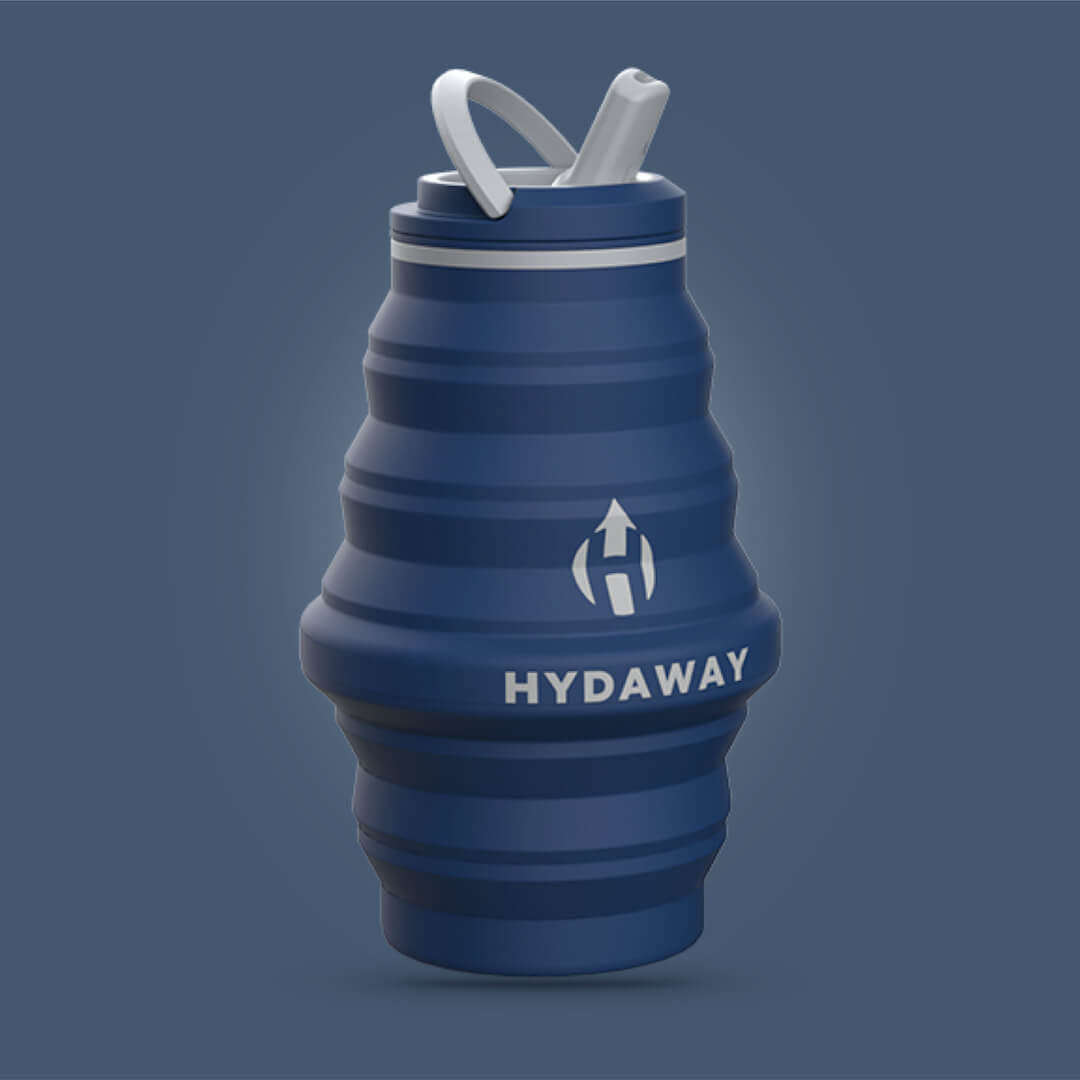
- A collapsible bottle for rinsing, brushing teeth, or quick wash-ups
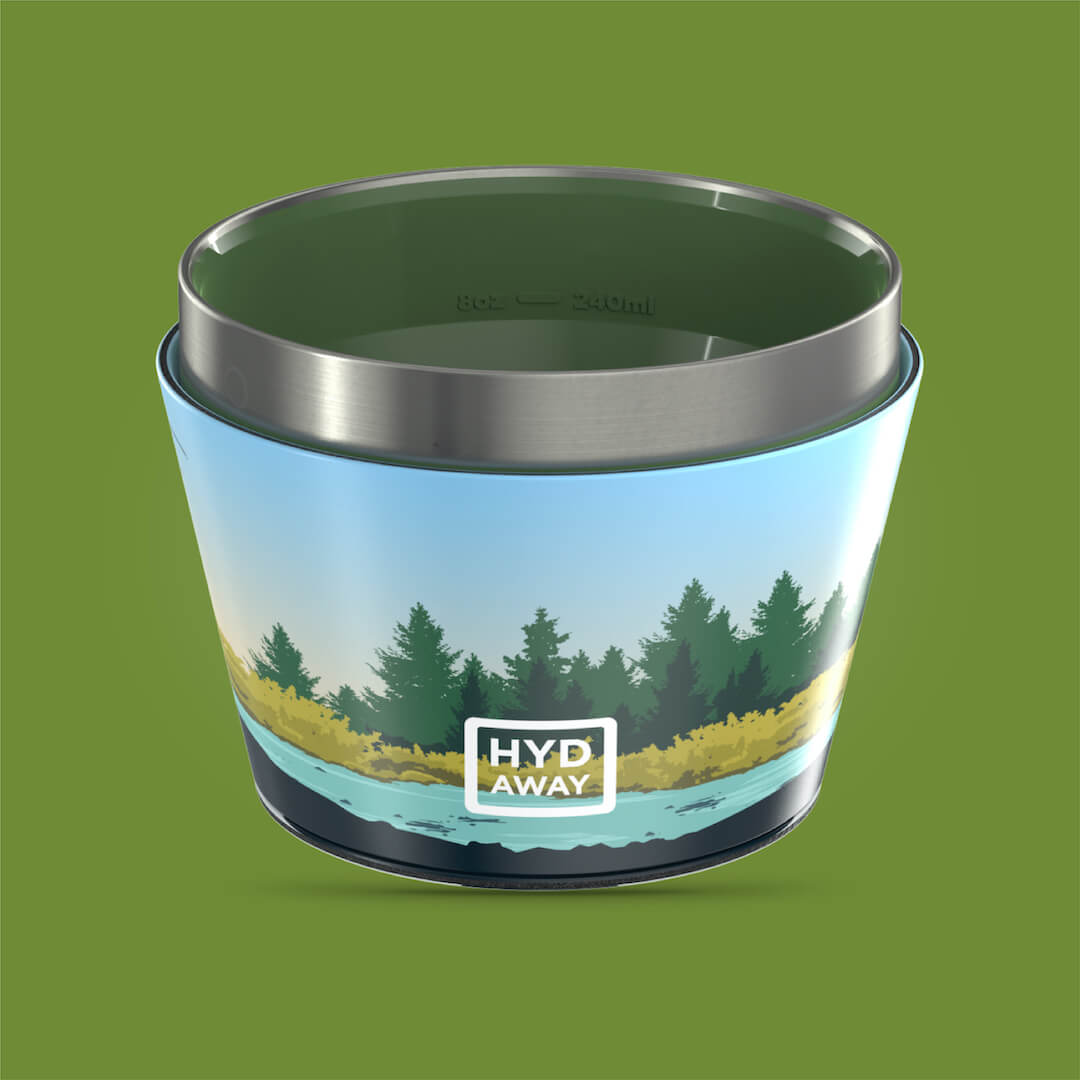
- A collapsible bowl for face washing, sponge baths, dish duty, or laundry touch-ups
- A small pouch to keep it all together and easy to grab
That kind of system is easier to manage than a pile of bulky, mismatched items. If you’re tightening up your loadout, this guide on how to organize camping gear is useful for turning loose pieces into a repeatable setup.
Two common mistakes
Using one towel for everything without rinsing it
If your towel dries dishes, feet, cookware, and your face, it needs more frequent rinsing. A quick-dry towel is versatile, but it isn’t magic.
Choosing softness over function every time
At home, softness wins. Outside, drying speed, packability, and easy care matter more. The best camping towel is the one that makes camp life simpler, not the one that most resembles your bathroom setup.
Quick dry towel camping works best when the towel has a job and a place. Hang it with intent. Wash it smart. Let it support the rest of your routine instead of becoming another damp thing to manage.
Ditch the Drip and Embrace Your Adventure
A good camp towel does one important thing. It removes friction from the day.
You stop dealing with damp cotton, crowded gear bins, and that low-grade musty smell that follows a wet towel around a small space. Instead, you get a piece of gear that dries fast, packs small, and fits naturally into the way people travel now. That means lighter packs, tidier cars, cleaner vans, and less hassle around camp.
The right choice depends on your trip. Backpackers usually want the lightest practical option. Families often need more size and versatility. Van travelers should care more about daily comfort and odor control. People heading to sand and water may prefer materials that don’t hold onto grit and pet hair.
The bigger point is simple. Smart gear should make life outside feel easier.
If you’re refining your setup, don’t overlook small supporting pieces either. Even simple organizers like compact towel holders or hooks can help keep a towel aired out in a camper, kitchen box, or travel rig when space is tight.
The outdoors already gives you enough variables. Weather changes. Campsites get muddy. Lake swims turn into chilly exits. Your towel shouldn’t add to the chaos.
Choose one that dries fast, stores easily, and suits the way you really travel. Then get back to the part that matters. Morning coffee by the trees, a clean swim after a hot hike, and one less soggy thing to think about.
If you’re building a lighter, smarter outdoor setup, HYDAWAY is worth a look. Their collapsible bottles, bowls, drinkware, and travel-ready accessories fit the same packability mindset that makes a great camping towel so useful. Less bulk, more function, and fewer single-use throwaways is a good way to travel.