


Lightweight Camping Dishes: A Buyer's Guide for 2026

You're standing at the tailgate, or the back of the van, or the kitchen table two hours before a trip, and the camp kitchen bin is making the same annoying promise it always makes, rattles, mixed lids, a dented bowl, and one spoon that somehow disappears until the moment you need it. That mess is exactly why lightweight camping dishes matter. The best setup doesn't just weigh less, it packs smaller, cleans faster, and makes the whole meal routine feel calm instead of chaotic.
A lot of travelers first notice the difference on short trips, then never go back. Once your eating gear stacks cleanly, fits in a bear canister, or slides into a van drawer without a fight, camp meals stop feeling like a chore and start feeling like part of the rhythm. If you're planning a trip to Japan, the 2026 Japan camping guide is also a useful reminder that compact gear pays off fast when space is tight and every item has to earn its spot.
From Clunky Mess to Trail-Ready Meal Kit
A bad camp kitchen usually has the same shape. It's a plastic bin full of nesting failures, loose lids, a heavy pan “just in case,” and dishes that clack together every time the car hits a bump. By the time you get to camp, you've already spent energy on gear that should've made the trip easier.
The smarter version is simple: fewer rigid parts, less dead space, and a set that works as one system. Lightweight camping dishes grew out of the same practical logic that shaped portable camp cooking in the mid-19th century, where transport, fuel, and bulk were the main constraints, not aesthetic preference. That history matters because the core problem hasn't changed much, even if the materials have.
Practical rule: if your dishes take up more space than your food bag, your kit is working against you.
By the late 1860s, backpacking food was already being designed around being lightweight and low in bulk, and by 1849 Alexis Soyer's “Magic Stove” had already shown that portable camp kitchen tools were a real category, not a modern fad (historical background). By 1967, outdoor guides were recommending that campers drop canned goods and heavy cookware in favor of freeze-dried meal units and thin foil pans, which tells you this mindset has been around for decades, not seasons (1967 camp cooking guidance).
The end result today is a better kind of kit, one that's easier to grab, easier to wash, and less annoying to repack at dawn. The best lightweight dishes don't just save ounces, they remove friction from the whole trip.
Choosing Your Material The Ultimate Tradeoff

The material decision is where most buyers either overthink it or underthink it. The right choice depends on whether you care most about pack size, price, durability, heat handling, or how much you hate scrubbing after dinner. There isn't one perfect material, but there is a best fit for your kind of travel.
Silicone and collapsible designs
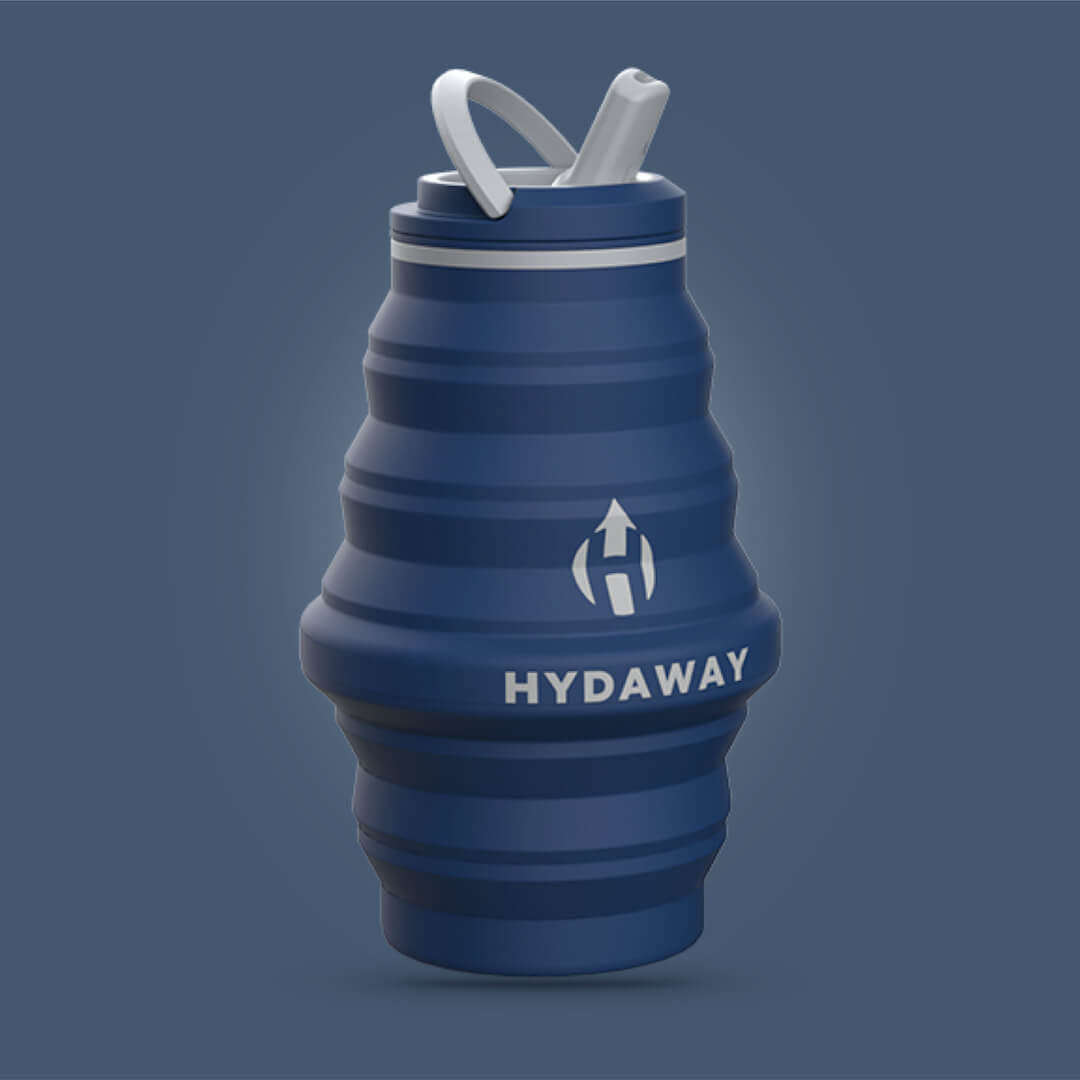
Silicone is the packability specialist. It folds, compresses, and plays well with tight storage, which makes it useful for people who want dinnerware that disappears into a daypack, van drawer, or travel tote. The tradeoff is obvious, though, softer gear can be more vulnerable to punctures and doesn't feel as bombproof as metal.
That's why collapsible food-grade designs are so appealing in practical application. They give you reusable dinnerware without forcing you to waste space on empty volume. For travelers who pack and repack constantly, that's often the bigger win than shaving a few grams.
Titanium
Titanium is the premium answer when weight is everything and budget is secondary. It's the material people reach for when they care about a setup that stays minimal and still holds up to hard use. The downside is cost, and for many campers that's enough to move titanium from “ideal” to “nice if the rest of the kit is already dialed.”
The strongest weight-to-function gains for lightweight camping dishes come from thin-wall aluminum or titanium paired with collapsible or nesting geometries, and one camping gear guide recommends keeping compact cooking gear under 3 lb (1.36 kg) while calling those designs the best portability tradeoff for hikers and backpackers (compact cooking gear guidance).
Aluminum, plastic, and stainless steel
Aluminum stays popular because it hits a good budget-to-weight balance, and it spreads heat well. It can dent, and some users avoid it for acidic foods, but for a lot of campground use it's still a practical middle ground. Plastic is the lightest-feeling low-cost option, especially for cold meals or simple serving, though it doesn't bring the long-term toughness typically desired from a primary kit.
Stainless steel sits at the opposite end. It's durable, non-reactive, and dependable, which makes it a solid long-haul choice for car camping or base camp use, but it's usually heavier than the other options. If you want a hard-use setup that won't baby itself, stainless can make sense. If you're counting every inch of packed space, it usually isn't the first pick.
| Material | Avg. Weight | Durability | Cost | Best For |
|---|---|---|---|---|
| Silicone | Very low when collapsed | Moderate | Moderate | Tight packers, van life, travel |
| Titanium | Very low | Very high | High | Ultralight backpacking |
| Aluminum | Low | Moderate | Low to moderate | Budget-minded campers |
| Plastic | Very low | Lower | Low | Cold meals, casual use |
| Stainless Steel | Higher | Very high | Moderate | Base camp, long-term durability |
For a deeper look at one durable metal option, the internal guide on stainless plates and bowls is a useful reference point if you're comparing longevity against weight.
Beyond Weight Packability and Smart Design
A lot of people say they want “light” dishes, then buy gear that's only lighter in the hand. On trail, the primary issue is volume. A rigid bowl that weighs a little less can still be worse than a collapsible bowl that stacks flat, because dead space is what steals room from your pack.
That's why nesting and collapsing matter so much. Ultra-packable dinnerware is engineered to compress tightly, which reduces the awkward pockets of empty space that make a pack feel messy and overstuffed. It's also easier to fit these pieces into side pockets, bear canisters, or those small van storage bins that always seem full before the trip even starts (packability and volume reduction).
A set of flat, compressible dishes usually feels lighter than a set of rigid ones, even when the scale barely changes, because your pack stops fighting the shape of the gear.
What packability changes in practice
The difference shows up at setup and teardown. Instead of digging through a jumble of hard bowls and stacked mugs, you get a kit that organizes itself. That matters on wet mornings, in cramped overland kitchens, and on backpacking trips where every item needs to come out and go back in quickly.
It also changes what you can bring. If your bowls collapse and your cups compress, you're less likely to leave the good reusable gear behind just to save room. That's the bigger advantage, packability keeps you using durable gear instead of defaulting to throwaway plastic or oversized campware.
If you use a collapsible system, the benefit isn't just that it fits. It also makes your kitchen bin calmer, your packing faster, and your camp setup less noisy. Those small wins add up over a season of trips.
Sizing Your Kit For Solo Hikes and Family Feasts
The right dish kit looks different for a solo hiker than it does for a couple in a van or a family at a campsite with a folding table and coolers everywhere. A minimalist setup works because the meal plan is minimal. A bigger group needs more structure, more separation, and less cross-contamination between serving and eating gear.
Solo hiker
For solo trips, one-pot logic wins. A neutral backpacking guide explains that one-pot cooking saves both fuel and weight because you can boil water for dehydrated or freeze-dried meals in a single small pot, and that pot can also double as a cup (REI ultralight meal planning). If you're hiking light, you usually don't need a full dining set. You need one bowl or pot, one spoon or spork, and a system that's easy to rinse and repack.
Van-life couple
A couple in a van usually wants a little more comfort without giving up space. Two bowls, two cups, and stackable or collapsible plates are usually enough if breakfast is simple and dinner is one-pot. The trick is choosing pieces that nest cleanly so they don't rattle in a drawer every time you drive to the next pullout.
Family or car camping group
Families need durability and easy sorting more than they need ultralight bragging rights. Color-coded bowls and cups help avoid mix-ups, especially when kids are involved. Car camping also lets you bring more comfort items, but that doesn't mean you should bring bulky kitchenware that only gets used once per trip.
For a closer look at space-saving dinnerware logic, the internal guide on collapsible bowls for camping is worth a read before you buy multiples.
Durability Care and Keeping Your Gear Trail-Ready
A good camp dish earns its keep over time. Its primary test is simple. Can you rinse it with very little water, get it dry fast, and trust it not to hang onto last night's meal? That matters on longer trips, in van drawers that stay packed for days, and anywhere cleanup has to stay quick because water is tight.

Cleaning rules that actually help
Food wipes off easier before it dries hard, so give the bowl or pot a quick pass before you wash it. Use a small amount of water, scrub with a compact sponge, and let the gear air dry before it goes back into a pack or drawer. Collapsible silicone needs that same attention, because any trapped moisture can turn into lingering odor if you store it folded up too soon.
Different materials hold up in different ways. Aluminum is light, but a coated surface can scratch if you get aggressive with the scrubber. Stainless steel is less fussy and stands up well to repeated use, which is why a lot of people keep coming back to it for long-term trips. Plastic saves weight and space, but it can absorb smells and feel less pleasant as a primary eating setup after enough camp meals.
A practical habit matters more than clever gear. Rinse soon, dry fully, and keep clean dishes in a breathable pouch instead of sealing them away while they are still damp. That routine does more for longevity than most marketing claims ever will.
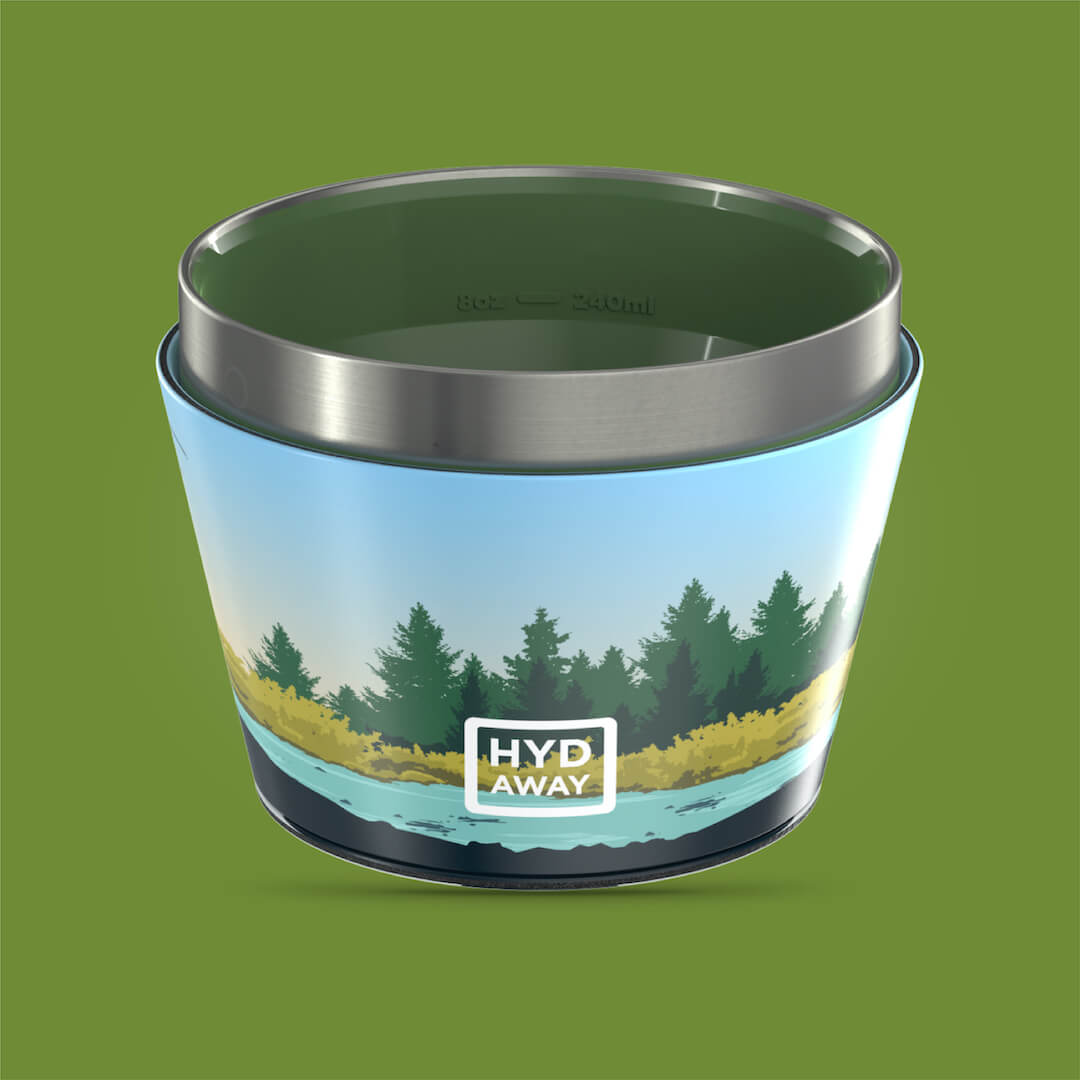
Some materials are also easier to live with at home. If you want a deeper clean after a trip, look for gear that can handle the dishwasher, like the guidance on HYDAWAY's dishwasher-safe bowl. That gives you one more way to keep camp dishes food-safe without adding extra hand scrubbing after every outing.
The broader ultralight meal approach points the same way. Meals should be quick and easy to prepare, ideally single-pot, with nothing that needs long simmering, and that fits reusable bowls and drinkware that pack small and clean up fast (ultralight meal prep guidance).
Safety and sustainability
Choose food-safe materials made for repeated use. Good camp dishes should replace disposable habits with something that holds up, stays safe to eat from, and is easy to keep clean trip after trip. That is a sustainability choice, and it is also a reliability choice. A reusable bowl that folds flat, fits into a tight van drawer, or slides into a bear canister without wasting space is more useful than a stack of plates that only makes sense once.
The long-term check is straightforward. If the gear cleans easily, stores without taking over your bag, and stays safe after repeated use, it is the kind of upgrade that gets used instead of left at home. If it stains, smells, or cracks under normal camp handling, it will spend more time in a closet than on the trail.
Packing and Using Your Dishes Like a Pro
The best dish kit is the one you can grab fast, pack without thinking, and clean without a hassle. Start by nesting what can nest, then separate anything wet from anything dry. If you use collapsible pieces, keep them fully flat before stowing so they don't create weird bulges in your bag or drawer.
A few habits make a big difference:
- Use a mesh bag for drying. Airflow beats stuffing damp gear into a sealed bin.
- Keep a tiny clean-up kit together. A small sponge, a bit of biodegradable soap, and a towel save more time than extra utensils ever will.
- Pack by noise and shape, not just by weight. If the kit rattles, it's probably not packed well.
- Store eating gear with the meal system. Bowls, cups, sporks, and food should live together so you don't hunt for pieces at camp.
For van travelers, bear canister users, and backpackers alike, the key benefit remains consistent. You want a kit that disappears when packed and shows up ready when it's time to eat. That's what turns lightweight camping dishes from a nice idea into gear you use every trip.
A CTA for HYDAWAY.