


Best Hydration Backpack for Women 2026 Guide

You know the moment. You're halfway up a trail, your bottle is thumping against your hip, one hand is occupied, and you've already started rationing sips because pulling the bottle out again feels annoying. The same thing happens in cities, airports, theme parks, and long walking days abroad. Water is with you, but not easy to drink.
That's why a good hydration backpack for women changes more than comfort. It changes behavior. When water is easy to reach, you drink more consistently, move more naturally, and stop planning your day around where to stash a bottle.
The trick is choosing a pack that fits your body and your real life. Not the fantasy version where every outing is a technical trail run. Most women need something that works across hikes, travel days, bike rides, festivals, and everyday wandering. The smartest setup often isn't one piece of gear. It's a small hydration system that adapts.
The End of Juggling Water Bottles
A lot of women start shopping for a hydration backpack after they've had enough of the same small frustrations. A bottle in a tote tips over. A handheld bottle makes your arm tired. A daypack with side pockets works fine until you need both hands on uneven ground or you're weaving through a crowded train station.
That frustration is part of why hydration packs keep gaining attention. The global hydration backpack sector was valued at USD 403.7 million in 2024 and is projected to reach USD 661.6 million by 2030, with growth tied to rising participation in outdoor recreation and a rapidly expanding share of women seeking specialized gear, according to Grand View Research's hydration backpack market analysis.
The big shift isn't just market size. It's how women use these packs now. A hydration backpack for women used to get framed as a niche item for runners or mountain bikers. That's outdated. It's now just as relevant for a long urban walking day as it is for a trail.
If you're still figuring out the basics of how these packs work, HYDAWAY has a clear primer on what a hydration pack is. The short version is simple. A reservoir sits inside the pack, a drinking tube routes over your shoulder, and you sip without stopping.
Hands-free hydration sounds like a convenience feature until you spend a full day moving. Then it becomes a comfort feature, a pacing feature, and often a safety feature.
The best part is freedom of movement. You're not shifting a bottle from hand to hand, not digging through a bag every time you're thirsty, and not deciding to wait until the next stop. That alone is enough to make a hydration pack feel like a serious upgrade.
Why a Women-Specific Pack Actually Matters
A women-specific pack isn't just a smaller version of a standard pack. When it's designed well, it changes where the load sits, how the straps wrap, and whether the pack moves with you or fights you all day.

Fit affects hydration too
This isn't just about comfort. Female hikers and runners using hydration backpacks consume up to 25% more water during a 10-kilometer hike than those using handheld bottles because the hands-free setup makes frequent sipping easier, according to Future Market Insights on the hydration backpack market.
That matters because a pack you can wear comfortably is a pack you'll use as intended. If the shoulder straps pinch across the chest, the sternum strap lands in the wrong place, or the bag bounces every few steps, you'll start fiddling with it instead of drinking from it.
What usually goes wrong with unisex packs
It's similar to footwear. Plenty of people can force themselves through a long day in shoes that are “close enough.” That doesn't mean the fit is right. Packs work the same way.
Common problems I see with poorly matched packs include:
- Chest pressure that makes the harness feel awkward or restrictive.
- Shoulder gaps where the straps don't lie flat and the pack starts shifting.
- Hip belt mismatch so the weight hangs from the shoulders instead of settling lower.
- Bounce during movement that gets worse on stairs, descents, or fast walking.
A women-specific harness often addresses those issues with more thoughtful strap shape and spacing. It's not fashion. It's geometry.
Field note: If you keep thinking about your pack while walking, the fit is wrong. The right pack fades into the background.
The label helps, but it isn't the final answer
Gear shopping presents interesting considerations. “Women's-specific” is a useful starting point, not a guarantee. Some women fit beautifully in women's models. Others do better in a highly adjustable unisex pack with a better harness system.
What matters most is whether the pack sits close, stays stable, and lets you breathe normally. A hydration backpack for women should work with your torso, chest, and stride. If the branding says “women's” but the pack still rubs or floats off your back, keep looking.
Finding Your Perfect Fit Down to the Centimeter
Fit decides whether a hydration pack feels supportive or irritating. Capacity, pockets, and color all matter, but none of them can rescue a bad fit. The two variables that matter most are torso length and harness adjustment.

Women-specific hydration packs are engineered with shorter torso lengths and narrower shoulder geometry because those fit variables control load transfer. A proper fit keeps the reservoir and cargo stabilized, which improves comfort and reduces bounce during activity, as REI explains in its guide to hydration systems and pack fit.
Measure your torso at home
You don't need a gear shop to get this right. You need a flexible measuring tape and, ideally, a friend.
- Find your C7 vertebra. Tilt your head forward and feel for the bony bump at the base of your neck.
- Find your iliac crest. Put your hands on top of your hip bones and imagine a line across your back.
- Measure between those points. Run the tape from the C7 point down to that hip line.
- Compare with the brand chart. Use the pack maker's size guidance before you order.
A quick visual helps if this measurement is new to you.
Adjust the pack in the right order
A lot of women judge a pack too early because they throw it on without dialing it in. Do the setup in this order:
- Start with the hip belt: Center it over your hip bones so the lower body carries the load.
- Then tighten the shoulder straps: They should wrap your shoulders without digging or leaving big gaps.
- Set the sternum strap carefully: High enough to stabilize, low enough that breathing stays easy.
- Check reservoir placement: A full bladder should sit close to your back, not sag away from it.
Here's the feel you want:
| Fit point | What works | What doesn't |
|---|---|---|
| Shoulder straps | Flat contact, gentle wrap | Pinching, gapping, rubbing at chest |
| Sternum strap | Stabilizes without pressure | Restricts breathing or sits awkwardly |
| Hip belt | Anchors on hips | Floats too high or slides down |
| Pack body | Close to back, low movement | Sloshes, sways, or bounces |
Test fit with weight, not when empty
An empty pack lies. Almost any pack feels decent with nothing in it. Add water, a layer, phone, snacks, and the weak points show up fast.
Walk up and down stairs. Lean forward. Swing your arms. If the pack smacks your back, rides up, or makes you shrug your shoulders, it's not fitted well enough.
A hydration pack should feel almost painted on when it's adjusted correctly. Secure, but not stiff.
Trust the feel more than the label
This is the part many buyers miss. “Women's-specific” can absolutely help, but adjustability often matters more than the tag. Some of the most comfortable packs on the market are praised for harness design and stability rather than gender labeling.
If you have a smaller frame, a shorter torso, a fuller chest, or a curvier hip-to-shoulder proportion, pay close attention to how the straps track around your body. The right hydration backpack for women isn't the one with the best marketing language. It's the one that stays secure without constant correction.
Choosing Capacity for Water and Gear
Capacity sounds simple until you realize it means two different things. First, there's water capacity, which is the reservoir size. Then there's gear capacity, which is the storage space for everything else.
Mixing those up is how people end up with the wrong pack. They buy too much pack for a short outing, or too little storage for a long day.
Think in two buckets
Reservoir size controls how much you can drink before refilling. Pack volume controls what else you can carry. Those decisions should match your outing, not the biggest option on the shelf.
Here's a practical way to approach this:
| Activity | Water Reservoir | Gear Capacity |
|---|---|---|
| Short walk, theme park, casual bike ride | Small reservoir | Minimal storage for phone, snacks, light layer |
| Half-day hike or active sightseeing day | Medium reservoir | Room for snacks, shell, wallet, sunscreen |
| Long day hike or remote outing | Larger reservoir | Extra layers, food, first aid items, personal essentials |
| Travel day with mixed use | Small or medium reservoir | Organized space for documents, charger, snacks, packable extras |
What works in real life
A smaller pack usually feels better when your day is simple. Less bulk means less heat, less sway, and less temptation to overpack. That's ideal for neighborhood hikes, city travel, amusement parks, or quick rides.
A larger setup makes sense when your route is long, the weather could shift, or you need room for layers and food. The trade-off is obvious. More capacity gives you more options, but it also adds structure, weight, and physical presence on your back.
What doesn't work is buying around edge cases. If you do one huge hike a season but most of your outings are shorter, don't pick your everyday pack based on the biggest day of the year.
Build a modular hydration system
Smart gear choices beat simple pack-versus-pack comparisons. A hydration backpack doesn't have to do everything by itself. For a lot of women, the better answer is a modular system.
That might look like this:
- Use a lighter hydration pack for the main carry and hands-free sipping.
- Add a collapsible bottle when you want a second drink, backup water, or an easy refill option.
- Adjust by outing so your setup changes without forcing you into one oversized pack.
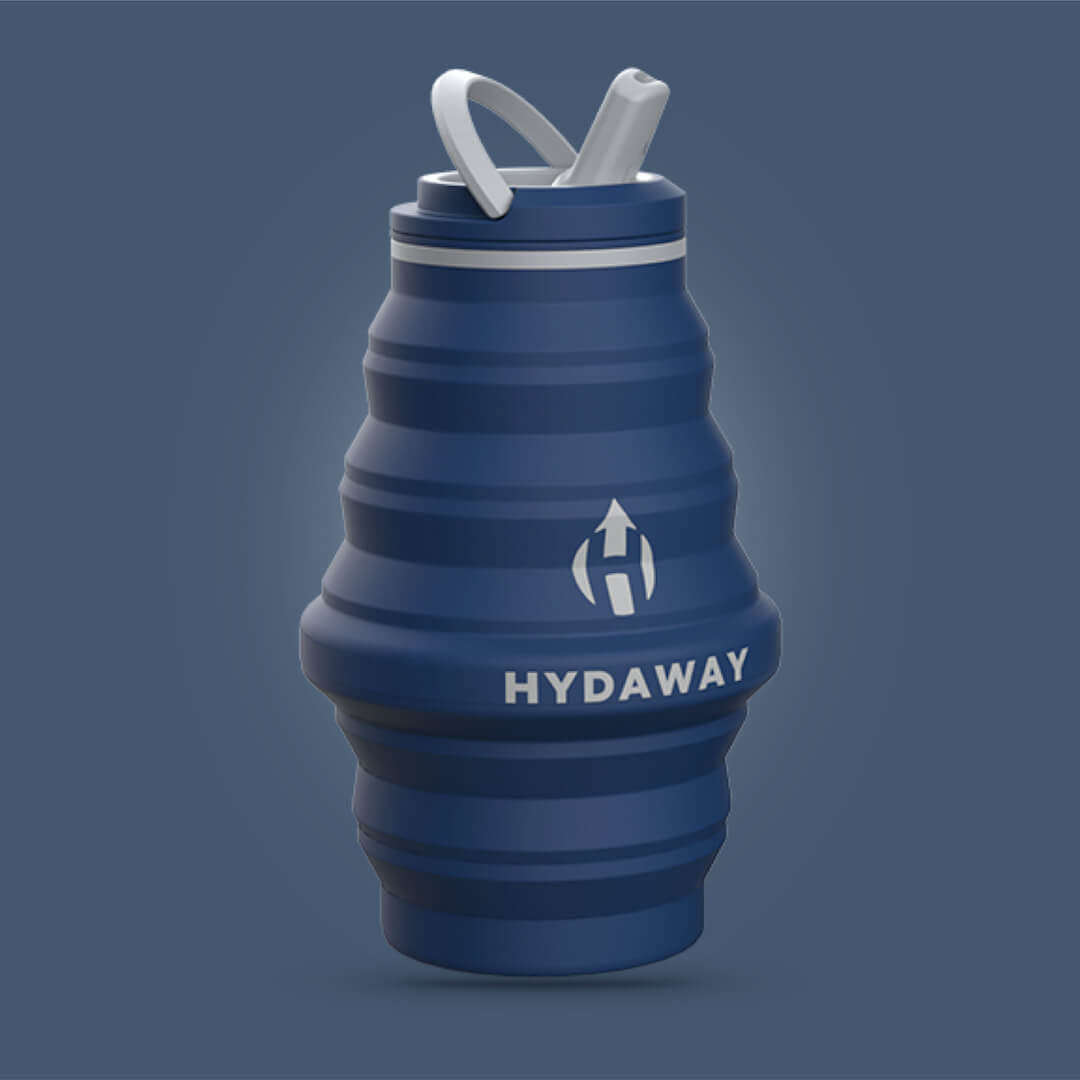
This is one place where a packable add-on makes practical sense. The HYDAWAY 25oz collapsible bottle gives you extra drink capacity without committing to a bulkier bag all the time. It also solves a common problem. Sometimes you want water in the reservoir and electrolytes in a separate bottle, or you want a bottle you can stash after you empty it rather than carry a rigid shell all day.
Practical rule: Size your pack for your most common outing, then add modular pieces for the occasional longer one.
That approach keeps your base setup lean. It also makes a hydration backpack for women more versatile across hiking, travel, and everyday carry, instead of locking it into one narrow purpose.
The Right Pack for Every Adventure
A hydration backpack used to signal one thing. Trail mileage. That's no longer true. Many buyers now want a lightweight, organized carry solution for theme parks, travel days, and festivals, and the category is shifting toward slimmer, more lifestyle-friendly packs that function as compact utility packs, as described in Dick's Sporting Goods coverage of hydration backpacks with storage.

That shift matters because your best pack depends less on category labels and more on how your days unfold.
For running and fast movement
If you run, move fast, or hate any bounce, your priorities are stability and close body wrap. You want a vest-like fit, a low-profile shape, and front access to small essentials. Extra structure often gets in the way here.
Good choices for this use case usually have:
- Close-fitting harnesses that move with your torso.
- Low bulk so the load stays centered.
- Quick-access storage for gels, keys, or a phone.
What doesn't work is a loose commuter-style bag with a hydration sleeve added as an afterthought. It may carry water, but it won't stay still.
For hiking and long walking days
Hiking packs need a wider comfort window. You're often carrying more layers, more food, and a few items you may not touch for hours. Consequently, fit and usable storage matter more than minimalism.
Look for a pack that gives you:
- Enough room for actual extras, not just the reservoir.
- A secure sternum and hip setup so the load settles correctly.
- Simple organization you can access without unpacking everything.
This is also the use case where many women realize they don't need a huge technical pack. For established trails, travel hikes, and national park day use, a medium-volume, well-fitted hydration backpack often beats a large traditional daypack.
For travel, festivals, and mixed-use days
This is the most overlooked category, and for a lot of readers it's the most realistic one. You may need water, sunscreen, a phone battery, snacks, a light layer, tickets, and a place to stash small purchases. That's not an endurance sport loadout. It's an all-day mobility loadout.
A useful travel-friendly hydration pack should be:
- Slim enough for crowds
- Organized enough for frequent access
- Light enough that you'll bring it
- Flexible enough to work beyond the trail
If travel is your main use case, it's worth reading HYDAWAY's take on the outdoor hydration pack, especially if you're trying to bridge trail gear and everyday utility.
A lot of women also do well with a packable backup bag in their system. The HYDAWAY Collapsible Backpack fits that travel logic because it stores small and opens into a functional daypack for city walking, day trips, or spontaneous side adventures. That kind of setup makes sense when you don't want a full hiking pack with you at all times but still want carry flexibility once you arrive.
The best pack for your life might not look especially technical. It might just disappear into your routine and make long days easier.
Smart Packing and Simple Maintenance
Even a well-fitted pack can feel clumsy if you load it badly. And even an expensive reservoir can get gross fast if you ignore cleaning. These are the small habits that separate gear you enjoy from gear you regret.
Pack for balance, not just space
Start with the reservoir full and properly seated in its sleeve. Keep heavier items close to your back so the load stays centered. Small, frequently used items should go where you can reach them without unpacking the whole bag.
A few habits help immediately:
- Reduce slosh when you fill the reservoir. After filling, turn it upside down and squeeze out excess air before sealing it.
- Keep soft items in dead space. A thin layer or bandana can cushion awkward gaps without adding bulk.
- Don't overload outer pockets. Front-heavy storage pulls the pack away from your body.
- Separate spill-risk items. Sunscreen, snacks, and electronics shouldn't all share one loose pocket.
For hot weather, partially freezing water ahead of time can help keep things cooler longer. Just leave room for expansion and make sure your reservoir material allows for that kind of use.
Clean it before it becomes a project
Hydration systems are easy to neglect because the mess is hidden. Then one day the tube tastes strange and the bladder smells like a forgotten gym bottle.
The easiest routine is simple:
- Rinse after every use, especially if you used anything besides plain water.
- Dry thoroughly with the reservoir open and the tube drained as much as possible.
- Deep clean on a schedule if you use it regularly or store it for stretches between trips.
HYDAWAY has a practical walkthrough on cleaning a hydration pack if you want a step-by-step refresher.
Clean the reservoir when you get home, not the night before your next outing. Future you will be tired, rushed, and annoyed.
Keep the whole system low-maintenance
This is another reason modular gear helps. If part of your hydration setup includes easy-to-clean, collapsible components for backup water or snacks, you're less likely to avoid using them. Dishwasher-safe drinkware and compact food containers fit the reality of travel and outdoor life better than gear that demands special treatment after every use.
A hydration backpack for women should support movement, not add another household chore you keep postponing.
Your Actionable Buying Checklist
A smart purchase gets easier when you stop chasing the perfect pack for every possible scenario. Most women need the right pack for their normal days, plus enough flexibility to stretch into bigger ones.
Use this checklist before you buy:
Check fit first
Does the pack match your torso length, chest shape, and shoulder width? Can you adjust the sternum strap and get the load to settle on your body without bounce or rubbing?
Match capacity to your routine
Think separately about water and storage. Do you need room for layers and snacks, or just the basics? Would a lighter pack plus one modular add-on serve you better than a larger all-in-one setup?
Be honest about your use case
Are you mostly hiking, traveling, commuting, sightseeing, or doing a mix of everything? Buy for the life you live. Not the version where every weekend is a backcountry mission.
The right hydration backpack for women should disappear once you put it on. No constant tugging. No bottle juggling. No mental load. Just water where you need it, gear that rides well, and more attention left for the day itself.
If you want to build a lighter, more flexible carry system around your pack, HYDAWAY makes compact hydration and travel gear designed to stash small and work across hiking, travel, commuting, and everyday outings.