


Master Cleaning a Hydration Pack for Optimal Freshness

You finish a hike, peel off the pack, and reach for that last sip on the drive home. The trail was great. The weather held. Your legs feel worked in the best way. Then the water hits your mouth and tastes stale, rubbery, or faintly swampy.
That moment tells you a lot about your hydration system.
In Bend, I see this with day hikers, bikepackers, ski tourers, van-lifers, and families loading up for road trips. The pack itself still looks fine, so people assume it’s clean enough. But reservoirs and tubes hide residue better than almost any other piece of outdoor gear. If you’ve ever used electrolyte mix, let water sit overnight, or stuffed the pack in a dark trunk while telling yourself you’ll deal with it tomorrow, you already know how fast “mostly fine” turns into a problem.
Cleaning a hydration pack isn’t gear perfectionism. It’s basic field maintenance. Clean gear tastes better, dries faster, and stays reliable when you need it on the next trail day, airport layover, or long park day with kids. Done right, it also helps the reservoir last longer instead of getting retired early because the smell never quite leaves.
Your Adventure's Aftertaste Why a Clean Hydration Pack Matters
A dirty hydration pack rarely announces itself all at once. It starts with a slight off-taste. Then the bite valve feels sticky. Then you notice a smell when you open the bladder after a week in the garage or the van. By that point, you’re not dealing with “just water” anymore. You’re dealing with residue, moisture, and all the places a tube and bladder give that residue somewhere to hang on.
What makes this sneaky is that outdoor use creates the perfect setup. You drink on the move. You refill in a rush. You stash the pack half-empty because you’ll use it again tomorrow. If tomorrow turns into next weekend, the inside of the reservoir has been sitting in a dark, damp space the whole time.
Taste is the first warning sign
Many outdoor enthusiasts start cleaning a hydration pack because the water tastes wrong. That’s a smart instinct. Off-taste usually means something was left behind, even if you can’t see it.
A few common culprits show up again and again:
- Plain water left sitting too long can still develop a stale smell and film.
- Electrolyte or flavored drink residue clings more aggressively and turns cleanup into a bigger job.
- Soap that wasn’t fully rinsed out can leave a plasticky or chemical taste that people often mistake for the reservoir material itself.
- Damp storage keeps the problem active even after a quick wash.
Clean taste is a maintenance check. If the water tastes off, something in the system still needs attention.
It’s also about gear life
A neglected bladder doesn’t just taste bad. It gets harder to restore. Residue settles into corners, tubes, and mouthpieces. Seams and soft materials handle gentle care well, but they don’t respond the same way to harsh shortcuts like strong bleach or rough scrubbing.
That matters if you depend on compact travel gear and don’t want to replace it sooner than necessary. A little care after use beats trying to rescue a funky reservoir the night before a flight, a backcountry permit, or a family day at Disneyland.
Good cleaning habits aren’t complicated. They’re just consistent. The payoff is simple. Fresh water, less hassle, and gear that’s ready when your next trip comes together fast.
The Post-Adventure Rinse Preventing Buildup in Minutes
The easiest way to avoid a deep-clean emergency is to make the post-trip rinse automatic. Not deep cleaning. Not a full scrub. Just a fast reset before residue gets comfortable.
If I come home from a dusty trail around Phil’s Trailhead or a long airport-to-hotel day where the pack has been riding in and out of overhead bins, I don’t wait until later. Later is where smells begin.

The fast routine that prevents the gross stuff
This habit only takes a few minutes:
- Empty it completely. Don’t leave “just a little” water in the reservoir. That leftover moisture is what keeps odors alive.
- Rinse with warm water. Warm, not hot enough to be aggressive. Slosh it around the bladder so the walls get a quick wash.
- Run water through the tube. Pinch the bite valve so rinse water moves all the way through the drinking line.
- Drain the tube on purpose. Hold the reservoir up and let gravity help clear the line. A tube that looks empty can still hold moisture.
- Leave everything open to air. Don’t cap it and toss it in a gear bin.
That’s the maintenance version of brushing your teeth. It won’t solve a serious funk, but it prevents one.
When this quick rinse matters most
Some outings make this habit even more important than usual.
A few examples:
- After using drink mixes or electrolytes. Sugary or flavored residue is much more likely to stick around.
- After hot-weather use. Heat and leftover moisture are a bad combination.
- After travel days. Hydration packs get shoved into tight places, which often means they stay damp longer than you realize.
- After family outings. If several people used the same system during a road trip or theme park day, clean it that evening instead of letting mystery residue sit.
Practical rule: If you used the pack today, rinse it today.
What this routine does and what it doesn’t
A rinse is prevention, not restoration. It keeps plain-water use manageable and makes later cleaning easier. It does not replace a real wash if the reservoir smells odd, feels slimy, or held anything besides water for more than a short outing.
That distinction matters. A lot of people think they’re cleaning a hydration pack when they’re only diluting the problem.
If your setup still smells when it dries, skip the shortcuts and deep clean it properly.
Deep Cleaning Your Hydration Bladder for a Fresh Start
A deep clean is for the reservoir that still smells clean-ish after a rinse, the one with a faint sports drink film, or the pack you forgot in the trunk after a hot Central Oregon trail day. At that point, speed stops mattering. Access and thoroughness matter.
Start by taking the system apart as far as the design allows. Remove the tube, bite valve, and any caps or sliders. Open the reservoir fully. If your bladder can turn inside out, do it. Full access is the difference between washing the visible surfaces and cleaning the places that hold odor.
I treat deep cleaning as a two-part job. First, loosen and neutralize buildup. Then scrub it off.
Open it up before you soak anything
A proper deep clean usually needs a few simple tools:
- Mild dish soap
- A reservoir-safe cleaning tablet or baking soda
- A tube brush or narrow pipe-cleaner style brush
- A soft brush or sponge for the bladder interior
- Plenty of clean rinse water
If you want tools sized for the hose and valve, a dedicated hydration bladder cleaning kit saves time and does a better job than improvising with whatever is in the kitchen drawer.
Hot-climate use changes the job a bit. In dry, dusty places like Central Oregon, residue often dries onto the inside walls faster than people expect. In humid climates, the bigger problem is moisture hanging around long enough to feed mildew. The cleaning method is similar, but the reason for being thorough changes with the conditions.
Soak first, scrub second
Fill the reservoir with warm water and add either a cleaning tablet or baking soda. Run some of that solution through the tube so the line and bite valve get contact time too. Let it sit long enough to loosen odor and film.
This step helps most after drink mixes, electrolyte tabs, airline travel, or long car transfers where the pack stayed warm for hours. A soak handles the stale smell. Scrubbing removes the residue that caused it.
A few practical choices:
- Cleaning tablets work well for regular maintenance and travel because they pack small and are easy to measure.
- Baking soda is a good home option when the issue is mainly odor.
- Warm water helps cleaning solutions work without stressing the material.
Skip harsh cleaners, boiling water, and stiff brushes. They can shorten the life of the reservoir, especially around soft welds, seals, and bite valves.
Scrub the surfaces that actually hold funk
Drain the soak solution, refill with warm water and a small drop of mild dish soap, then scrub every part you can reach. Focus on seams, corners, folds, the inside of the opening, and the full length of the drinking tube.
The tube deserves more attention than it usually gets. It is narrow, stays damp longer, and traps flavored residue easily. If that line never gets brushed, the pack often keeps its off-taste no matter how many times the reservoir gets washed.
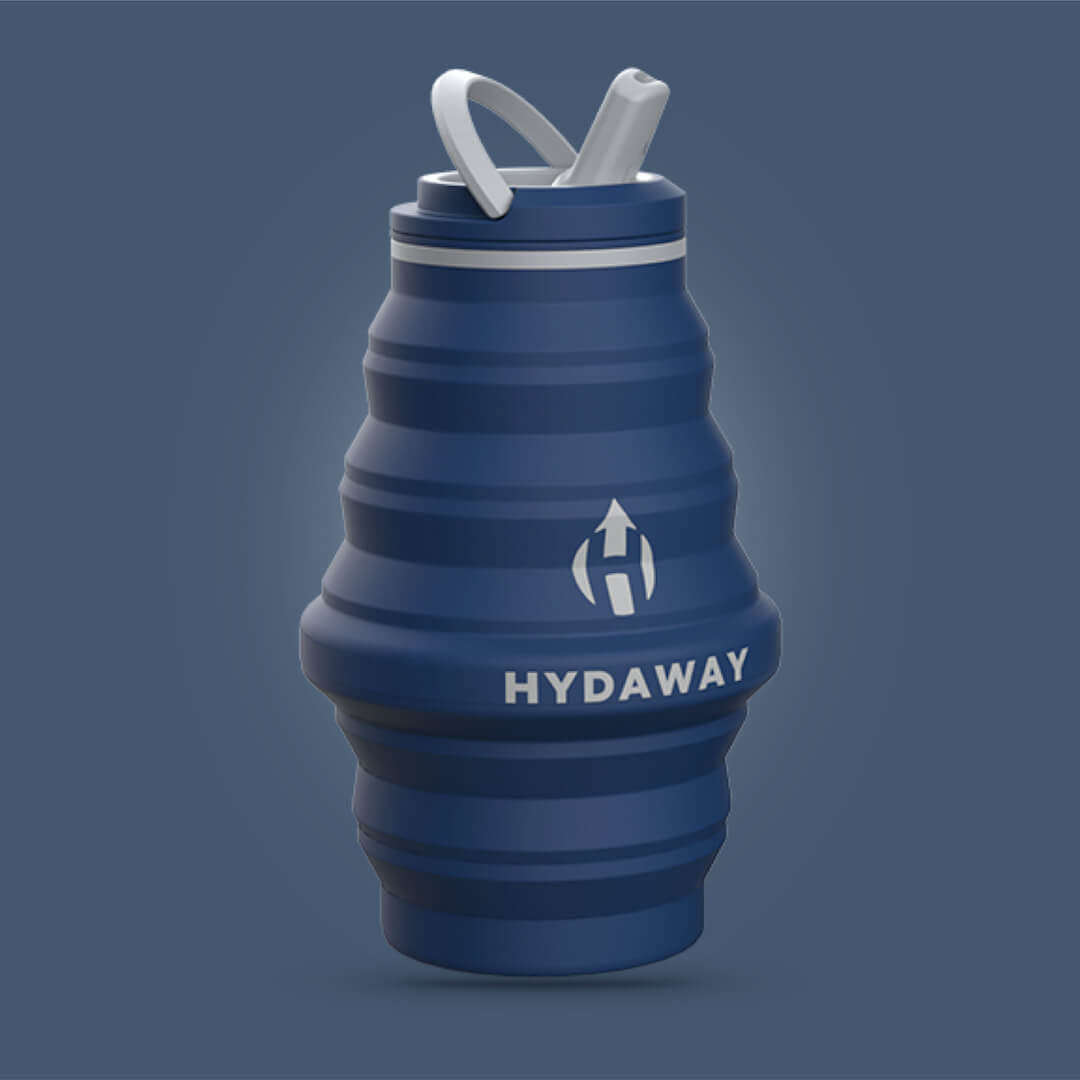
For reversible designs, scrub the exposed interior directly. That is one reason HYDAWAY-style design choices matter in real use. A collapsible reservoir that opens wide and gives you better access is easier to clean well. Easier cleaning means it gets done sooner, especially after travel or a long summer weekend.
Rinse until the water tastes neutral
A sloppy rinse creates its own problem. Soap residue can make clean water taste worse than the original funk.
Flush the reservoir several times. Push clean water through the tube and bite valve more than once. Then smell and taste-test with plain water. If you get soap, sweetness, or plastic-plus-citrus from a DIY remedy, keep rinsing.
Here’s a practical comparison of common deep-cleaning options:
| Method | Best Use | Strength | Watch For |
|---|---|---|---|
| Cleaning tablet soak | Travel cleanup, flavored-drink residue, regular deep cleans | Good at loosening odor and buildup | Still needs brushing and a full rinse |
| Baking soda soak | Mild odor, plain-water reservoirs, at-home cleaning | Simple and material-friendly | Limited if film is already established |
| Mild dish soap scrub | Film on bladder walls, seams, tube, bite valve | Best for physically removing residue | Leaves aftertaste if rushed |
| Warm water only | Fresh same-day residue before it sets | Useful as a first pass | Not enough for a true deep clean |
Deep cleaning should feel boring. That usually means you did it right.
The best outcome is simple. The next sip tastes like water, the reservoir dries without a smell, and the gear is ready for the next trip instead of carrying the last one with it.
The HYDAWAY Advantage Simple Cleaning for Smart Gear
Some hydration systems fight you during cleaning. Narrow openings limit your brush angle. Fixed shapes trap moisture in corners you can’t reach. Tubes detach, but the reservoir still feels impossible to inspect properly. That’s where design matters.
The most useful feature isn’t flashy. It’s access.

Reversible design changes the whole job
According to HydraPak’s reservoir cleaning guide, the reversible reservoir deep clean protocol yields a 98% hygiene benchmark in lab tests, and the major reason is simple: turning the bladder fully inside out exposes 100% of the surface for cleaning and drying.
That solves one of the oldest frustrations in cleaning a hydration pack. You don’t have to guess whether the brush reached the far corner. You can see it. You can scrub it directly. You can dry it completely instead of hoping airflow finds the hidden damp spot.
For travelers and anyone packing compact gear, that matters more than it sounds. A reservoir that cleans easily is much more likely to get cleaned promptly.
Dishwasher convenience has boundaries
People often ask if they can just put the whole thing in the dishwasher. Sometimes yes, but only if the brand approves it for that exact product.
The convenience is obvious for busy households, van trips, and anyone resetting gear late at night before an early start. But “dishwasher safe” isn’t a universal rule. Check the manufacturer instructions for your specific reservoir and components before using that route. If it is approved, top-rack placement and the recommended cycle matter.
That trade-off is worth respecting. Convenience should support gear life, not shorten it.
Material quality still needs gentle care
Modern flexible reservoirs are built for repeated use, travel abuse, and folding into tight spaces. That doesn’t mean they’re indestructible. Good materials stay taste-neutral and durable when you clean them the way they were designed to be cleaned.
That means:
- Use mild soap, not aggressive chemicals
- Choose warm water, not extreme heat
- Use soft brushes, not abrasive scrubbers
- Follow approved washing methods for the exact model
The smartest hydration gear isn’t the one you can ignore. It’s the one that makes good maintenance easier to do consistently.
Better cleaning also fits better into real life
Smart portable design earns its keep. A collapsible setup is easy to bring along, but that only helps if it’s also easy to reset after the trip. People carry hydration systems through airports, trailheads, hotel rooms, music festivals, campgrounds, and long days with kids. Gear that cleans fast is gear that stays in rotation.
That’s the practical advantage. Less wrestling with awkward corners. Less mystery moisture. Less chance that you’ll leave it for later because the cleanup feels annoying.
Mastering the Dry A Crucial Step to Prevent Mold
You finish a ride in Bend, rinse the reservoir, toss it in a gear bin, and grab it again a few days later. The inside still smells damp. That usually comes down to drying, not washing.
A reservoir can look clean and still hold enough moisture in the corners, tube, or bite valve to start trouble. Central Oregon’s dry air helps at home, but that advantage disappears fast in a humid garage, a van by the coast, or a hotel bathroom with no airflow. Drying needs its own routine.

Airflow does the real work
Open the reservoir as wide as the design allows. Hang it so water drains down and out instead of settling into folds. If the tube and bite valve come off, separate them and dry them on their own.
The mistake I see most often is reassembling too soon. The walls may look dry while a few drops are still sitting in the hose or hiding near the welds. Those spots are enough to create odor and slime between trips.
HYDAWAY gear has a real advantage here. A collapsible reservoir is easier to open, inspect, and position for airflow than bulkier shapes that trap moisture in awkward pockets. If the model is dishwasher safe, that also means less residue left behind before the drying stage even starts.
Practical ways to dry faster
A few low-tech methods work well at home, on the road, and in camp:
- Use a clean whisk or drying frame to hold the reservoir open.
- Hang the tube straight down so pooled water can drain.
- Set parts near moving air from a fan, open window, or vehicle vent.
- Dry pieces separately instead of reconnecting everything right away.
- Check the bite valve by hand because that small silicone piece often stays wet longest.
In arid climates, this may be done by the next day. In humid conditions, give it more time and check twice before storage.
Cold storage helps, but only after a full dry
Some hikers store a clean reservoir in the freezer between uses. That can work well, especially if you rotate gear seasonally or want a clean setup ready to grab. The order matters. Wash it, dry it fully, then freeze it.
Freezing a damp bladder just preserves dampness in a colder place. For longer breaks between trips, use a storage routine built for hydration systems. HYDAWAY covers that well in this guide to water bladder storage between adventures.
Dry gear lasts longer, tastes better, and asks less of you on the next trip. That is the payoff.
Your Cleaning Schedule From Daily Use to Long-Term Storage
The best schedule depends on what you drink, how often you use the pack, and where you are. Climate changes the equation more than most generic advice admits. As noted in this discussion of climate-related mold risk in hydration systems, humid places like Hawaii or Southeast Asia create a higher risk of rapid mold growth than arid climates, so cleaning has to be more vigilant.
That means a van traveler parked near a humid coastline should not copy the same routine as a weekend hiker in a dry inland climate.
A simple framework that works
Use this as your baseline:
- Rinse every time. Every use gets a warm-water rinse and an open dry.
- Clean weekly if use is heavy. If you’re using the pack often, especially with mixed drinks or frequent refills, give it a light soap wash each week.
- Deep clean monthly or before storage. If the pack is going away for a while, don’t store it with “one more trip” residue still inside.
Adjust based on your real conditions
A few situations call for more attention:
- Humid travel means drying takes longer and mold risk rises faster.
- Electrolyte use leaves more behind than plain water.
- Long stretches in a backpack, trunk, or gear bin trap moisture and heat.
- Shared family use usually means the pack needs cleaning sooner, not later.
If you’re trying to dial in a storage routine between trips, this guide on water bladder storage is a useful companion for keeping the system ready without creating musty surprises.
A flexible schedule beats a rigid one. Clean according to use, not according to wishful thinking.
Solving Common Hydration Pack Problems
Some problems show up often enough that they deserve fast answers.
Black spots in the tube
Treat black spots as mold. Disconnect the tube, run a cleaning solution through it, and use a properly sized tube brush to scrub the full length. Then rinse thoroughly and dry the line completely before reconnecting anything.
Bad taste that won’t go away
Persistent bad taste usually comes from leftover soap, old residue, or a reservoir that needs a deeper neutralizing soak. Start with baking soda or a tablet-based soak, then scrub and rinse far more thoroughly than you think you need to. If you want an easy neutralizing option, these bottle cleaning tablets are useful for routine resets.
A bite valve that leaks
First, remove the valve and clean it. Small bits of residue can keep it from sealing properly. Re-seat it carefully and test again. If it still leaks after cleaning and proper fitment, the valve may be worn and ready for replacement.
Most hydration pack problems aren’t gear failure. They’re maintenance issues that sat around too long.
HYDAWAY makes it easier to keep adventure gear in rotation because its collapsible, travel-ready products are built for real use, real cleaning, and real storage constraints. If you want compact hydration and reusable gear that fits life on the trail, in the car, at the airport, or around town, take a look at HYDAWAY.