


Pack the Perfect Camping Toiletry Kit for 2026

You’re probably packing for a trip right now with a toiletry bag that’s doing three annoying things at once. It’s heavier than it should be, shaped like a brick, and one loose cap could turn your clean socks into a peppermint-scented mess.
That’s normal. A camping toiletry kit is often treated like leftovers from home, packed with half-used bottles, an oversized toothbrush, some random wipes, and whatever's near the sink. On a campground weekend, that’s clumsy. On a backpacking trip, it becomes dead weight. On a long overland run or a flight before the trailhead, it becomes friction you feel every day.
A better kit works like the rest of your outdoor gear. It earns its space. It packs clean, adapts to the trip, and supports hygiene without making you carry a bathroom cabinet into the woods.
Rethinking Your Toiletry Kit From the Ground Up
The classic toiletry bag has a long history, but the modern camping version needs a different standard. The term dopp kit was coined by Charles Doppelt in 1919, and it spread widely after the U.S. Army contracted him during World War II, which helped turn organized portable hygiene into a lasting travel category, as noted in the history of the toiletry bag.
That origin matters because it reminds us what the kit was always supposed to be. Not decorative storage. Not a catchall pouch. A practical answer to a practical problem.
Why old habits fail outdoors
A home-style bag usually breaks down in the same ways:
- Bulky containers waste space. Full-size bottles keep their shape even when almost empty.
- Liquids create risk. A tiny leak can affect clothing, sleep gear, or food-adjacent items.
- Single-use products multiply fast. One item for hair, one for face, one for body, one for hands. Suddenly the pouch is crowded.
- Poor organization slows you down. You don’t want to unpack half your backpack just to brush your teeth before bed.
The problem isn’t only weight. It’s mental drag. When a kit is messy, you delay using it. That’s how people end up skipping hand cleaning, sleeping in sunscreen, or putting off foot care until a hot spot becomes a blister.
A good camping toiletry kit should disappear into the trip until you need it, then do its job fast.
The mindset shift that changes everything
Experienced campers pack toiletries the same way they pack layers or cook gear. They build a system.
That system has three rules:
- Pack by function, not by habit
- Choose multi-use items before single-use ones
- Match the kit to the trip, not to your bathroom shelf
Once you do that, your bag gets smaller, cleaner, and easier to live with. You stop carrying “just in case” duplicates. You also waste less, because you refill and reuse instead of buying tiny throwaway versions of products you already own.
A smart camping toiletry kit isn’t about roughing it. It’s about making hygiene simple enough that you’ll keep up with it, whether you’re camped by a lake, sleeping at a trail junction, or washing up in a van after a rainy day.
The Unbreakable Essentials Your Eco-Kit Needs
Most kits improve fast when you stop asking, “What do I use at home?” and start asking, “What solves the job with the least bulk, waste, and fuss?”
That one question pushes you toward solids, concentrates, and reusable tools. It also cuts the two biggest problems in camp hygiene: leaks and unnecessary packaging.

A standard backpacking toiletry kit can weigh up to 894 grams (31.5 ounces), and saving 1.5 grams per item across 20 items removes over a pound of pack weight, which is why decanting and minimal containers are such a central ultralight strategy, according to this ultralight toiletries guide.
Start with solid swaps
If you only change a few things, change the wet, bulky items first.
- Solid soap bar. Use one that can handle body washing, hand washing, and occasional laundry duty. This replaces multiple bottles and removes the leak problem entirely.
- Solid shampoo bar. Better for short and medium trips than carrying a dedicated bottle. Let it dry before repacking so it lasts longer and doesn’t turn mushy.
- Tooth tabs or tooth powder. Both remove the need for a tube. They also make portion control easier.
- Solid deodorant. Less messy than a soft cream or liquid roll-on in a warm tent or van.
If you’re building an eco-focused camping toiletry kit, these swaps do more than cut weight. They also reduce disposable plastic and make resupply easier because you’re managing fewer formats.
Practical rule: Every liquid in your kit should have to defend its place.
Keep the health-critical items
Minimal doesn’t mean careless. Some items stay because they solve real problems outdoors.
Skin and sanitation
-
Hand sanitizer
Keep this accessible, not buried. It matters most before meals, after bathroom breaks, and any time water access is awkward. -
Sunscreen
This is easy to under-pack because it doesn’t feel urgent until you’ve already had too much exposure. Put it where you can reach it at lunch or on trail breaks. -
Lip protection
Wind, sun, cold air, and dry camps can wreck your lips fast. A small stick earns its spot.
Bathroom basics
-
Toilet paper or a compact alternative
Repackage it. Don’t carry a full cardboard roll unless you’re car camping. -
Wipes used carefully
Helpful for cleanup, but they’re not a license to ignore proper disposal. -
Trowel when needed
Some trips require one. Know the land rules before you go.
Add the tools that make the kit work
A camping toiletry kit isn’t just products. The supporting tools often determine whether the kit stays tidy.
Here’s the core setup I’d use as a baseline:
| Item | Why it stays |
|---|---|
| Travel toothbrush | Non-negotiable, easy to trim down in size |
| Small microfiber cloth | Face wash, dry-off, condensation cleanup |
| Mini nail clipper | Prevents snagged nails and trail irritation |
| Tiny zip bags | Separate dry, wet, and waste items |
| Dedicated waste bag | For pack-out items and used hygiene materials |
What doesn’t make the cut
Some common additions sound useful but usually disappoint in the field.
- Large face wash bottles. Overkill for most trips.
- Heavy glass containers. Fine at home, poor choice outdoors.
- Multiple scented products. More clutter, more odor, more complication.
- Novelty miniatures from the hotel drawer. They often leak, don’t nest well, and encourage a random kit.
A strong eco-kit feels intentional. One cleansing bar. One dental solution. One sanitation method. One small bag for disposal. That’s enough for a surprising range of trips.
Build around routines, not products
Think in moments, not shelves.
Morning might mean toothbrush, dental product, sunscreen, lip care.
Midday might mean sanitizer and sunscreen.
Night might mean soap, cloth, bathroom kit, foot check.
That’s how you stop overpacking. If an item doesn’t clearly belong to a real camp routine, it probably doesn’t belong in your bag.
Mastering the Art of Collapsible Containers
The contents matter, but the containers determine whether your camping toiletry kit feels compact or awkward. People often focus on buying smaller products when the bigger gain comes from choosing storage that collapses, compresses, and handles multiple jobs.
Rigid travel bottles are the usual culprit. They keep taking up the same amount of room whether they’re full, half empty, or nearly done. They also create dead space around them because hard shapes don’t nest well inside a soft bag.

Why flexible storage wins
A good container setup does four things:
- Shrinks as you use it
- Fits odd spaces in a pack or duffel
- Reduces spill risk through simpler packing
- Handles more than one job
That last point matters most. A collapsible container that serves hygiene, hydration, or camp cleanup has more value than a single-purpose bottle with a cute label.
For campers who already use packable gear, this logic will feel familiar. The same reason flexible dinnerware works well on the road also applies to toiletries. If you want a broader look at how soft-sided gear improves pack efficiency, HYDAWAY’s piece on collapsible silicone food containers is worth reading because it mirrors the same space-saving principle.
Use containers by task
Don’t organize by product category alone. Organize by what each container needs to do in camp.
For liquids you truly need
Use the smallest refillable container that still works cleanly with your hands in cold or low-light conditions. If you hate fiddly lids at home, you’ll hate them more at camp.
Good candidates include:
- Concentrated soap
- Sunscreen
- Hand sanitizer
- A small rinse bottle
Label everything. Not because you’ll forget in perfect daylight at the kitchen table, but because all tiny containers look the same when you’re tired.
For solids and damp items
Use a container that can isolate moisture and contain residue. Unfortunately, people often improvise poorly with loose bars wrapped in a bandana or shoved into a generic zip bag.
Better options include:
- A dedicated soap tin or soap pouch
- A sealed cup or bowl for bars and messy items
- A separate sleeve for toothbrush and dental supplies
A container with a secure lid is especially useful when a soap bar is still slightly damp and you need to move camp.
Decanting without making a mess
Decanting sounds simple until you get lotion on the counter and half your sunscreen in the sink.
A few methods work better than others:
- Use a tiny funnel for thin liquids
- Use a syringe-style filler for thicker products
- Fill containers over a washable plate or towel
- Leave a little headspace so pressure changes don’t force leaks
- Test the seal overnight before travel day
This is also where many campers overfill. You don’t need a “just in case” reservoir for a short trip. Pack for the actual days out, then add a small buffer only if resupply will be difficult.
The best container is the one you’ll refill repeatedly without dreading the process.
Multi-use examples that actually work
A smart camping toiletry kit uses a few pieces in more than one way.
-
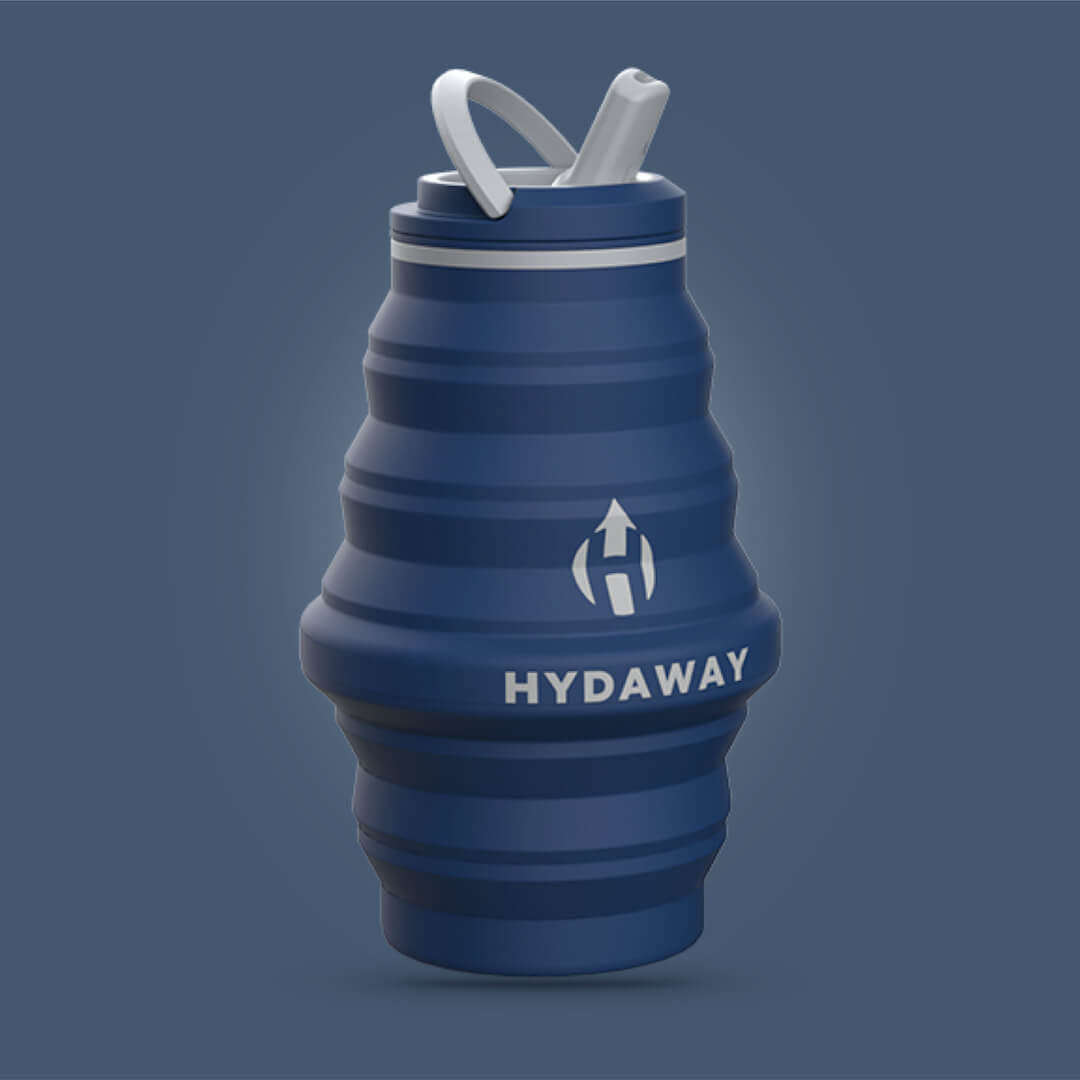
Collapsible bottle
Useful for controlled rinsing, quick hand wash setups, and campsite cleanup tasks where you don’t want to pour from your main water bottle. -
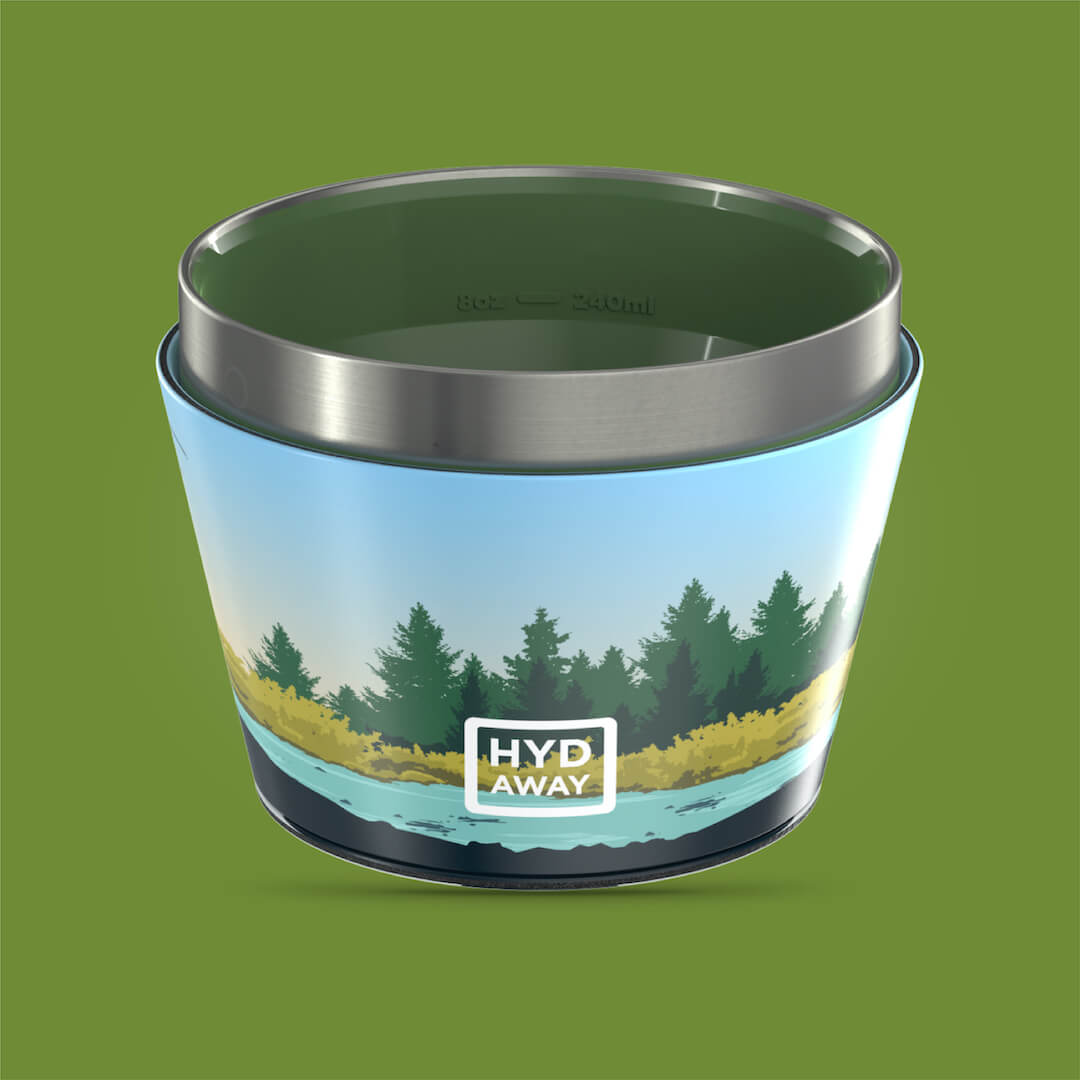
Sealed bowl or cup
Handy for storing a bar, soaking a cloth, containing damp wipes, or carrying small loose items inside the larger bag. -
Soft pouches
Better than hard shells for tucking into dead space around cook gear, rain layers, or the corners of a duffel.
This short video shows the kind of packability mindset that makes collapsible gear so practical in travel and camp setups:
What doesn’t work well
Some container choices look organized on day one and annoy you by day three.
| Container choice | Common problem |
|---|---|
| Hard mini bottles | Bulky shape and wasted space |
| Unlabeled decants | Easy to confuse in poor light |
| Cheap flip-cap tubes | Prone to opening in transit |
| One giant toiletry pouch | Forces you to unpack everything to reach one item |
The goal isn’t to own more containers. It’s to own fewer, better ones that compress and cross over into other camp tasks. That’s what keeps the whole system lean.
Customizing Your Kit for Any Adventure
One camping toiletry kit can’t do every job well. A weekend hiker, a multi-day backpacker, and a van-lifer all need different balances of weight, comfort, and redundancy.
The trick is to build a modular base kit and then swap pieces in or out depending on the trip. That keeps you from rebuilding from scratch every time, while still avoiding the “bring everything” trap.

The weekend hiker
This is the simplest version. You’re out briefly, recovery is close, and you can accept a little less comfort if it means easy packing.
What belongs:
-
Travel toothbrush and compact dental item
Keep oral care simple and fast for one night or two. -
Small soap option
A single bar or tiny decanted concentrate handles hands, face, and a quick cleanup. -
Hand sanitizer
Put it in an outer pocket if possible. It’s used often. -
A few wipes
Helpful for trailhead cleanup or a no-water evening. -
Lip protection and sunscreen
Small but worth carrying even on short trips. -
Mini bathroom kit
Toilet paper in a bag, plus a waste solution where required.
Leave behind:
- Full grooming extras
- Separate products for face, body, and hair
- Bulky storage pouches
This kit should feel almost invisible in your pack.
The multi-day backpacker
This setup is where discipline matters. Over several days, small annoyances become real problems. You need enough hygiene support to stay comfortable, but not so much that the kit turns heavy.
A balanced version often includes:
-
Solid soap or concentrated cleaner
One product should cover most washing tasks. -
Dental setup with repackaged supplies
Keep it dry and easy to reach at night. -
Sunscreen and lip care
These get more important as exposure stacks up. -
Hand sanitizer
Essential around meals and bathroom routines. -
Small microfiber cloth
Better than a full towel for many backpackers. -
Foot-care items
A little balm, tape, or blister treatment can save a trip. -
Bathroom kit
Kept separate from everything else for hygiene and quick access. -
Waste bags
Important for responsible disposal of select items and used materials.
Here, I prefer dividing the kit into smaller modules instead of one sack stuffed with everything. A dental mini-pouch, a bathroom mini-pouch, and a wash mini-pouch are easier to manage than one crowded zip case.
Pack so you can reach your night items in under a minute without spreading gear across the ground.
The van-lifer or car camper
This version changes the priorities. Space still matters, but convenience and order start to matter more. You’re more likely to wash up regularly, store gear longer between uses, and deal with mixed environments such as trailheads, campgrounds, public restrooms, and roadside stops.
Bring more comfort, but stay deliberate.
-
A fuller wash kit
Separate hair, body, and face care may make sense here, provided you’ll use them. - A proper camp towel or larger quick-dry cloth
- Soap in a secure container
- Dental kit that stays assembled
- Nail and grooming basics
- A larger hand-cleaning setup
- Bathroom and waste supplies in a dedicated pouch
- A wash basin or bowl-style item for sponge baths or camp sink duty
For van or car setups, organization matters more than absolute minimalism. You’ll want a system that moves easily from vehicle to campground bathroom to hostel sink without everything rattling loose.
A side-by-side view
| Trip style | Priority | Best approach | Common mistake |
|---|---|---|---|
| Weekend hiker | Light and simple | Carry only immediate-use essentials | Bringing full-size products |
| Multi-day backpacker | Self-sufficiency | Modular pouches and multi-use items | Packing comfort duplicates |
| Van-lifer or car camper | Order and repeat use | More complete setup with clear zones | Letting the bag become household storage |
Build one base and swap modules
A practical way to manage this is to keep one home base with core items, then maintain add-on modules.
Core module
- Toothbrush
- Dental product
- Soap
- Hand sanitizer
- Sunscreen
- Lip care
- Bathroom basics
Add-on modules
-
Backpacking module
Foot care, waste bags, microfiber cloth, tiny repair-style extras. -
Camp comfort module
Larger towel, fuller wash items, grooming tools. -
Road and town module
Quick cleanup items for public restrooms, flights, and trail-town stops.
This method keeps your camping toiletry kit consistent without making it static. You don’t need a different philosophy for each trip. You just need the right layer for the job.
Advanced Backcountry Hygiene and Personal Care
Basic checklists often stop right where real-world camp hygiene gets complicated. That’s a problem, especially for longer trips and shared camps.
Recent data notes that 52% of female adventurers feel outdoor guides give inadequate coverage of female-specific hygiene needs, while 45% of campers are women, which shows a clear gap in practical guidance around menstrual care and waste handling on extended trips, according to this discussion of zero-waste travel toiletry gaps.
That gap shows up in the field. People aren’t underprepared because they don’t care. They’re underprepared because too many guides stay vague.

Menstrual care in camp
The right setup depends on the person, the trip length, privacy, water access, and disposal rules. The common mistake is assuming one method is universally best.
A better approach is to build a menstrual sub-kit inside your camping toiletry kit.
Include:
-
Your chosen primary products
Pack what you already trust, not something new for the trip. -
A dedicated storage pouch
Keep this separate from dental or general wash items. -
Clean-up materials
Wipes or a wash cloth, depending on your routine and disposal plan. -
Opaque waste bags
Use these where pack-out is required or preferred. -
Hand cleaning option
This needs to be immediately available.
Useful habits matter more than clever gear. Rehearse your routine before the trip. Know where used items go. Know what happens at night or in bad weather. Know what you’ll do if there’s no private restroom.
Privacy, cleanliness, and disposal should all have a plan before the trail starts.
Bathroom practices that hold up in the field
Backcountry bathroom care is less about special gadgets and more about discipline.
For solid waste
- Know the local rules before leaving home
- Carry a trowel when appropriate
- Keep your bathroom kit separate from your eating gear
- Pack out used materials when required
- Sanitize hands immediately after
For urine management
Many campers do fine with a simple approach. Others benefit from a dedicated cloth or pee-rag system, especially on longer trips. If you use one, keep it separate, let it dry properly, and handle it as its own hygiene item, not something loose in the main pouch.
For nighttime use in bad weather, think through access and containment ahead of time. The worst time to improvise is when you’re half awake inside a cramped shelter.
Dental care without the mess
Trail brushing gets sloppy fast. People brush too close to camp, spit foam where others walk, or skip it altogether because the process feels awkward.
A cleaner method:
- Use a small amount of dental product
- Brush away from water sources and shared camp spaces
- Spit into absorbent soil where appropriate, or into a waste method you’re already using
- Use a limited rinse if water is tight
For dry camps or travel-heavy itineraries, it helps to learn how to brush teeth without water, especially if you move between flights, trailheads, and nights when a full rinse routine isn’t practical.
Foot care is part of toiletry care
Many campers separate hygiene from performance. On long trips, that’s a mistake. Foot care belongs in the same conversation because clean, dry, protected feet keep you moving.
Carry a small foot-care mini-kit with:
- A tiny cloth
- Blister treatment
- Nail clipper
- A dry pair of sleep socks when conditions call for it
Clean feet at night if you can. Dry them fully. Check for grit, softened skin, hot spots, and nail issues. A quick wipe-down and inspection often does more good than a lot of fancy body-care extras.
A compact quick-dry towel makes that nightly reset much easier, and HYDAWAY’s guide to the best quick-dry towel for camping is useful if you’re choosing between bulky camp towels and smaller drying options.
Scented items and wildlife
In bear country or any place where odor management matters, your toiletries deserve the same thought as your food.
Keep these principles simple:
- Bring fewer strongly scented products
- Seal toiletries consistently
- Store them according to local guidance
- Don’t leave them loose in your shelter
The key is consistency. A clean, minimal, well-contained kit is easier to manage safely than a jumble of half-open products and fragranced extras.
Smart Packing for Planes Trains and Trails
A camping toiletry kit works best when it transitions cleanly between travel modes. That means one kit should move from airport security to a hostel sink to a trail camp without needing a full repack in every setting.
Solids make this much easier. They cut leak risk, simplify security checks, and reduce the amount of fiddly liquid management you need to do in cramped transit spaces.
Pack in sub-kits, not one pile
The fastest way to make a good kit feel bad is to dump every item into one pouch.
Break it into smaller units:
-
Dental sub-kit
Toothbrush, dental product, floss or pick if used. -
Wash sub-kit
Soap, cloth, sunscreen, lip care. -
Bathroom sub-kit
Toilet paper, waste bags, sanitizer, trowel when needed. -
Town refill sub-kit
Empty decant containers, labels, and a short list of what needs topping off.
This setup works well on trains and planes because you can pull just one module instead of exposing the entire bag on a tiny tray table or restroom shelf.
Make air travel less annoying
For flights, the big win is reducing liquids as much as possible. Every solid item removes one more thing to monitor.
A few practical habits help:
- Put your limited liquids together
- Check lids before leaving for the airport
- Keep your toothbrush accessible
- Use the same pouch layout on every trip so you know where everything is
If you do carry spray or liquid products, pack them in containers sized for travel and test them upright and on their side before departure. HYDAWAY’s guide to choosing a 1 oz spray bottle for travel and everyday carry is a useful reference when you want a compact misting or decant option without carrying bulky originals.
Keep the kit clean while traveling
A toiletry bag can get grimy fast because it combines damp items, frequent handling, and shared surfaces. That’s true in camp, but it’s even more obvious when you’re moving through bus stations, public bathrooms, hostel counters, and airport sinks.
Use a few habits that keep the whole setup under control:
- Dry wet items before sealing when you can
- Wipe the inside of the pouch regularly
- Separate waste from active-use items
- Retire containers that leak once, not after the third chance
- Restock as soon as you return home, not the night before the next trip
Repacking after a trip is part of the trip. That’s when good kits stay good.
Handle refills without chaos
Refills are where many people drift back into clutter. They buy a replacement item in town, use it once, then leave the whole oversized package in the bag for the rest of the trip.
A cleaner approach is to keep your system intact. Refill the small container. Break down cardboard. Toss damaged minis. If the trip changes and you need to carry a temporary extra, decide exactly where it lives so it doesn’t turn the whole pouch into a junk drawer.
That’s what makes a camping toiletry kit sustainable in practice. Not just eco-minded products, but a repeatable packing method that stays tidy across real travel.
Your Kit Is Packed Now Go Explore
The best camping toiletry kit doesn’t look impressive spread across a table. It looks almost boring. A few well-chosen items. Containers that make sense. A modular layout that fits the trip instead of fighting it.
That’s the point.
When your hygiene kit is lighter, cleaner, and easier to use, the benefits ripple outward. You spend less time rummaging. You carry less waste. You’re more likely to wash up, protect your skin, care for your feet, and handle bathroom needs responsibly. You also stop paying a space penalty for products that never should’ve left home.
The deeper win is freedom. A well-built system works on a weekend hike, in a van, on a flight, or over several days on trail because it’s based on function. Not habits copied from your bathroom counter.
Keep it modular. Keep it reusable. Keep it honest about the trip you’re taking.
A smart camping toiletry kit won’t make the miles shorter or the weather better. It will remove one more layer of friction between you and the kind of travel you want to do. That matters more than people think.
Pack light. Stay clean. Leave less behind. Then get outside and use the kit.
If you want gear built around the same carry-less mindset, take a look at HYDAWAY. Their collapsible bottles, bowls, travel cases, and packable accessories fit naturally into a modern camping toiletry kit because they save space, clean up easily, and work just as well on the trail, in a campervan, or in everyday travel.