


Bishop Sport Climbing: A Complete Local's Guide

You're probably looking at a weather window, a half-packed duffel, and a climbing partner text thread that keeps bouncing between “let's just send it” and “wait, do we need an 80m rope?” That's a very Bishop problem.
A multi-day Bishop trip rewards climbers who treat logistics as part of the climbing. The routes are excellent, the setting feels huge, and the desert mountain environment is forgiving in some ways and sharp-edged in others. Pack the wrong rope, choose the wrong crag for the temperature, or roll in without a plan for food, water, and rest days, and the trip gets harder than it needs to be.
Why Every Climber Dreams of Bishop
Drive into Bishop with the Sierra rising above the valley and it makes sense why so many climbers keep coming back. The town sits in that rare sweet spot where the approach to world-class climbing still feels grounded in real road-trip culture. Coffee in hand, dusty shoes in the back, wind on the highway, and a day built around stone. That rhythm is a big part of Bishop sport climbing.

What turns Bishop from “great climbing town” into something closer to a rite of passage is scale. You're not showing up for one crag with a handful of routes. You're stepping into a region where the climbing has shaped local identity, travel patterns, and how people build entire trips around a few days on the rock.
That matters beyond personal stoke. Bishop, California is a premier destination for rock climbing, generating $15.6 million in annual economic expenditures from approximately 88,890 climbing-related visits in a typical year, supporting 127 local jobs, according to this Bishop climbing economy study. When you buy groceries in town, fill water, grab a post-climb meal, or book a campsite, you're part of that ecosystem.
Why the place sticks with people
Some climbing destinations are convenient. Bishop feels memorable.
- The setting feels oversized: The contrast between desert terrain and the Sierra backdrop gives every climbing day a sense of travel, not just exercise.
- The culture is predominantly climbing-centered: You see it in parking lots, camp setups, and the steady stream of rope bags and helmets around town.
- The trip works at different levels: Strong climbers can project. Newer leaders can build volume. Mixed-ability partners can usually find a plan that keeps everyone engaged.
Bishop is one of those places where a morning warm-up can turn into a full day because the rock, weather, and scenery keep pulling you deeper into the canyon.
The best approach is to arrive with respect for both the place and the local systems that support climbers. Bishop gives a lot. It asks that visitors show up prepared, spend thoughtfully, and climb like they want access to stay strong for the next team too.
Planning Your Trip Seasons and Weather
Bishop is one of the easiest climbing destinations to plan around if you understand one thing early. “Good weather” doesn't always mean “good conditions at every crag all day.” Sun angle, wind, shade, and the high-desert temperature swing matter as much as the forecast.
Bishop receives perfect climbing conditions with only 6 inches of average annual rainfall and over 300 days of suitable weather, as noted in this Bishop trip overview. That reliability is a huge reason so many climbers build long weekends and work-from-the-road trips around the area.

Fall feels crisp and efficient
Fall is a strong choice if you want stable conditions and a straightforward daily rhythm. Mornings can feel brisk, afternoons often settle into excellent climbing temps, and the shorter days encourage better pacing. This is a great season for climbers who like to warm up slowly, then stack quality burns.
A practical setup for fall looks like this:
- Start layered: Bring a light insulating layer for belaying and the first route or two.
- Chase sun early: Walls that catch morning light feel much better than shaded starts.
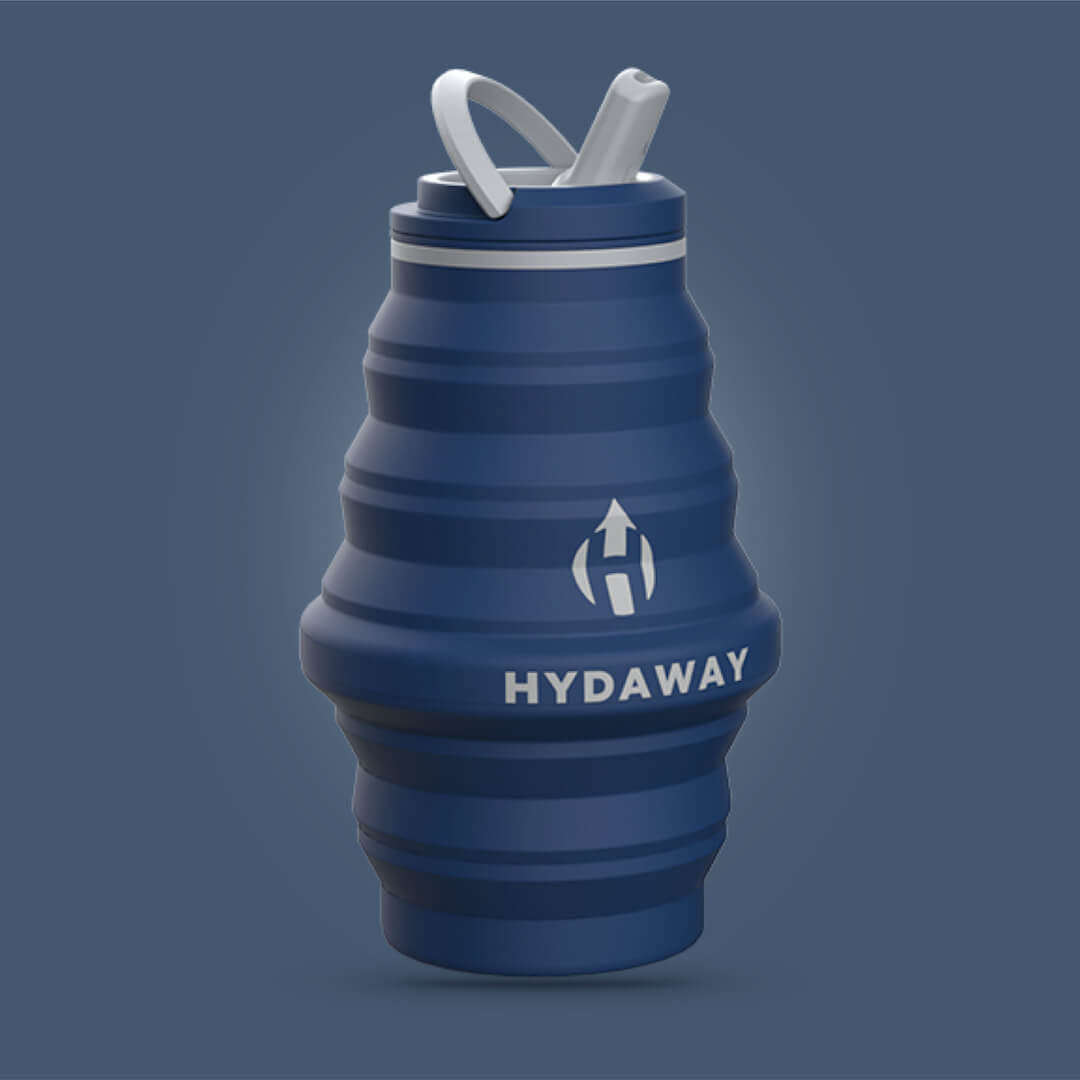
- Keep water handy even when it feels cool: Dry air still sneaks up on people. HYDAWAY's compact hydration gear fits this kind of trip well because it packs flat when you're moving between crags and camp.
For hot, dry days or shoulder-season surprises, HYDAWAY's guide to staying hydrated in hot weather is a useful planning read before you leave.
Spring gives you long days
Spring is ideal for climbers who want more daylight and more flexibility. You can take a slower breakfast, still get a full day in, and have enough margin to shift crags if wind or sun exposure isn't working in your favor.
Practical rule: In Bishop, pack for one season colder than the midday forecast suggests.
That sounds simple, but it solves a lot. A sunny afternoon can feel perfect, then the belay can get cold the second the wall loses light.
Winter can work if you're selective
Winter climbing in Bishop often comes down to route choice and timing. Pick sunny terrain, avoid lingering in shade, and think in half-day blocks instead of marathon sessions. The climbers who struggle most in winter are usually the ones who treat it like a summer cragging day and underpack layers, warm drinks, and patience.
A good winter strategy is less about heroic endurance and more about efficiency. Get moving, keep transitions tight, and bring enough comfort to stay sharp.
Exploring the Top Sport Climbing Crags
If Bishop has a sport climbing center of gravity, it's the Owens River Gorge. The place delivers what traveling climbers want. Dense route options, a broad grade spread, enough variety for multiple days, and a setting that still feels dramatic after you've tied in a dozen times.

The Owens River Gorge is recognized as the most concentrated sport climbing area in California, featuring over 500 bolted sport climbing routes with difficulty ratings ranging from 5.5 to 5.13c, according to this Owens River Gorge overview. That range matters because it means the gorge isn't only for one kind of climber. A newer leader, a steady 5.10 climber, and someone hunting harder technical climbing can all build useful days in the same broader zone.
Start with the character of the gorge
The biggest mistake first-timers make is treating the Owens River Gorge like one uniform crag. It climbs more like a network of zones with different sun, approach feel, and route style.
Some sectors feel social and accessible, with enough route density to pivot quickly if your first pick is occupied. Others feel more tucked away and reward climbers who are willing to walk a bit farther for space and a quieter day. That's the right mindset for Bishop sport climbing. Don't chase a single famous line at all costs. Match the area to your energy, weather, and goals.
How to pick a crag for the day
Use the morning to answer four questions:
-
What grades does your group want to climb today?
Not your project grade. Your realistic volume grade. -
Do you want sun or shade?
This can make or break the day. -
How much approach are you willing to do?
Some days you want mileage. Some days you want efficiency. -
Are you climbing for quality burns or broad sampling?
Dense walls are great for mileage. Quieter zones are better for projecting.
Here's a simple planning table for the main style choices climbers make.
| Bishop Sport Climbing Area Comparison | Best For Grades | Sun Exposure | Approach Time |
|---|---|---|---|
| Central Gorge | Broad range, especially moderate mileage days | Mixed, often easier to plan around sun | Moderate |
| Inner Gorge zones | Mid-grade climbers who want route density | Varies by wall and time of day | Moderate to longer |
| Upper Gorge style areas | Climbers seeking a quieter feel and focused sessions | More condition-dependent | Longer |
| Roadside or shorter-approach options near the broader Bishop zone | Quick sessions, arrival day climbing, lower-commitment days | Easier to bail if weather shifts | Short |
What works well in practice
For a three-day trip, one reliable pattern is this:
- Day one: Choose a convenient, moderate-density zone and keep the day light. Use it to learn the rock and recalibrate your footwork.
- Day two: Go where the best routes for your target grade are concentrated. This is your quality day.
- Day three: Pick based on weather, skin, and motivation. If your fingers feel worked, lean toward less fingery climbing and shorter burns.
That kind of sequencing works better than trying to “hit the best wall first.” Bishop rewards climbers who ramp into the style.
Later in the trip, it helps to watch another team move on the rock before you tie in. Video can give a feel for the environment, but wall-by-wall observation still matters most once you're there.
A local-style approach to crowds and pacing
If a sector is busy, don't force your plan. Walk a little farther, adjust your grade target, or save the crowded classic for another day. The gorge has enough climbing that stubbornness usually wastes more time than flexibility.
Busy crags in Bishop rarely ruin the day if your team arrives with a second-choice wall and a third-choice route list.
That's how locals and repeat visitors keep momentum. They don't need the perfect plan. They need a good plan with options.
Selecting Your Routes Grades and Styles
Route selection in Bishop works best when you think less about the number in the guidebook and more about the style on the wall. The area rewards precise feet, body position, and a willingness to stay composed on smaller holds. If you usually climb well on steep jug hauls, expect a short adjustment period.
With over 530 bolted sport climbing routes in the Owens River Gorge alone, Bishop offers an exceptional density that allows climbers to progress through grades without changing locations, according to this Eastern Sierra climbing overview. That density is useful because you can warm up, test the local style, and then move gradually into harder terrain without spending half the day relocating.
Read the style before you read the grade
A lot of climbers underperform in Bishop because they chase a grade benchmark instead of learning how the rock wants to be climbed. Volcanic tuff here often asks for exact foot placements and calm movement through sections that don't look dramatic from the ground.
Use this filter when picking routes:
- Choose one route below your usual onsight level first: That gives you a read on friction, clipping stances, and how honest the feet feel.
- Look for movement clues in the wall: Are you seeing pockets, edges, stems, corners, or thin face sequences?
- Pay attention to lower-offs and rope needs before committing: In Bishop, logistics affect route choice more than many visiting climbers expect.
Match the day to your real goal
If you want mileage, stack routes that feel technically interesting but not emotionally draining. Bishop can wear people out mentally if every climb demands high attention from the first bolt. Save the more committing feeling routes for when you're fresh.
If you want one hard send day, keep the rest of the day simple. Warm up well, choose a route that suits your strengths, and don't burn half your energy exploring random “bonus” climbs that just shred skin or confidence.
Don't judge your trip by whether you sent your highest grade. Judge it by whether you picked climbs that taught you the local style fast enough to enjoy the rest of the trip.
What tends to climb well here
Practical route selection often comes down to these preferences:
- Technical climbers usually adapt fast: If you like standing on small feet and trusting body position, you'll probably settle in quickly.
- Power climbers need a reset: Pulling hard still matters, but force alone won't solve many sequences.
- Mixed-ability teams should cluster around moderate zones: That keeps the day social and cuts down on long waits between attempts.
For a multi-day trip, it's smart to build one day around confidence routes, one around your personal project level, and one around exploring a slightly different style. That gives Bishop sport climbing its full value. You're not just collecting ticks. You're learning how the area climbs.
Essential Gear and Backcountry Safety
The rope decision is the gear choice that most often determines whether your day runs smoothly or turns into a headache. In Bishop, this is not a small detail. In Bishop sport climbing areas, many routes require up to an 80m rope to lower safely, a critical safety threshold that distinguishes Bishop from other locations where shorter ropes suffice, according to Bishop crag etiquette guidance.
That single point changes how you should pack the trip. If your normal local setup revolves around a shorter rope and a minimalist rack of quickdraws, check the route requirements before leaving the car. In Bishop, “probably fine” isn't good enough.

The gear that's actually non-negotiable
Bring the standard sport kit, but treat these items as the pieces that deserve extra thought.
- Rope length: Verify what your intended routes need. Many Bishop routes call for more rope than visiting climbers expect.
- Knot discipline: Tie a stopper knot in the rope end every time. Long lower-offs make this a habit worth reinforcing.
- Layering: The high desert can feel warm on route and cold at the belay in the same session.
- Water capacity: Dry air and sun do their work. Carry more than you think you'll want.
- Sun and skin management: Tape, balm, and a way to keep your hands from getting wrecked early can save later days.
A compact pack system helps a lot here. Instead of stuffing a bulky bottle and camp clutter into every bag, use gear that disappears when it's not in use. HYDAWAY's collapsible bottles, insulated drinkware, and packable storage fit the way climbers move through a Bishop trip. You want hydration and food tools that don't hijack limited pack space in the car, at camp, or on the approach.
For a simple checklist mindset, HYDAWAY's day hike packing guide maps well onto a Bishop crag day.
Safety beyond the bolts
Rope length gets the attention, but the broader safety picture matters too. Approaches can feel straightforward until you're tired, distracted, or rushing daylight. Cell service can be limited. Loose footing, desert vegetation, and wildlife all deserve attention.
A practical safety routine looks like this:
- Confirm your route and descent before leaving the ground.
- Carry enough food and water for a longer day than planned.
- Keep your crag bag organized so nothing vital gets left at the base.
- Watch hand placements and ledges. Desert environments can surprise people who are used to gym-clean starts and heavily traveled forest crags.
What doesn't work in Bishop
Plenty of normal climbing habits travel poorly here.
Showing up with one “default crag bag” and assuming every route lowers like home is a bad system for Bishop.
The same goes for leaving water in the car because the approach “isn't that long,” or skipping a shell layer because the valley forecast looked warm. Multi-day trips improve when you build in margin. Better rope, better hydration, better organization. Those choices don't feel glamorous, but they preserve energy for the part you came for.
Beyond the Crag Camping Food and Services
A strong Bishop trip depends on what happens before and after climbing just as much as what happens on the wall. If you camp poorly, eat poorly, and spend every evening scrambling for water, the climbing starts to feel heavier by day two.
Build a camp that supports climbing
Most climbers in Bishop land somewhere on the spectrum between rough dirtbag camping and more structured paid lodging. Both can work. The key is honesty about your tolerance for cold mornings, limited amenities, and repeated setup chores.
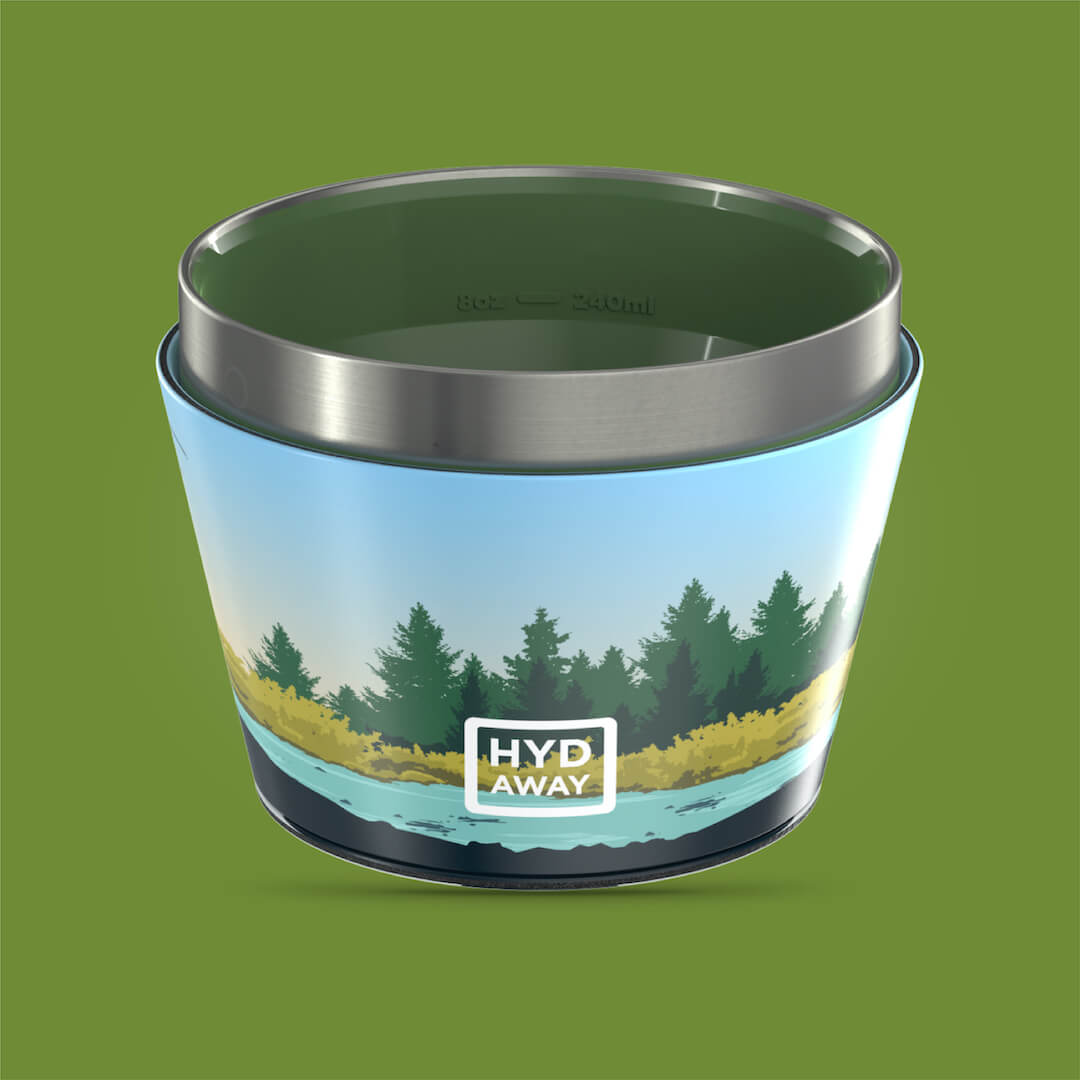
If you're in a van, SUV, or compact road-trip setup, space-saving systems matter fast. That's where HYDAWAY gear fits naturally into camp life. A collapsible bottle or insulated bowl takes up far less room than rigid camp kitchen clutter, and that makes a difference when your whole kitchen, closet, and gear room are sharing the same small vehicle.
For easier meal systems on climbing trips, HYDAWAY's camping meal prep ideas are worth borrowing from.
Food, water, and recovery
Bishop rewards simple routines. Buy enough groceries for several mornings and post-climb meals. Keep a water plan that doesn't depend on improvising at dusk. Have one reliable hot-drink option for cold starts and one easy dinner that still works when you come back tired.
Good recovery setups usually include:
- A ready-to-eat breakfast plan: Something fast enough that you won't skip it on early starts.
- A crag lunch that survives being packed around gear: No elaborate cooler theatrics needed.
- A post-climb warm meal option: Especially helpful when the evening cools off and motivation drops.
Keep town stops efficient
Bishop is easy to enjoy, but it's also easy to lose half a climbing day to errands if your systems are loose. Group your tasks. Refill water when you're already in town. Stack grocery runs with fuel or coffee. Save longer meals out for rest days or for the evening after your biggest climbing day.
That rhythm matters for digital nomads and longer-term road travelers too. If you're balancing climbing with remote work, use mornings or evenings in town for connection-dependent tasks, then keep crag days clean and uncomplicated. The smoother your non-climbing logistics get, the more room you have to enjoy the place instead of managing it.
Climb Responsibly and Have an Adventure
Bishop gives climbers a lot in a compact area. Reliable conditions, dense route options, and a setting that feels bigger than a normal crag trip. The best way to enjoy it is to treat the whole trip as one system. Pick the right season, choose crags based on sun and energy, bring the right rope, and make camp life simple enough that it supports your climbing instead of draining it.
The other part is stewardship. Pack out your trash, respect closures and local etiquette, keep noise down, and avoid turning a shared climbing zone into your personal basecamp. If you spend money in town, treat workers and businesses like they're part of the experience, because they are.
Bishop sport climbing is at its best when you arrive prepared and leave the place no worse than you found it. That's how a great trip becomes repeatable, for you and for the next team pulling into the parking lot with the Sierra in view.
HYDAWAY makes the Bishop trip easier without adding bulk. If you want packable hydration, collapsible drinkware, and camp-friendly gear that fits small vehicles, crag bags, and travel-heavy climbing life, take a look at HYDAWAY.