


The Ultimate Family Camping Packing List for 2026

You can feel the trip going sideways before the car leaves the driveway. One kid can't find a hoodie. The lantern batteries are in the garage. Someone packed three blankets and no bowls. A good family camping packing list prevents that kind of scramble, and the best one depends on the specific trip you're taking.
Families heading to a full-service campground need a different checklist than parents planning a national park stay, a quick car camping weekend, or a cabin trip with a few comforts built in. That's the point of this guide. It pulls together the strongest family camping packing checklists from trusted sources so you can choose the one that fits your plans, instead of sorting through one oversized list stuffed with gear you will never use.
Packing well is also about volume, not just item count.
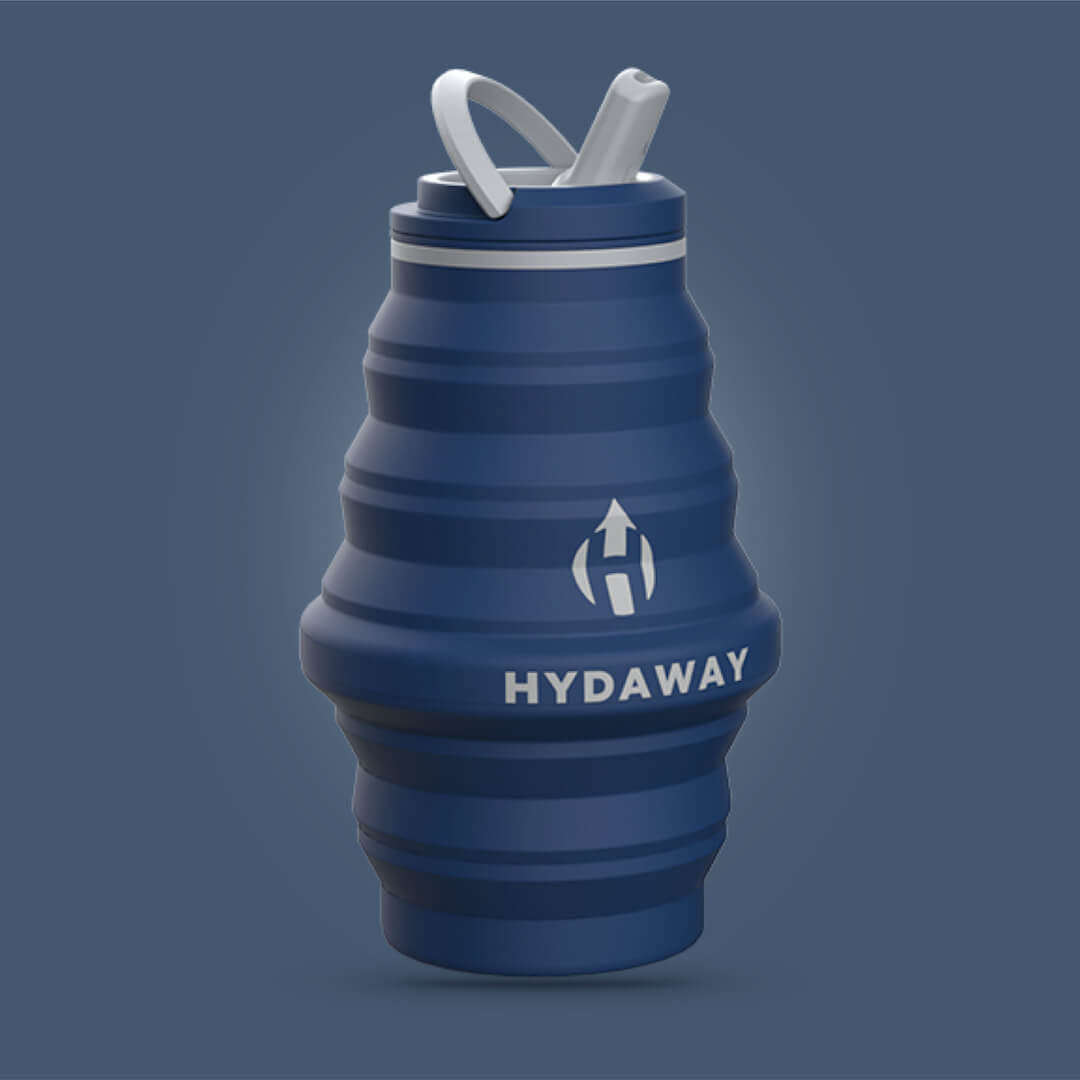
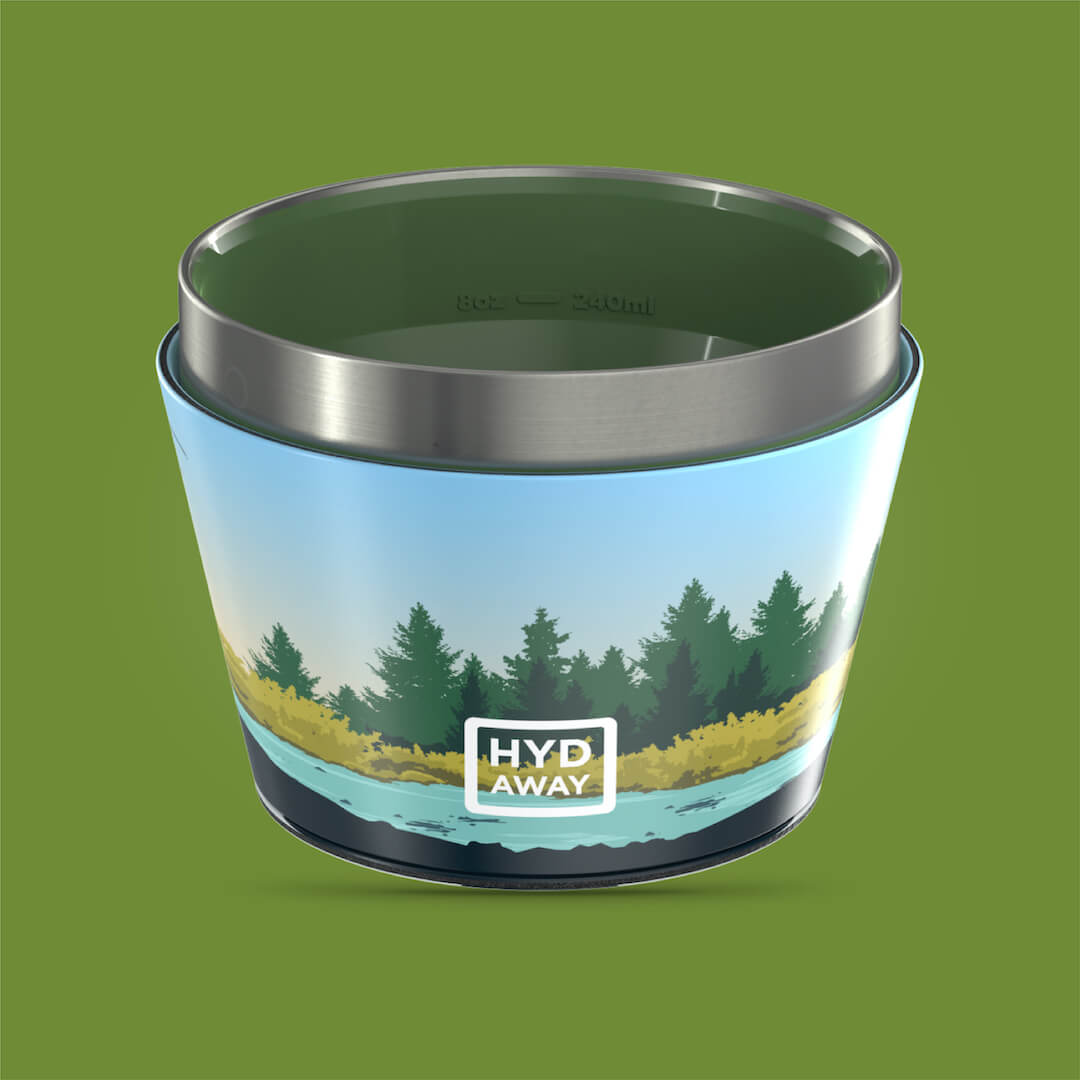
Hard-sided gear eats cargo space fast, especially once you add sleeping bags, extra layers, and the food bin. Space-saving gear fixes a real problem at both ends of the trip. HYDAWAY's collapsible bottles, insulated bowls, and travel-ready bundles are easier to tuck into seat pockets, kitchen totes, daypacks, and the odd gaps in a packed trunk. If you're also thinking through road-trip food, Rip Van's smarter snack options pair well with a more organized camp kitchen.
The best family systems are usually simple and repeatable. One practical approach from this family car camping packing guide is to organize gear by function so setup is faster when you arrive. In practice, that often means grouping sleep gear, cooking gear, clothing, and campsite basics into separate bins or bags that can move straight from car to camp without a lot of digging. That trade-off matters. A few minutes spent sorting at home usually saves far more time, stress, and mess once kids are hungry and daylight is fading.
1. Products - Family Travel Bundle

The HYDAWAY Family Travel Bundle earns the featured spot because it solves a problem nearly every family has right now. Soft goods compress. Hard goods don't. Bottles, bowls, and drinkware eat up the same cargo room whether you're heading out for a weekend at a state park or squeezing one more tote into the campervan.
That's where this bundle stands out. It gives families a coordinated system for hydration and meals without asking them to dedicate a whole crate to rigid cups and food containers. Fold-flat gear is easier to stash in seat-back pockets, daypacks, kitchen bins, and the awkward corners of a trunk.
Why it works so well for family trips
The strongest reason to start here is that the pieces are designed to be used, not just packed. HYDAWAY's collapsible hydration, insulated drinkware, and dinnerware let adults and kids carry what they need in a smaller footprint. Once you reach camp, the gear pops open and functions like full-size drinkware and bowls.
That matters in real life. A bowl that packs tiny but still handles chili, oatmeal, or cut fruit is more useful than a “camp” item that only saves space on paper. The same goes for bottles that can go from the car pocket to a trail bag to a picnic table without turning into clutter when they're empty.
Practical rule: Pack rigid gear only when it earns its bulk. HYDAWAY pieces do because they save room in transit and still work normally at camp.
Families also benefit from the maintenance side. Dishwasher-safe components and durable construction make cleanup less annoying after a muddy weekend. If you camp often, easy care isn't a luxury. It's what keeps reusable gear from getting abandoned in the garage after two trips.
The trade-offs parents should know
No single bundle replaces every kitchen item. You'll still need specialty gear like cookware, cutlery, and whatever stove setup fits your trip. If your family cooks full campground breakfasts and multi-pot dinners, this bundle complements that system. It doesn't replace it.
The other trade-off is cost. Reusables usually ask for more upfront than disposables or mismatched low-cost cups. But families who road trip, camp, hike, or spend long days out with kids tend to get real use from a kit like this because it crosses over into everyday life.
A few practical pros and cons stand out fast:
- Best for tight packing: The collapsible design frees up luggage and car space that hard-sided drinkware usually wastes.
- Best for mixed-use travel: The same pieces work for camping, airport waits, day hikes, and everyday errands.
- Best for lower-maintenance cleanup: Dishwasher-safe materials make it easier to keep the system in rotation.
- Watch for kitchen gaps: You'll still need separate cookware and utensils for bigger camp meals.
- Watch the upfront buy-in: It makes more sense for families who travel regularly than for a one-off trip.
HYDAWAY also fits the larger shift toward compact outdoor gear. The global camping equipment market was valued at USD 96.75 billion in 2025 and is projected to reach USD 104.46 billion in 2026 and USD 207.24 billion by 2034, according to Fortune Business Insights' camping equipment market outlook. Families feel that trend on the ground every time they choose gear that packs smaller, cleans easier, and replaces disposable cups and containers.
2. REI Co-op - Family Camping Checklist

The REI Co-op Family Camping Checklist is the best all-in-one option for families who want one document to govern the whole trip. If you're planning a first family campout in 2026, or returning after a long break, this is the list I'd hand you first because it combines essentials with comfort add-ons in a format that's easy to scan.
Its biggest advantage is confidence. REI organizes the list in a way that mirrors how families naturally think while packing. Campsite setup, clothing, kitchen gear, hygiene, and kid-specific extras all sit in sensible sections, so you're less likely to lose track while moving between bedrooms, garage shelves, and the car.
Where REI shines
This checklist feels like a true master list. The printable PDF helps if one parent wants paper while the other checks items from a phone. The related how-to guidance is also useful when the packing list uncovers a planning gap, like meal prep, campsite organization, or sleeping setup for kids.
For families who tend to overpack “just in case,” REI's structure is a plus. It separates must-haves from optional comfort gear well enough that you can trim where needed instead of tossing everything into a pile and hoping for the best.
A good family camping packing list doesn't just tell you what to bring. It helps you decide what can stay home.
There is one caution. REI's editorial quality is strong, but the ecosystem naturally points toward gear sold through REI. That doesn't make the checklist less useful. It just means experienced campers may want to use it as a planning framework rather than a shopping roadmap.
Best fit and limitations
This list is best for families doing classic front-country camping. Think tents, campground bathrooms, picnic tables, and a car parked nearby. It's especially good when you want one complete list instead of stitching together tips from several sources.
The downside is length. Minimalist packers may find it heavier than necessary for a short overnight trip. If your family already has a dialed-in system, REI can feel like more list than you need.
A few use cases make it a strong pick:
- For first-time parents campers: The family-oriented sections remove a lot of guesswork.
- For printable planners: The PDF is convenient for fridge-door and glovebox use.
- For comfort campers: Optional extras are included without hiding the essentials.
- For strict minimalists: It may feel broader than necessary for simple trips.
If your style is “one checklist, one pass, done,” this is one of the strongest family camping packing list options available.
3. KOA - Camping Checklist (Family Camping Zone)

The KOA Camping Checklist works best when your family is doing the kind of trip many parents are booking right now. A managed campground with amenities, a short drive from home, younger kids, and a setup that leans more toward convenience than roughing it.
That's the sweet spot. KOA understands the standard American family campground experience better than many broader outdoor publishers because it writes for families who may be using a tent site, cabin, or lodge instead of committing to the same style every trip.
Why KOA is so practical for young families
The list is scannable. That sounds minor until you're packing while someone needs help finding pajamas and someone else is asking if the marshmallows made it into the food tote. Fast categories reduce friction.
KOA also does a nice job acknowledging that not every “camping” trip means the same sleeping setup. If your family rotates between tent sites and cabins, that flexibility matters. You don't have to mentally translate a wilderness-oriented checklist into something that works for a campground with bathrooms, hookups, and an on-site store.
A practical example: if you're taking younger kids on a cabin stay this summer, a simpler packing list plus HYDAWAY bowls and bottles can make more sense than building a full camp-kitchen system from scratch. You still get reusable drinkware and dinnerware for breakfast, snacks, and roadside stops, but you don't overbuild the whole loadout.
Where it falls short
KOA is less useful for primitive sites, dispersed camping, or trips where self-sufficiency matters more than comfort. If water access, bear rules, or fire restrictions are central planning concerns, you'll want a more regulation-aware resource.
Its updates also don't feel as editorially deep as specialist outdoor sites. That's not a dealbreaker for campground trips. It just means you shouldn't expect advanced camp systems or nuanced gear philosophy.
KOA works best when:
- For campground weekends: It matches how many families camp.
- For cabin and lodge stays: The list adapts better than tent-only resources.
- For younger kids: The family tone keeps things approachable.
- For more rugged trips: It won't go deep enough on self-reliance.
If your family camping packing list needs to support a low-stress weekend with amenities nearby, KOA is one of the easiest places to start.
4. CleverHiker - The Ultimate Camping Checklist

Some checklists list gear. CleverHiker's Ultimate Camping Checklist does more than that. It helps you think like someone who's built a repeatable camp system and wants every item to have a job.
That distinction matters for families. Kids add unpredictability. A checklist with reasoning behind it often prevents bad packing decisions better than a longer list with no context.
Why experienced parents will like it
CleverHiker is especially good on the “why.” If you've ever packed too much comfort gear and then spent setup wrestling with bins, extra chairs, duplicate lights, or a kitchen spread bigger than your actual meals required, this style of checklist is refreshing.
The campsite organization advice is strong, and the cooler and food guidance is useful for family groups. Food disorder ruins more campground evenings than often acknowledged. A list that treats kitchen flow as part of packing, not an afterthought, is worth using.
Field note: The best packing systems reduce setup decisions at camp. They don't create new ones.
This is also a strong checklist for families who are moving from beginner camping into a more refined setup. Maybe you've done a few trips and now want to cut the clutter, streamline your bins, and stop bringing gear that never leaves the car.
What parents still need to add
The catch is that CleverHiker isn't family-only. Parents need to layer in child-specific clothing, sleep items, entertainment, and the extra mess-management gear that family travel usually demands.
One clothing rule is worth baking into any adapted version of this list. A separate family packing guide recommends packing one more outfit than the number of trip days for adults and two extra outfits for kids, described in this family camping clothing strategy from Salt Effect. That pairs well with compact, spill-resistant dinnerware because fewer leaks and spills mean fewer emergency clothing changes.
HYDAWAY offers a clean solution. If you're trying to trim bulk without making camp life harder, insulated bowls with spill-proof lids and collapsible drinkware support the same logic CleverHiker pushes throughout. Bring fewer bulky items. Keep the useful ones.
Use CleverHiker if your family wants a camping list that feels sharper, leaner, and more intentional than the average everything-and-the-kitchen-sink PDF.
5. Fresh Off The Grid - Car Camping Checklist

If food is the center of your family's camp routine, Fresh Off The Grid's Car Camping Checklist is one of the most useful tools in the bunch. Some families camp to hike all day and eat basic meals. Others want the campsite itself to feel like home base with good coffee, easy breakfasts, better dinners, and a smoother kitchen workflow. This list clearly serves the second group.
That focus is a strength. A comfortable family campsite usually depends on kitchen organization more than people expect. Meals happen multiple times a day, snacks spill into every hour, and cleanup can snowball fast.
Best for food-first campers
Fresh Off The Grid does a good job combining a printable list with a digital version that's easy to use on a phone. That's a practical win when one adult is packing the cooler while another is checking pantry items, dish gear, and mealtime extras.
The site also lines up with a broader packing framework worth knowing. One camping checklist benchmark says successful trips rely on organizing supplies across nine core categories: shelter, sleep, kitchen, food, water, clothing, lighting, safety, and personal items, as outlined by Outdoorithm's camping packing checklist. That same benchmark notes current kitchen and hydration standards include insulated water bottles in the 17oz to 25oz range and collapsible wash bins, with verified BPA-free and phthalate-free materials emphasized for durability and lower single-use waste.
That's exactly the lane where HYDAWAY products make everyday sense. A HYDAWAY 17oz or 25oz collapsible bottle slides into a family packing system without taking over a whole tote, and insulated bowls help with leftovers, cereal, soup, and roadside meals on the way to camp.
Who should skip it
This isn't the list for backpacking or highly stripped-down camping. The kitchen emphasis assumes you're driving in and have room to prioritize comfort and food prep.
It's also a little easier to use once you accept that car camping should feel different from backcountry packing. If your family wants pancakes, hot drinks, kid-friendly dinner routines, and orderly dish cleanup, this is a good thing. If your goal is extreme simplicity, it may encourage more camp kitchen than you want.
Choose this one when meals are a major part of the fun, not just something to get through.
6. National Park Service - What to Bring (Camping hub)
The National Park Service camping hub is the checklist resource I trust most when the destination itself drives the packing decisions. National parks aren't all the same. Weather, wildlife rules, water access, storage requirements, fire restrictions, and site setup vary enough that a generic family camping packing list can leave dangerous gaps.
The NPS approach is less about handing you one tidy printable master sheet and more about making sure your gear matches where you're going. That's the right priority for public lands trips.
Why official guidance matters
Families often overfocus on comfort and underfocus on compliance. In a national park, the practical questions matter fast. Can you store food the way you planned? Are campfires restricted? Is potable water available? Are there weather hazards that change your clothing and shelter decisions?
The NPS hub points families toward safety pages, how-to camp guidance, and kid-focused resources. That makes it especially useful for trips where the challenges are greater than a private campground weekend. You may not need luxury. You do need the right gear and the right expectations.
Park rules shape your packing list. They aren't an add-on after the car is loaded.
A strong modern example is the summer family road trip through multiple parks. Conditions can shift from hot desert afternoons to cool mountain evenings in the same week. In those situations, compact reusable gear helps because it travels well between stops. HYDAWAY bottles and bowls fit neatly into daypacks and car pockets, so they're useful on scenic drives, trail lunches, and campsite dinners without creating extra bulk.
What you give up for that authority
You won't get the same comfort-forward detail that you'd find in REI or Fresh Off The Grid. There's less hand-holding around “nice to have” items and more emphasis on being properly prepared for park-specific conditions.
That's a fair trade when regulations matter. I'd use the National Park Service as the rulebook, then pair it with a more detailed checklist if your family also wants help with camp kitchen setup or comfort items.
For national park travel, official guidance beats a prettier PDF every time.
7. Switchback Travel - Camping Checklist (Printable PDF)

The Switchback Travel camping checklist PDF earns its place in this roundup because it respects a real family camping truth. Departure morning is rarely the time for a long article. It is the time for one clean page, fast decisions, and a last scan before someone asks where the headlamps went.
That makes Switchback a strong fit for families who already have a working system. If your gear lives in labeled bins and your camp kitchen is mostly packed between trips, this checklist helps you confirm the big categories without slowing down the process.
Best for families who already know their routine
I like this kind of printable for repeat campers, especially on car camping weekends where the gear list stays fairly consistent from trip to trip. One parent can check shelter and sleep gear. The other can verify clothes, food, and camp basics. A one-page format keeps both people working from the same list instead of bouncing between tabs or scrolling through a phone in the driveway.
It also pairs well with space-saving gear. Families who use compact, collapsible items have fewer bulky loose ends to track at the end of packing. HYDAWAY bottles, bowls, and drinkware fit neatly into a kitchen tote or door pocket, so the checklist becomes a confirmation tool instead of a hunt for awkward extras that never seem to stack well.
Clothing is usually where family packing expands fastest.
As noted earlier, even a short trip can create more outfit volume than parents expect, especially with younger kids who need backup layers and extra changes. A straightforward printable check helps catch the predictable misses, like socks, sleep layers, rain gear, or the extra fleece that only matters once the temperature drops after dinner.
Where it falls short
Switchback keeps things lean, and that is both the strength and the limitation. You will not get much guidance on kid-specific needs, campsite organization, or how to adjust your packing for babies, toddlers, or first-time campers. Families without an established routine may find it too spare to use as their only planning tool.
That trade-off is fair. I would use Switchback as the final confirmation sheet after building your main packing system from a more detailed family-oriented checklist.
For experienced campers, that is often the better setup. The master list handles planning. The printable PDF handles execution.
Top 7 Family Camping Packing Checklists Compared
A family packing list earns its keep in the driveway, when one kid needs a jacket, dinner still is not packed, and the car somehow looks full before the sleeping bags even go in. The right checklist does more than name gear. It helps parents choose a packing system that fits their trip, their kids, and the amount of space they have.
That is the difference between these seven picks. Some are better for first-time campers. Some work best for campground stays with bathrooms and camp stores nearby. Others help experienced families cut bulk, organize meals, or do a fast final check before pulling out.
| Checklist | Setup effort | What you need | What it does well | Best for | Standout strength |
|---|---|---|---|---|---|
| Products - Family Travel Bundle (HYDAWAY) | Low | Upfront purchase, little upkeep | Reduces bulk, keeps food and drink gear contained | Families building a space-saving packing system from the start | Collapsible bowls, bottles, and drinkware solve a real volume problem |
| REI Co-op, Family Camping Checklist | Low | Free list and a little planning time | Covers gear, camp basics, and prep in one place | First family camping trips and weekend planning | Broad coverage with practical guidance and printable tools |
| KOA, Camping Checklist (Family Camping Zone) | Low | Free PDF | Keeps packing grounded in campground-style trips | KOA stays, cabins, RV sites, and families with younger kids | Easy to scan and closely matched to serviced campgrounds |
| CleverHiker, The Ultimate Camping Checklist | Moderate | Free list, plus some editing for family use | Cuts dead weight and explains why items matter | Families refining an existing setup | Field-tested advice with a lighter, more intentional approach |
| Fresh Off The Grid, Car Camping Checklist | Low to moderate | Printable or phone-based list, kitchen gear | Improves meal planning and camp kitchen organization | Car camping where food is a big part of the trip | Strong cooking categories and practical camp kitchen flow |
| National Park Service, "What to Bring" | Moderate | Time to check park pages and conditions | Helps families pack with rules, weather, and hazards in mind | National park trips with specific conditions or restrictions | Official guidance tied to place, not generic camping advice |
| Switchback Travel, Camping Checklist (Printable PDF) | Very low | Free one-page PDF | Gives a quick final scan without much reading | Experienced families who already have a system | Clean one-page format that works well as a last check |
A few patterns stand out fast.
REI is the best all-around starting point if your family wants one master list to work from. KOA is easier for campground trips where bathrooms, hookups, cabins, and nearby conveniences change what you need to bring. CleverHiker and Switchback are stronger once you already know your routine and want to pack with less clutter.
HYDAWAY fits into this comparison a little differently because it is gear, not a publisher checklist. That makes it useful in a different way. If your packing problem is not forgetting items but fitting them cleanly into bins, totes, and door pockets, collapsible gear solves a problem a checklist cannot.
Fresh Off The Grid stands out for food. Families who cook real meals at camp usually need more structure in the kitchen category than general camping lists provide. The National Park Service fills a different role. It helps you handle place-specific needs such as storage rules, weather shifts, and site conditions that a general family list may miss.
Use the chart to choose your base list first. Then build around your trip type, your kids' ages, and the amount of car space you can spare. That is how packing gets easier, setup gets faster, and the trip starts with less friction.
Your Blueprint for a Perfectly Packed Camping Trip
A good family camping packing list should lower stress before the trip starts. That's the standard worth using. If a checklist makes packing feel more chaotic, it's the wrong one for your family, no matter how complete it looks.
The best choice depends on trip style. REI is the strongest all-around master list for beginners and returning campers. KOA is the easiest fit for serviced campgrounds, cabins, and younger kids. CleverHiker is better for families refining their system and cutting dead weight. Fresh Off The Grid stands out for car campers who care a lot about meals and campsite comfort. The National Park Service is the most important reference when rules, hazards, and park-specific conditions shape what you bring. Switchback Travel is the best last-minute cross-check when your system already exists and you just need a clean final scan.
The bigger pattern across all of them is organization. Families do better when they pack by function, not by random piles. Sleep gear together. Kitchen gear together. Personal items together. Water and food handled intentionally. Clothing packed with extra margin for spills, weather, and kid-level unpredictability. When the system is clear, setup gets faster and breakdown gets less miserable.
Space-saving gear deserves more attention than it usually gets. Families often focus on what to pack and ignore how much volume each item consumes. That's why collapsible and reusable gear changes the experience so much. HYDAWAY's bottles, insulated drinkware, and bowls fit naturally into real family routines because they solve a problem that starts at home and continues at camp. They save room in the car, reduce mess during travel days, support quick lunches and snacks, and still make sense once you're back to school pickups, hikes, flights, or daily errands.
That carryover matters. The most useful camping gear doesn't live one weekend a month in a storage bin. It fits your life between trips. A HYDAWAY bottle can ride in a daypack on a trail, sit in a cupholder during a long drive, then fold down when it's empty. An insulated bowl with a spill-proof lid can handle campsite chili one night and a roadside lunch stop the next day. That kind of flexibility is what keeps a packing system from becoming clutter.
The right goal isn't perfection. It's readiness. You want enough structure that you can leave the driveway feeling prepared, then enough simplicity that camp still feels fun once you arrive. Choose the checklist that matches your trip. Build around compact, durable gear that earns its place. Keep your setup easy to load, easy to find, and easy to clean.
Then go. The best family camping memories rarely come from bringing more stuff. They come from bringing the right stuff, packed in a way that lets everyone enjoy the adventure.
HYDAWAY makes it easier to pack for family adventures without surrendering half your trunk to rigid bottles and bulky dinnerware. Explore HYDAWAY for collapsible bottles, insulated bowls, drinkware, and travel-ready gear that fits camping weekends, road trips, day hikes, airport delays, and everyday family life.