


Best Van Life Gear: Compact Essentials for the Road in 2026

Most van life gear lists get it backward. They pile on every gadget that sounds useful on paper, then call it “essential” even when it eats cabinet space, takes forever to dry, or only matters in one climate window. The gear that survives real travel has to earn a spot every day, not just on a perfect weekend or a polished build tour.
That matters more now because the category has grown into something much bigger than a hobby list. A 2026 market report estimates the average new van purchase at $50,000, with another $20,000–$40,000 to convert a new van on average, and $35,000 for a Sprinter conversion, which explains why every square inch gets audited hard (worldmetrics.org). The same report says custom kitchens show up in 65% of builds and fold-down beds in 70% of vans, which tells you the top priority is function in a tiny footprint, not novelty.
Why Most Van Life Gear Lists Get It Wrong
The usual van-life checklist starts with breadth, not judgment. It tries to cover everything from recovery tools to campfire toys, then leaves readers to guess what pays off in a cramped rig. That approach feels helpful until you're living with the consequences, then it becomes clutter with a marketing gloss.
A better filter is simple. Ask whether a piece of gear solves a recurring problem in your actual travel pattern, not whether it sounds smart in a blog roundup. If you're full time, seasonal, or hopping between weekend trips, the same item can swing from indispensable to dead weight.
Practical rule: if you won't use it weekly, it probably doesn't deserve permanent storage.
That's where the divide lies in van life. Gear that supports daily routines, cooking, sleeping, cleaning, charging, and staying safe earns its place. Gear that only comes out for edge cases usually belongs in a shared kit, not in the cabinet you open fifty times a day.
The best van life gear also has to survive packing and unpacking without turning into a chore. Collapsible items, nesting pieces, and easy-wipe surfaces win because they reduce friction every time you move camp. The more often something gets handled, the more its weight, shape, and cleaning burden start to matter.
For a deeper look at why product testing beats hype, this real-world test is a useful example of how to judge gear in actual use rather than by spec sheet alone. That mindset is what separates a clean, livable van from a rolling storage unit.
Core Gear Categories That Actually Matter

The categories stay mostly the same even though the products change. Sleep, cooking, water, power, storage, and safety form the structure of a workable rig, and every other purchase should support one of those functions. That focus also helps explain why so many builds tilt toward built-in efficiency, with custom kitchens in 65% of builds and fold-down beds in 70% of vans according to the 2026 market data.
Sleep and cooking first
A bed that folds away cleanly is worth more than a bed that looks polished but blocks normal movement. In a van, sleeping gear has to clear out fast, and cooking gear has to work in a small footprint without leaving a sink full of cleanup behind. Fixed systems often make sense because they cut setup time, but portable pieces still matter during layout testing and when you move between climate zones.
Cooking gear should earn space by being easy to store and easy to wash. A bulky pan set or a stove that needs extra handling every time you cook turns a simple meal into extra work, which wears on you faster than the purchase price ever will.
Water, power, and storage next
Water is where a lot of builds become awkward. If your containers are bulky, hard to clean, or impossible to stow where you need them, they stop being convenient and start taking up the best storage spots in the van. That is a bad trade in a small rig.
Power works the same way. The battery and inverter setup has to match what you run every day, not what you might run someday, or you end up carrying weight and complexity you rarely use. Storage has to keep daily items and emergency gear within reach without forcing you to dig through a pile every time you need something.
A van that stays easy to clean stays usable longer than one that is only well equipped.
Safety and comfort close the loop
Safety gear does not get attention because it is not exciting, but it earns its place quickly. Independent van-life essentials lists consistently include a fire extinguisher, roadside kit, GPS tracker, fire alarm or CO detector, phone charger, battery bank, lantern or light, and headlamp. Those items cover the moments that can stop a trip or make a problem harder to manage.
Comfort items matter too, but only after the practical layers are covered. If a comfort item complicates storage, adds cleanup, or becomes annoying to reset every day, it tends to disappear from the routine and sit unused. The gear that stays is usually the gear that does its job without asking for much back.
How to Choose Gear for Your Climate and Trip Style
Start with the conditions you will live in. Gear that makes a cold mountain week tolerable can feel pointless on a mild coastal route, and summer-focused kit can become miserable once condensation, wet shoes, or cold windows enter the picture. Short trips are the safest way to find that out before you commit to a layout that looks good on paper but fails in daily use.
Use three checks before you buy anything that takes up real space. Does this solve a repeat problem in my climate? How fast does it dry and stow? Does it fit the rest of the van, or will it force me to rearrange everything around it? Those questions catch a lot of bad purchases before they turn into clutter.
Trip style changes the answer too. A weekend traveler can usually carry a lighter kit and fewer backups, while a full-timer needs gear that can handle repeated use without becoming annoying to clean or reset. If you move between seasons, compact pieces that adapt to changing conditions usually beat feature-heavy items that only work well in one narrow setup.
Testing one category at a time keeps the choice honest. Try your sleep, food, and drink setup on a short run, then pay attention to what stayed packed, what got left out, and what took too long to clean. That review tells you more than a product page ever will, because it shows how the gear behaves in your own routine.
The best gear choices are usually the quiet ones. They keep working when your route changes, your workday runs long, or the forecast shifts overnight. Site-specific planning matters for remote work too. GearJunkie recommends checking mobile hotspot performance from the exact campsite or town you plan to use, because real connectivity depends on location (GearJunkie).
Collapsible and Space-Saving Solutions That Work
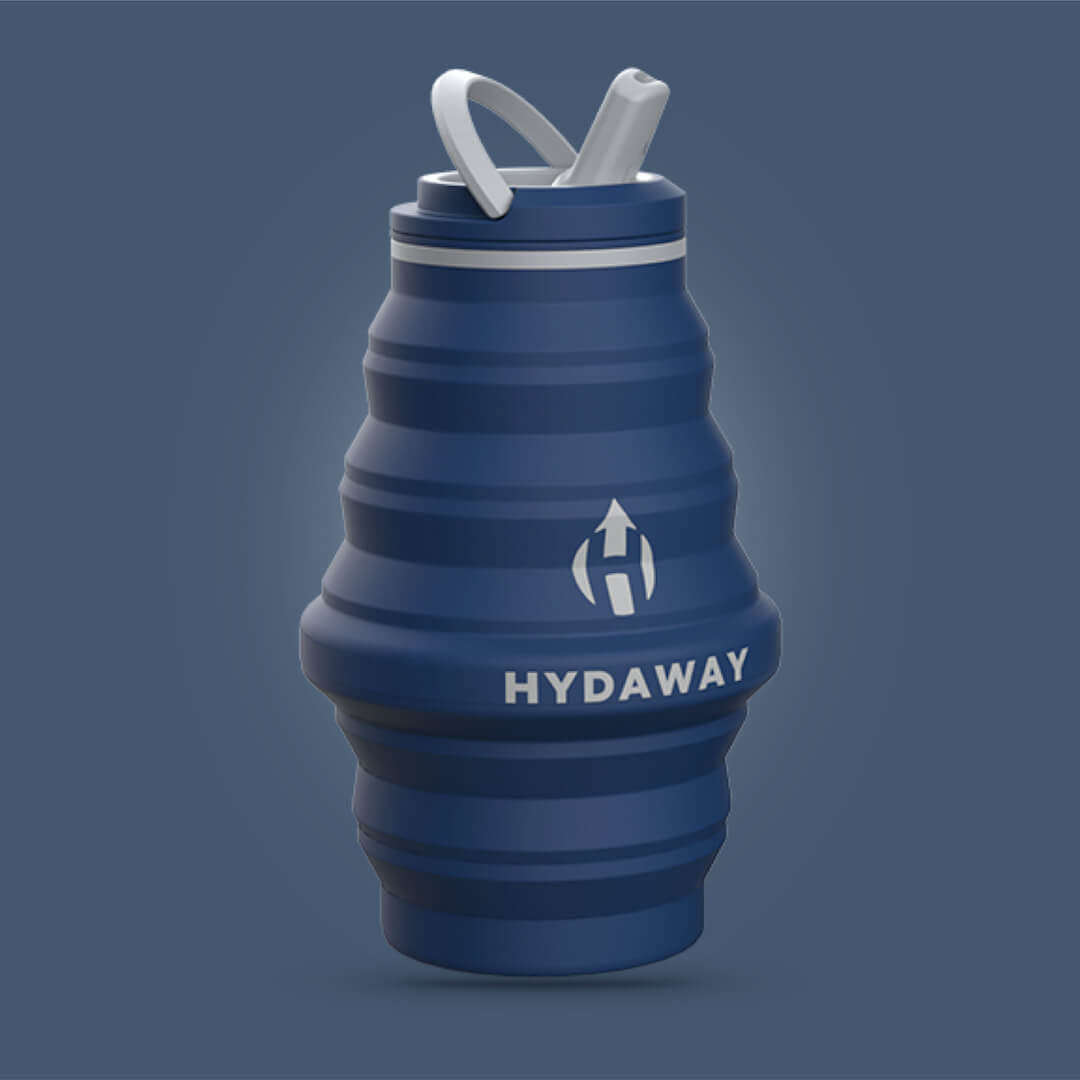
Rigid bottles, mugs, bowls, and cups look fine until you count every inch they occupy. In a van, they don't just take shelf space, they take usable shelf shape, because odd corners are where small kitchens get jammed up. Collapsible drinkware and dinnerware solve that by shrinking when you're done with them, which is exactly why they fit the daily rhythm of life on the road.
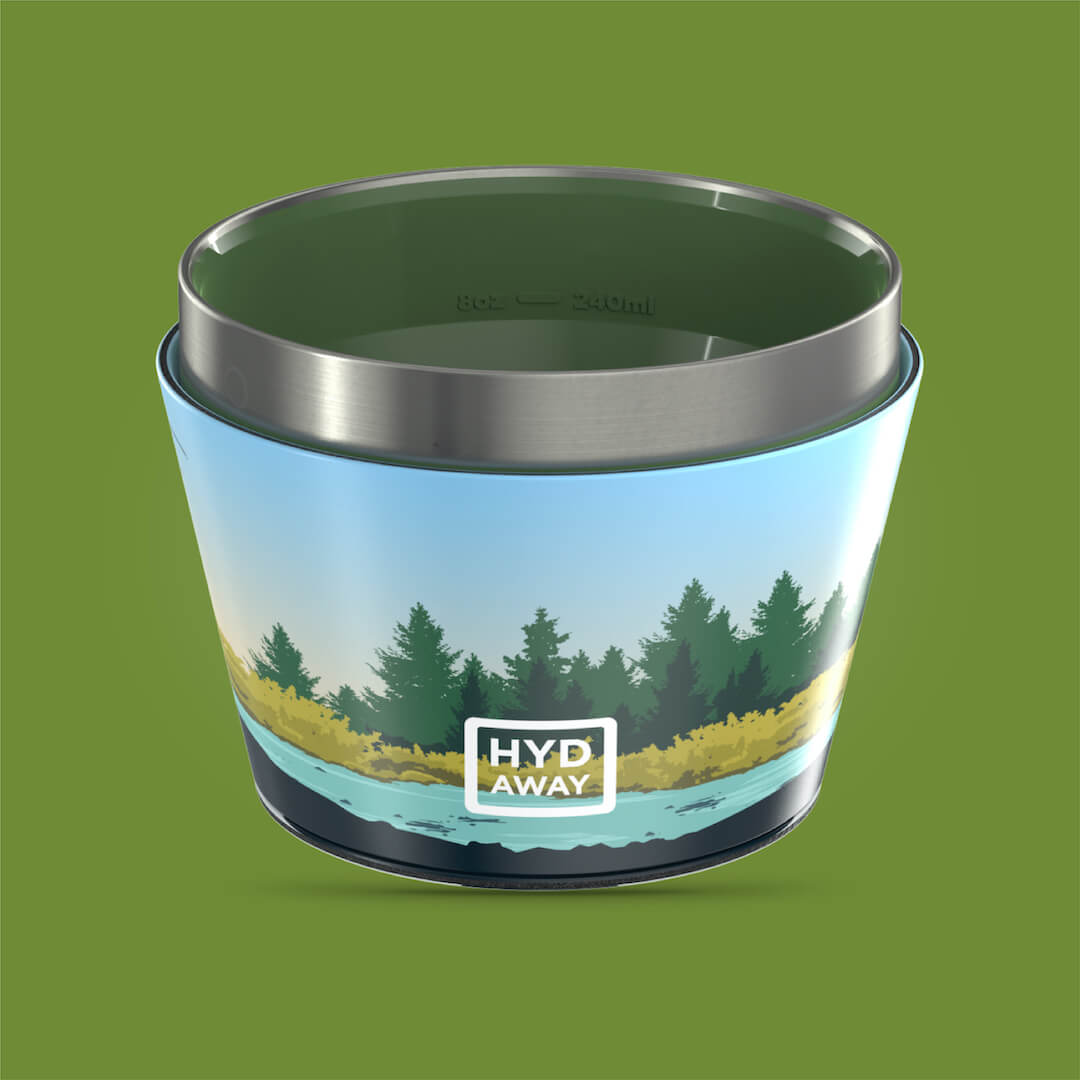
HYDAWAY's collapsible bottles, insulated tumblers, and bowls with spill-proof lids fit that logic cleanly. A bottle can stay flat in a side pouch until you need it. A tumbler handles coffee on the move without asking for a full cabinet slot. A bowl with a lid works for leftovers, desk lunches, or dinner in a parked van, and it's easier to rinse than a stack of bulky dishes.
The comparison is simple. A traditional bottle or bowl keeps its full footprint whether it's full or empty. A collapsible option gives that space back. In a build where your cabinet volume is already shared with chargers, tools, and food, that difference shows up every day, not just on big travel days.

Cleaning burden matters just as much as packability. Smooth, dishwasher-safe pieces are easier to keep in rotation, and that matters when you're washing up in a tiny sink or rinsing at a campground. For a van-specific breakdown of how compact storage changes the way these items function, this campervan storage solutions guide is worth a look.
Compact gear earns its place when it reduces both clutter and cleanup, not just one of them.
That's where collapsible gear stands out. It gives you fewer hard edges in storage, fewer awkward stacks in cabinets, and fewer reasons to skip washing up until tomorrow.
Power, Water, and Storage Systems That Support Your Gear
A good van setup can still feel clumsy if the systems around it are out of balance. Power, water, and storage need to match the way you travel, because the gear that works in a weekend rig can become dead weight in a full-time build. A battery and inverter setup should start with the loads you use every day, then add charging sources around those demands, since the power system is what keeps fridges, fans, lights, and devices usable in a small van (The VanSmith). If that system is underbuilt, even good gear turns annoying fast.
Water storage follows the same logic. Container size and shape affect which cookware and drinkware make sense, how often you need to refill, and where you can stash things without blocking access. HYDAWAY's van life water storage ideas fit that practical reality, because compact reusable containers reduce the crowding that oversized bottles create in a tight cabinet layout.
Storage has to work on two levels. The things you use every day need fast access, while emergency gear needs to stay visible and easy to reach instead of getting buried under camp chairs or extra shoes. That means fire suppression, communication tools, and light belong where you can grab them quickly, since breakdowns and bad weather can turn a small inconvenience into a real problem. It also means every item in the van should justify the space it takes, not just the purchase price.
Build the system around the load
If you know you'll run a fridge, charge devices, and use lights every night, those loads come first. Everything else sits behind them. A setup built around real use is easier to live with than a spec sheet built around the biggest possible hardware.
Water and storage choices should follow the same rule. Smaller, packable dishes and bottles make sense in vans with limited cabinet volume because they do more than save space, they reduce the amount of gear your water and power systems have to support. Fewer hard-sided items also means fewer awkward gaps in storage, fewer rattles, and less time spent reorganizing after every stop.
For a practical comparison of off-grid power options, solar generator buying advice for campers is a useful reference. The point is to choose a system that fits your daily load, your refill rhythm, and the storage you have, then build the rest of the van around that reality.
Real-World Scenarios From Short Trips to Full-Time Living
A weekend trip rewards restraint. One tote, a compact cooking kit, a collapsible bottle, and a bowl are often enough because you're not building a second home, you're keeping the van easy to reset on Sunday night. The setup stays quick, the sink stays light, and nothing has to live on the counter just because it has nowhere else to go.
A three-month seasonal move asks for more flexibility. Maybe you're chasing mild weather but still crossing nights that get damp, windy, or unexpectedly cold. That's where gear that dries fast, stows flat, and doesn't mind getting packed and unpacked repeatedly starts to matter more than stylish extras.
Full-time living raises the stakes again. Your morning coffee setup, lunch containers, and dinner cleanup all get used on repeat, so durability and washability matter more than novelty. A collapsible tumbler or bowl can stay in circulation without demanding a dedicated shelf, and that's the kind of quiet efficiency long-term van travel depends on.
Pets change the equation too. If you travel with a dog, the way you pack food, bowls, and cleanup gear starts to affect the whole interior flow. For another practical angle on route-ready setups, Pet Magasin's travel accessories for dogs is a helpful reference point for how companion gear can fit into a compact travel routine.
The best gear choices hold up across all three scenarios because they reduce friction instead of adding rituals. That's why a simple, accessible safety kit matters more than decorative extras. It's also why a lightweight, reusable bottle or bowl can be more valuable than a larger fixed item that only looks better in a photo.
Your Van Life Packing Checklist and Maintenance Plan

Pack in this order if you're building from scratch:
- Safety first: fire extinguisher, CO detector, roadside kit, first aid, light, and phone charging.
- Daily systems: water containers, food prep items, dishware, bedding, and the power setup that supports them.
- Climate items: insulation, window covers, heating or cooling support, and wet-weather cleanup gear.
- Storage helpers: bins, straps, organizers, and anything that keeps daily items easy to grab.
- Nice-to-haves last: anything decorative, niche, or only useful in a narrow type of trip.
That order keeps dead weight out of the van while you learn what your routine needs. It also keeps emergency gear from getting buried behind the stuff you use less often.
Keep the gear working
Collapsible items need the same basic care as any reusable kitchen gear. Rinse them promptly, let them dry fully before packing, and inspect seals or lids for wear if you're using them every day. If your storage area is crowded, keep the pieces you use most near the door or sink so they don't become the thing you forget to clean.
Power and water systems need checks before they fail, not after. Verify the van's exact parking spot before settling in for work, because reception and hotspot performance can change by location. If a container starts leaking, a cable frays, or a lid warps, replace it before it turns into a repeat problem.
The last audit is simple. If an item hasn't earned use in the last stretch of travel, pull it out and make the cabinet more useful. In van life, space you free up is often more valuable than a piece of gear you keep “just in case.”
If you want van gear that disappears when you don't need it and works when you do, take a look at HYDAWAY's collapsible bottles, tumblers, and bowls. They're built for the same problem van life creates every day, too much function needed in too little space. Visit HYDAWAY and see how compact drinkware and dinnerware can make your van easier to live in.