


Olympic National Park in April: A Real-World Spring Guide

You're probably looking at a spring window, a calendar block, and a weather app that can't decide between rain, slush, and sun. That's exactly why Olympic National Park in April rewards people who plan by elevation instead of treating the whole park like one weather system. On a good April day, the coast feels open and walkable, the rainforest is damp but alive, and the mountains can still look like winter never left.
That split matters because April is a shoulder month, not peak season. Olympic typically records about 225,600 recreation visits in April, which is roughly 7% of its annual visitors and about 40% of its busiest month; July, by comparison, is listed at 563,998 visits, so April buys you a very different park experience ParkCrowds April visit data. You're trading summer certainty for quieter roads, softer light, and more flexibility, but only if you choose the right side of the park for the conditions you want.
Why April in Olympic National Park Feels Like Two Parks
A lot of April planning in Olympic starts with the wrong assumption. Travelers treat the park as one place, then get surprised when the coast, the rainforest, and the mountains behave like separate trips. The better approach is simple: plan the low country for spring conditions, and plan the high country for lingering winter.
That split shows up quickly once you are driving it. In the rain forests and along the coast, April usually feels open, wet, and workable. Up high, snow can still decide whether a road is passable, whether a trail is realistic, and whether the day belongs to hiking or just looking at the map and adjusting.
The trade-off is why April stays appealing. Visitor pressure is still below summer, so you are in a shoulder-season window rather than a peak-season crowd scene ParkCrowds April visit data. If you want quieter trailheads and less competition for parking, that helps. If your goal is to squeeze in everything at once, it creates friction, because the mountain side may still be closed off or only partly available.
A practical April plan starts with zones, not ambition.
Spend one day on the coast or in the rainforest if you want the version of Olympic that already feels like spring. Save mountain objectives for the days when road status, snow level, and your own tolerance for backtracking line up. That approach avoids the common mistake of burning half a day driving between places that are operating on different seasonal calendars.
Once you separate the park into low-elevation spring and high-country conditional access, the itinerary gets easier to build. You stop asking for one answer about the whole park, and start choosing which Olympic you want that day.
April Weather and Microclimates Explained

April in Olympic only makes sense when you separate the park by elevation. Down low, the coast and rainforest usually feel damp, workable, and ready for travel. Up high, snow can still control what is open, what is passable, and whether a trail day stays realistic or turns into a turn-around.
That split starts showing up as soon as you compare the numbers. One seasonal summary puts April around an average 56°F high, 39°F low, and about 2.6 inches of precipitation, with mid-April daylight at roughly 13.7 hours, sunrise around 5:24 AM, and sunset around 7:05 PM ParkCrowds April weather data. That is the broad lowland picture, enough daylight for full days and temperatures that feel cool instead of winter-hard at the coast and in the rain forest.
Why the same month feels different by elevation
The gap gets wider once you compare zones. One climate reference places April around 57°F high, 38°F low, and 9.21 inches of precipitation, while another summary shows roughly 8°C (46°F) high, 0°C (32°F) low, 8.1 inches of rainfall, and 8 inches of snowfall NationalParked weather overview. That spread is the park doing what Olympic does, stacking wet coast, wet forest, and cold mountains in the same month.
The elevation split is even clearer in regional planning guides. Hurricane Ridge can average around 37°F/21°F in April, while Quinault Rainforest averages 56°F/39°F and Rialto Beach averages 55°F/41°F Wildland Trekking Olympic visitor guide. In practical terms, a beach morning can feel like spring, while a higher trail still behaves like late winter.
A separate April weather chart shows the same pattern across the park's coast, rainforest, and mountain microclimates, with each zone following its own schedule An infographic showing the varying April weather conditions across Olympic National Park's coast, rainforest, and mountain microclimates.
What those numbers mean on the ground
Wet conditions do different things in each zone. On the coast, you are dealing with slick driftwood, saturated sand, and tide timing. In the rainforest, the issues are mud, dripping branches, and trails that stay damp all day. In the mountains, moisture often shows up as snow instead of rain, which changes traction, route choice, and how far you can realistically go.
April works best if you read it as layered and uneven. Pack for the lowlands first, then assume the upper elevations need winter judgment. That keeps you from over-planning for one zone and getting surprised in the next.
If you want the easiest April day, choose low elevation first. If you want alpine scenery, treat it as a separate weather decision, not a casual add-on.
Roads, Trails, Permits, and Access in April
April access in Olympic is as much a gate problem as a weather problem. The park's own planning page warns that roads, facilities, and trails can still be closed by snow or seasonal operations NPS planning page. That is why a trip built around Hurricane Ridge needs a backup, and why a coast-plus-rainforest day often works better than a mountain-first plan.
A useful April rule is simple. Plan the lowlands as the main trip, then treat the high country as optional until conditions prove otherwise.
What usually works, and what needs checking
The lower-elevation side of the park is the most dependable in April. Coastal corridors and rainforest areas are generally the safer bet for open access, while higher-country roads and trails may still be limited by snow, especially at elevation where winter conditions linger later in the season NPS weather guidance. If your itinerary includes Hurricane Ridge, do not treat it like a guaranteed stop. Treat it as a conditional bonus.
Overnight plans need the same caution. Olympic backcountry permits are required year-round, and the park's permit system opens general reservations on April 15 at 7:00am for the season described in the permit summary Washington backpacking permit summary. For anyone trying to sleep inside the park in April, that date matters because it separates casual day planning from actual trip logistics.
A simple April access checklist helps:
- Check road status first. Higher-elevation roads can still be closed or restricted by snow.
- Assume lower trails are more usable. They are the most likely places to find spring conditions.
- Verify permits before you drive. Overnight stays need the right reservation or permit.
- Build a tide plan for the coast. Tide timing changes what is safe and reachable.
- Use winter judgment above the lowlands. Snow travel changes pace, traction, and risk.
Keep your first stop on the route as your decision point. If the upper road is closed, you want to know before you have already built the whole day around it.

Two Realistic April Itineraries You Can Copy
The best April trips in Olympic work because they commit to a zone. One traveler stays low and leans into coast, rainforest, and tide-driven timing. Another keeps the mountain objective flexible and only goes uphill if the road and conditions cooperate. Both are realistic. The mistake is trying to do both with the same expectations.

Coastal and rainforest day that actually flows
A coast-and-rainforest April day starts early because the light is useful and the parking is easier when you're not rushing. Begin with a low-elevation beach stop such as Rialto Beach or Ruby Beach, then move inland to the Hoh Rain Forest once the tide and weather line up. This route makes sense because low country spring usually feels open before the mountain side does, and you're not spending half your day waiting on a closed gate.
Midday is the right time for the rainforest. The temperatures there sit in the mild range for April, but the ground can still be wet, so that's when a slower pace pays off. Late afternoon works well for a second beach stop if you want driftwood, surf, and longer coastal light without hiking deep into snow country.
Conditional alpine day with a lowland backup
A mountain-minded April trip needs a pivot plan. Start with the assumption that Hurricane Ridge may or may not work that day, because higher-elevation conditions can still be winter-like and access can be limited NPS weather guidance. If the road is open, go early and keep the objective modest. If it isn't, shift immediately to a lower elevation plan instead of waiting around for a change that may never come.
That backup can be another coastal segment, a rainforest walk, or a slow scenic drive with short stops. The point is not to salvage the day with a fake substitute. The point is to preserve the trip's rhythm so you're not burning daylight on a closed route.
When April weather is mixed, a good itinerary is the one that already expects a change. That's why a flexible day beats an overcommitted one. You're not giving up on the mountain, you're sequencing it correctly.
What to Pack and Why a Collapsible Kit Earns Its Space
April packing for Olympic should start with a simple rule. Bring what keeps you dry, then bring what keeps you flexible. A rain shell, an insulating mid-layer, and a daypack with room for wet clothing matter more than a summer-ready setup that looks lighter on paper but fails the first cold shower.
That logic is especially true for travelers switching between trailheads and vehicle time. When you're in and out of the car all day, packability matters as much as durability. A compact backpack that disappears into a carry-on, a refillable bottle you bring to the trailhead, and reusable meal gear all solve the same April problem, which is too little room and too many layers.
Pack for wet movement, not dry comfort
You want waterproofing that works when the day turns. That means a shell you'll wear, not one you keep folded at the bottom of the bag, and traction if you're planning to touch snow or frozen trail edges. On the coast, that same kit protects you from wind and spray. In the rainforest, it keeps you comfortable when the trail never really dries.
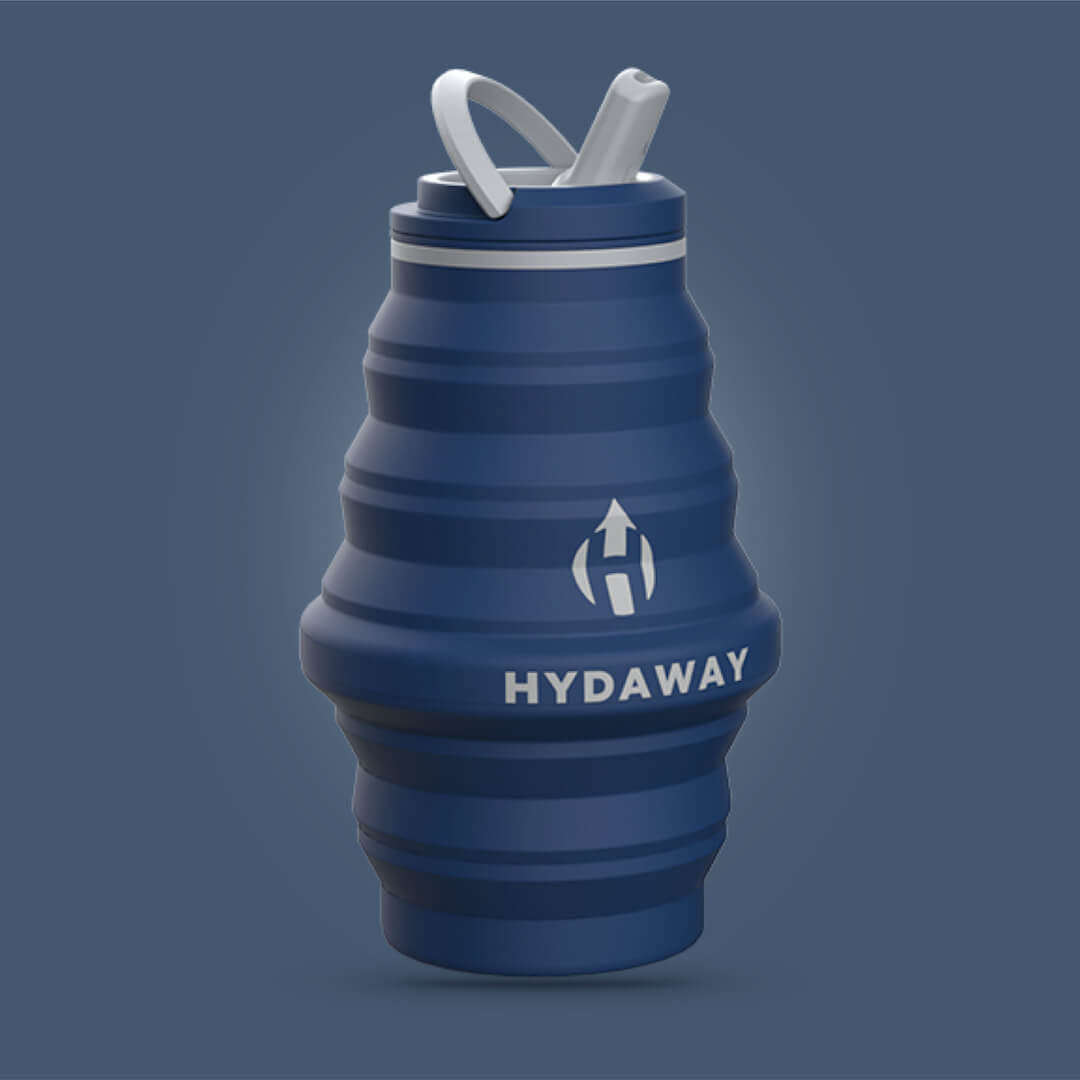
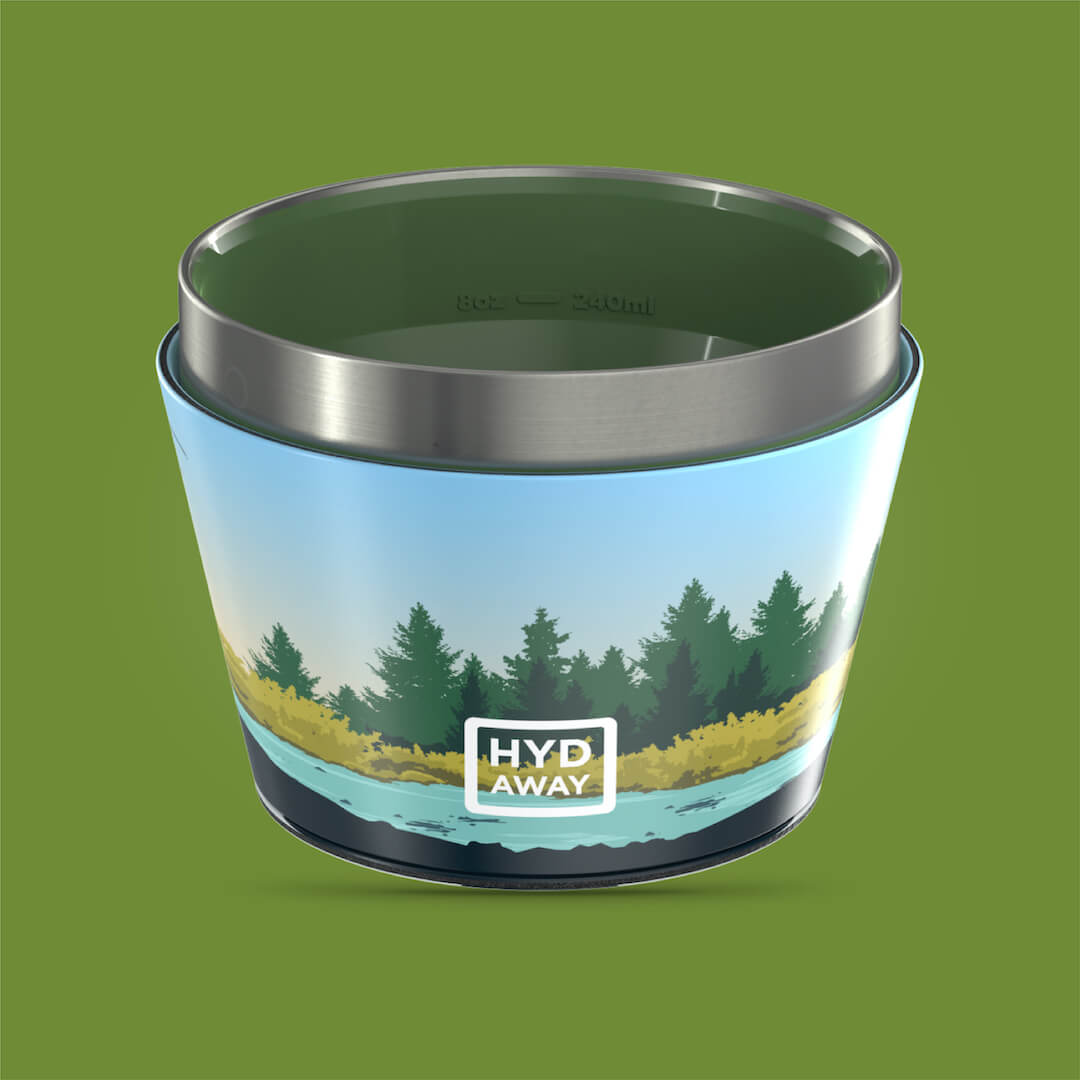
For road trips and van days, I'd rather see a compact setup than a bulky one. A collapsible 17oz or 25oz bottle fits better in a tight door pocket, an insulated tumbler is easier to live with on long drives, and an insulated bowl with spill-proof lid is far less annoying when dinner happens in a campsite or vehicle. The practical win is simple, less clutter and fewer single-use containers.
If you're sorting out what belongs in a daypack versus what stays in the vehicle, a short gear reference helps. The roll-top backpack review from California Cowboy is useful context if you're comparing pack styles for wet-weather travel, because April in Olympic rewards bags that handle damp layers without becoming awkward to carry.

For longer stays, a collapsible backpack earns its space because it packs flat when you don't need it and expands when the day changes. That matters in April, when you might start with a beach walk, add a rainy forest stop, and still want room for gloves, a hat, and a wet shell by evening. If you want a deeper packing framework for the road, the guide to collapsible water containers for camping is a good practical companion.
Where to Stay and Camp Across the Three Park Entrances
April lodging works best when you choose by entrance, not by “best place in the park.” The coast and rainforest side gives you the most dependable spring access, while the north and mountain side can still be controlled by seasonal limits or snow. If you book the wrong base, you'll spend a lot of time commuting around conditions that should have shaped the reservation in the first place.
Coastal and rainforest bases
For a spring trip centered on lower elevations, look hard at the Hoh, Sol Duc, and Kalaloch areas. Those zones are the most logical April bases because they match the season's wetter but more accessible pattern. If you want a slower pace, staying nearby keeps the day from turning into a long loop around weather and road uncertainty.
Frontcountry camping usually makes the most sense here if you're comfortable with damp gear and variable nights. Lodging near the coast or in nearby towns also works well when you'd rather avoid packing and repacking every morning. The win is not luxury, it's efficiency.
North and alpine-side decisions
The Hurricane Hill and Heart o' the Hills side needs more caution in April because seasonal closures and snow still affect what's realistic. That doesn't mean the entrance is useless, it means you should book it only if your actual plan depends on that side and you're ready for a conservative itinerary. If you're hoping for mountain access, think in terms of conditional success, not guaranteed access.
That's also why nearby lodging in Port Angeles or Forks can be the smarter move. It gives you room to pivot without carrying all your assumptions into one night's reservation.
If you're camping or van-camping, keep your system lean. A compact bottle, reusable dinnerware, and packable storage help you manage wet layers and limited space without turning the vehicle into a jumble. For a broader checklist, the what to pack for a camping trip guide is a useful companion when you're balancing campground life with moving between park entrances.
Safety, Wildlife, and Tide Etiquette for Spring
April safety in Olympic comes down to three moving parts, snow, water, and wildlife. Higher trails can still behave like winter routes, while the coast can turn on a tide schedule that ignores your pace. Food needs the same attention. Keep it controlled so you do not invite trouble from animals or create a problem in camp.
What to verify before you leave
The park's own weather and access guidance is the clearest read on the higher country. The NPS weather guidance for Olympic is the first place to check before you head toward snow-covered routes, because spring conditions above the lowlands can still require winter travel judgment, traction, and slower decision-making. That applies to summit goals, but it also applies to any trail where snow lingers after the lower elevations have already thawed.
The coast asks for a different kind of discipline. Tide pools, headlands, and beach routes can look relaxed until the water removes your exit. Check the tide tables, leave yourself a real margin, and stay out of places where the ocean can cut off your return.
For travelers bringing pets to the broader Pacific Northwest, Global Pet Sitter park travel advice is useful before you build a trip around a dog-friendly stop or a mixed-access road day. Pets, weather, and changing trail surfaces do not mix well when the plan is too ambitious.
A few rules keep April trips cleaner and easier to manage:
- Carry traction when snow is possible. Higher trails can stay winter-like in April.
- Store food cleanly. Secure storage and odor control reduce wildlife problems.
- Use ranger stations for the latest updates. They are the right source for roads, trails, and wildlife activity.
- Do not assume a coastal access point means an easy exit. Tides can change the route quickly.
- Use the day hike packing guide before short outings. It is a good quick check when you are balancing a light pack with coast or forest conditions.
A cleaner setup helps on the wildlife side too. Reusable containers and tidy food storage leave less mess in camp and less scent in the car, which matters in a park where spring travel still overlaps with wild conditions. April rewards alert habits, not improvisation.