

Your Guide to the Best Hydration Bladder for 2026

You're halfway up a dusty trail, your pack is snug, your legs feel good, and then thirst hits. The bottle you packed is buried under a shell layer, snacks, and a camera. You either stop and dig for it, or tell yourself you'll drink later. The 'later' option is frequently chosen when it shouldn't be.
That's the moment a hydration bladder starts to make sense.
The appeal isn't complicated. A hose sits near your shoulder, you sip while moving, and your water stays out of the way. On a climb, on a bike, walking through an airport with a daypack, or chasing kids through a theme park, that kind of convenience changes how often you drink. It keeps your hands free and your rhythm intact.
I've found that people usually shop for the best hydration bladder the wrong way at first. They ask which brand is best, or which model “wins.” But out on the trail, those aren't the first questions that matter. The questions are simpler. Does it fit your pack? Is it easy to fill? Will you clean it? Will it still be usable after sitting in a closet between trips?
Those trade-offs matter more now than ever because hydration systems aren't just for backpackers anymore. They show up in running vests, bike packs, family daypacks, travel setups, and camp kits. Some people need a reservoir they can trust for a full day outside. Others need something they can store small, clean fast, and use only when it makes sense.
The End of Fumbling for Your Water Bottle
A hydration bladder solves a very ordinary problem. You want water, but you don't want to break your stride to get it.
On a rocky hike, that's obvious. Reaching for a side pocket can throw off your balance. On a bike, it's even more obvious. Taking a hand off the bars and twisting for a bottle is fine on mellow terrain, but not when the trail gets rough. Even on easy outings, the interruption adds up. You drink less because access is worse.
That's why so many people end up liking reservoirs after one good trip with them. The first time you can take a sip while climbing a switchback, weaving through roots, or walking through a long hot parking lot, the value clicks.
Where convenience matters most
The biggest win is friction reduction. A bladder makes hydration the easy choice.
- During steady movement you can sip without stopping.
- In crowded or awkward settings you don't need to swing your pack off one shoulder.
- On family outings adults can carry shared water without passing bottles around constantly.
- On long travel days a daypack with a reservoir can feel cleaner and less cluttered than juggling multiple bottles.
That convenience is also why hydration bladders work for more than classic hiking. They make sense for trail runners, mountain bikers, all-day walkers, and travelers carrying compact packs.
Practical rule: If you already know you tend to under-drink because your bottle is annoying to reach, a reservoir is worth serious consideration.
What a bladder doesn't fix
Convenience alone doesn't make every reservoir a good buy. Some are awkward to clean. Some are easier to fill in a sink than at a stream. Some fit one pack beautifully and fight every other sleeve you own. And some are great on frequent trips but miserable if you only use them seasonally and forget to dry them well.
That's why “best” has to mean best for your actual habits. A thru-hiker, a weekend biker, and a parent taking kids around a large park may all want hands-free water, but they won't want the same system.
The smart choice is the one that matches how you move, how often you use it, and how much maintenance you'll realistically do.
How a Hydration Bladder Actually Works
A hydration bladder is basically a soft water reservoir, a hose, and a bite valve. Think of it as a flexible bag with a built-in straw system. The bag rides inside your pack, the hose routes up and over your shoulder, and the bite valve gives you water when you need it.
That simple setup is why it works so well. You don't have to stop, unclip anything, or reach backward. You just sip.

If you want a quick primer on pack-and-reservoir setups, HYDAWAY has a useful overview of what a hydration pack is.
The three parts that matter
The reservoir is the bladder itself. You fill it, slide it into the hydration sleeve in your pack, and secure it if your pack has a hanger or clip.
The hose carries water from the reservoir to your shoulder. Better hose routing matters more than people think. If it flops around, kinks, or catches on straps, the system gets annoying fast.
The bite valve is the mouthpiece. Bite or squeeze, depending on the design, and water flows. Many valves also include a shutoff, which helps reduce accidental drips when the pack gets tossed in a car or laid on the ground.
Why it feels different from a bottle
A bottle asks you to pause and reach. A bladder changes the sequence. Water is already in position.
That difference sounds small until you're moving for hours. Then it becomes the whole point. You end up sipping more naturally because the effort is lower.
Here's the beginner mental model:
- Fill the reservoir with water.
- Seal the opening fully.
- Place it in your pack close to your back.
- Route the hose over your shoulder strap.
- Sip from the valve whenever you want.
The best systems disappear while you're moving. You stop thinking about the gear and just drink.
Common beginner mistakes
New users often assume all bladders work the same. They don't.
A few things trip people up:
- Poor sealing: If the top or cap isn't fully closed, you'll know quickly.
- Bad hose routing: A dangling hose gets in the way.
- Skipping a test fill at home: Always check for leaks before a real outing.
- Ignoring cleaning from day one: Residual moisture is where bladder problems start.
Once you understand the basic mechanics, choosing one gets much easier because you know what each feature is trying to improve.
How to Choose the Right Hydration Bladder
Start with activity, capacity, and pack fit, not brand loyalty. That's the practical way to narrow the field.
REI notes that hydration pack gear capacity runs from less than 5 liters to about 50 liters, with 5 liters or less usually aimed at running and ultralight hiking, 6 to 10 liters often used for mountain biking or trail running, 11 to 20 liters suited to hiking and longer outings, and 21 liters or more generally designed for hiking and even light overnight use, as explained in REI's guide to hydration systems and pack capacity. That's pack capacity, not just reservoir size, but it tells you something important. The right hydration setup depends on the outing first.

Match the bladder to the day
A short run and a full-day trek don't ask the same thing from your gear.
| Activity style | Pack range noted by REI | What that means for your bladder choice |
|---|---|---|
| Running and ultralight hiking | 5 liters or less | Keep it compact, light, and stable |
| Mountain biking or trail running | 6 to 10 liters | Look for a low-profile reservoir and secure hose routing |
| Hiking and longer outings | 11 to 20 liters | Prioritize comfortable fit, easy filling, and enough storage around it |
| Hiking and light overnight use | 21 liters or more | Think about pack organization and refill convenience |
If you cram a bulky reservoir into a slim running pack, it won't carry well. If you choose an ultralight setup for a larger hiking pack, you may end up with something harder to fill or maintain than you want.
Materials and taste
Most buyers don't think much about materials until the first sip tastes off or the reservoir feels flimsy after a season.
In practice, the material question usually comes down to this: do you want the lightest possible bladder, or one that feels a bit more structured and reassuring in daily use? Lighter systems can carry beautifully, but stiffer or more substantial materials often feel easier to handle when filling, sliding into a pack, or cleaning by hand.
I'd treat material choice as a tie-breaker after fit and cleaning access. If a bladder is annoying to scrub or dry, you won't care how advanced the material sounds on the packaging.
Openings and valves decide daily usability
Much of the practical distinction resides here.
- Zip-top or slide-top openings are usually easier to inspect and scrub.
- Screw-cap styles can feel secure and simple, but some are less convenient for deep cleaning.
- Quick-disconnect tubing helps when you need to remove the reservoir without rerouting the hose.
- On-off bite valves are worth having if your pack gets tossed around.
Buy for the refill and cleaning experience, not just the sip experience.
A bladder can drink well and still be a pain in the sink. If you hike often, that becomes a real problem. If you hike rarely, it can become the reason the bladder ends up musty in storage.
Best Bladders for Hiking Biking and Camping
The hydration bladder market has become more specialized. That's a good thing. Instead of one model trying to be everything, strong options now tend to stand out for specific use cases.
Outdoor Life's 2026 roundup named the CamelBak Fusion its best overall hydration bladder, the Platypus Big Zip Evo as best for backpacking, the CamelBak Crux as best for hiking, and the MSR DromLite Bag and Hydration Kit as best for camping. In the same year, CleverHiker named the HydraPak Contour its top overall pick for the second year in a row, as summarized by Outdoor Life's coverage of the best hydration bladders in 2026.

Which model fits which kind of user
Here's the practical read on those picks.
CamelBak Fusion makes sense for the person who wants one reservoir that can cover a lot of ground. “Best overall” usually points to balanced performance rather than a niche strength. That's often the right buy for hikers, travelers, and general outdoor users who don't want to overthink the category.
Platypus Big Zip Evo being singled out for backpacking tells you something useful. Backpackers tend to care about refill ease, camp practicality, and how a bladder behaves over longer stretches of use. A model that works on a day hike isn't automatically the one you want buried inside a loaded overnight pack.
CamelBak Crux as a hiking pick fits the buyer who wants a straightforward trail tool. Day hikers usually value reliable drinking, easy handling, and compatibility with common packs more than niche features.
The standouts by scenario
- For mixed use look at the CamelBak Fusion.
- For overnight and backpacking trips the Platypus Big Zip Evo deserves attention.
- For day hiking the CamelBak Crux is a clear current example.
- For camping or basecamp use the MSR DromLite Bag and Hydration Kit stands apart.
- For buyers focused on repeat-tested overall performance the HydraPak Contour remains hard to ignore.
Here's a quick visual comparison before you decide:
What this means for the best hydration bladder
The category has matured. That's the headline takeaway.
You don't need to hunt for a mythical perfect bladder anymore. You need to choose the right winner for your pattern of use. If you mainly hike, buy for hiking. If you camp and need flexible water handling around camp, buy for that. If cleaning ease keeps determining whether you use a reservoir at all, let that drive the purchase.
The best hydration bladder in 2026 is less about status and more about fit for purpose.
When a Collapsible Bottle Is a Better Choice
Not every trip calls for a hydration bladder.
Sometimes a reservoir is too much gear for the job. If you're commuting, flying, sightseeing, walking around a city, spending a day at a theme park, or taking short neighborhood walks, a hose-and-bladder setup can feel fussy. You might not want to wear a hydration pack at all. You might just want water when needed, then no bulk when it's empty.
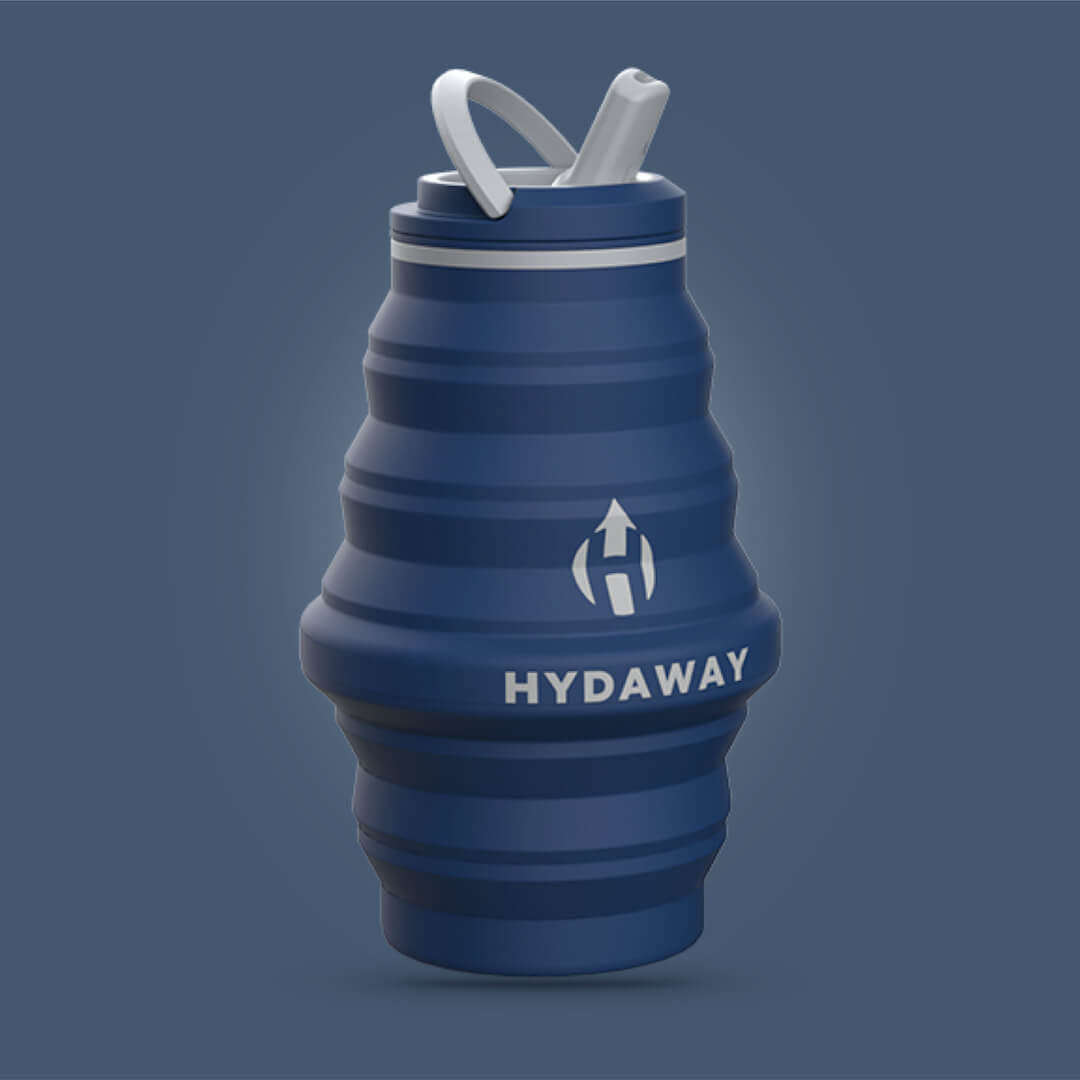
That's where a collapsible bottle often makes more sense.

Situations where bottles beat bladders
A bladder is best when you want to drink continuously while moving. A bottle wins when simplicity, compact storage, and fast cleaning matter more.
Good examples:
- Air travel and city travel when you want to fill up after security and stash the bottle when empty
- Daily commuting when a backpack reservoir feels like overkill
- Theme park days when you need something easy to refill and easy to hand to someone else
- Vanlife and small-space setups where every inch of storage matters
- Short runs or walks when you want lighter gear for your next run instead of a full pack setup
A collapsible bottle also plays well as backup hydration. You can carry a reservoir on the trail and keep a compact bottle in your luggage, glove box, or jacket pocket for everything else.
Why the simpler option sometimes wins
The weak point of many hydration bladders isn't performance on the move. It's what happens afterward. You get home, you're tired, and now there's a reservoir, tube, and bite valve to rinse and dry properly.
A bottle is usually faster to deal with. That matters more than people admit.
If your outings are occasional, urban, or mixed with travel, the better hydration tool may be the one you'll use and clean consistently. For a broader look at portable alternatives, HYDAWAY has a helpful guide to the best collapsible water bottles.
The best hydration setup isn't always the most technical one. It's the one that fits the day without creating extra hassle later.
A good rule for deciding
Choose a bladder when you need hands-free drinking during sustained activity.
Choose a collapsible bottle when you need packability, convenience off the trail, and easy daily reuse.
A lot of outdoor people end up needing both. One is the trail tool. The other handles the rest of life better.
Cleaning and Storing Your Bladder for Longevity
If you want your reservoir to stay usable, treat cleaning as part of the purchase decision, not an afterthought.
Independent gear testing has highlighted design differences tied to cleanability and reliability, including the HydraPak Contour for its weight and easy cleaning and the Gregory Hydro 3D for its easy-to-use design and durable construction, as discussed in BikeHikeSafari's review of the best hydration bladder options. That matters because sanitation and drying time often determine whether a bladder remains pleasant to use over repeated trips.
Clean it right after the trip
The best habit is the simplest one. Don't leave yesterday's water sitting in the reservoir.
Use this sequence:
- Empty it fully as soon as you get home.
- Rinse the reservoir with warm water.
- Run clean water through the hose so stale water doesn't sit inside it.
- Remove and rinse the bite valve if the design allows.
- Leave every part open so moisture can escape.
If you used anything besides plain water, be even more thorough. Sugary drink residue and flavor additives are much harder on the system than plain water.
Drying is the part most people mess up
A bladder can look clean and still be a bad storage candidate if moisture is trapped in corners, the hose, or the valve.
What helps most:
- Prop the reservoir open so air can circulate inside.
- Hang the hose downward so water drains out.
- Separate removable parts instead of storing everything assembled.
- Wait for full dryness before long-term storage
This is why opening style matters so much. Wider access usually means better airflow and more confidence that you've dried the inside.
If a bladder dries poorly, it's not a minor inconvenience. It becomes a maintenance problem every single trip.
Smart storage between seasons
Seasonal users need a different mindset than people who use their reservoir every weekend.
If the bladder may sit for a while:
- Store it completely dry
- Keep it unsealed or loosely assembled so any missed moisture can escape
- Check the bite valve before your next trip instead of assuming it's fine
- Do a home leak test before packing it with gear
For a more focused walkthrough, HYDAWAY has additional advice on hydration bladder cleaning.
The best long-term strategy is boring but effective. Buy a reservoir you can clean without dread, then clean it before you're tempted to procrastinate.
Your Hydration Bladder Purchase Checklist
At this point, the best hydration bladder should feel less like a mystery and more like a filtering process. You're not chasing one perfect product. You're narrowing the field based on how you travel, hike, ride, and store gear.
Ask these questions before you buy
What activity am I buying this for most often?
A hiking bladder, a biking bladder, and a camp-focused reservoir may overlap, but they shouldn't be treated as identical.
Will it fit the pack I already own? Often, the purchase falters here. A great reservoir that fits badly is still the wrong reservoir.
How much maintenance will I realistically do?
Be honest. If you hate fiddly cleanup, prioritize easy-open, easy-dry designs.
Do I want one all-arounder or a specialized tool?
That answer will point you toward a broadly useful pick like the current all-around leaders, or toward a more specific camping or backpacking option.
The fast screen for smart buyers
Use this checklist when you're comparing models:
- Primary use: day hiking, trail running, biking, backpacking, camping, or mixed travel
- Pack compatibility: shape, sleeve size, hose routing, and hanging system
- Opening style: easier scrubbing versus simpler closure preference
- Valve control: shutoff matters if your gear gets tossed around
- Cleaning reality: can you rinse, dry, and store it without turning it into a project
- Storage pattern: frequent use or occasional seasonal use
- Backup plan: whether a compact bottle would cover many of your non-trail needs better
My practical buying advice
If you move a lot while drinking, a reservoir earns its place fast.
If your life is split between outdoor days, flights, road trips, office carry, and casual outings, don't assume a bladder should do all of it. The smartest setup is often a purpose-built bladder for real trail time and a compact bottle for everything else.
Buy the hydration system that matches your habits on your most ordinary day, not your most ambitious day.
That approach saves money, frustration, and closet clutter. Above all, it gets you gear you'll keep using.
If you want hydration gear that works beyond the trail, take a look at HYDAWAY. Their collapsible bottles, drinkware, and compact adventure gear make a lot of sense for travel days, commutes, family outings, and all the times a full hydration bladder would be more hassle than help.