


9 Tips for Family Camping in 2026

You arrive at the campground with tired parents, excited children, limited vehicle space, and a collection of loose items that seems to have multiplied during the drive. Someone needs water, someone can't find a headlamp, and the first meal is buried beneath sleeping bags and camp chairs. Family camping becomes easier when you stop trying to bring everything and start building a few repeatable systems for planning, packing, hydration, meals, safety, comfort, shared responsibilities, and departure.
Camping is no longer a niche family activity. A widely cited North American Camping Report says 58 million U.S. households went camping in 2022, while the broader camping audience reached an estimated 92 million households. The practical lesson is simple: families benefit more from efficient routines than from an ever-growing gear pile.
These nine tips for family camping follow the workflow, from choosing a suitable site to packing the car after breakfast. HYDAWAY's collapsible bottles, tumblers, bowls, dinnerware, insulated bowls with spill-proof lids, and travel cases can help reduce bulk while keeping reusable essentials organized.
1. Choose the Trip and Campsite Around Your Family's Real Needs
A first weekend with young children runs more smoothly at an accessible campground near restrooms, dependable water, and an easy nature walk. A remote site may sound appealing, but long walks to basic facilities and difficult navigation can exhaust everyone before camp is ready.
Check the campground's listed amenities before booking. Confirm the availability of water, power, tables, fire rings, dishwashing areas, and bathrooms. Review the site layout, shade, ground conditions, nearby roads, and distance from rivers or lakes. Record each child's sleep habits, food restrictions, medication needs, and tolerance for heat or long walks.
Practical rule: Choose the site that makes ordinary family tasks easy, not the site that sounds most adventurous.
For a first trip, choose a site near the restroom and water source, plan one gentle nature walk, and leave the rest of the weekend open. Compare shade, table placement, and level ground so children can move safely around the tent without crossing the kitchen or vehicle path. Limited water access also affects packing. Decide how many HYDAWAY bottles and bowls fit your meals instead of carrying every piece of dinnerware.
Set an arrival plan before leaving home. Assign shelter setup, first-meal preparation, shoe and daypack storage, and a realistic post-drive activity. Keep a weather backup, such as cards, books, drawing supplies, or a sheltered storytelling activity.
Use this family camping essentials guide to build a trip-specific list rather than copy a generic checklist.

2. Pack Light by Building a Modular Family Gear System
Efficient packing starts with grouping gear by function. Use separate containers for sleep, kitchen, clothing, safety, and activities, then place the items you'll need first where you can reach them without unloading the whole vehicle.
Pack in use order. The arrival bin should contain shelter essentials, light, water, first-night clothing, children's comfort items, and the first meal. The kitchen case should hold collapsible bowls, bottles, utensils, and cleaning supplies together. A separate clothing bag keeps pajamas and dry layers away from muddy shoes.
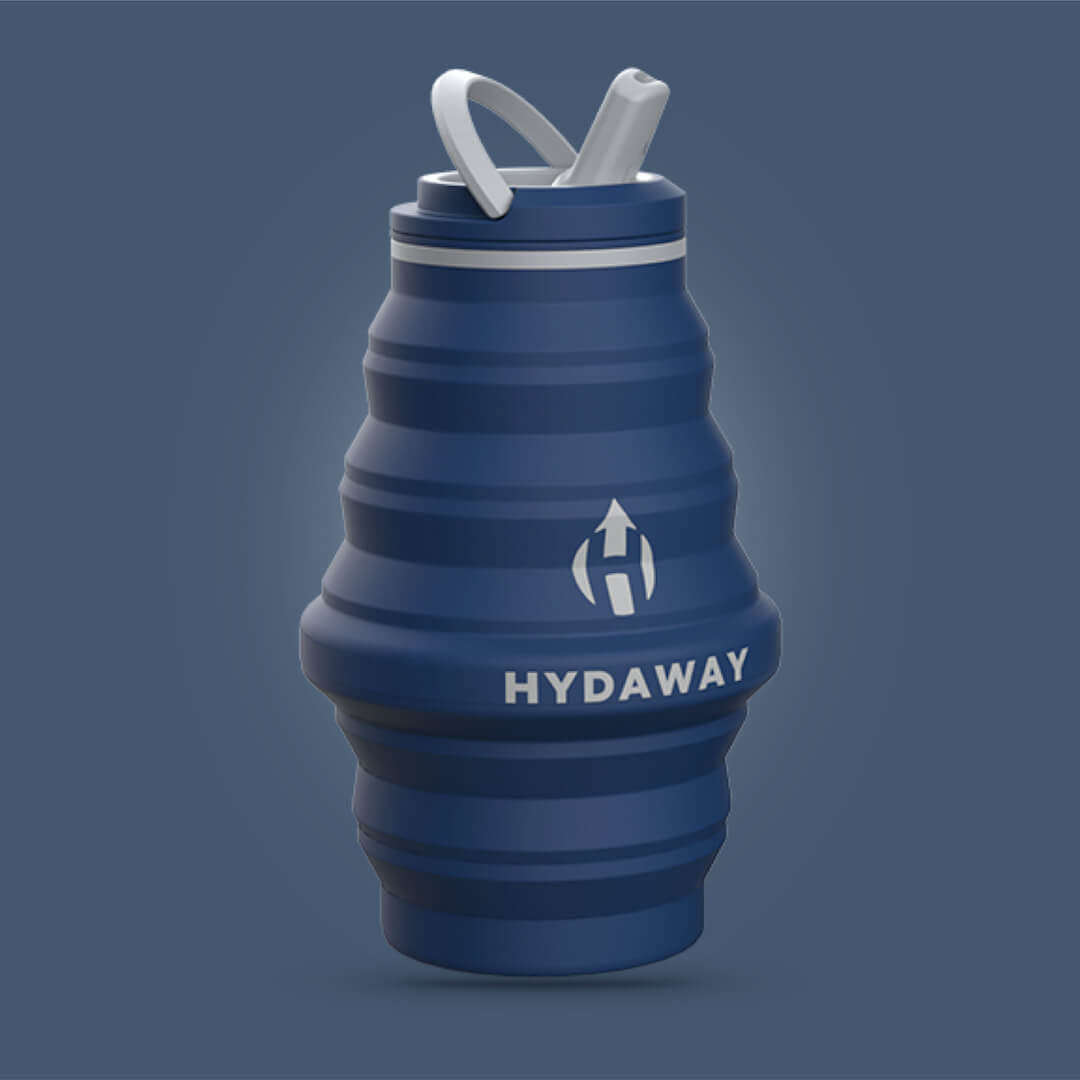
A family of four might pack one personal bottle per person, shared bowls for meals, and one kitchen case instead of several rigid containers. HYDAWAY bottles and bowls collapse when empty, so they can fit into door pockets, seat-back organizers, or a kitchen case and leave more room for comfort items. That space matters on a road trip because it preserves capacity for groceries, wet gear, or an unexpected purchase.
Use a written inventory for repeat trips. Photograph the packed vehicle layout before departure, label bins by function, and update the list after every outing. If the family never uses a particular item, remove it. If something is repeatedly forgotten, give it a permanent place in the relevant bin.
- Count place settings against your washing routine: Bring enough reusable dinnerware for the meals you'll serve, but don't automatically pack a full household set.
- Keep first-night clothing accessible: Put pajamas, headlamps, and comfort objects in one tote.
- Preserve spare capacity: Don't fill every gap in the vehicle before you leave.
- Give children reachable items: Personal bottles and small activity bags can stay where children can find them safely.
Families camping with dogs can also compare their setup with this dog camping essentials checklist, especially when food, water, waste bags, and sleeping gear need their own module.
3. Create Kid-Friendly Activities That Give Children a Role
Children don't need a packed entertainment schedule, but they do need a clear sense of what they can do. Prepare three options with different energy levels: an active game, a quiet observation activity, and an indoor backup for rain or fatigue.
A short scavenger hunt works well when children look for colors, textures, shapes, or sounds rather than collecting natural objects. A nature journal, compact card game, or simple story prompt gives them something to return to when the novelty of the campsite fades. Older children can help portion snacks, check that personal bottles are filled, or return gear to its assigned place.
Set boundaries before play begins. Show children where they may move, what they must not touch, and which areas require an adult. The tent, kitchen, fire area, road, and shoreline should have simple rules that children can repeat back.
Children participate more confidently when “helping” means one visible job, not a vague request to behave.
Try assigning one responsibility to each child. One child checks personal bottles before a walk. Another carries napkins or returns clean bowls to the kitchen case. A younger child can help identify birds, leaves, or sounds without handling unfamiliar plants or insects.
HYDAWAY products support these small routines because children can recognize their own bottles by color or name, then return them to the same spot after an activity. Collapsible drinkware also fits into a daypack without turning a short walk into a heavy gear haul.
For more low-equipment ideas, browse these camping adventure ideas. A rainy afternoon can become a journaling, card-game, and storytelling block inside the tent or vehicle, while the evening can end with reading or sharing a favorite moment from the day. Parents who want more age-specific inspiration can also explore these developmental outdoor ideas.
4. Plan Meals and Snacks for Minimal Cooking and Cleanup
At arrival, hungry children rarely wait patiently while dinner is assembled. Pack the first meal where it can be reached immediately, then build the rest of the menu around energy, weather, food safety, and cleanup. Use five practical groups: no-cook arrival food, quick breakfasts, trail snacks, one-pot dinners, and easy treats.
Prepare the first meal at home. Breakfast can use one pan and simple ingredients, while dinner can rely on a single pot or skillet. Portion trail snacks before leaving the vehicle, so children are not opening several packages beside the tent. For a selection of better-for-you picnic snacks that travel well without a cooler, see this guide.
Sort the food list into three columns:
- Eat first: Home-prepared meals, cut fruit, and other items intended for arrival or the first meal.
- Keep cool: Meat, dairy, prepared salads, and other perishable foods that need a cold source.
- Pantry-safe: Dry snacks and ingredients that can remain outside the cooler according to their storage instructions.
The USDA food-safety guidance for hiking and camping advises keeping raw meat separate, using a cold source for perishable food, and packing out leftovers and trash. The U.S. FDA and Clemson Extension's camping food-safety guidance advise that perishable food should not remain between 40°F and 140°F for more than two hours, or more than one hour when outdoor temperatures exceed 90°F. Clemson also lists cooking temperatures including 165°F for poultry, 160°F for ground meat, and 145°F for beef, fish, and shellfish.
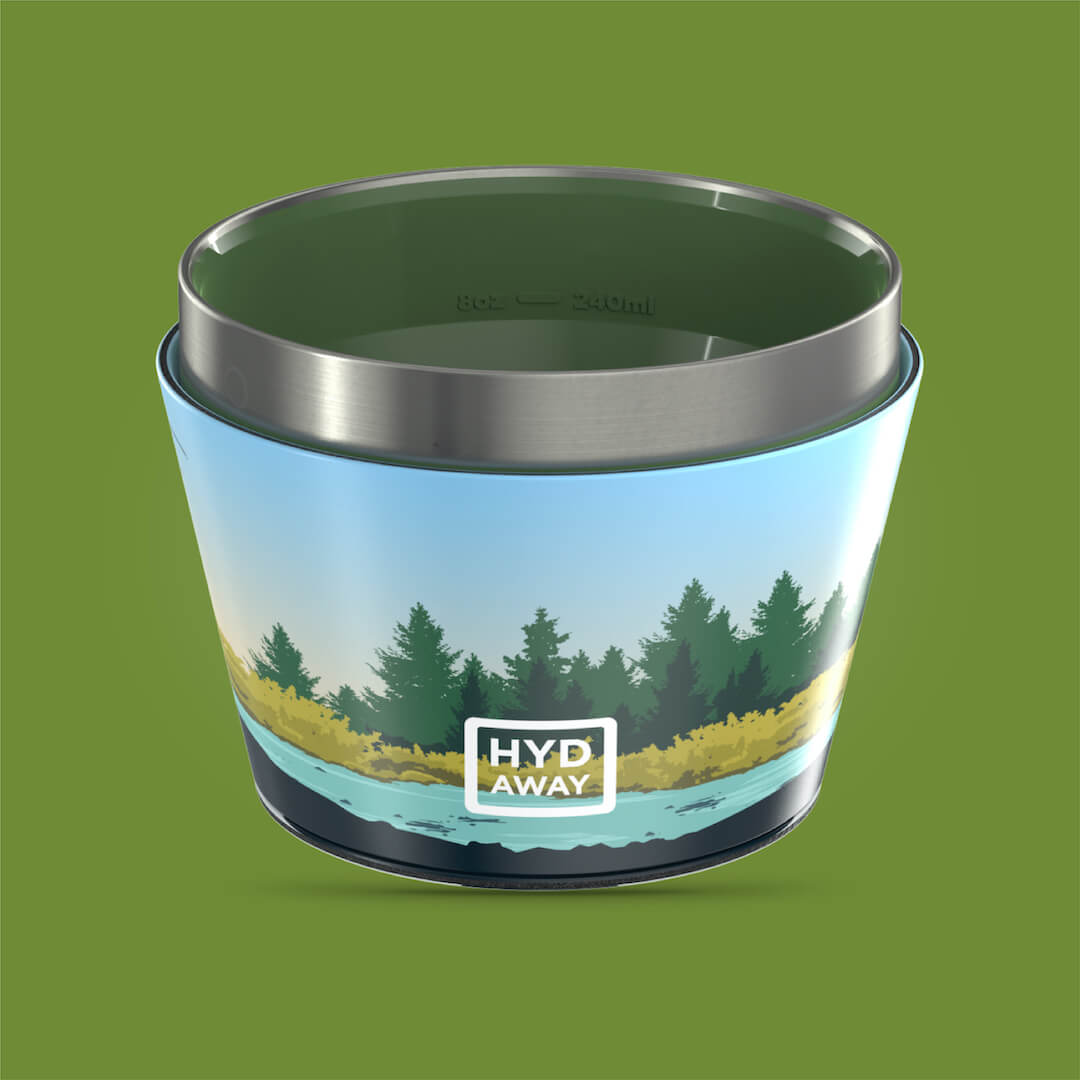
HYDAWAY insulated bowls with spill-proof lids suit contained snacks, salads, and prepared meals. They can reduce spills near the tent and keep portions organized, but they do not replace a cooler or temperature control. Pack a food thermometer, set up a wash basin before cooking, and discard leftovers when cooling fails.
Use these camping meal-prep ideas to simplify the menu before shopping.

5. Set Up a Camp Kitchen That Saves Minutes at Every Meal
A scattered camp kitchen creates repeated work. Someone searches for the opener, a clean bowl sits beside food scraps, and children walk through the cooking area looking for a drink. A dedicated station prevents those small delays from taking over the trip.
Set up the kitchen before recreational gear. Create zones for preparation, cooking, serving, washing, and waste. Keep the lighter, opener, utensils, napkins, and food thermometer in a small grab container. Put clean HYDAWAY bowls and dinnerware together, while personal bottles remain accessible for refills.
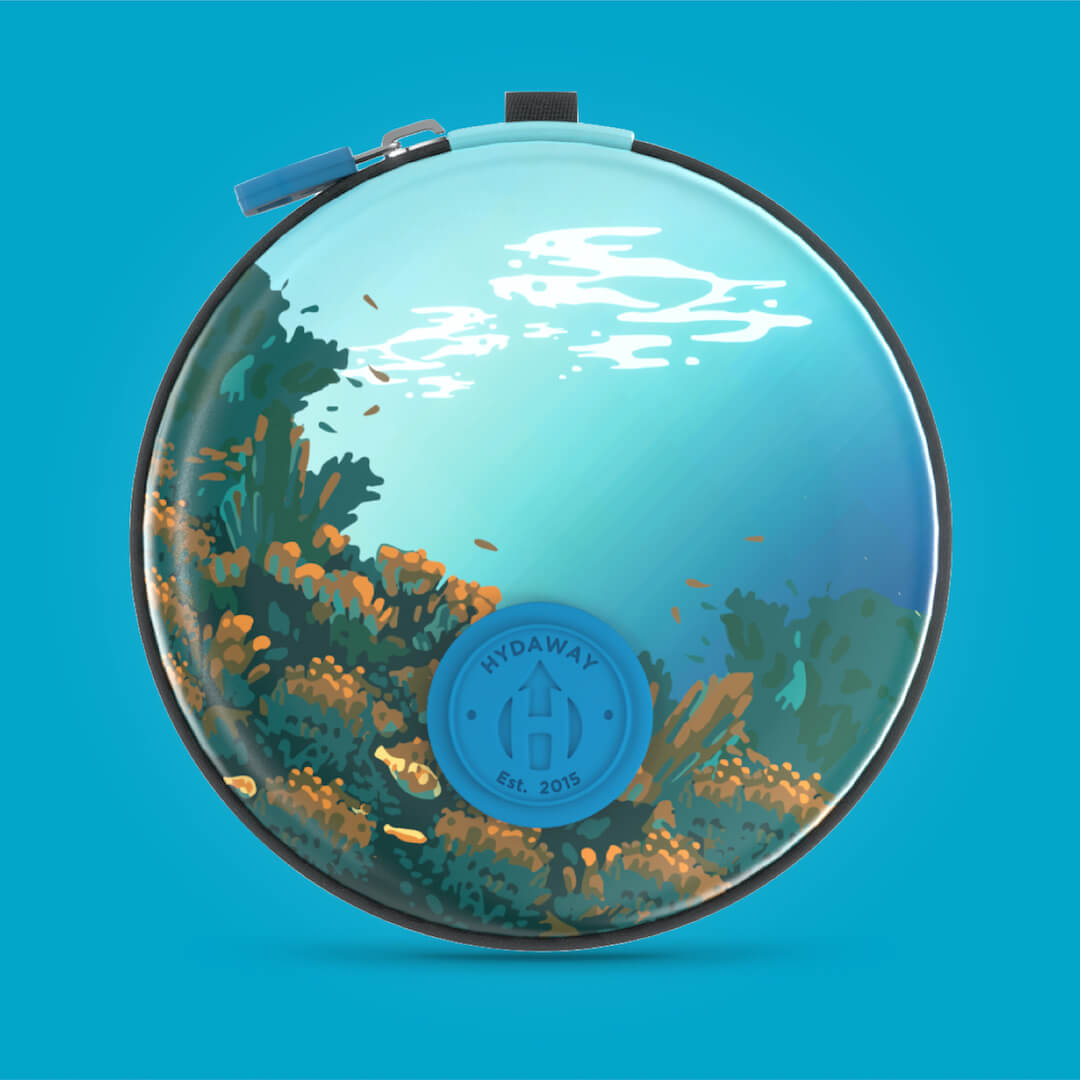
One family might use the picnic table for preparation and serving, then place a separate wash basin away from food scraps. Another might use a travel case to keep dinnerware together while bottles stay in a visible refill area. The important point is consistency. Everyone should know where clean items go and where used items wait.
Store food securely according to campground rules. Don't leave food on the table overnight, and follow local wildlife guidance for coolers, trash, and leftovers. Keep the kitchen far enough from sleeping areas to support a cleaner bedtime routine.
Five-minute reset: After each meal, return utensils, close food containers, wash what you can, secure waste, and clear the serving area before the next activity begins.
Children can handle safe jobs such as collecting personal bowls, checking the table for wrappers, or returning bottles to their color-coded place. Adults should manage hot cookware, flames, sharp tools, and food-storage decisions.
Use this rapid sequence when moving between sites: secure food, wash or contain used dinnerware, collapse empty HYDAWAY products, pack the kitchen case, inspect the table and ground, then load the arrival bin last so it remains available at the next stop.
6. Build a Hydration Routine for Camp and Day Hikes
Thirst is a poor family hydration plan because children may not notice or report the problem until they're already uncomfortable. Make drinking part of transitions instead. Fill personal bottles before breakfast, before a hike, after returning to camp, and before getting into the vehicle.
Use names, colors, or simple markers so each child can identify their bottle. Parents can make a quick refill check part of the same routine used for shoes, sunscreen, and headlamps. On a hot day, pre-chilled water and insulated tumblers may make drinking more appealing, especially when bottles can be kept in the shade during breaks.
HYDAWAY's collapsible bottles fit into daypacks, vehicle pockets, and campsite storage when empty. Insulated drink tumblers can support cold drinks during camp meals or rest stops without requiring a large collection of rigid containers. The benefit comes from integrating them into the family's movement pattern, not from adding more drinkware to the packing list.
Before a trail outing, confirm where reliable refill points are located and whether local guidance requires filtration, disinfection, or another treatment method. Never rely on an unverified natural source because it looks clear. If refills are uncertain, carry enough water for the planned outing and account for changing weather, pace, and individual needs.
Teach children to report dizziness, headache, unusual fatigue, or nausea immediately. Those symptoms call for stopping, moving into shade, assessing the situation, and deciding whether the family should return or seek professional help. Parents should monitor each child separately because one child may drink willingly while another barely touches their bottle.
For water-focused trips, a compact bottle in each adult's daypack can reduce unnecessary back-and-forth trips to the camp spigot or shoreline. That also supports safer campsite movement when children are tired or distracted.
7. Prepare a Safety and First-Aid System Everyone Can Use
Safety works best when children understand the basic rules and adults know exactly where supplies are stored. Before dusk, point out the tent, kitchen, restroom route, vehicle, fire area, and any adult-only spaces. A simple campsite map can be more useful than a long lecture.
Set a buddy rule for trails, restrooms, and water. Children should know to stop, stay visible, and call for an adult if they become separated. Practice saying their name, campsite location, and a parent's name without making the exercise frightening.
Keep medications and first-aid supplies in a clearly marked, weather-resistant container. An adult should carry the kit and emergency details on every family hike rather than leaving them in the vehicle. Review allergies, medication instructions, emergency contacts, local communication limits, footwear, sun protection, and insect protection before departure.
- Match the kit to the trip: Include supplies for expected minor scrapes, blisters, bites, and personal medical needs.
- Check the kit after every outing: Replace used or expired items before the next departure.
- Rehearse escalation: Adults handle serious symptoms, breathing problems, significant injuries, or worsening illness by seeking professional help.
- Keep children visible: Use clear boundaries around roads, cooking areas, fire, cliffs, and water.
Water requires its own plan. Nationwide Children's camping-safety guidance recommends testing children with a backyard campout first, setting clear boundaries and emergency expectations, and treating water safety as essential. It also states that drowning remains the leading cause of injury-related death for children ages one to four.
WaterWiseKids' family camping guidance recommends treating every body of water as a hazard, assigning a dedicated phone-free Water Watcher, and using Coast Guard-approved life jackets near rivers and lakes, even for confident swimmers. Walk the shoreline together, set visible boundaries, keep a throw rope or floating cushion available, keep children within arm's reach near wild water, avoid swimming at night or in poor visibility, and ensure at least one adult knows CPR.

8. Improve Sleep and Comfort with a Layered Camp Routine
Sleep begins with site selection. Choose the driest, safest tent location available, not the lowest point where water may collect. Inspect the ground for branches, stones, sharp objects, and drainage problems before laying out sleeping pads.
Prepare sleep gear before dinner when possible. Set out pajamas, dry sleep layers, headlamps, shoes, and bathroom clothing so bedtime doesn't require a full campsite search. Keep a dry sleep layer separate from daytime clothing, especially when children are likely to get wet or muddy.
Different families need different comfort systems. Warm-weather camping may require shade, airflow, light sleep layers, and accessible water. Cooler conditions may call for extra insulation, dry socks, warmer pajamas, and an earlier wind-down. No single setup works everywhere, so check the forecast and adjust the bedding rather than assuming a familiar home routine will transfer perfectly.
A familiar sequence helps children settle: wash up, change clothes, drink water, read, talk about the day, and turn off lights. Practice a short version at home before the first camping weekend if a child is nervous about unfamiliar sounds.
Keep food out of the tent and follow local wildlife guidance. A child can keep a personal bottle in a secure location near the tent entrance, but open food and drinks shouldn't sit beside sleeping bags. Lidded HYDAWAY drinkware can reduce accidental spills around bedding when it fits the site's safety rules and the family's nighttime routine.
Camper satisfaction depends on more than basic amenities. A study of 800 Adirondack Park campers found that, after basic campsite expectations were met, solitude and rejuvenation, nature, and facility characteristics were the strongest satisfaction drivers, with solitude and rejuvenation ranking highest at both campgrounds. The camper-satisfaction study supports a practical choice: prioritize a functional site with quiet sleeping areas, natural views, usable facilities, and enough space to keep family movement orderly.
9. Use Time-Saving Hacks for Arrival, Transitions, and Departure
Arrival should have fewer decisions than the drive home. Pack an arrival bin with shelter, light, water, first-night clothing, and the first meal. One adult can handle the tent while another stages food and drinks. Children can carry safe personal items, place shoes in the dirty-gear zone, and put comfort objects inside the tent.
Use a waterproof or washable area for muddy shoes and wet clothing. Keep a reusable cleanup bag ready for wrappers, laundry, and damp gear. After each activity, take a short reset before starting the next one. Collapsed HYDAWAY bottles and bowls can reclaim storage space as they're emptied, which makes the return trip easier to organize.
Assign roles by age. Adults manage hazards, fire, hot cookware, knives, food storage, and vehicle loading. Children can collect personal items, check the table for trash, return dinnerware, and confirm that their own bottle is packed.
Departure works best as a fixed sweep rather than a last-minute glance. Walk the site in the same pattern every time:
- Table: Check beneath and around the picnic table.
- Fire area: Confirm that nothing remains near the fire ring and follow local fire-safety requirements.
- Tent zone: Look for stakes, cords, clothing, toys, and small gear.
- Kitchen area: Secure food, trash, wash items, and cooking equipment.
- Vehicle: Check seats, door pockets, roof storage, and the space beneath the vehicle.
- Ground: Scan for wrappers, bottle caps, tent parts, and forgotten personal items.
Take a final photo of the clean site and compare it with the arrival layout. A visual record can reveal what was moved, left behind, or packed into the wrong bin. The aim isn't to rush through departure. It's to protect family energy by reducing repeated searching and preventable decisions.

9-Point Family Camping Tips Comparison
| Item | Implementation 🔄 | Resource Requirements ⚡ | Expected Outcomes ⭐ | Results/Impact 📊 | Quick Tip 💡 |
|---|---|---|---|---|---|
| Choose the Trip and Campsite Around Your Family's Real Needs | Moderate, pre-booking research & checklist | Time for research, phone/internet, campsite info | Better match to kids' routines and abilities | Smoother arrivals; easier meal/bathroom logistics | List each child's needs; confirm amenities before booking |
| Pack Light by Building a Modular Family Gear System | Moderate, inventory and repeatable system setup | Inventory time, bins/cases, collapsible gear (HYDAWAY) | Less bulk; faster unpack/repack | Freed trunk space; fewer duplicates | Pack by use order; photograph packed layout |
| Create Kid-Friendly Activities That Give Children a Role | Low, prepare simple activity menu and boundaries | Minimal props, journals, supervision time | Greater engagement and independence | Fewer entertainment requests; calmer parents | Prep active/quiet/indoor options; assign one visible role |
| Plan Meals and Snacks for Minimal Cooking and Cleanup | Moderate, meal planning and pre-portioning | Prep time, lidded bowls, basic cookware, cooler if needed | Faster meals; reduced dishwashing | Cleaner site; predictable feeding during transitions | Keep first meal accessible; pre-portion snacks into lidded bowls |
| Set Up a Camp Kitchen That Saves Minutes at Every Meal | Moderate, zone setup and quick-access layout | Table/stand, travel cases, organized containers | Efficient cooking and serving cycles | Fewer searches; faster meal turnover | Set kitchen before unpacking recreational gear; keep grab container |
| Build a Hydration Routine for Camp and Day Hikes | Low, assign bottles and schedule refills | Personal bottles (HYDAWAY), labels, refill plan | Consistent hydration; easier monitoring | Fewer heat-related issues; efficient refills | Label bottles by name/color; check refills at transitions |
| Prepare a Safety and First-Aid System Everyone Can Use | Moderate, kit prep, briefing, simple rehearsals | First-aid kit, weather/emergency info, marked container | Faster, calmer responses to incidents | Improved overall safety; clearer escalation | Store kit in a weather-resistant container; check expiries |
| Improve Sleep and Comfort with a Layered Camp Routine | Moderate, site selection and nightly routine | Sleeping pads, layered bedding, dry storage, lidded drinkware | Better sleep for children and adults | Fewer night interruptions; easier mornings | Keep dry sleep layer separate; place essentials together |
| Use Time-Saving Hacks for Arrival, Transitions, and Departure | Low, pre-staged roles and repeatable routines | Arrival bin, reusable cleanup bag, assigned roles | Faster set-up and reliable departures | Preserved family energy; fewer forgotten items | Pack an arrival bin; perform a five-minute reset and sweep |
Leave With a Better Family Camping System
Family camping gets calmer when the family improves the system instead of adding more equipment. Start with the friction point that causes the most stress. If arrival is chaotic, build an arrival bin. If meals create a mess, create kitchen zones and simplify the menu. If children constantly ask for drinks, make personal hydration part of every transition.
The wider camping audience shows why these systems need to work for different ages and family structures. The 2025 update to the North American Camping Report reported more than 11 million new camping households in 2024 compared with 2019, and 22% of families said they camp with grandparents or extended family members. A setup that works for a toddler, a school-age child, a grandparent, and a parent carrying the first-aid kit needs clear storage, easy access, and fewer unnecessary steps.
The same principle appears in the history of participation. USDA Forest Service research found that more than 58 million people age 12 or older had camped during the previous 12 months in 1994 and 1995, describing that level as about 350% growth over 35 years from the first national survey in 1960. The research also identified active, inactive, and potential camping families, with active households taking repeated trips. Practical camping advice evolved around packing systems, meal planning, and efficient equipment because families needed routines that held up across multiple nights and travelers. Read the USDA Forest Service camping participation research for that historical context.
Product choices should serve those routines. HYDAWAY bottles can give each family member an identifiable hydration option. Collapsible bowls and dinnerware can stay together in a kitchen case, then flatten when the meal is over. Insulated bowls with spill-proof lids can contain snacks or prepared meals, while tumblers and pints support camp meals, road stops, and day hikes without requiring a rigid collection of cups.
A 2024 analysis of 338 valid camping-equipment consumer responses in Seoul and Gyeonggi found that camping specialty stores and camping specialty online malls were the two leading purchase channels, while functionality and design were the top purchase drivers. Its importance-performance analysis placed portability attributes such as easy carrying in a high-priority zone. The camping-equipment consumer analysis aligns with the family-camping reality: gear must be easy to carry, organize, clean, and repack.
After each trip, ask what worked. Did the first meal stay reachable? Did everyone know where bottles went? Was the cooler plan realistic? Did bedtime happen before the children became overtired? Remove equipment that added work, keep equipment that solved a recurring problem, and rewrite the packing list while the answers are fresh.
You don't need a perfect campsite or a vehicle filled to the roof. You need a realistic site plan, modular packing, personal hydration, simple meals, a visible safety system, and repeatable bedtime and departure routines. HYDAWAY is most useful when it becomes part of those routines, not when it becomes another loose item competing for space.
HYDAWAY offers collapsible bottles, insulated tumblers, bowls with spill-proof lids, dinnerware, and travel cases that help families carry reusable essentials while saving space at camp and in the car. Visit HYDAWAY to choose packable hydration and meal gear for your next family camping trip, then build it into your arrival, meal, hike, and departure routines.