


Unlock Safer Travel with a 10 Micron Filter

You are down to your last bottle on a long trail day. The creek ahead is moving, but the water looks cloudy. Not scary-cloudy. Just enough suspended grit that you hesitate.
That moment trips up a lot of travelers.
Travelers often know they should “filter” water. Far fewer know what kind of filter they need, what that filter does, and where a 10 micron filter fits into a safe setup. That matters even more when you travel light, refill from mixed-quality sources, and want gear that works without turning every water stop into a project.
A 10 micron filter is not a magic solution. It is something more practical. It is a smart first step.
Your Adventure Moment Meets Murky Water
You stop by a stream, kneel at the bank, and scoop up a bottle. The water has tiny specks in it. Maybe it came down after rain. Maybe hikers crossed upstream. Maybe you are filling from a campground spigot that spits a little rust after sitting unused.

That is where filter language starts to matter. A lot of outdoor advice treats filtration like one big category. In real use, it is not. A screen that catches sand is doing a different job than a purifier that targets microbes.
Why travelers get confused
The word filter sounds complete. It feels like an all-in-one answer.
It is not. One filter may improve clarity. Another may protect a pump or purifier. Another may be the safety barrier between you and contaminated water. If you mix those roles up, you can end up with water that looks clean but still is not safe to drink.
Where a 10 micron filter earns its place
For travelers, a 10 micron filter shines when the problem is visible or near-visible debris.
Think about common refill situations:
- Trail water after rain: Fine silt makes clear water look smoky.
- Old campground taps: Tiny rust flakes or sediment show up after pipes sit.
- Vanlife fill-ups: Hose water can carry grit from a tank or fitting.
- Boat, overland, or remote fuel-adjacent storage areas: Dust gets everywhere, including around water gear.
A 10 micron filter helps with those nuisance contaminants. It makes water look better, feel less gritty, and puts less stress on finer filters downstream.
A good travel setup solves the problem you have. Murky water needs sediment control first. Biological risk needs a much finer treatment step.
That is why experienced travelers often build water systems in layers instead of hunting for one heroic device.
What Exactly Is a 10 Micron Filter
A micron is a tiny unit of measurement. In filtration, it tells you the particle size a filter is designed to catch.

The size is easier to picture than it sounds
A 10 micron filter captures particles 10 micrometers in diameter or larger, which is about 4 to 9 times smaller than the average human hair diameter of 40 to 90 µm according to Commercial Filtration Supply’s explanation of micron ratings.
That sounds technical, but the practical version is simple. A 10 micron filter catches stuff that is often too small to notice individually, yet large enough to make water look cloudy, dusty, or gritty when enough of it is present.
What that means in plain language
If you scoop water from a silty stream, a 10 micron filter is trying to stop things like:
- Fine sediment
- Silt
- Sand
- Rust particles
- Small visible contaminants
It is not targeting dissolved chemicals. It is not changing salt content. It is not a stand-in for a microbiological purifier.
Nominal and absolute, without the jargon overload
Many readers find these terms confusing.
Many 10 micron filters are sold with a nominal rating. That usually means the filter catches around 50% to 95% of particles at the stated size, rather than every single particle. The same source notes that high-efficiency 10 µm filter bags can achieve more than 90% capture of fine particulates at 10 µm and above in appropriate applications.
An absolute rating is stricter. The source notes that absolute 10 µm ratings can capture 99.9%, but they also restrict flow more heavily.
For travelers, that trade-off matters. You usually do not want a pre-filter that turns every refill into a slow-motion squeeze session. The whole reason a 10 micron filter is useful is that it often balances debris removal with usable flow.
A simple analogy
Think of a 10 micron filter like the first screen door on a cabin.
It keeps out a lot of dirt and windblown junk before those things get tracked inside. It does not replace the locked front door. It does not make the cabin sterile. It just handles the big mess early, so the rest of your setup works better.
If your water source looks dirty, a 10 micron filter is often the “clean it up first” tool, not the “declare it safe” tool.
That distinction is the heart of using this gear correctly.
Performance Reality What It Catches and What It Misses
A 10 micron filter improves water in a way you can often see right away. Cloudiness drops. Grit disappears. Floating debris becomes less of a problem. If you are filling from a questionable tap, a stream with suspended sediment, or a dusty storage setup, that can make the whole experience better.
What it does well
The biggest win is clarity.
Water that looks cleaner is easier to trust for the next treatment step. It is also easier on gear. Fine sediment can gum up squeeze filters, leave residue in bottles, and make every sip less pleasant than it should be.
For travel, that means practical conveniences:
- Water tastes less earthy when grit is removed
- Bottles and lids stay cleaner
- Downstream filters face less sediment load
- Refills from mixed-quality sources become less annoying
If you want a broader look at bottle-based setups, HYDAWAY has a useful roundup on water filtration bottles for hikers.
What it does not do
This is the part that matters most for safety.
A 10 micron filter does not remove bacteria or viruses. Commercial Filtration Supply notes that bacteria can be as small as 0.2 µm and viruses are often smaller than 0.1 µm, so they can pass through a 10 micron filter.
That means a 10 micron filter is foundational, but incomplete, in a multi-stage water safety system.
If you have ever wondered why “clear” and “safe” are not the same thing, this is the answer.
A common mistake on the trail
A traveler sees cloudy stream water, runs it through a sediment filter, and notices the result looks much better. That visual improvement creates a false sense of security.
But microbes are far smaller than the debris that made the water look bad in the first place. Clearer water can still carry biological risk.
If you want a simple primer on the difference between virus and bacteria, that breakdown helps explain why different contaminants require different defenses.
Better-looking water is not the same as purified water.
That one idea prevents a lot of bad decisions.
For real-world travel, treat a 10 micron filter as the cleanup crew for sediment and visible junk. Then use an appropriate next step if the source may contain microbial contamination.
Comparing Filter Micron Ratings for Travelers
When you shop for travel filtration, micron numbers can look like a contest. Smaller sounds better. In real life, smaller often means slower, fussier, and easier to clog.
That is why a 10 micron filter makes sense in context, not in isolation.
Travel Water Filter Micron Rating Comparison
| Micron Rating | Removes | Best For | Flow Rate | Clogging |
|---|---|---|---|---|
| 100 micron | Large debris like leaves, grit, and coarse sediment | Quick straining at the source | Very high | Low |
| 10 micron | Fine sediment, silt, rust, and other small particulates | Pre-filtering murky water before a finer stage | Moderate to high | Moderate |
| 1 micron | Much finer particulate matter and some organisms depending on design | More serious backcountry filtration | Lower | Higher |
| 0.2 micron | Very fine biological filtration in systems designed for that purpose | Water treatment where microbial protection matters | Lower | High |
Why 10 microns is often the sweet spot for pre-filtration
Rosedale notes that compared with finer 1 to 5 µm filters that clog quickly in debris-heavy water, a 10 micron filter can extend media life by 2 to 3 times, making it a practical balance between particle removal and reduced service intervals in many filtration setups. That same guide describes 10 µm bags as a “definitive balance” in applications that need clarity without excessive restriction. See the full context in Rosedale’s guide to filter bag micron ratings.
For travelers, the lesson is straightforward. If your source water is silty, asking a very fine filter to do all the work from the start is like sending a white running shoe through a mud pit and hoping it stays clean.
How to choose by situation
Use a coarser option when the problem is obvious debris. Use a finer option when the problem is biological risk. Use both when the source is ugly and uncertain.
A simple decision pattern works well:
- Cloudy but not obviously hazardous: Start with sediment control.
- Clear-looking natural water: Assume microbes may still be present.
- Very silty water: Protect your finer filter with a pre-filter step.
- Urban refill with old pipes: Sediment removal may improve usability, but it is not the same as purification.
For travelers deciding how reusable gear fits into that system, this HYDAWAY article on water filter reusable options is a helpful companion.
The practical takeaway
Do not ask one filter rating to do every job.
A 10 micron filter is not trying to beat a 0.2 micron purifier. It is helping that purifier last longer, flow better, and deal with uglier source water without drama.
The Smart Traveler’s Pre-Filter Strategy
The best use for a 10 micron filter in adventure travel is as a pre-filter.
That means it goes first. It handles the dirt, silt, and grit before your finer and more expensive filter has to.

Think like a gear protector
Fine filters do important work, but they are easy to frustrate. Feed them silty water all weekend and they often slow down, clog, or need more frequent cleaning.
Filter Concept notes that as a pre-filter, a 10 micron element can remove approximately 90% of silt, and field tests show that can reduce replacement frequency of a finer primary filter by a factor of 2 to 3. You can read that in their guide to micron filtration.
That is the bodyguard role. The 10 micron filter takes the first hit.
A travel example that makes sense
Say you are overlanding for a week and refilling from mixed water sources. One stop gives you clear tap water. The next gives you a hose line with visible sediment. Later, you dip from a river edge that looks usable but silty.
A layered routine makes those stops easier:
- Pre-filter first. Run the murky water through a 10 micron filter to strip out sediment.
- Then purify if needed. Use your finer filter or other treatment method for microbial protection.
- Store cleaner water. Keep treated water separate from untreated water so the whole system stays organized.
Compact travel gear helps with this process. Collapsible containers make it easier to carry one vessel for dirty water and another for cleaned water without filling your pack with rigid bottles.
Why this matters beyond convenience
A slower filter is not just annoying. On a cold morning, at a roadside refill, or during a fast-moving hike, slow water handling changes behavior. People drink less, delay treatment, or skip steps.
Pre-filtration reduces friction. Cleaner input water usually means less struggle downstream.
If your fine filter is the specialist, the 10 micron filter is the setup crew. Let each piece do its own job.
For more ideas on building a layered setup around portable containers, this HYDAWAY resource on water containers with filters is worth a look.
Choosing and Maintaining Your Adventure Filter
A portable 10 micron filter should be simple. If it is bulky, delicate, or annoying to clean, it will stay home.
What to look for
Start with design, not marketing language.
- Packability: Flat or compact shapes matter more for travel than lab-style perfection.
- Easy rinsing: Sediment filters get dirty by definition. You want one that cleans quickly.
- Reasonable flow: A pre-filter should not become the bottleneck.
- Field-friendly handling: Wide-mouth containers and easy-fill openings reduce spills at awkward water sources.
Flow matters more than people expect
A 10 micron filter is usually faster than finer options, but it is not friction-free. iFilters notes that a 10 micron filter’s pores can increase flow resistance by 20% to 30% compared with a 20 micron screen, and that difference is noticeable in squeeze-flow systems during active use like hiking. Their article gives more context in this ultimate guide to the best water filter.
That matters because travel use is physical. You are crouching by a stream, squeezing a soft bottle, or trying to refill quickly before moving on. A small slowdown feels bigger in the field than it does on a product page.
Maintenance habits that pay off
A 10 micron filter usually does best when you treat it like a dirt catcher, not a sealed mystery object.
Try this routine:
- Rinse after silty sources: Do not let mud dry into the media if you can help it.
- Separate dirty and clean gear: Keep untreated water components from touching drinking surfaces.
- Check flow changes: If the filter suddenly feels sluggish, clean it before the next refill.
- Store dry when possible: Damp storage invites odors and general nastiness.
The easiest filter to maintain is the one you can reach, rinse, and air out at camp or in a hostel sink.
Where travelers make life harder than necessary
Narrow-mouth bottles and awkward bags turn filtering into a balancing act. The wider and simpler the container opening, the easier it is to collect silty water, pre-filter it, and transfer it without dumping half of it on your shoes.
That is one of the quiet advantages of well-designed travel hydration gear. Good design does not purify water on its own. It just makes the safe routine easier to follow.
Your Clear Path to Smarter Hydration
A 10 micron filter earns its keep when water looks rough, gritty, or loaded with sediment. It clears the junk that makes refills unpleasant and helps protect finer filters from early clogging.
It is not a complete drinking-water safety solution. That is the key point. A 10 micron filter improves water quality in one important way, but it does not replace the treatment needed for biological risk.
For travelers, the smart move is a layered system. Use sediment control when the source is dirty. Use a finer treatment step when the source may carry microbes. Choose gear that makes those steps easy enough to do every time, not just when conditions are perfect.
That approach pays off on trails, road trips, campground stops, airport layovers, and long stretches between reliable taps. You carry less frustration, protect your more sensitive filter gear, and make better decisions under real travel conditions.
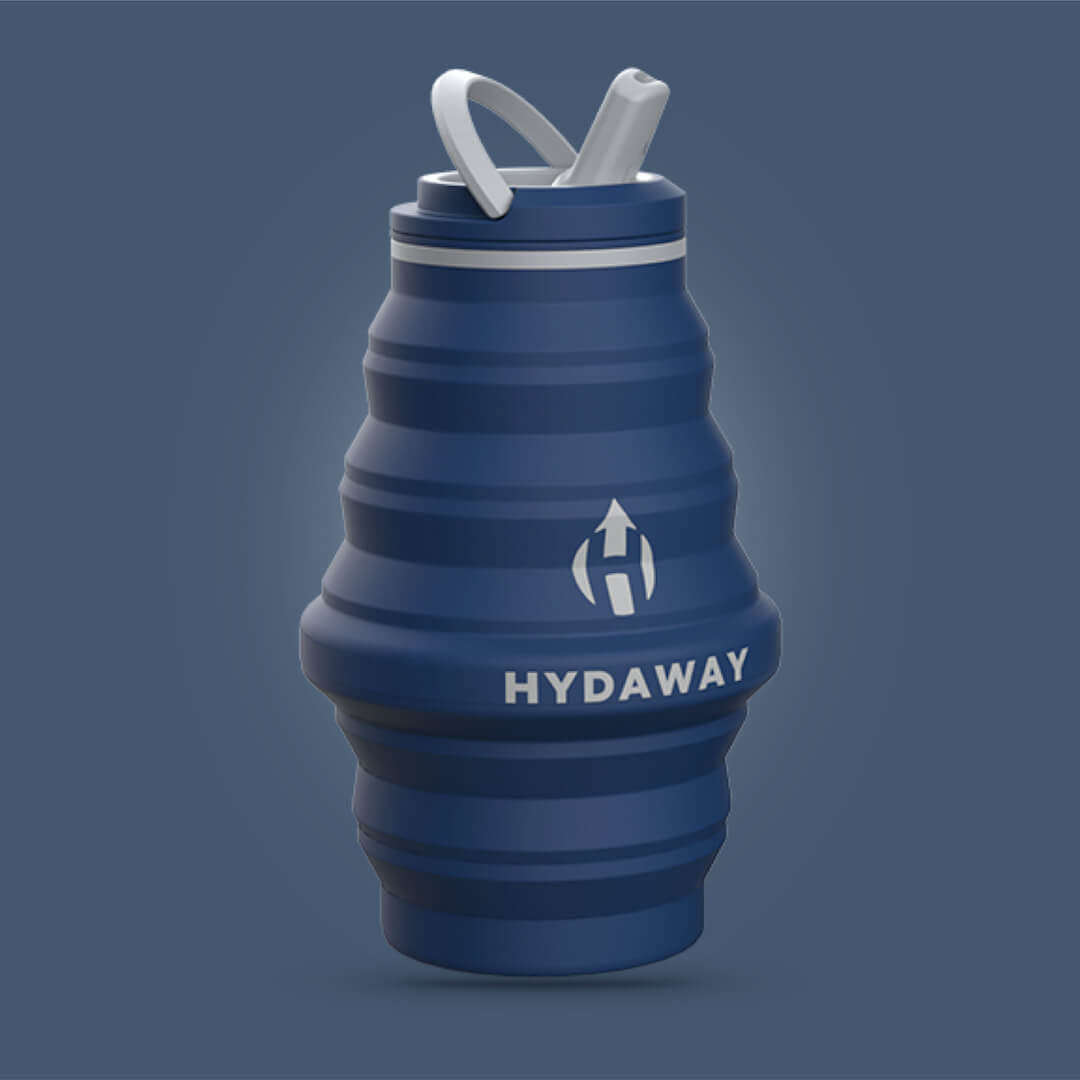
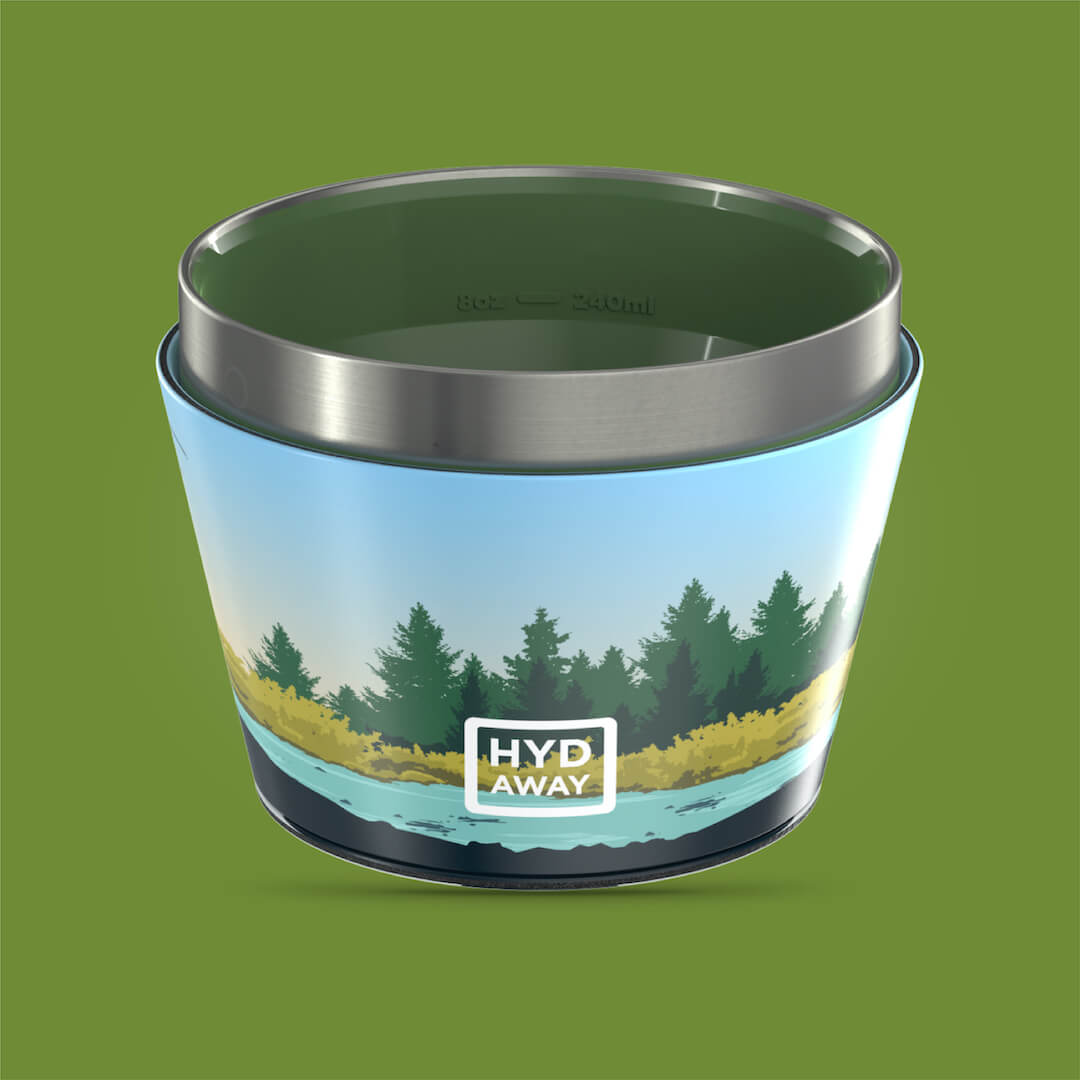
HYDAWAY makes that kind of practical travel easier with compact, collapsible hydration gear built for people who want to carry less without giving up function. If you want reusable bottles, bowls, and travel-friendly gear that fits real adventure life, explore HYDAWAY.