


Your Essential Guide to Water Storage Camping

When you're packing for a camping trip, water storage is a lot more than just tossing a few plastic bottles in the cooler. It's really the bedrock of a safe and enjoyable trip. The golden rule is simple: pack one gallon of water per person, per day. That covers drinking, cooking, and basic clean-up, making sure you stay hydrated and healthy no matter how far you are from the nearest tap.
Why Smart Water Storage is Non-Negotiable
It’s easy to look at a sparkling mountain stream and think your water situation is sorted. But relying on what nature provides without a solid plan is a gamble you don’t want to take. Even the most pristine-looking water can be home to invisible bacteria and parasites, which is why a dependable water storage camping strategy is absolutely essential for your health and peace of mind.
And moving beyond single-use bottles isn't just about safety—it's about making your life easier and being kinder to the planet. A good system means you won't be caught without water for that crucial morning coffee or for washing up after dinner. It also dramatically cuts down on plastic waste, something more and more of us outdoor lovers are conscious of.
The Foundation of a Safe Trip
Think of your water supply as the single most critical piece of gear you bring. If you run out, every other part of your trip is compromised. Dehydration can creep up on you fast, especially when you're active, leading to headaches, fatigue, and bad decision-making. A dedicated water plan just erases those risks.
This shift in thinking isn't just happening around the campfire; it's showing up in the outdoor gear market. The global demand for water storage systems is climbing, with the market expected to hit $19.85 billion. Specifically, the market for collapsible water bags is growing steadily, thanks to more people wanting sustainable and packable ways to stay hydrated while camping and hiking.
Your water strategy isn't an afterthought; it's the lifeline that ensures your adventure is memorable for all the right reasons. Proper planning transforms water from a potential problem into your most reliable resource.
For a practical example, imagine a family car camping for a weekend. A large, central water container can be a game-changer. This is where clever gear like HYDAWAY's 1.5 Gallon collapsible jug really shines. It holds plenty of water for everyone but packs down small to free up precious cargo space on the way home. This approach simplifies everything, from refilling personal bottles to washing dishes, letting you enjoy the trip without worrying about your water supply. To see how a great water system fits into your overall kit, check out our guide on the best camping gear for beginners.
Choosing the Right Water Container for Your Trip
Picking the right gear for storing water on your camping trip isn't about finding one "best" option. It's really about matching the container to your specific adventure. After all, not all containers are created equal. Your choice is going to hinge on your camping style, how many people are with you, and what you plan on doing out there.
Think of it like choosing a vehicle for a trip. A big, rigid jerry can? That's your dependable work truck. It's tough, holds a ton, and is perfect for a base camp where you set it up and leave it. On the other hand, an ultralight bladder is like a sleek road bike: minimalist, weighs next to nothing, and is ideal for a solo backpacker clocking serious miles. Each has its place, and the secret is knowing which one fits the job.
Match the Container to Your Camping Style
The best way to figure this out is to look at how you camp. A family setting up for a weekend at a drive-in campsite has totally different water needs than a couple heading deep into the backcountry for a multi-day hike.
- The Family Glamper: When you've got a group, a large, central water source is a total game-changer. This "base camp" station gets used for everything—refilling personal bottles, cooking meals, and washing up.
- The Weekend Warrior: If you're just getting away for a quick trip, you want something portable and easy. It needs to be simple to fill, carry, and stash away without any fuss.
- The Solo Backpacker: Out here, every single ounce counts. The focus shifts to ultralight, compact solutions that give you just enough water without weighing down your pack.
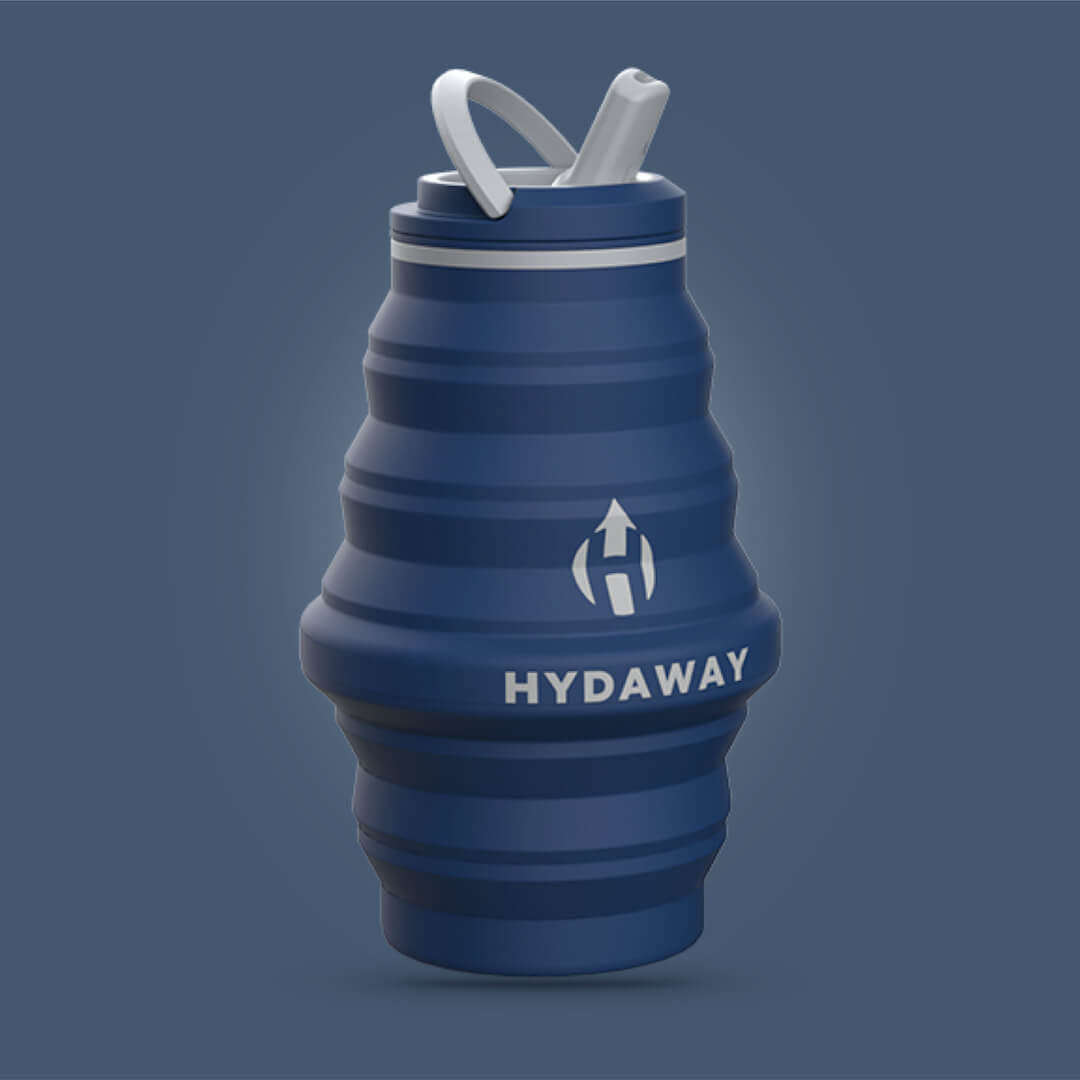
This is where having a flexible system really pays off. For instance, the HYDAWAY 1.5 Gallon Jug is a fantastic solution for family car camping. It’s big enough to act as your main hydration hub, but it collapses completely flat when it's empty. That saves a massive amount of space for the drive home. Pair that with HYDAWAY’s pocket-sized collapsible bottles for each person's day pack, and you’ve got a complete, space-saving system that adapts to your needs.
The goal isn’t just to carry water; it’s to build an efficient hydration system. Combine a high-capacity base container for camp life with smaller personal bottles for individual excursions to cover all your needs.
When you're deciding on your main water source for the trip, this little decision tree can help point you in the right direction.
As you can see, you've got two main paths: treat water from a natural source or bring your own clean supply. For most camping scenarios, bringing your own is by far the most direct and safest bet.
Rigid vs Collapsible vs Bladders
To help you finalize your choice, it’s worth thinking about the tradeoffs between the different types of containers. Each comes with its own set of pros and cons.
Here’s a quick breakdown to help you compare your options at a glance.
Camping Water Storage Options Compared
| Container Type | Best For | Capacity Range | Pros | Cons |
|---|---|---|---|---|
| Rigid Containers | Base camps, car camping, RVs | 5-10 gallons | Extremely durable, easy to clean, often have spigots. | Bulky, take up the same space empty or full, heavy. |
| Collapsible Jugs | Car camping, group trips, saving space | 1-5 gallons | Packable and space-saving, lightweight, versatile. | Can be less durable than rigid, may be harder to clean. |
| Hydration Bladders | Backpacking, hiking, biking | 1-3 liters | Hands-free drinking, fits in a pack, lightweight. | Difficult to fill and clean, can be punctured easily. |
| Water Bottles | Personal use, day hikes, everyday carry | 16-32 ounces | Portable, easy to use and clean, tons of variety. | Limited capacity, not ideal for a primary group source. |
Choosing the right one really boils down to what your trip looks like.
Rigid containers are incredibly tough, but they're also bulky—taking up the same amount of room whether they're full or empty. Hydration bladders are awesome for sipping on the move, but they can be a real pain to clean and awkward to fill.
Collapsible containers offer a fantastic middle ground. You get the high capacity you need for camp, but with the amazing benefit of packability. For a deeper dive into why they're a top choice for modern campers, you can check out all the benefits of collapsible water containers for camping in our dedicated guide. And for those building a more permanent setup, you can find great insights in a complete campervan conversion guide on how to integrate larger, fixed water systems.
At the end of the day, the best setup is the one that fits seamlessly into your adventure.
Calculating Your Exact Water Needs for Camping
Running out of water miles from anywhere isn't just an inconvenience; it's a real danger. You've probably heard the classic rule: pack one gallon of water per person, per day. But here's the thing—treating that as a hard and fast rule can get you into trouble.
Think of it as your absolute bare minimum, a starting point for your water storage camping plan. That gallon covers basic drinking, a little cooking, and a quick wash-up. But your specific adventure will almost certainly call for more.
Adjusting for Your Unique Trip
A few key factors can send your daily water requirements soaring. Getting this wrong can quickly turn a great trip into a dangerous one. You have to think through the specifics of where you're going and what you'll be doing.
-
Climate and Weather: Camping in the scorching desert of Utah in July is a completely different ballgame than a cool, misty weekend in the Pacific Northwest. High temps and dry air make you sweat more, meaning you need to drink a lot more. For hot, dry conditions, you should be planning on 1.5 to 2 gallons per person.
-
Altitude: Heading for the mountains? The air gets thinner and drier the higher you climb, which sneaky-fast dehydrates you. If you’re setting up camp above 5,000 feet, you’ll need to consciously up your water intake to keep up.
-
Activity Level: A lazy weekend reading by the lake demands way less water than a grueling 10-mile hike to a summit. It’s simple, really: the harder you work, the more you sweat, and the more you need to drink.
A Practical Calculation Formula
Okay, let's get down to the nitty-gritty and put a real number on it. This simple formula helps turn those general rules into an actual amount of water you need to pack.
(Number of People) x (Number of Days) x (Gallons per Day) = Total Water Needed
Let’s run through a real-world example. A family of four is planning a 3-day car camping trip. The weather will be moderately warm, and they've got some light hiking on the agenda.
- Calculation: 4 people x 3 days x 1.5 gallons = 18 gallons total
Now, imagine trying to cram eighteen individual gallon jugs into an already packed car. It's a bulky, plastic-waste nightmare. This is where a smarter system makes all the difference.
Instead, they could use two or three large-capacity containers, like our HYDAWAY 1.5 Gallon Jugs, to act as a "base camp" water supply. These are perfect because they hold a ton of water but collapse down to almost nothing when they're empty, freeing up a massive amount of space for the ride home. Then, everyone can just refill their personal HYDAWAY bottles before heading out to explore for the day. Simple, smart, and way less wasteful.
Keeping Your Water Safe with Filtration and Treatment
Even the clearest, most inviting backcountry stream can be a risky gamble. What you can’t see—nasty microscopic bugs like Giardia and Cryptosporidium—can turn a great trip into a miserable one in a hurry. That’s why a reliable way to filter or treat your water is a non-negotiable part of any smart water storage camping plan when you're relying on natural sources.
Think of a water filter as a microscopic bouncer at the door of your water bottle. It uses tiny pores to physically block harmful protozoa and bacteria, letting only the clean water through. Treatment methods, on the other hand, are like a special forces team, using chemicals or UV light to neutralize the threats inside the water.
Choosing Your Purification Method
There’s no single "best" way to purify water; the right choice really comes down to your trip's style, how many people you're with, and where you're headed. Each approach has its own personality and strengths.
Here are the most common and reliable options out there:
- Boiling: This is the old-school, tried-and-true method. Bringing water to a rolling boil for just one minute (or three minutes if you're above 6,500 feet) kills pretty much everything. It's foolproof but eats up a lot of fuel and time, making it better for big pots of water at camp than for filling up your bottle mid-hike.
- Chemical Tablets: Lightweight, cheap, and dead simple. You just pop an iodine or chlorine dioxide tablet in your water and wait. The biggest downsides are the slight chemical aftertaste and the waiting game, which can be anywhere from 30 minutes to 4 hours before the water is safe.
- UV Purifiers: These handy gadgets use ultraviolet light to scramble the DNA of microorganisms, making them harmless. They're quick, effective, and don't add any weird taste to your water. You just have to remember they run on batteries and don't work as well in cloudy or murky water.
- Water Filters: Modern pump, squeeze, or gravity filters are wildly popular for a reason. They physically strain out bacteria and protozoa instantly, with no chemicals or waiting required. They're a fantastic all-around choice for solo hikers and groups alike.
The most resilient water safety strategy combines both collection and purification. Use a large, durable container to gather water from a source, then treat it back at camp to create a safe, centralized supply for drinking, cooking, and cleaning.
A Practical Campsite Water System
Picture this: you've set up a base camp near a river. Instead of everyone fumbling with their own little filters every time they need a drink, you can create an efficient central water station. This is where something like your HYDAWAY 1.5 Gallon Jug shines, becoming more than just a container—it becomes the heart of your safety system.
You can easily fill the wide-mouth jug from the stream, haul it back to camp, and drop in a few purification tablets. After the wait, you've got over a gallon of safe, ready-to-use water for the whole crew. This central hub makes it a breeze to refill personal bottles, wash dishes, and cook, keeping everyone hydrated with minimal fuss.
This practical approach is part of a bigger global trend toward smarter, more sustainable outdoor gear. The adoption of advanced materials, like BPA-free plastics and clever collapsible designs, is especially strong in Asia Pacific. It shows how water storage for camping is part of a wider movement toward resilient, eco-friendly practices. You can read more about these trends in water storage systems on precedenceresearch.com.
Maintaining Your Gear for Fresh and Clean Water
Your water storage camping gear is a pretty important investment—it directly impacts your health and how much you enjoy your time outside. But even the best gear is only as good as its last cleaning. If you skip this simple step, you're setting yourself up for funky tastes, weird smells, and even the growth of some nasty mold or bacteria.
The good news? Keeping your bottles and jugs in top shape is easy. Most of the time, a quick rinse with soap and hot water after a trip does the trick. But for a really deep clean after a long adventure or before you pack everything away for the season, you'll want to be a bit more thorough. Think of it like maintaining the gear in your RV—just like you'd look into expert water tank cleaning services for a big rig, your portable gear needs that same level of care.
A Simple Cleaning Routine
You don't need any fancy equipment for a deep clean; a few common household items will work wonders. This method works great for all kinds of containers, from rigid jugs to collapsible bottles.
- Mix Your Solution: Toss about a tablespoon of baking soda into your container, followed by a little splash of white vinegar or lemon juice.
- Add Warm Water & Shake: Fill the container about halfway with warm water, screw the lid on tight, and give it a really good shake for a minute or so. The baking soda acts as a gentle abrasive to scrub the inside.
- Let It Soak: Let the mixture sit for at least 15-20 minutes. This will help knock out any stubborn odors that have decided to stick around.
- Rinse & Dry: Dump out the solution and rinse the container thoroughly with clean water until you can't smell or taste any of the cleaning mix.
Now for the most important part: drying. Let your containers air-dry completely with the lid off before you put them away. Trapped moisture is mildew’s best friend, so you want to make sure they are bone dry.
The HYDAWAY Advantage in Maintenance
This is where thoughtful design really shines. We've all struggled with those old-school rigid jugs that are awkward to wash, and don't even get me started on trying to dry out a bottle with a tiny opening. It's a real pain.
HYDAWAY’s collapsible jugs and bottles were designed to solve this exact problem. Their wide-mouth openings make them super easy to clean by hand and allow for plenty of airflow, so they dry out completely and quickly.
Plus, they're made from durable, food-grade materials that won't hold onto weird tastes or smells from yesterday's drink. We made sure these materials are totally free of harmful chemicals. If you want to dive deeper, our guide breaks down everything about using BPA-free plastic for your water containers. It’s all part of our goal to help you spend less time cleaning and more time planning your next trip.
Common Questions About Water Storage For Camping
Even when you think you've got it all figured out, a few questions about water storage for camping always seem to sneak in. Nailing down the details can be the difference between a pretty good trip and a truly great one. This section tackles some of the most common things campers ask, so you can feel confident your hydration plan is solid.
We'll cover everything from using makeshift containers to battling extreme temperatures, making sure you're ready for whatever your adventure throws your way.
Can I Just Use Old Milk Jugs for Camping Water?
It's a tempting thought, especially if you're trying to save a few bucks, but using old milk jugs is a shortcut you don't want to take. Those containers are designed for a single trip from the store to your fridge—not for getting knocked around in the back of a car on a bumpy road. They get brittle and can crack easily.
Worse yet, their narrow openings are a nightmare to clean properly. It's almost impossible to get them totally dry inside, which creates a perfect breeding ground for bacteria. A dedicated, BPA-free container is a small investment for a whole lot of peace of mind. Something built for the job, like a HYDAWAY jug, is way more durable, reliable, and won’t leave you with a surprise puddle in your trunk.
How Do I Stop My Water From Freezing in the Winter?
Cold-weather camping adds a whole new challenge to keeping your water, well, water. No one wants to wake up to a solid block of ice when they're thirsty. Luckily, there are a few simple tricks to keep your water flowing.
- Start Warm: If you can, fill your containers with warm water (not boiling!) before you leave. This gives you a head start against the dropping temperatures.
- Insulate at Night: This is the most important part. Wrap your water containers in a spare puffy jacket, or even better, tuck them into your sleeping bag with you. Your body heat is more than enough to keep the water from freezing solid overnight.
- Store Upside Down: Ice forms from the top down. Flipping your bottles upside down can keep the threads on the cap from freezing shut, so you can actually open it for a drink in the morning.
Pro-tip: Wide-mouth bottles are your best friend for winter camping. The larger opening is much less likely to freeze completely solid compared to a narrow one. This is another practical advantage of using a product like a HYDAWAY bottle for your personal hydration in the cold.
The absolute best way to prevent freezing is insulation. Whether it's a fancy sleeve, a spare jacket, or your own sleeping bag, creating that thermal barrier is your best defense against an icy surprise on a cold morning.
What's the Best Way to Transport Water for Car Camping?
For car camping, the most efficient setup is a two-part system. You have one large "base camp" container for the bulk of your water and smaller, personal bottles for everyone to use during the day. This approach keeps things organized and ensures everyone has easy access to a drink.
A large collapsible container is the real hero here. For instance, the HYDAWAY 1.5 Gallon Jug is perfect because it holds plenty of water for cooking, cleaning, and refills. But the real magic is what happens on the trip home—when it's empty, it squishes down flat, freeing up a ton of valuable space in your packed car. Everyone can then carry their own lightweight bottle for hikes, refilling from the main jug whenever they need to.
Is It Safe to Leave Water Inside a Hot Car?
Leaving water in a hot car is something you definitely need to be careful about, especially if you're using flimsy, single-use plastic bottles. High heat can cause chemicals like BPA to leach out of the plastic and into your water, which is a real health concern. This is one of the biggest reasons why investing in high-quality, reusable containers is a much smarter move.
Using a BPA-free container dramatically lowers this risk, though the water will still get unpleasantly warm. The best practice is to store your water in a cooler if it has to stay in the car for a while. Even better, just get in the habit of taking your personal water bottle with you whenever you hop out of the car. This is easy to do with a packable HYDAWAY bottle that you can clip to a bag or slip into a pocket.
Ready to build a smarter, more convenient hydration system for your next trip? The HYDAWAY lineup of collapsible jugs and bottles is designed to save space without compromising on performance, making your water storage for camping simpler and more reliable. Explore the full collection and find the perfect gear for your adventures at https://myhydaway.com.