


Discover Plastic Free Lunch Containers for Sustainable Lunches

Plastic-free lunch containers swap single-use boxes and bags for sturdy, lasting options that are kinder to both your body and the planet. In 2024, with hybrid work and remote school routines on the rise, this guide is your roadmap to ditching microplastics, cutting down kitchen clutter, and packing meals in durable, non-toxic containers starting today.
Why Switch To Plastic Free Lunch Containers
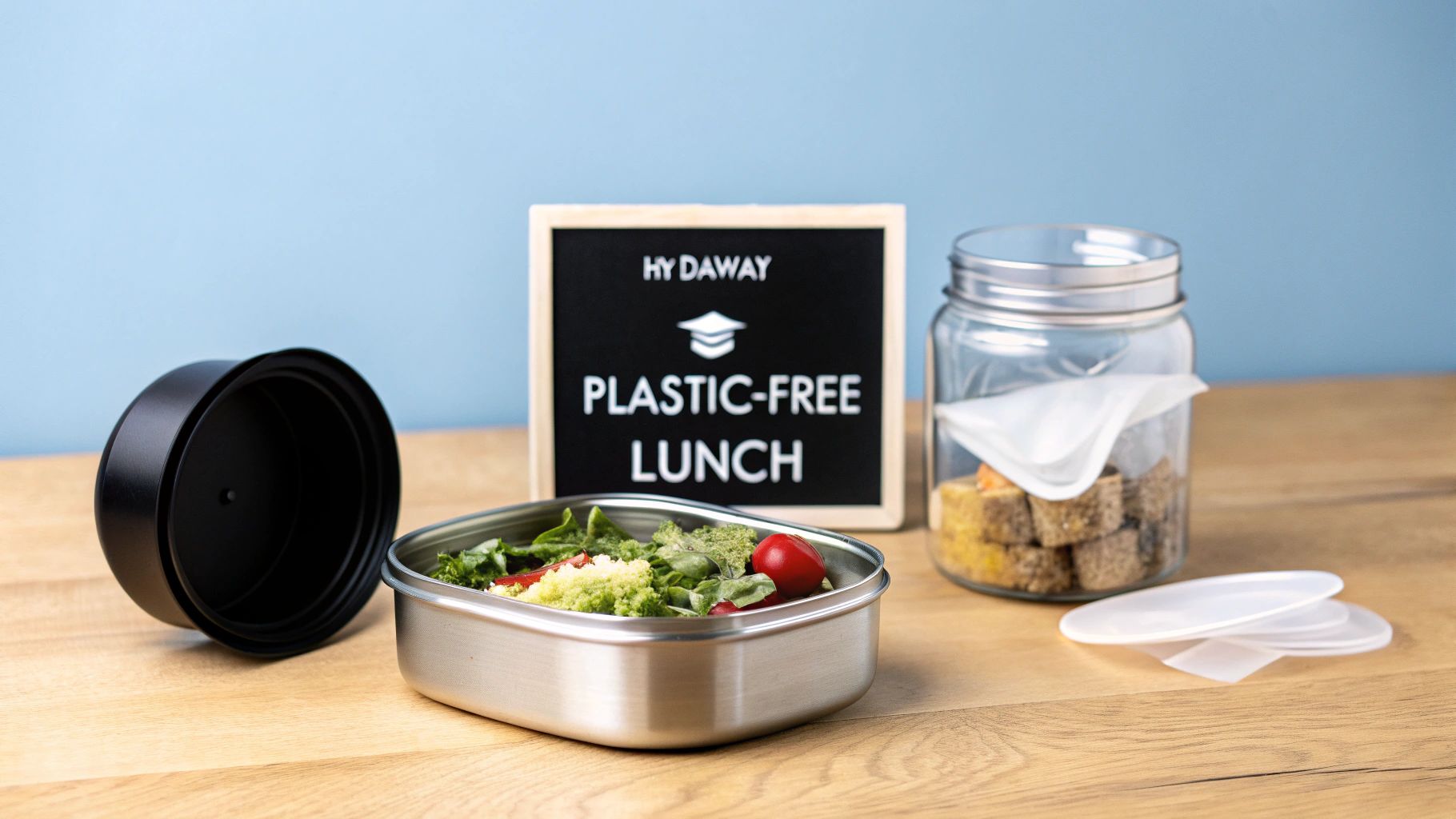
Every day, millions of disposable lunch bags and flimsy boxes head straight to landfills. Over time, those collapsing piles shed microplastics that can wind up in your sandwich—definitely not the topping you had in mind. Single-use plastics don’t just clutter our trash; they can migrate into our bodies, too.
Every year over 5 million tons of plastic from food packaging contaminates soil and water
Key Benefits Of Plastic Free Containers
- Built to Last: Metal and glass containers laugh at cracks and stains, making flimsy zip-top bags feel instantly passé.
- Chemical-Free Eating: Stainless steel, glass, and bamboo cut out BPA and phthalates, so your food stays pure.
- Space-Savvy Designs: Collapsible bowls and stackable boxes free up shelf and backpack room, banishing clutter once and for all.
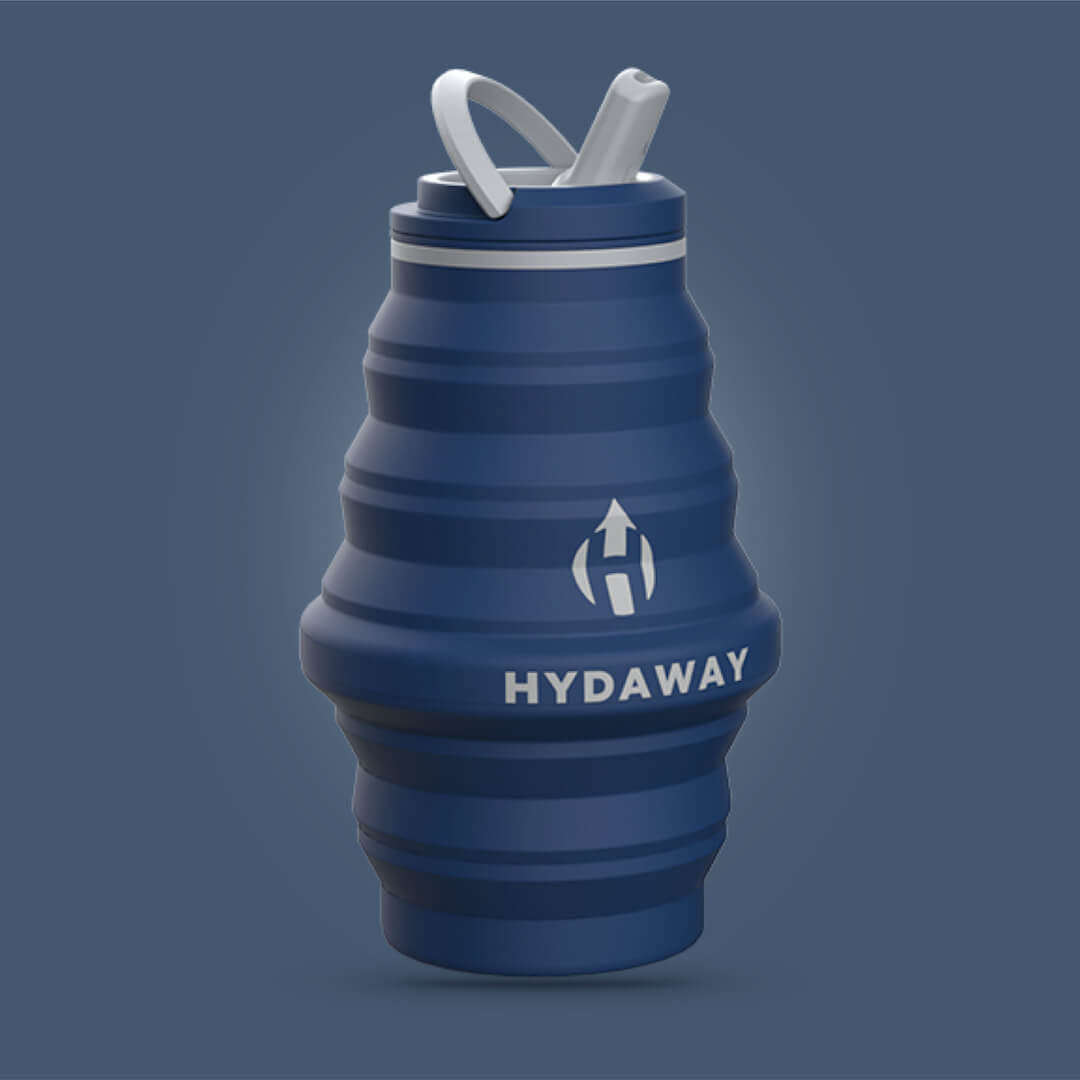
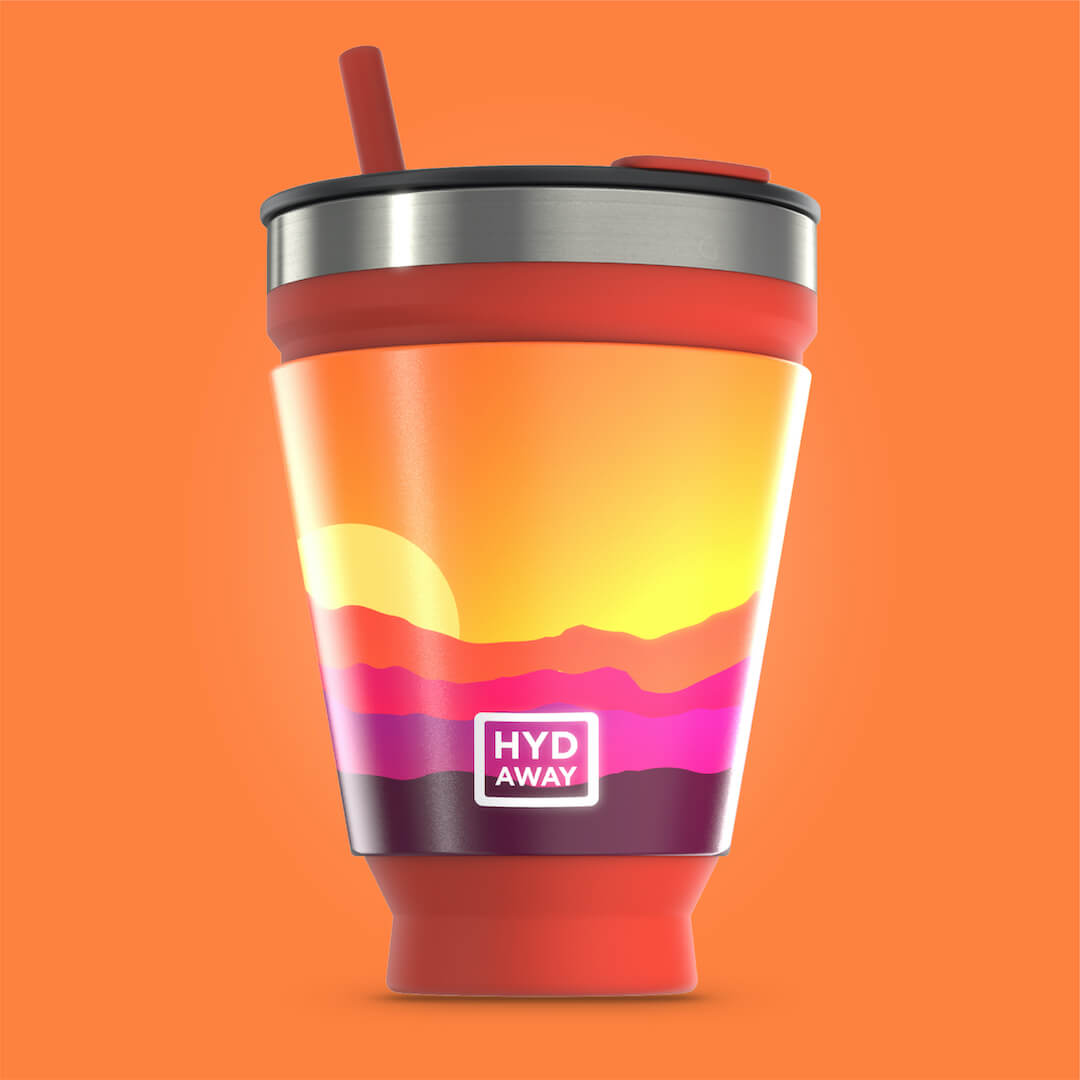
Switching containers doesn’t just feel good; it makes meals look and taste better. Picture a glass jar brimming with vibrant veggies during your midday Zoom break—far more inviting than a wrinkled plastic wrap. Enter HYDAWAY’s collapsible, spill-proof lunch systems. Their BPA-free bowls and cups compress to a slim 2 inches, fitting smoothly into any commuter tote, backpack, or stroller bag. Whether you’re off to work, hiking a trail, or chasing the kids through a theme park, these space-saving marvels simplify your day. Learn more strategies in our guide on reducing plastic waste.
Over the coming sections, we’ll unpack essential materials, packing hacks, and cleaning tips. By the end, you’ll be ready to swap out single-use plastics for good.
What To Expect In This Guide
- Plastic-Free 101: Demystify what “plastic free” really means
- Material Match-Up: Compare stainless steel, glass, silicone, bamboo, and more side by side
- Packing For Every Scenario: Tips for commuters, campers, families, and even theme-park pros
- Care & Maintenance: Cleaning and upkeep to keep your containers fresh and leak-free
Ready to revolutionize your lunch routine in 2024? Let’s dive into material options and see what clicks for you.
Materials And Benefits Of Plastic Free Lunch Containers
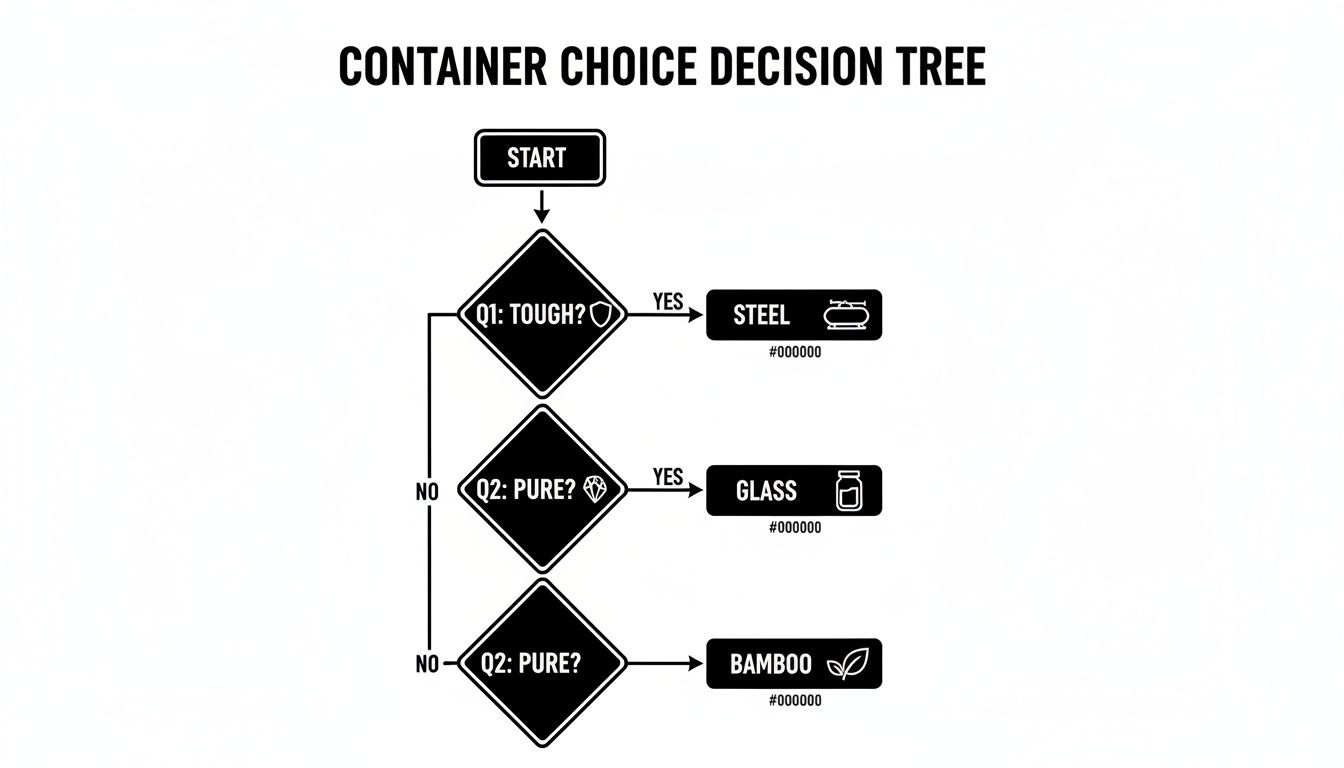
If you’re hunting for lunch containers that ditch plastic but still handle daily drops and dings, understanding each material’s strengths makes all the difference. Think of stainless steel as your battle-tested warrior—unfazed by falls or dents. Glass steps in like a crystal jar: it preserves flavor and locks out odors. Bamboo brings the warmth of a forest grove to your meal, offering a natural touch with built-in antibacterial properties.
- Stainless Steel: Tough, dishwasher-safe, and won’t react with acidic dressings.
- Glass: 100% infinitely recyclable, crystal clear taste retention, and a breeze to clean.
- Bamboo: Fast-growing, lightweight, and naturally antimicrobial once sealed correctly.
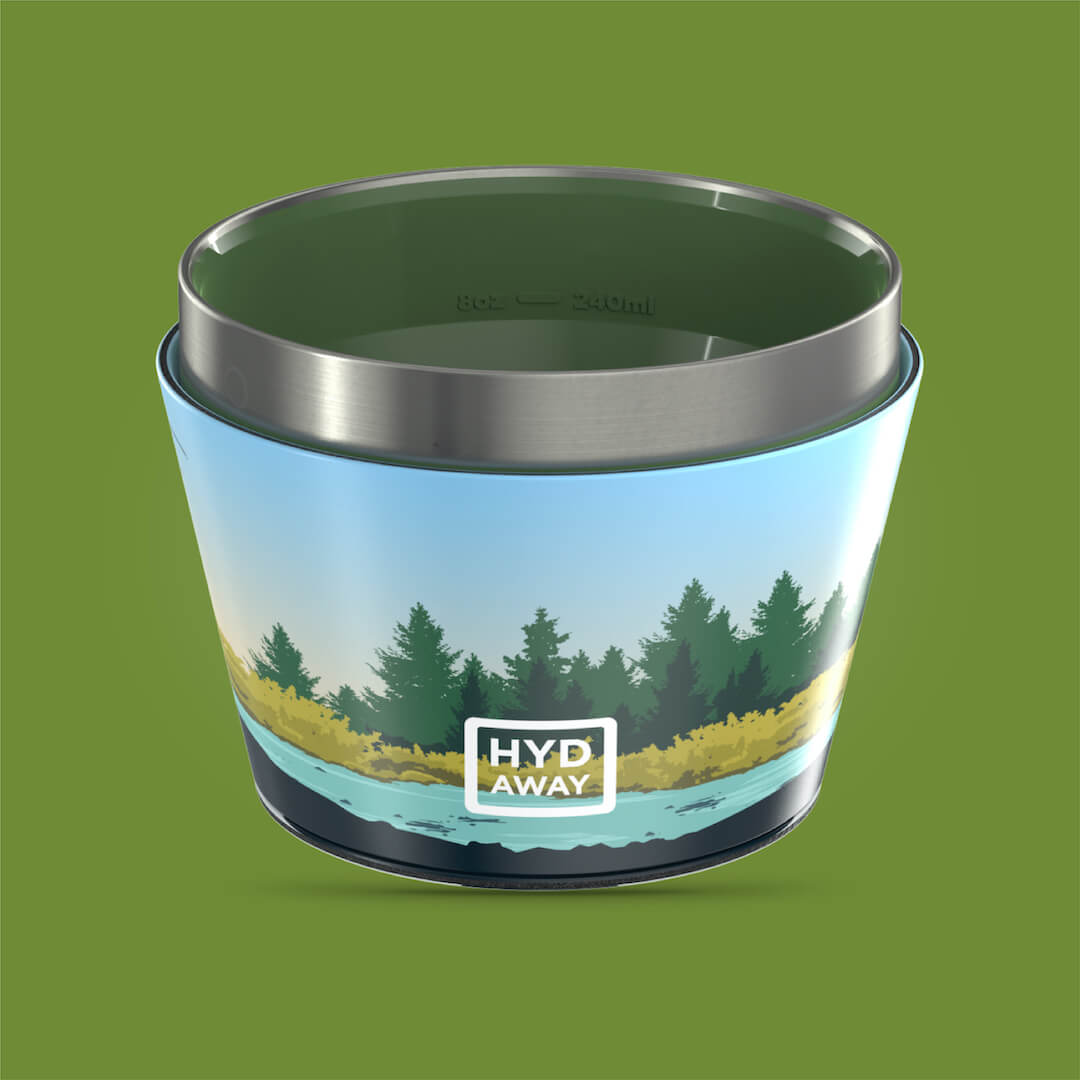
Silicone-lined steel containers blend insulation and flexibility—ideal for commuters, hikers, and van-lifers. HYDAWAY’s collapsible silicone-lined steel bowls seal tightly against spills and help keep soups hot or salads crisp, no matter how bumpy the ride. In August 2024, busy remote workers in Austin reported using their HYDAWAY bowls daily to streamline lunches between back-to-back virtual meetings.
Material Benefits And Trade-Offs
Switching to plastic free lunch containers means you can finally say goodbye to sneaky chemical leaching. No BPA. No phthalates. Just pure meals.
Over time, sturdier materials actually cost less—you’ll replace scratched plastic far more often. Global data estimates the plastic lunch box market at around USD 5 billion by 2025, moving roughly 5 billion units a year, with plastics making up 44.0% of insulated boxes. That’s a lot of room for greener options.
- Health Advantage: Steel and glass prevent unwanted chemicals from migrating at any temperature.
- Environmental Impact: Recyclable metals and renewable bamboo shrink your footprint.
- Cost Efficiency: One solid container outlasts dozens of throwaways.
“Choosing a non-plastic container is like swapping disposable cutlery for a metal set—small steps stack up to big landfill savings.”
Assessing Material Trade Offs
Every option brings its own set of trade-offs in weight, insulation, and durability. Stainless steel can feel hefty tucked in your bag, while glass demands a gentler touch. Bamboo shines with dry goods or chilled dishes but may struggle to seal in steamy soups.
Picture a September road-trip: lined up steel bento boxes stay put on twisty highways. At a theme park, glass jars hold crisp salads far better than flimsy plastic wraps. When you add HYDAWAY’s collapsible bowls, you get flexible walls that shrink by 80% in your pack and leak-proof lids you can trust on hiking trails. Each reuse of a HYDAWAY bowl replaces dozens of single-use bags and wraps. On average, families save $120 a year by locking in long-lasting containers.
You might be interested in learning more about alternatives to plastic in our detailed guide on
Alternative To Plastic
Start by matching material traits to your routine. Active commuters will love how silicone-lined steel collapses flat after lunch. Home cooks can show off vibrant salads in glass jars that slide right into the microwave.
Comparing Plastic Free Container Materials
Finding the right plastic-free lunch container boils down to matching material characteristics with how you live your day. Weight, insulation, durability, leak resistance, and cleaning ease determine whether a container thrives on your morning commute or under campfire sparks.
Picture scooping bright greens from a glass jar at your office desk. Or filling a steel bowl with savory stew on a windswept trail. Maybe you’re at the beach, stacking meals on compostable fiber trays. Or you’re a parent slipping colorful bamboo boxes into your kids’ packs.
- In the office, glass earns praise for its clarity and stain resistance.
- On rugged hikes, stainless steel flexes its unbreakable muscle.
- Beach picnickers favor molded fiber trays for their featherweight compostability.
- Families turn to bamboo containers for that warm, natural touch.
Material Tradeoffs At A Glance
Here’s a snapshot to weigh each material’s strengths in real life. Use this when you’re deciding between a steel pot for backcountry chili or a sleek glass jar at your desk.
Comparison Of Plastic Free Container Materials
| Material | Weight | Insulation | Durability | Leak Resistance | Ideal Use Case |
|---|---|---|---|---|---|
| Stainless Steel | Heavy | Good | Excellent | Moderate (with gasket) | Hiking, rugged travel |
| Glass | Moderate | Fair | High | Low (unless sealed) | Office, home meals |
| Bamboo | Light | Poor | Moderate | Low | Dry snacks, picnics |
| Silicone-Lined | Lightest | High | Good | High | Commuters, van life |
| Molded Fiber | Very light | Poor | Low | Very low | Single-use, compostable |
This side-by-side view helps you align material strengths with activities and temperature needs—from icy salads at your desk to simmering chili by the campfire.
Real World Use Cases
Everyday adventures call for containers that adapt. HYDAWAY’s silicone-lined collapsible bowls strike that balance between featherweight packing and rock-solid seals. They collapse by 80%, sliding into tight backpack pockets, then spring open into sturdy bowls when lunchtime rolls around.
A commuter tucks one into a briefcase for on-the-go salads. A digital nomad fills it with crisp Buddha bowls at a co-working space. And a van-lifer stirs in hot chili by the campfire without lugging bulky cookware. In 2024, co-working hubs in Seattle reported that HYDAWAY users empty their bowls within minutes of opening, thanks to the fresh presentation.
-
Stainless Steel
Pros: Tank-like toughness, temperature safe
Cons: Feels bulky on long hikes -
Glass
Pros: Flavor purity, effortless cleaning
Cons: Shatters if dropped -
Bamboo
Pros: Earthy vibe, natural antimicrobial
Cons: Tricky to seal tight -
Silicone-Lined
Pros: Ultra-packable, spill-proof
Cons: Slightly higher cost than molded fiber
“A container you can trust not to leak turns every hike or commute into an easier journey.”
Cleaning Ease And Care
Hygiene and longevity hinge on simple cleaning routines.
- Stainless steel: Dishwasher safe; skip steel wool to avoid scratches.
- Glass: Most oven-safe glass items handle the dishwasher; lids often need a gentle hand wash.
- Bamboo: Hand wash with mild soap; dry quickly to prevent warping.
- Silicone-Lined: Top-rack dishwasher safe; pop out the seals for a proper scrub.
- Molded fiber: Designed for one meal; compost when you’re done.
HYDAWAY bowls slide into the dishwasher’s top rack with no fuss. Their removable seals snap off to soak, so odors don’t stand a chance. Set a weekly smartphone reminder to deep-clean your seals and keep days fresh.
By balancing weight, insulation, durability, leak resistance, cleaning ease, value, and budget, you’ll land on the container that fits your office grind, backcountry trek, or seaside picnic. Happy packing!
The shift from plastic to plastic-free lunch containers is accelerating, with eco-friendly food packaging revenue hitting USD 227.96 billion in 2024 and forecast to reach USD 353.78 billion by 2030 driven by diverse materials. Learn more about this market growth in the Grand View Research report.
Check out our guide on collapsible silicone food containers to see how HYDAWAY designs meet your daily and travel needs.
Choosing Container Sizes And Packing For Real Use Cases
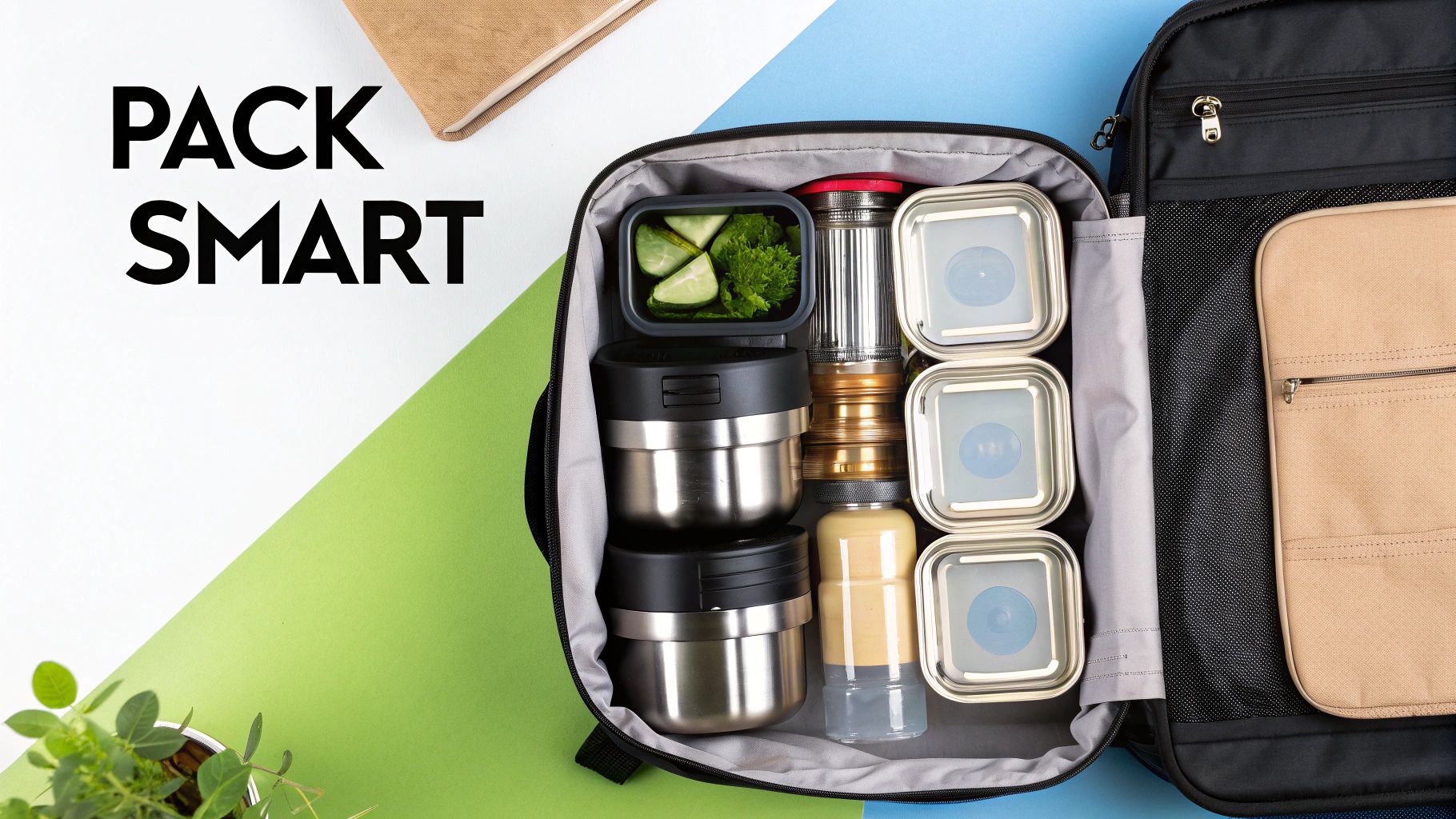
Packing for your meals is a balancing act. You want just enough room for proteins, grains, and veggies without hauling extra weight. Understanding portion sizes helps you pick the perfect container—and skip stale leftovers.
Sizing For Busy Office Workers
Mondays and deadlines call for a lunch routine that’s quick and reliable. A 500ml bowl alongside a 200ml snack cup usually nails the main, side, and nibble trio. HYDAWAY’s nested silicone cups collapse flat after use, freeing up pocket space in backpacks and briefcases alike.
“Using the right bowl size can reduce leftover waste by 30%,” says nutrition expert Sam Lee.
No more juggling lids or digging for the right container.
Packing For Families On Road Trips
Road food can quickly become chaos without a system. Grab a 1L main-dish container and add smaller modules for fruit, dips, and snacks.
- Fill a 1L HYDAWAY insulated bowl with a pasta salad.
- Nest collapsible cups for sauces and crunchy treats.
- Stack it all in a tote that slips into your car door pocket.
Families at Six Flags saved over $50 in July 2024 by packing homemade meals in their modular HYDAWAY kit. Clear steps and stackable pieces keep everyone fueled between pit stops.
Tips For Van Lifers And Outdoor Adventurers
When every ounce counts, container choice is mission-critical. Opt for 250ml collapsible bowls for steamy soup and 150ml cups for trail mix. Layer hot and cold in one vessel: soup below, salad on top.
- Pack reusable cutlery and cloth napkins.
- Pre-measure ingredients to ditch extra packaging.
- Bring a sealable compost bag for scraps.
HYDAWAY’s silicone-lined bowls collapse by 80%, trimming bulk for long hauls.
Practical Checklist For Portion Control And Variety
| Container Size | Ideal Portion | Use Case |
|---|---|---|
| 500ml | 2 cups salad | Office |
| 1L | 1.5 cups main | Road trip |
| 250ml | 1 cup soup | Hiking |
| 150ml | Snack portion | Van life |
Match your meal plan with container capacity to avoid wasted space.
Layering And Space Optimization Tips
- Stack ingredients vertically, heavier items at the bottom.
- Use dividers or mini silicone cups to keep textures separate.
- Choose nested pieces that fit inside one another.
A hot curry under a crisp salad cup proves you can keep flavors distinct in a single vessel.
- Label lids with meal names for quick grabs.
- Pre-chill salad cups to preserve crunch.
- Store sauces in tiny cups to control moisture.
These tactics turn generic containers into a custom meal system.
Designing Your Custom Container Setup
Think of combining sizes like building blocks for your appetite. A commuter might pair a 500ml bowl with two 150ml snack cups in a slim tote. Van-lifers store a 1L bowl and nested cups in door pockets for easy access. Hikers trust 250ml collapsibles to shave ounces off their load.
Before you hit the road, pack full setups at home to test fit and balance. With these strategies, any lifestyle finds a match in plastic-free lunch containers. Start mixing combinations that reduce waste and suit your routine.
Real Life Packing Stories
Emily, a marketing manager in Denver, stacks a 250ml soup cup beneath a 150ml snack container every morning. She swears by this layering trick to save bag space and keep lunch crisp during her commute.
At Six Flags, the Thompson family loads sandwiches, fruit cups, and snack bins into their modular HYDAWAY kit. They save over $50 on park meals by bringing homemade food.
Hiker Raj nests three HYDAWAY bowls under his sleeping mat to cut pack bulk by 40%. His strategy makes steep climbs feel noticeably lighter in 2024.
Common Packing Mistakes To Avoid
Overfilled containers lead to leaks and warped lids.
- Ignoring portion sizes and ending up with leftovers.
- Using glass without protective sleeves on bumpy trips.
- Forgetting to collapse cups when not in use.
Steer clear of these missteps to keep meals intact and your bag tidy.
Best Practices To Streamline Packing
Plan your week’s meals before choosing containers.
- Label lids with cooking dates to rotate stock.
- Rinse trays right after use to prevent residue buildup.
- Let lids air-dry on a hook to maintain seal quality.
A little prep turns packing into a smooth, stress-free process.
Wrapping Up Your Packing Strategy
Pair the right sizes, master layering, and build setups that fit your lifestyle—office, car, or trail, your ideal kit awaits.
- Measure meals in advance to cut food waste by 25%.
- Practice collapse-and-expand at home to check seals.
- Rotate container combos to keep meals fresh.
Treat your lunch kit like a personal mini-kitchen on the go— it should be as unique as your day.
Maintaining And Cleaning For Longevity
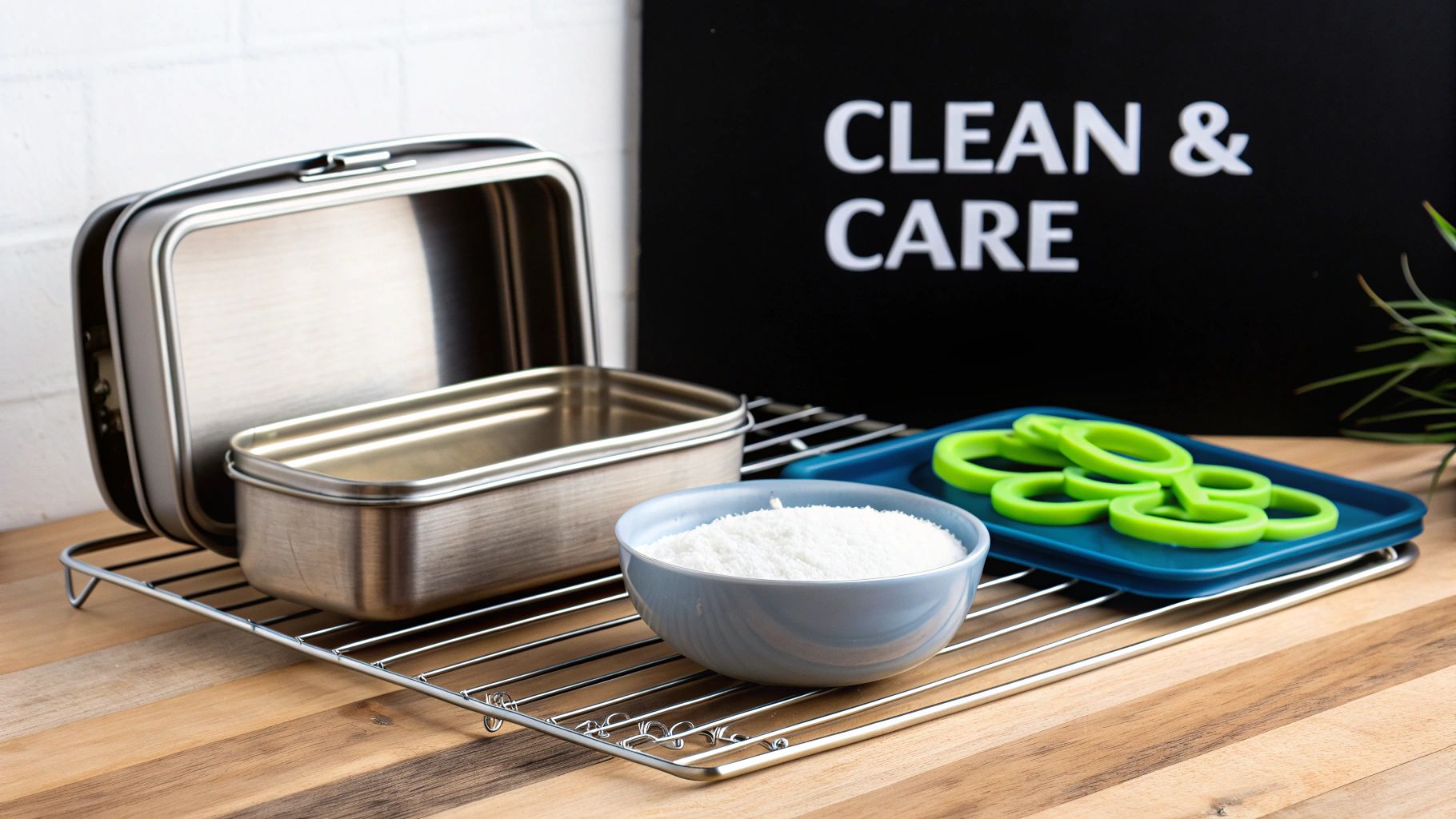
A grimy container isn’t just unappealing—it can weaken seals and trap odors. With a little attention, you can boost your gear’s lifespan by 30%. HYDAWAY bowls and lids reward simple, consistent care.
That said, you have two main paths. Hand washing treats materials gently but takes more time. A quick trip through the dishwasher speeds things up but can stress silicone gaskets over repeated cycles.
Got stubborn coffee rings? A dab of baking soda paste brings them right off. Lingering smells? Let an overnight vinegar soak work its magic.
“A well-maintained gasket prevents leaks for months,” says kitchen expert Lena Ortiz.
Cleaning Techniques Compared
-
Hand Wash
Pros: Kind to silicone seals, protects finishes
Cons: Requires elbow grease, longer drying -
Dishwasher
Pros: Hands-off, thorough—especially on the top rack
Cons: Heat and detergent can fatigue gaskets over many runs
Hand Washing Steps
- Fill your sink with warm water and a drop of mild dish soap.
- Gently scrub rims and corners with a soft brush.
- Rinse under running water until no suds remain.
- Pat dry with a clean towel or let parts air-dry upright.
Dishwasher Best Practices
- Always place bowls and lids on the top rack only
- Remove silicone seals and wash them by hand
- Opt for a gentle or eco cycle to keep temperatures low
Storage Best Practices
- Dry lids upright to maintain airflow
- Never stack damp parts—mold loves tight spaces
- Store gaskets in an open bin or breathable bag
- Rotate containers every few weeks to keep seals supple
Quick Hacks And Analogies
- Baking Soda Paste: Mix 2 tbsp baking soda with water for a gentle scrub on tea or coffee stains
- Vinegar Soak: Combine equal parts white vinegar and water for 30 minutes to neutralize odors
Think of gaskets like elastic recipes: handle them gently and slot them back with care.
Troubleshooting Common Issues
- Stuck Lids: Soak the rim in warm water for 5 minutes, then twist gently
- Mineral Buildup: Wipe problem spots with a vinegar-dampened cloth
- Discoloration: Apply baking soda paste, let sit for 10 minutes, then rinse
Maintenance Frequency Tips
- Weekly: Quick rinse and air-dry after each use
- Monthly: Deep-clean with a vinegar soak
- Annually: Swap out silicone gaskets at the first sign of wear
Stick to these simple rituals—your containers will stay leak-proof, tastes will stay fresh, and you’ll save money (and the planet) in the long run.
Sustainability Impact And Future Trends Of Plastic Free Lunch Containers
Every time you peel open a single-use plastic bag you contribute more microplastics to our planet—and that add-up is staggering. Picture a school cafeteria in 2024 piled high with disposable lunch trays: over months, that routine spawns fragments that seep into soil and water. Switching to plastic-free containers is the simplest way to shrink your impact.
From sturdy stainless steel to tempered glass and bamboo mixes, each lunchbox swap trims waste at the source.
Personal Footprint Reduction
Carrying a reliable container daily cuts through a pile of disposable packaging. If you skip five plastic bags every week, that’s 260 fewer items each year—roughly 1.5 kg of plastic you’ll never send to a landfill.
Each use of a reusable container replaces dozens of single-use items.
Households that make the complete switch can see up to an 80% drop in kitchen-related plastic waste.
Regulatory Trends Driving Change
Rules around single-use plastics are getting stricter by the day. In 2024, schools and municipal parks in California now ban disposable lunch trays, and the EU is phasing in broader packaging mandates through 2025. Corporate buyers are following suit, choosing biodegradable lunchware to hit their ESG targets. The degradable lunch box market is on track to leap from USD 1.5 billion in 2023 to USD 4.2 billion by 2032, according to DataIntelo’s forecast.
Projected Growth Of Plastic Free Packaging
The demand for eco-friendly containers is mirrored in market projections for sustainable packaging. Here’s where segments stand now and where they’re headed:
| Segment | 2024 Value (USD bn) | 2032 Value (USD bn) | CAGR (%) |
|---|---|---|---|
| Degradable Lunch Boxes | 1.5 | 4.2 | 11.5 |
| Compostable Bioplastics | 0.8 | 2.3 | 12.8 |
| Modular Reusables | 2.4 | 5.6 | 9.0 |
| Bulk Packaging | 3.0 | 6.5 | 8.5 |
These figures underline where brands and investors are placing their bets on greener lunch solutions.
Emerging Innovations In Lunchware
Designers are blending materials and smart features to make reusable lunchware more practical than ever.
- Compostable trays infused with plant fibers keep meals safe in school cafeterias.
- Stackable modules let hikers mix bowls and plates without extra weight.
- Regenerative agriculture sources starches for bioplastic blends.
- AI-designed molds cut material waste by 20%.
- Open-source repair kits extend a container’s life beyond five years.
HYDAWAY takes it further by powering production lines with solar energy and choosing 100% third-party verified BPA-free steel. That cuts the carbon footprint of each bowl by 25%.
Future Outlook Trends
Looking ahead, lunch kits will evolve into customizable ecosystems.
- Modular Add-Ons for sauces or snacks.
- Smart Lids with freshness sensors by 2030.
- Subscription Services for routine container checkups and part replacements.
Travelers and commuters might soon scan an app to coordinate returns, get refurbished pieces, or upgrade sections—reducing landfill streams without sacrificing convenience.
HYDAWAY’s Role In The Future
HYDAWAY isn’t just producing containers; they’re building a circular model around them.
- Community recycling partnerships that channel old bowls back into production.
- School initiatives teaching kids why every plastic-free lunch counts.
- European pilot programs that slashed cafeteria waste by 45%.
- Japanese corporate rollouts favoring collapsible sets for tight desks and lockers.
- Retail refill stations for sauces and dressings, cutting disposable bottle use.
As these programs scale, prices drop and accessibility rises—putting sustainable lunchware in more hands. In a world tightening plastic bans, your choice of lunch container is a statement. It nudges policy makers, fuels R&D, and steers markets toward cleaner solutions. Your next meal in a reusable box isn’t just convenient—it’s a vote for healthier ecosystems.
FAQ
Packing a lunch without plastic often sparks more questions than answers. Let’s cut through the noise with clear, practical tips to choose, pack, and care for your gear.
Which Materials Are Truly Plastic Free And Food-Safe?
Go for options that steer clear of synthetic polymers and skip the BPA chatter. Proven winners include stainless steel, glass, bamboo, and pure silicone. For a hybrid approach, HYDAWAY’s silicone-lined steel bowls offer the flexibility of silicone with a durable, food-safe steel barrier.
How Do I Prevent Leaks And Spills On The Go?
It all comes down to a solid seal. Look for containers with built-in gaskets and twist-lock lids that snap firmly into place. In our experience, HYDAWAY’s spill-proof lids hold tight—even when tossed around in a crowded backpack.
What Are The Best Techniques For Cleaning And Odor Removal?
Keep it simple: a baking soda paste tackles stubborn stains, while a quick vinegar soak neutralizes lingering smells. Always rinse gaskets separately and let everything air-dry upright. You’ll enjoy fresher flavors and extend your container’s lifespan.
How To Pack And Seal Lunch Boxes
Can Collapsible Containers Handle Hot Soups And Chilled Salads?
Absolutely. When expanded, silicone-and-steel hybrids lock into a rigid bowl that stands up to temperature extremes. In fact, HYDAWAY bowls comfortably hold soups near 212°F and salads chilled below 40°F without flexing or warping.
What Temperature Guidelines Apply For Stainless Steel And Silicone?
- Stainless Steel: -20°F to 400°F
- Pure Silicone: -40°F to 446°F
That said, avoid sudden temperature shocks (like moving a frozen container straight into boiling water) to preserve structure.
How Do I Choose The Right Size To Avoid Waste?
Match your meal’s volume to container capacity. Here’s a quick guide:
- 500ml Bowl for main courses
- 250ml Cup for broths and snacks
- 150ml Mini Cup for dips and dressings
Maintenance And Best Practices
How Often Should I Replace Seals And Gaskets?
Give them a monthly glance for cracks or stiffness. At the first sign of wear—or at least once a year—swap them out to maintain leak resistance.
How Do I Store Components To Maintain Seal Integrity?
After cleaning, dry everything completely. Store lids and bowls apart to encourage airflow. Lay gaskets in an open tray so they keep their flexibility.
Are There Eco-Friendly Disposal Options For Worn-Out Containers?
Yes. Steel and glass parts are infinitely recyclable, while silicone scraps often qualify for specialized recycling programs. Gently used items can also find a second life through donations.
Can I Microwave Or Freeze These Containers?
- Stainless steel: Not microwave safe, but freezer friendly
- Glass: Safe for both microwaving and freezing (within rated limits)
- Silicone-lined bowls: Great for chilling, but skip the microwave without their steel liner
Are Collapsible Containers Dishwasher Safe?
Most sets handle a top-rack cycle just fine. Pro tip: Remove silicone seals before washing to extend gasket life, and always check manufacturer max-temperature recommendations.
These FAQs cover the day-to-day questions so you can pack confidently—and sustainably.
“A well-sealed bowl protects both your meal and the planet by cutting single-use waste.”
Ready to upgrade your lunch routine with durable, packable, and truly plastic free lunch containers? Visit HYDAWAY to shop the full collection and start your zero-waste journey.