


Keeping Food Warm While Traveling: Practical Tips & Gear

When you're trying to keep food warm on the go, it all boils down to one thing: stopping heat from escaping. Think of it like this: your hot food is constantly trying to share its warmth with the colder air around it. Your job is to play defense.
The best way to do this is with a quality insulated container, making sure to pre-heat it with boiling water and pack your food when it's still piping hot. These simple moves create a thermal fortress that keeps your meals at a safe and tasty temperature for hours.
Why Your Food Gets Cold (And How to Stop It)
We’ve all been there. You pack a steaming hot lunch, full of anticipation for your workday or a weekend hike, only to open it a few hours later to a lukewarm, sad meal. It's a universal frustration, and the culprit is just simple science: heat transfer.
Heat naturally moves from warmer objects to colder ones. In this case, your delicious food is losing its warmth to the surrounding air through processes like conduction (heat moving through direct contact) and convection (heat carried away by air).
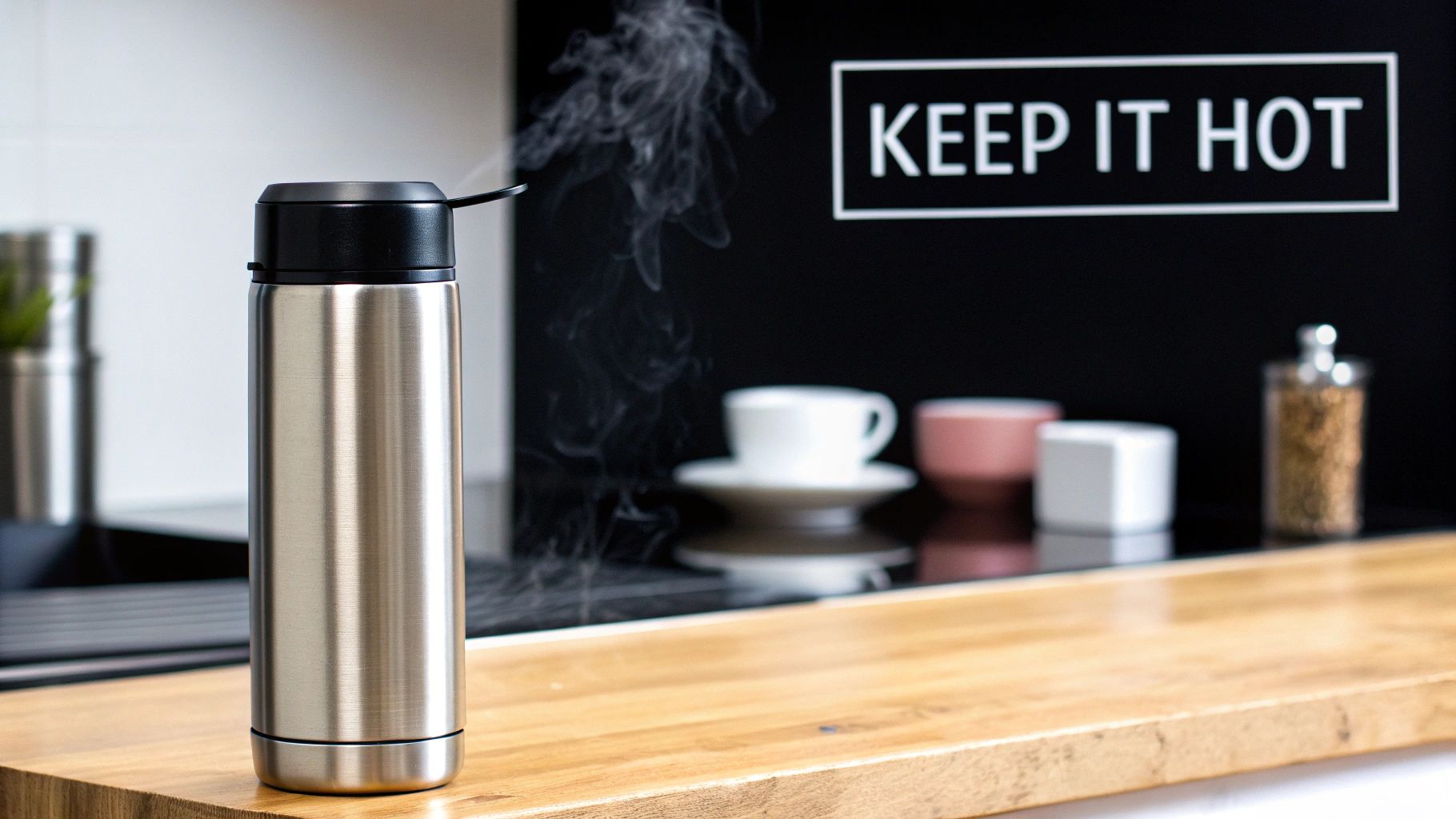
This battle against cold food isn't new. In fact, one of the biggest breakthroughs came way back in 1892 with the invention of the thermos flask. Its double-walled design with a vacuum in between was revolutionary for minimizing heat transfer. That same vacuum insulation is still the gold standard today, capable of reducing heat loss by up to 90% compared to a basic container. You can read more about how these cooking technologies have evolved on Fiveable.
The Power of a Thermal Barrier
The best way to win the war against cold is to build a better fortress for your food. An insulated container’s entire job is to create a barrier that stops heat in its tracks. A high-quality thermos or a specialized food jar is your absolute best friend here.
This is where being smart about your gear really pays off. A good food container is a must, but even your drinkware can pitch in. The HYDAWAY Insulated Drink Tumbler, for example, isn't just for keeping your iced coffee frosty on your commute. Its vacuum-sealed design is brilliant for keeping a brothy soup or your morning oatmeal steaming for hours, ensuring your whole meal stays cozy and ready when you are.
A great container doesn't just hold your food; it actively protects its temperature. The goal is to trap the heat you start with, preventing it from escaping into the environment.
Understanding the Enemy: Air
One of the biggest heat thieves is the air inside your container. The more empty space, or "headspace," you leave, the more air there is to suck the warmth out of your meal.
This is why a completely full container stays warmer for much longer than one that’s only half-full. By keeping these basic ideas about heat loss in mind, you can pack smarter and make sure your next meal on the road is just as hot and delicious as when it left the kitchen.
Choosing the Right Gear for Hot Meals Anywhere
Let’s be honest, the single most important piece of gear for keeping food warm is the container you put it in. But it's not just about grabbing any old thermos. The right gear depends entirely on your meal and where you're headed. Packing a hot lunch for the office is a whole different ball game than keeping chili piping hot for a tailgate party after a chilly fall soccer game.
Think about it. For that day on the slopes, you need something that can really take a beating and lock in heat for hours. A wide-mouthed, vacuum-insulated food jar made from stainless steel is your best friend here. It’s tough, won't hang onto the ghost of yesterday's soup, and is a beast when it comes to heat retention.
On the other hand, if you're just bringing some warm quinoa and roasted veggies to work, that level of thermal performance is probably overkill. You might care more about something that’s lighter and easier to clean. And if you're just trying to keep your morning coffee or some broth warm, a good insulated travel mug is the perfect, no-fuss solution.
Building Your Hot Meal Travel Kit
The secret to a great hot meal on the go often comes down to more than just one container. Building a small, efficient kit means you have everything you need without feeling like you're hauling your entire kitchen around. This is where smart, space-saving gear really shines.
Your main dish—say, that chili or some hearty pasta—is safe and sound in its dedicated insulated jar. But what about a hot drink to go with it? Lugging a second, full-sized thermos just for coffee can feel a bit ridiculous.
This is the perfect job for a collapsible cup. A HYDAWAY Collapsible Cup is the ideal sidekick, folding down to just over an inch thick when you're done with it. It slips easily into a pocket of your work bag or backpack, ready to pop open for coffee, tea, or even an extra serving of soup. It’s all about having a complete, warm meal experience without sacrificing all your bag space for bulky containers.
Hot Food Container Comparison
Not all insulated containers are created equal. The material, how the lid seals, and even the shape all play a huge role in how long your food actually stays hot. Knowing the differences helps you pick the right tool for the job.
Here’s a quick breakdown of your main options to help you choose the best container for your meal, your trip, and your needs.
| Container Type | Best For | Heat Retention (Avg.) | Pros | Cons |
|---|---|---|---|---|
| Vacuum Insulated Food Jar | Soups, stews, chili, pasta | 5-9 hours | Excellent heat retention, durable, leak-proof, wide mouth for easy eating. | Can be heavy and bulky. |
| Insulated Drink Tumbler | Coffee, tea, broth-based soups | 3-5 hours | Lighter than food jars, versatile for hot and cold, easy to drink from. | Narrow opening makes eating solid food difficult. |
| Collapsible Silicone Bowl | Reheating, lighter meals | 1-2 hours | Extremely lightweight, packable, saves a huge amount of space. | Less insulation than vacuum-sealed metal. |
Ultimately, having the right gear just makes the whole process so much simpler.
Investing in a high-quality food jar and pairing it with packable accessories like a collapsible bowl or cup creates a versatile system that can adapt to pretty much any trip you have in mind.
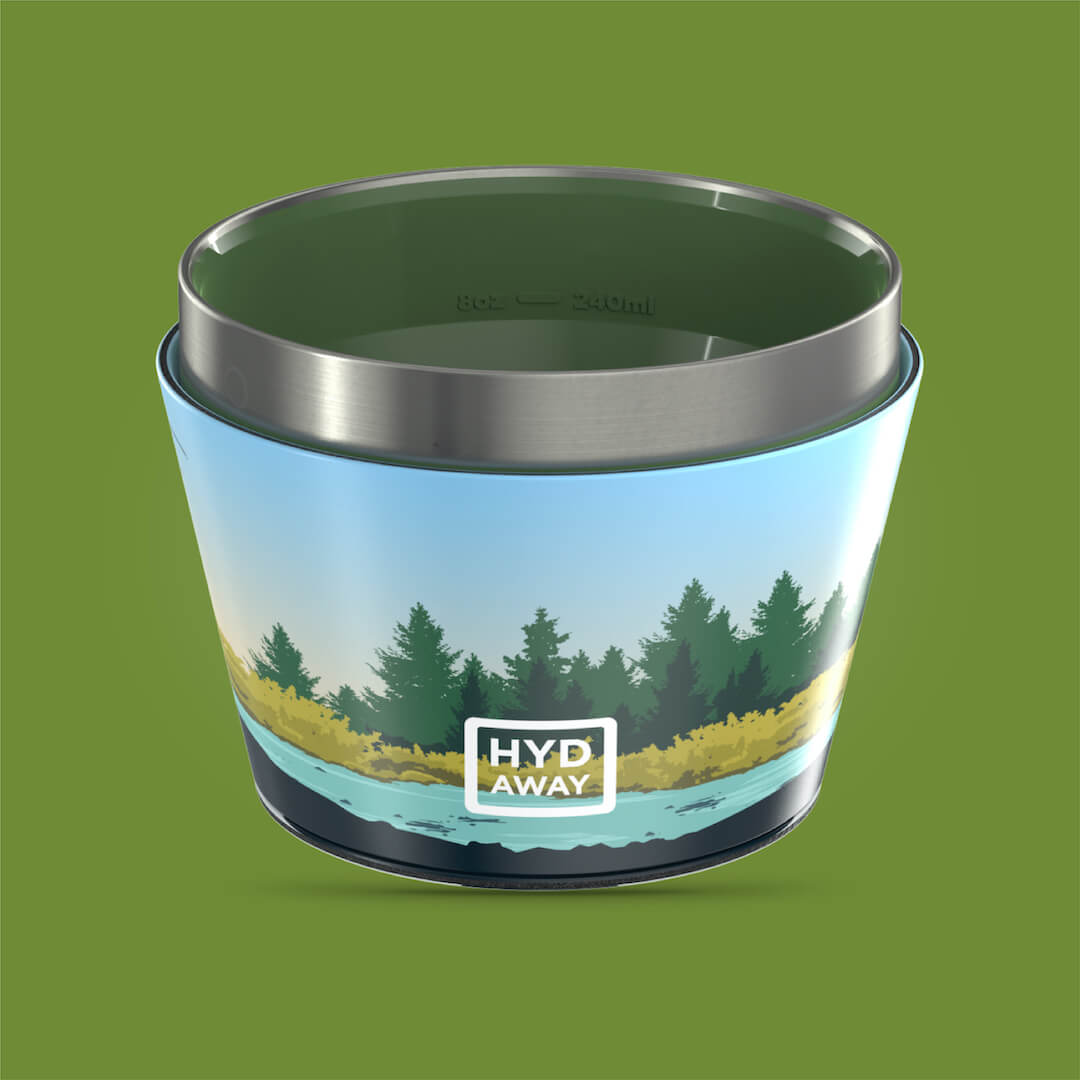
It's all about pairing the right gear for the situation. While a HYDAWAY Insulated Bowl won't keep food hot for nine hours by itself, its spill-proof lid and packability make it perfect for shorter outings or for serving up a meal from a larger container. To see how these types of containers can really change your travel game, check out our guide on the benefits of a collapsible silicone food container. This mix-and-match approach ensures you're ready for anything.
Packing Techniques for Maximum Heat Retention
Having the best gear is a great start, but how you pack your food is what really separates a lukewarm lunch from a satisfyingly hot meal hours down the road. Just tossing a warm stew into a thermos and calling it a day isn't going to cut it. A few proven techniques can make all the difference.
First thing's first: you have to prime your container. Before any food gets near it, fill your insulated jar or thermos with boiling water. Seal it up and let it sit for a good 10-15 minutes. This simple step preheats the interior walls, stopping the cold steel from instantly zapping the warmth out of your meal. Pour the water out right before you're ready to pack.
Get Your Food Lava Hot
Here's a game-changing tip I swear by: make your food hotter than you’d normally eat it. I'm talking steaming, bubbling, "lava hot."
Your food is going to lose some heat over time, that's just physics. By starting from a much higher temperature, you're creating a buffer. This ensures that when you finally open it hours later, it has cooled down to a perfect, ready-to-eat temperature instead of a sad, lukewarm mess. For example, if you're packing mac and cheese for your kid's school lunch, heat it until it’s bubbling so it's still perfectly warm by noon.
This infographic lays out a simple way to think about matching your meal, your trip, and your gear for the best possible outcome.
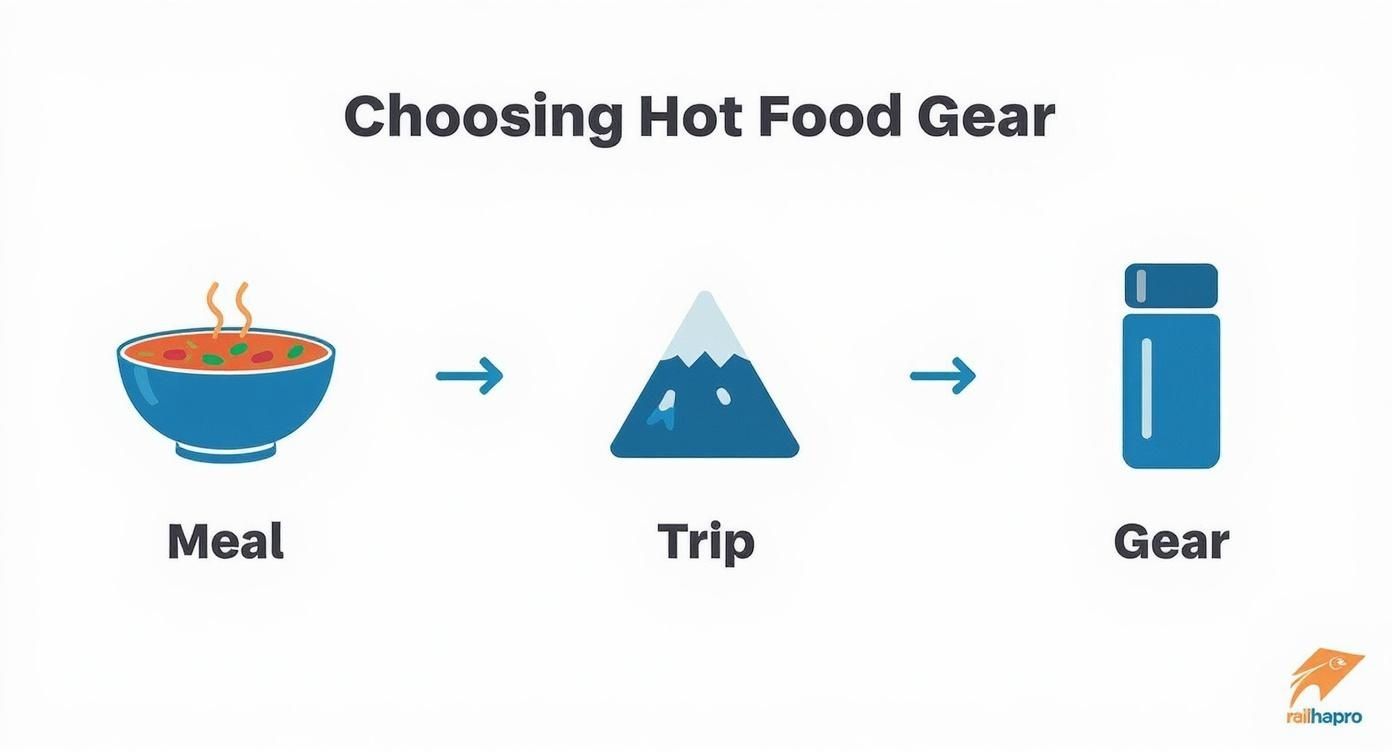
As you can see, the sweet spot is when your gear choice is a direct response to your specific meal and travel plans.
Eliminate the Air Gaps
Air is the enemy of warmth. The more empty space you leave in your container, the more air there is to cool your food down. To fight back, always try to fill your container to the brim. This minimizes the air gap, or headspace, and dramatically improves how long your meal stays hot.
Imagine packing a dense chili for a winter hike. A container packed completely full will stay hotter for way longer than one that’s only two-thirds full. The food itself helps retain heat, and less air means less heat gets lost.
Key Takeaway: Prime your container with boiling water, make your food piping hot, and fill it all the way to the top. Nail these three steps, and you've got the foundation for keeping any meal warm on the go.
This idea of smart, efficient packing goes beyond just food. Whether you’re trying to keep a meal hot or just get your luggage organized, thinking about space is crucial. For more tips on making the most of every inch in your bag, check out these great strategies on how to pack for international travel.
Finally, give some thought to the food you're packing. Some meals are just naturally better at holding onto their heat.
- Soups and Stews: Anything with a high liquid content holds heat incredibly well.
- Chili and Curries: These dense, thick mixtures are perfect because they have very few air pockets.
- Saucy Pasta Dishes: The sauce acts as an insulator for the pasta, helping it maintain temperature.
When you combine these packing techniques with the right food choices, you're setting yourself up for a perfectly hot meal, no matter where your adventures take you.
Hot Meal Strategies for Any Travel Scenario
The right way to keep your food warm really comes down to the journey itself. A cross-country road trip is a whole different ballgame than a weekend backpacking trip or a long-haul flight. Knowing what you're up against is the secret to enjoying a hot, delicious meal, no matter where you end up.
Every trip has its own quirks, and your food-warming plan should, too. By thinking ahead about your transportation and destination, you can pack smarter, dodge annoying hassles, and make sure a satisfying meal is waiting for you.
On the Road Again: Hot Food for Road Trips
Long car rides give you a superpower: electricity. This opens up a world of possibilities that go way beyond a simple insulated thermos. Portable food warmers that plug right into your car’s 12V outlet are an absolute game-changer. This is especially true for families trying to break the endless cycle of drive-thru burgers and gas station snacks.
Just picture it: enjoying a hot portion of last night's lasagna or serving up warm meatballs for the kids, all without pulling over. These gadgets act like a mini slow-cooker, gently heating your food over time so it’s perfect right when you want it. Just be sure to pack foods that reheat well and won't get all dried out.
Flying High with Warm Meals
Getting food through airport security takes a bit more finesse. The TSA's liquid rule is your biggest hurdle. Solid foods are usually fine in your carry-on, but anything that could pass as a liquid, paste, or gel is stuck under the 3.4 oz (100 ml) limit.
That means a big container of soup is a definite no-go. You’ll want to stick with denser, less-soupy meals.
- Smart Choice: A warm quinoa bowl loaded with roasted veggies and chicken. It’s hearty, holds its heat, and won't raise any red flags at security.
- Risky Choice: A brothy lentil soup. Even in the world’s best thermos, security might confiscate it because of the liquid.
If you want some cultural inspiration for packing hot food, look into traditional tiffin meals. They’re designed for portability and often feature drier curries and rice that travel beautifully.
Pro Tip: When you fly, always pack your insulated food container empty. If you can, heat your meal after you get through security. Lots of airport cafes will give you hot water if you just ask nicely.
Trail-Tested Warmth for Hiking and Camping
When you’re carrying everything on your back, every single ounce and inch of space counts. For hikers and campers, the perfect solution is a lightweight, tough-as-nails insulated food jar. It needs to survive being bounced around in a pack all day and still serve up a steaming hot meal when you finally make camp.
This is where your gear choices become about more than just temperature—it’s about efficiency. For more great ideas on building a smart, space-saving outdoor kitchen, check out these tips on choosing collapsible camping cookware.
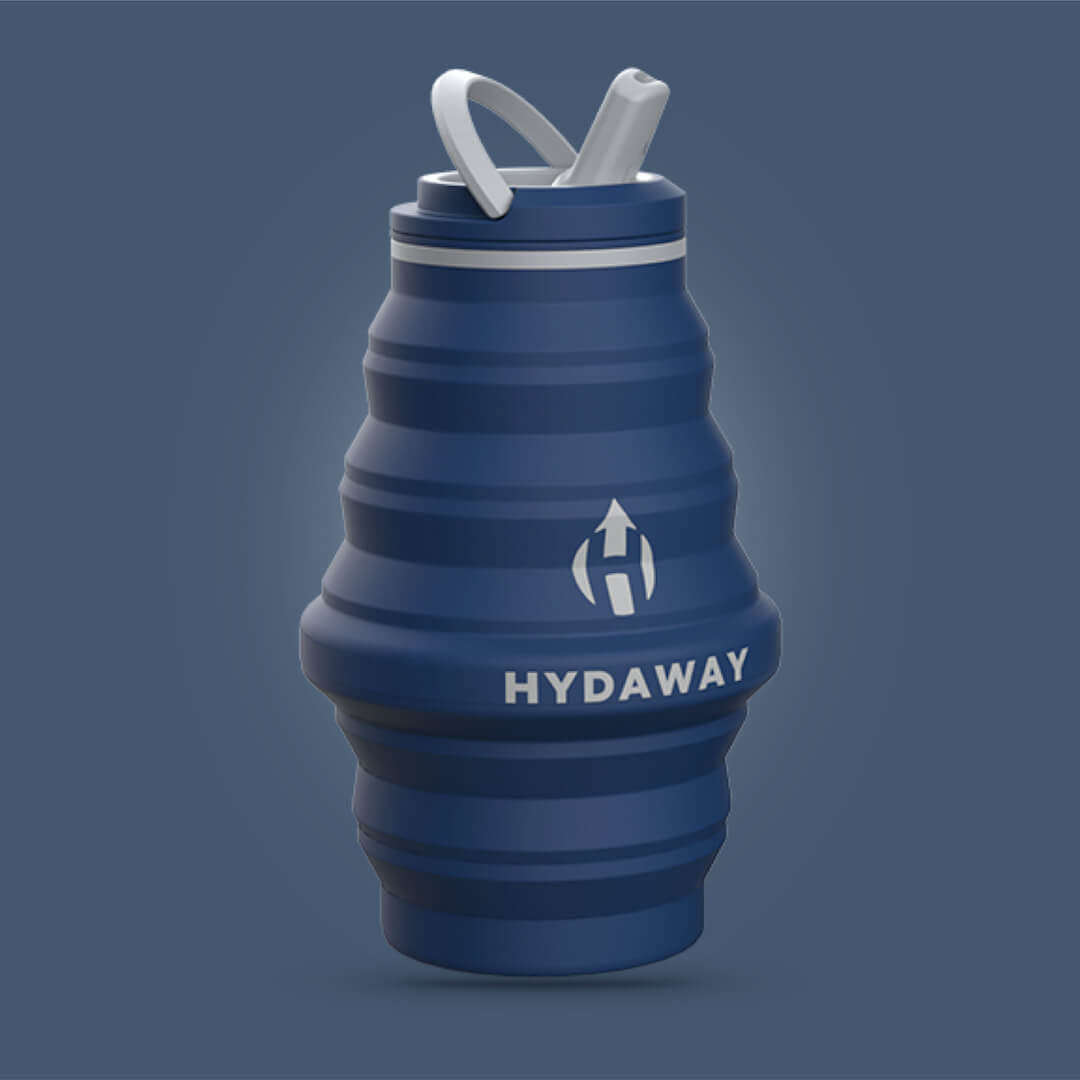
No matter what kind of trip you’re on, one thing is always true: you've gotta stay hydrated. A HYDAWAY collapsible water bottle is the perfect travel buddy. It packs down to almost nothing, freeing up precious space for your food gear while making sure you always have water on hand to go with your perfectly warmed-up meal.
Creative Hacks Beyond the Thermos
A great thermos is a traveler's best friend, but let's be real—sometimes you need a different solution. Maybe you're bringing food from your favorite local restaurant home, heading to a potluck, or just need to get creative. When you think outside the box, you can use everyday items and a few modern gadgets to keep just about any meal perfectly toasty.
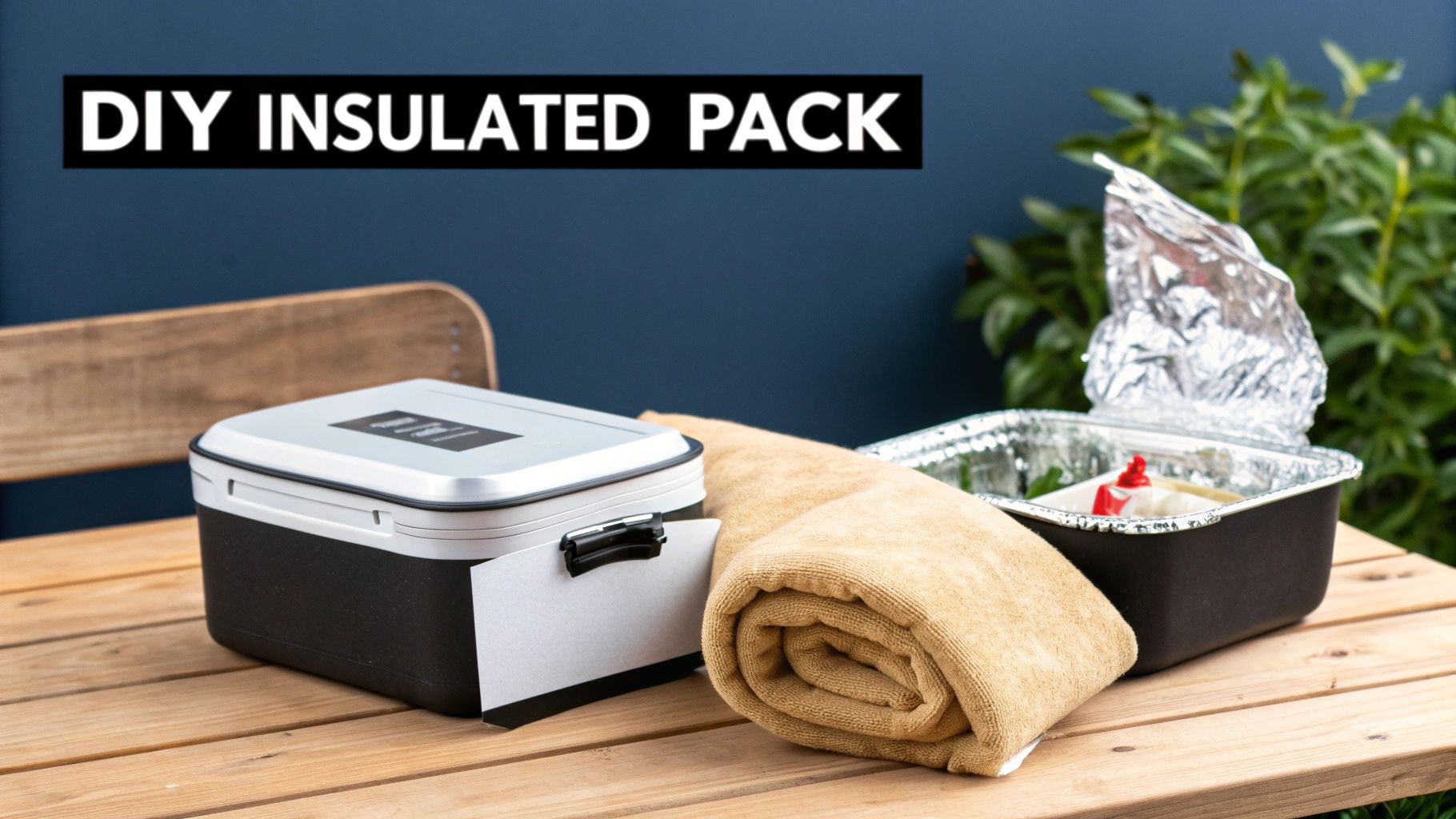
One of the easiest and surprisingly effective DIY tricks involves two things you definitely have at home: aluminum foil and a thick towel. Just wrap your hot food container tightly in a layer of foil. The foil acts like a radiant barrier, bouncing heat right back at the food. Next, swaddle the whole thing in a thick towel for a cozy layer of insulation. This simple combo works wonders for short trips, like keeping a casserole dish warm on the way to a friend's house or ensuring your takeout stays hot on the drive home.
Embrace Modern Warming Gadgets
Today's tech gives us some fantastic options that go way beyond simple insulation. Battery-powered heated lunch boxes are total game-changers for enjoying a hot meal far from any kitchen. Think of them as your personal, portable microwave, gently warming up your food to the perfect temperature right when you're ready to eat.
They're perfect for office workers, truck drivers, or really anyone who doesn't have a kitchen handy. Just plug it into a USB port or its own battery pack, and you've got a hot meal anywhere. This is really just a modern spin on a problem people have been trying to solve for ages. Back in the 19th century, breakthroughs like canning and pasteurization made it possible to transport food safely over long distances. If you're curious, you can check out more about the fascinating history of food processing.
Insulated grocery bags are another awesome tool to have in your arsenal. They were designed for bringing frozen stuff home from the store, but that same insulation is fantastic for trapping heat. They’re perfect for hauling multiple warm dishes to a family potluck, keeping everything ready to serve the moment you walk in the door.
The Cooler as a Hot Box
That high-quality cooler in your garage isn't just for keeping drinks cold—it's an incredible insulator for heat, too. You can easily turn your cooler into a "hot box" for your next outing. Start by lining the inside with towels or even some aluminum foil. For an extra boost of heat, you can add a few hot water bottles or heated bricks (just be sure to wrap them in towels first!).
This trick is ideal when you're dealing with larger amounts of food. When you pack the cooler, try to stack the hot dishes close together so they can share their warmth. Then, fill any empty spaces with more towels to cut down on air gaps where heat could escape. A setup like this can keep a big meal hot for hours, making it perfect for tailgating or a big family picnic.
Your Questions on Traveling with Hot Food Answered
Even with all the right gear and the perfect packing strategy, a few questions always seem to pop up. Let's tackle some of the most common ones so you can pack that next hot meal with total confidence.
How Long Can I Safely Keep Food Warm in a Thermos?
This is the big one, and it's all about food safety. If you've got a high-quality, pre-heated thermos, your food should stay safely hot—that means above 140°F (60°C)—for about 4 to 6 hours. Some of the really top-tier models can even stretch that closer to 12 hours.
The golden rule is to keep your meal out of the temperature "danger zone" (40°F to 140°F), which is prime real estate for bacteria growth. If you open your container and the food isn't steaming, it's smart to play it safe. Reheat it if you can.
What Types of Food Work Best for Travel?
Let's be honest, some meals are just born for the road. The best contenders are foods with plenty of moisture, since liquid is fantastic at holding onto heat.
We're talking about meals like:
- Hearty Soups and Stews: These are the undisputed champions of heat retention.
- Chili or Thick Curries: Their density leaves very little room for heat to escape.
- Saucy Pasta Dishes: That sauce acts like a warm blanket for everything else.
On the flip side, drier foods like fried rice or a slice of pizza are notoriously difficult to keep hot. They tend to lose their warmth—and their delicious texture—pretty quickly.
The best travel meals are often one-pot wonders. They pack down tight, hold heat like a champ, and are a breeze to eat straight from a container or bowl when you're on the move.
Can I Bring a Hot Thermos on an Airplane?
Yep, you absolutely can! You just need to be a little strategic about it. Solid hot food tucked away in a thermos or container is usually good to go in your carry-on.
The real hurdle is the TSA's liquid rule. If you've packed something soupy, it falls under the 3.4 oz (100 ml) restriction. To glide through security without any issues, opt for thicker, less "sloshy" meals—think dense grain bowls, hearty stews, or pasta with a thick sauce. When in doubt, a quick check of the latest TSA guidelines before you fly can save you a world of hassle at the airport.
No matter where your adventures take you, having the right gear makes every meal better. HYDAWAY creates compact, collapsible dinnerware and drinkware designed to save space without ever sacrificing performance. Check out our full collection of travel-ready gear at https://myhydaway.com and make your next trip a delicious one.