


Insulated Travel Mug with Handle: A 2026 Buyer's Guide

You're halfway to the station, one hand on your bag and the other around a full mug of coffee. The lid looks secure, but the handle catches on the strap, the base wobbles on the car console, and you're already wondering whether the mug belongs in your hand or in your luggage.
That's the insulated travel mug with handle decision. Heat retention matters, but so do balance, sealing, cup-holder fit, packability, and the way the grip feels when the mug is full. A handled mug can make a hot drink easier to carry, or it can turn a compact travel setup into an awkward piece of luggage.
The Morning Your Mug Has to Earn Its Place
At a train platform, a closed-loop handle gives you confidence. You can hold the mug in one hand while checking a departure board, pulling a suitcase, or tapping a transit card. On a hiking trail, that same handle can make a full mug easier to control when the ground is uneven or you're wearing gloves.
In a car, the calculation changes. A handle may improve your grip at the café counter, but it can interfere with the cup holder once you set the mug down. If the body is broad or the handle projects too far, you'll be forced to wedge it beside the console or hold it for the entire drive.
A good insulated travel mug with handle has to complete four jobs:
- Retain heat or cold: Double-wall vacuum insulation does most of the thermal work, not the handle.
- Control spills: The lid and gasket determine whether the mug can safely ride in a tote or backpack.
- Fit your transport system: Check the car cup holder, backpack side pocket, stroller holder, or campervan cabinet.
- Feel stable in use: The grip should support one-handed carrying without making the mug top-heavy.
The category itself has a long engineering history. Sir James Dewar invented the vacuum flask in 1892, creating the core technology behind modern double-wall vacuum-insulated drinkware. Travel cups became a distinct consumer category in the 1980s, while THERMOS created the first stainless steel high-vacuum insulated bottle in 1978. The wider market is now mature and globally scaled, with one estimate placing the travel mug market at USD 14.32 billion in 2025, projected to reach USD 27.14 billion by 2034 at a 7.48% CAGR (Custom Market Insights travel mug market report).
The question isn't whether a handle looks useful. It's whether it earns the space it takes up in your particular day.
What an Insulated Travel Mug With Handle Is
A handled insulated mug combines three working parts: the double-wall body controls temperature, the lid contains the drink, and the handle determines how securely you carry it. Judge the mug as a daily transport tool, not as a cup with an accessory attached.
The body creates the thermal barrier
Most quality steel mugs use two nested walls with an evacuated gap between them. Removing much of the air limits conduction and convection, slowing heat transfer from the drink to the outside. The same construction helps cold drinks stay cold.
Because the insulation restricts heat transfer, the outer surface can remain comfortable to hold. In a well-made mug, the handle is therefore an ergonomic feature, not the main defense against a hot exterior. Product specifications commonly benchmark quality mugs at roughly 6 to 7 hours of hot retention and more than 18 hours of cold retention, though actual results depend on the lid, fill level, starting temperature, and surrounding conditions, as shown in the THERMOS Stainless King Mug specifications.

The lid controls the weak point
The lid is where many mugs lose heat and where leaks usually begin. A loose slider works for quick sipping, but it offers less protection in a bag than a screw-on or locking lid designed to resist movement.
Check three construction details on the product page:
- Wall construction: Is it double-wall vacuum insulated, foam insulated, or single wall?
- Lid architecture: Does it slide, flip, twist, or lock into place?
- Handle attachment: Is the handle fixed, hinged, removable, or foldable?
For a broader comparison of these choices, use Everti's guide to choose the best thermal insulated mug. Read the specifications as gear information, not lifestyle copy.
The handle improves finger clearance, control with gloves, and comfort when carrying a larger mug. It also creates an external projection that can snag on straps, consume pack space, or shift the mug's balance. That trade-off matters more on a crowded commute or in a tightly packed travel bag than it does at a campsite.
Handle Styles and Why They Change the Whole Experience
The wrong handle can make a well-insulated mug awkward before the first sip. For a commuter, cup-holder clearance and packability may matter more than maximum grip. For trail use, a rigid loop and stable carry usually win. In 2026, handled mugs still fall mainly into fixed closed-loop designs and fold-flat or swing-out designs.
A fixed handle gives your fingers a predictable opening. It works well with gloves and stays ready when you are walking over uneven ground. The trade-off is bulk. A closed loop can catch on a backpack strap, occupy side-pocket space, and stop the mug from sliding into a narrow cup holder.
A fold-flat handle reduces that storage penalty. It tucks against the mug during packing and often fits vehicle holders or crowded tote bags more easily. With a full mug, however, hinge stiffness matters. Swing mechanisms can feel less rigid than a fixed loop, especially when the ground is rough.
| Feature | Fixed Closed-Loop Handle | Fold-Flat or Swing Handle |
|---|---|---|
| Grip confidence | Strong, consistent grip | Good when deployed, less rigid on some designs |
| Gloved use | Excellent | Good if the opening is generous |
| Packability | Takes more external space | Packs closer to the mug body |
| Cup-holder fit | More likely to interfere | Usually easier to position |
| One-handed carrying | Very stable | Convenient, but inspect hinge security |
| Best setting | Trails, campsites, stroller walks | Commuting, flights, compact travel |
Packing rule: If the mug spends more time inside a bag than in your hand, treat handle clearance as a core specification.
Choose a fixed loop for a backpacking morning beside a windy trailhead, particularly when the mug has a stable base. A commuter carrying a laptop in a tote will usually get more value from a fold-flat design, provided the lid is sealed before packing. A parent pushing a stroller needs a handle that can be grabbed quickly, while the mug must still sit inside the stroller holder without pressing against the frame.
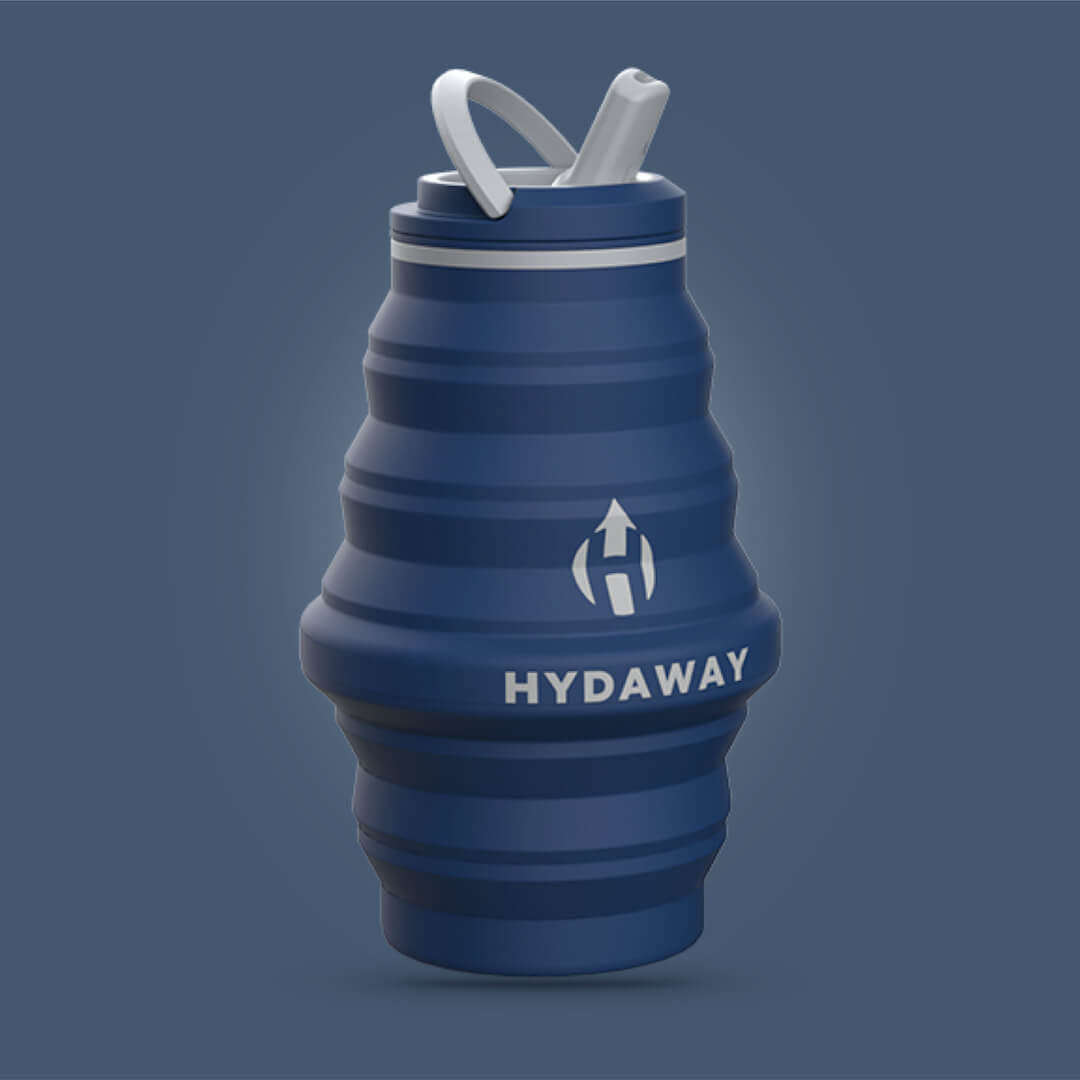
The handle is part of the carrying system rather than decoration. That is the right standard for judging any handled mug. HYDAWAY's approach to water bottle handles reinforces the same practical question: where your fingers go, where the mug rests, and what the handle touches once the mug enters your bag.
Insulation Types, Materials, and What Keeps Drinks Hot
Handle comfort affects control, but double-wall vacuum insulation determines how well a mug holds temperature. The evacuated space between stainless-steel walls limits conduction and convection, while the lid reduces heat loss through the opening. For a handled mug that moves between a commute, a desk, and a bag, that combination matters more than a thick exterior or a heavy feel.
Compare the insulation mechanisms
| Construction | Practical performance | Best use |
|---|---|---|
| Double-wall vacuum | Strongest heat and cold retention | Long commutes, travel days, outdoor use |
| Foam-insulated plastic | Lighter, with less demanding thermal performance | Kids' camps, casual short trips |
| Single-wall metal | Basic protection, with more exterior temperature transfer | Short carry times and low-cost use |
Fill the mug early and drink across a long morning, choose vacuum insulation. Carry a drink from a campsite to a nearby picnic table, and lower weight or impact resistance may matter more than extended heat retention. Single-wall metal works for short trips, but it performs more like a regular cup with a lid than a serious thermal vessel. It also transfers exterior temperature more readily, which can make the handle less comfortable in cold conditions.

Material choice affects taste and longevity
For the steel body, 304 or 316 stainless steel is a sensible starting point. These grades offer corrosion resistance and a neutral drinking surface. Plastic and silicone lid parts should be identified as BPA-free and phthalate-free, with credible third-party verification where possible.
Inspect the interior coating, weld areas, and food-contact claims. A compliance-focused guide notes that plastic components may require phthalate testing against a 0.1% limit, while BPA checks also apply to relevant product types. It recommends 304 or 316 stainless steel to reduce contamination concerns linked to coatings or welding materials (California Proposition 65 travel mug compliance guide).
Use a simple rule. Finish the drink soon after leaving home, prioritize a comfortable lid and easy cleaning. Let it sit for hours, pay for vacuum insulation and a lid that closes tightly. A removable insulating sleeve can improve handling, but it cannot replace a properly engineered vacuum gap.
For a broader comparison of construction choices, review this guide to best insulated water bottles. The same material and insulation principles apply to a handled coffee mug.
Capacity, Lid Choice, and the Fit Question Most Buyers Skip
Most buyers begin with capacity. Experienced travelers begin with fit.
A smaller mug is easier to place in a car holder, backpack pocket, stroller compartment, or airline seat-back pocket. A larger mug may reduce refill stops, but its weight and diameter can make every other part of the trip harder.
Choose capacity around the routine
A 12-ounce mug suits a single serving and is often the easiest size for short commutes. A 16 to 20-ounce mug works for a longer commute, a desk-heavy morning, or a hike where you want more time between refills. A 24-ounce or larger vessel is closer to a campsite or desk companion than a compact grab-and-go mug.
Those are use categories, not guarantees. A product's base diameter matters more than the printed capacity when you're checking a car cup holder. Measure the holder and compare it with the mug's base dimensions before ordering.

Match the lid to its travel position
A slider lid offers fast, natural sipping. It's convenient at a desk or in a car, but a slider opening can allow splashes if the mug tips.
A locking flip lid adds another layer of control. It's practical when you're walking, boarding transport, or carrying the mug beside electronics, though the mechanism can require more cleaning.
A screw-top or sealed lid is the strongest choice for a bag. It generally requires more deliberate opening, often with two hands, but that small inconvenience is preferable to coffee inside your laptop sleeve.
Bag test: A mug isn't bag-safe because the product page says “spill-resistant.” Check whether the lid locks or threads into place, then test it with cold water over a sink before trusting it with electronics.
Also inspect the handle's relationship with the lid. A large loop may block access to a flip button or make it difficult to twist the top while holding the body. The best design lets you grip the mug securely without forcing your knuckles into the lid or handle joint.
Spill Safety, Durability, and the Hidden Cost of a Leaky Handle
Heat retention gets the headline, but spill safety protects your trip. Independent consumer testing found hot-water temperatures after 6 hours ranging from 26.3°C to 63.8°C across tested models, while more than 60% were leak-free in an upside-down test. The same testing found that some handled mugs became unstable on inclined surfaces because a heavy handle shifted the balance, creating a burn risk (consumer testing of tumblers and travel mugs).
That result changes the buying hierarchy. A mug that keeps coffee hot but leaks into a backpack is a poor travel mug. A mug that seals well but tips easily on a train table still needs careful handling.
Inspect the failure points
- Lid alignment: Threads can cross-thread if you rush, leaving a seal that feels tight but isn't seated correctly.
- Gasket condition: Silicone seals wear, collect residue, and eventually lose their grip. Replaceable gaskets are a practical advantage.
- Handle balance: A heavy handle can pull a full mug sideways on an inclined seat or uneven table.
- Opening behavior: Push buttons and narrow drinking channels may complicate one-handed use or cause dribbling.
- Cleaning access: Hidden crevices hold coffee oils and odors when the lid doesn't come apart.
For a laptop commute, choose a lock-on or sealed lid and carry the mug upright until you've tested it. For a hiking trip, put balance ahead of maximum capacity. For a flight, avoid any handle that protrudes into the side pocket of your personal item.
Material durability matters too. A stainless body can tolerate regular travel abuse, but coatings may scratch and expose the surface beneath. Dishwasher-safe parts can reduce buildup, provided the manufacturer approves dishwasher cleaning. A mug should also be easy to dry fully, because a damp gasket tucked inside a closed lid creates its own maintenance problem.
My non-negotiable: Put spill control ahead of an extra stretch of claimed insulation. A slightly cooler drink is recoverable. A soaked passport isn't.
Matching the Mug to the Way You Travel
Your route determines which handled mug earns space in your bag. A commuter needs one-handed access and spill protection. A hiker needs balance and a dependable grip. A van-lifer needs compact storage. The right choice depends less on claimed heat retention than on where the mug sits, how you carry it, and whether the handle helps or gets in the way.
Five real-world matches
The commuter: You leave before sunrise, drive or board a train, and carry a laptop. Choose a medium-capacity mug with a tapered base, a locking flip lid or sealed screw-top, and a handle that will not catch inside a tote. One-handed sipping matters in the car, but close the lid securely before placing the mug near work electronics.
The hiker: Gloves, uneven ground, and quick stops make grip more important than maximum capacity. A fixed closed-loop handle gives the most confidence, especially with a wider base and a lid that stays shut when the mug bumps against a pack. If you clip it outside, confirm that the attachment point can support the loaded mug.
The van-lifer or overlander: Limited cabinet space makes a fold-flat handle useful. Choose a sealed lid and a body that stores neatly with other cookware. A mug that nests into the daily kitchen kit is more practical than a larger model that needs its own cubby.
The theme-park family: A parent pushing a stroller needs quick access, a reliable grip, and a shape that fits the stroller cup holder. Favor manageable capacity, a secure lid, and construction that can survive concrete, benches, and accidental drops. Reusable drinkware also reduces reliance on disposable cups during a long day out.
The remote worker or retiree on a bucket-list trip: Hotel rooms, trains, tour vans, and café tables reward comfort and easy cleaning. Pick a medium-capacity mug with a pleasant drinking rim, a natural-feeling handle, and a lid that operates without excessive force. If hand strength or mobility is limited, avoid lids that demand constant button pressure.

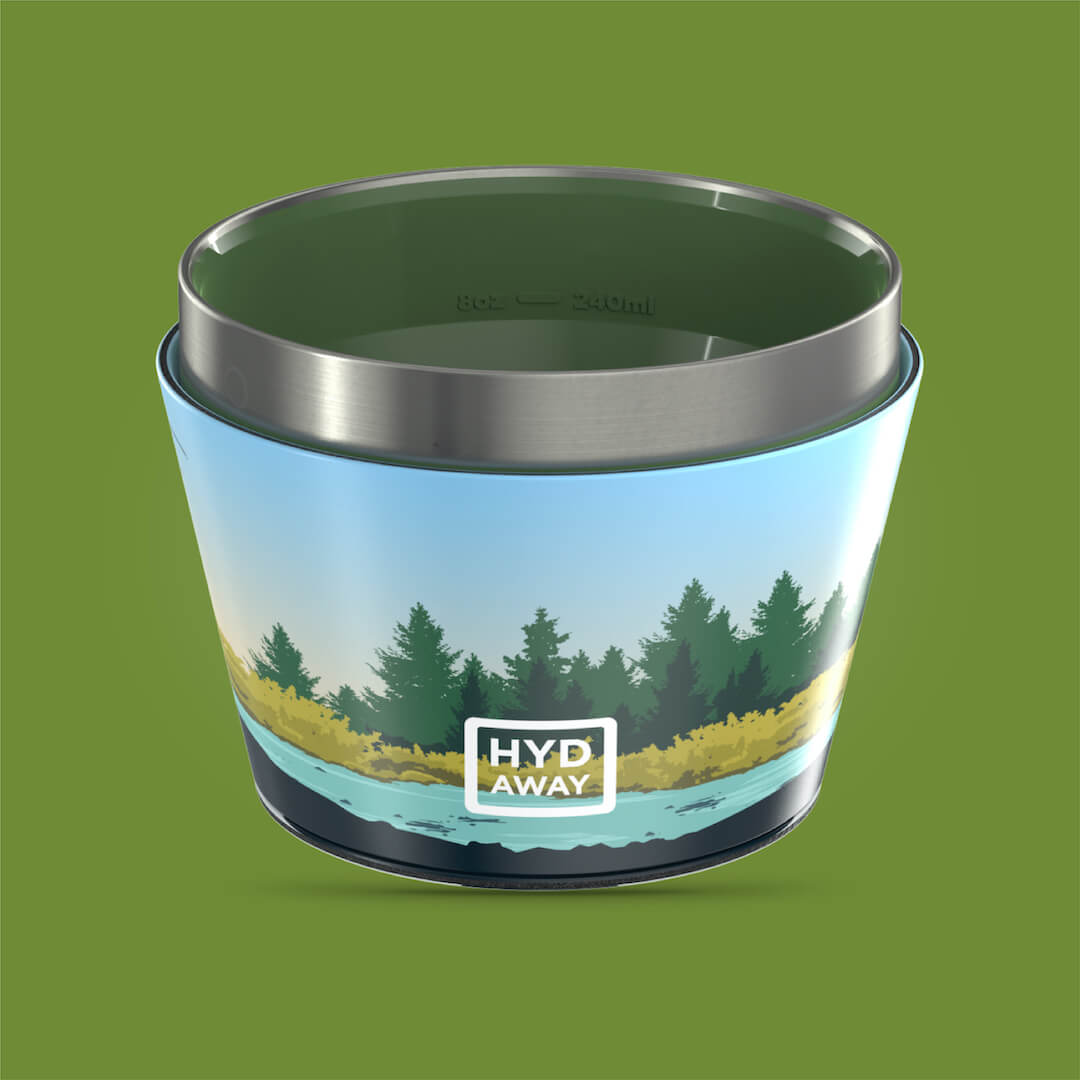
A handled mug also needs to fit the rest of your travel kit. In a rental apartment, someone preparing drinks may pair it with a matcha latte preparation bowl for a calmer morning routine before heading out. Check where each item lives between uses and whether you can reach it without unpacking everything.
This short visual guide compares the profiles at a glance:
Care, Cleaning, and Choosing a Mug That Lasts
A travel mug earns its environmental value through repeated use, not through the purchase alone. Research on reusable polypropylene cups found that they need at least 120 reuses to offset manufacturing impacts (analysis of reusable cup thresholds). That makes durability, cleaning, and replaceable parts central buying criteria.
Rinse the mug soon after coffee or tea, especially if the lid has a slider channel or silicone gasket. Take the lid apart when the design allows it, wash the small parts with a brush, and let everything dry separately before reassembly. Replace worn seals before they begin leaking, not after your bag smells like old coffee.
Dishwasher-safe construction can make this routine easier, but check whether the rating applies to the body, lid, gasket, or all three. This guide to dishwasher-safe insulated tumblers is useful when cleaning convenience is a deciding factor.
Use this product-page checklist
- Insulation: Choose double-wall vacuum construction for drinks that sit for hours.
- Handle: Pick fixed for trail confidence, fold-flat for compact storage.
- Lid: Use a sealed or locking design for bags and electronics.
- Materials: Look for clearly identified stainless steel and verified BPA- and phthalate-free components.
- Capacity: Select the amount you'll drink, not the largest number available.
- Fit: Measure your cup holder, pack pocket, stroller holder, and storage compartment.
- Care: Prefer accessible lid parts, replaceable gaskets, and clear dishwasher guidance.
HYDAWAY fits readers who want a handled drink container to work across commuting, camping, van travel, and everyday errands without dominating their luggage. Its collapsible insulated drink tumbler is designed to carry hot or cold drinks with a snug-fitting lid and removable insulating sleeve, then pack down for storage when the drink is finished.
Choose a mug by its daily route, not its longest thermal claim. Visit HYDAWAY to explore compact insulated drinkware and packable adventure gear that can move from the car or office to the trail without taking over your bag.