

How to Save Money at Disneyland and Keep the Magic

Saving money at Disneyland really comes down to two big decisions: when you go and how you buy your tickets. If you can be strategic about picking off-peak dates and opting for multi-day passes instead of single-day ones, you can seriously lower your entry costs. This leaves more in your budget for the fun stuff inside the park.
It’s not about finding some secret loophole. It’s just about understanding how Disneyland’s pricing works and using that knowledge to your advantage.
Your Guide to Smart Disneyland Ticket and Timing Strategies
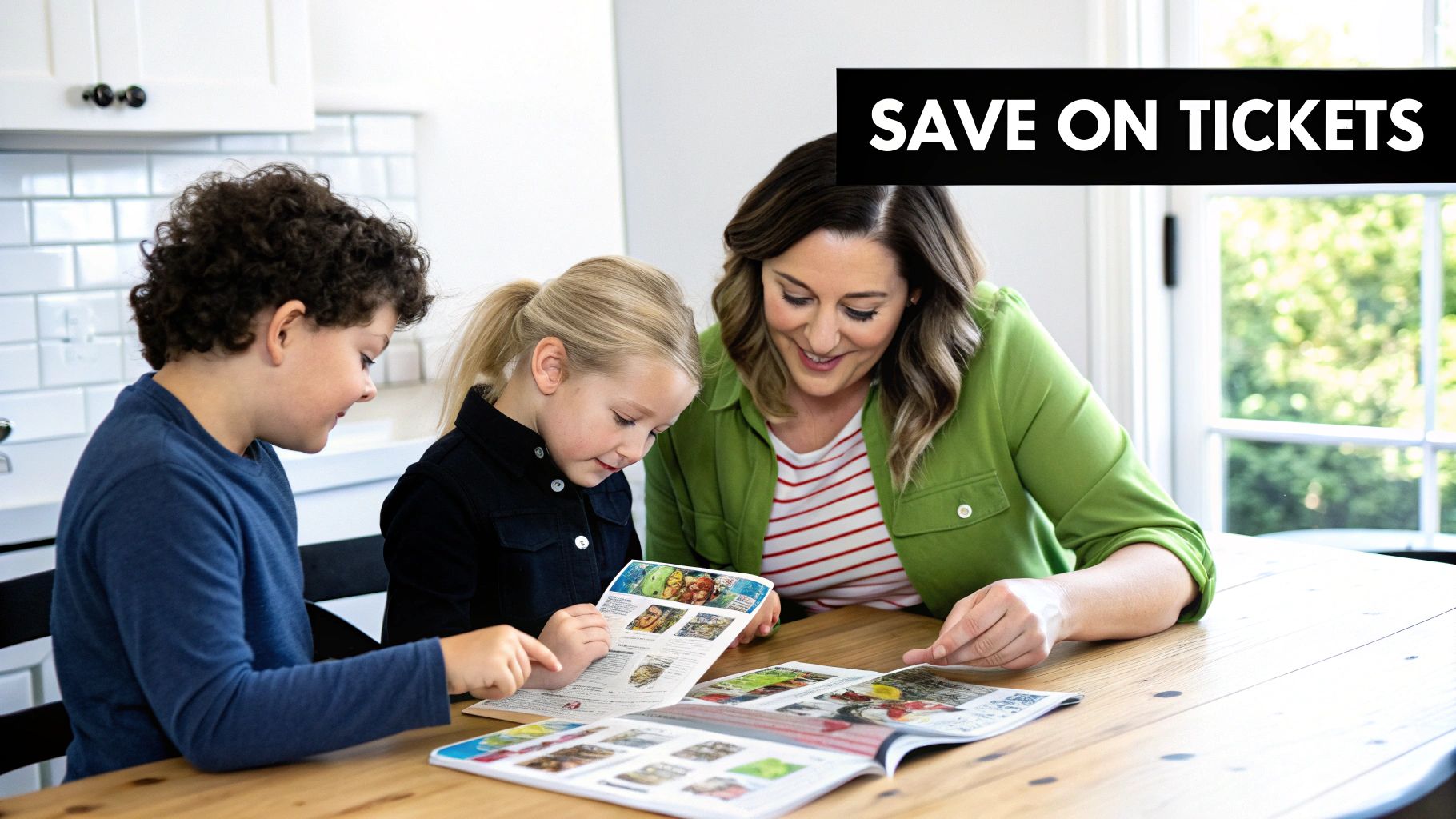
Let's be real—park tickets are almost always the single biggest expense for any Disneyland trip. But with a little bit of planning, you can bring that cost way down without sacrificing any of the magic. The trick is to think like a seasoned park-goer, looking at the calendar and ticket options to find the absolute best value for your family.
Master the Calendar to Maximize Savings
Disneyland uses a tiered pricing system for its 1-day tickets, which is a fancy way of saying the cost changes based on how busy they expect to be. Weekends, summer vacation, and holidays? That's when you'll pay top dollar. Simply shifting your trip to a less popular time can lead to some pretty substantial savings.
- Go During the Off-Season: Try visiting on a weekday in late August, September, January, or February (just be sure to avoid any holiday weekends). A ticket for a Tuesday in September can be over $60 cheaper than one for a Saturday in July. For example, a "Tier 1" ticket on a slow weekday might be $119, while a "Tier 6" ticket for a peak summer Saturday could be $194.
- Avoid Peak Times: The weeks around Christmas, New Year's, Spring Break, and major three-day weekends are the absolute priciest times to visit. If your budget is tight, steer clear.
- Check the Crowd Calendar: Websites like Undercover Tourist have fantastic crowd calendars that predict park attendance levels, and those predictions almost always line up with ticket prices.
Timing is everything, and this same principle applies to other vacation hotspots. For example, you can learn about Orlando's sweet spot for smart travelers and see how planning around peak seasons can pay off there, too.
The single most effective way to start saving is by being flexible with your travel dates. Shifting your trip by just a few days or weeks can unlock lower-tier ticket prices and easily save a family hundreds of dollars.
The Real Value of Multi-Day Tickets
A single-day ticket can be perfect for locals just popping in for the day, but if you're planning a longer stay, the multi-day passes are where the real value is.
The key is that the per-day cost drops dramatically the more days you add. Check out how the math works in this table based on current pricing.
Disneyland Ticket Cost Per Day Comparison
This table shows how the average daily cost for a Park Hopper ticket goes down as you add more days to your trip.
| Ticket Type | Total Price (Approx.) | Cost Per Day |
|---|---|---|
| 1-Day Park Hopper | $194 | $194 |
| 3-Day Park Hopper | $460 | $153 |
| 5-Day Park Hopper | $480 | $96 |
As you can see, jumping from a 1-day ticket to a 5-day pass slashes your daily cost. Suddenly, you're paying under $100 per day instead of nearly $200. For a family of four, those savings add up fast.
This chart really drives the point home, showing just how much the per-day cost plummets the longer you stay.
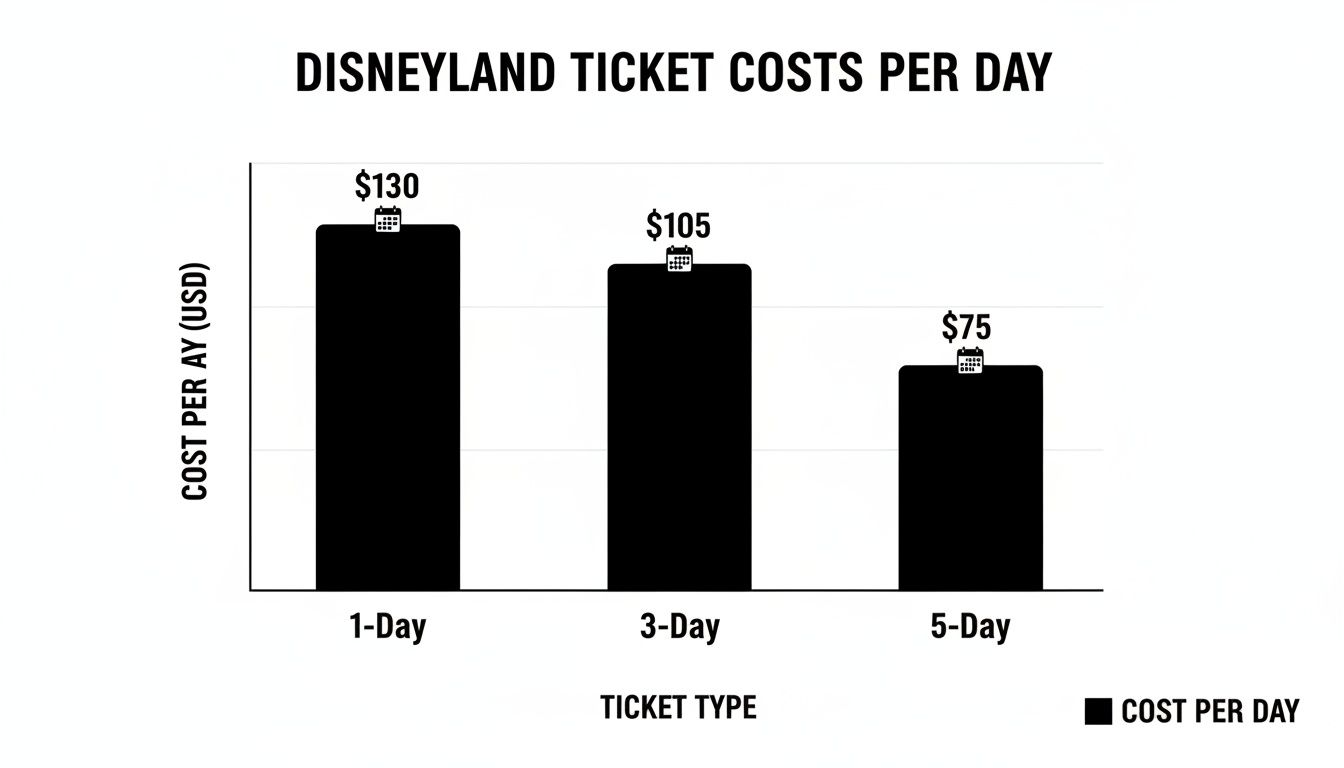
The data is pretty clear: a 5-day pass can cut your daily ticket cost by more than 50% compared to a single-day ticket. That makes it one of the most powerful budgeting tools you have for a longer Disney vacation.
Eating Well at Disneyland Without Draining Your Wallet
Food and drinks can creep up on you, quickly becoming the second-biggest line item on your Disneyland budget right after tickets. When a single burger costs over $15 and a bottle of water is nearly $5, it's easy to see how. For a family of four, just one quick meal and a round of drinks can easily push $100.
But here's the good news: Disneyland has a refreshingly generous policy allowing guests to bring their own food and non-alcoholic drinks right into the parks.
This is an absolute game-changer. By planning ahead and packing some of your own provisions, you can slash your daily expenses, freeing up cash for that must-have Dole Whip or a special souvenir. The savings really add up—visitors who bring their own snacks and a reusable water bottle can cut their food spending by as much as 40%.
Master the Art of Packing Your Own Food
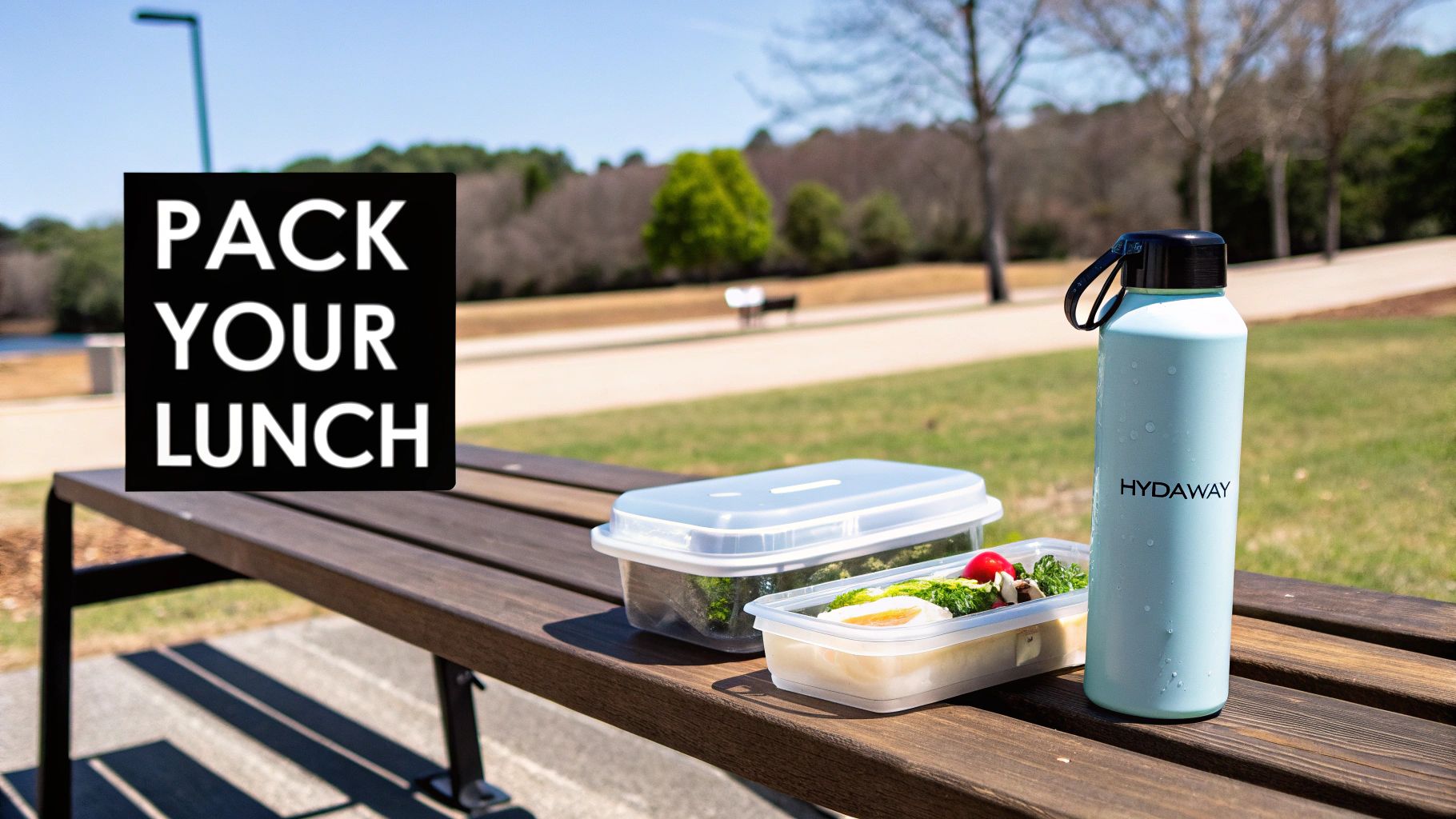
Packing your own lunch and snacks doesn't have to feel like a chore. The secret is to bring things that are easy to carry, don't need a fridge, and will give you a solid energy boost for a long day of walking.
Think simple and satisfying. Sandwiches, granola bars, fruit snacks, and bags of pretzels are all perfect park fuel. This one move can keep you from shelling out $60 or more on a quick-service lunch for the whole family.
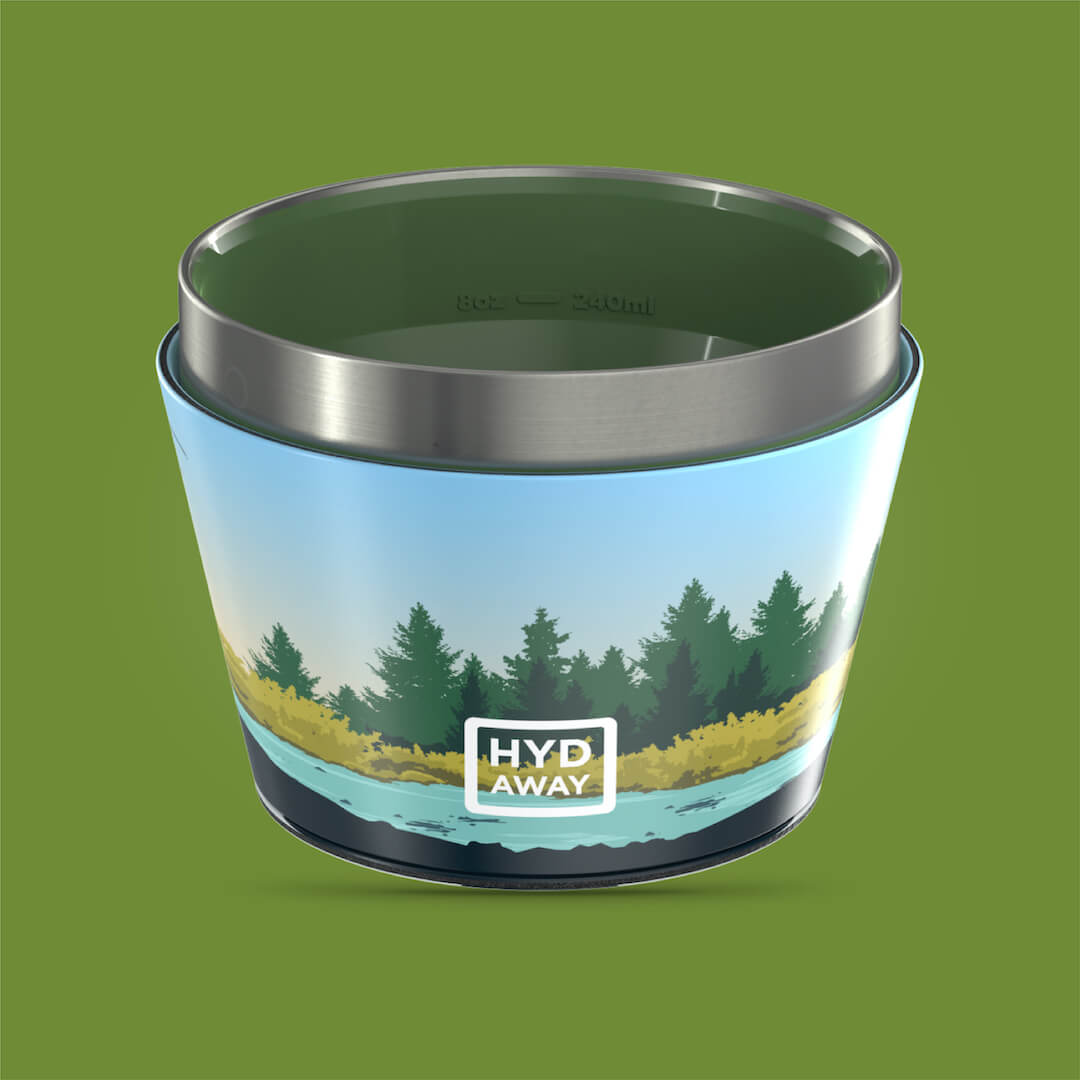
To make packing a breeze, think about space-saving gear. HYDAWAY collapsible food containers are a perfect fit for a long park day. Fill them with grapes, crackers, or even leftover pizza from the night before. Once you're done, they collapse down flat, taking up almost no room in your backpack. This leaves you with more space for that must-have souvenir on the way out. You can find out more on how to use a collapsible silicone food container for travel and park days.
Stay Hydrated the Smart Way
Staying hydrated is non-negotiable, but paying Disney prices for water is a classic rookie mistake. Instead of grabbing expensive plastic bottles all day, just bring your own reusable one.
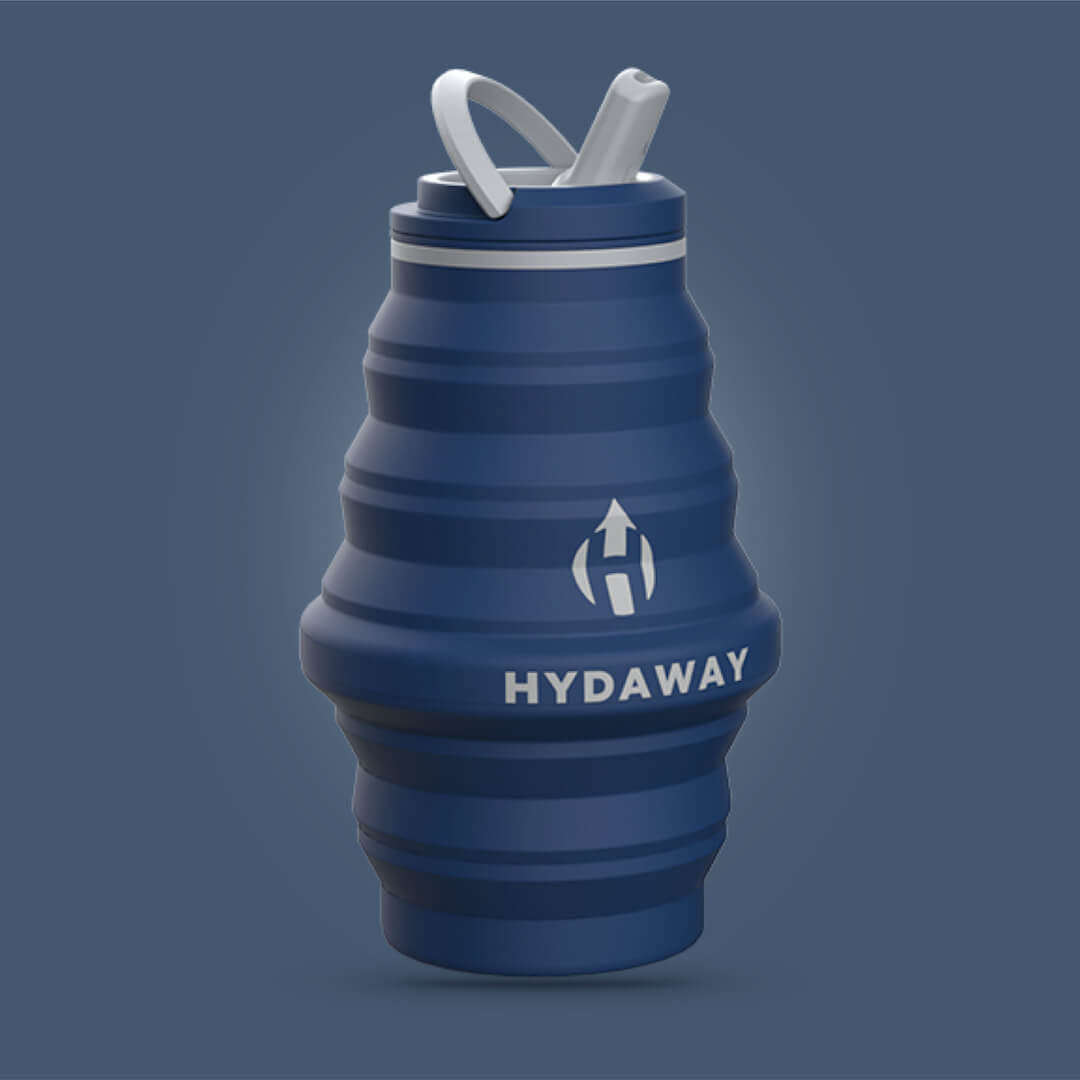
This is where a HYDAWAY collapsible water bottle really shines. It's incredibly light and scrunches down to just over an inch thick, so you can slip it into a pocket or a small bag when it's empty. Just fill it up at one of the dozens of free water fountains and bottle-filling stations located all over both parks. This simple act keeps you healthy and saves a surprising amount of money.
A family of four, drinking just three bottles of water each per day, would spend around $60 on water alone. Switching to a reusable bottle makes that cost zero.
Smart Strategies for Dining in the Park
Even if you pack snacks, you’ll probably want to grab a meal or two inside the park. You can still make smart choices to keep costs down without feeling like you're missing out on the fun.
- Share Large Portions: Lots of quick-service meals are huge. The platters at Plaza Inn or the meals at Flo's V8 Cafe are often big enough for two adults to share, especially if you're looking for a lighter lunch.
- Order a Kid's Meal: Don't sleep on the kids' menu! The portions are often perfect for an adult who isn't ravenous, and they usually come with a drink and a healthy side like fruit—all for a much better price.
- Opt for Quick-Service: Stick to quick-service restaurants over the sit-down, table-service options. The food is often just as good, but the prices are way lower, and you'll save a ton of precious park time.
Finding Affordable Hotels Near the Magic
Where you crash after a marathon day of walking, riding, and pure Disney magic really matters. But your hotel choice can also make or break your entire trip budget. Staying at an official Disney hotel is an incredible, immersive experience, but let's be real—it comes with a premium price tag that just isn't in the cards for most of us.
Here’s one of the biggest secrets to saving a ton on your Disneyland vacation: look just outside the park gates. The hotels lining Harbor Boulevard, many of which are official "Good Neighbor" hotels, strike that perfect balance between convenience and real value. You can literally slice your nightly lodging bill in half just by picking a hotel that's a quick 10-minute walk from the main entrance.
On-Property Perks vs. Off-Property Value
There's no denying the perks of staying "on-property" at one of the three Disney-owned hotels—the Disneyland Hotel, Grand Californian, or Pixar Place Hotel. You get cool benefits like early park entry and the ability to charge purchases straight to your room.
But that convenience comes at a staggering cost. A standard room at a Disney hotel can easily soar past $700 a night. Meanwhile, a clean, comfortable, and perfectly nice room at a nearby Good Neighbor hotel often lands somewhere between $150 and $250.
That’s a potential savings of over $450 per night. Think about what that money could buy: an entire extra day in the parks, dozens of meals for your family, or all the souvenirs your kids could ever want.
Amenities That Multiply Your Savings
Looking past the nightly rate is where you find the true gems. Many off-property hotels offer amenities that translate directly into more cash in your pocket.
- Free Breakfast: This is a game-changer. Grabbing a complimentary breakfast of waffles, eggs, and fruit for the family can save you $40-$60 every single morning compared to buying it inside the park.
- Kitchenettes: A room with a small kitchen—or even just a microwave and mini-fridge—unlocks a world of budget-friendly options. You can prep simple dinners, store milk and cereal for the kids, and keep drinks ice-cold.
- No Resort Fees: Always watch out for those sneaky resort fees, which can tack on an extra $25-$50 per night. A lot of the Good Neighbor hotels don't charge them, giving you another layer of savings.
Having a fridge in your room is perfect for stashing snacks and drinks to take with you. Before you head out, fill up your HYDAWAY water bottle with cold water from your hotel fridge and pack some fresh fruit in a HYDAWAY collapsible food bowl. It’s a simple morning routine that keeps your park bag light and your wallet happy.
You have to weigh the real cost. Is the convenience of being on Disney property actually worth several hundred dollars a day? For most families trying to save money at Disneyland, the answer is a hard no.
The greater Anaheim area is packed with hotel options, with tons of great places falling in the $100 to $250 per night range. To snag the best deals, try to book your stay at least 3 to 6 months out, especially if you’re traveling on weekdays or during the off-season. Planning ahead makes a huge difference, and you can see more detailed Disney World statistics that really drive home these booking trends.
Packing Smart to Avoid Unnecessary Park Purchases
Every dollar you manage not to spend on a forgotten essential is another dollar you can put toward a lightsaber from Star Wars: Galaxy's Edge or a perfectly crisp churro. Smart packing is one of the most underrated ways to save money at Disneyland, mostly because it stops you from making impulse buys at ridiculously inflated park prices.
A sudden afternoon rain shower can send unprepared families scrambling to buy $15 ponchos from the nearest gift shop. You can bring one from home for a buck. It's the same story for sunscreen, portable phone chargers, and basic first-aid items like bandages or pain relievers. These little things cost a fortune inside the park but pennies when you pack them from home.
Your In-Park Survival Kit
Think of your park bag as a tiny, mobile command center built for one purpose: saving you money. You don’t need to haul your entire life with you, but a few key items will make a massive difference in both your comfort and your budget.
Here’s what should absolutely be on your checklist:
- Rain Ponchos: Even on a sunny day, they’re a lifesaver for staying dry on water rides like Grizzly River Run.
- Portable Phone Charger: The Disneyland app is a notorious battery hog. A good power bank means you won't be stranded without access to your tickets or Genie+.
- Sunscreen and Sunglasses: The California sun is no joke, and a bottle of sunscreen inside the park can easily cost double what you’d pay at a regular store.
- Basic First-Aid: A few bandages, some pain reliever, and blister treatment can be a lifesaver after logging miles and miles of walking.
For a more complete packing list, take a look at our guide on what to bring to an amusement park. It'll help make sure you’ve got all your bases covered before you leave home.
Packable Gear for Snacks and Savings
Beyond the essentials, your packing strategy should also support your food budget. This is where bringing the right gear becomes a huge advantage. Sure, packing your own snacks is a fantastic start, but having a smart way to manage them makes all the difference.
For instance, using HYDAWAY collapsible food containers lets you bring way more than just pre-packaged granola bars. You can pack fresh-cut fruit from your hotel room or, even better, save the second half of a massive quick-service meal for later instead of tossing it. It’s the perfect way to have a healthy, free snack ready when someone gets hungry in the middle of a long line.
When you're done, they collapse down flat, practically disappearing into your bag and leaving plenty of room for souvenirs. It's such a simple habit, but it saves money, cuts down on food waste, and keeps everyone's energy levels high between attractions.
Think of it this way: the $20 you save by packing your own ponchos and snacks is enough to buy four Dole Whips for your family. Smart packing directly translates into more magical treats.
Managing Souvenirs Without the Meltdown
We’ve all been there. You walk past a shop, and the siren call of perfectly arranged Minnie ears and gleaming lightsabers is just too much. For kids, it’s an instant case of the "I wants," and for parents, it's the start of a budget meltdown. This is where having a game plan makes all the difference.
A solid souvenir strategy turns a potential conflict into a fun, teachable moment. Instead of a day filled with you saying "no," you can empower your kids and sneak in a little lesson on budgeting. That's a definite win-win.
Set the Budget Before You Go
Honestly, one of the best things you can do is decide on a souvenir budget before you ever set foot in the park. This manages expectations right from the start.
A fantastic way to do this is by giving each child their own Disney gift card with a pre-set amount loaded on it. This simple trick gives them a real sense of ownership. They can check their balance, weigh their options, and decide for themselves if that $35 plush Mickey is worth blowing their whole budget on.
Handing a kid a gift card with their own money on it completely changes the conversation. It's no longer about you saying 'no,' but about them deciding how to best use their 'yes.'
Buy Disney Magic Outside the Park
You can get way ahead of the in-park price hikes by doing a little shopping before you even leave home. Stores like Target, Walmart, and even the Disney Store online sell official merch for a fraction of what you'll find on Main Street, U.S.A.
Here are a few of our favorite tricks:
- Surprise Them in the Morning: Pack a new Disney t-shirt or a small toy you bought ahead of time. Leaving it out in the hotel room as a morning surprise gives them that thrill of something new without the park markup.
- Pressed Pennies Are a Classic: These are, by far, the cheapest and most interactive souvenirs you can get. For just a few quarters and a penny, your kids get to be part of making their own keepsake.
- Focus on Experiences: Sometimes the best souvenir isn't a thing at all. It might be a special treat like a Dole Whip, getting their face painted, or a caricature drawing from a park artist. These create memories that last so much longer than a plastic toy.
By planning just a little, you can make sure everyone goes home with something they love instead of a case of buyer's remorse—all while keeping your Disneyland budget firmly on track.
Navigating Transportation and In-Park Extras
It's easy to focus on the big-ticket items like park passes and hotel rooms, but the "little" costs can quietly sabotage your Disneyland budget. Things like parking fees, getting to the park, and those tempting in-park add-ons like Genie+ all demand a smart strategy. Trust me, these daily decisions can easily add up to hundreds of dollars over a multi-day trip.
One of the first choices you'll make each morning is how you're getting to the main gate. Driving yourself seems like the simplest option, but Disneyland parking now costs a hefty $35 per day for a standard car. For a five-day trip, that's $175 gone before you've even scanned your ticket. This is where looking at the alternatives really pays off.
Getting to the Gates for Less
Staying at a hotel within walking distance is the gold standard, but even if you're a bit farther out, you've got some great options that are much cheaper than parking on-site.
- Hotel Shuttles: A ton of "Good Neighbor" hotels offer free shuttles to the park. Honestly, this perk alone can be the deciding factor when picking where to stay.
- ART Bus System: The Anaheim Resort Transportation (ART) system was made for this. Grabbing a multi-day pass is an affordable way to hop between your hotel and the park entrance without any of the driving stress.
- Ride-Sharing: For a family, services like Uber or Lyft can sometimes come out cheaper than the daily parking fee, especially if you’re staying relatively close.
Ditching the car doesn't just save you the daily parking fee; it saves you the time and headache of navigating those massive parking structures. Plus, that walk to the park is a fantastic way to build up excitement for the day! It's also the perfect moment to make sure everyone has their HYDAWAY water bottle filled up and ready for action—a practical step that saves you money before you even enter the gates. You can learn more about picking the perfect reusable water bottle for travel that fits this exact need.
Is Genie Plus a Must-Have or a Money Pit?
Then we come to the big question: Genie+. Clocking in at over $30 per person, per day, this line-skipping service can become a massive expense for a family. Whether it's actually worth it depends completely on when you visit and what your priorities are.
For a family of four, adding Genie+ for five days can cost over $600. It's crucial to know if you'll actually get your money's worth before you buy.
Genie+ shines on peak crowd days—think Saturdays, major holidays, or the middle of summer—when wait times for the big rides can stretch for hours. But if you're visiting during a slower period, like a random weekday in September, you might find you can enjoy short lines without paying for the service at all. The key is to check the crowd calendars beforehand and make a call on whether skipping a few lines is worth that significant extra cost for your specific trip.
Answering Your Disneyland Budget Questions
Planning a Disneyland trip often feels like a puzzle, especially when you're trying to make every dollar count. Let's tackle some of the biggest questions that pop up so you can finalize your plans with confidence.
Is It Really Cheaper to Bring Your Own Food into Disneyland?
Absolutely. This is one of the fastest and easiest ways to slash your daily spending. Disneyland is incredibly friendly about letting guests bring in their own food and non-alcoholic drinks. Taking advantage of this policy can easily save a family over $80 a day, just by skipping one counter-service meal and a round of park snacks.
Even small moves add up. Tossing a few granola bars in your bag and carrying a refillable HYDAWAY water bottle to use at the free filling stations makes a noticeable dent in your daily costs. For a family, this simple habit turns a potential $60 daily expense on bottled water and drinks into zero, directly funding those magical extras you really want.
Are Good Neighbor Hotels a Better Deal than Disney Hotels?
If we're talking purely about the numbers, "Good Neighbor" hotels are almost always the smarter financial move. You'll find plenty of these vetted hotels within easy walking distance, and they often come with price tags that are 30-60% lower than staying at an official Disney property.
You might trade some of the immersive Disney magic for a more standard hotel experience, but the trade-off is often worth hundreds of dollars per night. That's money you can pour back into more park days, a character dining experience, or the souvenirs your kids have been eyeing. For most budget-focused families, it's a no-brainer.
Choosing a Good Neighbor hotel a 10-minute walk away can literally cut your lodging bill in half. That’s a massive saving that directly impacts the rest of your vacation budget.
When Is the Cheapest Time of Year to Go to Disneyland?
The secret to finding the lowest prices is to go when most kids are in school. Your best bets are typically late August through September and again from late January through mid-February. Just be sure to steer clear of any holiday weekends that might fall in those windows.
During these "off-season" times, you won't just find better prices on single-day tickets and hotel rooms. You’ll also get the amazing bonus of smaller crowds. Fewer people in the park means less time waiting in line and more time enjoying the magic.
Is the Park Hopper Ticket Worth the Extra Cost?
This one really comes down to your family's travel style and how long you're staying. The Park Hopper, which lets you bounce between Disneyland Park and Disney California Adventure on the same day, can be fantastic for short trips of one or two days. It gives you the flexibility to hit all your must-dos.
But for trips of three days or more, you can save a pretty significant chunk of cash by opting for "One Park Per Day" tickets. This approach encourages you to really slow down and soak in the unique atmosphere of each park without feeling rushed. If you prefer a more relaxed pace, skipping the Park Hopper is a savvy way to keep more money in your pocket.
Ready to make your Disneyland trip more affordable and sustainable? Packing the right gear is the first step. With a HYDAWAY collapsible water bottle and food containers, you can cut down on daily expenses and keep your park bag light. Check out our full collection of travel-ready gear at https://myhydaway.com and start your adventure smarter.