

Camping Kitchen Organizers: Essential Gear & Setup Tips

Dinner gets weird fast when the camp kitchen has no system. One minute you’re heating water, the next you’re digging through a tote for the can opener while a cutting board slides off the picnic table and somebody asks where the mugs went. Most camp cooking problems aren’t cooking problems at all. They’re storage problems.
That’s why good camping kitchen organizers matter more than generally realized. They don’t just make gear look tidy. They cut friction. They give every tool a home, every task a place, and every meal a cleaner start.
I’ve spent enough time around windy Central Oregon campsites to know that the best setups aren’t always the biggest. The best ones are the easiest to repeat. If your kitchen works at a forest service site outside Bend, at a roadside lunch stop, and in a cramped van pullout, you’ve got a real system.
From Camp Chaos to Kitchen Calm
You probably know the scene. A cooler is open too long. The spatula is buried under coffee gear. Dry goods are mixed with dish soap. Someone sets the bread next to the stove because there’s nowhere else to put it, and now the whole table looks like a yard sale with a burner in the middle.
That kind of clutter wears you out. It steals time from the part you came for, whether that’s a lazy breakfast by the river or tacos after a long hike. An organized camp kitchen feels completely different. You reach once and find what you need. Prep happens in one place. Dirty gear moves away from clean food. Cleanup doesn’t become a second job.

That shift isn’t some niche obsession. The broader storage category keeps growing because people want compact, adaptable solutions. The global kitchen storage and pantry organization market reached USD 131.43 billion in 2023 and is projected to hit USD 182.08 billion by 2030, according to this kitchen organizer market report. Camping sits right inside that same need for compact, versatile storage.
At home, the same logic applies. If you want a simple reset before your next trip, these easy steps for tidy counters translate surprisingly well to camp packing because they force you to separate daily essentials from clutter.
Practical rule: If you have to empty half a bin to find one item, your kitchen isn’t packed. It’s just contained.
A lot of campers start with a packing list and stop there. That helps, but it doesn’t solve the bigger problem. What works better is a repeatable layout you can use anywhere, which is exactly why a thoughtful approach to organizing camping gear pays off before you ever leave the driveway.
The Zone Method A Modern Camp Kitchen Philosophy
Packing lists tell you what to bring. A zone-based system tells you where things belong and how they move during a meal. That’s the difference between a pile of useful gear and a camp kitchen that works.

Defined zones aren’t just neat-looking. They save real time. Renlicon’s guide to organizing a camping kitchen notes that embracing defined kitchen zones can reduce setup time by up to 50%, and ties that approach to the old chuck box tradition and the fact that campground bookings surged 27% year over year in 2021.
Prep zone
Within this area, raw ingredients are handled, making meals feel more manageable. Your cutting board, knife, mixing bowl, seasonings, trash bag, and a towel should all live here.
The prep zone needs elbow room more than anything else. If I’m using a picnic table, I claim one end for prep and keep it clear. If space is tight, I’d rather have a smaller menu than a crowded prep area. A cramped prep space creates mess faster than any other part of camp cooking.
Good prep zone habits:
- Keep your knife and board together: Don’t stash them in separate bins.
- Store spices as a unit: One pouch, one box, or one caddy.
- Add a wipe-down towel: It keeps flour, onion skins, and drips from spreading everywhere.
Cook zone
The cook zone is the heat side of the kitchen. Stove, fuel, lighter, pot gripper, main pan, stirring tool, and heat-safe surface all belong here.
This zone should stay boring. That’s a compliment. The more stable and predictable it is, the easier every meal becomes. You don’t want to hunt for fuel, realize the tongs are in the food bin, or move breakfast ingredients around a hot burner.
A solid cook zone has three traits:
| Zone trait | What it means at camp |
|---|---|
| Stable | Stove sits on a flat surface and stays put |
| Reachable | The next tool is close, not buried |
| Separate | Heat stays away from packaging and dish piles |
Clean zone
This one is often underbuilt. Then dishes stack up, gray water gets awkward, and trash drifts into the cooking area.
Your clean zone should include your wash basin or tub, soap, scrubber, drying towel, trash bag, and a spot for air-drying. Keep it close enough to use, but not so close that splash and food scraps crowd the stove or prep board. Even a simple separation makes camp feel calmer.
Dirty gear should only move one direction, from meal area to wash area. If it circles back onto the prep table, the system is leaking.
Food storage zone
This is your pantry plus your cold storage. Coolers, dry bins, coffee kit, snack bag, oils, and backup staples all go here. The goal isn’t just storage. It’s access.
I like this zone to answer two questions fast: what do we have, and where is it? If your cooler holds meat, cheese, and vegetables while your dry box holds grains, bread, and snacks, you’ve already removed a lot of chaos. Labeling helps even more, especially when several people are cooking together.
Why this philosophy beats a random tote stack
Historical chuck boxes were built around the same basic truth: camp kitchens work best when gear is grouped by function. The modern version is lighter, simpler, and more modular. That’s better for tent campers, van travelers, and anyone who cooks in changing environments.
A zone method also adapts. On one trip your prep zone might be a folding table. On another, it’s the tailgate. The categories stay constant even when the furniture doesn’t.
Build Your Ultimate Modular Kitchen Kit
The best camp kitchen kit isn’t one giant box packed to the lid. It’s a set of smaller modules that work together. That sounds less dramatic than buying a huge camp kitchen cabinet, but in actual use it’s far better. You can grab only what you need, move one category at a time, and fix problems without repacking everything.

Start with one primary container
Pick one main bin, drawer, or tote for the kitchen core. Clear bins help because you can spot missing items before leaving home. Opaque boxes look cleaner, but they hide mistakes. If you already know your habits and always pack the same way, opaque works. If your kitchen kit changes trip to trip, clear usually wins.
What matters most is access. A bad container is too deep, too floppy, or too full. A good one opens quickly and lets you remove one category without collapsing the rest.
I’ve found that the sweet spot is a container that still has breathing room. Once a box is crammed, every meal starts with unpacking.
Subdivide like you mean it
This is the part often skipped, and it’s the reason their “organized” tote still feels like a junk drawer. Small pouches, sacks, zip cases, and magnetic tool storage make a huge difference. Dirty Gourmet’s camp kitchen box guide notes that subdividing gear into smaller, labeled stuff sacks and using magnetic strips for tools can reduce item search time by as much as 70%.
Try a modular breakdown like this:
- Utensil pouch: Spatula, tongs, serving spoon, can opener
- Brew kit: Coffee, filters, mug items, lighter
- Spice kit: Salt, pepper, oil, go-to seasonings
- Wash kit: Soap, scrubber, towel, trash liners
- Repair mini-kit: Spare lighter, tape, clips, tiny multitool
That layout makes setup faster because you’re pulling whole functions, not individual objects.
Choose gear that earns its volume
Every item in a camp kitchen should justify the space it takes. People often make mistakes with bulky bowls, rigid cups, oversized gadgets, and duplicate cookware. If a piece does one job and packs awkwardly, it needs a very good reason to stay.
Space-saving gear matters even more for smaller rigs and fast setups. For readers comparing storage approaches beyond soft bags and basic totes, this roundup of weatherproof outdoor kitchen solutions is useful because it shows how different enclosures and storage styles fit different environments.
A better modular kit usually includes:
- Nested cookware: Pots, pans, and lids that stack tightly
- Flat or collapsible prep items: Easier to tuck beside the stove
- Standardized containers: Same shape stacks better than random leftovers
- A few multi-use pieces: One bowl for mixing and serving beats two specialty items
If you want a practical example of how to assemble categories into a grab-and-go system, this camping kitchen kit guide is a helpful reference.
Here’s a useful visual if you’re refining your loadout and container logic:
What works and what doesn’t
Some gear looks smart in the garage and turns annoying in camp. Overbuilt cutlery rolls can be fussy. Glass jars are tidy until roads get rough. Giant “all-in-one” kitchen trunks often become heavy enough that nobody wants to move them.
What works better is a kit with clear layers of use.
Pack by frequency first. The spoon you use every meal should never sit under the item you use once a weekend.
A simple decision filter helps:
| Keep it | Reconsider it |
|---|---|
| Used on most meals | Used for one specific recipe |
| Easy to clean | Tricky shape with crevices |
| Stacks or nests | Awkward dead space |
| Works in more than one zone | Belongs to a single rare task |
A modular kitchen kit doesn’t just save space. It reduces stress because every object has a reason to be there.
Layouts in Action Adapting Your Zones to Any Setup
The zone method gets useful when it leaves the page and lands in real dirt, gravel, asphalt, and picnic-table splinters. Different camps ask for different layouts, but the same four zones still hold.

In camper trials, designated kitchen zones, including a 4 to 6 sq ft prep area on a foldable table, achieved a 92% user satisfaction rate for ease of use and organization, according to TAXA Outdoors’ camp kitchen essentials guide. That tracks with what a lot of experienced campers learn the hard way. Even a modest prep footprint changes everything.
The classic tent campsite
This is the easiest place to build a proper layout because you usually have horizontal space. Use the picnic table if you have one, but assign it on purpose.
One end becomes prep. The middle or opposite end becomes cook. If the table is small, move the stove to a side table or stable stand so ingredients and heat aren’t fighting for the same surface. The cooler and dry bin live under the table or just beside it, not in the walking path.
The clean zone should sit off to the side, not behind the stove. A wash tub on a camp table, crate, or flat rock works fine if it stays away from food prep. Keep a trash bag attached to the table or hanging from cord so wrappers don’t collect in random corners.
Best use case:
- Prep zone: Picnic table end with cutting board and towel
- Cook zone: Stove on stable section with wind protection
- Storage zone: Cooler plus dry bin under shade
- Clean zone: Basin and drying towel several steps away
The compact campervan
Van kitchens go bad when every surface becomes multi-use at the same time. A countertop can’t be prep, dish rack, pantry, and coffee bar all at once. In a small van, your zone system needs time-sharing as much as space.
Use the fixed counter as the cook zone if that’s where your stove lives. Then create a temporary prep zone with a cutting board over the sink, a swivel table, or even the passenger seat turned into a staging area for ingredients. The food storage zone often works best split in two, cold items in the fridge or cooler and dry goods in one dedicated bin that slides out fast.
The clean zone should reset quickly after each meal. In a van, dishes left out make the whole rig feel cluttered. I’ve learned that a compact drying towel and one “dirty now” tub save a lot of frustration because they stop the sink area from becoming permanent chaos.
In a van, visual clutter is functional clutter. If the kitchen looks crowded, it usually is.
The rooftop tent rig
This setup often relies on the tailgate, slide-out drawers, or a side table. It can be one of the most efficient kitchen styles if you resist spreading out too far.
Use the tailgate or drawer surface as prep. Put the stove on a dedicated table nearby so somebody can cook while another person chops. Keep dry goods in one bin and recovery gear in another. Mixing camp kitchen organizers with tools is how dinner ends up smelling like gear grease and sunscreen.
For cleanup, a folding basin on the ground can work, but elevating it is better if possible. Ground-level washing seems fine until dust, pine needles, and splashback start working into your clean dishes. If your rig has drawers, reserve one zone completely for food and kitchen items. Half-kitchen, half-random-stuff drawers rarely stay organized.
The spontaneous day-trip picnic
This is where a zone philosophy really proves itself. You don’t need a full camp kitchen. You just need a scaled-down version of one.
Your prep zone might be a blanket corner, a bench, or the inside lid of a storage box. The cook zone may not exist at all if you’re serving cold food or using a compact burner for coffee and soup. The food storage zone becomes the star here, because quick access matters more than cooking capacity. If cups, snacks, napkins, and serving pieces are packed in one small module, lunch happens fast.
For day use, keep the clean zone minimal. A small bag for trash, a towel, and a rinse bottle go a long way. This is also the setup where compact dinnerware and drinkware matter most because oversized kitchen gear feels ridiculous at a roadside pullout or lakeside lunch stop.
One philosophy, four footprints
The beauty of camping kitchen organizers isn’t that they create one perfect setup. It’s that they let you repeat the same logic anywhere.
A few layout truths hold across all four setups:
- Keep prep protected: It needs the cleanest, clearest surface.
- Give heat its own territory: Crowding the stove creates mistakes.
- Store food by category: Cold and dry should never blur together.
- Move dirty gear away fast: Cleanup gets harder every minute you delay it.
If you can walk into camp and decide, “prep goes there, cook goes here, wash goes over there,” you’ve already solved most of the problem.
The Art of the Quick and Tidy Cleanup
Cleanup is where organized campers separate themselves from hopeful campers. A lot of kitchens look fine during dinner and completely collapse afterward. The fix isn’t more effort. It’s a cleaner flow.
Set up the wash system before you cook
Don’t wait until the meal is over to figure out dishes. Put your wash kit in place at the start. That can be a simple basin and rinse container, or a more complete setup if you’re cooking for a group.
Dirty dishes pile up fast when there’s no landing zone. A spoon on the table becomes a pan in the dirt, then a cup beside the cooler, then a whole mess nobody wants to touch after dark.
If you want ideas for compact wash setups, this guide to a portable kitchen sink for camping is a useful place to compare practical options.
Use a simple cleanup sequence
The easiest cleanup system is predictable. Mine stays close to this order every trip:
- Scrape first: Remove food bits before water touches anything.
- Wash the least dirty items early: Cups and utensils before greasy pans.
- Rinse and stage: Put cleaned items on a towel or drying rack immediately.
- Wipe the cook area last: Finish by resetting the stove and prep surface.
That order keeps water cleaner for longer and prevents a half-clean, half-dirty jumble.
Control waste before it spreads
Trash management is part of kitchen organization, not an afterthought. Keep one dedicated trash bag attached or anchored near the clean zone. If you recycle on the trip, give recyclables their own bag from the start instead of sorting sticky packaging later.
Food scraps deserve their own attention. Seal them, contain them, and get them out of the active kitchen area. The longer scraps sit near prep or cooking space, the more your whole camp starts to feel messy.
A clean camp kitchen doesn’t happen after dinner. It starts the moment the first wrapper comes off.
Protect tomorrow’s breakfast
The payoff for a tidy cleanup isn’t just a nice campsite. It’s an easier next meal. Put the coffee kit back where it belongs. Reset the utensil pouch. Top off soap if needed. Repack the dry bin while it’s fresh in your mind.
A short reset at night saves a lot of fumbling in cold morning light. That’s especially true in windy or dusty places around high desert camps, where anything left out overnight tends to come back dirtier than you want.
Good cleanup has a simple goal: wake up to a kitchen that’s ready to work again.
Your Organized Adventure Awaits
A great camp kitchen doesn’t need to be fancy. It needs to be repeatable. That’s why the zone method works so well. You stop thinking of your kitchen as one pile of gear and start seeing it as a small working system with a prep zone, cook zone, clean zone, and food storage zone.
That shift changes everything. Packing gets easier because categories are clearer. Setup gets faster because every zone has a purpose. Cleanup gets lighter because dirty items have a path instead of wandering across camp.
The win, though, isn’t tidiness for its own sake. It’s freedom. You spend less time rummaging through tubs and more time eating while food is still hot. You spend less energy managing clutter and more attention on the people around you, the weather rolling in, or the quiet that settles over camp after dinner.
If your current setup feels chaotic, don’t rebuild the whole thing in one night. Start smaller. Group your tools by function. Create one reliable prep area. Separate clean from dirty. Test the system on a short trip, then adjust it like you would any other piece of outdoor gear.
Camping kitchen organizers work best when they match how you travel. Tent site, van, tailgate, or picnic blanket, the principle stays the same. Give every task a place, and camp cooking gets a whole lot easier.
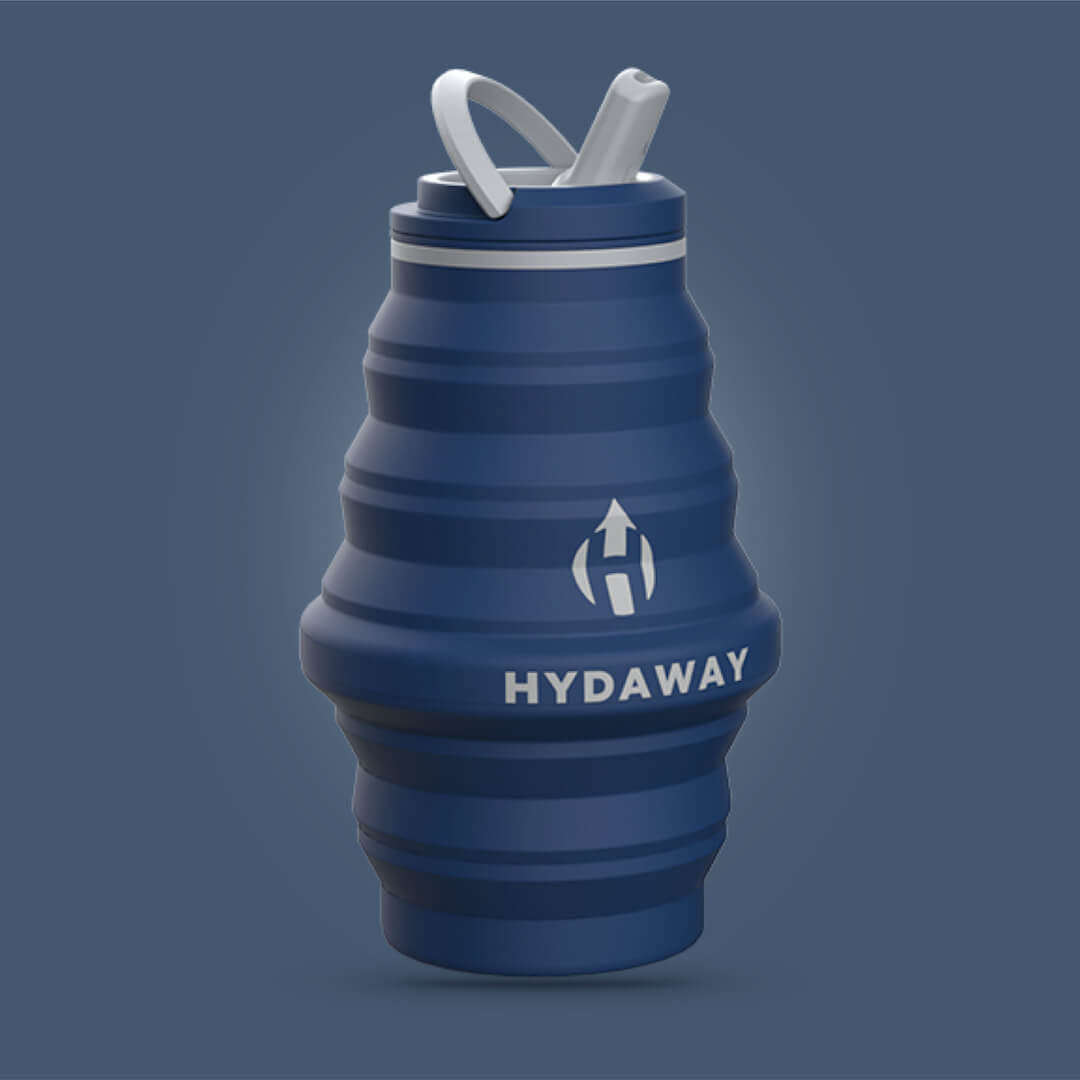
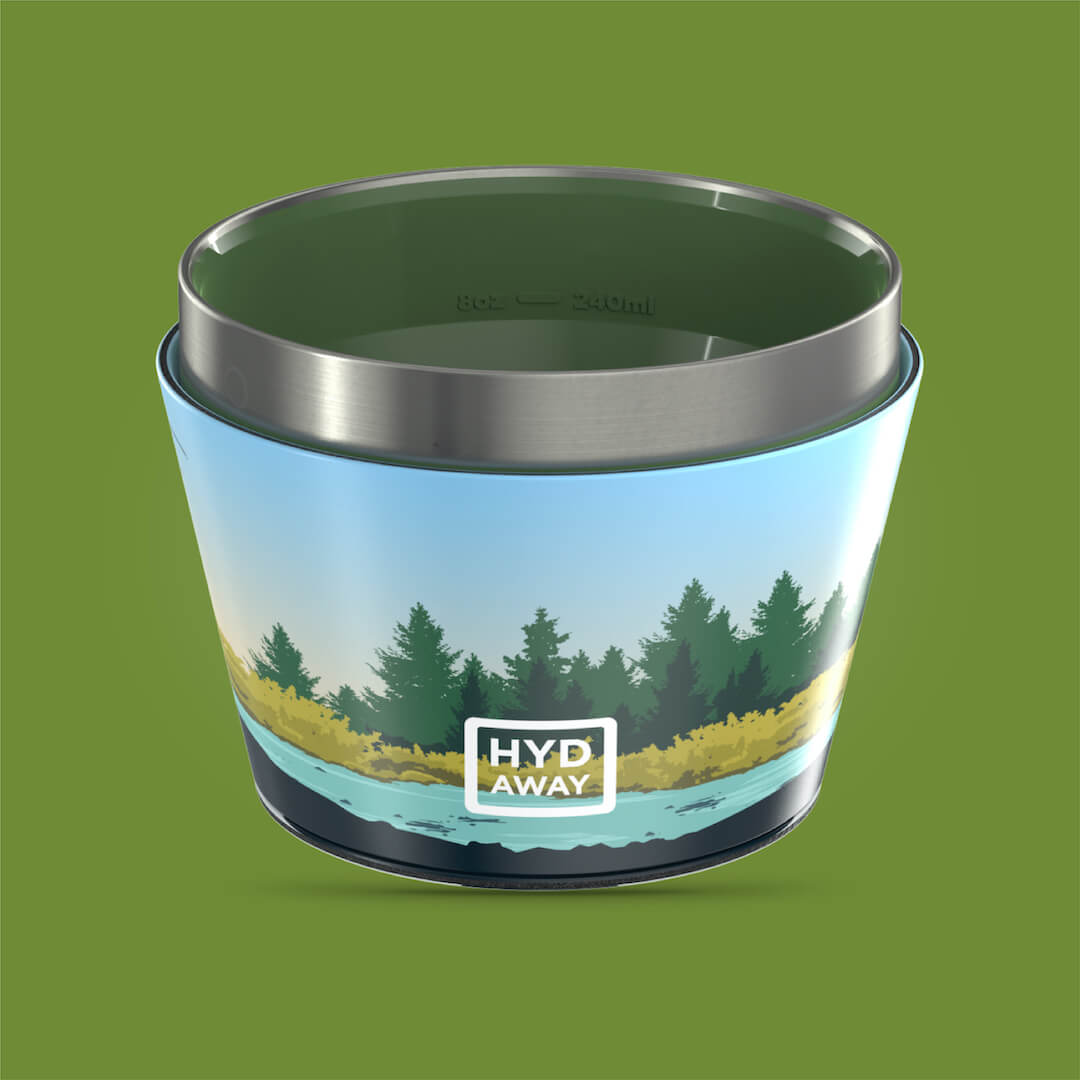
If you want gear that supports this kind of organized, low-bulk travel, take a look at HYDAWAY. Their compact, collapsible bottles, tumblers, bowls, and adventure-ready accessories fit naturally into a modular camp kitchen, especially when space is tight and every piece of gear has to earn its spot.