


Finding the Best Alternative for Plastic Water Bottles

Choosing a reliable alternative for plastic water bottles is one of the easiest—and most impactful—changes you can make in your daily life. Let's be honest, the convenience of single-use plastic is tempting, but it comes at a huge environmental and financial cost. Grabbing that bottle off the shelf turns a simple sip of water into a piece of a massive global problem.
Switching to a reusable bottle isn't just a trend; it's a direct vote for a healthier planet and a much smarter way to stay hydrated.
The True Cost of Convenience
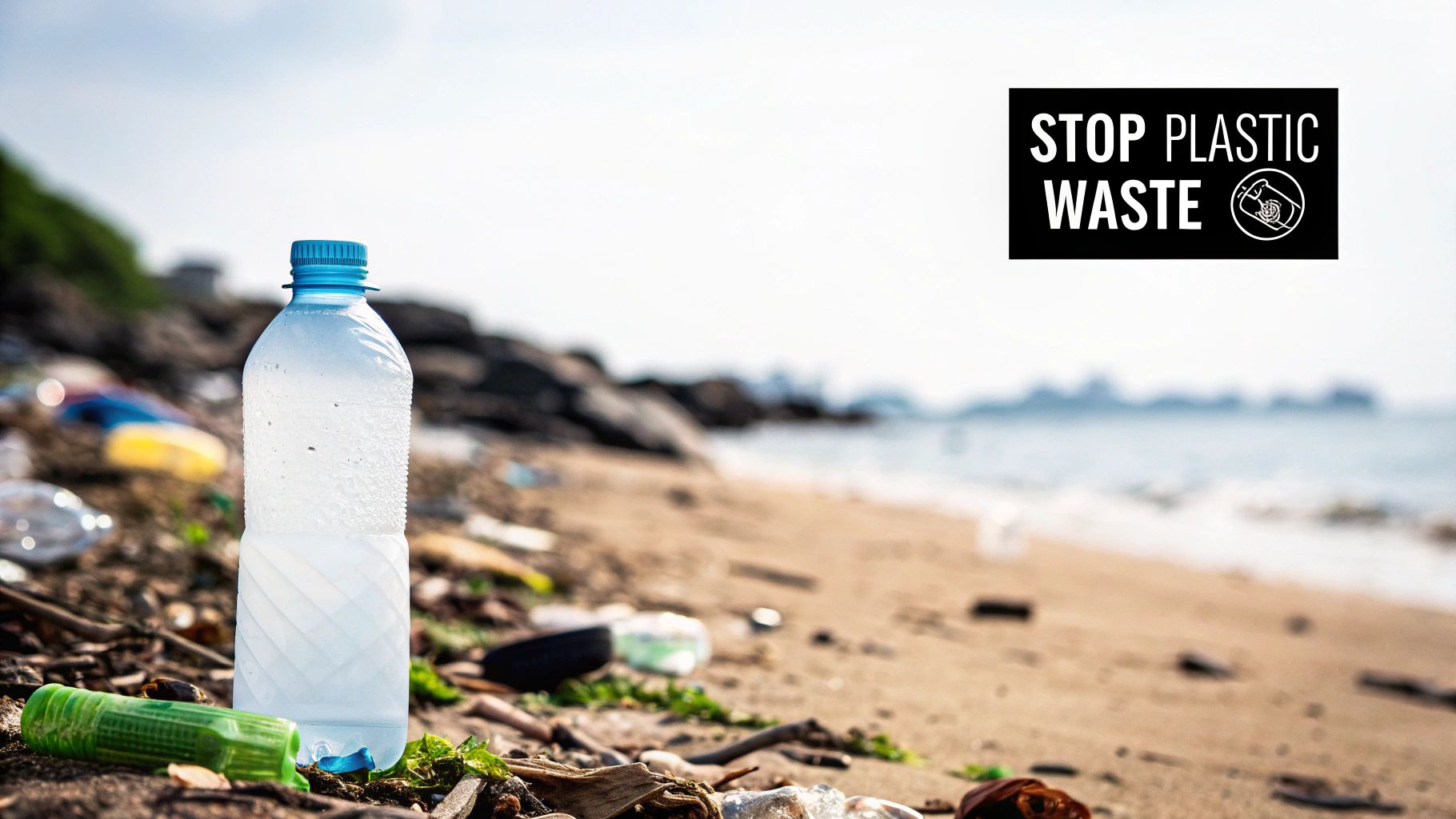
That plastic bottle you grab on the go? It has a much bigger story than the few minutes you spend drinking from it. It's one small part of a gigantic chain of consumption and waste that’s seriously straining our planet's resources. From the fossil fuels used to create it to the centuries it'll spend in a landfill or floating in the ocean, its impact is just staggering.
Its journey starts with oil and gas. Manufacturing, filling, and shipping each bottle to a store shelf burns a ton of energy and uses up precious water. This whole process pumps out carbon emissions and creates pollution long before the bottle ever makes it to you. And once it's empty, its story is far from over.
An Unfolding Environmental Crisis
The scale of this problem is almost hard to wrap your head around. In the U.S. alone, our thirst for bottled water has exploded, jumping from 3 billion bottles in 1997 to a whopping 86 billion in 2021. That’s a nearly 3,000% increase! And despite all that use, our recycling rates are still embarrassingly low. You can dive deeper into the single-use plastic problem in our detailed guide.
Globally, the numbers are even more mind-boggling. We're producing around 600 billion plastic water bottles every year, with a million sold every single minute. This non-stop production fuels a crisis that generates millions of tons of waste. It’s inspiring to see organizations embracing eco-friendly initiatives to do their part, even in unexpected places like the marine tourism industry. The sheer volume of waste piling up shows just how urgently we need a change.
The Financial Drain of Bottled Water
Putting aside the environmental disaster for a moment, the cost of all those disposable bottles really adds up. Buying bottled water might feel like a small, everyday expense, but it's one of the most marked-up products on the shelf. Tap water costs a tiny fraction of a cent per gallon, while bottled water can cost hundreds of times more.
Over a year, a daily bottled water habit can easily run you hundreds of dollars. For a family, that number can quickly climb into the thousands—money that could go toward a vacation, savings, or just about anything else.
Switching to a reusable bottle is a small investment that honestly pays for itself in just a few weeks. For a practical example, think about a family trip to an amusement park. Instead of shelling out $20 or more on disposable bottles throughout the day, a HYDAWAY collapsible bottle can be refilled for free at any water fountain. It's a simple, wallet-friendly choice that makes sustainable living easy and affordable.
Exploring the Top Reusable Bottle Materials
Once you decide you're done with single-use plastic, you step into a world of fantastic, sustainable options. But here's the thing: choosing the right reusable bottle isn’t about finding the single “best” material. It’s about finding the best material for your life. The perfect bottle for you really hinges on your daily routines, your adventures, and what you personally value.
Let's break down the most popular materials out there and see what makes each one shine. Think of it like picking out a new phone—you wouldn't get a huge, top-of-the-line model if all you need is something small and simple for calls and texts. Each bottle material has its own purpose, and figuring that out is the first step toward making a switch you’ll actually stick with.
The Rugged Workhorse: Stainless Steel
Stainless steel bottles are the tough, reliable champions of the reusable world. They're known for being incredibly durable, meaning they can handle being dropped at the gym, tossed in a crowded bag, or clipped to a backpack without missing a beat. But their most celebrated feature is often their insulation.
Many stainless steel bottles come with double-wall vacuum insulation, which basically turns your bottle into a personal thermos. This tech keeps water ice-cold for up to 24 hours on a blazing summer day and keeps your coffee or tea steaming hot during a chilly morning commute. For a practical example, fill it with ice water before a day at the beach, and you'll probably still have ice cubes clinking around by sunset.
The trade-off? They can be heavier and bulkier than other options. That might be a dealbreaker if you're trying to pack light for a flight or a long-distance hike.
The Pure-Taste Champion: Glass
For the purists out there who believe water should taste like, well, water—glass is the ultimate choice. It's a completely non-porous material, which means it won’t absorb any flavors, weird smells, or colors from your drinks. Yesterday’s iced tea won’t leave a ghost of its flavor in today’s fresh water.
Glass bottles just have a clean, elegant look, and they’re totally free of any chemicals that could leach into your drink, giving you complete peace of mind. Many modern glass bottles now come wrapped in a protective silicone sleeve, which gives you a much better grip and adds a little cushion against minor bumps and drops.
Of course, the main downside is fragility. While those sleeves definitely help, a hard drop onto concrete can still end in a shatter. This makes them less than ideal for rugged adventures or for young kids.
The Lightweight Contender: BPA-Free Plastic
Okay, while we’re all trying to move away from single-use plastics, modern reusable plastic bottles are in a different league entirely. Made from materials like Tritan, they are exceptionally lightweight and shatter-resistant, making them a super practical choice for the gym, kids' lunchboxes, or any situation where weight and durability are key.
These advanced plastics are rigorously tested to be free of nasty chemicals like BPA, so you know they’re safe for daily use. They really offer a great balance of performance and price. The downside is that they usually don't have insulation and can sometimes hold onto odors or stains from flavored drinks over time.
The key takeaway here is that not all plastics are created equal. High-quality, reusable BPA-free options are designed for safety and a long life, a world away from their flimsy, disposable cousins.
The Space-Saving Innovator: Silicone
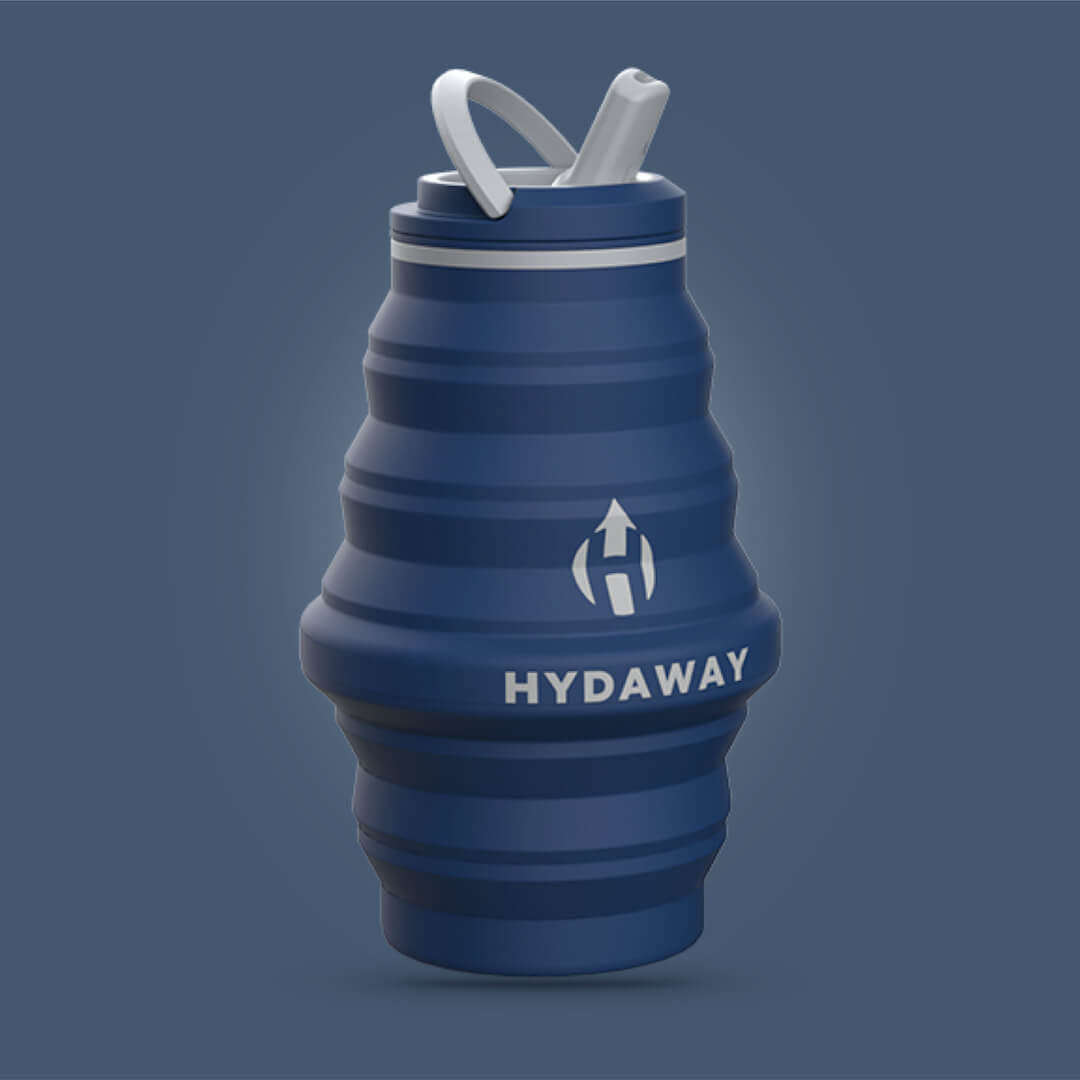
This is where things get really interesting. Food-grade silicone is a game-changer for anyone who values portability above all else. This flexible, non-toxic material allows for a truly unique design feature: it can be collapsed. This makes it the perfect alternative for plastic water bottles when space is your biggest enemy.
This is exactly where HYDAWAY shines. Picture this: you're heading to the airport for a vacation. Instead of lugging a bulky, empty bottle through security, you can flatten your HYDAWAY bottle down to just over an inch thick. Slip it into your pocket or carry-on, and you're good to go. Once you're past the checkpoint, it pops open to full size, ready to be filled at the nearest water fountain.
This incredible packability makes it a favorite among travelers, minimalist hikers, and busy parents navigating daily life. If you want to dive deeper into what makes some materials stand out, you can explore our guide to the best eco-friendly water bottles and see how they all stack up. HYDAWAY’s design is proof that a sustainable choice doesn't have to be an inconvenient one.
A Quick Guide to Reusable Bottle Materials
To make it even simpler, here's a quick comparison of the most popular materials. Think of it as a cheat sheet to find your perfect match at a glance.
| Material | Ideal For | Key Advantage | Potential Drawback |
|---|---|---|---|
| Stainless Steel | All-day hydration, hot & cold drinks, outdoor use | Incredible durability and insulation | Can be heavy and bulky |
| Glass | Home, office, and ensuring pure taste | Won't absorb flavors or leach chemicals | Fragile and heavier than plastic |
| Silicone | Travel, hiking, commuting, saving space | Collapsible, lightweight, and packable | Less rigid than other materials |
| BPA-Free Plastic | Gym, kids, budget-friendly everyday use | Lightweight and shatter-resistant | Lacks insulation, can retain odors |
No matter which material you lean towards, the most important thing is finding a bottle you’ll actually use day in and day out. That’s the real win for both you and the planet.
How to Match the Right Bottle to Your Lifestyle
Picking the best alternative for plastic water bottles is less about what looks cool and more about finding a true partner for your day-to-day life. The perfect bottle should feel like it was made just for you, sliding seamlessly into your routine whether you're catching a flight, hitting the trails, or wrangling the family at a theme park. When you find the right one, sustainability stops feeling like a chore and starts feeling like a smart, simple upgrade.
This move toward reusables isn't just a trend; it's becoming the new normal. By 2025, a massive 60% of US adults will own a reusable water bottle—that's around 155 million people. It’s a huge shift away from single-use plastics, yet over 60 million plastic bottles are still thrown away every single day in the US, with a measly 23% ever making it to a recycling plant. If you want to dive deeper into this cultural change, you can read the full breakdown of reusable bottle statistics.
To help you find your perfect match, this decision tree can point you toward the bottle material that best fits what you actually need.
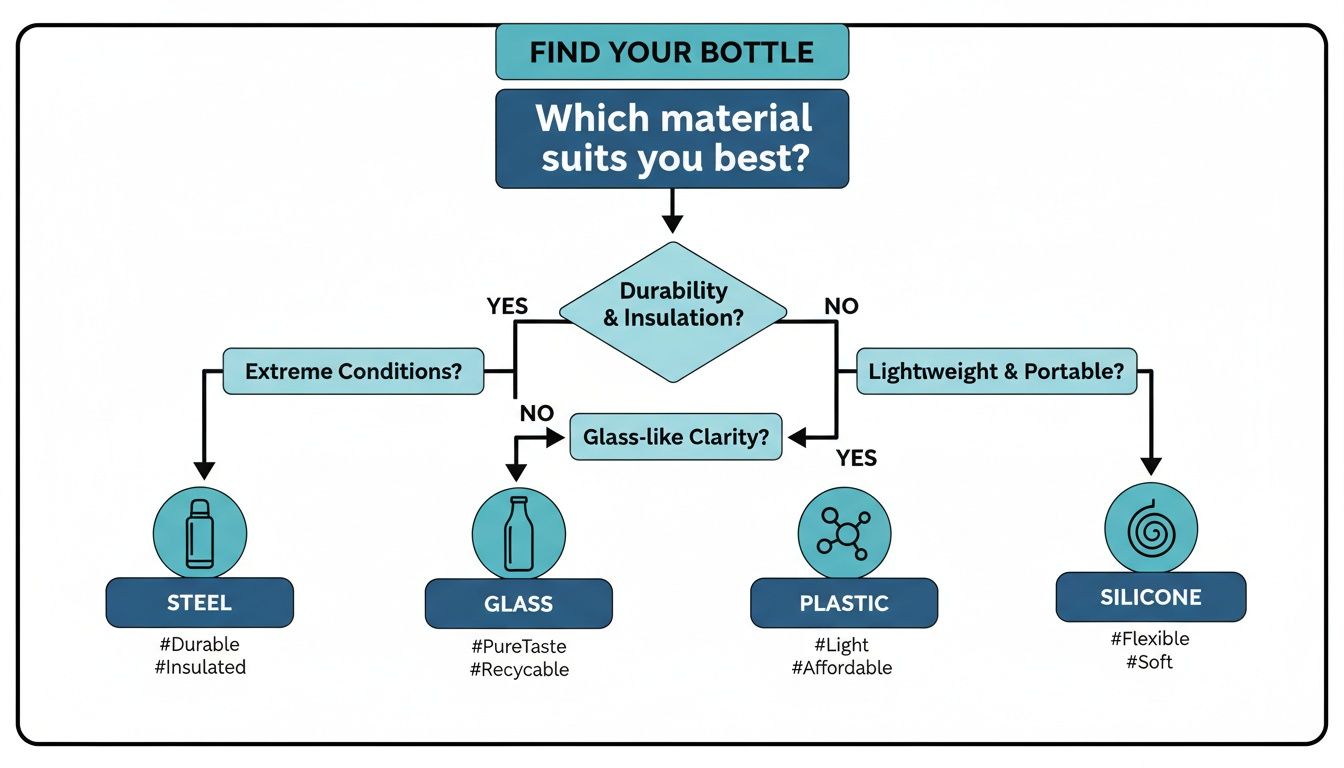
This chart helps connect the dots between priorities like durability, portability, and taste with the materials that deliver on those fronts, making your choice a whole lot easier.
For the Frequent Flyer and Urban Commuter
If your life is a blur of airport security lines, crowded subways, and tiny work desks, you know that space is everything. Lugging around a bulky, empty water bottle is exactly the kind of hassle that sends people back to buying disposables out of pure convenience. This is where collapsible silicone bottles completely change the game.
Here's a practical, real-life scenario: you're rushing to your gate. Instead of chugging your water and hunting for a recycling bin, you just empty your bottle, flatten it down, and tuck it into your pocket. A HYDAWAY collapsible bottle shrinks to just over an inch thick, basically disappearing until you need it again. Once you’re through security, just pop it open at a filling station and skip paying $5 for airport water.
The same logic works for the daily grind. A full, rigid bottle takes up awkward space in a laptop bag. With a HYDAWAY, you can finish your water on the train, collapse the bottle, and free up a ton of room for the journey home.
Key Takeaway: For anyone constantly on the move where space is a premium—travelers, commuters, students—a collapsible bottle solves the core portability problem that rigid bottles just can't.
For the Weekend Hiker and Outdoor Adventurer
When you're out on the trail, your gear needs to be tough. No exceptions. For hikers, campers, and anyone who loves the outdoors, a durable, high-capacity stainless steel bottle is usually the go-to companion. It can take a tumble on rocky terrain or get banged around in a heavy pack without breaking a sweat.
Imagine a long day hike in the summer. An insulated steel bottle filled with ice water in the morning will still give you a refreshingly cold sip hours later, even under a blazing sun. It's a small luxury that makes a world of difference out there.
But let's be honest, they can be bulky. A practical trail strategy is to carry a stainless steel bottle as your main hydration source and pack a collapsed HYDAWAY bottle as a featherlight backup. This gives you extra capacity for filtering water from a stream without adding weight or sacrificing precious pack space.
For the Busy Parent and Theme Park Pro
A day at a theme park or just shuttling kids between activities demands a totally different set of priorities. You need something lightweight, easy for little hands to manage, and simple to clean. Hauling multiple heavy, insulated bottles for the whole family can turn a fun day into an arm workout.
This is where lightweight BPA-free plastic and collapsible silicone bottles are absolute lifesavers. They won't weigh down your stroller or backpack, and they can survive being dropped by a toddler (a crucial feature). For parents, convenience is king.
Here’s how it works in real life: on a day trip to the zoo, instead of dropping $20-$30 on single-use waters for the crew, you can bring collapsed HYDAWAY bottles for everyone. They take up almost zero room in your bag on the way in. As the day heats up, you can easily refill them at water fountains, keeping everyone hydrated and saving some serious cash. Best of all, they're dishwasher-safe, making cleanup after a long, exhausting day completely painless.
Essential Features to Consider Before You Buy
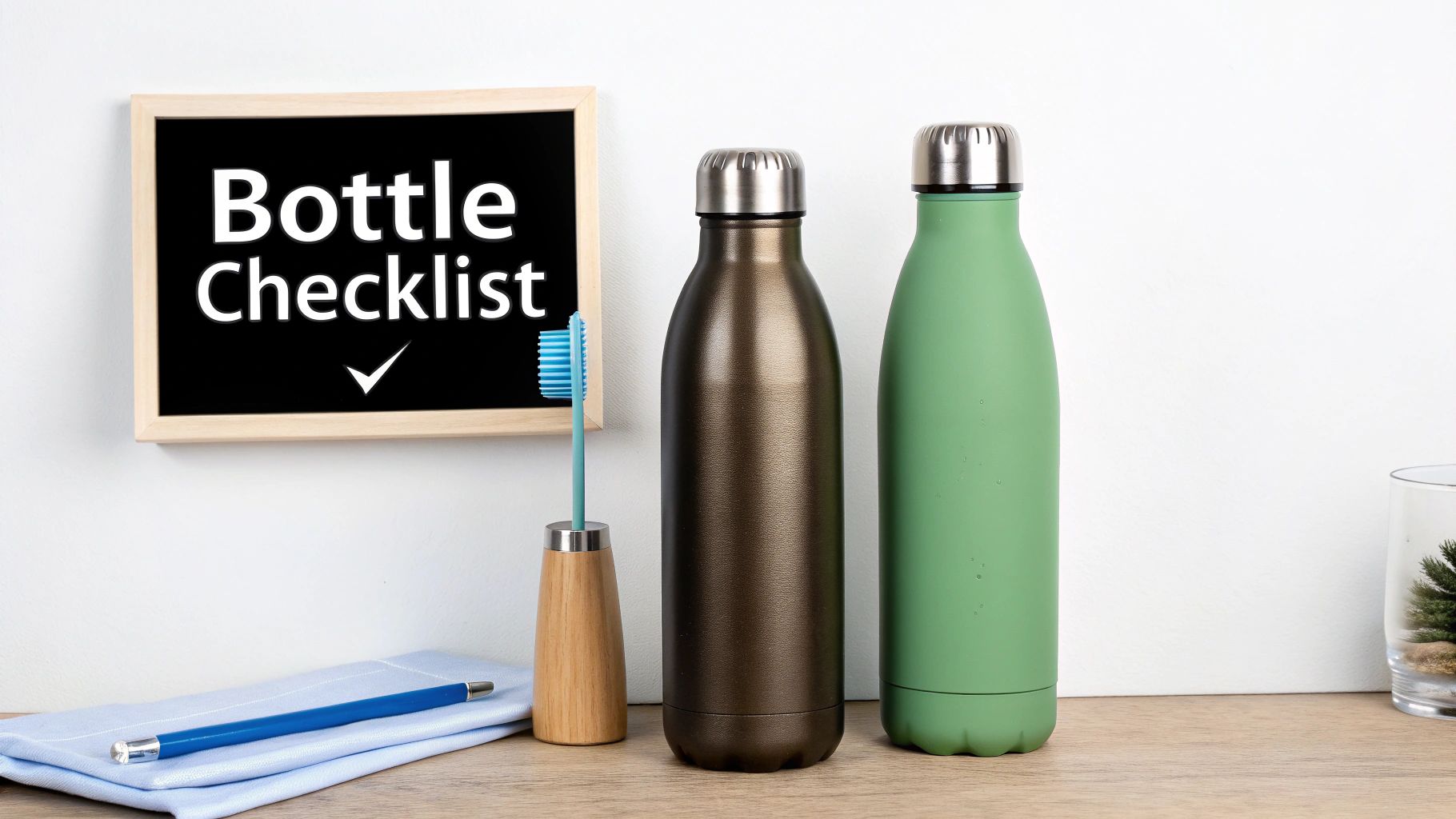
With a sea of reusable bottles out there, picking the right one can feel like a chore. Let's cut through the noise and focus on what really matters. Think of this as your personal checklist to find an alternative for plastic water bottles that actually fits how you live.
The global water bottle market is massive—it’s expected to jump from USD 10.22 billion in 2025 to USD 14.97 billion by 2032. While cheap plastic bottles still dominate, there's a huge shift happening. People are getting smarter about their environmental impact, and that's driving a clear trend toward sustainable materials like metal and glass.
Capacity and Mouth Size
First things first: how much water do you actually drink, and how do you like to drink it? Capacity is pretty simple. A smaller 16-18 oz bottle is great for a quick gym session, but if you need all-day hydration at the office or on a trail, you'll want to size up to a 32-40 oz bottle.
Mouth size, though, makes a bigger difference than you’d expect. A wide-mouth opening is your best friend for easy filling, tossing in ice cubes, and getting a brush in there for a thorough cleaning. On the flip side, a narrow-mouth opening is perfect for sipping on the move, helping you avoid splashing water all over yourself while walking or driving.
Lid Types and Leak-Proofing
The lid you choose is all about balancing convenience with security. They each have their own job.
- Screw-Top Lids: These are the Fort Knox of bottle lids. The simple, threaded design creates an incredibly tight seal, making them your most reliable, leak-proof option. Perfect for tossing in a bag and forgetting about it.
- Straw Lids: Ideal for quick, one-handed sips. A straw lid is fantastic for your desk, the car, or the gym. It just makes staying hydrated feel effortless, but be careful—they aren't always completely leak-proof if they tip over.
- Flip-Top or Spout Lids: This style is a great middle-ground. You get easy access to your water with a secure closure that prevents most major spills.
If you're looking for a bottle that can keep up with an active lifestyle, checking out a detailed Hydro Flask bottle review can point you in the right direction.
No matter what style you choose, the lid must be 100% leak-proof. A bottle that drips in your backpack is a bottle that ends up in the back of your cabinet. Always check reviews to see how the seal holds up over time.
Insulation and Cleanability
Need to keep your drink frosty cold or piping hot? Double-wall vacuum insulation, which you'll find in most stainless steel bottles, is what you're looking for. This tech can keep water ice-cold for up to 24 hours or coffee hot for 12 hours—a total game-changer for long days.
And don't forget about cleaning. A bottle that's a pain to wash will quickly start to smell or, even worse, grow mold. Look for simple designs that are dishwasher-safe or have wide openings and easy-to-disassemble parts.
The Overlooked Essential: Packability
Finally, think about where you're actually taking this bottle. A bulky, rigid container is a pain to carry around, especially once it's empty. This is the exact problem HYDAWAY’s collapsible bottles were born to solve.
Your standard reusable bottle takes up the same amount of space, full or empty. A HYDAWAY bottle, on the other hand, squishes down to just over an inch thick. You can tuck it into your pocket, a small purse, or carry-on luggage with ease. It completely solves the packability problem, making it the ultimate choice for travelers, commuters, or anyone who just wants to save some space.
Keeping Your Reusable Bottle Clean and Fresh
Choosing a reusable water bottle is a huge win for both you and the planet. But now comes the easy part: making sure that investment lasts. Proper cleaning isn’t just about getting rid of germs; it’s the secret to making sure every sip of water tastes crisp and clean, year after year.
Think about it—you wouldn't use the same coffee mug for a week straight without a wash, right? The same goes for your water bottle. A quick daily rinse is great, but a solid cleaning routine is what stops that funky, musty smell and invisible grime from ruining your hydration habit.
Your Daily Cleaning Routine
Making cleaning a daily habit is way easier than it sounds and takes less than a minute. At the end of the day, just give your bottle a quick wash with some warm, soapy water.
A bottle brush is your best friend here, helping you scrub the inside and get into all the nooks and crannies. Don't forget the mouthpiece and the threads on the lid—those are prime spots for gunk to hide!
Rinse it out well and let it air dry completely overnight, ideally upside down on a drying rack. This one simple step prevents moisture from getting trapped, which is the number one cause of those less-than-fresh smells.
Pro Tip: Try not to leave water sitting in your bottle for days on end. Using fresh water daily doesn't just taste better; it helps keep your bottle cleaner between deep cleans.
Deep Cleaning for Lasting Freshness
Even with daily rinses, your bottle needs a good deep clean about once a week to knock out any stubborn buildup. The good news? You don't need any harsh chemicals. Some of the best cleaning tools are probably already sitting in your kitchen.
Here are a couple of simple but super effective methods:
- White Vinegar Wash: Fill your bottle about halfway with a 50/50 mix of white vinegar and water. Screw the lid on tight, give it a good shake for a minute, then let it sit for a few hours (or overnight for a really tough job). The vinegar’s acidity is fantastic at breaking down residue and killing odors.
- Baking Soda Scrub: For a gentle but powerful scrub, mix a couple of teaspoons of baking soda with a little warm water to make a paste. Use your bottle brush to work the paste around the inside of your bottle. This is perfect for lifting stains and getting rid of any lingering flavors from sports drinks or teas.
After using either method, rinse your bottle thoroughly with hot water to wash away any leftover vinegar or baking soda. For an even easier, on-the-go solution, you can also learn how to use bottle cleaner tablets, which are designed to fizz away grime with zero effort.
Care Tips for Your HYDAWAY Bottle
One of the best things about HYDAWAY collapsible bottles is how incredibly convenient they are, and that definitely includes cleaning them. They're made from food-grade silicone and designed for a life on the move, which means cleanup is an absolute breeze.
Because they are 100% dishwasher-safe, you can just pop your bottle on the top rack for a no-fuss, total sanitization. This makes HYDAWAY a super practical, low-maintenance choice, ensuring you’ve always got a fresh, clean bottle ready for your next adventure—no extra work required.
Why HYDAWAY Is the Smart Choice for Life on the Go
Let's be clear: choosing any reusable bottle over a single-use plastic one is a massive win for the planet. But when your life is constantly in motion, some choices are just plain smarter than others. This is exactly where HYDAWAY comes in, solving a core problem most other bottles don’t even think about.
Sure, that rigid stainless steel or glass bottle is a fantastic alternative for plastic water bottles when you’re at your desk or chilling at home. But what happens once it's empty? Suddenly, it’s just a bulky burden taking up precious space.
HYDAWAY flips this problem on its head by focusing on what happens after you’ve finished your water. It’s not just a container; it's a piece of smart, adaptable gear designed for how you actually live.
Designed for Ultimate Portability
The real genius behind a HYDAWAY bottle is its incredible ability to virtually disappear when you don't need it. It’s a simple concept, but it completely redefines convenience for an active life.
Think about all the times a bulky bottle just gets in the way:
- At a concert or stadium: Instead of lugging around a clunky empty bottle all night, you can collapse your HYDAWAY and slip it into your back pocket or a small clutch.
- On a morning run: Forget juggling a bottle or strapping on an awkward belt. Once you're hydrated, flatten the bottle, and it tucks away without breaking your stride.
- Family theme park days: Rather than dedicating an entire backpack pocket to the family’s empty bottles, you can pack several collapsed HYDAWAYs in the space a single wallet would take up.
HYDAWAY solves the fundamental challenge of portability. It's built for the moments you aren't drinking, freeing up your hands and your bag so you can focus on the experience itself.
An Upgrade to Your Hydration Experience
HYDAWAY isn't just about ditching plastic; it’s about genuinely upgrading how you hydrate throughout your day. It’s the perfect companion that adapts to your plans, not the other way around.
For travelers, it means breezing through airport security and still having a bottle to fill up on the other side. For commuters, it means less weight and bulk to haul on the trip home.
By eliminating the pure inconvenience of carrying an empty, rigid container, HYDAWAY makes the sustainable choice the easiest one. It’s the practical, space-saving solution that fits right into your travels, workouts, and daily adventures, making it the most versatile reusable bottle out there.
Still Have a Few Questions?
Thinking about making the switch but have a couple of last-minute questions? We get it. Here are some honest answers to the most common things people ask, so you can feel great about your choice.
Are Reusable Water Bottles Really Better for the Environment?
Yes, and it’s not even close. While a reusable bottle takes more energy to make just once, you only need to use it a few times to beat the environmental cost of single-use plastic bottles.
Think about it this way: over its life, a single reusable bottle can stop thousands of plastic bottles from ever being created, shipped, and tossed into our landfills and oceans. That’s a massive reduction in waste and a huge win for conserving resources.
How Do I Get Rid of That “New Bottle” Taste?
That initial taste is pretty normal and, thankfully, super easy to fix. Your first step should always be a good wash with hot, soapy water.
If that doesn't quite do the trick, it's time for a deeper clean. Just fill your bottle with a mix of one part white vinegar to four parts water and let it soak overnight. A paste made from baking soda and water works wonders, too. Give it a good scrub, rinse it out, and you’ll have nothing but crisp, clean-tasting water. This method is perfectly safe for HYDAWAY's food-grade silicone, by the way!
Is It Actually Safe to Drink From a Collapsible Silicone Bottle?
Absolutely—as long as you’re buying from a reputable brand that prioritizes safety. The key is to look for products that are third-party tested and proven to be free of any nasty chemicals.
HYDAWAY bottles are made from 100% food-grade silicone. This is the same top-quality, non-toxic stuff used for baby products and high-end kitchen tools. It's certified BPA-free and doesn't contain any harmful chemicals like phthalates or lead, so you never have to worry about anything leaching into your water.
You get clean, safe, and flavor-free hydration every single time you fill up. It’s the perfect, worry-free alternative for plastic water bottles, especially when you’re out and about.
Ready to upgrade to the most convenient reusable bottle for life on the go? Explore the full collection of collapsible, space-saving gear from HYDAWAY at https://myhydaway.com.