


10 oz Plastic Cups: The Ultimate Guide & Smart Alternatives

You’re probably seeing them right now without thinking much about them. A sleeve of clear cups by the coffee station at work. A stack of 10 oz plastic cups on a picnic table. A handful tossed into a camp bin for a road trip because they feel easy, light, and cheap.
That’s exactly why they deserve a closer look.
A 10 oz plastic cup seems simple. It holds a drink, gets used for a few minutes, then disappears into a trash bag or recycling bin. But that little cup has a design logic, a material story, and a real long-term cost. If you travel often, commute daily, camp on weekends, or keep extras in the car for family outings, those costs add up faster than often realized.
This guide breaks that down in plain language. You’ll see why 10 oz plastic cups are built the way they are, what materials they’re usually made from, where the convenience is real, and where it starts working against you.
The Hidden Story of a Simple Plastic Cup
At a backyard cookout, a 10 oz plastic cup feels like the least important item on the table. People grab one for soda, lemonade, or water, set it down, lose track of it, then grab another. By the end of the afternoon, the cups are everywhere. Some are half full. Some are cracked. Most are headed for the trash.
That everyday scene feels modern, but the habit is older than commonly realized. The disposable cup industry began in 1907, and by 1917 public glasses had disappeared from American railway carriages, replaced by paper cups because of public health concerns about shared drinking vessels, according to this history of how disposable cups became standard equipment.
That detail matters because it explains something people often miss. Single-use cups didn’t become normal just because they were convenient. They became normal because society built a habit around hygiene, mass production, and easy distribution. Once that habit settled in, it stayed.
A throwaway cup isn’t just a product. It’s a behavior we inherited.
For outdoor people, travelers, and families on the move, that old habit shows up in familiar ways. You pack a sleeve of cups for a campsite because washing dishes sounds annoying. You bring them to a hotel room because kids always want juice. You stash them in a van or RV because they seem practical in the moment.
Why this tiny item deserves attention
The cup’s life is short. The consequences usually aren’t.
If you only look at the moment of use, a disposable cup looks efficient. If you look at the full journey, from manufacturing to transport to disposal, the picture changes fast. It becomes less about a cheap party supply and more about a repeating decision that affects your budget, your gear load, and the waste you create while moving through daily life.
That’s where the smarter question starts. Not “Can this hold my drink?” but “What does this choice cost me over time?”
The Anatomy of a 10 oz Plastic Cup
A standard 10 oz plastic cup looks plain, but it’s carefully engineered. Most are made from PET or PS, and typical dimensions are 4 inches tall, 3 inches across the top, and 2 inches across the bottom, based on common commercial cup specs from WebstaurantStore’s 10 oz PET cup listing.

That shape isn’t random. The cup is wider at the top and narrower at the base so it can nest tightly with other cups. This tapered design reduces nesting depth by 20 to 30% compared with cylindrical shapes and allows up to 1,000 cups per case, which helps sellers pack more cups into less space and move them more efficiently.
Why the shape matters
If you’ve ever pulled one cup from a stack at a concession stand or office break room, you’ve seen the design at work. The rim gives people an easy grip, while the narrowing body lets each cup slide inside the next without locking too tightly.
That solves several practical problems at once:
- Storage efficiency keeps sleeves compact in kitchens, event bins, and supply closets.
- Fast dispensing helps in busy settings like school events, food trucks, and snack bars.
- Lower shipping bulk matters to sellers because denser packing means less wasted space in cartons.
If you like understanding gear, this is the same kind of design thinking you see in nesting cookware or collapsible camp bowls. The object looks simple, but every curve serves a purpose.
Why 10 oz became such a common size
Ten ounces lands in a useful middle ground. It’s enough for juice, soda, sparkling water, or a modest serving of coffee without feeling oversized. For events, it helps with portion control. For households, it’s small enough for kids and casual enough for quick drinks.
People also get confused by cup sizing because “10 oz” can sound more precise than it really feels in daily use. Looking over a guide to plastic cup measurements can help if you’re comparing cup sizes for events, travel kits, or meal planning. It’s one of those details that seems minor until you buy the wrong size for the job.
Practical rule: If a cup is meant for fast service, stacking and separation matter almost as much as capacity.
That’s the core of the 10 oz plastic cup. It isn’t popular by accident. It’s popular because its size and shape make single-use service easy.
Decoding the Plastic Materials Used in Cups
The distinct feel of a plastic cup often reveals its type long before its material is explicitly identified. One feels clear and sturdy. Another feels brittle and a little squeaky. A third bends more easily. Those differences matter because the material affects clarity, durability, heat tolerance, and how the cup behaves in real use.

PET, PP, and PS in plain English
Here’s the simplest way to think about the common options:
| Material | What it feels like | Typical use |
|---|---|---|
| PET | Clear, crisp, more crack-resistant | Cold drinks like soda or iced beverages |
| PP | Slightly more flexible, often used where heat resistance matters | Some reusable containers and hot drink applications |
| PS | Rigid and can be brittle, though thicker versions hold up better | Disposable cold drink cups and foam-style products |
PET is common when sellers want a clear cup that shows off the drink. PP often enters the conversation when people care about heat resistance or reusable designs. PS, or polystyrene, is often treated as the flimsy option, but that’s only partly true.
What PS actually does well
In food-grade 10 oz cups, PS can have thickened walls that resist cracking from thermal shock between -4°F and 140°F, and its low water vapor transmission rate helps prevent condensation from weakening the cup. According to the product data summarized by Brilliant Promos, that helps these cups maintain structural integrity 2 to 3 times longer than thinner alternatives for iced drinks in high-traffic settings.
That’s why some disposable cups feel stronger than others even when they look similar. A thicker PS cup used for cold drinks at an event may perform fine for its intended job.
Still, performance isn’t the same thing as long-term value.
The safety question people usually ask
Most shoppers eventually ask some version of the same thing. Is this plastic okay to drink from?
That’s where labeling and material knowledge help. BPA concerns often get lumped together with all plastics, even though different plastics have different profiles. If you want a simple breakdown of what manufacturers mean when they talk about safer formulations, this explanation of what BPA-free plastic means is a useful starting point.
A few practical points make the issue less confusing:
- Match the cup to the drink. Cold-drink cups aren’t automatically ideal for hot liquids.
- Don’t assume all clear cups are the same. PET and PS may look alike at a glance but behave differently.
- Recyclable doesn’t mean recycled. A material can be technically recyclable and still fail to become new products in practice.
If you’re choosing disposable cups, material choice can improve the experience. It doesn’t erase the afterlife of the product.
For travelers and outdoor users, that distinction matters. A cup that survives one concert, one picnic, or one road stop may still be the wrong tool if you need something dependable day after day.
The True Cost of Single-Use Convenience
People call disposable cups cheap because the upfront purchase feels small. That’s true only if you ignore everything after checkout.
Globally, people use about 500 billion disposable plastic cups every year, and in the U.S. only 8.7 percent of all plastics generated in 2018 were recycled, according to this overview of the disposable plastic cup life cycle. A cup may serve you for a few minutes, but most of its life happens after you’re done with it.

What convenience hides
The hidden cost has two parts. One is environmental. The other is financial.
On the environmental side, the same source notes that manufacturing a single plastic cup generates 10 to 30 grams of CO2 emissions. It also reports that only 20 percent of plastic used globally is recycled, while the rest goes to landfills, oceans, or incineration. Some of that plastic breaks down into microplastics.
On the financial side, disposables create a repeated buying cycle. You don’t buy “a cup.” You buy the same temporary solution over and over.
Why active people feel this more than they think
If you mostly drink at home with regular dishes, disposable cup costs can stay invisible. But active people use them in patterns that repeat:
- Commuters grab drinks on the way to work and use office cups later.
- Road trippers stock up before a drive because cleanup feels easier.
- Campers buy sleeves for quick meals and group drinks.
- Parents on outings keep extra cups in the car, stroller, or park bag.
None of those moments feels expensive alone. Together, they create a habit of paying for short-lived convenience while also carrying the waste that habit leaves behind.
Field note: The easiest gear to justify is often the gear you replace most often. That doesn’t make it the smartest gear.
There’s also a practical contradiction here. Disposable cups are supposed to remove hassle, but they often create a different kind. They tip over in camp chairs, crack in overloaded bags, get crushed in coolers, and ultimately leave you with a trash problem.
A better way to think about cost
When you evaluate outdoor gear, you probably don’t just look at shelf price. You think about how long it lasts, how much space it takes, whether it breaks, and whether you’ll regret bringing it.
Cups deserve the same standard.
A product that’s cheap once but constantly replaced isn’t always economical. A product used briefly but lasting for centuries after disposal isn’t really convenient either. That’s the shift in perspective that changes everything.
How to Choose the Right Cup for Any Occasion
Sometimes you really do need disposable cups. A large neighborhood event, a school snack table, or a one-time gathering may call for a practical solution. The goal isn’t perfection. The goal is choosing with your eyes open.
For frequent users, though, the math starts changing. According to the pricing comparison from Disposable Design Store, a 150-count pack of disposable cups costs about $20 to $30, while a quality reusable tumbler costs about $30 to $40. The same source notes that regular users such as commuters or travelers can reach cost parity within 6 to 12 months.
When disposable still makes sense
If you’re buying 10 oz plastic cups for a specific event, keep your criteria practical:
- Choose for the drink type. Cold drinks do best in cups designed for cold service.
- Buy the amount you’ll use. Leftover disposables often become clutter first and waste later.
- Keep cleanup in mind. The larger the event, the more post-event trash you’ll manage.
That’s not glamorous advice, but it prevents the usual overbuying.
When reusable becomes the better tool
For daily life, travel, and repeat outings, reusable cups often win because they solve more than one problem at once. They reduce repurchasing. They cut down on packed waste. They also feel more like actual gear than a throwaway supply.
A good rule is to ask one question: Will I need a cup again soon?
If the answer is yes, reusable starts looking stronger. That’s especially true for people who already optimize what they carry. If that sounds like you, this guide to the collapsible travel cup idea is a useful example of how packability changes the equation.
A simple comparison
| Situation | Better fit |
|---|---|
| One large event with many guests | Disposable may be practical |
| Daily commuting | Reusable is usually smarter |
| Weekend camping | Reusable reduces trash and packing hassle |
| Air travel and day trips | Reusable avoids repeated purchases |
| Kids’ sports, theme parks, family outings | Reusable helps with refills and less waste |
The best choice depends on how often you’ll use it. For one afternoon, disposable can be defensible. For repeated use, it often becomes the more expensive and less practical option.
A Smarter Packable Alternative to Plastic Cups
Single-use cups became normal more than a century ago. The habit took hold in 1907, and by 1917 disposable cups had replaced public glasses on American railways, as described in the earlier history of the industry. That long timeline explains why so many people still reach for disposables automatically. It’s an old default, not necessarily the best modern choice.

The modern alternative isn’t just “bring a cup.” It’s bringing one that fits real life. That means it needs to be easy to carry, easy to clean, and compact enough that you’ll take it with you.
Why packability changes behavior
A lot of reusable drinkware fails for one simple reason. It’s bulky. People agree with the idea of reusables, then leave them at home because they take up too much room in a daypack, tote, glove box, carry-on, or jacket pocket.
Packable designs solve that friction. They work better for the kinds of moments when disposable cups usually sneak in:
- Airport travel when you want a drink container after security without carrying extra bulk.
- Camping weekends when every inch in a bin or backpack matters.
- Theme parks and family day trips when refill options can save money and cut down on trash.
- Van life and road travel where clutter builds fast and storage space never feels generous.
That’s the crucial step. A reusable product only replaces disposables if people will consistently carry it.
What to look for in a reusable alternative
A smart reusable cup should do more than survive. It should fit your routine without creating a new hassle.
Look for features like these:
- Compact storage so it disappears into your kit when you’re not drinking from it
- Durable materials that hold up to travel, trail use, and repeated washing
- Easy cleaning because anything annoying to wash gets abandoned
- Verified safer materials for peace of mind during everyday use
- Leak-resistant design if it’s riding in a bag with the rest of your gear
If you already carry stainless bottles or insulated drinkware, proper care helps them last longer too. This guide on caring for reusable stainless steel water bottles is a solid reminder that maintenance matters as much as material.
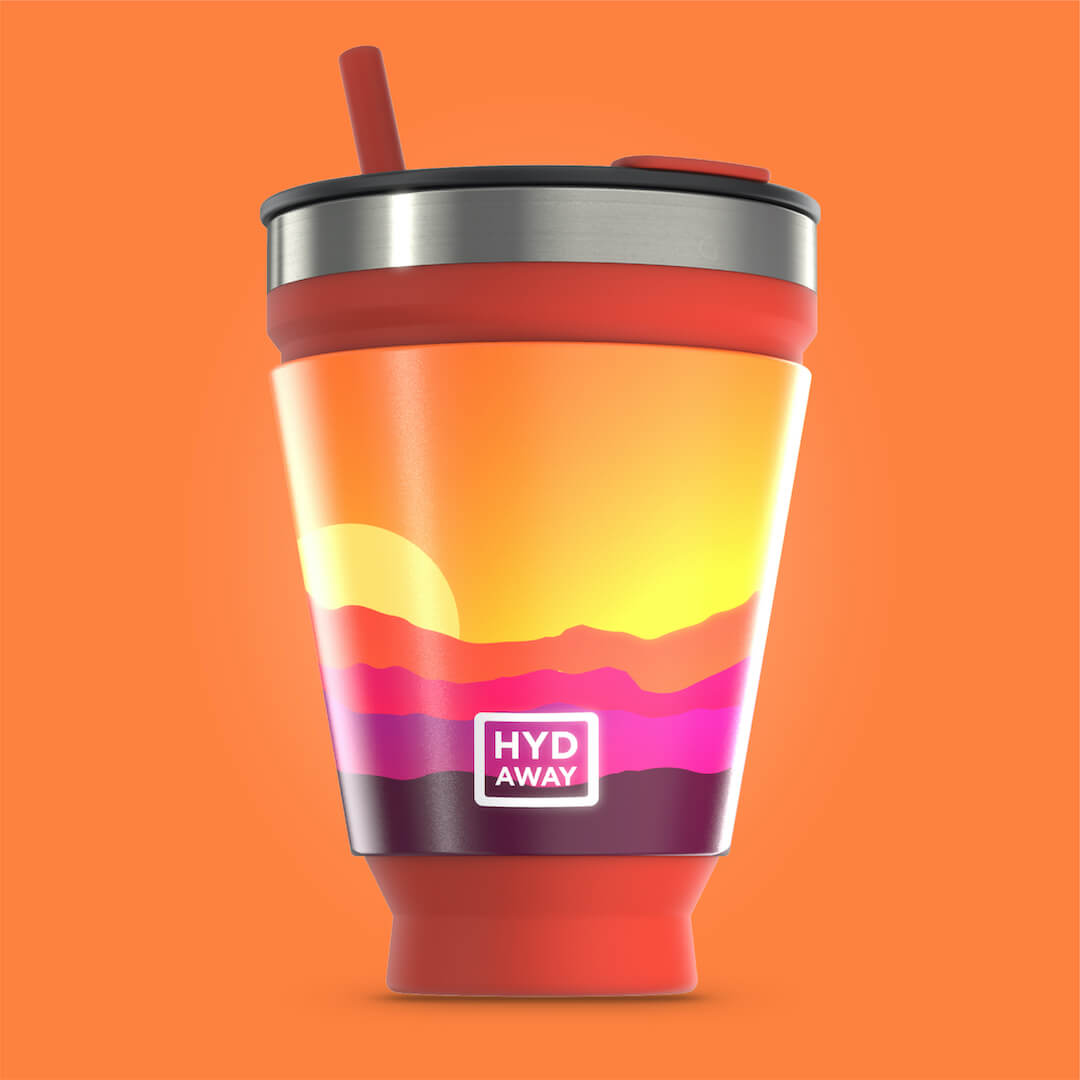
Here’s a quick look at how a collapsible reusable concept lands in real life:
The better investment for travel and daily use
The strongest argument for reusable cups isn’t guilt. It’s usefulness.
You carry one item instead of constantly buying, storing, using, and throwing away many. You reduce the chance of running into flimsy cups when you’re on the move. You stop treating hydration as a disposable problem to solve over and over.
A reusable cup earns its place the same way any good piece of gear does. It saves space, solves a recurring problem, and keeps doing its job.
If you want more perspective on the bigger shift away from throwaway products, this overview of alternatives to single-use plastic connects the cup decision to a broader everyday habit change.
For active people, that shift is practical before it’s ideological. Less trash in camp. Less clutter in the car. Fewer repeat purchases. Better readiness when you need a drink container and don’t want to improvise.
Embrace a Life with Less Plastic and More Adventure
A 10 oz plastic cup is easy to overlook because it does one small job so well. It’s cheap to buy, simple to stack, and convenient in the moment. But once you understand its shape, material, and afterlife, it stops looking like a harmless default.
That’s where smarter choices start.
If you only need cups for a one-time event, choose carefully and buy intentionally. But if you’re someone who commutes, travels, camps, hikes, or spends long days out with family, the better move is usually to stop solving the same problem with disposable gear.
The biggest shift isn’t dramatic. It’s steady. Bring your own cup more often. Keep one in your bag. Keep one in the car. Treat drinkware the same way you treat any useful piece of gear. Something worth carrying should save you money, reduce hassle, and hold up over time.
That’s the good news about reducing plastic. You don’t need to overhaul your whole life in one weekend. Start with one repeating habit, and cups are one of the easiest places to begin.
A small item can change how you travel, how you pack, and how much waste follows you home.
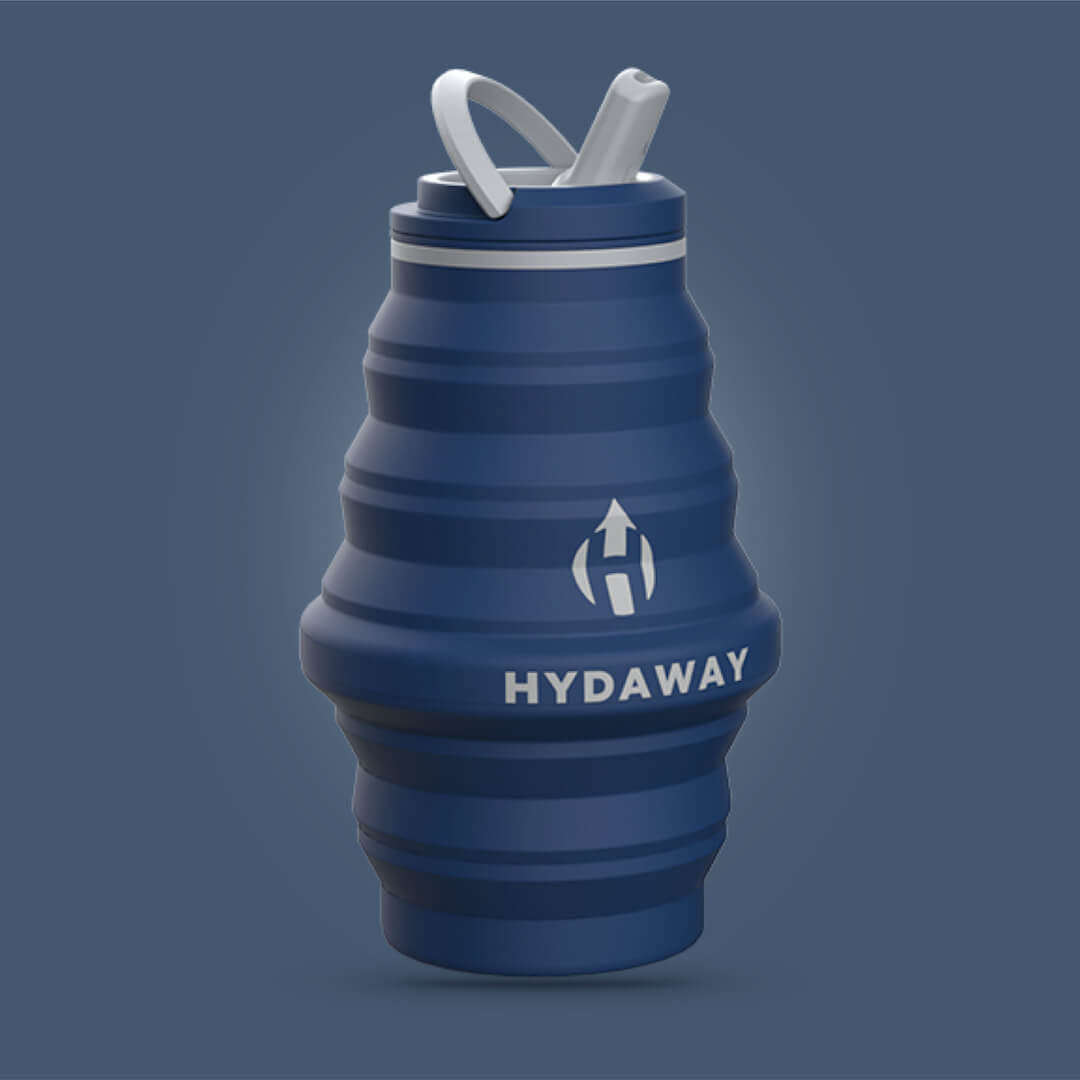
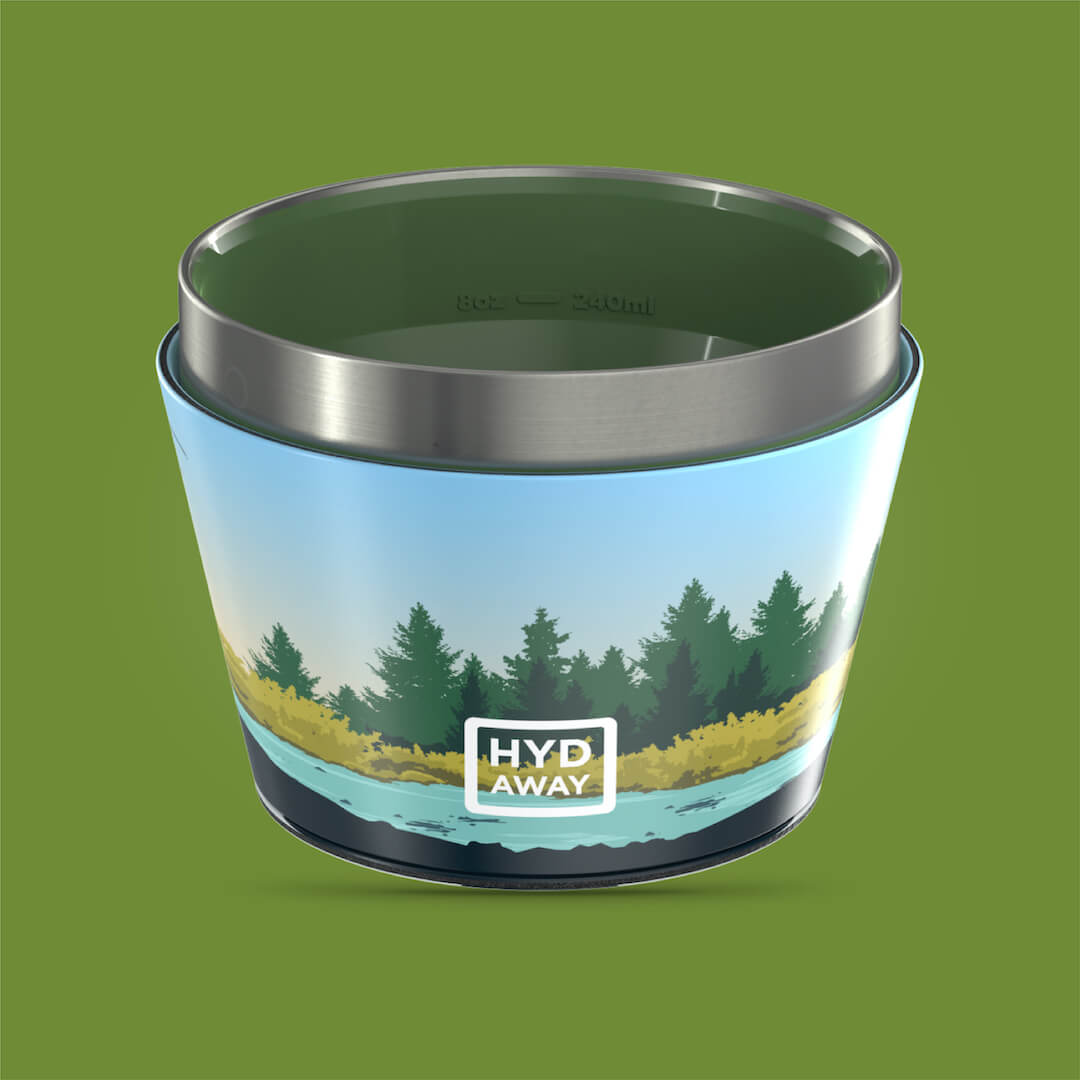
If you’re ready for a cup that works better for travel, commuting, and everyday adventures, explore HYDAWAY. Their collapsible drinkware is built to save space, cut down on single-use waste, and fit into real life without adding bulk.