


1 Gallon Glass Jar with Lid: A Complete Buyer's Guide 2026

You've probably had this moment lately. You buy oats, rice, coffee beans, or trail mix in bigger quantities because it cuts packaging and keeps the pantry calmer. Then the reality hits. The bag won't stand up, the clip slips off, and the thing you meant to “organize later” is now shedding crumbs in a cabinet or rattling around your van bin.
That's where a 1 gallon glass jar with lid earns its spot.
In kitchens, camp setups, and small-space homes, the gallon jar does one job exceptionally well. It acts as a stable home base for bulk ingredients, brewed drinks, fermentation projects, and grab-and-go prep. It's not the thing you want to carry everywhere once it's full, but it is the container that keeps the system clean, visible, reusable, and easy to refill from.
Why the 1-Gallon Glass Jar Is a Sustainable Powerhouse
A lot of people start with one gallon jar because they want one simple upgrade. They're tired of disposable packaging, tired of half-open bags, or ready to make something at home instead of buying bottle after bottle. Cold brew is a common gateway. So is loose-leaf iced tea. So are pantry basics that finally deserve better than torn paper sacks.
The reason the gallon jar keeps showing up is simple. It's big enough to matter, transparent enough to keep you honest, and reusable enough to stay useful long after the first project changes. Flour one month, sun tea the next, sourdough tools after that. In a practical kitchen, that kind of versatility matters more than trend appeal.
Why this jar has staying power
The format also has real history behind it. The modern reusable canning jar traces back to John Landis Mason's 1858 threaded screw-top fruit jar patent, which made airtight, reusable glass containers practical for home canning, as noted by the UC Master Food Preserver Program's brief history of the canning jar. That lineage is a big reason the jar still feels familiar today. It wasn't invented as decor. It was built to solve storage and preservation problems.
Practical rule: The best sustainable container is the one you'll keep using for different jobs, not the one that looks good empty on a shelf.
A gallon jar also encourages better habits without needing a full pantry makeover. You can decant one bulk purchase, label it, and see exactly what you have. That visibility changes how people cook. They use what's already there.
If you're tightening up your food storage routine overall, this guide to sustainable food storage containers is worth keeping in the mix. The gallon jar fits that broader system well because it handles the large-volume part with almost no fuss.
Where it works best
A 1 gallon glass jar with lid shines when you need a fixed point in your setup:
- Pantry storage for dry beans, pasta, oats, and baking staples
- Countertop brewing for cold brew, tea infusions, and fermentation
- Meal prep support for soaking grains, mixing drink bases, or holding snack refills
- Camp kitchen basecamp where supplies need one sturdy, visible home
Its one limitation shows up later. Once full, it becomes something you store and pour from, not something you want bouncing around in a backpack all day.
Choosing Your Jar The Right Glass and Shape
A good gallon jar earns its spot by working hard at home. It should hold bulk ingredients, clean up without a fight, and pour neatly into the smaller containers you carry out the door. That home-base role is what separates a useful jar from a pretty one.

Start with food-safe glass
Choose a jar sold for food storage. That sounds obvious, but plenty of large glass vessels are made for decoration, detergent, or event display and end up in kitchen searches anyway.
Clear flint glass is common for gallon jars because it lets you see fill level, leftover residue, and any moisture problem right away. I like that for pantry staples and drink prep. For light-sensitive contents, clear glass still works well if the jar lives in a cabinet instead of on a bright counter.
The practical question is simple. Will this jar spend its life holding food you refill often, or will it mostly sit there looking nice? For a working pantry or camp kitchen setup, pick the jar built for repeat use.
Shape affects daily use more than style does
The jar's shape decides how pleasant it is to live with. A wide mouth usually wins because your hand fits inside, a scoop fits inside, and a bottle brush reaches the bottom corners.
A product listing from Specialty Bottle's 1-gallon jar page shows the proportions many shoppers end up preferring: a broad opening and a tall, straight body. That combination makes filling faster and cleanup much easier.
I see the trade-off all the time in store. Curved glass looks great on a shelf, but straight sides waste less space, stack your labels better, and make it easier to pour oats, trail mix, or pancake mix into your day-pack containers before a hike or road day.
A quick buying checklist
Use this before you buy:
- Mouth width: Wide mouths are easier for scooping flour, adding produce, and scrubbing sticky residue.
- Overall height: Measure the shelf, fridge, or camper cabinet first. A jar that barely fits is annoying every single day.
- Base width: A wider base feels steadier during stirring, pouring, and refilling.
- Body shape: Straight-sided jars are usually easier to clean and simpler to store in rows.
- Intended use: Storage, brewing, and decorative jars may look similar but are not built the same way.
- Lid fit: Confirm the closure size instead of assuming any gallon lid will match.
The right gallon jar should fit your shelf, your sink, and your hand.
What works and what doesn't
Here's the pattern that holds up best in real kitchens and camp setups:
| Jar feature | Works well for | Usually less ideal for |
|---|---|---|
| Wide mouth | Bulk dry goods, fermentation, quick cleaning | Tight fridge-door storage |
| Tall straight body | Pantry rows, easy scooping, simple labeling | Low shelves or short cabinets |
| Clear flint glass | Visibility, inventory checks, spotting residue | Light-sensitive ingredients on open counters |
| Rounded decorative body | Counter display, gift mixes | Frequent cleaning and efficient storage |
If you want one jar to do several jobs well, choose a wide-mouth, straight-sided model. It gives you a reliable home base for bulk prep, then makes it easy to refill the smaller containers and cups you take into the car, onto the trail, or to work.
Decoding Lids From Screw-Tops to Airlocks
Most jar problems aren't really jar problems. They're lid problems.
People buy a beautiful gallon jar, then assume any cap that “looks close” will work. It won't. A 1 gallon glass jar with lid is not defined by a universal lid size. What matters is the opening diameter and the thread finish. Many gallon jars use a 110-400 continuous-thread finish, where 110 mm refers to the opening diameter and 400 to the thread style, as explained in this guide on what size lids fit specific jar finishes.

The five lid styles that matter most
Each lid solves a different problem. That's the cleanest way to think about it.
Screw-top lids
These are the everyday workhorses. They're simple, easy to replace, and ideal for dry goods or refrigerated liquids. Plastic versions are often convenient for repeated opening and closing. Metal versions can feel more classic, but performance depends heavily on fit and liner quality.
Best use: pantry staples, drink concentrates, fridge storage.
Two-piece canning lids
This is the familiar band-and-flat-lid system many people associate with Mason jars. It's useful when you're following a proper canning process and using jars designed for that closure style. For regular open-close kitchen use, it can feel fussier than necessary.
Best use: preservation workflows that specifically call for this system.
Flip-top or bail lids
These use a hinged clamp and a gasket to create a strong seal. They're satisfying to use and popular for countertop storage and some fermentation setups. The gasket condition matters a lot. If it's worn, the seal usually drops fast.
Best use: ingredients you access often, some fermentation projects, giftable pantry setups.
Airlock lids
When contents actively release gas, like kombucha or vegetable ferments, a sealed storage lid can become the wrong tool. Airlock systems allow gas to escape while limiting outside air exposure. They're specialized, but for active fermentation they solve a real problem.
Best use: fermentation that needs venting.
Simple storage lids
These are the practical no-drama option. If all you need is a clean close for coffee beans, rice, dog treats, or laundry powder, a straightforward storage cap often beats elaborate hardware.
Best use: daily household storage.
How to choose the right one
Instead of asking “Which lid is best?” ask these:
- Will the contents sit still or ferment? Ferments need venting or a purpose-built setup.
- Will you open it every day? Frequent access favors ease over ceremony.
- Do you need spill resistance in the fridge? Prioritize liner quality and thread match.
- Are you ordering replacements? Verify neck finish first, then buy the closure.
The seal comes from the correct lid-to-jar match, not from the jar's gallon label.
Common mistakes
What doesn't work is guessing. Another weak move is choosing a lid based only on looks. A beautiful lid that doesn't match the thread finish gives you false confidence, and false confidence is how flour goes stale and brine leaks.
If you're storing dry goods, simplicity wins. If you're fermenting, use a fermentation setup. If you're preserving, use jars and lids intended for that method. Matching the lid to the job is the whole game.
The Best Uses for Your Gallon Glass Jar
Saturday prep usually starts the same way in my kitchen. The 1 gallon jar comes out first, gets filled with the week's base ingredients or a fresh batch of brew, and stays planted on the counter or pantry shelf. From there, smaller daily portions go into the containers that leave the house. That division matters. The jar works best as home base, not as the thing you carry to the trailhead, office, or campsite.

Dry goods that deserve better storage
A gallon jar earns its spot fast with ingredients you buy in real volume. Rice, flour, oats, beans, pasta, granola, and trail mix all store well when you can see the level at a glance and scoop from a wide opening without fighting a narrow neck.
Glass also keeps pantry organization honest. You know what you have, what needs refilling, and what should get used up before the next shopping run. For home cooks who batch prep snacks or breakfast staples, that visibility cuts waste better than another opaque tub shoved to the back of a cabinet.
Fermentation projects that need room
A 1 gallon jar is a strong choice for kombucha, water kefir, pickles, and larger vegetable ferments because it gives you headroom, easy access, and easier cleanup after the batch is done. If kombucha is on your list, this ultimate guide to brewing kombucha is a useful starting reference.
For fermentation, the jar is only half the setup. The closure and your cleaning habits matter just as much.
If you want a quick visual example, this walkthrough is a handy companion:
Batch drinks and prep that make the week easier
This size is especially handy for fridge-ready basics you pour from over several days. Cold brew concentrate, iced tea, infused water, and soaking beans or grains all fit the format well.
The trade-off is weight. A full jar is pleasant to store and less pleasant to lift, especially from a low shelf. I treat it as a reservoir, then decant into smaller bottles or portable drinkware for the day. That system works well at home and makes more sense once you head out for errands, a road trip, or camp.
Useful jobs beyond food
The gallon format also does good work outside the pantry.
| Use | Why it works |
|---|---|
| Terrarium or planter | Clear walls let you monitor moisture and root behavior |
| Craft storage | Easy for yarn, corks, clothespins, or fabric scraps |
| Camp kitchen utility | Keeps matches, utensils, or wrapped supplies visible and grouped |
| Gift prep | Great for cookie mix layers or house-made pantry gifts |
The best use is usually the one that respects the jar's strengths. Keep the gallon jar at home as your bulk reserve, then portion into smaller gear for daily use. That home-base-and-day-pack approach is simpler, cleaner, and easier to keep up with.
Pros and Cons Versus Other Containers
Glass gets a lot right, but it isn't the answer to every storage problem. The smart choice depends on whether you care most about visibility, durability, weight, portability, or ease of packing.

Where glass wins
A 1 gallon glass jar with lid is strong where home cooks and organized campers need clarity and cleanliness. You can see contents instantly. Odors tend not to linger the way they often do in worn plastic. It also feels stable on a counter and polished enough for open-shelf storage.
For ferments, coffee, tea, dry goods, and visible pantry stock, glass is often the most satisfying material to use daily. It feels honest. You know what's inside and how much is left.
Where glass loses
The biggest drawback is weight. One gallon of water weighs about 8.34 lb (3.78 kg), so a filled glass jar becomes a 9-plus-pound lift before you do anything awkward like pour one-handed, according to Fresh Water Systems' 1-gallon jar product information. That's manageable on a counter. It's not always enjoyable from a low fridge shelf or a van cabinet.
Breakage is the other issue. Even sturdy glass asks for more care than plastic or steel.
Material comparison in plain terms
- Glass jars work best when the container mostly lives in one place and you value visibility.
- Plastic tubs are lighter and easier to move around, especially for frequent access or family snack storage.
- Stainless steel containers excel when you need toughness and don't care about seeing the contents.
Choose glass for storage and prep. Choose lighter materials for the miles after that.
What I'd choose by use case
| Priority | Best fit |
|---|---|
| Pantry visibility | Glass |
| Frequent travel | Plastic or compact portable gear |
| Rugged camp storage | Stainless steel or shatter-resistant options |
| Fermentation and drink prep | Glass |
| Family grab-and-go snacks | Lightweight containers |
What doesn't work is forcing one container to solve every job. A gallon jar is excellent at being stationary, clean, and generous in capacity. It's less impressive when you expect it to act like a trail bottle or lunch container.
From Home Base to On The Go
Most bulk-prep systems falter at this juncture. You make the tea, brew the coffee, soak the oats, portion the nuts, or mix the dressing. Then morning arrives and you still need something practical for the commute, trail, road trip, or campsite.
The gallon jar is your home base. It holds the full batch, keeps ingredients organized, and reduces packaging clutter. But it doesn't solve the last step. It doesn't fit in a cupholder well, doesn't slip neatly into a day bag, and doesn't earn many points for portability once full.
Build a two-part system
The easiest way to make a gallon jar support an active lifestyle is to separate storage from transport.
At home, use the large jar for:
- Batch drinks: cold brew, tea, infused water
- Bulk snacks: nuts, dried fruit, crackers, cereal
- Prep ingredients: pancake mix, oats, rice, pasta
- Camp staging: coffee beans, trail mix components, drink powder
For movement, shift daily portions into compact reusables that are designed for bags, cupholders, and quick cleanups. If you're refining that part of the setup, these ideas for reusable travel containers help you think in terms of daily carry instead of pantry storage.
Real-life setups that work
A few examples make the distinction clear:
The weekday coffee setup
You brew a large batch of cold brew concentrate in the gallon jar and keep it chilled. Each morning, you pour just what you need into your day container and leave the bulk supply untouched in the fridge. The jar keeps the routine efficient. Your portable container keeps it livable.
The hiking snack setup
You buy nuts, dried mango, pretzels, and chocolate in bulk, then combine them in the jar as your home trail mix stash. Before heading out, portion a smaller amount for the day. That prevents overpacking and keeps the main supply fresh.
The van kitchen setup
A gallon jar can hold your dry pantry anchor items or beverage base at camp, where it stays stable and visible. But once you break camp or hit rough roads, smaller containers become the practical choice.
What works and what doesn't
What works is using the jar as a reservoir. What doesn't work is treating it like a field bottle.
That shift in mindset makes a huge difference. Instead of asking one container to do everything, build around roles. The gallon jar does the stable, visible, reusable storage job beautifully. Your portable gear handles the day's movement.
Cleaning, Safety, and Transport Tips
A gallon jar is easy to love when it's clean and in one piece. That sounds obvious, but the large format creates a few chores that smaller jars don't.
Cleaning without fighting the sink
The wide mouth helps, but a jar this size still benefits from a simple routine:
- Rinse early: Don't let coffee oils, tea tannins, or sticky brine dry down overnight.
- Use a long brush: A bottle brush or dish wand reaches the shoulder and bottom without awkward hand angles.
- Wash in stages: Add warm water and soap first, swirl, dump, then do the detail cleaning.
- Air dry fully: Invert it on a rack where airflow can reach the interior.
For odors, repeated washing and full drying usually solve the problem. Lids and liners often hold smells longer than the glass itself, so inspect those parts first if something seems off.
Safety habits that protect the jar
Temperature shock and unnoticed damage cause most avoidable failures in daily use. Don't pour very hot liquid into a cold jar or move a chilled jar straight into a much hotter environment. Also check the rim and threads regularly. A small chip can turn into a sealing issue or a cut finger later.
Check the lip before every refill. The rim tells you whether the jar is still trustworthy.
If you use plastic lids or accessories around your food storage setup, it's helpful to understand what material claims mean. This explanation of what BPA-free plastic means is a good practical read.
Transporting a gallon jar safely
A full glass jar isn't ideal for casual transport, but sometimes it still needs to travel from kitchen to campsite or from home to a shared cabin.
Use these habits:
- Wrap for stability: A towel or padded sleeve reduces sliding and cushions knocks.
- Keep it upright: Glass jars travel best when wedged securely, not laid on their side.
- Avoid overhead storage: In a camper or vehicle, low and snug is safer than high and loose.
- Carry with two hands: Especially when it's full of liquid.
If you move your setup often, reserve the gallon jar for basecamp and transfer only what you need for the day.
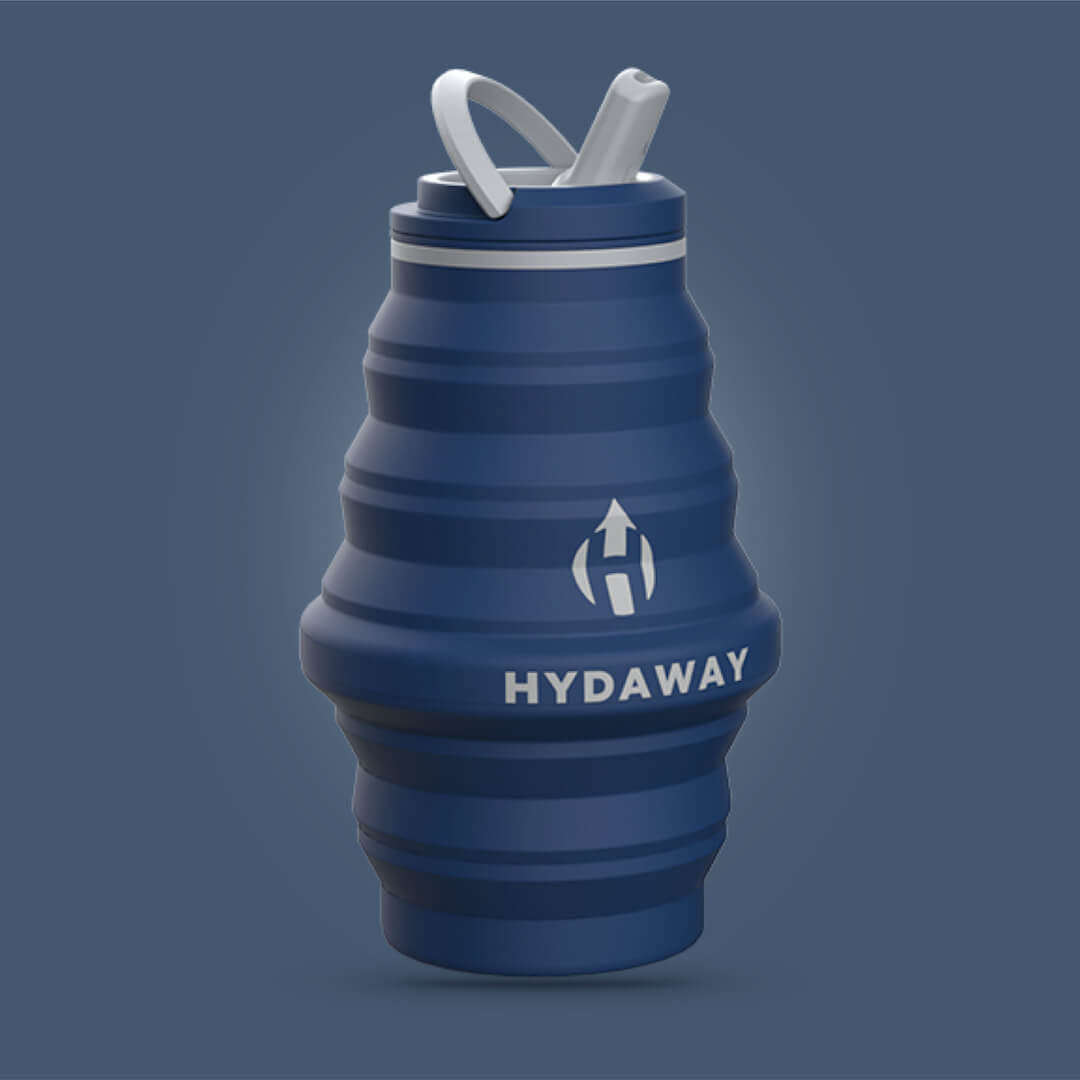
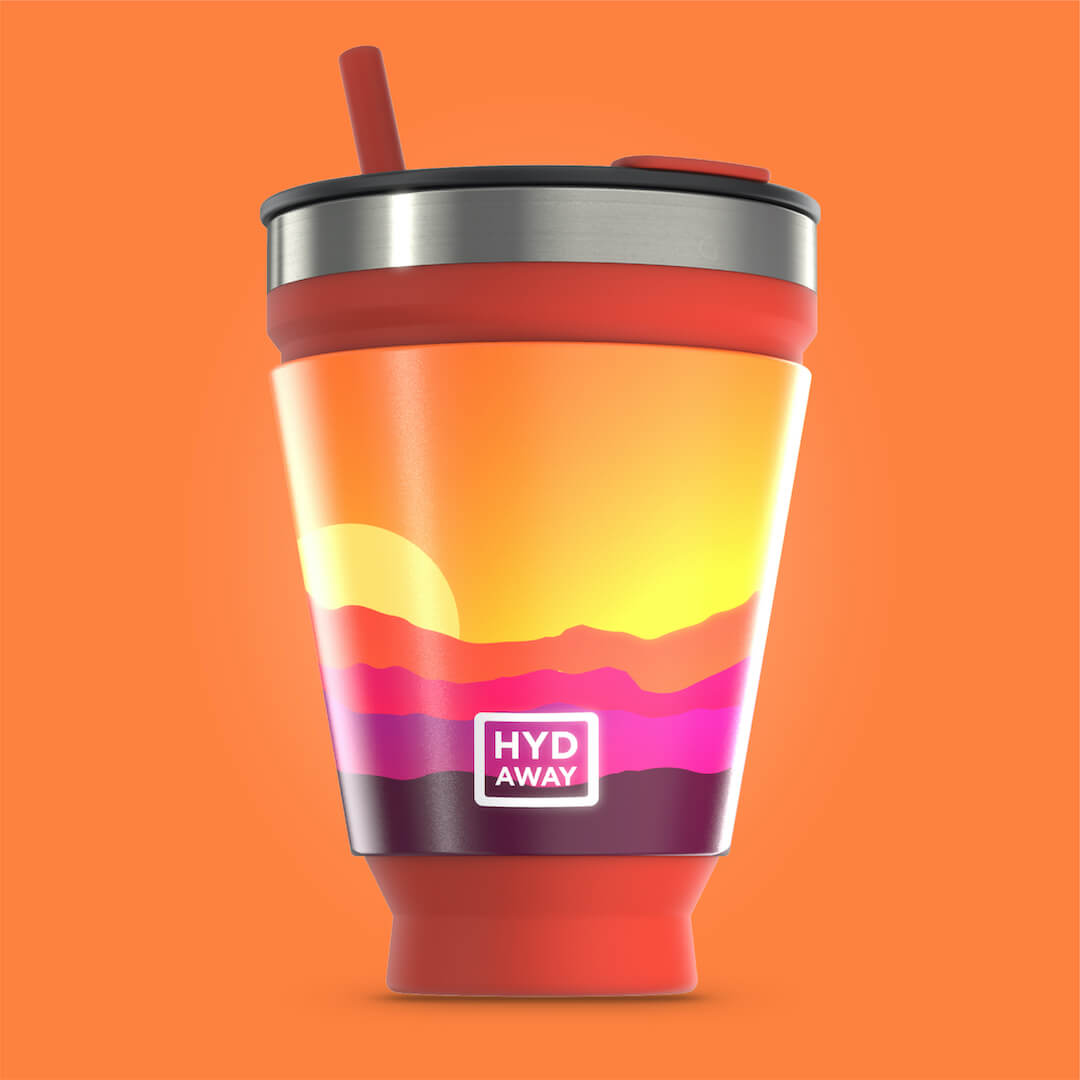
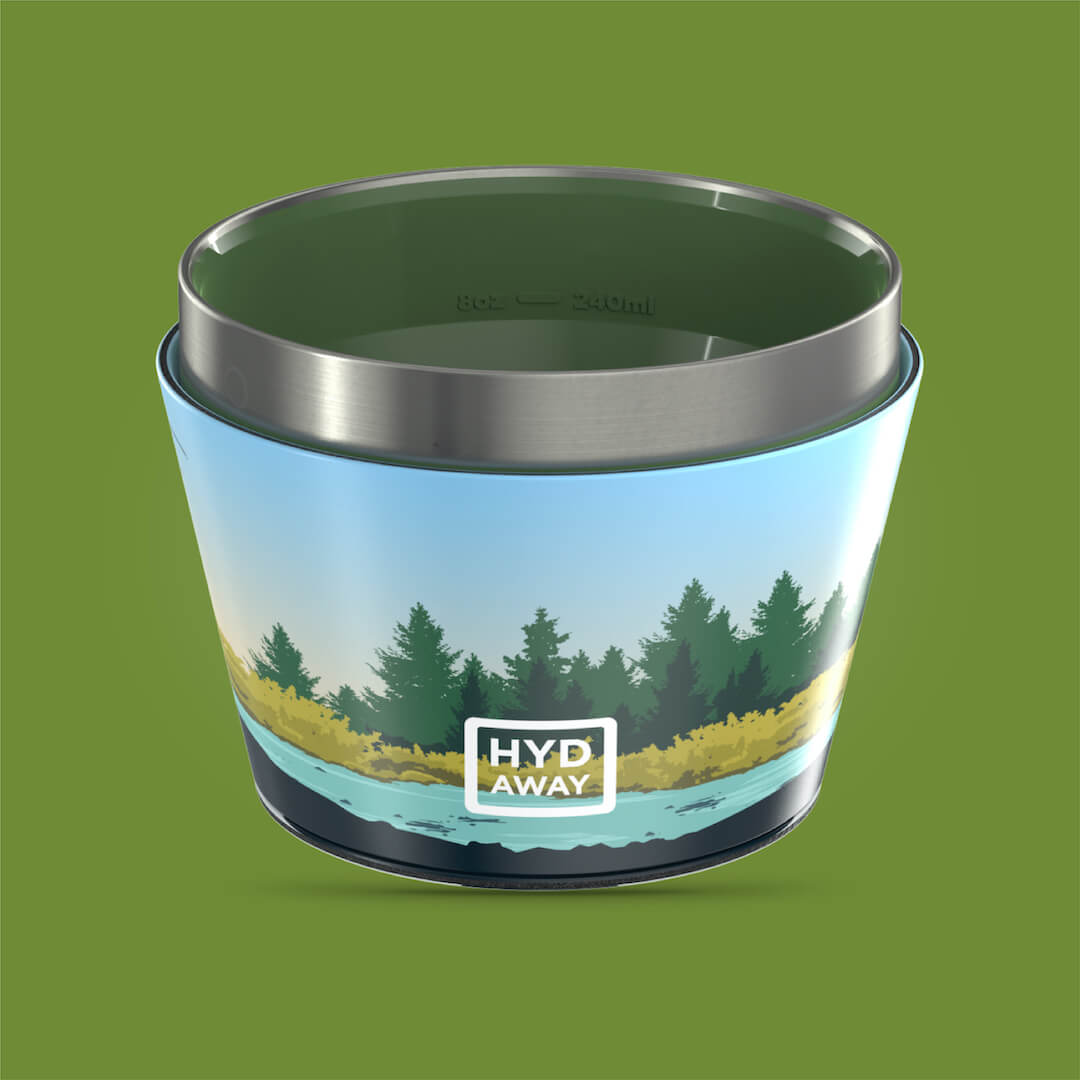
A good reusable system has two parts: a dependable home base for bulk prep and a compact setup for everything that happens after you walk out the door. That's where HYDAWAY fits naturally. Its collapsible bottles, tumblers, bowls, and travel-ready gear are built for the commute, campsite, trail, and everyday carry, so you can prep bigger at home and pack lighter when it's time to move.