

The 1 Cup Measuring Cup Guide for Home & Travel

You're in a rental cabin, trying to make pancakes before a day hike. The skillet is hot, the coffee is working, and the recipe says “1 cup flour.” You open every drawer and find a wine glass, a soup mug, and a ladle that looks optimistic but not trustworthy. Suddenly, a tool that seemed boring at home becomes the difference between breakfast and a dense, gummy mess.
That's why the 1 cup measuring cup is more important than commonly believed. It isn't just a baking drawer extra. It's a small piece of order in a kitchen, at a campsite, in a van, or at an Airbnb where the utensils feel like they were assembled from three different eras. If you cook while traveling, even simple tasks get easier when you can measure one reliable cup of oats, rice, broth, pancake mix, or trail dessert ingredients.
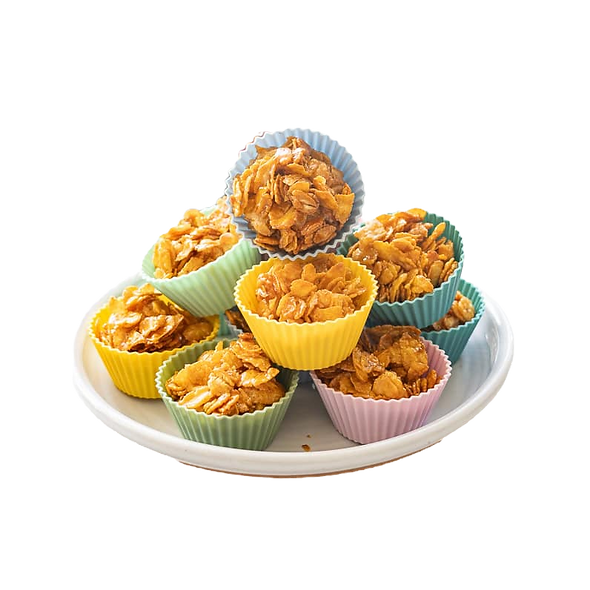
I've seen this come up with road meals that should be easy. You want to mix granola with yogurt, portion soup, or throw together a no-fuss sweet snack like artisanal honey cornflake sweets for a picnic table dessert. Without a clear measure, you start guessing. Sometimes that works. Often, it doesn't.
The Humble Cup a Kitchen Hero
A 1 cup measuring cup earns its keep because it makes food repeatable. At home, that means your muffins come out the same each time. On the road, it means your oatmeal isn't watery one morning and brick-like the next.
When people get frustrated with recipes, the problem often isn't the recipe. It's the measuring. A cup sounds simple, but if you've ever cooked in a borrowed kitchen, you know how quickly “close enough” turns into “why is this so salty?” A real measuring cup keeps everyday cooking steady, even when your surroundings aren't.
Why this little tool matters outside the kitchen
Travel changes your relationship with gear. At home, a stack of metal cups in a drawer feels normal. In a backpack, campervan, or office lunch kit, every item has to justify its space.
A 1 cup measuring cup helps with more than baking:
- Breakfasts: measuring oats, pancake mix, or granola
- Camp dinners: portioning rice, lentils, pasta, or broth
- Coffee and drinks: controlling water for simple recipes or concentrates
- Snacks: dividing nuts, dried fruit, cereal, or trail mix
A measuring cup is one of those tools you notice only when it's missing.
That's why travelers and campers often need a different version of the same idea. The function stays the same. The form has to get smarter, lighter, and easier to pack.
What Exactly Is a Standard Cup Measurement
A standard cup measurement gives recipes a shared language. Instead of relying on a coffee mug in a rental cabin or whatever cup is rolling around in a camp box, you use a fixed volume so the recipe has a fair chance to work the same way twice.
In U.S. cooking, 1 cup usually means about 240 milliliters. In several other countries, including Australia, it is often 250 milliliters. That gap looks small on paper. In a pancake batter mixed at a picnic table or a biscuit dough made in a campervan, it can shift the texture enough to notice.
Why “1 cup” is not as universal as it sounds
The word cup feels casual because we use it in everyday speech. In recipes, it is supposed to act more like a ruler than a drinking vessel. A ruler only helps if everyone agrees on the marks.
That is why travel cooks get tripped up. You save a recipe from one country, buy ingredients in another, and measure with whatever is available in a borrowed kitchen. Suddenly, “1 cup” is less like a constant and more like a translation problem.
What a standard cup is really doing
A cup measures volume. It does not tell you weight, density, or how tightly something is packed. It gives you a repeatable container size so ingredients can be portioned the same way each time.
That repeatability is the whole point.
If you make trail pancakes at home, then make the same mix at a campsite, the measuring tool should stay dependable even if everything else changes. A proper 1 cup measure helps you:
- repeat a recipe with fewer surprises
- scale up or down without guessing
- share recipes across kitchens, campsites, and road trips with better results
A useful way to frame it is this: the recipe is the map, and the measuring cup is the scale printed in the corner. If the scale changes, the route still exists, but your distances get fuzzy.
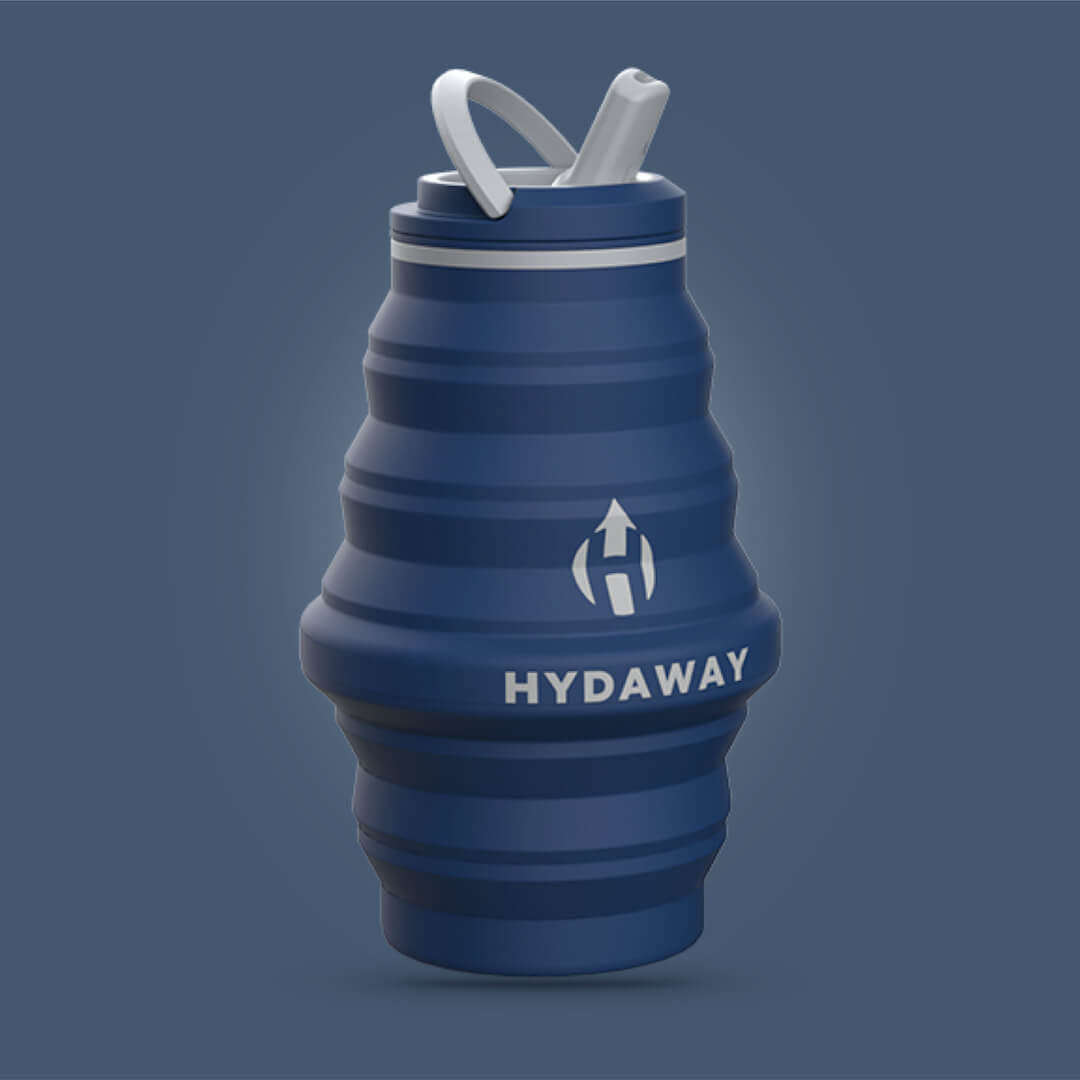
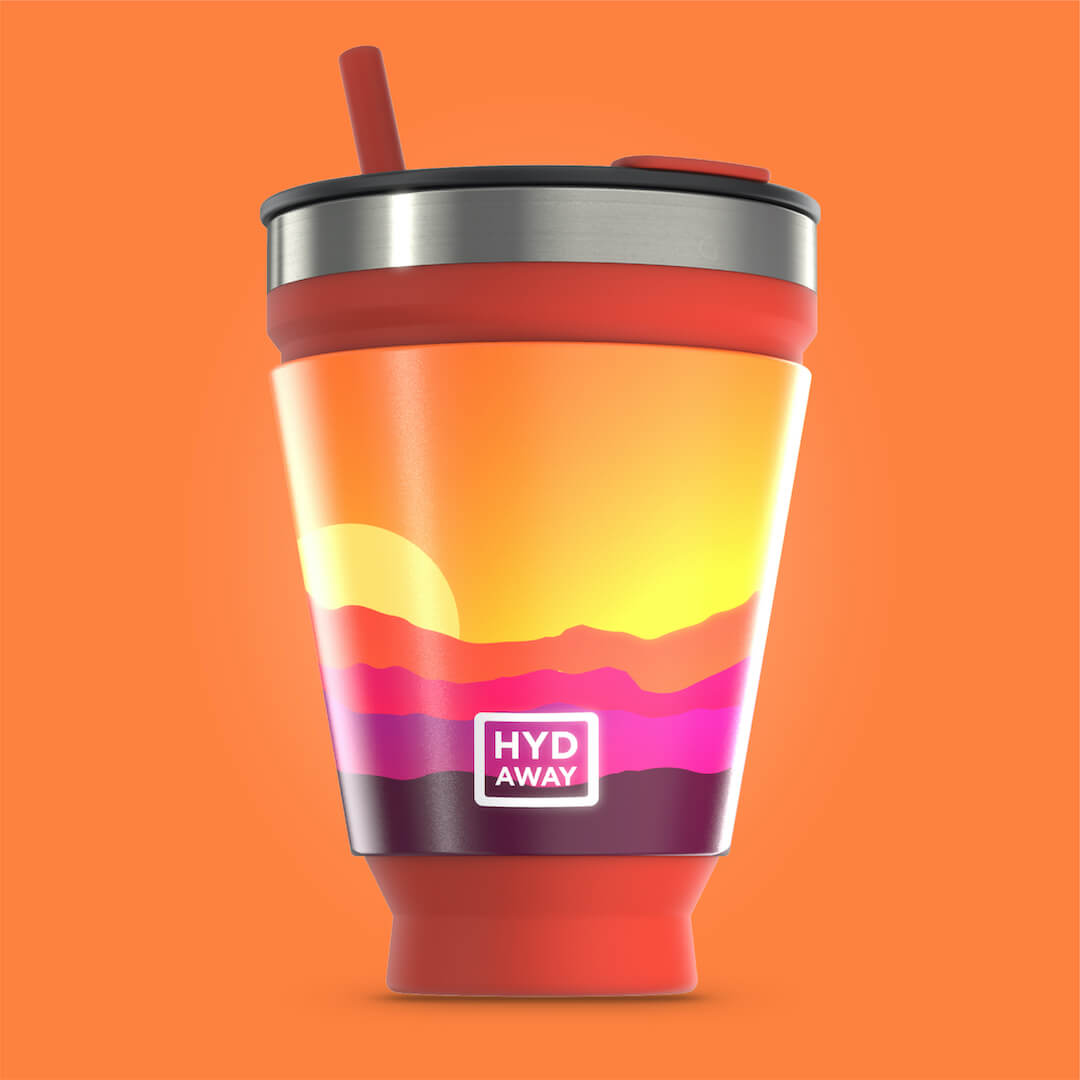
For people who cook on the go, that is why a dedicated cup matters so much. A random mug may be close enough for soup. A marked, packable cup is far more dependable when space is tight and ingredients are limited. That is also why portable designs, including collapsible options like HYDAWAY, make sense for modern travel. They keep the idea of a standard cup intact without asking you to carry bulky kitchen gear.
The Critical Difference Between Liquid and Dry Measuring Cups
A lot of kitchen confusion starts here. People assume a cup is a cup, so the container shouldn't matter. But liquid and dry measuring cups are built for different jobs.
A dry measuring cup is meant to be filled to the top and leveled. A liquid measuring cup is meant to leave space above the fill line so you can carry and read the liquid without sloshing it over the side. Same unit. Different design logic.

Dry cups are for leveling
Think of dry ingredients like filling a small sandbox. Flour, sugar, oats, and cocoa don't settle themselves into a perfectly flat line. You have to fill the cup, then sweep off the excess with a straight edge.
That's why dry measuring cups usually have a firm rim and a shape you can level cleanly. They're practical for ingredients that can mound above the top before you scrape them flat.
Common dry ingredients for a 1 cup measure include:
- Flour: spoon it in, then level it
- Sugar: fill and sweep
- Rice or oats: pour in and even the top
- Nut crumbs or cereal pieces: level for consistency
Liquid cups are for reading
Liquids behave differently. Water, milk, broth, and oil self-level. You don't need to sweep them flat. You need to read where the liquid sits on a marked line.
That's why liquid measuring cups usually have:
- A spout for pouring
- Headspace above the measurement line
- Side markings you can read on a flat surface
If you try to measure water in a brim-full dry cup, you can do it, but carrying it to the pan without spilling is awkward. If you try to measure flour in a liquid cup, the shape makes it harder to level accurately.
Why travelers should care
When you're packing light, it's tempting to bring one tool and use it for everything. Sometimes that's fine for casual camp cooking. But when a recipe depends on balance, the wrong style of cup can throw you off.
A good rule is simple:
| Ingredient type | Better tool |
|---|---|
| Water, milk, broth, oil | Liquid measuring cup |
| Flour, oats, sugar, rice | Dry measuring cup |
If the ingredient settles flat on its own, read it. If it doesn't, level it.
That distinction saves a lot of kitchen frustration, especially when you're cooking in a small space and don't have room for mistakes.
A Guide to Measuring Cup Materials and Shapes
Once you understand what the cup is supposed to do, material starts to matter. The right 1 cup measuring cup for a home baker may not be the right one for a camper, digital nomad, or anyone cooking from a gear bin.
A commercially sold stainless-steel 1-cup measuring cup is listed at 3.5 inches diameter x 1.75 inches depth with a 2.5-inch handle and dishwasher-safe construction, according to this TableCraft 1-cup measuring cup listing. That low-profile shape helps with stability and nesting, which tells you something useful. Even small design choices affect how a cup feels in real use.
Glass, metal, plastic, and silicone
Each material solves one problem and creates another.
- Glass: easy to read, good for liquids, familiar in home kitchens. It's less appealing in travel kits because it's heavier and can break.
- Metal: durable, simple, and often great for dry ingredients. It usually handles rough use well.
- Plastic: lightweight and common, though markings can become harder to read over time with repeated use.
- Silicone: flexible and easier to pack, which makes it interesting for compact setups.
If you're comparing materials for travel gear, it helps to understand what food-grade silicone means in practical use. HYDAWAY has a helpful explainer on what food-grade silicone is, especially for people choosing reusable gear that needs to flex, wash easily, and handle repeated packing.
Shape matters as much as material
Two cups can hold the same amount and behave very differently.
A wider, lower cup may feel steadier on a picnic table. A deeper one may pour more cleanly. A long handle helps around hot pans, but also adds bulk in a tightly packed drawer or camp box. For home kitchens, bulk is usually a minor issue. For mobile setups, shape can decide whether a tool earns a permanent place.
Consider these tradeoffs:
| Material or shape choice | Practical effect |
|---|---|
| Low-profile bowl | easier to stabilize and stack |
| Long rigid handle | easier grip, harder packing |
| Clear side walls | easier reading for liquids |
| Flexible body | easier storage in tight spaces |
Buying lens: Don't ask only “Is it accurate?” Ask “Will I actually bring it?”
That question changes how many people shop. A measuring tool that stays home doesn't help much when dinner happens beside a trailhead or in a studio rental with one saucepan and a dull knife.
Mastering Measurement Accuracy at Home and Abroad
You are in a rental cabin with one burner, a bag of flour, and a recipe on your phone. Breakfast should be simple. Then the batter turns heavy, the pancakes cook up dense, and the problem is not the stove. It is the cup.
A 1 cup measuring cup works like a map. It only helps if you read it the right way in the place you are standing.

At home, small habits shape the result
Accuracy usually slips through routine, not carelessness. Flour gets scooped straight from the bag. Sugar gets packed without noticing. Broth gets checked while the cup is tilted in your hand. Each habit feels harmless. Together, they can shift a recipe enough to change texture, thickness, and cook time.
Dry ingredients need a light touch. Spoon them into the cup, then level the top with a straight edge. Liquids need a stable surface and a quick check at eye level. If the cup is floating in midair, your reading is floating too.
Pancake batter shows this fast. One version pours in a ribbon. Another drops in a lump. Same recipe, different measuring habits.
A simple routine helps:
- Flour and similar ingredients: spoon into the cup instead of digging into the bag
- Level measurements: sweep the top flat with a knife or other straight edge
- Liquids: set the cup on a counter, camp table, or cooler lid before reading
- Fast cooking sessions: measure in the order you will use each ingredient
On the road, the setting adds new variables
Travel changes the measuring environment before it changes the recipe. Counters are smaller. Tables wobble. Shared kitchens often have mismatched tools. Campsites add wind, uneven surfaces, and the temptation to eyeball everything.
That is why a clear, repeatable method matters more away from home. Use one cup for the full recipe if you can. Keep the rim clean so a level measure stays level. If the markings are hard to read in low light, pause and check before pouring. A ten-second reset is easier than fixing salty soup or stiff muffin batter.
Recipes from other countries can add one more layer of confusion. Cup sizes are not always identical across markets, as noted earlier. If a recipe seems unusually wet or dry on paper, check whether the cup standard matches the tool in your hand. This matters most in baking and concentrated mixtures, where a small shift is easier to taste and harder to hide.
Here are the common trouble spots:
| Situation | What to watch for |
|---|---|
| Using a borrowed cup in a rental kitchen | confirm the markings, especially if both cups and mL appear |
| Cooking on an uneven outdoor surface | level the cup before reading or leveling |
| Following an international recipe | check which cup standard the author likely used |
| Scaling a batch for a group | measure carefully, because small errors repeat each time |
If you cook from international recipes, ingredient context helps too. A seasoning or sauce may affect how much liquid or sugar you expect in the final dish. For example, this guide to mirin sauce gives useful culinary background before you start measuring.
Accuracy should travel well
Good measuring is not about perfection. It is about building a method you can repeat in a home kitchen, a campsite, or a tiny apartment with one drawer of tools.
That is also why portability matters. A rigid cup can be accurate and still stay home because it takes up too much space. For travelers and campers, a packable option is easier to keep close, which makes consistent measuring more likely. HYDAWAY fits naturally into that mindset. Gear that collapses, cleans easily, and earns its place in a bag gets used more often, and used tools are the ones that help dinner come together.
Essential Measuring Cup Conversions and Equivalents
A 1 cup measuring cup becomes much more useful when you know what it can stand in for. In common culinary conversions, 1 cup equals 8 fluid ounces, 16 tablespoons, or 48 teaspoons, and the U.S. customary cup is defined as one-half US pint or 236.588 mL, as summarized in this reference on the cup unit).
That makes one cup a strong anchor tool for minimalist cooking. If you don't want to pack a full drawer's worth of measuring gear, knowing these equivalents gives you options.
1 Cup measurement conversion table
| Unit | Equivalent |
|---|---|
| Cup | 1 cup |
| Fluid ounces | 8 fluid ounces |
| Tablespoons | 16 tablespoons |
| Teaspoons | 48 teaspoons |
| US pint | one-half US pint |
| Millilitres | 236.588 mL |
How this helps in real life
Say you're cooking in a camper and only brought one reliable cup. You can still understand recipe proportions better, split ingredients mentally, and work from smaller tools if needed. The cup stops being just one vessel and starts acting like a reference point.
That's useful if you often bounce between measurement systems. It also helps when recipes mix units in annoying ways. Some give cups and tablespoons. Others bounce from ounces to cups. If you like learning the relationships between these kitchen units, HYDAWAY's article on how many cups are in 1 quart is a handy next step.
Minimal gear, better cooking
For travelers and small-space cooks, the lesson is simple:
- One good reference tool can replace a lot of clutter
- Knowing equivalents reduces guesswork
- Clear conversions make recipes less intimidating
You don't need a giant utensil drawer to cook well. You need a few tools you understand.
The Packable Measuring Cup for Modern Adventures
Traditional measuring cups make perfect sense in a full kitchen. They stack in a drawer, stay near the mixing bowls, and come out when needed. But once you start cooking on the move, their weaknesses become obvious. Rigid cups take up awkward space. Glass feels risky. Long handles snag on everything. Even a simple 1 cup measure can become one more item that doesn't fit.

Why old-school cups struggle on the road
A travel kit works best when each item can do more than one job. A rigid measuring cup often can't. It measures, then spends the rest of the day being bulky.
For people who cook in campervans, hotel kitchenettes, cabins, offices, or campsites, the better question is often not “Which measuring cup is most traditional?” It's “What tool gives me useful volume control without wasting space?”
That's why collapsible designs make sense. Flexible materials and pack-flat forms fit modern movement much better than a drawer-only tool.
A more portable way to think about measuring
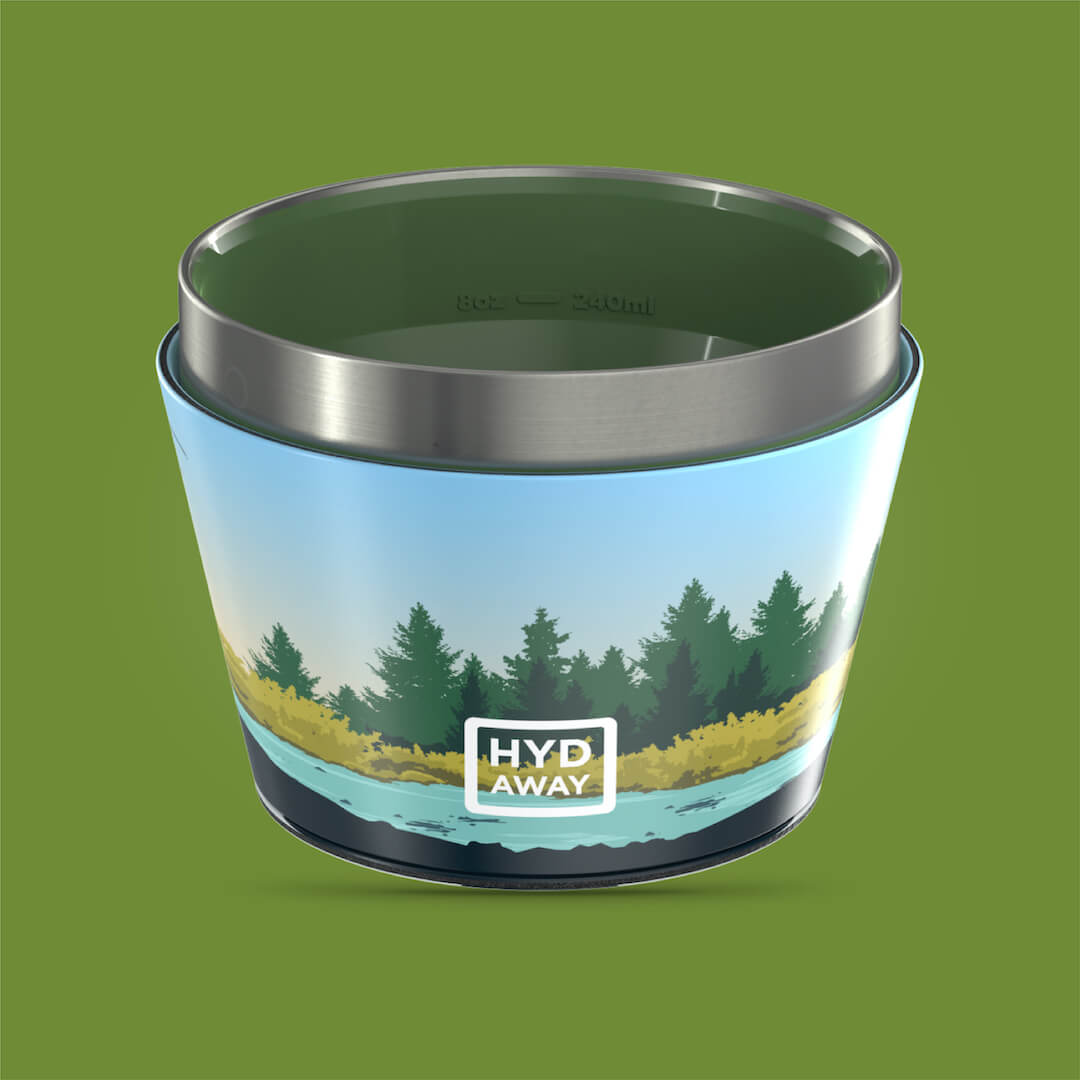
One practical option is gear that already lives in your bag and can handle food or drink tasks without demanding much room. For example, HYDAWAY makes collapsible drinkware and dinnerware for travel and outdoor use. In that context, a packable cup or bowl can support simple measuring tasks when you're cooking light, and its fold-flat design aligns with the same space-saving logic discussed in HYDAWAY's piece on the travel folding cup.
That approach won't replace every precision baking tool. It does solve a more common real-world problem: how to cook consistently when you don't have a full kitchen.
A quick look at portable gear in action helps make that mindset concrete.
What to look for in a mobile measuring solution
If your cooking happens across home, trail, car, and rental spaces, look for tools that do these things well:
- Pack small: flat or nestable shapes are easier to justify
- Clean easily: camp sinks and rental kitchens aren't ideal cleanup zones
- Handle repeat use: travel gear gets tossed, compressed, and reused often
- Stay versatile: measuring, mixing, sipping, and serving in one item is a real advantage
Good travel gear doesn't ask for extra room just to do one small job.
That's the subtle shift. Instead of carrying a kitchen drawer into the wild, you choose a few durable items that cover the same functions with less bulk and less waste.
Frequently Asked Measuring Cup Questions
Can I use a coffee mug instead of a 1 cup measuring cup
You can for rough cooking, but it's a gamble for consistency. Mugs vary a lot in shape and fill line, and they aren't built as measuring tools. If you're making soup or boiling grains casually, you might get away with it. If you're baking or portioning carefully, a real measuring cup is the safer move.
Why do my baked goods turn out differently each time
The usual culprits are technique and tool choice. Flour may be packed too tightly, liquids may be read from the wrong angle, or the recipe may use a different cup convention than your tool. Baking notices these details more than looser styles of cooking do.
Is one 1 cup measuring cup enough
For many travelers, yes. One well-understood cup can do a surprising amount if you know your conversions and keep your recipes simple. It's less convenient than a full set, but it's often enough for oats, rice, pancake batter, broth, and basic camp meals.
Should I choose a liquid or dry cup if I only bring one
That depends on what you cook most. If you mostly measure water, milk, broth, or drink ingredients, a liquid-style cup is more useful. If you mostly portion oats, flour, rice, or trail baking ingredients, a dry-style cup may serve you better.
Are angled or easy-read cups worth it
For many people, yes. Some cooks want markings they can read from above rather than crouching to eye level. Accessibility also matters. Low-vision users may prefer tools with larger numbers, tactile cues, braille, or talking functions instead of standard clear cups.
Do I need to worry about global cup differences every time I travel
Not every time. You do need to pay attention when following recipes from another country or using unfamiliar measuring tools. Savory cooking is usually more forgiving. Baking and tightly balanced recipes deserve a closer look.
What's the simplest way to avoid mistakes
Use one dependable tool, use it the same way every time, and don't rush. In travel kitchens, that matters even more because the rest of the setup is already less predictable.
If your meals happen in cars, cabins, airports, campsites, and borrowed kitchens, compact reusable gear can make everyday cooking much easier. HYDAWAY builds collapsible drinkware and dinnerware for exactly that kind of life, with space-saving designs that fit a more portable, lower-waste routine.