


The Ultimate Waterproof Dry Bag Guide for Every Adventure

Think of a waterproof dry bag as your personal insurance policy against the unexpected. It’s like a flexible, portable vault that makes sure your phone, wallet, and that crucial extra pair of dry socks stay perfectly safe, no matter what the weather or waves decide to throw at you.
Why a Dry Bag Is Your Most Important Piece of Gear

We’ve all been there. You’re out on a hike when a sudden downpour starts, or you're kayaking and your boat takes an unexpected flip. Maybe you’re just trying to survive the splash zone on a log flume ride with the family. In all those moments, one thought flashes through your mind: "Are my electronics okay?"
That’s when a waterproof dry bag becomes the hero of your trip. It’s the one thing that stands between a funny story and a trip-ruining disaster. Having one gives you total peace of mind, knowing your valuables are protected from water, sand, and dirt.
More Than Just a Bag
There’s a huge difference between "water-resistant" and truly waterproof. A resistant backpack might handle a light drizzle, but a proper dry bag is built for a full-on dunk. It's designed to be your gear’s first and last line of defense against the elements. That simple-yet-brilliant design creates a seal that water just can't get through. This reliability makes it a non-negotiable for all kinds of activities:
- Water Sports: An absolute must for kayaking, paddleboarding, and boating. It keeps your phone, keys, and safety gear dry even if you go for a swim. For example, if you're renting a paddleboard for an afternoon, you can clip a 10L dry bag to the board's D-rings to keep your phone, car keys, and a HYDAWAY bottle safe and accessible.
- Outdoor Adventures: Your best friend for hiking, camping, and fishing, especially when the forecast is a bit of a mystery. On a day hike, you can pack a rain jacket, a map, and your lunch in a dry bag, ensuring you have dry gear and food no matter what.
- Travel and Commuting: Perfect for protecting a laptop during a rainy bike commute or navigating a monsoon in Southeast Asia. A 20L dry bag can act as a waterproof liner for your everyday backpack.
- Family Outings: Ideal for theme park days and beach trips to keep snacks, wallets, and a change of clothes dry and sand-free. Keep your park tickets, phone, and a portable charger safe on water rides without having to rent a locker.
A dry bag isn’t just for hardcore adventurers; it's a practical tool for anyone who wants to protect their gear. It brings a welcome sense of certainty to uncertain situations.
A Perfect Partner for Packable Gear
A dry bag isn’t just about protection; it's also a secret weapon for staying organized. Any smart traveler knows that every inch of backpack space counts. If you want to dive deeper into this, you can learn more about how to organize camping gear in our detailed guide.
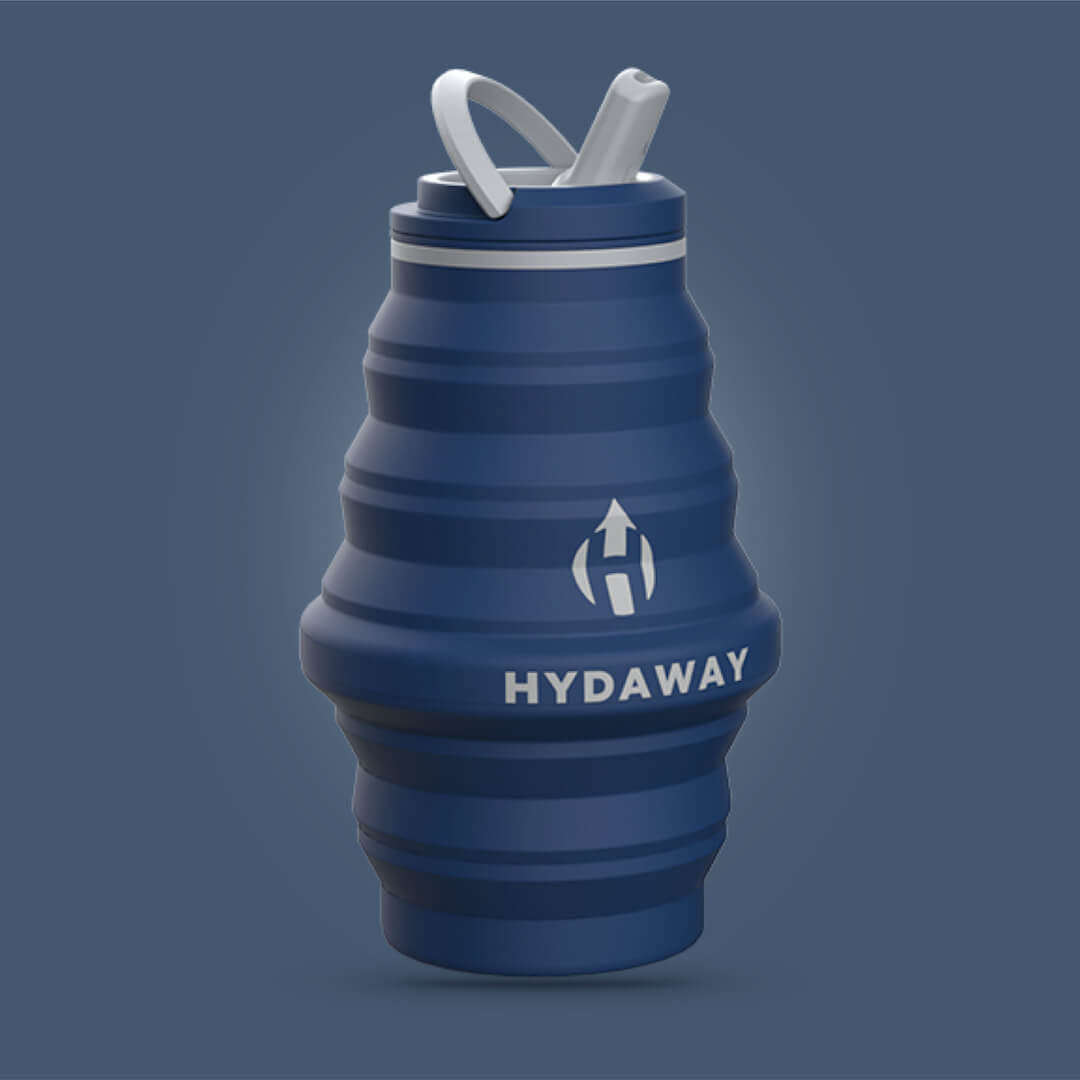
This is where pairing a dry bag with other space-saving gear really shines. For instance, after you’ve finished a drink from your HYDAWAY Collapsible Water Bottle, you can just flatten it and tuck it inside your dry bag. This frees up precious room while keeping it protected. This kind of synergy—a protective outer layer (the dry bag) and a packable inner ecosystem (HYDAWAY gear)—creates the ultimate grab-and-go kit for any adventure. Imagine packing for a weekend getaway; your dry bag holds your clothes, and after your morning coffee, your HYDAWAY tumbler collapses to nothing, making room for a souvenir on the way home.
How Waterproof Dry Bags Keep Your Gear Safe

Think of a waterproof dry bag as your personal insurance policy against rogue waves and sudden downpours. It's not just some random stuff sack; it's a piece of gear specifically engineered to create a completely airtight and watertight seal, giving you peace of mind on any adventure.
The secret isn’t some complicated tech. It’s actually a brilliant combination of two things: incredibly tough, waterproof materials and a super-reliable closure system that’s practically foolproof. The most common and trusted design you'll see out there is the roll-top seal.
And it's clear adventurers are catching on. The global dry bag market was valued at a whopping USD 1.5 billion in 2024 and is on track to hit around USD 2.6 billion by 2033. It just goes to show how essential this gear has become. You can see the full dry bags market analysis to get a sense of the trend.
The Science of the Seal
So, how does that simple roll-top design create such an impenetrable barrier? Think of it like a submarine hatch, but for your backpack. A sub uses heavy-duty clamps and gaskets to seal out immense water pressure. A dry bag uses that same basic idea, just with flexible, lightweight materials.
When you fold the top edge of the bag over itself a few times, you're creating a series of tight, overlapping folds. Each one of those folds acts as a new barrier, compressing the material and making it nearly impossible for water to find a way in. When you snap the buckle shut, you're locking those folds down and finishing the seal.
The real genius of a dry bag is the redundancy of the seal. A single fold might not be perfect, but rolling it three or more times creates a winding maze that water simply can’t get through.
Fabric and Construction
The second half of the equation is the fabric itself. You can't just slap a roll-top on any old material and call it a day. A quality dry bag is made from specific fabrics chosen for their rugged, waterproof nature.
- PVC (Polyvinyl Chloride): This is the heavy-hitter. It’s a thick, rubber-like material that is completely waterproof and incredibly resistant to punctures and scrapes. It’s the go-to for gnarly conditions like whitewater rafting or canyoneering.
- Coated Nylon or Polyester: For a lighter, more packable option, many bags use a tough nylon or polyester fabric coated with a waterproof layer like TPU (Thermoplastic Polyurethane). This gives you great protection while keeping things flexible.
In the real world, this means your bag won't just keep your stuff dry—it'll also survive being scraped against rocks, tossed around a campsite, or crammed into a kayak. It's this combination of a failsafe seal and bombproof construction that lets you relax. You can confidently toss your phone, wallet, and a collapsed HYDAWAY Collapsible Bottle inside, knowing they'll be perfectly safe and dry when you need them.
Choosing the Right Dry Bag for Your Adventure
Picking the right waterproof dry bag is a lot like packing a suitcase—you wouldn't bring a giant trunk on an overnight trip. The same idea applies here. The perfect bag for a week-long rafting trip would be total overkill for a day at the theme park.
It’s all about matching the bag to your actual plans. When you get this right, you’re not just protecting your stuff; you’re streamlining your whole setup, making the adventure that much smoother without a bunch of extra bulk.
Small Capacity Dry Bags for Essentials (2L to 5L)
For those quick trips out or when you only need to protect the absolute essentials, a small-capacity dry bag is your best friend. These little guys, usually between 2 to 5 liters, are all about portability and convenience. They're perfect for keeping your must-haves safe from a sudden downpour, a rogue wave, or an accidental drop in the water.
These smaller bags are perfect for:
- Theme Park Visits: Easily shield your phone, wallet, keys, and park tickets from those splash-zone rides. A 5L bag is more than enough for a family's small essentials.
- Daily Commutes: If you bike or walk to work, you can toss a small dry bag into your main pack to create an instant waterproof pocket for your electronics.
- Short Hikes or Beach Days: Keep your car keys, a small camera, and sunscreen secure and totally sand-free.
A 5L dry bag is surprisingly useful. For instance, it can easily hold two collapsed HYDAWAY 25oz Water Bottles, a smartphone, and your keys. This makes for a super compact kit for staying hydrated and keeping your gear safe, all without the hassle of bulky, rigid bottles.
Mid-Size Dry Bags for Day Trips (10L to 20L)
When your adventure calls for a bit more than just the basics, a mid-size dry bag hits that sweet spot between capacity and portability. These bags, ranging from 10 to 20 liters, are easily the most versatile and popular choice for all sorts of activities. They give you enough space for a change of clothes, a small towel, lunch, and your electronics without ever feeling cumbersome.
This is the size you'll grab for day-long excursions where you need to be prepared. If you're heading out for amazing water activities, like the kinds of Kona snorkeling tours and marine adventures that get you right next to incredible ocean life, a 10L or 20L bag is a must for keeping your towel, extra clothes, and phone dry while you're in the water.
Think of a 20-liter bag as the perfect daypack replacement for any activity near water. It’s large enough to be genuinely useful but small enough that it never gets in the way.
The 10-20L range is your go-to for:
- Kayaking and Paddleboarding: Carry a light jacket, lunch, and your camera gear with total confidence. A 10L bag is perfect for packing a towel and a change of shorts for after your paddle.
- Hiking and Camping: Keep a spare set of dry clothes, a map, and your food protected from an unexpected storm. A 20L bag can serve as a waterproof pack liner or a dedicated food bag hung from a tree.
- Motorcycle Touring: Strap one to your bike to keep your essentials dry and dust-free on the open road. It's the ideal way to protect your camera and electronics from road grime and sudden showers.
Dry Bag Size and Capacity Guide for Common Activities
To make it even easier, use this quick-reference guide to match the right dry bag size to your next adventure. We've included some real-world examples of what you can typically fit inside each one.
| Bag Size (Liters) | Best For Activities | Example Gear To Pack |
|---|---|---|
| 2L - 5L | Theme Parks, Beach Days, Daily Commutes | Phone, wallet, keys, snacks, a collapsed HYDAWAY bottle |
| 10L | Kayaking, Paddleboarding, Day Hikes | Light jacket, small towel, lunch, camera, sunscreen |
| 20L | Day Trips, Motorcycle Touring, Camping | Change of clothes, towel, food for the day, electronics |
| 30L+ | Multi-Day Rafting, Van Life, Overlanding | Sleeping bag, multiple outfits, camping gear, food supplies |
Choosing the right size really comes down to what you plan to do and for how long. A little forethought here saves you a lot of hassle out there!
Large Capacity Dry Bags for Major Expeditions (30L+)
For multi-day journeys and serious expeditions, you’re going to need a large-capacity waterproof dry bag. These workhorses, starting at 30 liters and going all the way up to 100L or more, are built to haul significant gear through tough conditions. At this point, they’re less of an accessory and more like your primary piece of luggage.
These big bags are absolutely essential for adventures where you won't see a resupply point for days and gear failure is not an option. Planning a week-long rafting trip or gearing up for a van life journey? A 30L+ bag is non-negotiable. For trips this big, keeping things organized is key—our guide on proper camping water storage has some great tips that pair perfectly with using large dry bags.
These are best for:
- Whitewater Rafting: Haul sleeping bags, tents, and several days' worth of clothing and food.
- Overland and Van Life: Organize and protect gear from dust, mud, and water, whether it's stored inside your rig or strapped to the roof.
- Extended Sailing Trips: Keep your entire wardrobe and sensitive navigation equipment safe from constant saltwater spray.
Mastering How to Pack and Seal Your Dry Bag
So you've got your hands on a great waterproof dry bag. That's half the battle. But the real magic isn't just in the bag itself—it's in how you use it. Learning the right way to pack and seal your bag is what turns it from a simple gear hauler into a watertight fortress for your valuables.
It’s about more than just cramming your stuff inside; it’s a bit of a strategy. Get it right, and you’ll not only keep everything bone-dry, but you'll also make your gear easier to grab when you need it. This is a skill that pays off big time, whether you're just hitting the beach or heading out on a week-long kayaking trip.
This quick visual guide can help you match a bag to your adventure, from just carrying your phone to packing for a full overnight.

As you can see, picking the right size is your first move. It ensures you have enough room for what you need without wrestling with a half-empty or overstuffed bag.
The Step-By-Step Sealing Process
To get that perfect, failsafe seal every single time, you just need to follow a few simple steps. It's tempting to cut corners, but trust us on this one—the details matter.
- Pack Smart: Start by placing something soft at the bottom, like a t-shirt or towel. This creates a built-in cushion for more fragile items like your phone or camera, which you’ll pack on top.
- Stay Organized: Use smaller pouches or stuff sacks to keep items grouped together. This stops your bag from turning into a black hole and helps you find that one thing you need without dumping everything out.
- Don't Overstuff: This is a big one. You need to leave a few inches of empty space at the top. That extra material is crucial for getting a tight roll-top seal. A bag that’s packed to the brim is almost impossible to seal properly.
- Squeeze the Air Out: Before you start rolling, gently press down on the bag to push out most of the air. Leaving a tiny bit of air trapped inside can help your bag float, but too much makes it bulky and difficult to close.
- Fold, Fold, Fold: Line up the two top edges of the bag. Now, roll the top down tightly at least three times. This is the golden rule! One or two rolls just won't cut it and is the most common rookie mistake we see.
- Buckle Up: Once it's rolled, bring the two ends of the buckle together and click them shut. The strap should feel snug, but you shouldn't have to force it. Some bags clip together at the top to form a handle, while others have side clips.
The three-roll rule is the most important part of the process. Think of each fold as an additional barrier against water. This redundancy is what makes the roll-top system so effective and trustworthy.
A Practical Packing Example
Let’s walk through a real-world scenario—packing for a day at the beach. The goal is simple: keep your phone, book, towel, and drinks free from sand and splashes.
First, you grab your gear: a beach towel, a good book, your phone, car keys, and a HYDAWAY Collapsible Drink Tumbler. You start by putting the soft towel at the bottom of your 10L dry bag. Next, your collapsed tumbler and book go on top of the towel. Your phone and keys are the last things in, perfectly cushioned by everything underneath.
After squishing the extra air out, you carefully roll the top down three full times and clip the buckle. Now you can toss that bag on the sand or right next to your wet gear without a single worry. It's no wonder this kind of gear is catching on; the global waterproof bags market was valued at USD 20.12 billion in 2023 and is only expected to grow as more people get outdoors. You can discover more insights about the waterproof bags market and see just how fast it’s expanding.
For more packing tips that apply to any trip, check out our guide on how to pack a backpack.
Pairing HYDAWAY Gear With Your Dry Bag
Any great adventure setup is all about how your gear works together. You need equipment that not only does its job, but also complements the rest of your kit. A waterproof dry bag is your first line of defense against the elements, but what you choose to pack inside it matters just as much.
This is where the magic happens when you pair a dry bag with HYDAWAY’s collapsible gear. Think of your dry bag as the tough, protective shell and HYDAWAY products as the incredibly efficient, space-saving gear that goes inside. They solve two different problems—protection and packability—to create one seamless system for any adventure. By combining them, you can use every last inch of your pack without giving up performance or peace of mind.
Maximize Space Without Compromise
The biggest win here is just how much space you save. Traditional, rigid water bottles and food containers are notorious space hogs, especially when they’re empty. A waterproof dry bag works best when it isn't stuffed to the gills, because you need that extra room to get a proper three-roll seal.
HYDAWAY’s entire lineup was engineered to collapse completely flat, solving this exact problem. Once you’ve finished your water or your meal, you’re not stuck lugging around a bulky, empty container. You just flatten it, tuck it away, and instantly reclaim precious space inside your dry bag for other essentials.
This makes a huge difference in all sorts of situations:
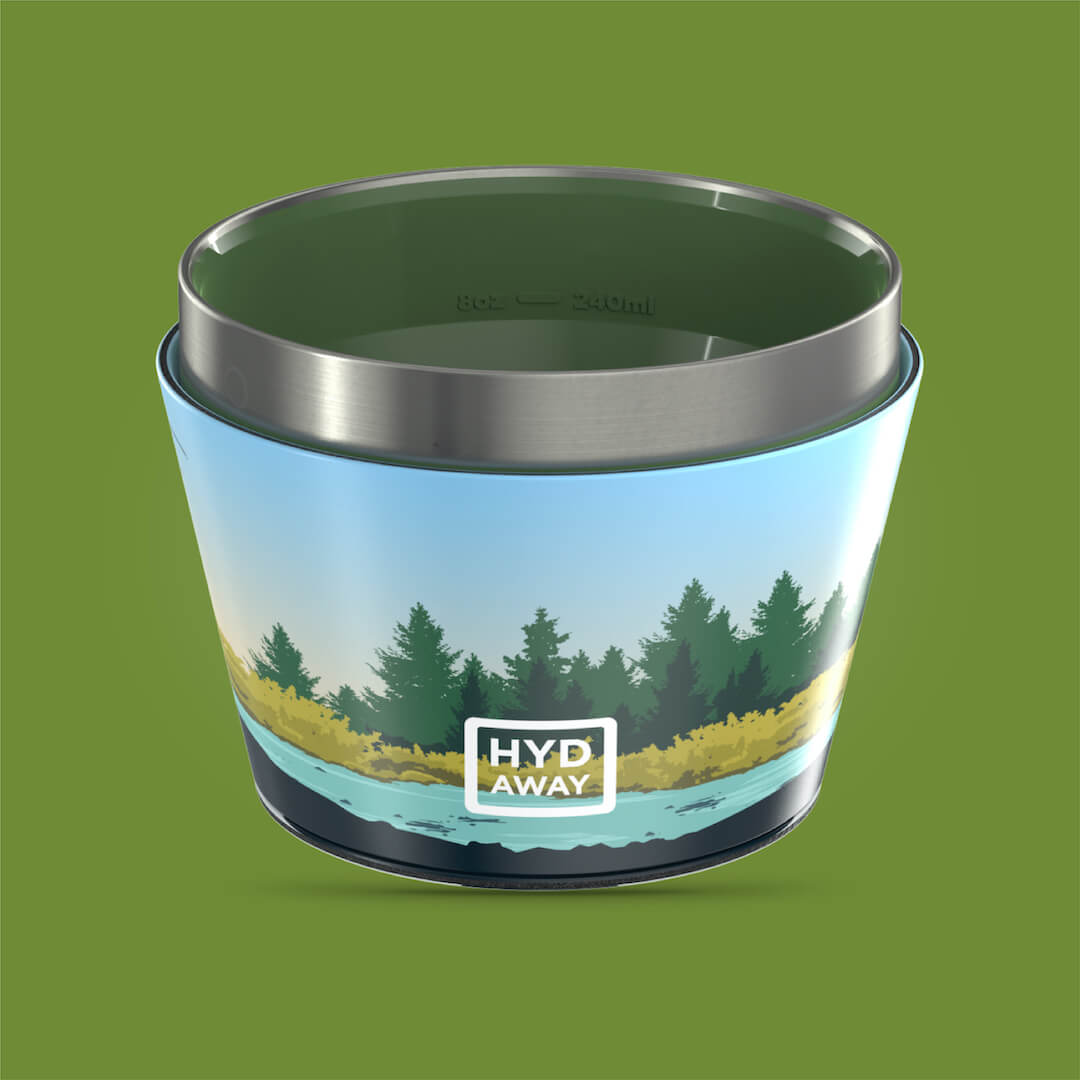
- For the Hiker: You can load a 20L dry bag with your rain jacket, extra layers, and a first-aid kit. You’ll still have plenty of room for a full HYDAWAY Hiking Kit, including a 25oz bottle and an Insulated Bowl, without having to sacrifice your food, water, or safety gear. When you finish lunch on the trail, collapse the bowl and bottle, and now you have extra space for shedding a layer as the day warms up.
- For the Family: At a theme park, a little 5L dry bag can keep wallets and phones dry on water rides. It can also easily store four collapsed HYDAWAY bottles after the kids are done, saving you from buying overpriced drinks in the park and carrying around clunky empty bottles all day.
Practical Scenarios for Every Adventurer
The real beauty of this system is seeing it in action. The combination of a dry bag and collapsible gear is flexible enough to adapt to whatever your day throws at you.
Imagine a digital nomad working from a beachside cafe in Southeast Asia. They might use a 10L waterproof dry bag to protect their laptop and hard drive from the humidity and unexpected tropical downpours. In a smaller dry bag, they could pack their entire portable kitchen—a collapsed HYDAWAY Insulated Bowl and a 17oz Drink Tumbler—ready for a quick meal without taking up space in their main backpack. This allows them to save money by preparing their own breakfast at their rental before heading out for the day.
The synergy is simple: your dry bag protects your gear from the outside world, while HYDAWAY gear helps you conquer the inner world of your pack. It’s a combination that delivers both security and efficiency.
We’re seeing the demand for this kind of smart gear grow all over the world. While North America and Europe have always been big markets for waterproof bags, the Asia Pacific region is catching up fast. As more people get into adventure sports, it’s creating new opportunities for brands like HYDAWAY that serve a global community of travelers. You can dig into the data yourself and learn more about the global expansion of the waterproof bags market.
This worldwide growth points to a universal truth: adventurers everywhere want gear that is both protective and practical. A kayaker on the Oregon coast and a backpacker exploring Thailand both benefit from a system that keeps their valuables dry and their pack light and organized. That’s the power of pairing a waterproof dry bag with smart, collapsible essentials.
Your Waterproof Dry Bag Questions Answered
Even when you think you have all the right gear, questions pop up. It happens to everyone. Getting straight, practical answers is the key to feeling confident and getting the most out of your waterproof dry bag. We've pulled together the most common questions we hear from adventurers just like you.
Think of this as your cheat sheet for using a dry bag like a pro. We’re here to clear up any confusion and arm you with the knowledge to make smart choices, whether you're about to buy your first one or just trying to perfect your current setup.
What Is the Difference Between Waterproof and Water-Resistant?
This is probably the most important question of all, and getting it wrong can be a disaster for your gear. "Water-resistant" stuff can handle a light sprinkle or a quick splash, but it’s not built to last. Give it enough time under steady rain or drop it in the lake, and water will eventually seep through.
Waterproof, on the other hand, is a whole different ballgame. It means the gear creates a complete, sealed barrier against water. Thanks to tough fabrics like PVC and a solid roll-top seal, a true waterproof bag is made for heavy downpours and even quick dunks without letting a single drop sneak in. If you're kayaking, paddleboarding, or doing anything serious near the water, you absolutely need a bag that's genuinely waterproof.
Can I Fully Submerge My Dry Bag?
While a properly sealed dry bag is a lifesaver, it isn't designed for scuba diving. Most high-quality roll-top bags will have no problem if they get dropped overboard or take a quick, shallow dip. They’re built for surface water sports and keeping your gear dry from the elements.
Keep this in mind: A dry bag is built for temporary, accidental submersion, not for deep or prolonged underwater use. If you need something for diving, you’ll want to look for a specialized submersible case with a high IPX rating.
How Do I Clean and Store My Dry Bag?
A little bit of care goes a long way and will dramatically extend the life of your bag. Just follow these simple steps, and your gear will be ready for years of adventures.
- Rinse After Use: Always give your bag a quick rinse with fresh water, inside and out. This is especially important after a trip to the beach to get rid of salt and sand.
- Use Mild Soap: For any stubborn dirt or grime, a little bit of mild soap and warm water is all you need. Stay away from harsh detergents or chemicals that can damage the waterproof coating.
- Dry Completely: This is the most critical step! Hang your bag upside down and prop the opening open so it can air dry completely before you put it away. This is how you prevent mildew and those funky smells.
- Store Properly: Roll or hang your bag loosely in a cool, dry place. Keep it out of direct sunlight, which can break down the material over time.
What Size Dry Bag Do I Need for My Phone and Wallet?
Just need to protect the absolute essentials? For things like a smartphone, wallet, keys, and maybe a snack, a small 2-liter or 3-liter dry bag is the perfect size. They’re incredibly compact and easy to clip onto a belt loop or just toss into a bigger backpack. They give you way more flexibility than a simple waterproof phone pouch, with enough room for other small must-haves while keeping everything safe and dry. For example, a 3L bag can hold your phone, keys, a credit card, and a collapsed HYDAWAY bottle, giving you everything you need for a short paddle or a walk on a rainy day.
By pairing your dry bag with smart, space-saving gear like HYDAWAY's collapsible bottles and bowls, you can make even a small bag work harder. It's all about creating a perfectly organized and protected kit for any outing. Explore the full collection of packable essentials at myhydaway.com and see how you can carry less and do more.