


Optimal Water Bladder Storage: Prevent Mold & Extend Life in 2026

Keeping your water bladder clean is pretty straightforward, but it's the one thing that stands between you and a funky-tasting sip on your next adventure. That quick, post-hike routine is your best defense against mold, mildew, and any lingering flavors from that electrolyte mix you used.
Get this part right, and your gear will always be good to go.
The Golden Rules of Gear Care
Look, we get it. After a long day on the trail, running errands, or even navigating a busy airport, the last thing you want to do is clean your gear. But that five-minute habit is absolutely non-negotiable for keeping your water tasting fresh and making your equipment last.
Think of it as the quick-start guide to beating the grime before it even thinks about starting. For example, if you just used your bladder with an electrolyte mix during a half-marathon, that immediate rinse-out prevents any sugary residue from turning into a science experiment. Even plain water can leave behind a film if you let it sit for too long.
The First Five Minutes Matter Most
When you walk in the door, make a beeline for the sink. Your only goals right now are to rinse and dry. Don't just toss your pack in the corner and promise you'll get to it tomorrow. A quick rinse today saves you from a deep-scrubbing headache later.
A bone-dry interior isn't just a suggestion—it's the single most important step to prevent gunk and bacteria from growing between adventures.
Moisture is the enemy. It’s what allows mold and other nasty stuff to thrive. The key is to get air flowing through your bladder or bottle. Find a spot with good ventilation, but try to keep it out of direct sunlight, as harsh UV rays can damage the material over time.
This simple rule applies to every piece of hydration gear you own:
- Traditional Bladders: These often need a special hanger, or you can get creative and prop them open with a kitchen whisk to maximize airflow.
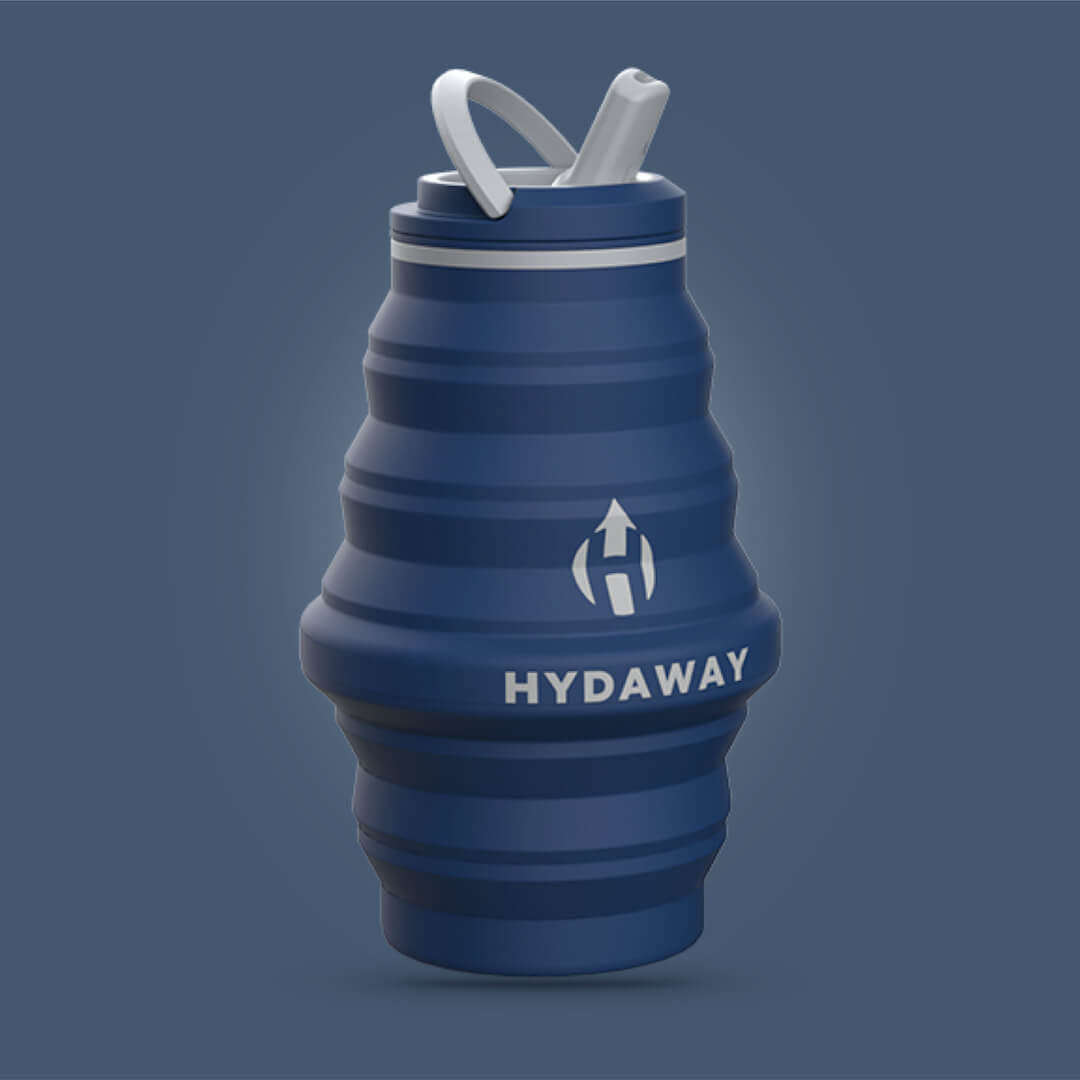
- HYDAWAY Collapsible Bottles: We designed ours with a wide mouth to make this part a breeze. Just unscrew the cap, expand it fully, and stand it on the counter to air dry. It’s stable enough that it won't just tip over—perfect for a quick cleanup after a gym session or a day at the office.
Of course, a clean reservoir is only part of the equation for safe hydration on the road. For refills from questionable sources, it pays to have the best water filter bottle for travel in your arsenal. Building these simple habits ensures all your gear is ready for years of adventure.
Your Guide to Cleaning and Drying Any Water Bladder
Nothing ruins a beautiful hike faster than a swig of funky, plastic-tasting water. A quick rinse after each use is a great habit, but a real deep clean is what stands between you and that gross buildup from sports drinks or just... time.
Getting into every part of your hydration system—the reservoir, the tube, and the bite valve—is the only way to guarantee fresh-tasting water on every single adventure. Luckily, you don’t need a science lab or harsh chemicals. The best solutions are probably sitting in your kitchen pantry right now.
Cleaning Your Reservoir: Natural vs. Specialized
When it's time for a deep clean, you've got two great paths: good old-fashioned household staples or cleaners made specifically for hydration packs.
To help you decide what's best for your situation, here's a quick breakdown of the most common methods we've used over the years.
Choosing Your Water Bladder Cleaning Method
| Cleaning Method | Effectiveness | How to Use | Best For |
|---|---|---|---|
| Baking Soda & Lemon Juice | Good for general cleaning and neutralizing odors. | Mix 2 tbsp of baking soda OR the juice of one lemon with warm water. Fill, shake, and let it sit for at least an hour. Rinse well. | Regular maintenance, getting rid of that "plastic" taste, and anyone who prefers an all-natural approach. |
| Cleaning Tablets | Excellent for killing microbes and breaking down stubborn residue. | Drop a tablet into a full bladder, let it dissolve and sit according to the package directions (usually 15-30 mins), then rinse. | Deep cleaning after storing, tackling a bladder you forgot about, or for a quick, no-mess clean while traveling. |
Both methods work wonders. The one you choose just depends on what you have on hand and how much funk you're fighting.
Sometimes, though, you need a little more scrubbing power. For a closer look at the brushes and tools that can make this job a whole lot easier, check out our guide on building the perfect hydration bladder cleaning kit.
Mastering the Art of Drying
This is the part everyone gets wrong. After cleaning, getting your bladder 100% dry is the single most important step. Any little drop of moisture left behind is an open invitation for mold and mildew. The goal here is simple: get air to every single surface inside.
This simple routine is key: Rinse, Dry, and Store. It’s a mantra for keeping your gear in top shape.

Drying is just as crucial as the cleaning itself. It’s what keeps that grime from ever getting a foothold and makes sure your gear is ready to grab and go.
Some reservoirs, especially those with small openings, can be a real pain to dry out. You can find special hangers made for the job, but I’ve seen people get creative with a kitchen whisk or a paper towel holder wedged inside to prop it open. Whatever works!
This is one of those little annoyances we designed HYDAWAY to solve. After a day of exploring, you can simply expand your collapsible bottle, pop the cap off, and place it on the top rack of the dishwasher. It gets a thorough clean and air-dries perfectly without any extra gadgets.
Short-Term vs Long-Term Storage Strategies
How you store your hydration bladder after a weekend hike versus tucking it away for the winter can make a huge difference in its lifespan and readiness. The right water bladder storage approach all comes down to how soon you plan on grabbing it again. Getting this right is the secret to preventing damage and keeping your water tasting fresh, trip after trip.
For quick turnarounds—like storing your gear between a Saturday trail run and a Tuesday evening workout—it’s all about speed and convenience. The goal is simple: get it clean and bone-dry as fast as possible. Once you've given it a thorough rinse, your top priority is maximum airflow.

Quick Turnaround Storage
For short-term storage, you don't need some elaborate setup. Once your bladder is completely dry inside and out, just stash it in a cool, dry place with good ventilation. Many of us hang our bladders from a gear hook or lay them flat in a dedicated drawer. The real key is just to avoid cramming it into a dark, damp corner of your pack where any leftover moisture could invite some funky stuff to grow.
This is where thoughtful gear design really shines. For instance, a hiker staying in a hostel can wash their HYDAWAY bottle, let it air dry quickly thanks to its wide opening, then collapse it to just over an inch. It tucks into a packed duffel bag without hogging space, ready for the next day's city tour. If you’re looking for more ideas on managing your gear in tight spots, our article on clever campervan storage solutions is packed with great tips.
Long-Term Storage: The Freezer Method
When you’re putting your gear away for the season, you need a more bulletproof strategy to stop any microbial growth in its tracks. Believe it or not, the most popular and effective method for long-term water bladder storage is using your freezer. The cold temperature completely halts the growth of any potential mold or bacteria.
Here's how to do it right:
- Make sure it's pristine. Start with a bladder that's totally clean and dry. Any leftover drink mix or moisture can cause problems when you thaw it out months later.
- Roll, don't fold. Loosely roll the empty bladder and its tube. This avoids creating hard creases that can weaken the plastic seams over time and lead to frustrating leaks down the road.
- Keep it safe. Pop the rolled bladder in your freezer where it won't get crushed by a frozen turkey or a bag of ice.
The whole concept of collapsible, contamination-proof storage isn't some new-fangled idea. Bladder tanks actually first appeared back in 1926 and were refined in the 1950s for military and disaster relief. This long history of durable, portable design is mirrored in modern gear like HYDAWAY's bottles, which bring those same space-saving and leak-proof benefits to today's adventurers.
Beyond just your water bladder, getting a handle on broader storage solutions can give you some great insights for managing all your outdoor gear, especially for long-term preservation. Whether you choose a freezer or a drawer, the right technique ensures your bladder is pristine and ready for action whenever adventure calls again.
Troubleshooting Common Reservoir Problems
Even with the best intentions, things can go wrong with your hydration gear. We’ve all been there—you pull out your reservoir for the first hike of the season and get a whiff of something funky. Or maybe that brand-new bladder has a distinct "factory-fresh" taste.
Don't sweat it. These things happen to even the most seasoned adventurers. The good news is that you can almost always bring your gear back from the brink without having to toss it.
That "new plastic" taste is a classic complaint, but the fix is incredibly simple. Just fill the bladder with warm water and add a few tablespoons of baking soda or the juice from a whole lemon. Let it sit overnight, give it a good shake in the morning, and rinse it out completely. Just like that, the taste should be gone for good.
Reviving a Neglected Bladder
What about the bladder you found in the back of your car after a summer camping trip? If you discover mold or an odor that can only be described as "swampy," it’s time for a deep clean—what we call a "shock treatment." It's more intense than a standard wash but can save gear you thought was a lost cause.
You’ll need to create a simple sanitizing solution using regular, unscented household bleach.
- Mix one or two teaspoons of bleach for every gallon of water.
- Fill the bladder and hose completely with this mixture. Squeeze the bite valve to make sure the solution runs through the entire system.
- Let it sit for about 15-30 minutes. You don't want to leave it any longer, as bleach can be harsh on the bladder's material over time.
Once the time is up, drain the bladder and rinse it out meticulously. We mean rinse it three, four, even five times until there’s absolutely no hint of a bleach smell left. Then, let it air dry completely before putting it away.
This shock treatment is basically a hard reset for your gear. It’s the same principle used to make large-scale water systems safe to drink from, just scaled down for your hydration pack. It’s powerful enough to knock out stubborn bacteria and neutralize even the funkiest odors.
The HYDAWAY Advantage
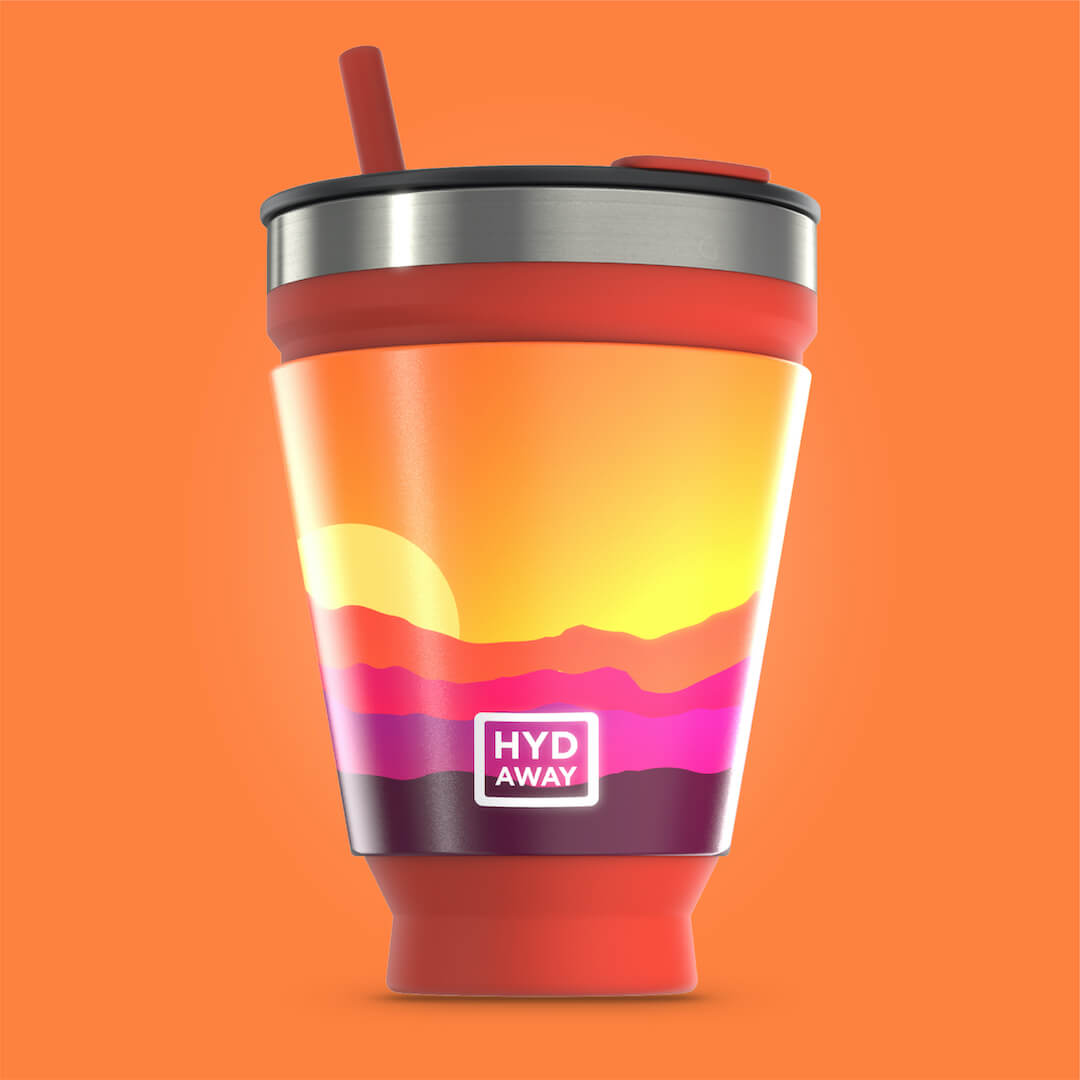
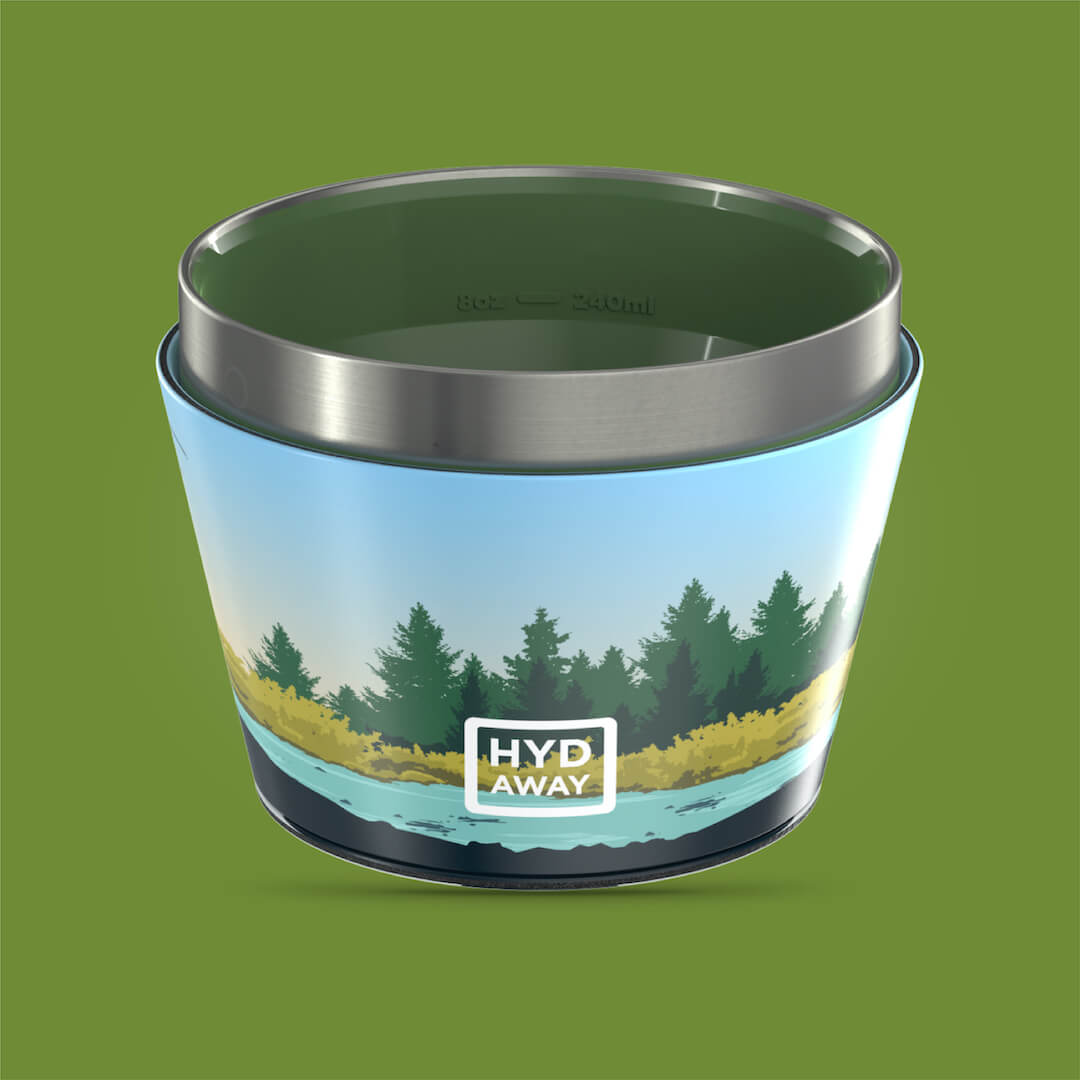
One of the best things about modern gear is how the materials themselves help prevent these problems from ever starting. For example, all HYDAWAY products, from our collapsible bottles to our insulated bowls, are made from food-grade silicone.
This material is a game-changer because it's non-porous, which means it naturally resists stains and odors. You're just far less likely to deal with any weird, lingering tastes in the first place.
Even so, if you happen to forget a smoothie in one of our bottles for a little too long (it happens!), the cleanup is a breeze. For example, imagine finding a week-old smoothie in your gym bag. Instead of a scrubbing nightmare, you just expand the HYDAWAY bottle, pop off the cap, and put it in the top-rack of the dishwasher. It’s that simple maintenance that keeps your gear ready for your next adventure.
Smarter Storage for Travel and Van Life
If you’ve ever tried to cram gear into a packed van or a full backpack, you know the truth: every square inch is sacred. Smart water bladder storage isn't just about keeping things neat—it's what makes a flexible, minimalist lifestyle on the road actually work. Traditional, rigid water bottles are a bulky nightmare, but this is where collapsible gear completely changes the game.
For anyone who’s constantly on the move, space-saving equipment is non-negotiable. It’s what lets you squeeze in an extra warm layer for a cold mountain night or find a spot for fresh produce in a tiny van kitchen. This is how modern design makes a real, tangible difference in your daily adventures.

Packable Hydration in Action
Think about a family trip to a theme park in 2026. Instead of shelling out for four overpriced, single-use plastic bottles, each person carries a HYDAWAY 17oz bottle. They refill at water fountains all day. When the bottles are empty, they collapse down flat and get tucked into a small bag or pocket, making it a breeze to get through crowds and enjoy the day.
Or, picture a retiree exploring European cities with just a lightweight daypack. A full-size water bottle eats up a ton of space, but a HYDAWAY 25oz bottle shrinks down to just over an inch thick when it’s empty. Suddenly, there’s plenty of room for souvenirs, a guidebook, and a jacket, all without the usual bulk.
Integrating Smart Gear into Your Life
The real magic happens when your gear starts working for you, not against you. Collapsible hydration isn't just about saving a little space; it's about removing one more point of friction from your travels.
-
For the Van-Lifer: After a quick wash and dry, a HYDAWAY bottle collapses down to slip into a packed drawer or a hanging wall organizer. This is a massive win compared to those bulky Nalgene-style bottles that are always, somehow, in the way. If you need more inspiration, you might love our guide on clever campervan storage solutions.
-
For the Backpacker: At the end of a long hike, the last thing you want is an empty, air-filled bladder hogging precious real estate in your pack. A collapsible bottle basically disappears. It lightens your load and makes managing your gear for the next day's trek that much simpler.
At the end of the day, choosing gear that actively supports a mobile, minimalist lifestyle is what it's all about. Hydration you can easily stash away directly enables a more adventurous, less cluttered life. It frees you up to focus on the experience, not the gear you're hauling around.
Your Water Bladder Storage Questions Answered
No matter how long you've been using hydration packs, a few questions always seem to pop up. From a funky taste in a new bladder to figuring out the best way to store it between trips, getting the details right makes all the difference.
We hear these questions all the time, so let's tackle the big ones. Getting this stuff down pat will keep your gear in prime condition for years of adventures.
Is It Really Okay to Store My Water Bladder in the Freezer?
You bet. This is actually one of our go-to tricks for long-term storage. Popping it in the freezer is a surefire way to stop any lingering bacteria or mold spores right in their tracks.
The trick is making sure the bladder is totally clean and, more importantly, 100% dry before it goes in. Also, roll it up loosely instead of folding it. This avoids creating sharp creases that can weaken the seams over time. When your next adventure calls, just pull it out and let it thaw at room temperature.
How Do I Get That Plastic Taste Out of a New Bladder?
Ah, the "new bladder" taste. It's a common complaint, but thankfully, it's an easy fix. Fill your bladder up with warm water and add a little something to neutralize that factory flavor. Your best bets are two tablespoons of baking soda or the juice from a whole lemon.
Let that mixture hang out for a few hours, or even better, overnight. Then, just give it a good shake and a thorough rinse. The taste should be completely gone, leaving you with nothing but fresh-tasting water.
Pro Tip: This is where the material really starts to matter. We make HYDAWAY collapsible bottles from food-grade silicone, which is naturally non-porous. It's far less likely to absorb or hold onto unwanted flavors in the first place, meaning better-tasting water from day one with a lot less hassle.
How Often Should I Really Deep Clean My Bladder?
This one comes down to a single question: what are you putting in it? If you're a plain-water-only person, a deep clean every few weeks is plenty, as long as you're rinsing and drying it after each use.
But if you add anything else to your water, the game changes completely.
- Sports Drinks & Powders: Using electrolyte mixes or anything with sugar? You must deep clean the bladder after every single use. No exceptions.
- Plain Water: A good scrub every couple of weeks will do just fine.
Sugar is basically a party invitation for bacteria, and a quick rinse won't be enough to clean up after the festivities.
Can I Throw My HYDAWAY Collapsible Bottle in the Dishwasher?
Absolutely! This is one of the features our customers rave about. All HYDAWAY collapsible products, from our bottles to our insulated bowls, are top-rack dishwasher safe.
For the best clean, just expand the bottle, pop the cap off, and place it upside down on the top rack. It's a lifesaver for busy families or travelers who just want a no-fuss cleanup at the end of a long day.
Ready to upgrade to gear that’s as convenient as it is durable? Explore the full collection of collapsible, easy-to-clean hydration and travel gear from HYDAWAY and see how simple maintenance can be. Discover your perfect adventure companion at https://myhydaway.com.