


Van Life Kitchen Essentials: The Complete 2026 Setup Guide

You're halfway through dinner when the van reminds you that it's also a vehicle. A pot lid rattles, a cutting board slides toward the sink, and the bowl you left on the counter becomes a loose object during a sudden stop. In a 60-square-foot kitchen, cooking is only one part of the job. You also need to control water, heat, food-contact surfaces, odors, trash, and every item that can shift while you drive.
The most useful van life kitchen essentials aren't the gadgets that promise restaurant-style meals. They're the tools that collapse, nest, clean quickly, stay secure, and perform more than one job. A compact bowl that serves dinner, holds ingredients, and stores flat can earn its space. A bulky appliance used once a month usually can't.
Why Your Van Kitchen Needs a Different Approach
A home kitchen can tolerate duplicates. You might keep a mixing bowl, serving bowl, salad bowl, and several storage containers because cabinets provide permanent space. A van can't make that bargain. Every item occupies valuable volume while the vehicle is moving, even when you aren't cooking.
The category itself reflects this shift toward portable, multipurpose equipment. The outdoor camping kitchenware market was estimated at USD 3.65 billion in 2025 and is projected to reach USD 5.21 billion by 2032, with a 5.20% CAGR from 2026 to 2032, according to 360iResearch's outdoor camping kitchenware market analysis. That growth helps explain why collapsible drinkware, nesting cookware, and compact cleanup systems have moved beyond improvised camping equipment.

A functional van kitchen follows four rules:
- One item, several jobs: A bowl should mix, serve, and store. A cutting board might also cover a sink. A drying mat can protect a cooktop when it isn't drying dishes.
- Flat or nested storage: Rigid gear wastes the space around it. Collapsible bottles, bowls, and cups fill the kitchen only during use.
- Low movement: Heavy equipment belongs low and close to the vehicle's center, while lightweight daily items need a positive storage location.
- Fast reset: If cleanup takes too long, you'll postpone it. In a confined space, that creates odors, standing water, and clutter before the next meal.
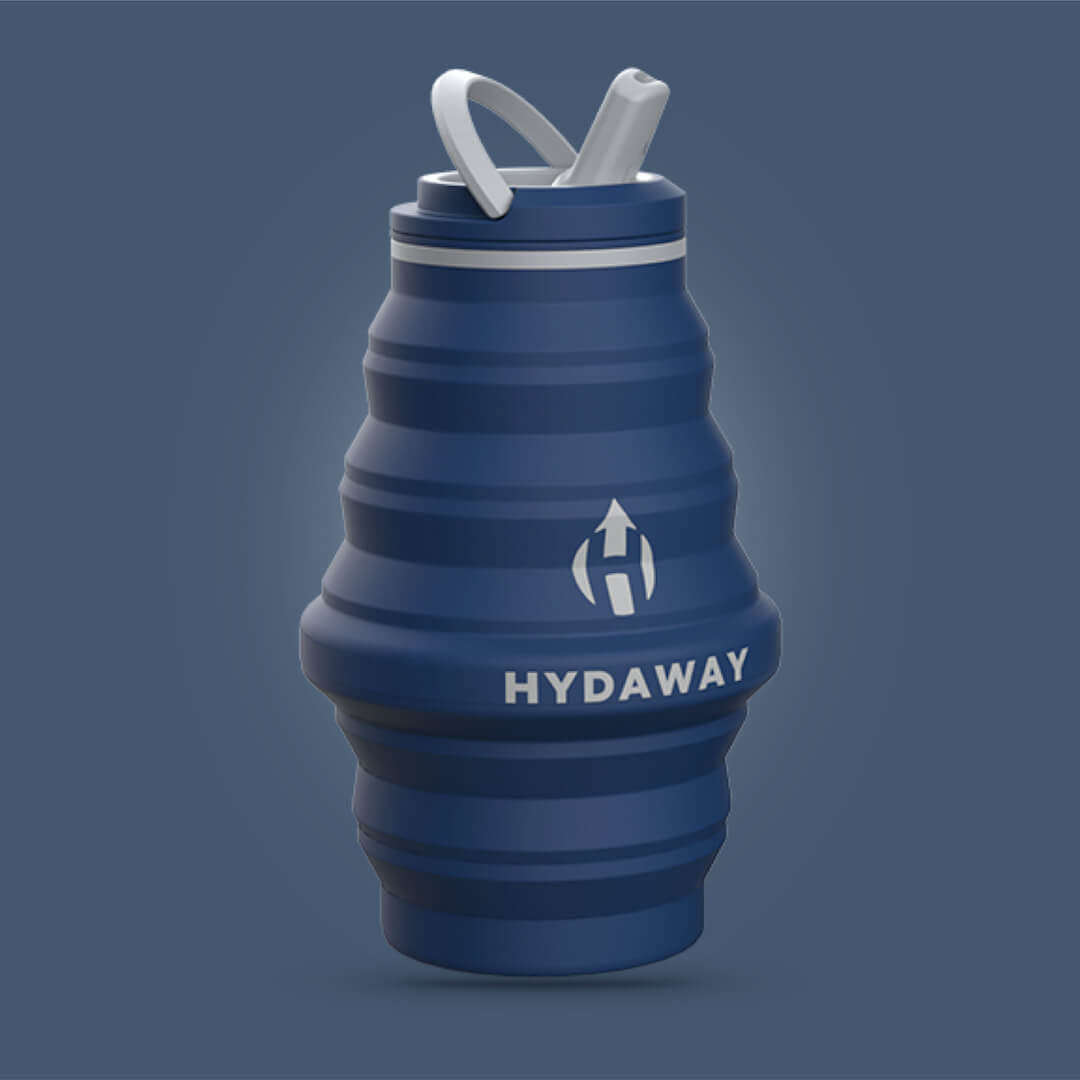
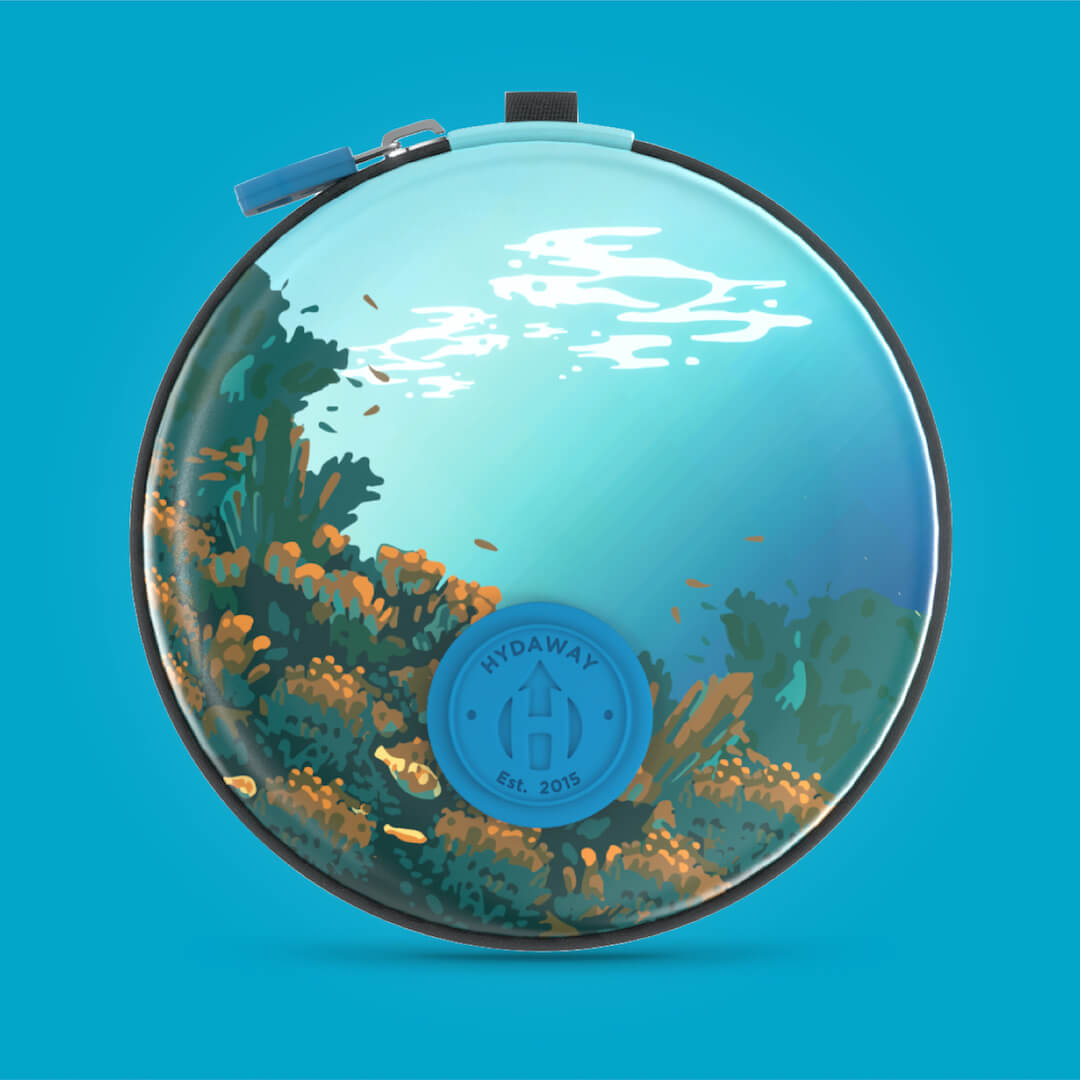
HYDAWAY's collapsible drinkware and dinnerware fit this approach by folding flat for transit and expanding when needed. Its camping and van life range includes collapsible bottles, pint-style cups, insulated bowls, and a compact meal kit, giving travelers a way to reduce permanent bulk without relying on disposable tableware. For a broader packing framework, the van life essentials list is a useful companion.
Practical rule: If an item doesn't save space, reduce cleanup, improve safety, or replace another item, it needs a strong reason to stay in the van.
Core Kitchen Categories and Selection Criteria
Start with categories, not a shopping cart. A small kitchen works when each category supports the others, from food storage through preparation, cooking, serving, and cleanup.

Cookware
Choose a saucepan, skillet, or pot that can cover several meals rather than a complete home-style set. Nesting cookware, removable handles, fitted lids, and easy-to-clean surfaces matter more than having every size available. Aluminum is particularly relevant in mobile kitchens because it keeps weight down. A separate camp cookware projection estimates that aluminum held over 39.4% of the global market in 2024, while the market is projected to grow from USD 3.2 billion in 2024 to about USD 5.8 billion by 2034, according to Market.us research on camp cookware.
Storage containers
Use clear, stackable containers with secure lids for dry goods, leftovers, and prepared ingredients. Nesting bowls that double as storage containers are especially efficient. Go RVing's space-saving kitchen guidance specifically highlights nesting bowls with lids because they serve both preparation and storage roles.
Don't confuse airtight with waterproof. Airtight containers help protect food and limit odors, but they shouldn't hold critical electronics, documents, or other items that require true flood protection.
Drinkware
Rigid bottles and mugs consume the same space whether full or empty. Collapsible water bottles, cups, and tumblers earn more room because they shrink after use and can be stored in controlled gaps.
HYDAWAY offers 17-ounce and 25-ounce collapsible bottles, collapsible pint-style cups, insulated tumblers, and insulated bowls. The practical test is simple: can the item hold a normal serving securely, wash without awkward corners, and pack away before driving?
Utensils
Keep the working set short. A chef's knife with a blade guard, spatula, tongs, serving spoon, can opener, and compact measuring tools cover most meals. Silicone utensils reduce clatter and are gentler on nonstick cookware, while extendable utensils can provide useful reach inside a deep bowl or pot.
Cleaning supplies
A van sink needs more than soap. Pack biodegradable soap, a scraper, microfiber cloths, a sponge or brush, a small basin, and a drying mat or compact rack. Choose items that dry quickly and can be stored without trapping moisture.
Safety equipment
A fire extinguisher, heat-resistant gloves, ventilation plan, and smoke detector belong in the kitchen system, not in an emergency drawer you can't reach. Place the extinguisher where you can access it from the cooking area, and keep hot cookware away from upholstery, bedding, and plastic storage.
Cooking Systems and Power Constraints
Your cooking system should follow the van's energy architecture. Choosing induction because it feels modern, or propane because it feels familiar, without checking the rest of the build creates problems later.
A propane setup offers cooking independence from the battery bank. Van-built examples commonly pair two-burner cooking with 11 kg propane storage, giving the kitchen a fuel supply designed around mobile use, as shown in this Ahorn campervan specification. Propane also works well with lightweight aluminum cookware and delivers familiar high heat. The trade-offs are ventilation, tank storage, gas-line safety, refills, and the need to manage open flame around a compact interior.
Induction removes combustion inside the living space and gives precise temperature control. It also demands a stable electrical system, a capable inverter, and enough battery capacity to handle the cooktop's instantaneous load. A portable induction unit can be practical, but only when the vehicle supports it. Otherwise, voltage sag or low battery reserves can turn dinner into a power-management exercise.

Match cookware to the heat source
Induction requires magnetic, flat-bottomed cookware. Aluminum can be excellent on gas, but a plain aluminum pot won't work on induction unless it has a compatible magnetic base. Test existing pans with a magnet before building your kitchen around an induction burner.
A hybrid setup often gives the most flexibility. You might use induction when connected to shore power and propane when staying off-grid, or keep a small outdoor gas option for high-heat cooking while using the vehicle's electrical system for lower-demand appliances. The correct choice depends on how often you cook, how much electrical capacity the build has, and whether you're comfortable ventilating the van during meals.
Power rule: Plan around peak demand, not average use. A system that runs lights and refrigeration comfortably may still struggle when a high-draw cooktop starts.
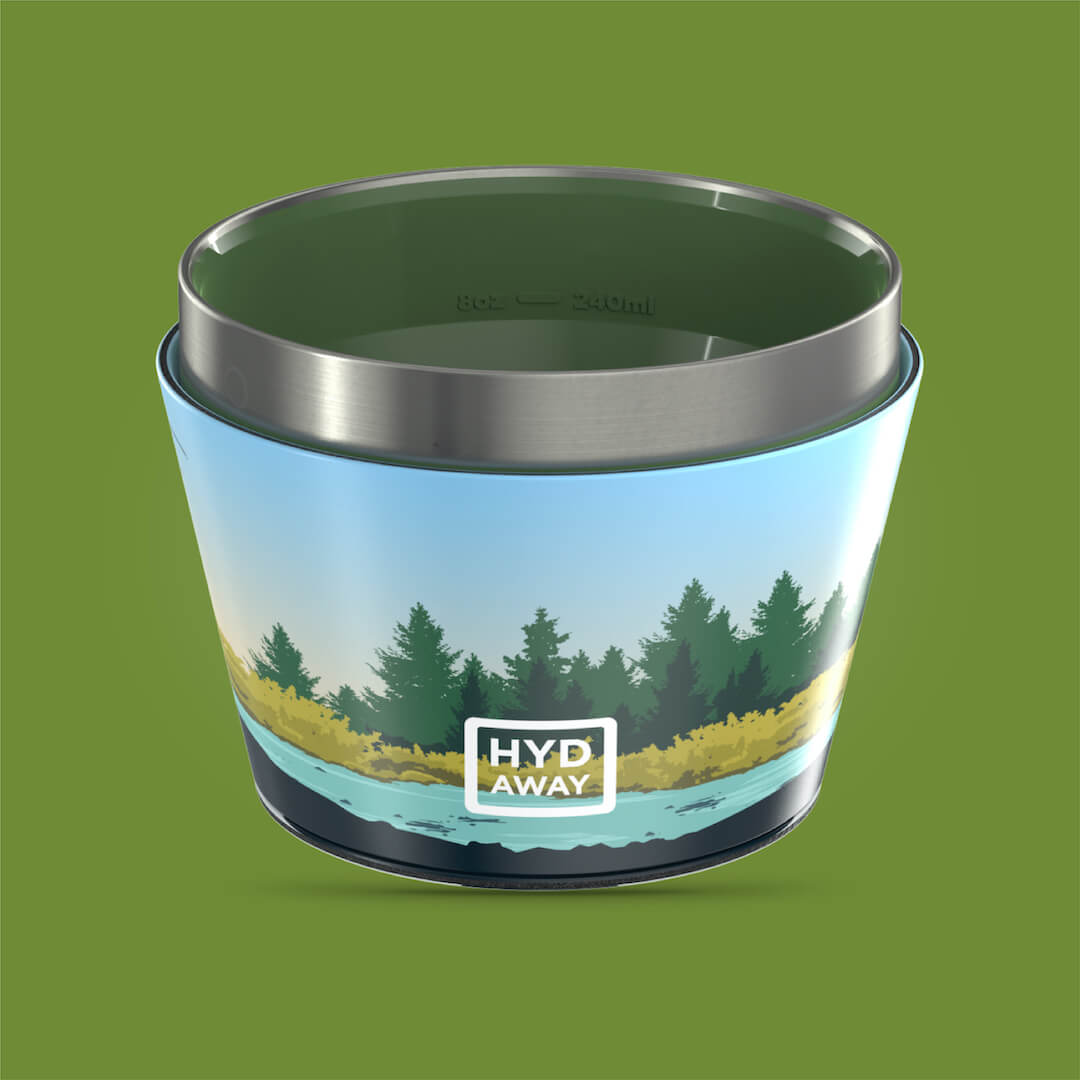
Insulated serving bowls can help any cooking system. HYDAWAY insulated bowls hold hot or cold meals without requiring additional power after cooking, and spill-proof lids make leftovers easier to store during travel. That doesn't replace thermal management for perishables, but it can make the serving and storage workflow calmer.
Smart Storage and Organization on the Road
A kitchen cabinet isn't organized because the door closes. It's organized when you can find the item you need without unloading everything, and when the contents stay put during travel.

Start by assigning every container a fixed location. Keep daily tools near the prep surface, store occasional equipment deeper in a cabinet, and place heavier cookware low. A Sprinter conversion may have room for a dedicated drawer under the counter, while a compact camper van might need one lidded kitchen box that moves as a single unit.
Build around frequency
The best layout reduces unnecessary movement:
- Daily items: Keep your primary cup, bowl, knife, spoon, and cooking tool within one reach.
- Wet items: Store soap, cloths, and the drying mat beside the water source, but allow airflow so damp fabric doesn't sour.
- Dry food: Use clear containers and rotate older ingredients toward the front.
- Heavy gear: Keep pots, pans, and filled water containers low and secured.
Door-mounted racks and vertical dividers create useful capacity, but only when they're firmly attached. Anything that rattles, swings, or can fall onto a burner needs a second retention method. Drawer liners, felt separators, latches, and compression straps are simple solutions that prevent noise and damage.
The RV kitchen storage ideas guide also points toward the value of compact, controlled storage. HYDAWAY products collapse flat, so an empty bottle or bowl doesn't occupy the same permanent volume as a rigid alternative.
Airtight storage is appropriate for flour, rice, snacks, and leftovers. It isn't waterproof storage. If a van floods, water can reach items that looked secure in ordinary containers, so protect critical belongings in a waterproof case and keep food systems separate from emergency documents or electronics.
This short walkthrough can help you visualize how a secure drawer, vertical storage, and fixed locations work together:
Before every drive, perform a quick reset. Empty cups, lock lids, return knives to their guards, secure the fridge, and make sure no wet item can spill into a drawer. The goal isn't a showroom kitchen. It's a kitchen that stays predictable on rough roads and panic stops.
Cleanup, Food Safety, and Hygiene Workflows
Cooking equipment gets the attention in most packing lists. Cleanup determines whether you'll want to cook again tomorrow.
A reliable workflow begins before the first ingredient touches the counter. Keep raw food physically separate from ready-to-eat food, use dedicated cutting boards or clearly separated board zones, and wash food-contact surfaces with hot, soapy water immediately after raw-meat preparation. Outdoor food-safety guidance also recommends keeping perishables below 5°C when refrigeration is limited, or using a well-insulated cooler with ice packs when no powered fridge is available, as outlined in KOA's RV health and food-safety guidance.
The low-water cleanup sequence
Scrape plates and bowls before washing. This “dry clean” step removes food residue, keeps grey water less unpleasant, and reduces the amount of water needed for the wash stage. A compact kitchen benefits from one-pot meals because fewer pans and utensils create fewer surfaces to clean.
Use cooking water intelligently when the ingredients and sanitation conditions allow it. A vanlife kitchen guide describes reusing pasta water for steaming vegetables, while also recommending a dry-clean approach before washing. The point isn't to chase perfect efficiency. It's to avoid wasting fresh water on residue that could have been removed with a scraper.
- Wash: Use a small amount of biodegradable soap and hot water.
- Rinse: Keep rinse water separate so the wash basin doesn't become dirty again.
- Dry: Use a compact drying rack or absorbent mat, then stow items only after they're dry.
- Sanitize: Wipe the prep surface and high-touch areas after raw-food handling.
HYDAWAY's dishwasher-safe, easy-to-clean reusable bowls and drinkware suit this workflow because smooth, collapsible pieces are easier to wash and store after compact meals. A portable kitchen sink for camping can also help travelers create a defined wash station when the van doesn't have a permanent basin.
Control odors and waste
Separate compostable food scraps from general trash when local rules and your travel setup permit it. Empty organic waste promptly, wipe spills as soon as they happen, and avoid leaving damp cloths sealed in a cabinet. A compact drying rack, microfiber cloths, soap, gloves, and ventilation are not optional extras in a small interior.
For a more formal cleaning reference, the 2025 kitchen sanitation checklist offers a useful way to think in terms of surfaces, tools, and repeatable sanitation tasks. A van doesn't need a commercial kitchen routine, but it does need consistency.
Meal Planning and Grocery Strategies for Van Life
The easiest van meal to clean up is the meal that was designed for the kitchen you have. Start with the cooking system, fridge or cooler capacity, water access, and storage layout. Then choose meals that fit those limits instead of buying ingredients for recipes that require multiple burners, several prep bowls, and a large work surface.
A practical rotation might include oats and fruit for breakfast, wraps or grain bowls for lunch, and one-pot pasta, rice, lentils, or a vegetable stir-fry for dinner. Leftover cooked vegetables can become breakfast fillings, while a pot of grains can support several meals. This reduces both decision fatigue and dish volume.
Shop by durability and sequence
Buy fragile, highly perishable ingredients for the beginning of a resupply cycle. Follow them with ingredients that tolerate travel and variable refrigeration, such as dried grains, canned beans, pasta, tortillas, nut butter, shelf-stable sauces, and sturdy vegetables. Store frequently used ingredients where you can see them, then rotate older food forward before opening new packages.
Batch cooking works best when the batch matches your storage. Preparing more food than your fridge or cooler can safely hold creates waste and temperature problems. Portion leftovers into compact containers or lidded bowls soon after cooking, then cool and refrigerate them promptly.
A simple shopping routine looks like this:
- Choose meals first: Select recipes that share ingredients and cookware.
- Check storage: Confirm that chilled, dry, and open-package foods each have a place.
- Plan the wash load: Prefer meals that use one pot, one knife, and one serving bowl.
- Pack drinks efficiently: Collapse empty bottles and cups instead of carrying rigid spares.
- Reassess after cooking: Note which ingredients spoiled, spilled, or created too many dishes.
For broader meal-planning ideas that support the goal to cut food costs easily, focus on ingredient overlap and planned leftovers rather than buying every meal separately. HYDAWAY collapsible storage-oriented bowls and drinkware can make that approach easier because they expand for food and beverages, then flatten when the meal is finished.
Your Van Kitchen Essentials Checklist by Setup and Budget
The right setup depends on how often you cook, where you cook, and how much infrastructure your van already has. Don't buy a premium appliance before confirming that your electrical system, counter space, ventilation, and storage can support it.
Van Kitchen Essentials by Setup Type
| Category | Budget Weekend | Mid-Range Full-Time | Premium Off-Grid |
|---|---|---|---|
| Cookware | One nesting pot and skillet, lightweight material | Nesting saucepan, skillet, and larger pot with secure lids | Induction-compatible nesting cookware plus dedicated heat-safe landing space |
| Cooking | Compact propane or simple portable burner | Two-burner propane, induction, or a planned hybrid | Induction supported by a stable electrical system, with an outdoor backup |
| Drinkware | Reusable cup and bottle | Collapsible bottles, insulated tumbler, and packable cups | Multiple collapsible drinkware pieces for indoor, outdoor, and travel use |
| Storage | Stackable dry-food containers | Clear containers, dividers, and fixed cabinet locations | Modular containers, dedicated pantry organization, and waterproof protection for critical items |
| Cleanup | Biodegradable soap, cloth, scraper | Drying mat or compact rack, basin, and sanitation supplies | Defined wash station, ventilation strategy, and organized waste system |
| Safety | Fire extinguisher and heat-resistant gloves | Smoke detector, thermometer, and secured fuel system | Redundant safety access, monitored power system, and clearly reachable emergency equipment |
Invest first in cookware, refrigeration or cold storage, water access, cleanup, and fire safety. Save on decorative accessories and single-purpose tools. A reliable skillet matters more than a gadget that performs one recipe.
Maintain the system by checking lids, handles, seals, fuel connections, battery behavior, and drying equipment. Wash collapsible pieces thoroughly, let them dry fully before folding, and inspect storage areas for leaks or movement. Every item should make daily life easier after a long drive, not create another maintenance task.
HYDAWAY offers collapsible bottles, drinkware, insulated bowls, dinnerware, and compact meal kits designed for travel, camping, and van kitchens. Visit HYDAWAY to choose pack-flat pieces that reduce permanent bulk and make serving, hydration, and cleanup easier in your mobile kitchen.