


Your Best Travel Dinnerware Set: The 2026 Buyer's Guide

The problem usually starts in the back of the car. You've packed food, stove, layers, dog gear, and maybe a camera bag, then you try to wedge in bowls and plates that don't quite nest, lids that pop loose, and a stack of hard dishes that rattles every time you hit washboard road outside Bend. By the second stop, you're already annoyed.
A good travel dinnerware set fixes more than mealtime. It changes how you pack, how fast you stop for lunch, and how much junk you carry for no reason. If you've been bouncing between van trips, airport carry-ons, trail lunches, or family day outings, the right setup gives you more usable space and fewer little headaches.
Why Your Dinnerware Matters on the Road
I've seen this play out on everything from Cascades trailheads to coast campgrounds. Most travelers don't struggle because they forgot a plate. They struggle because the plate they brought was bulky, noisy, awkward to clean, or useless once it was packed around other gear.

The difference shows up fast. A poor setup clanks in drawers, wastes vertical space, and pushes you toward disposable cups, takeout containers, or gas-station plastic forks. A smart setup stays quiet, packs flat, and lets you stop anywhere for a real meal without turning your vehicle or backpack into a mess. If you want a good baseline for what packable camp dining can look like, this roundup of camp plates and bowls is useful for seeing how modern kits solve the bulk problem.
What changes when the set is right
A travel dinnerware set matters because it affects three things at once:
- Packing efficiency means less dead space in a trunk, drawer, pannier, or carry-on.
- Daily convenience means easier lunches, fewer spills, and faster cleanup.
- Waste reduction means you're less likely to grab single-use plastic when plans shift.
That shift toward better reusable gear isn't niche anymore. The global dinnerware segment, which includes travel and portable dinnerware sets, is projected to grow from $8.0 billion USD in 2024 to $14.0 billion USD by 2035, a 75% increase, while the broader luxury tableware market is estimated at $23.76 billion USD in 2024 and projected to reach $41.98 billion USD by 2035 at a 5.31% CAGR from 2025 to 2035, according to Market Research Future's luxury tableware market outlook.
Practical rule: If your dinnerware makes you reorganize the whole pack, it's not travel gear. It's baggage.
The road version of minimalism
On the road, every item should earn its spot. Your bowl should also store well. Your lid should seal. Your cup shouldn't demand its own padded corner like fragile kitchenware from home.
That's why compact reusable gear keeps winning with van-lifers, weekend campers, digital nomads, and families heading out for long days. Carrying less isn't about deprivation. It's about freeing up room for the things that improve the trip.
Decoding Travel Dinnerware Features
Feature lists can get noisy fast. “Lightweight,” “durable,” and “travel-ready” don't tell you much unless you know what those words mean in real use. The better approach is to look at materials first, then judge which features matter for your kind of travel.

Material trade-offs that actually matter
Here's the short version.
| Material | What it does well | Where it falls short |
|---|---|---|
| Food-grade silicone | Packs down well, handles daily travel abuse, feels good for collapsible designs | Can hold odors if you pack it damp or dirty |
| Titanium | Very light, very tough, good for minimalist kits | Expensive, noisy, and not pleasant for every meal |
| Stainless steel | Durable, simple, dependable, easy to scrub | Heavier and harder to pack efficiently |
| Polypropylene | Light, practical, budget-friendlier, good for molded travel sets | Quality varies a lot between brands |
| Bamboo fiber | Light and appealing for casual use | Not my first pick for hard travel if long-term durability is the goal |
If you're comparing silicone options, this guide on what food-grade silicone is helps separate legit material choices from vague marketing language.
Why glass-filled polypropylene matters
Not all plastic dinnerware behaves the same. Travel dinnerware sets built for outdoor use are often made from glass-filled polypropylene, and that detail matters. With 5% to 30% glass filler, the material gains more structural rigidity, thermal resistance, and impact durability than standard polymers, helping it handle repeated dishwasher cycles without warping or degrading. The same material approach also reduces permeability to food oils and moisture, and a 6-piece set is often under 1.5 kg, according to this glass-filled polypropylene discussion.
That's the kind of spec that sounds technical until you've lived with flimsy camp bowls. Then it becomes simple. More rigidity means less flex when you scoop, wash, or pack. Better thermal resistance means fewer surprises after repeated cleaning. Lower oil absorption means yesterday's chili is less likely to linger in today's oatmeal.
Buy for the worst moment, not the showroom moment. Gear has to work when you're tired, cold, and cleaning up with limited water.
Features worth paying for
A few features do real work on the road.
- Collapsibility matters when cabinet depth, drawer height, or pack volume is tight.
- Leak-proof lids matter if a bowl also carries lunch, leftovers, or snacks in motion.
- Dishwasher safety matters for the trip home, when everything is dirty and motivation is low.
- Quiet storage matters more in vans and campers than is often appreciated.
What doesn't impress me much? Decorative finishes, oversized sets, and pieces that only do one job. A travel dinnerware set should be easy to clean in a camp sink, stable enough to eat from on your lap, and compact enough that you don't resent packing it.
Choosing a Set for Your Travel Style
The right set depends less on the product category and more on how you move. A hiker, a van-lifer, and a remote worker flying twice a month don't need the same thing, even if all of them want something reusable and easy to pack.

For van life and overlanding
Van kitchens punish bulky gear. Drawers slide. Cabinets shift. Roads shake everything loose. That's why collapsible pieces earn their keep here faster than almost anywhere else.
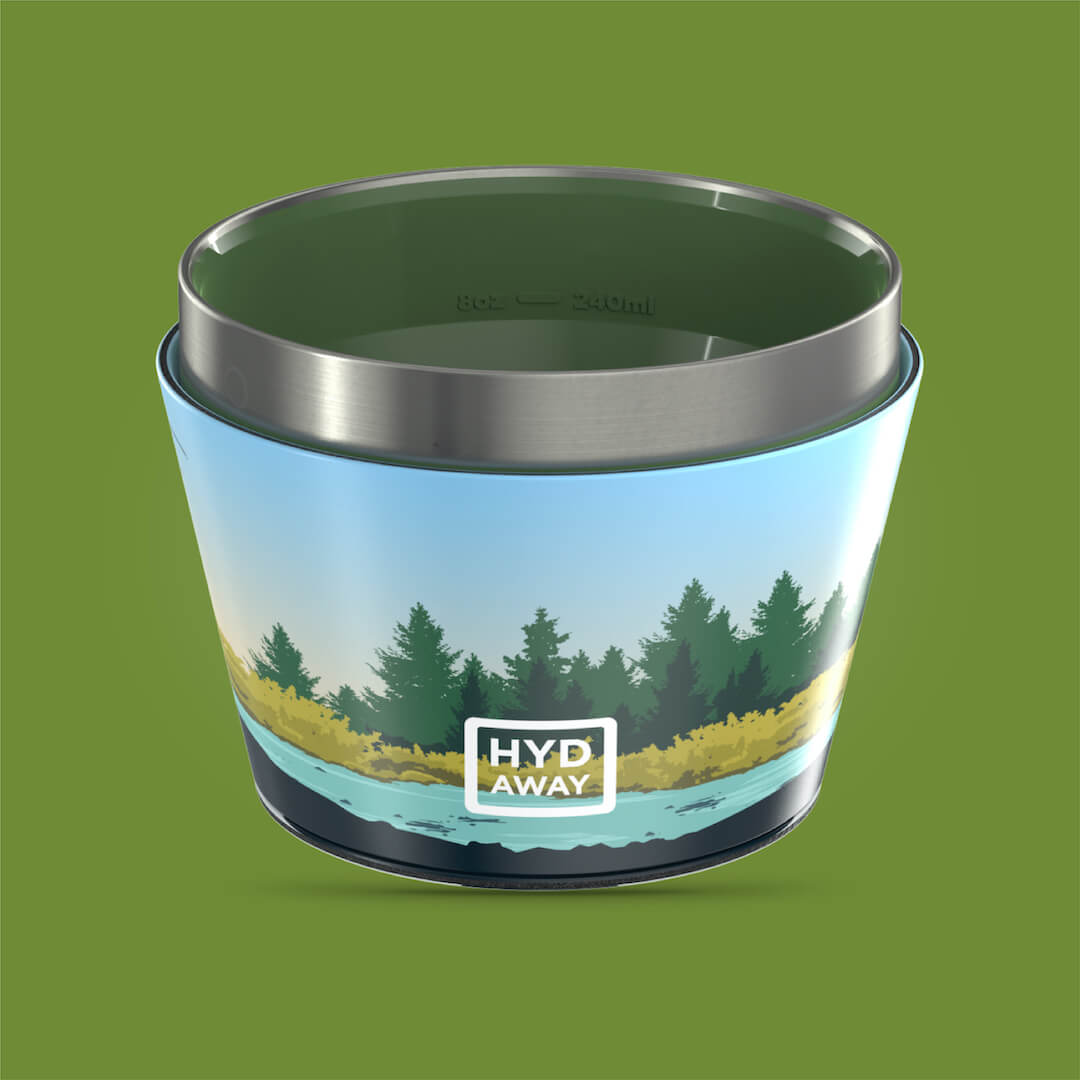
Collapsible camping dishes can replace bulky ceramic plates and cut the rattling noise on bumpy roads. A 1-quart HYDAWAY bowl collapses to 1.25 inches, compared with traditional camp bowls that are often 3 to 4 inches thick, as described in this look at collapsible camping dishes. If you've ever driven forest roads with a cabinet full of hard dishes, you know exactly why that matters.
For van setups, prioritize:
- Silent storage so dishes don't clatter all day
- Low-profile shapes that fit shallow drawers
- Lids that stay on when leftovers go into the fridge or cooler
- Easy wash surfaces for camp sink cleanup
If you're building out your kit from scratch, a general checklist of essential outdoor camping gear can help you see where dinnerware fits with the rest of your cooking system.
For hiking and day adventures
Backpackers and long day hikers don't have room for “nice to have” pieces. They need gear that handles meals without adding annoying bulk. A rigid metal bowl can work. So can a soft collapsible option. The key is whether it nests well with the rest of your system and cleans easily before you move again.
What works:
- A bowl that doubles as food storage
- A compact cup or bottle that doesn't steal side-pocket space
- Simple utensils that won't disappear into the bottom of the pack
What usually fails:
- Wide rigid bowls with no nesting logic
- Fragile ceramic-style pieces marketed for “outdoor aesthetics”
- Multi-piece kits with filler items you'll stop carrying after one trip
A compact outdoor dining set makes more sense than assembling random pieces that don't pack together.
For flights and digital nomad life
Air travel changes the test. Weight still matters, but shape matters more. You want a set that slips into a laptop bag, tote, or carry-on without making security bins awkward or creating a lumpy mess under the seat.
For this traveler, leak resistance becomes a daily feature, not a bonus. A sealed bowl can hold salad, noodles, fruit, or airport leftovers. A low-profile cup or bottle keeps you from buying another disposable drink after landing. If you work from cafés, trains, and co-living spaces, portability has to feel normal enough for everyday use.
This is also where one well-designed collapsible bowl can do more than a stack of “travel” containers. It handles lunch, snacks, leftovers, and simple meal prep without forcing you to carry a miniature kitchen.
Here's a closer look at how compact travel gear fits real use on the move.
For families and theme park days
Families have a different pain point. It's not grams. It's chaos. Parents need fast-access containers, spill control, and gear that doesn't take over the stroller basket or day bag.
A practical travel dinnerware set for family travel should handle cut fruit, crackers, sandwiches, and leftover snacks without requiring separate bulky food containers. Lids matter. Washability matters. And gear that packs flat matters even more when you're already carrying layers, chargers, wipes, and water.
The right travel setup should disappear into your routine. If you notice it all day, it's probably taking up too much room or asking for too much effort.
The HYDAWAY Advantage Pack Less Live More
Some gear works because each item solves one problem. Better systems work because the pieces solve several problems together. That's the core appeal of a collapsible setup built around meals and hydration instead of one isolated product.

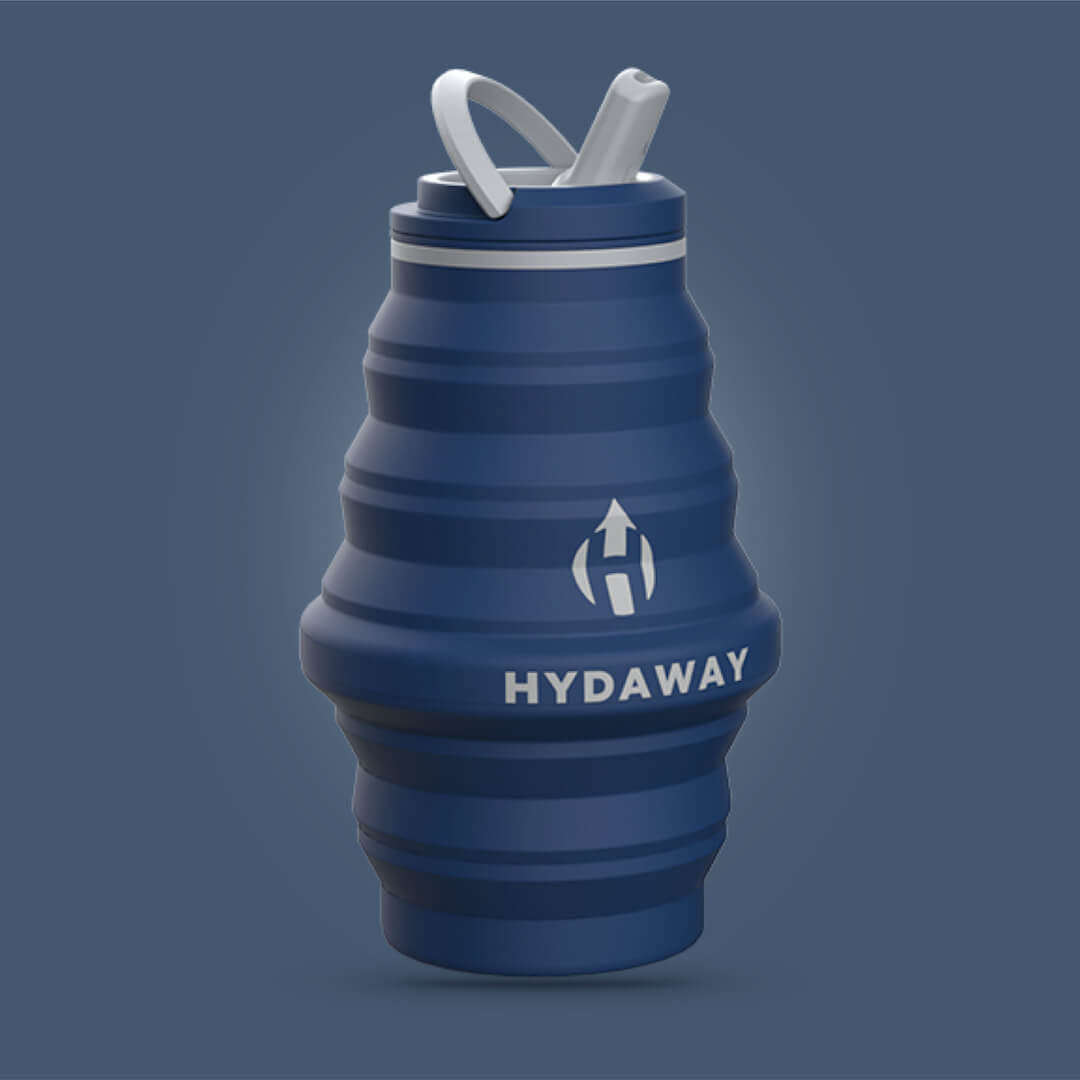
A good example is the HYDAWAY approach. The brand's collapsible bowl sizes include a 1-quart bowl, about 4 cups, and a 1.5-cup bowl, both with leak-proof lids. They collapse to 1.25 inches and can save up to 70% of vertical space compared with traditional camp bowls, based on this review of HYDAWAY collapsible camp bowls.
Why the system matters
That combination changes how you travel because the same piece can move through different parts of the day.
- Morning use might mean yogurt, oats, or fruit in a hotel room.
- Midday use could be trail snacks, lunch in a coworking space, or leftovers from a café.
- Evening use might be camp chili, van pasta, or takeout eaten at a viewpoint.
The lid matters because it turns dinnerware into transport. The collapse matters because it turns a bowl into something you'll keep carrying after the first few trips.
Where this fits real life in 2026
Current travel habits are mixed. Plenty of people are still moving between airport travel, road trips, day hikes, and commuter routines in the same month. That's where a flexible system beats a niche product.
One compact bowl, one collapsible bottle, and one simple utensil setup can cover:
| Travel scenario | What helps most |
|---|---|
| Carry-on travel | Low-profile gear that fits around tech and layers |
| Van weekends | Quiet storage and less drawer bulk |
| Trail days | Lightweight pieces that clean fast |
| Theme park trips | Leak resistance and easy snack handling |
HYDAWAY products fit that kind of life because they're designed around unused space. A bottle that folds flatter is easier to keep in a day bag. A bowl that compresses after use is easier to live with in a small camper. That's the kind of improvement you notice every time you repack.
Care and Maintenance for Long-Lasting Gear
Travel gear wears out fastest when people pack it dirty, store it damp, or clean it too aggressively. A travel dinnerware set doesn't need babying, but it does need a routine. The payoff is simple. Better care means less odor, fewer stains, and fewer annoying failures on the road.
Clean it in the field without overthinking it
At camp or in a hotel sink, keep the process basic.
- Wipe first: Use a spatula, napkin, or a bit of bread to remove oily sauce or food residue before adding water.
- Rinse warm if you can: Warm water cuts grease faster and leaves less film.
- Use a small drop of soap: Too much soap is harder to rinse out, especially from flexible seams.
- Air-dry fully: Set parts open until moisture is gone.
If you cook strong-smelling foods, don't seal the item right away. Curry, coffee, garlic, and tuna can hang around when a bowl gets folded and packed damp.
Rinse now, deep-clean later. Most travel gear problems start when yesterday's lunch stays trapped in a closed container overnight.
Know what dishwasher-safe should mean
Dishwasher-safe isn't just a sticker. It should mean the material handles heat cycling without breaking down. For dinnerware sets like HYDAWAY's, dishwasher-safe construction is tied to a fully vitrified glaze that can withstand thermal cycling up to 140°F to 170°F (60°C to 77°C), which helps prevent degrading or cracking in the dishwasher, as described in this article on a dishwasher-safe dinnerware set.
That matters after a long trip, when you want a proper reset instead of another hand wash in a tiny sink. If your pieces are dishwasher-safe, use the gentler rack placement the manufacturer recommends and avoid wedging collapsible parts under heavy cookware.
Simple habits that make gear last longer
A few habits do most of the work:
- Store open when possible so moisture can evaporate.
- Separate sharp utensils from softer collapsible surfaces.
- Deep-clean after messy trips instead of tossing gear back in a bin.
- Check seals and folds before the next outing so a tired gasket doesn't surprise you in transit.
The goal isn't spotless perfection. It's reliability. You want your dinnerware ready when you pull over for lunch at a trailhead, not buried in a dry bag smelling like last weekend's ramen.
Your Sustainable Travel Kitchen
A sustainable travel kitchen doesn't need to look fancy. It needs to be easy enough that you'll use it. That usually means a compact bowl, a reliable bottle, simple utensils, and materials you trust enough to carry every week instead of only on big trips.
The broader tableware market points in the same direction. Dinnerware holds 44.0% of the global ceramic tableware market revenue share in 2025, and the overall ceramic tableware market is projected to grow from $13.3 billion USD in 2025 to $26.1 billion USD by 2035 at a 7.0% CAGR, according to Future Market Insights on the ceramic tableware market. That says something useful about buyer behavior. People still want durable, attractive tableware. They just increasingly want it to fit modern routines.
A better setup creates better travel days
The practical upside is immediate.
- You stop buying throwaway utensils because you already have what you need.
- You pack food more often because your bowl or container is easy to carry.
- You gain room for better gear because dinnerware doesn't hog the bag.
That's the value of choosing a travel dinnerware set with intention. Less clutter in the pack usually means less friction in the day. You spend less time managing stuff and more time eating well, moving freely, and saying yes to one more stop.
Freedom shows up in small moments
It shows up when lunch at the airport doesn't require another disposable container. It shows up when your van drawer opens without a pile of clacking bowls. It shows up when you can throw together trail food in minutes and head out.
Sustainability on the road rarely starts with a grand gesture. It starts with gear that makes reusable habits easier than wasteful ones.
If you want a compact setup built for travel, commuting, camping, and everyday meals, take a look at HYDAWAY. Their collapsible gear fits the kind of routine where space matters, cleanup needs to be easy, and carrying less makes the day better.