


8 Space Saving Packing Hacks for Smarter Travel

Your carry-on is full before you've packed the items that make the trip easier. A campervan cabinet has no room for another bottle, a family daypack is crowded with food and drinks, or your work backpack is carrying more paper than equipment. The answer isn't one clever folding trick. The best space saving packing hacks work as a system: choose the right bag, reduce the number of items, compress soft goods, organize access, digitize information, and replace rigid hydration or dining gear with collapsible alternatives.
A repeatable list matters because travelers forget an average of two essential items each time they pack, while toothbrushes and toothpaste account for 22% of commonly forgotten items and chargers account for 19.1%. A packing list helps 77.1% of travelers forget less, according to major travel-packing survey data. For campers and van-lifers, prioritize compact gear and cabinet organization. Digital nomads need access and a small, adaptable wardrobe. Families benefit from divided kits, reusable food containers, and daypacks that don't become overloaded.
1. The Roll Method for Vertical Clothing Organization
Rolling helps organize clothing vertically, even when it does not dramatically reduce every garment's volume. A tightly rolled T-shirt or pair of casual trousers forms a compact cylinder that can stand in a suitcase or backpack. Each item stays visible, so you can remove one piece without lifting an entire stack.
Begin with lightweight clothing. Lay each garment flat, fold the sleeves inward, and roll from the hem toward the collar. Group similar-weight pieces so a soft bundle does not collapse beside heavier gear. Place dense rolls, such as jeans or sweatshirts, low in the bag. Store lighter rolls upright above them, like files in a drawer.
An independent comparison of rolling and packing cubes found that rolling used less space than flat folding, while rolling with packing cubes used the least space among the tested methods. The practical takeaway is straightforward: rolling works best when containment keeps the bundles upright and separated.
Roll selectively, then protect access
Roll casual shirts, workout wear, pajamas, and underwear. Fold delicate linen, structured jackets, and formal clothing flat, or use a garment sleeve to limit creasing. Keep rolls firm rather than hard. Excessive compression wrinkles fabric and makes one item harder to retrieve.
A digital nomad can roll casual tops, base layers, and lounge clothes while keeping a blazer flat along the back panel of a carry-on. A family visiting a theme park can assign each child a vertical row of daily outfits, speeding up morning changes. Campers and van-lifers can use the same layout inside drawers or narrow cabinets. For more RV space saving ideas, keep dense clothing low and reserve the top layer for items needed during the day.
For more ways to combine rolling with categories, see HYDAWAY's guide to saving space when packing. The recovered room can hold a collapsed HYDAWAY bottle, bowl, or tumbler instead of another rigid container. That connects clothing organization to the wider system: reduce clothing volume, improve access, and reserve capacity for hydration or meals.

2. Collapsible Hydration and Dinnerware That Replace Bulky Alternatives
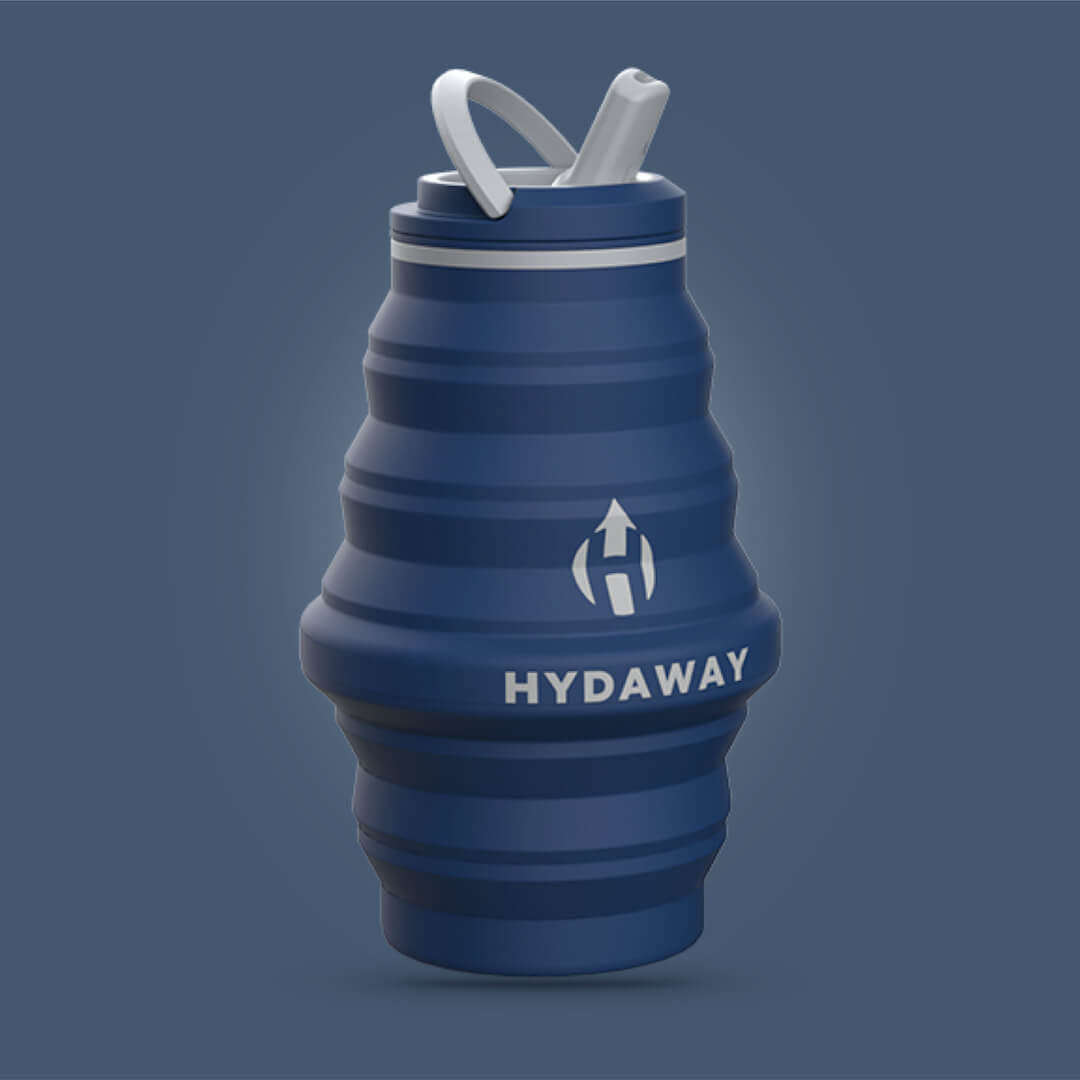
A rigid water bottle occupies its full shape whether it's full, empty, or sitting in a suitcase. Collapsible gear changes that equation. HYDAWAY's collapsible bottles flatten to about 1.5 inches thick, so they can fit into backpacks, luggage, purses, or glove compartments, as described in HYDAWAY's product relevance information.
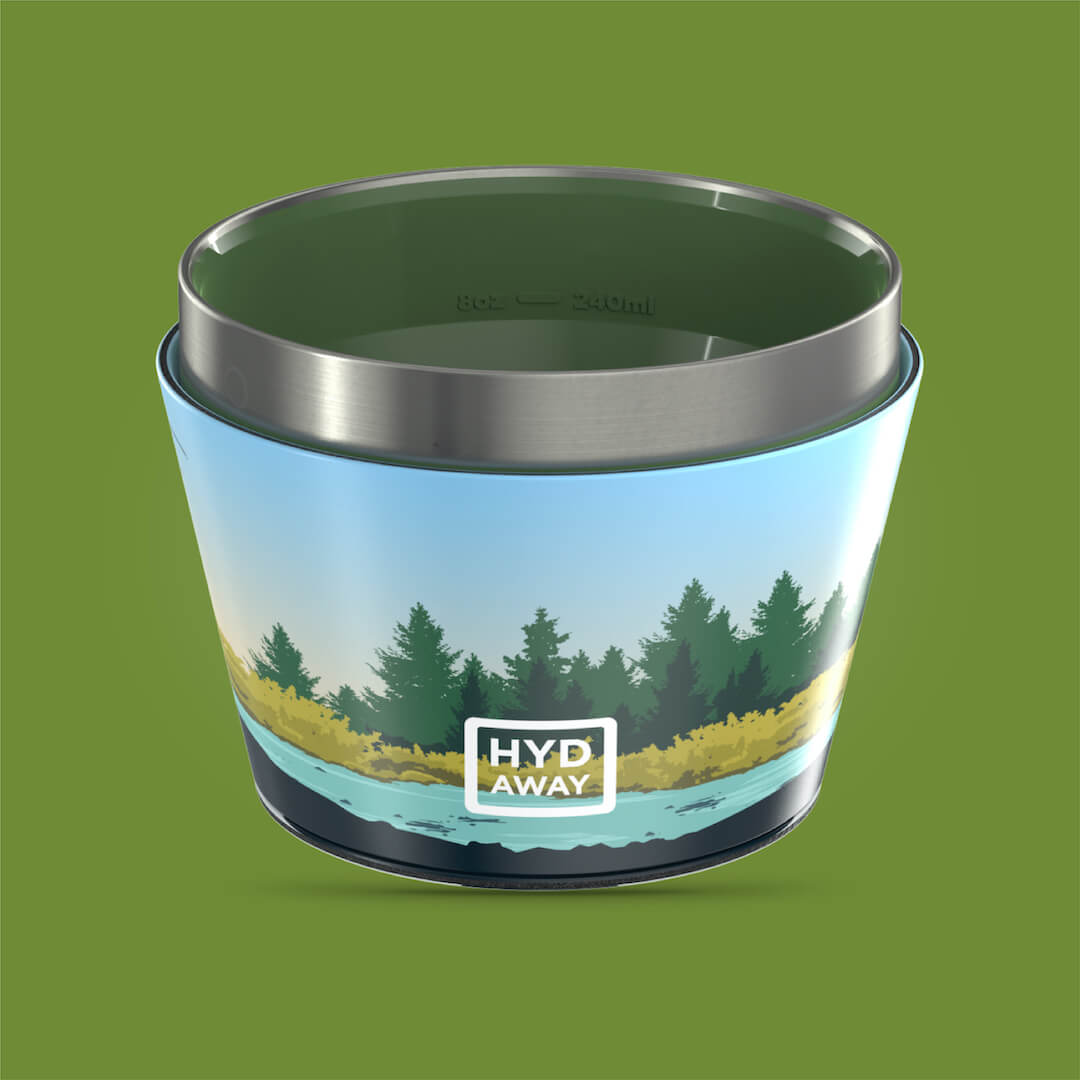
The same principle applies to dining gear. A collapsible bowl can carry food during transit, hold a meal at a campsite, and serve as storage in a vacation rental. Once it's empty, it takes up much less room than a conventional bowl. An insulated tumbler can cover coffee, cold drinks, and other daily uses without requiring separate vessels.
Match the product to the scenario
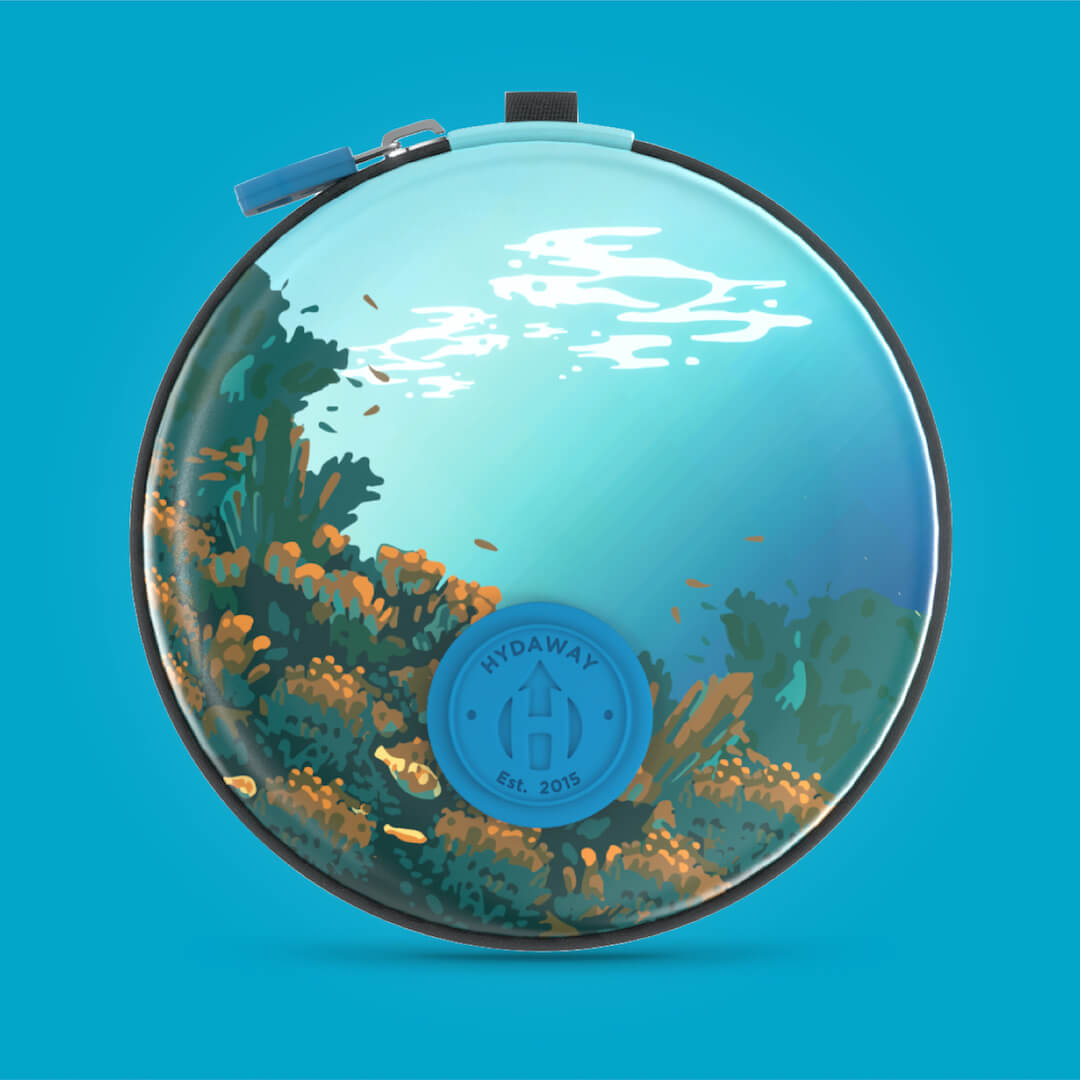
Choose the 17oz HYDAWAY bottle when you're commuting, hiking lightly, or carrying a small daypack. Choose the 25oz bottle for longer walks, trail days, road trips, and office use where you want more capacity between refills. A travel case helps keep collapsed bottles, bowls, and cups together rather than allowing small pieces to disappear into the bottom of a bag.
- For campers: Pack a collapsible bottle and insulated bowl in a cooking or hydration kit, then store both flat after cleaning.
- For van-lifers: Replace several rigid kitchen items with collapsible bottles, bowls, and drinkware, keeping the cabinet available for food and equipment.
- For families: Carry a HYDAWAY bowl for packed meals and snacks instead of relying on bulky lunch containers for every person.
- For digital nomads: Keep a collapsed bottle in a work bag and expand it at the office, café, or coworking space.
Read HYDAWAY's guide to collapsible camping dishes before building a camp kitchen. For travelers who also need coffee on the move, a compact setup can include a collapsible bottle, insulated tumbler, and a carefully selected travel mug with French press functionality.
The best space saving packing hacks don't only make objects smaller. They make one object useful in several places, which reduces the total item count.
3. Compression Bags and Vacuum Storage for Bulky Soft Goods
Compression bags are most valuable when the problem is soft, airy volume. Down jackets, sleeping bags, fleece layers, spare blankets, and seasonal clothing can create large pockets of unused space even when they aren't especially heavy. A sealed compression pouch removes air and creates a flatter bundle that stacks more cleanly.
Use compression after sorting and rolling. Put similar items together, seal the bag, and compress it only until the bundle is stable. Hand compression works well for lighter clothing and delicate fabrics. Vacuum systems can produce a tighter package for thick outerwear or sleeping equipment, but they require more equipment and can be inconvenient when you need to repack during a trip.

Use compression where it solves a real problem
A controlled 40L carry-on comparison found that vacuum bags produced an initial volume reduction of 38.2%, compared with 22.6% for packing cubes. However, 67% of testers had to reseal or repump at least one vacuum bag during transit, while cubes retained 98.7% of their initial reduction after 48 hours. Those findings come from controlled testing of vacuum bags and packing cubes.
That trade-off matters for a month-long Europe trip, a van-life wardrobe rotation, or a camping setup with sleeping bags. Vacuum storage may create the smallest initial package, but it can be frustrating when you remove one shirt and need to rebuild the seal. Compression cubes provide less dramatic compression, yet they're easier to open, close, and organize.
Practical rule: Compress bulky soft goods, not everything you own.
Don't use compression to flatten shoes, cookware, electronics, or rigid HYDAWAY components. Instead, place a collapsed HYDAWAY bottle or bowl beside compressed clothing, where its flat profile fills a remaining gap without deforming the product. Pack a manual pump for extended trips if your system requires one, and test every seal before departure.
For a lighter approach, compare the options in HYDAWAY's compression stuff sack guide.
4. Packing Cubes That Improve Density and Retrieval
Packing cubes don't automatically make clothes smaller. Their real strength is controlling the empty spaces and movement that appear when loose clothing shifts inside a bag. A cube gives soft items a defined shape, allowing you to stack categories and remove one group without unpacking everything else.
Use small cubes for socks, underwear, swimwear, and cables. Medium cubes suit shirts, workout clothing, and lightweight trousers. Reserve larger cubes for fleece, rainwear, or other soft layers. Match the cube dimensions to the depth of your luggage. A cube that's too tall can waste lid space, while one that's too shallow leaves a gap above it.
Organize by activity, not by calendar day
A digital nomad might use one cube for work clothes, one for casual wear, and one for exercise gear. A family can separate park clothes, sleepwear, and spare layers so each person doesn't need to search through the entire suitcase. Campers can create functional kits for cooking, hygiene, and sleeping, then move those kits directly into a tent or vehicle.
Independent coverage warns that standard cubes often improve organization more than volume, while compression cubes can conserve more space. A comparative summary of these methods appears in analysis of when packing cubes save space. That distinction prevents a common mistake: buying cubes expecting them to perform like vacuum bags.
- Use color coding: Assign a color to each traveler or activity.
- Choose a capsule wardrobe: Limit the palette to a few compatible base colors.
- Add a compression cube: Use it for longer trips or bulky layers.
- Keep access visible: Store frequently used categories near the opening.
HYDAWAY travel cases provide the same containment benefit for collapsible bottles, bowls, and cups. Keep hydration and dining gear in a dedicated case rather than scattering it among clothing cubes. That gives your bag two systems, clothing organization and reusable gear organization, without adding unnecessary rigid storage.

5. Multi-Functional Clothing and Gear Layering
The fastest way to shrink a packing list is to remove single-purpose items. A convertible pair of trousers can serve as hiking wear and shorts. A technical shirt can work for a trail, a casual meal, and a wash-and-wear travel day. A fleece layer can cover cool mornings, evenings, and indoor lounging.
Build outfits around a small group of compatible pieces rather than packing one complete outfit for every possible activity. Neutral colors make combinations easier, while quick-drying fabrics support washing during the trip. Merino wool can be useful for base layers because it's comfortable across changing conditions and can be reworn between washes, but test any fabric before relying on it for an extended journey.
Layer instead of packing climate-specific bulk
A traveler moving between European cities and warmer coastal areas may need a light base layer, a versatile mid-layer, and a packable shell rather than several thick sweaters and separate jackets. A camper can wear the same technical shirt for a morning hike and a grocery run. A digital nomad can use a clean, neutral overshirt for a video call and dinner without adding formalwear.
The one-item, many-jobs principle applies to dining gear too. A HYDAWAY collapsible bowl can serve as a meal bowl, food-storage container, and mixing vessel. An insulated tumbler can handle hot coffee or cold water, reducing the need to pack separate cups for different drinks.
Pack for the activities you've scheduled, not every activity you could theoretically encounter.
For families, this approach works best when each person has a small set of interchangeable basics plus one weather-ready layer. For van-lifers, it prevents the kitchen and clothing storage from filling with duplicates. For hikers, pair a technical clothing kit with a collapsed HYDAWAY bottle so hydration remains available without adding a bulky hard-sided bottle to the pack.
6. Toiletry Downsizing for Carry-On Space
Toiletries often waste more room than clothing because travelers pack containers for the length of ownership rather than the length of the trip. Decant shampoo, cleanser, lotion, and sunscreen into reusable travel containers, or choose solid formats such as shampoo bars and deodorant sticks when they suit your routine.
Airports commonly apply a 100 milliliter, or 3.4 ounce, limit per carry-on liquid container, with liquids placed in one clear, resealable quart-size bag per passenger. The current guidance is summarized in carry-on liquid rules for 2026. Because airport procedures can vary, verify the rule for your departure and connection airports before packing.
Pack for the screening process and the destination
The United Kingdom is also changing screening at Heathrow, Gatwick, Edinburgh, and Birmingham. At those airports, passengers using newer CT scanners may bring containers up to 2 litres, and the guidance says liquids and electronics no longer need to be removed from bags there. Requirements can still differ by airport and route, so don't assume one airport's process applies everywhere. Skyscanner's liquid guidance explains the current differences.
Use one cleanser for face and body if it works for your skin. Carry a compact moisturizer and lip balm with SPF rather than multiple overlapping products. Families can place sunscreen, basic medication, and personal toiletries in separate small pouches, while van-lifers can keep a refillable bathroom kit ready in a cabinet.
A collapsed HYDAWAY bowl can also help at camp when you need a clean basin for rinsing or mixing, but don't use it as a substitute for a dedicated toiletry container unless the product's care instructions allow it. Store reusable bottles and bowls clean and dry inside a HYDAWAY travel case. Pack only what you'll use, then buy ordinary replacements at your destination if you run out.
7. Digital Minimalism for Documents and Reading Material
Paper adds weight. Printed itineraries, guidebooks, maps, tickets, vehicle manuals, receipts, and notebooks can occupy several compartments before the trip begins. Store essential information on your phone or tablet instead, with offline access prepared before you leave reliable service.
Download city and trail maps in advance. Save transport details, accommodation information, insurance documents, and emergency contacts in a secure cloud folder. Digital nomads can keep work files in cloud storage and use a password manager rather than carrying printed credentials. Van-lifers can store vehicle manuals and maintenance references digitally, while families can use mobile boarding passes and attraction tickets.
Prepare for dead batteries and weak signals
Digital minimalism only works when the information remains available. Screenshot critical confirmation details, download offline translation resources, and keep a backup of important documents. A compact power bank is more useful than several printed manuals, but it still belongs in an accessible pocket and must follow airline rules.
Retirement travelers who enjoy reading can carry an e-reader with downloaded books rather than several paper volumes. Hikers should save maps before entering remote areas. Families should keep a small offline record of reservations and contact details in case a phone is lost or a child's device runs out of power.
Digitize information, not resilience. Keep the essentials accessible offline and maintain a backup plan for power loss.
HYDAWAY gear complements this lighter information setup. A collapsed bottle can stay in a small daypack until you reach a refill point, then expand for the walking portion of the day. A collapsible bowl supports a packed meal or campsite snack without adding another rigid item to the digital nomad, camper, or family kit.
8. Smart Luggage Selection and Right-Sizing
A smaller bag creates a useful constraint. If you choose luggage after building an oversized packing list, the available space encourages more additions. Choose the bag around your actual travel conditions, airline limits, transport method, and access needs.
A 40L carry-on can suit a compact wardrobe and work setup, while campers may prefer a daypack combined with vehicle storage. A wheeled suitcase is convenient on smooth airport floors but can be awkward on cobblestones, trails, or uneven campsites. A backpack distributes the load differently and can compress around soft goods, though it requires more attention to weight balance.
Let the trip decide the bag
A digital nomad traveling between cities may use one carry-on backpack with a laptop compartment, work cube, clothing cube, and collapsed HYDAWAY bottle. A family visiting a theme park may use a smaller daypack with snacks, a HYDAWAY bowl, and collapsible drinkware, avoiding a separate rigid lunch container for each person. A van-lifer can store seasonal clothing in labeled compression bags and carry only the day's essentials in a compact pack.
Check the specific airline's dimensions before buying a carry-on. Expandable luggage is useful when closed dimensions meet the limit, but expansion shouldn't become an excuse to pack duplicates. Weather-resistant materials matter for campers and overlanders, while easy-clean interiors help families dealing with food and drink spills.
The global packing cubes market was valued at $0.4 billion in 2025 and is projected to reach $0.71 billion by 2034, with a projected 6.8% CAGR. Travel represents 52.5% of revenue, and Asia Pacific holds 38.2% share, according to packing cubes market projections. Those figures indicate that organized packing tools have become a substantial travel category, but the right bag still matters more than buying more organizers.
Pair the bag with HYDAWAY's collapsible bottles, bowls, tumblers, and travel cases. Practice packing at home, walk with the loaded bag, and remove anything that doesn't earn its place.
8-Point Space-Saving Packing Hacks Comparison
| Method | 🔄 Complexity | ⚡ Resource Requirements | 📊 Expected Outcomes | 💡 Ideal Use Cases | ⭐ Key Advantages |
|---|---|---|---|---|---|
| The Roll Method: Maximizing Vertical Space with Clothing Organization | Low, simple technique but needs practice | Minimal, no tools or cost | ~30–40% space saved; fewer creases | Carry-on travelers, van-lifers, quick trips | Saves space, faster pack/unpack, visible inventory |
| Collapsible Hydration & Dinnerware | Low, easy to use; minor learning curve | Medium, purchase cost for collapsible gear | Collapses to 25–50% size; saves ~2–4 lb total | Theme-park families, hikers, van-life, commuters | Multi-purpose, replaces single-use items, insulated options |
| Compression Bags & Vacuum Storage | Medium, requires sealing/vacuum equipment | Medium, bags, pump or vacuum device; durable investment | 50–80% volume reduction for bulky items | Long trips, bulky layers, seasonal storage | Extreme space savings; protects from moisture/pests |
| Packing Cubes & Organizational Systems | Low–Medium, disciplined packing required | Low, affordable sets, lightweight | 15–25% space efficiency; prevents shifting | Families, digital nomads, organized travelers | Quick access, reduces wrinkles, systematizes packing |
| Multi-Functional Clothing & Layering | Medium, needs curation and testing | High, higher upfront cost for technical pieces | Reduces item count 30–50%; lighter luggage | Adventure travelers, minimalists, multi-climate trips | Versatility across activities; long-term wardrobe efficiency |
| Strategic Toiletry Downsizing | Low, simple decanting/selection process | Low, travel sizes, solid bars, small containers | Saves 3–5 lb and ~0.25–0.5 cu ft | Carry-on users, theme-park families, van-lifers | TSA-friendly, reduces leaks/waste, cost-effective |
| Digital Minimalism (cloud storage, e-books) | Medium, setup of apps, backups, offline prep | Medium, device(s), chargers, subscriptions | Saves 2–5 lb; removes paper and guides | Digital nomads, retirees, theme-park parents | Instant access, real-time updates, space reduction |
| Smart Luggage Selection & Reduction | Low–Medium, requires decision/planning | Medium, invest in right-sized quality luggage | Saves ~3–5 lb vs oversized baggage; fewer fees | Frequent flyers, budget travelers, van-lifers | Eliminates checked bags, easier transit, encourages deliberate packing |
Turn Your Packing List Into a Repeatable System
Space saving packing hacks work best when they follow a sequence. Start with the bag, not the shopping list. Confirm the airline or transport limits, choose the smallest bag that fits the trip, and then build a capsule wardrobe around the forecast and planned activities.
Roll casual clothing and place it in activity-based cubes. Compress only bulky soft goods that create a space problem. Keep delicate garments, electronics, shoes, and rigid items out of aggressive compression. Downsize toiletries into reusable travel containers or solid formats, and prepare digital copies of tickets, maps, reservations, insurance details, and other essentials.
Use the remaining space for gear that becomes smaller after use. A collapsed HYDAWAY bottle can wait in a suitcase pocket until the first refill. A HYDAWAY bowl can carry snacks in a family daypack, serve a meal at a campsite, or store food in a van. A tumbler can cover coffee and cold drinks without adding another full-size vessel. The point isn't to add more products. It's to replace separate, rigid items with compact gear that has a defined role.
Four practical setups
- 40L digital-nomad setup: Use one work cube, one clothing cube, a small toiletry pouch, a compact power bank, digital documents, and a collapsed 25oz HYDAWAY bottle for commuting between workspaces.
- Van-life cabinet system: Store seasonal clothing in labeled compression bags, keep cooking and hygiene items in separate cubes, and place HYDAWAY bottles and bowls in a travel case so the cabinet remains easy to reset.
- Family day-trip kit: Pack snacks in a HYDAWAY bowl, carry collapsible drinkware, use one small pouch for sunscreen and essentials, and give each child a compact clothing or activity layer rather than a full duplicate kit.
- Lightweight camper setup: Combine rolled base layers, a compression cube for warm clothing, an offline map, a 17oz HYDAWAY bottle for a smaller pack, and a collapsible bowl for trail meals.
A packing list also protects against forgotten essentials. The average replacement cost for forgotten items is $53, according to the travel-packing survey. Before leaving, pack everything, remove one duplicate or single-purpose item, and confirm that every HYDAWAY piece has a defined use on that specific trip.
HYDAWAY offers collapsible bottles, insulated bowls, tumblers, drinkware, travel cases, and curated kits designed to reduce the bulk of reusable travel gear. Visit HYDAWAY to choose compact hydration and dining products that fit your carry-on, campervan cabinet, family daypack, or everyday work bag.