


Running Water Bottle Holders: 2026 Buyer's Guide

A bad bottle can ruin a good run faster than tired legs. You feel it in the first mile. Your grip tightens, the bottle slaps your palm, the belt starts bouncing, or the vest shifts every time you breathe hard. A lot of runners respond by leaving water behind and hoping the route is short enough.
That usually works until it doesn’t.
The right running water bottle holder solves more than thirst. It protects your rhythm, your posture, and your willingness to run longer or farther from home. It also matters off the run. If you travel often, live out of a carry-on, head straight from a morning jog to sightseeing, or want to cut back on disposable bottles, the holder you choose should fit your whole lifestyle, not just your next workout.
Stay Hydrated Without Slowing Down
The biggest mistake runners make with hydration gear is treating it like an accessory. It isn’t. Your holder changes how your upper body moves, where weight sits, how often you drink, and whether you stay relaxed or spend the whole run adjusting gear.
That’s one reason this category keeps growing. The global market for running belts with water bottles is projected to grow from US$135.3 million in 2026 to US$207.5 million by 2033, with a 6.3% CAGR, and the single 500ml bottle holder is projected to hold about 50% market share in 2026, according to Persistence Market Research on running belts with water bottles. That lines up with what runners want: enough water for a solid outing, without carrying a lot of extra gear.
Start with the run you actually do
The biggest setup isn't always necessary. What's needed is one that will be used consistently.
A few practical examples:
- Neighborhood loop before work means fast access matters more than storage.
- Weekend long run usually needs a more stable carry and room for fuel.
- Trail day or travel day often rewards gear that packs down small after use.
- Errand run or vacation jog calls for something that won't feel ridiculous once the run is over.
If you're still dialing in your hydration habits, how to stay hydrated while running is a useful companion read because the carry method only works if it matches how often you drink.
What good gear feels like
A good holder disappears once you start moving. You shouldn't need to clench your hand, hitch up your waistband, or keep reaching behind your back to check whether the bottle is still there.
Practical rule: If your hydration setup changes your stride more than your pace does, it's the wrong setup.
The best running water bottle holders usually share a few traits:
- Easy access so you drink before you feel drained.
- Stable fit so the bottle stays put on turns, hills, and uneven ground.
- Comfort under sweat because gear that feels fine dry can chafe once soaked.
- Reasonable capacity for the run you're doing, not the fantasy run in your head.
- A life beyond running so it also makes sense for travel, commuting, hiking, or daily use.
Why small and simple often wins
There's a reason lightweight systems keep showing up in daily training. A single bottle is enough for many runners, especially when the route is familiar and support is close by. It's also easier to wear correctly.
That simplicity matters. Runners don't skip hydration because they don't understand it. They skip it because the gear feels annoying. When the holder is light, intuitive, and easy to clean, it becomes part of the routine, like shoes by the door.
Handhelds Waist Belts or Vests
Choosing among running water bottle holders isn't about finding the universal winner. It's about matching the holder to how you run, what you carry, and what happens after the run ends.

Running Hydration Systems at a Glance
| Holder Type | Ideal Run Distance | Capacity | Best For |
|---|---|---|---|
| Handhelds | Short to medium runs | Low to moderate | Runners who want instant access and minimal setup |
| Waist Belts | Medium runs | Moderate | Runners who want hands-free carry without wearing a vest |
| Hydration Vests | Longer adventures | High | Trail runners and anyone carrying layers, fuel, and extra fluids |
Handhelds for simple days
Handhelds work best when you want zero fuss. Fill the bottle, slide your hand into the strap, and go. They shine on road runs, race efforts, and familiar loops where you don't need much beyond water, a key, and maybe a gel.
The trade-off is obvious. One arm carries the load. Some runners don't care. Others start rotating hands every few minutes or tightening their shoulders without noticing. If you already carry your phone in one hand, a handheld can feel like one thing too many.
Waist belts for balance
A good waist belt puts the weight on your hips, not in your hands or high on your chest. That's a sweet spot for runners who want to carry more than a handheld allows but don't want the commitment of a full vest.
Belts are often the most misunderstood option. When they fit well, they feel smooth and efficient. When they fit badly, they bounce, twist, and turn into something you want to throw in a ditch. Belt users need to be honest about load. Stuffing one with too much water, a big phone, keys, and snacks usually creates the problem people blame on belts in general.
A waist belt is often the best compromise if your run is long enough to need water but not big enough to justify a vest.
Vests for long range use
Hydration vests come into their own when your route is long, remote, or unpredictable. They also work well when weather changes fast and you need a layer, nutrition, and safety items along with fluids.
Their downside isn't mystery. They take longer to fit, they trap more heat than lighter systems, and they make less sense on a quick jog around the block. But if your day includes mountain trails, travel transitions, or several hours away from easy resupply, a vest earns its place.
A lifestyle filter that makes the choice easier
Use this quick filter instead of overthinking features:
- You value access first: choose a handheld.
- You hate carrying anything in your hands: choose a belt.
- You pack snacks, layers, and backup gear by default: choose a vest.
- You travel light and care about packability after the run: prioritize holders that work well with compact bottles, not just rigid ones.
That last point gets missed in most gear roundups. The best holder for a traveler isn't always the best holder for a local training run. If your bottle can shrink or pack flat after use, the holder needs to stay secure even as the bottle changes shape.
Mastering the Handheld Carry
Handhelds remain popular because they're straightforward and effective. A 2023 poll found that 35% of runners prefer handheld water bottles, ahead of backpacks or vests at 30% and belts at 5%, and research cited in the same review found no significant difference in running economy during a 60-minute run when carrying a 500ml load compared with other systems, according to Middle Trail Running's hydration gear review.

That matches real-world use. For short and medium runs, a handheld is often the fastest way to solve hydration without turning the whole outing into a gear decision.
What makes a handheld comfortable
The best handheld doesn't ask you to grip hard. It rests in the hand with a strap that keeps the bottle stable while your fingers stay relaxed.
Look for these details:
- A secure hand strap that lets you open your palm without dropping the bottle
- A bottle shape that matches your grip, rather than forcing your wrist outward
- A simple cap or nozzle you can use mid-stride
- A small pocket if you need a key, card, or one gel
- A bottle that becomes less annoying as you drink, not more awkward
To put it practically: your bottle should feel like part of your hand, not like luggage.
How to carry one without tightening up
Most handheld problems come from tension, not weight alone. Runners often overgrip, lift the shoulder on the bottle side, or let the elbow lock.
Try this instead:
- Slide the strap on before you start moving and test whether you can loosen your fingers.
- Keep the elbow bent naturally instead of holding the bottle low and straight.
- Switch hands occasionally if your route is long enough to notice asymmetry.
- Drink in small sips so the bottle empties steadily and feels better as the run goes on.
If you want a deeper look at fit and use, this guide to handheld water bottles for running is worth reading.
If your forearm feels worked before your legs do, the strap or bottle shape is wrong.
Where collapsible bottles help
The usual advice often lacks the necessary depth. Most handheld reviews assume a rigid bottle. That's fine if you only care about the run itself. It matters less if you're also thinking about commuting, travel, race-day packing, or post-run errands.
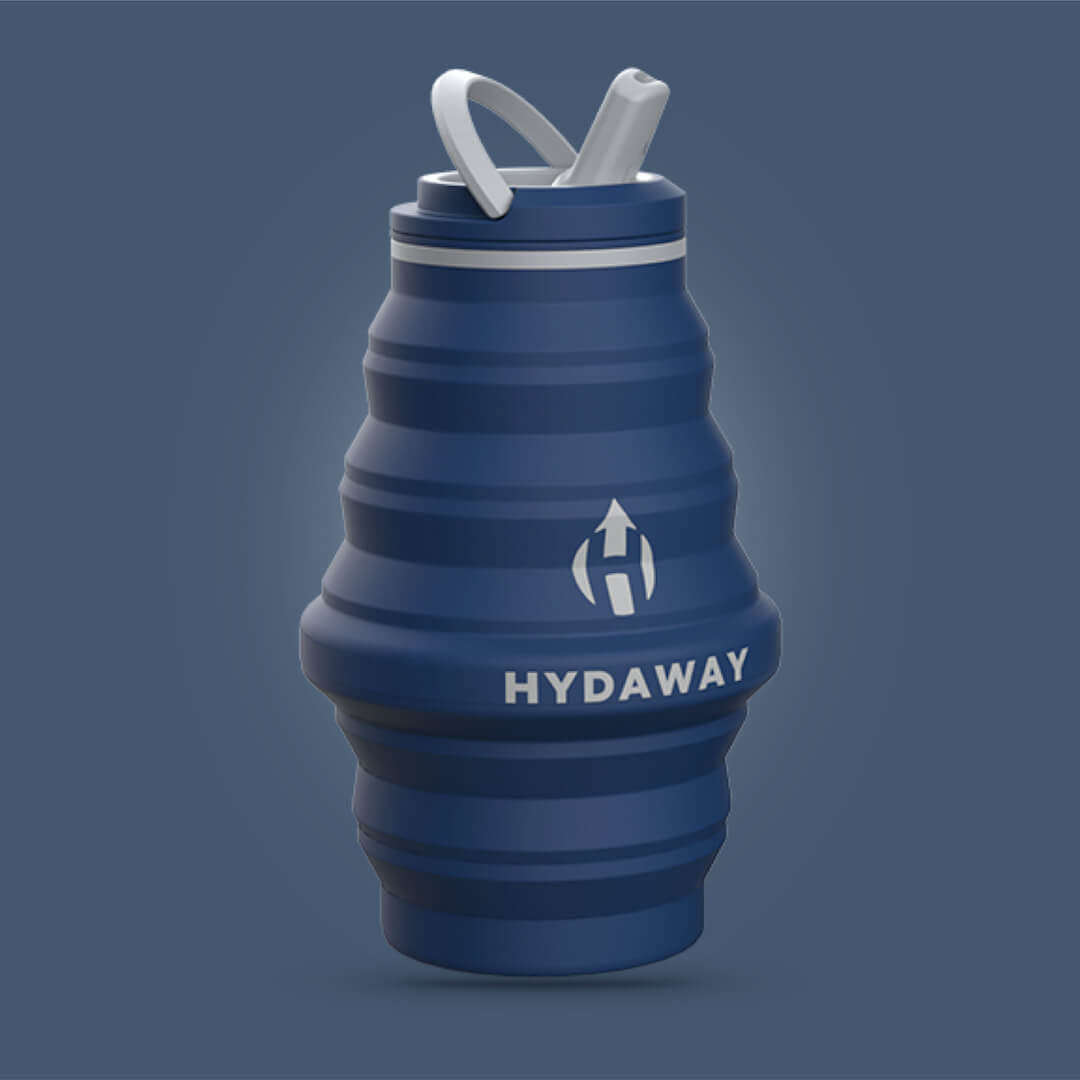
A collapsible bottle changes the experience in two useful ways. First, the carry gets smaller as you drink. Second, once it's empty, it takes far less space in a pocket, tote, or daypack than a rigid bottle.
That makes a handheld far more practical for people who don't go straight home after every run. If your morning starts with miles and ends on a train, in an airport, or walking around a city, a bottle that doesn't stay bulky all day is a real upgrade.
Finding a Bounce-Free Waist Belt Fit
Most runners who say they hate belts haven't worn a good one correctly. The problem usually isn't the category. It's placement, load balance, or trying to make one belt do a vest's job.

Ergonomic waist-mounted bottles such as the FlipBelt Arc are cited as reaching 98% bounce-free performance, and proper positioning on the hips can reduce lumbar torque by 30% compared to a handheld bottle. The same product guidance notes that rear placement can cause belt sag, as described on FlipBelt Arc water bottles.
Put the belt on the hips, not the waist
This is the fix that changes everything. Many runners wear a hydration belt too high, closer to the belly button. That's where movement is larger, breathing shifts the fit, and bounce starts.
A better approach:
- Set the belt around the hips
- Place the bottle at the front-side or side
- Tighten until snug, not restrictive
- Take a short test jog before leaving home
- Reposition before the run gets serious, not after
The side and front-side positions usually feel more stable and easier to reach. Rear placement may seem tidy in the mirror, but it often creates dragging and sag once the bottle starts moving.
Match the belt to the bottle shape
Not every bottle plays nicely with every belt. Curved bottles tend to sit more naturally against the body. Stiff, bulky bottles can feel like they lever outward. Flexible bottles can work well too, but only if the sleeve or holster holds them securely as they empty.
That matters because bottle behavior changes during the run. A rigid bottle keeps the same shape. A collapsible bottle changes volume, which can reduce slosh and bulk, but only if the holder can adapt without letting the bottle fold awkwardly or slip.
The belt should compress the load gently. If it has to fight the bottle shape, you'll feel it every step.
Do a real bounce test
Static fit isn't enough. Jog a minute, accelerate, and take a few corners. If the belt rises, twists, or thumps, something is off.
Watch for these common mistakes:
- Too much total load. Belts are for efficient carry, not hauling everything.
- One heavy pocket and one empty side. Uneven weight turns into rotation.
- Overtightening. That can create hot spots and make the belt creep upward.
- Loose fabric or slick shorts. The belt needs a surface it can hold against.
A quick visual helps if you're troubleshooting fit in real time:
Belts are strongest on runs where you want your hands free but don't want chest straps, back storage, or a full trail setup. Get the position right and they feel cleaner than most runners expect.
Choosing a Hydration Vest for Longer Adventures
A hydration vest makes sense when your run stops being just a run. Maybe it's a mountain route, a long trail day, a mixed hike-run, or a travel day where you need fuel, layers, and water on you at all times. In these demanding scenarios, minimalist setups start running out of answers.

The biggest advantage of a vest isn't just carrying more. It's carrying more well. When the fit is right, the load spreads across the torso instead of hanging from one hand or tugging at the hips.
Fit matters more than features
Runners often shop vests by pocket count and bottle layout first. Start with fit instead. A vest that rubs near the neck, shifts on descents, or squeezes your ribs will ruin a long outing no matter how clever the storage looks.
Check these points before you commit:
- Chest adjustment range so the vest still fits when layers change
- Pocket access while moving because front storage only helps if you can reach it
- High, close fit that sits against the torso instead of sagging
- No dead bounce zone in the upper chest or low back
- Easy bottle reloading if you refill on route
Front flasks versus rear reservoir
Front bottles are easier to monitor. You can see how much you have left, drink without a hose, and often balance weight more evenly. Rear reservoirs feel clean and sleek, especially when full, but they can make it harder to track intake and refill on the go.
Neither is automatically better. The choice depends on whether you value convenience or uninterrupted carry more.
A lot of runners eventually prefer a hybrid setup. Front storage handles immediate hydration and quick-access fuel. Rear storage carries backup fluid, layers, or weather gear.
On long runs, convenience matters because anything annoying in mile one becomes unbearable later.
Why packability becomes a vest issue too
Vests already take more room than belts or handhelds. That's exactly why bottle choice matters inside them. If your front pockets or stash pockets can work with compact bottles, the whole system becomes more flexible.
This is especially useful for travelers. A bottle that packs down small can serve as a backup drink option, an electrolyte carry, or an extra reservoir without eating precious bag space before the run starts. For runners who split time between airports, hotels, trailheads, and city streets, that flexibility is worth more than another zip pocket.
If your adventures blend running with hiking or all-day exploring, this outdoor hydration pack guide offers a broader look at how different carry systems fit active travel.
Who should choose a vest
A vest is usually the right call if any of these sound familiar:
- You run far enough that fuel and layers matter
- Your routes are remote or slow-moving
- You don't want anything in your hands
- You need one system that works for trail running, hiking, and travel days
For short urban runs, a vest can be overkill. For longer adventures, it's often the most forgiving option because it gives you room to adapt.
Advanced Tips for Every Runner and Traveler
The most overlooked issue in running water bottle holders is compatibility with collapsible bottles. That's a real gap in gear advice, and it matters to anyone who values packability after the run. The category is also getting more attention. One review notes that the reusable bottle market saw 8.5% year-over-year growth in 2025, while pointing out that user forums regularly mention slippage with non-standard bottle shapes, as discussed in Nathan's guide to carrying a bottle on runs.
Clean gear lasts longer and tastes better
Running gear gets funky fast. Sweat, sports drink residue, and trapped moisture can make even excellent gear unpleasant.
A simple maintenance routine works:
- Rinse after each run if you've used anything besides plain water
- Air dry completely before stuffing bottles or belts into a drawer
- Check seams, straps, and bottle sleeves for salt buildup or wear
- Test leak points at home instead of discovering them halfway through a run
If you rotate between running and daily wearables, the same logic applies to accessories too. Comfort gear that stays wet or grimy stops feeling good fast. The same runners who fuss over socks and bottle straps usually appreciate a practical guide to best Apple Watch sport bands, especially when they're trying to build a setup that works for training and travel.
Handle cold weather like a separate problem
Winter changes hydration. Bottles can get painfully cold to hold, fluids can chill quickly, and exposed systems can become less usable on long outings.
A few practical moves help:
- Start with warmer fluid, not ice-cold water.
- Use insulated sleeves or protected pockets when conditions turn harsh.
- Sip regularly instead of letting fluid sit untouched for long stretches.
- Choose the holder with the least exposure for the route and weather you expect.
Belts and vests reduce hand fatigue, but they can leave fluid more exposed to cold air than a bottle you keep moving in your hand. In winter, don't just ask what carries best. Ask what protects the drink.
Think beyond the run
Smart gear choices pay off. A holder that works with a packable bottle has value all day. You can run before breakfast, collapse the bottle, slide it into a small bag, and keep moving through the rest of the day without carrying a bulky empty bottle.
That's useful for travelers, van-lifers, commuters, hikers, and families trying to stay flexible without buying disposable drinks at every stop. The best hydration setup isn't just fast on the run. It's easy to live with afterward.
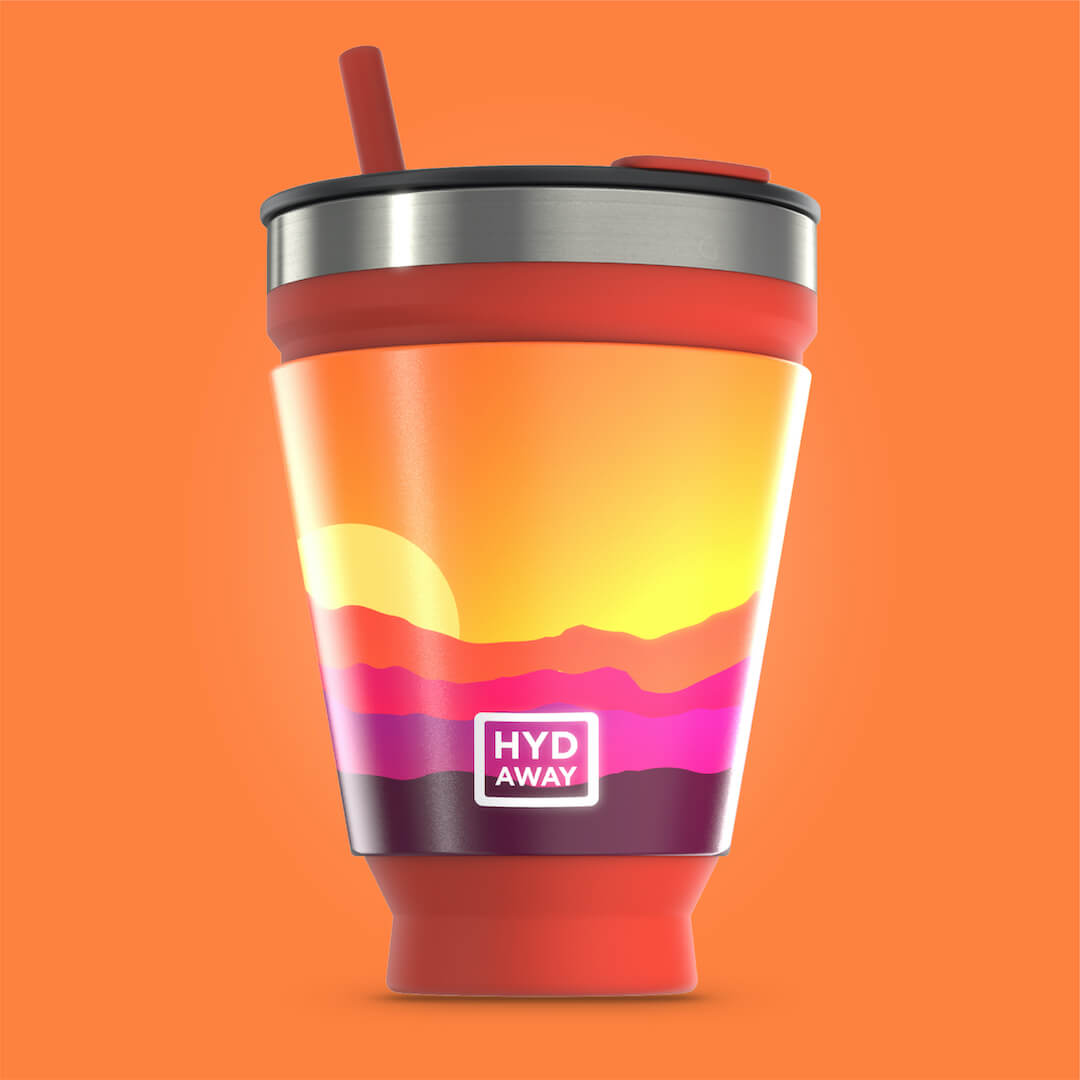
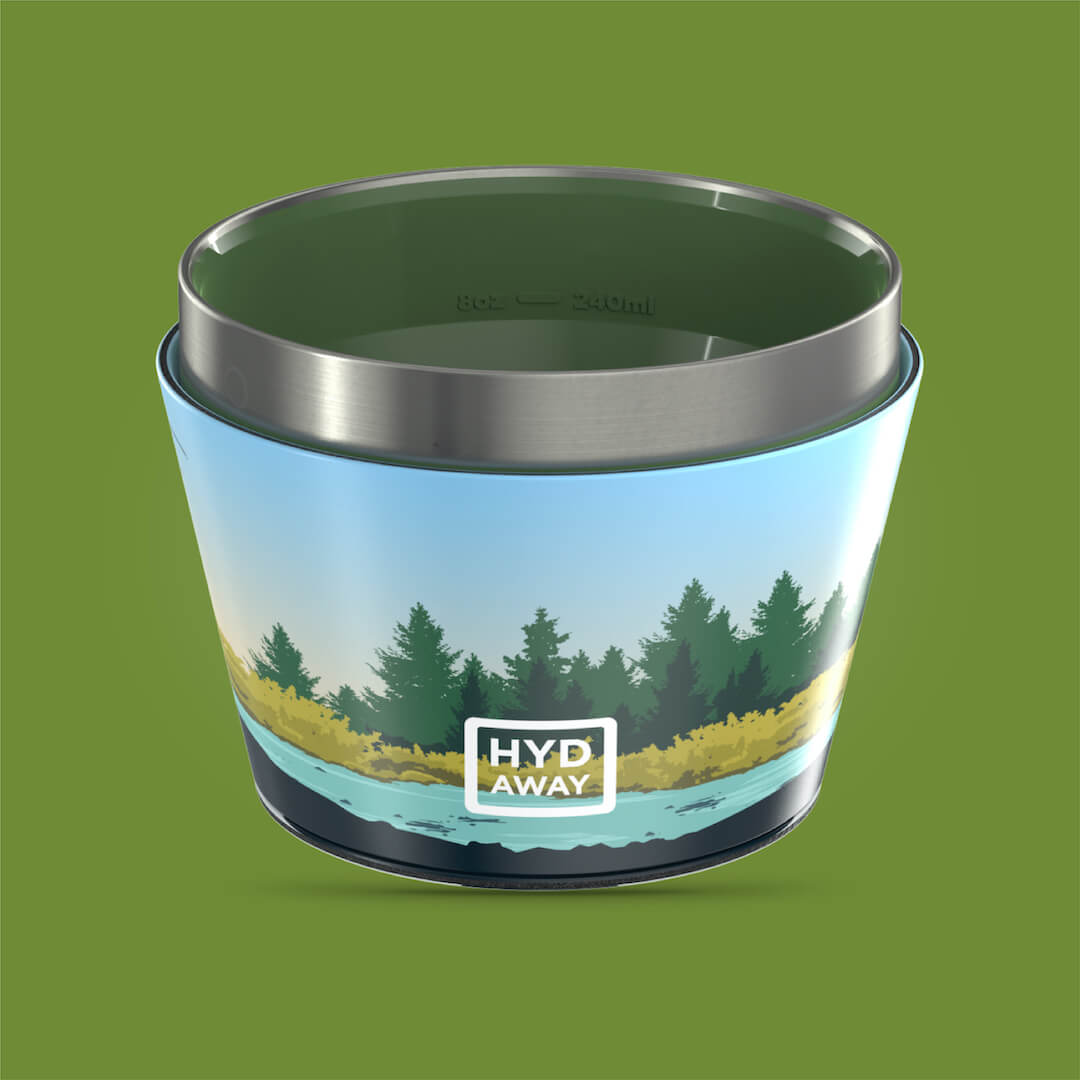
If you want hydration gear that fits running, travel, commuting, and everyday adventures without taking over your bag, take a look at HYDAWAY. Their collapsible bottles and compact gear are built for people who want reusable essentials that pack small, clean up easily, and stay useful long after the run is over.