


A Real World Test for Your Gear: The Practical Guide

You're standing in an airport security line, already late for boarding, and the bottle in your tote leaks just enough to soak the corner of your passport wallet. Or you reach a trail overlook, pull out your packed lunch, and find the lid popped open somewhere between the parking lot and mile two. Most gear doesn't fail in calm, controlled moments. It fails when you're rushed, distracted, cold, tired, or trying to use one hand because the other is holding a phone, trekking pole, or kid's jacket.
That's why a real world test matters.
As a gear tester, I care a lot less about a product's best moment than its messy ones. I want to know what happens after repeated packing, after a quick rinse in a campground sink, after a day in a hot car, and after the hundredth open-close cycle when you're no longer handling it carefully. A product that performs well only in perfect conditions hasn't earned much trust yet.
Beyond the Hype The Search for Truly Reliable Gear
A lot of travel gear looks excellent on day one. The cap twists smoothly. The seal feels tight. The finish is spotless. Then real life gets involved.
You toss the bottle into a backpack beside a charger brick and notebook. You collapse and expand it several times through the week. You fill it at an airport fountain, rinse it in a hotel bathroom, and pack it away before it's completely dry because checkout is in ten minutes. That's when the difference shows up between a polished product demo and gear that fits travel.
Why ideal tests miss the real problem
Many so-called real world tests are still lab proxies. They look practical, but they remove the exact factors that cause trouble in daily use. They test a perfect pour on a clean counter, not a hurried refill at a trailhead. They show a clean drop onto a flat surface, not a bag getting crammed under an airplane seat.
That gap shows up in other fields too. A study of HIV diagnostic workflows found that under real-world conditions, 26.4% of test sequences required additional confirmatory steps in routine use, which shows how much actual workflows can diverge from an ideal design in practice (real-world HIV diagnostic workflow findings).
Real-world validation gets more useful when it includes failure modes, repeated steps, and user error, not just the headline result.
The gear question that matters
For outdoor and travel gear, the practical question isn't “Can it work?” It's “Will it still work when my day gets messy?”
A trustworthy test asks things like:
- What happens after repeated packing? Does the seal still close cleanly?
- What happens when conditions change? Heat, cold, moisture, dust, and time all matter.
- What happens when the user is imperfect? Slightly crooked lid alignment and rushed cleaning are part of normal life.
- What happens after wear shows up? A lot of products ace a first-use test and fade fast after routine handling.
Reliable gear reduces friction. It doesn't ask you to baby it. If something is going to live in your commuter bag, daypack, campervan bin, or theme park stroller pocket, it has to survive the ordinary abuse of ordinary people.
What a Real World Test Actually Means for Your Gear
A real world test isn't a fancy statistical ritual. It's a practical way to judge whether gear works in the life you live.
Think of the difference between a car advertisement and a week of school drop-offs, grocery runs, potholes, and parking garages. The ad shows peak performance. Daily life shows whether the thing is convenient, predictable, and still pleasant to use after repetition. Gear works the same way.

A useful definition
When educators talk about tests in statistics, the basic idea is simple. You don't need every possible observation to make a decision. You use a limited sample, but you make the test structured and repeatable enough to support a reasonable conclusion. That's the same logic behind practical gear testing. A plain-language overview of t-test logic explains why structured comparison helps people make decisions from limited samples instead of guesses.
For gear, that means you don't need a laboratory or months of field research to learn something useful. You need a repeatable setup that reflects your actual use.
The three parts readers usually confuse
People often mix up three different ideas:
| What people say | What it often means | Better question |
|---|---|---|
| “It passed a test” | It survived one event | Can it survive repeated use? |
| “It's durable” | It didn't fail immediately | What wears down first? |
| “It works in real life” | Someone used it once outside | Under what conditions, and for how long? |
That last question matters most. If a bottle fits your life as a digital nomad, commuter, or hiker, the test should reflect that life. A person who's planning remote work from cafés across Asia may care about compact packing and easy cleaning just as much as leak resistance. The same traveler might also be thinking about connectivity on the road, which is why practical trip planning guides like best VPNs for China are useful alongside gear planning. Real-world preparation usually comes as a bundle, not a single purchase.
A simple framework you can remember
Use this checklist whenever you evaluate a product:
- Match the environment. Test the item where it will be used. Backpack, cup holder, airport tote, day hike, office kitchen.
- Repeat the stress. Open it, close it, pack it, wash it, and carry it again. One clean run doesn't tell you much.
- Measure convenience. If a product is annoying to clean, bulky to store, or fussy to seal, you'll stop using it.
- Notice failure patterns. Small frustrations count. A tiny leak, trapped odor, or awkward lid can be enough to retire a product early.
Practical rule: The best real world test doesn't ask whether gear can perform once. It asks whether you'd still trust it after a week of normal inconvenience.
That shift changes how you shop. It also changes how you pack.
Reproducible Test Protocols You Can Run at Home
The most useful gear tests are boring in the best possible way. They're repeatable. They're easy to run. And they answer real questions like, “Will this leak in my laptop bag?” or “Will I dread cleaning this after soup or oatmeal?”
A good protocol also respects time. You should be able to run these at home before a big trip, or after buying new dinnerware, hydration gear, or packable accessories.

Start with cycles, not first impressions
In software testing, teams prefer real-world data because it preserves aging and complexity. That matters because products often fail over time, not at the start. The same principle applies to gear. Performance after 50 pack and unpack cycles is more meaningful than performance on day one, as discussed in this explanation of aging in real-world data testing.
If you want to see how a brand documents its own product checks, HYDAWAY outlines parts of its product testing approach.
Protocol one the bag leak test
Use this for bottles, tumblers with lids, and food containers.
Steps
- Fill as normal: Use water, not coffee or broth, for the first round.
- Seal the product the way you would when rushed: Don't over-tighten carefully at a table.
- Wrap it in a light towel or put it beside paper in a bag: That makes small leaks easier to spot.
- Carry and shake: Walk around, set the bag down, lift it, and place it on its side.
- Leave it packed for a while: Then inspect the towel or paper.
What you're looking for isn't just a dramatic spill. Watch for moisture around threads, lid edges, folding seams, and pressure points.
Real-life scenario: This answers the commuter question. Can it ride next to a laptop, charger, and notebook without creating a wet surprise?
Protocol two the pack and unpack cycle
In a real-world test, collapsible gear proves its value or exposes its weak spots.
Run the item through repeated flattening, unfolding, sealing, storing, and restowing. Don't baby it. Put it into the pocket or pouch you'd use. Try it before work, after the gym, and when you're tired at night.
Check for:
- Shape memory: Does it expand cleanly or start to deform?
- Seal consistency: Does closure stay easy and reliable?
- Storage friction: Do you still want to pack it, or is it oddly cumbersome?
- Material wear: Look for stress points, scuffs, or changes around folds.
Protocol three the heat, cold, and delay test
A lot of travel use involves waiting. You make tea and board a train. You fill up with cold water before a sunny walk. You pack leftovers and don't wash the container until later.
Try normal temperature swings. Use the gear with a hot drink or meal, then let time pass. Use it with cold water after sitting in a warm space. What matters is not a dramatic stunt but whether the item remains comfortable to hold, easy to open, and simple to clean afterward.
If the test doesn't include delay, it's missing part of travel. Waiting changes pressure, temperature, smell, and cleanup.
Protocol four the fast cleanup test
This one gets ignored, but it often decides whether a product becomes a daily favorite or lands in the back of a cabinet.
Use something realistic: smoothie residue, oatmeal, soup, or electrolyte drink mix. Then clean it with limited resources. A small sink. A quick rinse. Maybe a little soap, maybe not until later.
Ask:
- Can your hand or sponge reach the corners easily?
- Does odor linger after a normal wash?
- Do lids, seals, or threads trap residue?
- Would you willingly clean this in a hotel bathroom or campground sink?
A simple scorecard
You don't need numbers. A plain language scorecard works well.
| Attribute | Pass looks like | Warning sign |
|---|---|---|
| Leak resistance | No moisture in the bag | Damp towel, wet paper, or seepage |
| Durability | Same function after repeated handling | Seal gets fussier or shape degrades |
| Packability | Easy to store repeatedly | Awkward bulk or annoying setup |
| Cleaning ease | Quick rinse feels sufficient until full wash | Residue or odor hangs on |
| Everyday usability | You keep reaching for it | You avoid using it |
That final line matters most. Good gear earns repeat use.
How to Read Between the Lines of Test Claims
Once you start running your own tests, product marketing becomes easier to decode. You stop getting impressed by dramatic but shallow claims. You start looking for method, repetition, and honesty.
That's a better way to read reviews too. A reviewer who says “I used this on one weekend trip and loved it” may be sincere. But that still tells you less than a reviewer who explains how the item behaved after repeated filling, washing, stuffing into bags, and daily use.

Red flags and green flags
Here's the pattern I use when I read a test claim.
| Green flag | Why it helps | Red flag | Why to question it |
|---|---|---|---|
| Clear test steps | You can repeat it yourself | Vague language | You can't tell what happened |
| Multiple use conditions | Better match to daily life | One dramatic moment | Might be a stunt |
| Failure notes included | Suggests honesty | Only success shown | Important details may be missing |
| Long-term observations | Reveals wear and annoyance | Brand-new impressions only | Too early to judge |
The repeatability question
A dramatic result from a small sample can fool people. In statistics, significance depends on repetition and long-run frequency, not just one striking outcome. That's the practical takeaway from the law of large numbers and repeated testing overview. For gear, the consumer version is simple: if a claim sounds impressive, ask whether the result could be repeated consistently.
That leads to better questions:
- Was the test run more than once?
- Did they compare before and after repeated use?
- Did they mention a baseline?
- Could another person follow the same steps and likely see the same outcome?
What trustworthy reviews usually include
Reviews become more credible when the writer gives enough detail to recreate the situation. That's one reason third-party assessment matters. If you want a practical example of what independent checking can add, HYDAWAY's discussion of third-party verification for products is worth reading.
Trust the review that admits inconvenience. If a tester tells you where cleanup was awkward or sealing took practice, they're usually giving you something more useful than praise alone.
A quick skepticism filter
When you see “tested in real-world conditions,” pause and ask:
- Which conditions? Office commute, trail use, flights, school pickup, or campground cooking?
- How messy were they? Rushed use counts. Imperfect handling counts.
- What failed first? Honest testing names weak spots.
- Would this matter in my life? A road trip parent, digital nomad, and weekend hiker don't need the same thing.
Marketing tries to compress all buyers into one story. Real-world testing does the opposite. It puts the product back into your story.
Case Study A HYDAWAY Bottle's Week of Adventure
I like case studies because they force gear into a schedule. Not a fantasy expedition. A normal week.
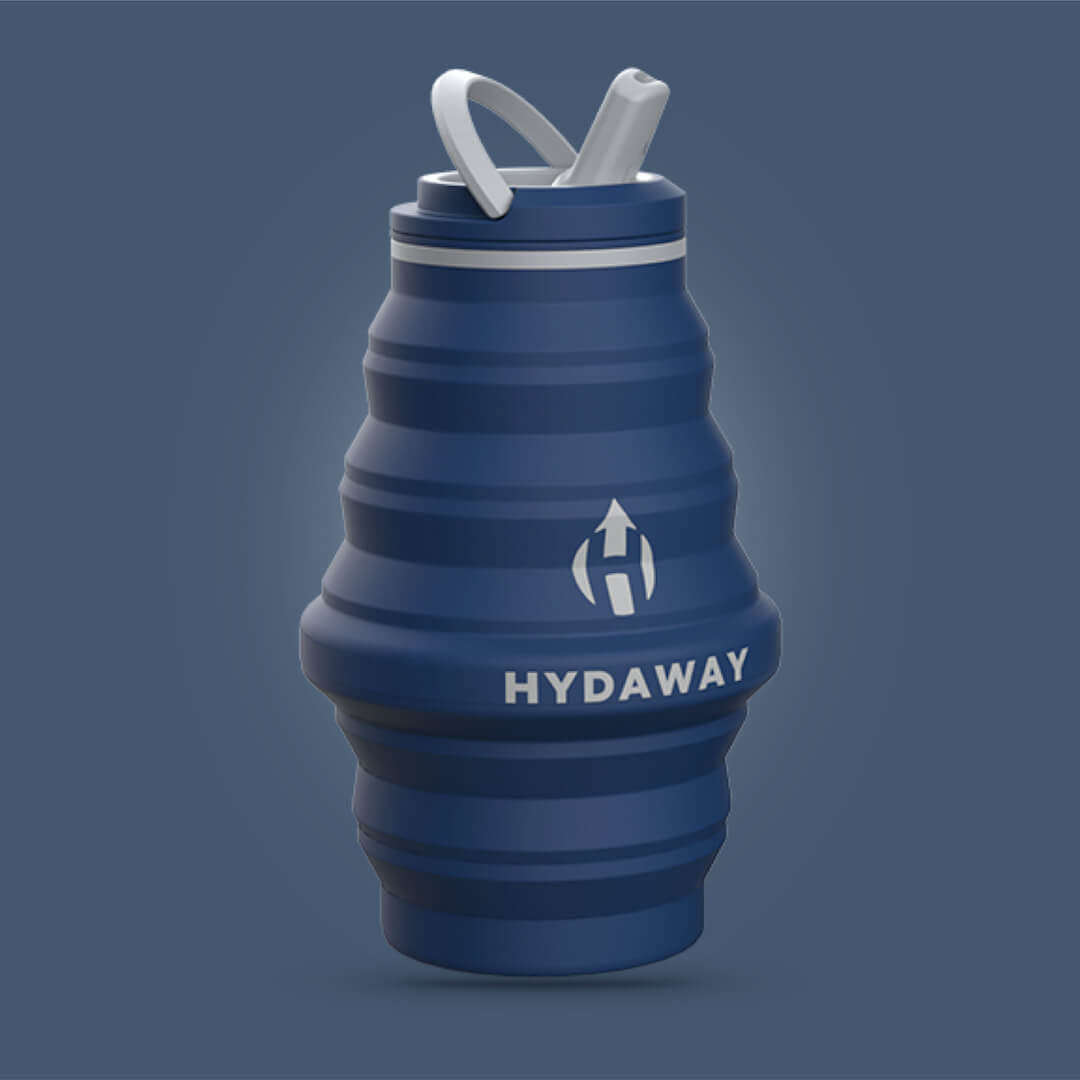
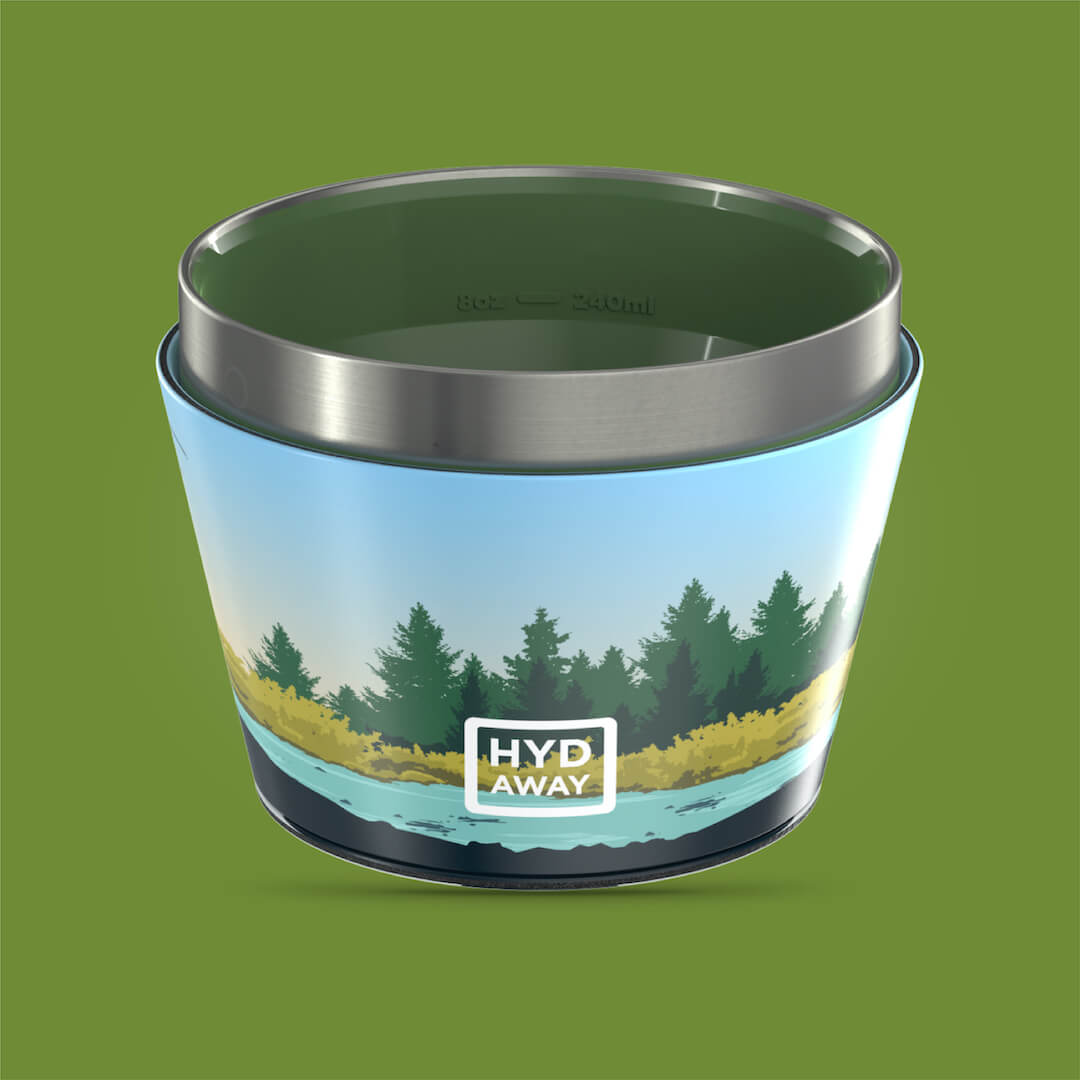
For this one, think about a collapsible bottle and an insulated bowl moving through the kind of mixed-use routine many travelers know well: weekday commute, work-from-café session, one trail outing, and a few rushed cleanups between them. That's closer to reality than a single hero shot on a mountain.

Monday through Friday use tells the truth
The most relevant question for travel gear isn't peak performance. It's whether the product remains usable after a mixed week of commute, trail, and café use. In one study of real-world workflows outside the gear category, only 74.2% of sequences followed the recommended path, which is a useful reminder that routine use often gets messy fast (real-world workflow deviation example).
That same logic works for travel products. People don't use them under ideal protocol. They use them while distracted.
Here's the kind of week that reveals a lot:
- Commute day: Bottle rides in a work bag with cables, notebook, and lunch.
- Café day: Bottle gets collapsed after use and stored when table space is tight.
- Hike day: Bowl carries a simple meal, gets handled outdoors, then cleaned with limited supplies.
- Errand day: Gear sits in the car, then gets reused later.
- Travel day: Everything gets packed, unpacked, repacked, and used one-handed.
What I'd watch during that week
The collapsible bottle format is interesting because it changes the usual tradeoff. Traditional rigid bottles are easy to understand but bulky when empty. A collapsible design asks a different question: does space saving stay convenient after repeated use?
For that week, I'd pay attention to four things.
First, packability after repetition. Does the bottle still collapse and store smoothly once the novelty wears off? Second, seal confidence in a crowded bag. You don't need drama. You need calm trust. Third, cleanup friction. If a product is easy to clean on the go, you'll keep using it. Fourth, whether the item earns a place in the routine. That sounds soft, but it isn't. Gear that fits life gets used.
A similar test works well for an insulated bowl. Warm breakfast before a chilly morning walk is one thing. Warm food after sitting packed for a while is more revealing. If the lid stays secure, the bowl remains comfortable to handle, and cleanup doesn't become a chore, that's meaningful performance.
Why this matters for hiking and travel
The practical value of packable hydration gets clearer when space is limited. If you're comparing options for outdoor use, HYDAWAY has a straightforward example of the use case in its article on a collapsible water bottle for hiking.
Good travel gear should disappear into the routine. You notice it when you need it, not because it keeps creating tasks.
That's the bar I'd use for any weeklong trial. Not whether the product looks good on day one, but whether it still feels worth carrying by day seven.
Stop Buying Gear Start Investing in Reliability
Reliable gear rarely wins by being flashy. It wins by not becoming a problem.
That's the mindset behind a real world test. You're not trying to crown a perfect bottle, bowl, or travel accessory. You're trying to find the item that still works when your routine gets crowded, your bag gets stuffed, and cleanup has to happen fast. That means thinking in cycles instead of snapshots. It means testing convenience, not just technical performance. And it means reading claims with a little healthy skepticism.
A product that survives repeated packing, messy use, temperature changes, and rushed washing is usually a better long-term purchase than one with a polished one-time demo. That's good for your budget, good for your trips, and often better for waste reduction too. People stick with reusable gear when it's easy to live with.
The best gear supports the life you already have. It fits a commute, a trail day, a museum afternoon, a train ride, or a family theme park stop without asking for special treatment. If you use a real world test mindset before you buy, you'll make fewer impulse purchases and build a kit you trust.
If you want compact travel gear that's designed around packability, reuse, and everyday carry, take a look at HYDAWAY. Their collapsible bottles, drinkware, bowls, and travel-ready accessories fit the kind of routines real world tests are meant to reflect.