


The Ultimate Guide to Quick Drying Microfiber Towels in 2026

Let's be honest—we've all been there. You're trying to pack up after one last dip in the ocean on vacation, but you're stuck with a soggy, heavy beach towel. Or maybe you know the musty smell that starts to creep into your camper van after a few days in the humidity. It’s a universal frustration for travelers, backpackers, and families everywhere.
This is exactly where a quick-drying microfiber towel comes in and completely changes the game. Think of it as your simple, brilliant solution to the problem of wet, bulky baggage.
Your Secret Weapon for Smarter Travel

Instead of a cumbersome cotton towel that hogs precious space in your suitcase, a microfiber towel is feather-light and folds down to a size that’s almost hard to believe.
Even better, it can absorb several times its own weight in water, yet it air-dries in record time. Just hang it from a branch, a hostel bunk, or your hotel balcony, and it’s often bone-dry in under an hour.
The Ultimate Travel Upgrade
This kind of efficiency is a massive win for anyone on the move:
- Families at Theme Parks: Perfect for drying off the kids after a splash pad adventure. You can stash the towel right back in your bag without adding weight or dampness.
- Backpackers and Hikers: Shave critical ounces from your pack while making sure you always have a dry towel for a river dip or camp shower.
- Van-Lifers and Campers: Wipe down morning dew from your gear and finally say goodbye to that mildew smell that comes with perpetually damp items.
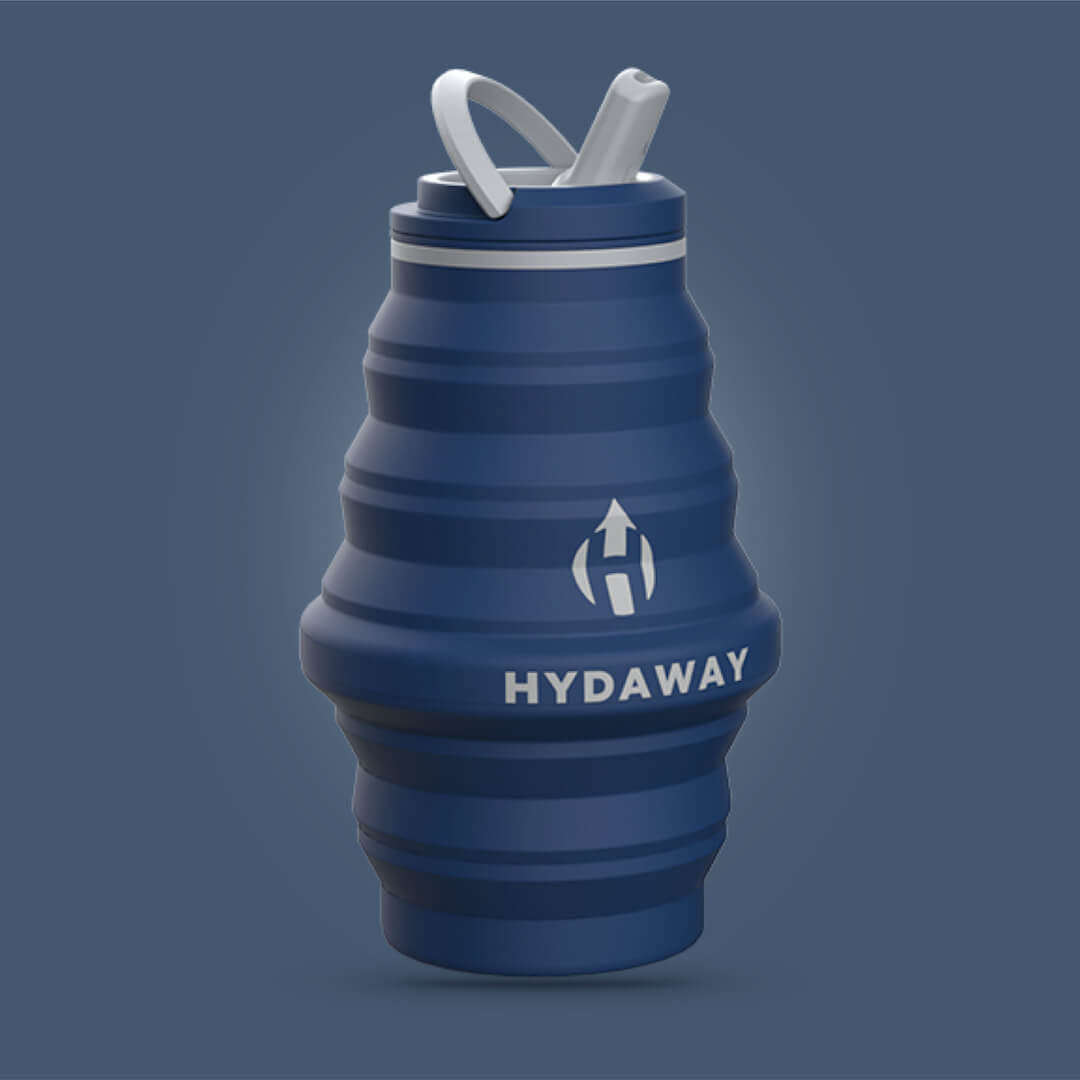
The real magic happens when you pair a compact microfiber towel with other smart travel gear. For example, a HYDAWAY collapsible water bottle and a quick-dry towel create the ultimate duo for efficiency and freedom. Both items save an incredible amount of space, letting you carry less and do more.
To truly make your travels smarter, consider packing items like our quick-drying microfiber towels alongside other essentials from the best camping gear for families, ensuring a stress-free adventure. And if you're looking for more ways to streamline your packing, check out our guide on how to pack light.
The Science Behind Why Microfiber Dries So Fast

Ever wondered what the secret is behind a towel that can feel bone-dry just an hour or so after you’ve used it? It’s not some kind of travel magic—it’s just brilliant material science at work. The incredible performance of a quick-dry microfiber towel all comes down to a unique structure that’s been engineered for maximum efficiency.
Unlike a standard cotton towel with its thick, loopy threads, microfiber is made up of millions of ultra-fine synthetic fibers. These tiny strands, usually a blend of polyester and polyamide, are often 100 times finer than a single human hair. But the real genius is in how they're split.
Each individual fiber is broken down into microscopic, wedge-shaped filaments. This process creates a mind-boggling amount of surface area within the fabric. A good way to picture it is to think of a single cotton thread as a simple log, while a microfiber strand is like an entire forest of tiny, branching trees. It’s this intricate web that gives the towel its superpower.
How Wicking and Evaporation Work Together
That vast network of fibers creates a powerful capillary action. When the towel makes contact with your skin, it doesn't just soak up water; it actively wicks moisture away, pulling it deep into the fabric and spreading it out across that massive surface area.
This two-step process is what makes all the difference:
- It gets you dry, fast. The wicking action literally lifts water off your skin far more effectively than cotton ever could.
- It preps the towel for rapid drying. By distributing the moisture so widely, it exposes a huge amount of it to the open air.
Once the water is spread throughout the towel’s web of fibers, air can circulate freely between them. This constant airflow whisks the moisture away, letting the towel dry at a truly remarkable speed.
This high-performance design is exactly why a quick-drying microfiber towel is an absolute must-have for the HYDAWAY community. A van-lifer in a rainy climate can count on having dry gear by morning, and a hiker can avoid lugging a heavy, soggy towel in their pack. It’s technology built for a life in motion.
The Proven Speed Advantage
Microfiber towels have been a complete game-changer since they first hit the scene in the early 2000s. Modern tests confirm they can slash drying time by up to 50% compared to their cotton counterparts.
This isn't just marketing hype. Independent studies have shown that microfiber can dry both skin and hair in half the time. In some conditions, the towel itself can become fully dry in under 30 minutes, while a cotton towel would stay damp for hours. For adventurers who depend on HYDAWAY’s packable gear for multi-day treks, this quick-dry performance is non-negotiable. You can dive deeper into the 2026 findings on microfiber drying speed at esunesun.com.
How to Choose Your Perfect Microfiber Towel
Diving into the world of quick-dry microfiber towels can feel a little overwhelming at first. But once you know a couple of key details, you’ll be able to spot the perfect one for any adventure. Trust us, not all microfiber is created equal, and picking the right one is the difference between a good experience and a great one.
It all boils down to what you need it for. The towel you’d toss in a beach bag isn't the same one you'd want on a multi-day trek through the mountains. Think about how you’ll use it most, because that single thought will guide every other decision.
If you’re a minimalist traveler who loves quick city getaways, packability is everything. You need something that vanishes into your backpack without a second thought. But if you’re outfitting a camper van for the family, you need a total workhorse—a towel that can handle everything from spilled coffee to drying off after a chilly lake swim.
Decoding GSM and Weave
The two terms that sound technical but are actually super simple are GSM (Grams per Square Meter) and weave. Get these down, and you're practically an expert.
-
GSM (Grams per Square Meter): This is just a fancy way of talking about the towel's density and weight. Think of it like thread count for bedsheets. A higher GSM (around 300-400) gives you a plusher, more absorbent towel that feels amazing. A lower GSM (around 200) is thinner, lighter, and more compact—it dries in a flash, making it perfect for ultralight packing.
-
Weave (Towel Texture): This is all about how the fabric is put together, which changes how it feels and how it works.
Suede Weave: This is the classic you’ll see in most travel towels. It has a smooth, soft finish that’s incredibly compact and feels great. It’s designed for patting dry, which is really the best way to use any microfiber towel.
Waffle Weave: This texture has a cool grid-like pattern of little recessed squares. Those pockets crank up the surface area, making waffle weave towels ridiculously absorbent. They’re fantastic for drying long hair or handling the big jobs at the campsite.
Matching the Towel to Your Adventure
Let's put that knowledge to the test with some real-world scenarios.
Picture yourself packing for a weekend backpacking trip. Every ounce and inch of space counts. You’ll want a low-GSM, suede-weave towel in a medium size. It will disappear into your pack and be completely dry long before you're ready to hit the trail the next morning.
Now, imagine a classic family beach day. You need something that can dry off a few sandy kids and soak up a ton of water. This is where a large, high-GSM waffle-weave towel becomes your best friend. It’ll feel more luxurious and has the absorbency to get the job done, even if it takes a bit more room in the beach bag.
At HYDAWAY, we're all about smart, efficient gear that makes life easier on the road. If you're looking for more ways to make your travel kit a little kinder to the planet, check out our guide on eco-friendly travel products. Choosing a durable, reusable microfiber towel is a fantastic place to start.
Microfiber Towels Vs. Traditional Cotton Towels
When you're packing your bag for the next big adventure, every single item is a choice. And when it comes to towels, it’s a classic showdown: the new-school, quick-drying microfiber versus the old-school, fluffy cotton towel you grew up with.
We all love a plush cotton towel at home. But on the road? It’s a different story. They’re bulky, they’re heavy, and once they get wet, they stay that way for what feels like an eternity—a perfect recipe for a musty-smelling backpack.
Microfiber towels, however, were practically born for travel. Picture packing for a week-long trip to the coast. That big, cozy cotton beach towel could easily eat up a huge chunk of your carry-on space. A microfiber towel, on the other hand, soaks up an incredible amount of water and then packs down to the size of a HYDAWAY collapsible bottle. It's a no-brainer.
This is what a smart towel choice looks like in real numbers.

The best ones blend that soft feel you want with the packability and quick-dry performance you actually need on the go.
A Clear Winner For Travel And Adventure
It's in the performance where microfiber really leaves cotton in the dust. One of the most incredible stats is that a good microfiber towel can absorb up to 7 times its own weight in water. That’s not just a number; it’s a game-changer.
In head-to-head tests, a 12x12-inch square of microfiber soaked up 340ml of water in 30 seconds, while a cotton terry cloth of the same size only managed 180ml. This is the kind of powerful wicking you need when you're trying to dry off quickly after a swim and get back on the trail without a dripping, heavy mess in your bag. If you want to dive deeper, you can explore the science behind how fast-drying technology works at tommydocks.com.
To make it even clearer, let's put these two towel types side-by-side.
Microfiber Vs. Cotton A Head-to-Head Comparison
This table breaks down exactly why one towel is built for home and the other is built for adventure.
| Feature | Quick-Drying Microfiber Towel | Traditional Cotton Towel |
|---|---|---|
| Drying Speed | Dries in a fraction of the time, often in under an hour. | Stays wet for hours, promoting mildew and musty smells. |
| Packability | Folds down to a tiny, lightweight bundle, saving precious bag space. | Extremely bulky and heavy, especially when damp. |
| Absorbency | Absorbs multiple times its weight, wicking moisture from skin efficiently. | Absorbs well but becomes saturated and heavy quickly. |
| Hygiene | Dries too quickly for most bacteria to thrive, staying fresher longer. | Damp fibers create a perfect breeding ground for mold and bacteria. |
| Durability | Withstands 500+ washes with proper care, maintaining performance. | Fibers break down after 150-200 washes, losing plushness and absorbency. |
The choice really speaks for itself. While we'll always have a soft spot for cotton's familiar comfort, its bulk, weight, and snail-like drying speed just don't make sense for a life on the move. For any modern traveler, camper, or adventurer, the quick-drying microfiber towel is the undisputed champion.
Putting Your Towel to the Test in the Real World

So, we've talked about the tech and the specs. But where a quick-dry microfiber towel really proves its worth is out in the wild. It’s more than just another item on your packing list; it’s a problem-solver that makes spontaneous adventure possible.
Think about it. You’re working remotely from a spot like Chiang Mai, Thailand, and decide to start your day with a dip in the local pool. Afterwards, you hang your towel over the balcony rail. By the time you’ve finished your morning coffee, it’s bone dry and ready to be tucked away. No more dragging a heavy, damp towel around in your daypack.
From Water Parks to Wilderness
This is the kind of game-changing convenience that fits any lifestyle. Imagine a family trip to a water park. You can dry the kids off in seconds with a big, absorbent microfiber towel. But instead of being stuck with a soggy, heavy mess for the rest of the day, you just wring it out, give it a few shakes, and it’s almost completely dry. It packs down small enough to disappear into a side pocket of your tote.
A quick-drying microfiber towel is more than just an accessory—it's a gateway to less hassle and more freedom. It’s the confidence of knowing you’re prepared for spontaneous moments without being weighed down. Like all HYDAWAY gear, it's designed to make your adventures easier, not complicate them.
For anyone camping or living the van life, these towels are a downright necessity. Picture waking up to a campsite covered in heavy morning dew. You can use your towel to wipe down all your gear, hang it from a branch or your rig, and know it will be perfectly dry by the time you need it for an evening shower. It's a small thing that makes a huge difference in keeping your space clean and comfortable on the road.
Built for How We Actually Travel
This kind of real-world performance is exactly why microfiber towels have taken over the travel scene. Since they first appeared in the 1990s, the market has exploded, with projections expected to hit $2.8 billion by 2026.
They’ve captured 70% of the adventure and outdoor markets simply because they work. When paired with other smart gear like HYDAWAY's leak-proof, collapsible essentials, you’re ready for anything. The reason is simple: microfiber dries an incredible 3 times faster than cotton.
By 2026, over 50% of US campers have made the switch, pointing to a 60% reduction in their pack weight as a major win. It’s a trend driven by pure, practical benefits, and if you want to geek out on the details, you can explore the full analysis of quick-dry effectiveness on arconiz.com.
How to Care For Your Microfiber Towel
To get years of flawless performance out of your quick-dry towel, a little bit of care is all it takes. Luckily, keeping it in top shape is just as easy and low-maintenance as using it, which fits right in with our philosophy of durable, reusable gear.
Think of your towel's fibers as a high-performance engine. You wouldn't pour thick, gunky oil into a race car, right? The same idea applies here. The secret is to protect its unique, ultra-absorbent structure from things that can clog it up or break it down.
Washing Your Towel The Right Way
Follow these simple, no-fuss steps to keep your towel fresh, absorbent, and ready for the next adventure.
- Wash It Solo: Your microfiber towel is basically a lint magnet. To keep it from getting clogged with fuzz from your other clothes, wash it on its own or with other microfiber gear.
- Use Mild Liquid Soap: A small splash of gentle, liquid detergent is perfect. Avoid powdered detergents, as they can leave behind a gritty residue that hinders absorption.
- Keep It Cool: Always wash in cold water on a gentle cycle. High heat can actually melt and damage those super-fine fibers over time, making your towel less effective.
- Skip the Extras: This is the most important rule! Fabric softeners and dryer sheets work by coating fibers with a waxy film, which will completely ruin your towel's ability to soak up water. Bleach is also a no-go; it's far too harsh and will cause the fibers to break down.
Traveler's Tip: You don't always need a washing machine. When you're on the road, a quick hand wash in the sink with a bit of soap is all it takes to freshen up your towel. It’s the perfect low-maintenance solution for a HYDAWAY lifestyle, where simplicity and function are key.
Drying For Maximum Lifespan
How you dry your towel is just as critical as how you wash it.
The absolute best way to dry your towel is to simply air-dry it. Just hang it up using its snap loop, and its quick-drying magic will handle the rest. You'll be surprised how fast it's ready to go.
If you're in a pinch and must use a machine, be sure to tumble dry on the absolute lowest heat setting, or use an "air fluff" (no heat) cycle. Just like with washing, high heat is the enemy.
Following this simple routine ensures your towel will be a reliable travel companion for years to come. And if you're curious about maintaining your other gear, check out our guide on cleaning your hydration reservoir to keep everything in adventure-ready shape.
Your Microfiber Towel Questions, Answered
Thinking about making the switch to a quick-dry towel? It's a smart move for any traveler, but we get it—they're a different breed from the cotton towels you're used to. You probably have a few questions.
Here are the straightforward answers to the things we hear most often, so you can feel totally confident about your new favorite travel essential.
Do They Actually Feel Good on Your Skin?
They definitely feel different, and that's by design. Forget the thick, fluffy feel of a hotel towel. Most high-performance microfiber has a smooth, almost suede-like texture.
Here’s the key: you pat your skin dry, don't rub. It might feel a little strange at first, but once you realize how ridiculously fast you get dry, you’ll start to appreciate the lightweight efficiency over the heavy, soggy bulk of traditional cotton.
Are They Okay for Sensitive Skin?
For the vast majority of people, yes. A high-quality microfiber towel is hypoallergenic and gentle enough for sensitive skin. That said, because the material has a unique "grippy" quality designed to pull water away, the pat-dry method is always the way to go. A harsh rubbing motion isn't necessary and won't feel great.
Always stick with towels from trusted brands. This is the best way to make sure they're free from harsh dyes or chemicals and are totally safe for you and your family.
The best part about caring for your towel on the road is how simple it is. A quick hand wash in a hotel sink with a little soap is usually all it needs. This fits right in with the HYDAWAY ethos: creating durable, low-maintenance gear for a life in motion.
Why Is Fabric Softener a No-Go?
Think of fabric softener as a performance-killer for microfiber. It works by coating fibers in a waxy film to create that "soft" feeling.
That waxy coating will instantly clog up all the tiny microscopic spaces that make your towel so absorbent and quick-drying in the first place. One wash with it can permanently hurt your towel's ability to do its job. All you need is a simple wash with a mild detergent to keep your towel in top shape for years of adventure.
Ready to pack smarter, not harder? Discover the full collection of collapsible, ultra-portable gear from HYDAWAY and see how you can carry less and do more on your next trip. Explore the collection.