


Your Guide to the Ultimate Outdoor Hydration Pack

Picture this: you're pushing up a steep trail, the sun is high in the sky, and you're starting to feel parched. Instead of breaking your rhythm to stop, shrug off your pack, and dig around for a water bottle, you just grab a tube near your shoulder and take a sip. That’s the simple genius of an outdoor hydration pack. It’s a hands-free system built to keep you moving.
No More Fumbling for Your Water Bottle
Hydration packs have totally changed the game for hikers, bikers, and runners. They turn staying hydrated from a chore into a seamless part of the adventure. Think of it as your own personal, on-the-go water source that moves right along with you. It gets rid of the constant stop-and-go that can really kill your momentum out on the trail.
This isn't just about making things easier, either; it's about performing better. Easy, consistent access to water helps boost your endurance and stave off dehydration, which can sneak up on you long before you actually feel thirsty. A hydration pack encourages you to take smaller, more frequent sips, which is a much more effective way to stay hydrated than gulping down a whole bottle once an hour.
More Than Just a Backpack with a Water Bag
At its core, a hydration pack is a specialized backpack with a water reservoir (often called a "bladder") and a drinking tube. But a good pack is so much more than that. The design is incredibly intentional, with key features you'll come to appreciate:
- Smart Storage: Pockets are strategically placed for grabbing snacks, your phone, or keys without a full stop.
- An Ergonomic Fit: You'll find adjustable straps and ventilated back panels that make for a comfortable, stable fit. This is critical for preventing the pack from bouncing around when you're running or biking.
- Activity-Specific Designs: Packs are often built for a specific sport, from super minimalist vests for trail runners to bigger packs with more capacity for multi-day treks.
A Modern Adventurer's Toolkit
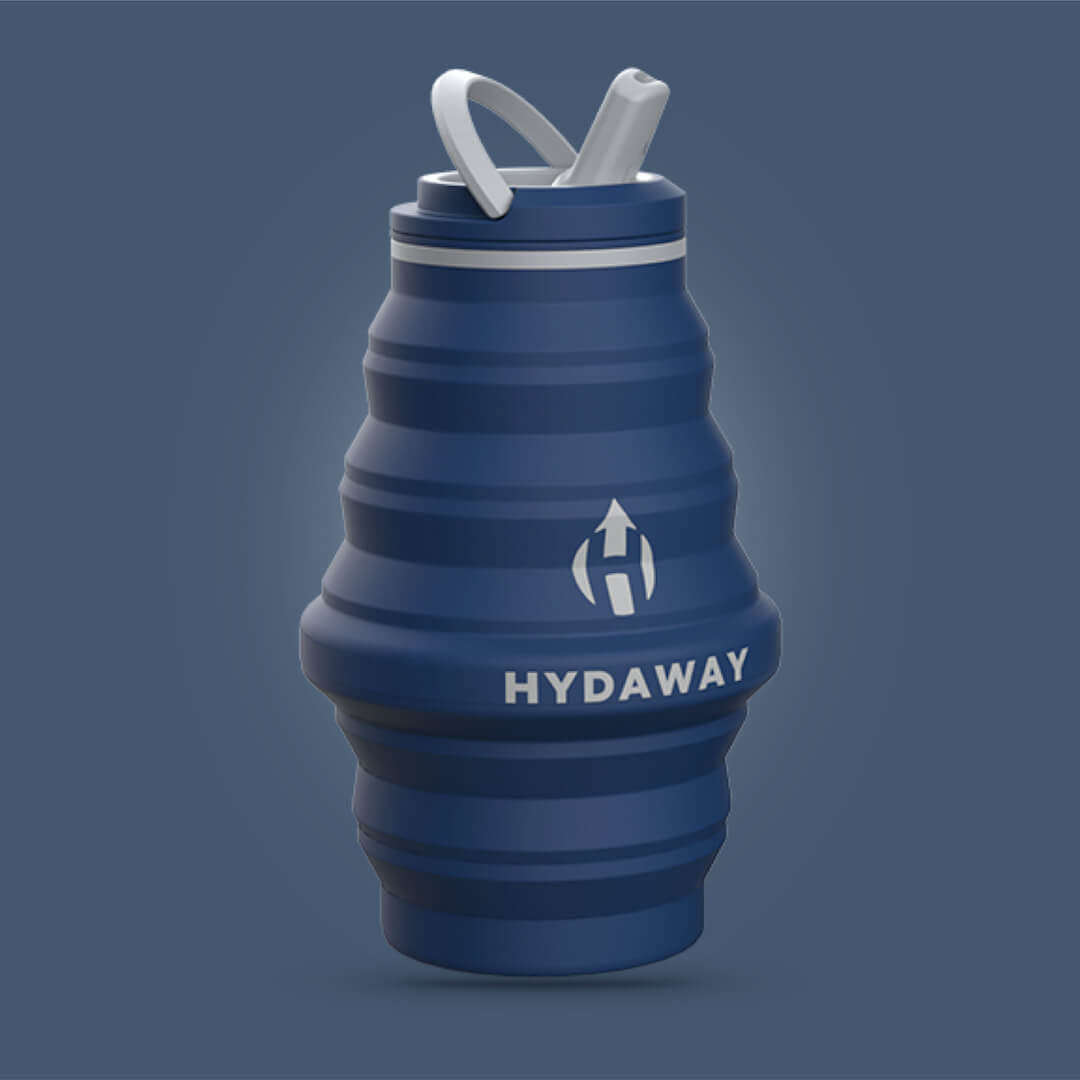
While a dedicated hydration pack is awesome on the trail, modern adventures often call for a little more flexibility. For example, you might use a traditional hydration pack for a long hike but rely on a HYDAWAY collapsible bottle for the flight to your destination to save precious space in your luggage. This is where HYDAWAY's ultra-packable products fit seamlessly into your life, offering versatility without the bulk.
The real pro move is to combine different types of gear to create a smart, complete hydration system. Use the big pack for the main event and a collapsible bottle for side trips, daily use around town, or for mixing up electrolyte drinks without flavoring your main water supply.
This guide is all about helping you build out that adaptable strategy. Consider this your starting point for smarter, more efficient hydration, whether you're tackling a mountain peak or just exploring a new city.
Deconstructing Your Outdoor Hydration Pack
Think of an outdoor hydration pack as your own personal, mobile basecamp, built with one main goal: keeping you hydrated and comfortable on the move. It’s so much more than a backpack with a water bag inside; it's a whole system designed to work together perfectly. Getting to know the parts is the first step to picking the right one for your next adventure.
The heart of the whole setup is the reservoir, or what most people call a bladder. This is the flexible, food-grade plastic container that holds your water. They come in different sizes, usually from 1.5 to 3 liters, and the right one for you really depends on how long and tough your activity is.
These packs have exploded in popularity for a reason. The global market for them was valued at a whopping USD 403.7 million in 2024 and is expected to jump to USD 661.6 million by 2030. This growth is fueled by a massive boom in outdoor recreation—a staggering 168.1 million people in the U.S. alone got outside in 2022. As more of us hit the trails, the need for easy hydration just keeps growing. You can dive deeper into this market trend over at Grandview Research.
This diagram nails the simple but powerful shift from fumbling around for a water bottle to sipping effortlessly on the go.

It really shows how hydration packs have changed the game, turning a necessary chore into a seamless part of the experience.
The Heart of the System: The Reservoir
The reservoir isn't just a bag; it's the engine of your hydration system, and its size is the first thing you should look at. A smaller 1.5L reservoir is perfect for a quick trail run or a short mountain bike ride where you want to stay light and fast. It’ll give you enough water for about 90 minutes of activity without weighing you down.
On the flip side, a larger 3L reservoir is pretty much essential for an all-day hike or a long-distance bike tour. It holds enough water to keep you going for hours, giving you peace of mind when the next water source is miles away.
But it’s not just about size. Other reservoir features really matter:
- Opening Type: Look for wide-mouth openings, like a ziplock or screw-top. They make filling, cleaning, and tossing in ice cubes a breeze.
- Bite Valve: This is the mouthpiece at the end of the tube. A good one will have a simple on/off lock to stop leaks when you’re not drinking.
- Quick-Disconnect Tube: This handy feature lets you detach the drinking tube from the reservoir without spilling water everywhere. It makes refills on the trail so much easier.
Engineered for Comfort and Stability
A good hydration pack should feel like it’s part of you, not some bouncy bag you’re stuck with. A few key design elements work together to make this happen, and knowing what they are will help you find a pack that stays comfortable all day long.
First, check out the fit and harness system. A well-designed pack will have adjustable straps that let you dial in the fit for your body.
The most important ones are the sternum (chest) strap and the hip belt. The sternum strap keeps the shoulder straps from slipping off, while the hip belt shifts the pack's weight from your shoulders to your hips—your body’s powerhouse. This makes a huge difference in fighting off fatigue over long hauls.
Next up is ventilation. Nothing’s worse than that dreaded sweaty-back feeling on a hot day. Modern packs fight this with ventilated back panels, often using mesh and molded foam channels. These create a little air gap between you and the pack, letting air flow and sweat evaporate. It's a small detail that makes a world of difference.
Finally, think about storage. Water might be the main event, but you still need a spot for your essentials. Trail running packs might just have a tiny pocket for a key and a phone. Day hiking packs will offer more room for a rain jacket and some snacks.
Take a look at how these features change depending on what you're doing:
Hydration Pack Feature Breakdown by Activity
This table breaks down the typical features you'll find in hydration packs designed for different outdoor activities. Use it to match the right gear to your adventures.
| Feature | Trail Running | Day Hiking | Mountain Biking | Multi-Day Trekking |
|---|---|---|---|---|
| Reservoir Size | 1.5L – 2L (Light and fast) | 2L – 3L (All-day hydration) | 2L – 3L (Sustained effort) | 3L+ (Capacity for remote areas) |
| Storage Capacity | 2L – 5L (Minimalist: phone, keys, gel) | 10L – 20L (Layers, food, first aid) | 8L – 15L (Tools, pump, jacket) | 25L+ (Integrated into a larger backpacking pack) |
| Fit System | Vest-style harness, dual sternum straps, no hip belt | Sternum strap and simple webbing hip belt | Sternum strap and stabilizing hip belt | Full-load-bearing hip belt and adjustable torso |
| Ventilation | Highly breathable mesh back panel | Foam channels and mesh for airflow | Raised back panel with maximum airflow | Padded back panel with ventilation channels |
| Extra Features | Front pockets for flasks, pole attachments | Trekking pole loops, rain cover, compression straps | Helmet carry, tool organizer, armor straps | Integrated rain cover, external pockets, compression |
As you can see, the right pack is all about matching its design to your typical loadout and activity. For instance, if you’re a parent hiking with kids, you’ll want a bit more space. But if you’re a solo trail runner, you'll want the most minimalist design possible. And for those times you need ultimate flexibility for travel or city exploring, a HYDAWAY packable backpack paired with a collapsible bottle is a fantastic, space-saving alternative.
Matching Your Pack to Your Adventure

The features on a spec sheet are a decent starting point, but the real test of a hydration pack happens out on the trail. It's less about finding the single "best" pack and more about finding the best pack for your specific adventure. A pack that’s a dream for a quick trail run could be a complete disaster on a long, exposed hike.
Think of it like choosing tires for your car; you wouldn't put slick racing tires on a 4x4 you're about to take down a muddy track. The same logic applies here. Your activity, the environment, and how long you'll be out there all dictate which features you need to prioritize.
Let's walk through a few real-world scenarios to bring this idea to life.
The All-Day Hiker Conquering Zion
Imagine you're gearing up for a full-day, ten-mile trek on the West Rim Trail in Zion National Park in the middle of summer. The sun is beating down, the elevation gain is no joke, and there are exactly zero water refill stations along the way. In this kind of demanding environment, your gear choices are critical for both your safety and your sanity.
Here’s what your ideal hydration pack would look like:
- Reservoir Capacity: A 3-liter reservoir is non-negotiable. This gives you enough water to stay properly hydrated for six to eight hours of tough, hot hiking without having to ration every sip.
- Storage Space: You'll want at least 15-20 liters of cargo space. That’s enough room to carry essentials like a windbreaker, a map, a first-aid kit, and—most importantly—plenty of high-energy snacks and a solid lunch.
- Comfort and Support: A pack with a padded hip belt and a structured, ventilated back panel is an absolute must. The hip belt shifts the weight to your hips, saving your shoulders from aching, while good ventilation helps you manage sweat on a long, hot climb.
For this kind of epic adventure, a robust, high-capacity pack isn't a luxury; it's your mobile support system.
The Mountain Biker on Technical Singletrack
Now, let's switch gears to a mountain biker about to drop into some fast, winding trails near Bentonville, Arkansas. Here, the priorities are completely different. Stability, a low center of gravity, and a minimalist design become way more important than massive storage.
A mountain biker needs a pack that feels like an extension of their body—not some bulky bag bouncing around on every drop and jump.
For mountain biking, the key is a low-profile design that hugs your back. A pack that shifts or sways can throw off your balance at a critical moment, making stability the number one feature to look for.
This pack's ideal setup includes:
- A Snug, Secure Fit: Look for a pack with a wide hip belt and dual sternum straps to lock it in place. It should sit comfortably against your spine without any slop.
- Targeted Storage: You don't need much space, just enough for the essentials. A dedicated tool roll pocket, a spot for a spare tube, and a secure phone pocket are all you need.
- A 2-Liter Reservoir: For a typical 2-3 hour ride, two liters is the sweet spot. It provides plenty of hydration without adding unnecessary weight that you'll definitely feel on the climbs.
This specialized approach shows just how much hydration packs can be fine-tuned for a specific sport. It's no surprise that while standard models captured 42.3% of the market segment in 2024, hiking applications led the way at 44.4%. This growth, part of a market forecasted to hit USD 9.4 billion by 2034, shows just how many people are matching their gear to their goals.
The Modern Nomad and the Van-Lifer
So, what about the adventurer who doesn't have just one type of trip on the agenda? For the van-lifer exploring national parks out West, the weekend warrior, or the world traveler, versatility and space-saving design are everything. A bulky hiking pack might be perfect for a day on the trail, but it becomes a huge pain when you're trying to save every square inch of space in a van or suitcase.
This is where a more modular hydration strategy really shines. While a mid-size hydration pack is great for planned day trips from a home base, HYDAWAY’s collapsible bottles and packable backpacks are true game-changers. For instance, you can stash a 15L packable daypack—which folds down to the size of your palm—in your glove box or luggage.
When you're ready for a spontaneous hike, just expand the pack and toss in a couple of HYDAWAY 25oz collapsible bottles. This gives you over 1.5 liters of water capacity in a system that takes up virtually no room when you're not using it. It's the perfect solution for someone whose gear needs to be as adaptable as their travel plans.
When you're thinking about your setup, remember that your daypack is just one piece of the puzzle. For longer trips, you'll also need to find the perfect overnight bags for your next adventure to round out your gear.
Packs vs Collapsible Bottles: When to Use Each
Deciding between an outdoor hydration pack and a collapsible bottle isn't about which is "better"—it's about picking the right tool for the job. Honestly, the smartest adventurers I know don't just choose one; they build a flexible system that uses the strengths of both.
A dedicated hydration pack is the clear winner for high-output, hands-free activities. For a long trail run, a full-day mountain bike ride, or a grueling hike, nothing beats the convenience of sipping from a tube without breaking your stride. They’re basically a self-contained support system for when you're on a mission.
But let's be real, that specialized design has its downsides. Hydration packs are bulky and a pain to stuff into luggage. Cleaning the reservoir and tube can be a whole process, needing special brushes and plenty of drying time. For travel or just kicking around town, a full pack system is usually way more than you need.
The Power of Portability and Versatility
This is where collapsible bottles, like the ones we make at HYDAWAY, completely change the game. Their biggest advantage is just pure, unmatched versatility. A HYDAWAY 25oz bottle squishes down to just over an inch thick, so you can slide it into a pocket, a carry-on, or the side pouch of another backpack.
This incredible packability makes them perfect for a ton of situations where a traditional hydration pack would be a clumsy, impractical mess. HYDAWAY products fit into your life by providing a high-performance hydration solution that disappears when you don't need it, saving you critical space and hassle.
Let's look at how this plays out in the real world.
Scenario One: The Smart Traveler in Europe
Picture this: you're packing for a two-week trip to Europe. You’ll be exploring cities in Rome, hiking the coast in Cinque Terre, and hitting museums in Paris. Dragging a hydration pack along would be a nightmare. It would eat up a massive chunk of your luggage space and look completely out of place on city streets.
Instead, you pack two HYDAWAY collapsible bottles. They take up practically zero room in your suitcase.
- For the Flight: You walk an empty bottle through airport security, then fill it up at a water station before you board. No more asking for tiny plastic cups of water on your flight to London.
- For City Exploring: You start each day with a full bottle, refilling it at public fountains you find all over Rome and Paris. It’s lightweight, easy to carry, and doesn't scream "tourist."
- For the Hike: For your day on the trails, you carry both bottles. That gives you 50oz (about 1.5 liters) of water—plenty for a moderate coastal hike.
This strategy lets you keep a smart, reusable hydration system across totally different environments without giving up a single inch of precious luggage space.
By combining a packable HYDAWAY backpack with one or two collapsible bottles, you create an instant, minimalist day-trip system. It’s the perfect setup for spontaneous adventures, whether you’re exploring a national park or a new city.
This modular approach gives you the freedom to adapt on the fly. You can learn more about how to pick the best collapsible water bottles for your own adventures in our detailed guide.
Scenario Two: The Efficient Trail Companion
Even on trips where a full hydration pack is your main water source, a collapsible bottle is an invaluable sidekick. Think about a multi-day backpacking trip where your 3L reservoir is filled with pure, clean water.
Instead of flavoring your entire water supply, you can use a HYDAWAY bottle just for mixing electrolyte powders or recovery drinks. This keeps your main reservoir clean and free of any lingering taste, making cleanup way easier back home. It also doubles as a great backup bottle to use around camp or for quick side-trips from your basecamp without having to haul your entire pack. This adaptable strategy ensures you’re ready for whatever the trail throws at you.
Keeping Your Hydration Gear Clean and Ready

An outdoor hydration pack is an awesome piece of gear, but like any good tool, it needs a little TLC to keep it in top shape. Let's be honest, nobody wants to take a sip on the trail and get a funky, plastic taste. Neglecting your reservoir can lead to bacteria growth, turning your fresh water source into something you’d rather not drink from.
The secret to a long-lasting, fresh-tasting pack is consistent maintenance. Think of it in two parts: the quick post-adventure rinse and the occasional deep clean.
After every single use, give the reservoir a quick but thorough rinse with warm, soapy water. Just this simple step can make a world of difference, washing away any immediate residue before it has a chance to settle in.
For those times you've used sugary sports drinks or just let the pack sit a little too long, a deep clean is a must. It's kind of like using exercise equipment wipes at the gym; a consistent routine prevents bigger, grosser problems from showing up later.
Your Step-by-Step Cleaning Guide
When it’s time for a deep scrub, you don’t need a lot of fancy supplies. Specialized cleaning tablets are great, but a few household items work just as well. A couple of tablespoons of baking soda or a splash of lemon juice mixed with warm water will do the trick.
- Fill and Shake: Pour your cleaning solution into the reservoir with some warm water, seal it up, and give it a good, hard shake for about 30 seconds. Then, just let it sit for 20-30 minutes to work its magic.
- Scrub the Interior: This is where a long-handled brush comes in handy—you can usually find one in a hydration bladder cleaning kit. Get in there and scrub the inside, paying extra attention to the corners where gunk likes to hide.
- Clean the Tube and Valve: Pop off the drinking tube and use a flexible snake brush to clean out the inside. Pull the bite valve apart and give the smaller pieces a good scrub or a soak.
- Rinse Thoroughly: Dump the cleaning solution and rinse every single part with clean water—then rinse it again. You want to be absolutely sure all the soap or cleaning solution is gone.
The single most important part of this whole process? Drying. Any moisture left behind is a breeding ground for mildew and bacteria. You need to get the reservoir, tube, and valve 100% dry before putting it away.
Pro Tips for Perfect Drying and Storage
Getting a reservoir completely dry is tougher than it sounds. The plastic sides love to stick together, trapping moisture inside. A classic trail hack is to prop the bladder open with a kitchen whisk or a wadded-up paper towel. This allows air to circulate freely. Hang it upside down in a spot with good airflow and let it sit until it's bone-dry.
Of course, if convenience is your top priority, this is where HYDAWAY collapsible bottles really shine. Forget the brushes and propped-open bladders. You can just toss your HYDAWAY bottle right into the dishwasher. They're top-rack safe, giving you a foolproof, sanitary clean that’s perfect for travel, daily use, or anyone who just wants a no-fuss cleanup.
This kind of simplicity is what makes them such a reliable part of any adventurer’s kit. If you want to dive deeper into gear care, check out our full guide on using a hydration bladder cleaning kit.
Your Smart Buying and Packing Checklist
Ready to pull the trigger on a new pack? This is where the theory becomes reality. By asking yourself a few honest questions, you can cut through the noise and find the right outdoor hydration pack for you. The goal isn't just to carry water; it's to build a complete support system for whatever adventure you've got planned.
And you've got more choices than ever. The market for these packs is exploding, projected to jump from USD 416 million in 2023 to almost USD 981 million by 2032. It's a boom that proves more and more people are looking for specialized gear to make their time outside better. You can see more on this growth trend over at SkyQuest Technology.
Your Ultimate Buying Checklist
Before you hit "add to cart," run through this simple mental checklist. It will help you narrow down the endless options and zero in on the pack that truly fits your life.
- What's my main activity? If you're a trail runner, light and minimal is the name of the game. But if you're a hiker, you'll need more room for extra layers, snacks, and safety gear.
- How long are my usual trips? A quick 90-minute jog barely needs more than a 1.5L reservoir. An all-day epic, on the other hand, calls for a full 3L capacity to stay safely hydrated.
- What matters more: storage or stability? A mountain biker needs a pack that hugs their back and doesn't bounce around. A parent on a family hike might care more about having pockets for snacks, wipes, and a first-aid kit.
- Do I need it to be versatile? If you travel a lot, a bulky hydration pack might just be another piece of gear to lug around. A super-packable HYDAWAY backpack paired with a few collapsible bottles could be a smarter, more flexible system for you.
Your Essential Packing Checklist
Packing is about so much more than just filling up the reservoir. What you bring—and what you don't—can be the difference between a killer day and a miserable one. Here's a quick rundown of what else to toss in your pack.
Beyond the Water:
- Electrolyte Tablets: Sweat robs your body of essential minerals. Dropping a tablet into a separate bottle helps you replenish them. Using a HYDAWAY collapsible bottle for your electrolytes keeps your main water reservoir from getting a funky, lingering taste.
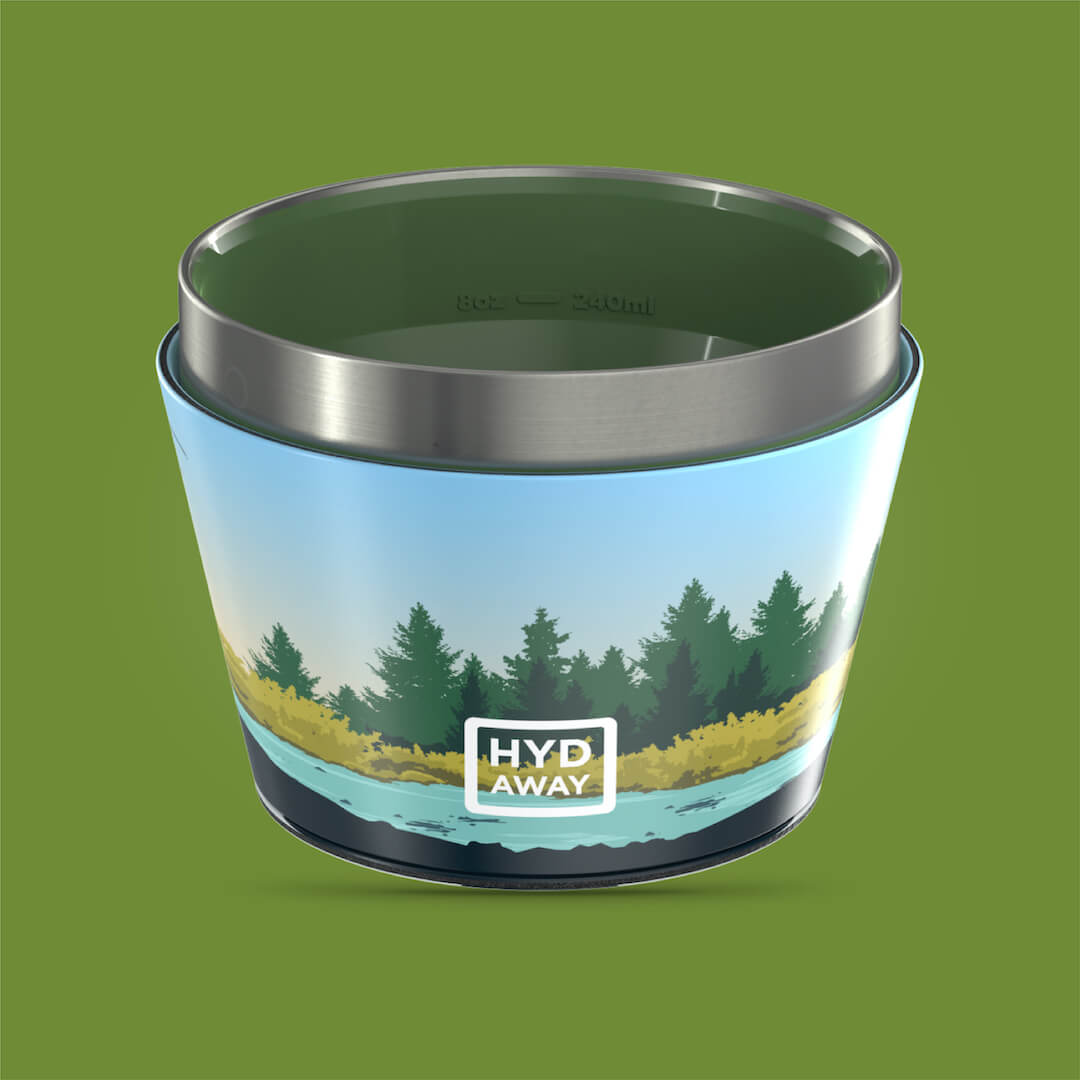
- High-Energy Snacks: You need a mix of fuel. Think quick-energy gels and chews for an immediate boost, plus slower-burning stuff like nuts and protein bars for sustained energy. An insulated HYDAWAY bowl is perfect for keeping trail mix contained and not crushed.
- Compact First-Aid Kit: Blister care, bandages, antiseptic wipes, and any personal meds are a must.
- Navigation Tools: Your phone is a great start, but batteries die. Always have a low-tech backup like a physical map and compass or a dedicated GPS device.
- Sun Protection: Sunscreen, a good hat, and sunglasses. These are non-negotiable, even when it's cloudy.
For a deeper dive into getting your gear dialed in, check out our guide on how to pack a backpack effectively. With these lists in hand, you’re not just buying another piece of gear—you’re gearing up for your next adventure with total confidence.
Got Questions About Your Hydration Pack? We've Got Answers.
Even after you've found the perfect outdoor hydration pack, a few questions always seem to pop up about using and caring for it. Nailing these little details is the key to making sure your gear performs when you need it most and lasts for seasons to come. Let's dig into some of the most common ones.
How Often Should I Clean My Hydration Reservoir?
The short answer? A quick rinse after every single use. Just swish some water around and let it air dry completely. That simple habit prevents most problems before they can even start.
For a deeper clean, especially if you’re putting sports drinks in there, plan on using a cleaning tablet or a mix of baking soda and lemon juice about once a month. This will take care of any potential microbial growth and keep things fresh. Of course, for those no-fuss days, HYDAWAY’s collapsible bottles are top-rack dishwasher safe, making them a ridiculously easy alternative for daily hydration.
Can I Put Sports Drinks in My Hydration Pack?
You absolutely can, but just know what you're getting into. Sugary drinks are basically a perfect breeding ground for bacteria and can leave behind a funky, lingering taste. If you're going to use an electrolyte mix, you have to be religious about cleaning the reservoir and tube as soon as you get home.
Here’s a better strategy: keep your main reservoir for pure water only. Carry a separate, easy-to-clean HYDAWAY collapsible bottle for your sports drinks. This keeps your water supply pristine and makes your post-adventure cleanup way simpler.
How Do I Stop the Tube from Freezing in Winter?
Ah, the classic cold-weather challenge. Your first line of defense is an insulated tube sleeve, which provides a nice thermal barrier. The real pro tip, though, is to blow any leftover water back into the reservoir after each sip. This clears out the tube and bite valve—the two spots that always freeze first.
For your next ski trip to Colorado, try starting the day with lukewarm water, which can delay the freezing process. Tucking the pack close to your body, under your outer jacket, also puts your own body heat to work keeping everything liquid.
Is a Bigger Hydration Pack Always Better?
Nope, not at all. The right pack is all about matching the tool to the job. A huge 3L pack is a lifesaver on a long, hot desert hike, but it's just heavy and awkward for a one-hour trail run. Lugging around unnecessary weight and bulk will just wear you out.
Your best bet is to pick a size that comfortably covers what you'll need, plus a small safety buffer. For ultimate flexibility, try pairing a mid-size pack for big days with a lightweight HYDAWAY bottle that you can toss in for extra capacity or use on its own for shorter trips. A modular system like that means you're ready for anything without being weighed down.
Ready to build a smarter, more flexible hydration system for your adventures? Explore HYDAWAY's collection of ultra-packable bottles, backpacks, and travel gear at https://myhydaway.com and discover how you can carry less and do more.