


How to Minimize Energy Consumption While Traveling in 2026

A dead battery, an empty propane canister, and an overstuffed bag usually come from the same problem. Most travelers think about energy only when they run out of it.
On the road, energy use is a logistics problem. It shows up in obvious ways, like draining a power station too early. It also shows up in quieter ways, like carrying bulky single-use items, reheating food because it went cold fast, or hauling gear that takes up more room and adds weight for no real gain.
The good news is that learning to minimize energy consumption while traveling isn't about making your trip smaller. It usually makes your trip easier. You carry less, waste less fuel, stretch your battery longer, and stop solving preventable problems in camp or at a roadside pullout.
Rethinking Your Energy Footprint on the Road
A lot of road energy waste starts before you touch a switch. You pack backup gadgets, disposable bottles, extra cookware, and food setups that require more heating than you expected. By day two, the van feels cluttered, the battery monitor looks worse than it should, and you're burning fuel just to maintain comfort and routine.
That mindset is changing in bigger energy systems too. The United States saw the economy expand by 2.8 percent in 2024 while primary energy consumption grew only 0.5 percent, showing that it can do more with less energy, as reported by the Alliance to Save Energy factbook findings. Travelers can apply the same idea in a more personal way. Less wasted energy means more range, more flexibility, and fewer annoying resupply decisions.

Direct energy and embedded energy
On the road, I treat energy as two separate categories.
The first is direct energy. That's your propane, gasoline, shore power, solar input, battery storage, and anything else you actively consume while cooking, driving, charging, heating, or cooling.
The second is embedded energy. That's the energy already spent to make, package, ship, and replace the stuff you use once and throw away, or the bulky gear you haul around for a whole trip without needing. Travelers often ignore this category because it doesn't flash red on a battery monitor. It still affects how much you carry, buy, cool, heat, and replace.
Travel efficiency starts when you stop asking, "How do I bring more power?" and start asking, "What keeps me from needing it?"
That shift changes packing decisions fast. A reusable item that folds flat can matter more than a bigger battery if it removes clutter and prevents disposable purchases. A better food container can save more fuel than a fancy stove if it keeps meals hot enough that you don't reheat them.
For travelers trying to build a lower-friction routine, these sustainable travel practices line up with what works in real life. The biggest wins usually come from reducing demand first, then sizing your power and fuel around a lighter, cleaner setup.
Your Pre-Trip Energy Efficiency Audit
Most energy savings happen before the wheels move. A good pre-trip audit is less about spreadsheets and more about removing bad assumptions.
If a setup is awkward at home, it will waste energy on the road. If a route adds unnecessary miles, climbs, or detours, you'll feel it at the pump. If your cooking kit needs three separate items to make one meal, you'll spend the trip feeding equipment instead of yourself.
Audit the route, not just the destination
When I plan a route for efficiency, I look at friction points first.
- Check resupply spacing: Long gaps between groceries, water, propane, or charging can push you into carrying too much "just in case" inventory.
- Look at terrain: Steep grades, stop-and-go town driving, and long backtracks can turn a pretty route into an energy-hungry one.
- Group tasks together: Laundry, groceries, water fill-ups, device charging, and a shower stop are better handled in one town run than spread across multiple detours.
A route that feels relaxed usually uses less energy because it reduces duplicated miles and rushed decisions.
Shake down your gear honestly
The fastest way to minimize energy consumption is to pack fewer single-purpose items. Every extra piece adds weight, volume, and decision fatigue.
Use this quick gear audit before each trip:
| Question | Keep it if... | Leave it if... |
|---|---|---|
| Do you use it daily? | It solves a frequent problem | It only covers a remote scenario |
| Does it do more than one job? | It replaces other items | It needs accessories to be useful |
| Is it compact when not in use? | It stores cleanly in small spaces | It creates dead space in bins or drawers |
| Does it reduce fuel or battery demand? | It cuts reheating, chilling, or charging | It adds another energy draw |
Bulky storage is an energy issue. When cabinets and bags are packed too tight, people buy duplicate items, overpack consumables, and lose track of what they already have.
Field test: Lay out everything you plan to bring, then remove one full category of backups. Most travelers don't need two versions of the same function.
Choose multi-use items from the start
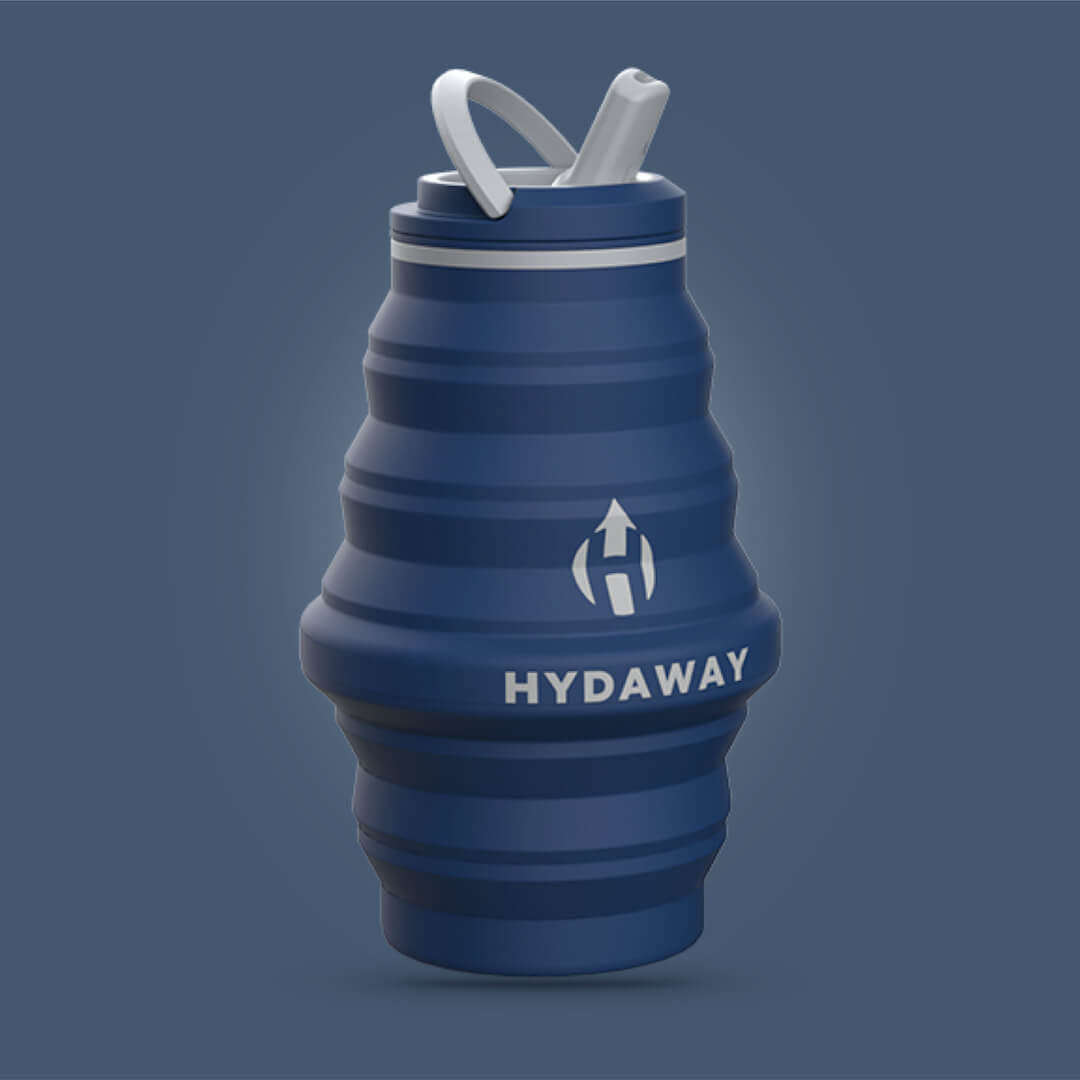
Space-saving gear earns its place through versatility. A collapsible bottle, for example, can serve as your daily water bottle, your drink-mix container, and your packable extra vessel for long transit days, then compress down when empty. That saves room in a backpack, footwell, or galley bin where rigid containers keep demanding space even when they're not doing anything.
The same rule applies to dinnerware. If a bowl can handle hot meals, cold soaking, leftovers, and simple food prep, it replaces a stack of gear. Fewer items means less weight to move and fewer things to wash, dry, and store.
Audit your habits too
The final pre-trip check is personal. Ask yourself where your energy goes.
- Morning routine: Are you heating water every day for something that could be simplified?
- Lunch strategy: Are you planning midday meals that need cooking, cleanup, and fuel?
- Device use: Are you carrying electronics because you use them, or because you own them?
The point isn't austerity. It's to leave with a setup that behaves well when you're tired, low on power, or parked somewhere inconvenient. That's when efficient systems prove themselves.
Choosing Energy-Smart Gear for Travel and Camping
Complicated gear isn't always smart gear. On the road, the best equipment usually does one of three things well. It holds temperature, works without electricity, or packs smaller than its function suggests.
That matters more than novelty. Travelers often overspend on high-tech gadgets while ignoring the gear that cuts daily fuel and battery use.

Insulation beats reheating
One of the most overlooked travel upgrades is insulation in the gear you eat and drink from. If food stays warm longer, you don't light the stove again just because dinner cooled off while you finished a chore or set up camp.
For campers and van-lifers, insulated gear can make a real difference. HYDAWAY's lab tests show their double-wall insulated bowls retain heat significantly longer, which can reduce reheat cycles by 50% and cut stove fuel consumption by up to 40% per meal, according to this reference provided with the supporting EPA-linked source.
That aligns with what works in camp. The fuel you never burn is easier to manage than the fuel you hope to save later.
Consider these practical swaps:
- Insulated bowl over a thin camp bowl: Better for hot meals, leftovers, and slow breakfasts that would otherwise go lukewarm.
- Insulated tumbler over disposable cups: Better when you're moving between driving, walking, and working.
- Lidded containers over open cookware: Better for retaining heat and avoiding unnecessary second boils.
Manual gear deserves more respect
Not every convenience is worth the electrical draw. Some of the best travel tools are still manual.
A hand grinder for coffee removes one more battery task. A manual can opener lasts forever and never needs a charging cable. A basic pour-over setup often beats powering a dedicated coffee appliance when you're trying to stretch a small power station through cloudy days.
Water is another good example. If you're camping somewhere that requires treatment, low-tech purification can reduce your dependence on powered filtration systems. For travelers exploring off-grid options, this guide to a diy 2-stage carbon and heated coil purifier is useful because it focuses on a no-electricity approach.
Good camp gear lowers the number of systems you have to feed.
Reusables cut hidden energy waste
Single-use convenience feels harmless in transit because it seems small. In practice, it creates more purchases, more trash stops, more cooling needs, and more embedded energy.
The better choice is usually a durable reusable item you already have room for. A collapsible bottle or cup helps here because it doesn't fight for space after use. That's a big advantage in vans, daypacks, airport personal items, and family travel kits where rigid drinkware becomes dead volume.
If you're comparing categories of lower-waste travel gear, this roundup of eco-friendly travel products is a solid place to evaluate what earns space and what just sounds virtuous online.
Use a simple gear filter
When I evaluate new travel gear, I use four questions.
-
Does it reduce repeat energy use?
Insulation, shade systems, and efficient lighting usually pass. -
Does it replace something disposable?
Reusables that travel well often do. -
Does it store compactly?
Packability matters because cramped storage encourages bad decisions. -
Can I use it tired, cold, or in the dark?
If gear only works in ideal conditions, it won't stay efficient for long.
A smaller, calmer kit is usually the lower-energy kit. That's true whether you're driving a van, camping out of a hatchback, or carrying everything on your back.
Mastering Your Mobile Power Station
You pull into camp with a full battery, make dinner, charge a laptop, leave a few adapters plugged in, and wake up wondering where the power went. That problem usually starts with load management, not battery size.
A road setup runs better when every watt has a job. The goal is not to build the biggest system you can afford. The goal is to carry less weight, waste less stored power, and avoid hauling gear that creates more charging demand than it solves. That includes the hidden energy cost of bulky accessories and duplicate devices. A lighter kit asks less from your alternator, solar, and fuel budget over time.
Build a simple power budget
The math is simple. Energy Consumption (kWh) = Power (kW) × Time (Hours), as explained in this guide on measuring and managing energy consumption.
On the road, I keep the budget in three practical buckets:
- Background loads: fridge, vent fan, router, trackers, and anything that sips power all day
- Planned loads: laptop charging, camera batteries, meal prep gear, lights
- Spike loads: kettles, blenders, heaters, hair tools, projectors, and anything with a heating element or motor
That third bucket is where portable stations get drained fast. Short bursts still count.
If you're still building your rig, a good van life essentials list for power-conscious setups helps separate gear you will use every day from gear that only adds weight, storage pressure, and charging demand.
Match heavy loads to charging time
Solar users get the best results by doing the expensive tasks while the panels are producing. That means charging laptops, topping up power banks, or running any optional appliance in your best sun window instead of after dark.
This habit matters more than people expect. A 60-watt laptop charged at noon feels cheap if the panels are covering it. The same charge at 9 p.m. comes straight out of storage, alongside lights, fans, and everything else you need before bed.
My rule is simple. Use incoming power first. Save stored power for the hours when you have no other option.
Cut phantom loads and conversion losses
Phantom loads are boring, and they drain batteries anyway. Inverters left on overnight, USB bricks with nothing attached, speakers on standby, and AC adapters parked in a power strip all chip away at your reserve.
Conversion loss is another quiet problem. Every time you run DC battery power through an inverter just to feed a wall charger that turns it back into DC, you lose some efficiency. In a van or camp setup, those small losses add up over days.
A quick shutdown routine fixes a lot:
- Turn off the inverter when you do not need AC
- Unplug idle chargers instead of storing them live
- Charge devices directly from DC ports when possible
- Use town stops well for laptops, tool batteries, and other bigger loads
If you travel with an e-bike, the same battery habits apply. This guide on how to maximize your electric bike's performance is worth reading because the charging and battery-care habits transfer well to any mobile power setup.
Measure patterns, not just percentages
Battery percentage alone does not tell you much. Input and output numbers do.
Watch what happens during the same repeat situations for a few days. That gives you useful patterns you can act on, especially if your setup feels unpredictable.
| Situation | What usually happens | Better move |
|---|---|---|
| Cloudy workday | Laptop use eats into reserves faster than expected | Shift computer work into your best charging hours |
| Evening meal prep | Cooking, lighting, and device charging stack up at once | Prep earlier or remove one electric task |
| Travel day with gear left plugged in | Standby draw chips away for hours | Shut down nonessentials before driving |
The best mobile power stations feel uneventful. They stay that way because the setup is trimmed, the loads are timed well, and the gear list stays disciplined.
Simple Habits That Cut Energy Consumption Daily
Gear helps, but habits decide whether your setup stays efficient. The travelers who consistently minimize energy consumption usually aren't running the fanciest systems. They're repeating a handful of low-drama routines that cut fuel use, battery draw, and disposable purchases day after day.
The biggest habit shift is to stop treating every meal and errand as a separate event. Every time you cook, cool, charge, buy, or wash something in isolation, you spend extra energy.
Batch tasks and batch meals
Cooking once and eating twice is one of the best road habits. Make dinner with enough for tomorrow's lunch. Boil water once for more than one use. Prep snacks before a driving day so you're not stopping for packaged food and cold drinks one item at a time.
No-cook and low-cook meals deserve a regular spot in the rotation too. Overnight oats, couscous, wraps, bean salads, fruit, hard cheese, and simple picnic food can carry a full day without asking much from your stove or battery.

Lunch is the easiest meal to simplify. If you remove one cooked meal from the middle of the day, the rest of your system relaxes with it.
Use passive heating and cooling first
A lot of travel energy disappears into comfort management. People try to solve heat, cold, and food storage with power before they try positioning and timing.
These habits work better than expected:
- Park for shade in hot weather: Keep the cabin and stored food from heating up in the first place.
- Use insulated window covers: They help reduce temperature swings and improve comfort without a constant draw.
- Vent early and late: Move air when the outside temperature helps you, not when it fights you.
- Dry clothes by air when practical: That saves electricity and keeps moisture-producing appliances out of your routine.
Cut disposable consumption on travel days
Embedded energy becomes tangible in our daily choices. Buying bottled drinks, packaged snacks, and one-time utensils doesn't just create trash. It locks you into repeated purchases and extra cooling, transport, and waste handling.
The energy cost of single-use plastics is significant. The provided reference states that plastic production consumes 400 million tons of energy per year, and that for travelers, switching to reusables offers 70 to 90% energy saving over 100 uses, with EU pilots showing a 22% energy drop for families using packable reusables at theme parks, according to this cited travel and energy reference.
That matters for normal travel days, not just sustainability talking points. Families heading into a theme park, hikers on a transit connection, and digital nomads working from public spaces all save hassle when they carry food and drinks in reusable containers instead of rebuilding the day through disposable purchases.
Make the easy choice the default
Daily efficiency comes from setup design. If your reusable bottle is buried, you'll buy a drink. If your lunch kit is annoying to wash, you'll grab packaged food. If your bowl and mug are easy to reach, you'll use them constantly.
A good habit test is simple. Ask whether your setup helps you do the right thing when you're hungry, tired, or in a rush. That's when efficient routines either stick or disappear.
Your Actionable Nomad Energy-Saving Checklist
A good road setup shows its value at the end of a long day. You pull in late, dinner is simple, the battery still has margin, and you do not need an extra store run for water, ice, or throwaway gear you already should have packed. That kind of efficiency usually starts before the trip, with lighter loads, fewer duplicates, and less dependence on consumables that carry their own hidden energy cost in manufacturing, transport, cooling, and disposal.
Use this checklist to tighten your system before departure and keep energy demand low once you're moving.
Before you go
- Trim the route: Cut detours, duplicate errands, and "just in case" drives that add fuel burn without improving the trip.
- Audit your real energy drains: Look at where your power and fuel go, including cooking, refrigeration, charging, cabin comfort, and repeat purchases of drinks or packaged food.
- Pack by use rate: Keep daily-use items accessible. Leave low-use gear out unless it solves a clear problem.
- Question consumables: If an item gets bought, chilled, hauled, and trashed every day, it carries more energy cost than it seems.
Gear and packing
- Choose insulation first: A container that keeps food hot or cold can reduce reheating, ice dependence, and extra food stops.
- Carry fewer, better items: One bottle, one bowl, one mug, and one food kit that get used constantly beat a bin full of single-purpose pieces.
- Cut dead space: Collapsible gear earns its keep because it lowers bulk when not in use, which makes small rigs easier to organize and helps keep total load under control.
- Use manual tools where they work well: Hand grinders, manual brewers, simple prep tools, and gravity-fed water setups can save battery for work and lighting.
- Avoid duplicate "backup" gear: Extra versions of the same item add weight fast, and every extra pound asks more from the vehicle over a long route.
Small reductions in load and repeat power use add up fast on the road. Less weight, fewer disposables, and fewer reheats usually mean fewer fuel stops and more flexibility.
Daily habits on the road
- Cook once, eat twice: Batch meals while the stove is already running.
- Charge during natural input windows: Run optional power tasks when solar is strongest or while you're already driving.
- Kill idle draws: Turn off chargers, inverters, hotspots, and devices that stay on out of habit.
- Use passive comfort first: Park for shade, create cross-ventilation, and shift activity to cooler hours before turning on powered cooling.
- Keep reusables within reach: A bottle in the door pocket gets used. A bowl buried under clothes does not.
- Refill before you run low: Top off water and staples when it fits your route, not during an urgent extra trip.
The bigger reason this matters
Efficiency on the road is not only about battery math. It also cuts waste upstream by reducing how much stuff needs to be produced, shipped, refrigerated, and replaced. The NRDC's overview of energy efficiency points to broad public health and pollution benefits from using less energy overall, which is the more reliable takeaway from its clean energy efficiency overview.
That is why minimalist travel systems work so well in practice. Carry less. Buy fewer single-use items. Build around reusables you will use. Keep weight and clutter down so the whole rig asks less from your fuel tank and power station.
HYDAWAY makes that approach easier with collapsible bottles, insulated bowls, packable drinkware, and compact everyday gear that helps you carry less and rely less on single-use extras. If you want reusable equipment that fits small spaces and supports a lighter travel routine, explore HYDAWAY.