


Long Distance Hiking: The Complete 2026 Guide

You're standing at the trailhead with a pack that suddenly feels twice as heavy as it did in the parking lot. The map says the route is doable, your legs say maybe, and your brain is already asking the embarrassing question every first-time long distance hiker asks, how do people keep doing this for days or weeks without becoming a walking pile of sore feet and questionable decisions?
Long distance hiking looks mysterious from the outside, but it's mostly a chain of practical choices made well. The trick is learning which choices matter most, then repeating them when you're tired, hungry, and slightly annoyed at a hill that seems personally hostile.
What Long Distance Hiking Really Means
The first time a hiker stands under a wooden trail sign and reads a route length that sounds absurd, the whole thing can feel like a dare. Then the backpack digs into one shoulder, the water bottle clanks, and the brain starts negotiating with reality. Long distance hiking is a multi-day trek that pushes past a single overnight, usually stretching into routes of at least 50 miles and often much more.
There are two main flavors. Thru-hiking means covering an entire trail in one continuous journey, while section hiking means finishing the same trail in pieces over time. One person spends a season on the trail, another returns each year and keeps ticking off segments, and both are doing the same sport in different ways.
The scale of the activity has changed a lot over time. Appalachian Trail thru-hiking completions went from 9 finishers in 1972 to 200 in 2010, then to just under 1,200 in 2018 source. That's a huge shift from fringe endurance obsession to something far more established, and it reflects better gear, better information, and a stronger hiking culture.

Practical rule: long distance hiking is less about proving toughness and more about managing sleep, food, water, feet, and time without dropping the ball.
That matters because this guide is meant to be usable, not inspirational wallpaper. You'll get route planning, training, fueling, safety, resupply, and gear systems that help a normal person build a serious trip without needing superhero lungs or a mystic trail vision quest.
Choosing a Route and Planning Your Days
A good route choice starts with honesty, not ambition. If a trail looks beautiful but has endless climbing, sparse water, and long town gaps, it may be the wrong first trip even if everyone on the internet calls it iconic. The best route is the one that fits your season, fitness, and available time, not the one that makes the best bragging rights photo.
How to estimate a realistic day
Naismith's rule gives you a simple planning baseline. Allow about 1 hour for every 3 miles of forward travel, plus 1 extra hour for every 2,000 feet of ascent source. Some hiking calculators also add a small safety buffer of about 5 to 10 minutes of break time per hour, which is useful because tired hikers underestimate how often they stop to filter water, eat, or stare at a steep hill in silence.
This rule works because elevation changes pace more than many beginners expect. Ten flat miles and ten mountain miles are not the same day, and pretending they are is how people end up hiking the last hour in headlamp mode with dinner still in their pack.
The U.S. Bureau of Labor Statistics exercise data also reminds us that most hikers are not full-time adventurers. Among people ages 15 and older who did sports or exercise on a given day from 2009 to 2015, hikers were 56% men and 44% women, the median age was 42.4, and hikers spent about 2.0 hours on weekdays versus 2.7 hours on weekend days source. Long distance hiking has to fit real calendars.
A simple way to choose your route
| Trail | Approximate Length | Typical Window | Difficulty |
|---|---|---|---|
| Appalachian Trail | Very long, through-hike scale | Spring to fall depending on section | Strenuous |
| Pacific Crest Trail | Very long, through-hike scale | Seasonal, with snow and desert timing | Strenuous |
| John Muir Trail | Long multi-week route | Summer into early fall | Strenuous |
| Section hike on a regional trail | Flexible by segment | Weekend to multi-week windows | Adjustable |
For a first route, start with three filters. Direction matters because weather and seasonal snow can make one direction much easier than the other. Season matters because heat, mud, snow, and bug pressure can turn a pretty route into a miserable one. Bail-out points matter because a smart exit option turns a bad day into a manageable detour instead of a crisis.
Start with a trail you can quit cleanly if you need to. That's not weakness, that's logistics.
Training Your Body for the Long Haul
Training for long distance hiking works best when it looks boring. The goal is not to crush one heroic hike and declare victory. The goal is to teach your feet, knees, hips, back, and lungs to tolerate repeated days of forward movement while carrying a pack that won't stop being a pack just because you're tired.
One useful finding from an Appalachian Trail long-distance hiker survey is that stabilizing gear such as running shoes, trail shoes, hiking boots, and trekking poles or hiking sticks was associated with less injury source. That's a good reminder that conditioning is not just cardio. It also includes how you support your joints while you move.
A 12-week build that won't wreck your knees
For the first month, focus on regular walking and easy hills. Add a loaded weekend hike once a week, then make one of your weekly walks a little longer. After that, bring in stairs, steep inclines, and short back-to-back days so your legs learn what it feels like to wake up and do it again.
By month four, practice with the exact gear you plan to use, especially poles. Trekking poles can feel awkward for the first two outings, then suddenly they're the thing saving your knees on a descent. If your hips are already cranky, a mobility resource like Aspen Falls Wellness hip care can help you think about how joint range and hiking posture fit together.
A second medical finding makes the pack-weight lesson hard to ignore. Research on John Muir Trail hikers found that weight loss was prevalent, most hikers had medical complaints, and few sought medical attention, while heavier packs and higher BMI were associated with worse outcomes source. That doesn't mean you need to become a performance athlete. It means your body notices every pound you ask it to carry.
Daily habits that prevent the dumb injuries
- Check your feet every night. Catch hot spots before they become open blisters.
- Stretch what gets tight. Calves, hips, and hamstrings usually complain first.
- Respond to early pain. A small ache is information, not a moral failure.
- Adjust your load. If something keeps hurting, your pack, footwear, or pace may need to change.

Fueling and Hydration That Actually Works
Food and water are not side quests on a long trail. They're the engine. A Pacific Crest Trail case study of a 112-day hike found that extreme daily physical activity combined with a poor diet led to reduced flow-mediated dilation, increased pulse wave velocity, and unfavorable changes in body composition source. In plain English, mileage alone does not rescue bad fueling.
Why your body needs steady input
The fix is less glamorous than people hope. Eat calorie-dense real foods, snack before you feel desperate, and keep your meals simple enough that you'll prepare them when you're tired. A strong trail day usually comes from consistent intake, not from one heroic dinner after starving yourself until camp.
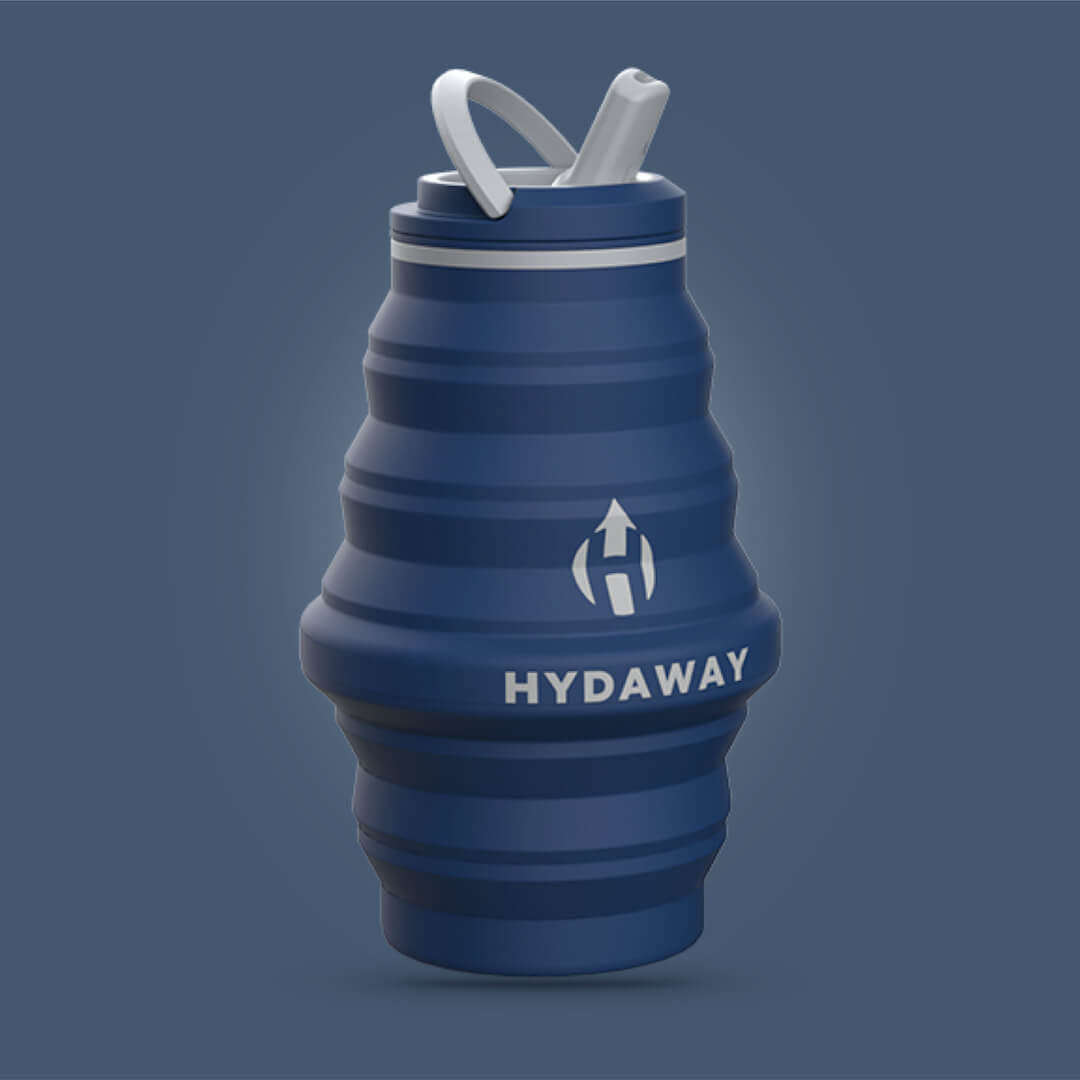
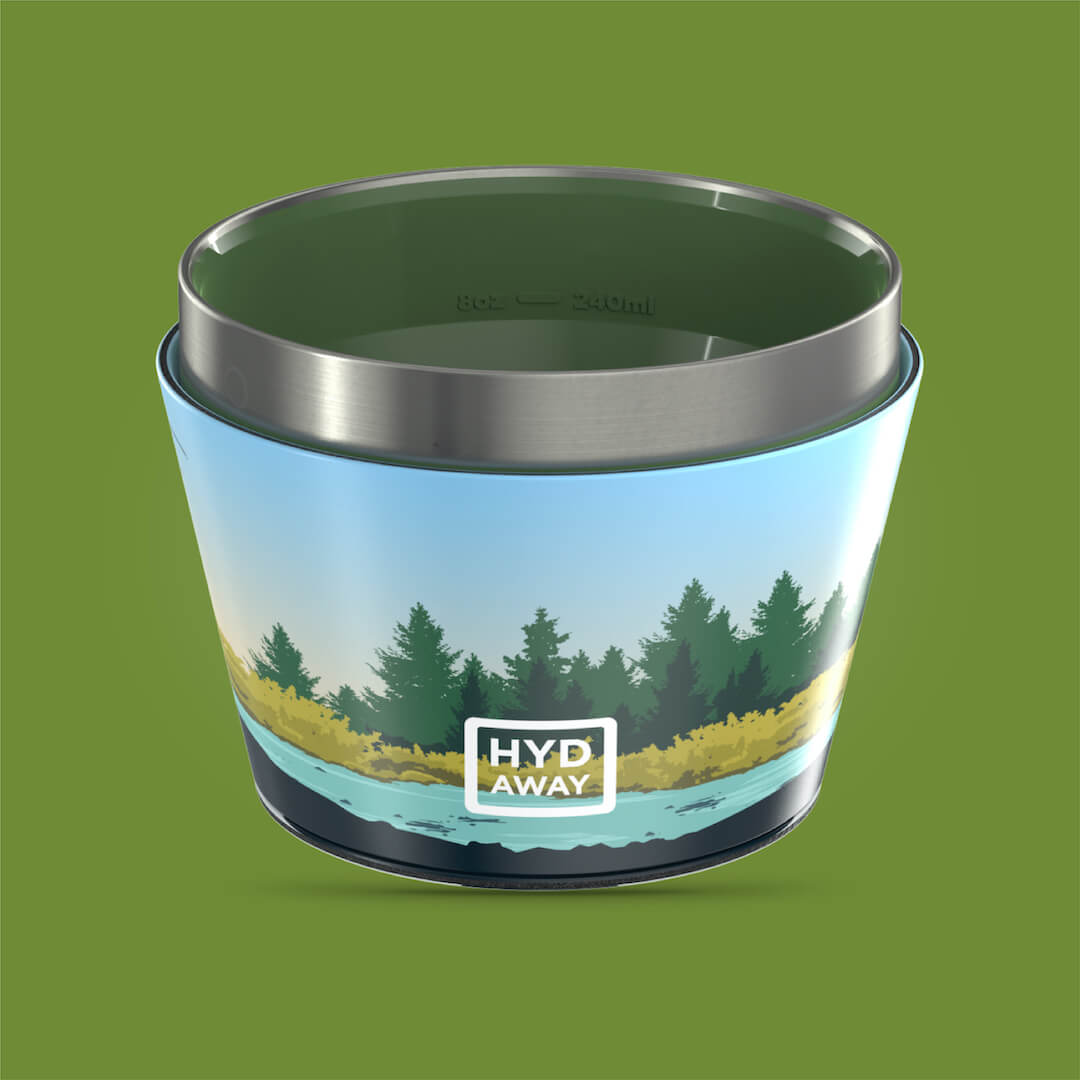
That's where portable gear matters. HYDAWAY's collapsible 17 oz and 25 oz bottles, insulated tumblers, and insulated bowls with spill-proof lids fit the trail logic here because they let you carry reusable hydration and hot food containers without stuffing your pack with rigid bulk. On a long route, the advantage is less clutter and fewer excuses to skip drinking or eating because the system is annoying.
For practical trail meal ideas and fueling habits, this food-for-hikes guide is a useful companion when you're building your own menu.
Water weight adds up fast
Water weighs about 2.2 pounds per liter source. That's why carrying more than you need can turn a pleasant climb into a slow grumble. If the next reliable source is close, carry less. If the stretch is dry, carry enough to be safe, then resupply when you can.
Field rule: carry water for the next gap, not for your worst-case imagination.
That also applies to food. The rookie mistake is packing a whole week's worth of calories on day one because the town store looked uncertain. Your pack already knows how to punish overconfidence, and it doesn't need extra help.
Taste fatigue is real, so rotate flavors and textures. Salty snacks, soft foods, and something sweet at day's end keep your brain from declaring mutiny. In town, top off calories in small batches instead of treating the next resupply like a pantry raid.
Ultralight Packing and the HYDAWAY System
Ultralight packing gets oversold as a personality trait, but it's really just a weight problem. You're trying to remove the stuff that does nothing useful after the first mile. Redundant items, bulky containers, and overbuilt shelter systems usually cause more fatigue over time than one dramatic heavy object ever could.
A realistic long distance kit starts with a simple base-weight mindset. Your sleep system, shelter, clothing, water storage, cooking gear, and safety items all need to earn their place. If an item doesn't protect you, feed you, keep you warm, or help you find your way, it probably belongs in the “nice at home” pile.
The three common weight traps
Redundant items are the first trap. Two knives, three towels, or extra clothes “just in case” all feel harmless until you're carrying them up a hill at the end of a long day.
Heavy water and food containers are the second trap. Rigid bottles and oversized bowls take up space even when empty, which is a special kind of annoyance when your pack is already full.
Overbuilt shelter systems are the third. A bombproof setup can be useful in bad weather, but carrying a bunker for every trip is how people steadily train their backs to hate them.
That's why collapsible gear has a real role in a hiking kit. HYDAWAY's bottles flatten when empty, and the insulated tumblers and bowls with spill-proof lids fit the “use it, clean it, pack it” rhythm that long routes demand. The same logic also makes sense for van-lifers, commuters, and families who want reusable gear that disappears when it's not needed.
For a broader gear-selection framework, this ultralight camping gear list is a useful reference point.
A simple packing checklist by trip length
- Weekend section hike: shelter, sleep kit, rain layer, one cook system, water treatment, map, first aid, one spare sock pair.
- One-week route: add town-resupply storage, extra calories, sun protection, and a more deliberate hygiene kit.
- Longer through-hike: trim duplicates, favor collapsible containers, and test every item in advance.
Navigation, Safety, and Staying Healthy on Trail
A long trail can turn small mistakes into big hassles, so the safest setup starts with layers. Paper maps and a compass belong in the baseline kit, GPS phone apps are the convenience layer, and a personal locator beacon or satellite messenger gives you an emergency net when things go sideways. If you want a simple navigation reminder for the car you leave behind, a compass decal for trucks and Jeeps fits the same keep-your-bearings mindset.
Water and hygiene deserve the same care. A wilderness hiking medical review found that diarrhea is the most common illness limiting long-distance hikers and recommended routinely purifying water and avoiding untreated surface water source. The same review also said gastrointestinal illness risk can be reduced through personal hygiene and cleaning cookware.
The safety routine that actually holds up
Treat water before you drink it, clean your utensils after meals, and do not assume a clear stream is safe just because it looks clean. On trail, the “it seems fine” decision is usually the one that comes back later with a headache, a rumbling stomach, or both.
A reliable approach is to filter with a Sawyer Squeeze or another trusted filter, then boil water for at least one minute if you need an extra margin of safety or your route calls for it. For hikers comparing bottle and filtration setups, this guide to filtered water bottles for hiking is a useful place to sort through options that are easier to carry and keep clean.
HYDAWAY's dishwasher-safe, BPA- and phthalate-free collapsible dinnerware fits that routine because easy-to-clean gear is more likely to get cleaned. When water is scarce, gear that helps you keep a proper wash routine does real work, especially for long days when a sticky bowl can feel like a personal attack on your patience.
Weather, wildlife, and solo travel still deserve respect, but they do not require panic. Check conditions before you leave, tell someone your route and expected return, and agree on a check-in schedule before you step onto the trail. A short message at camp is enough to let people know you are where you said you would be.

Resupply Logistics and Mental Health Across the Trail
Resupply is half food planning and half humility. If you're hiking through towns, buy what the store has, not what your spreadsheet wished it had. If you're using boxes, send them to places that match your pace, and don't build a plan so tight that one slow day turns into a logistics disaster.
A practical way to think about it is calories per mile. Faster hikers and steeper routes burn through food more quickly, but the useful habit is not obsessing over a perfect number. It's making sure every stop gives you enough energy to reach the next one without running on fumes.
Keep the trip moving without losing yourself
The mental side matters just as much. A recent research review notes that long-distance walking is associated with better mental health, especially lower distress, but it also points out that isolation, fatigue, and uncertainty can magnify rumination, loneliness, and post-trail adjustment issues source. That means the trail can be therapeutic and destabilizing at the same time.
Useful habit: schedule check-ins before you leave, not when you're already spiraling.
Concrete support beats vague positivity. Set regular calls with a partner or friend, write an exit plan for bad days, keep telehealth access available if you have it, and think through how work, relationships, and sleep will feel when trail life ends. The finish line can be emotional whiplash if you never planned for the return to normal life.
A calm routine helps more than people think. Repeating the same call time, the same journal prompt, or the same small camp ritual gives the day some structure when everything else feels fluid. That structure belongs in your pack mentally, right next to the stove and map.
Sample Itineraries, Packing List, and Final Trail Wisdom
If you want something that looks less like inspiration and more like a plan, start with a short section hike. A 7-day section hike works well on a well-marked trail where you can keep daily mileage around 10 to 12 miles, build in bail-out points, and choose moderate elevation gain so you can practice trail rhythm without getting crushed. You should expect to resupply once, or at least top off snacks and fuel in a town stop.
A 30-day thru-hike window asks for a different mindset. Pick a route with clear resupply points, factor in zero days, and research town stops before you leave so you're not inventing your nutrition plan after three nights of bad sleep. If the terrain is steep, keep your daily mileage honest and leave margin for weather, soreness, and the inevitable day when your socks betray you.

A packing list you can actually use
- Shelter: tent, tarp, or hut plan.
- Sleep: pad, bag, and dry sleep clothes.
- Clothing: rain layer, insulation, one hiking set, one backup pair of socks.
- Cooking: stove, fuel, spoon, and a simple pot or bowl.
- Water: treatment method, plus collapsible hydration and dinnerware if you want to save space.
- Safety: map, compass, phone, battery backup, and emergency communicator if needed.
HYDAWAY fits the hydration and dinnerware layer cleanly here, especially if you want gear that folds flat when empty and still handles real meals. That matters on the trail, in a campervan, or even on a long travel day when you don't want a pile of rigid containers taking over your bag.
Mistakes worth avoiding
- Skipping break-in hikes and discovering your shoes hate you on day three.
- Ignoring early pain until a small issue becomes a trip-ender.
- Carrying too much food on day one because fear is not a packing strategy.
- Overplanning every mile and forgetting that weather, fatigue, and real life exist.
Long distance hiking gets easier when you stop treating it like one giant test. It's a stack of small decisions, made well, repeated for days, and adjusted before they turn into problems. If you can keep that rhythm, you're already farther along than the rookie version of you standing at the trail sign with a pack full of doubts.
If you're building your own trail system and want gear that folds down, cleans easily, and stays useful beyond the hike, take a look at HYDAWAY. Their collapsible bottles, drinkware, and dinnerware are made for people who want to carry less without giving up function.