

Festival Reusable Cups: Your 2026 Ultimate Guide

You're probably in one of two places right now. You're packing for a festival and trying to decide whether bringing your own cup is smart, annoying, or both. Or you're helping run an event and realizing that cups aren't a side detail. They shape bar speed, waste volume, cleanup, and what people remember when the lights come up.
The appeal is obvious. Live sets, dusty sunsets, friends squeezing through the crowd, that first cold drink after standing in the sun. Then you look down near the bins and see the less photogenic part of festival culture. Stacks of abandoned plastic, sticky walkways, and crews hauling out bag after bag of stuff that was used for minutes.
Festival reusable cups fix a real problem, but only when the setup matches how people move through an event. Sometimes the right answer is joining the venue's deposit scheme. Sometimes bringing your own collapsible cup makes sense. Sometimes, if you only go to a couple of events a year, your own cup isn't the greener choice at all.
The Festival Vibe vs The Plastic Mountain
At a good festival, the cup in your hand feels invisible. You grab a drink, pass it to a friend, dance, refill water, head back to the bar, and keep moving. At a poorly planned event, cups become part of the mess. They pile up beside food stalls, blow across campsites, and turn every cleanup run into a scavenger hunt through half-finished drinks.
That disconnect is what pushes so many people toward festival reusable cups. The atmosphere is about freedom and fun, but single-use habits leave a footprint that's hard to ignore once you've noticed it. Rules are tightening too, and if you want a clear overview of how single-use bans are shaping drink service, Allied Drinks Systems on plastic regulations is a useful practical read.
There are really two paths on the ground. One is the venue-run model, where you pay a deposit, use the cup, and return or exchange it. The other is the personal-cup route, which gives you more control if you hate carrying bulky extras and want to avoid grabbing a fresh vessel every time. Both can work. Both also have failure points.
Practical rule: The greener option isn't the one that sounds best online. It's the one you'll actually use consistently from first drink to final encore.
A lot of festival-goers already care about cutting waste in daily life, so the jump to reusable drinkware feels natural. If you're trying to build that habit outside event season too, HYDAWAY's guide on how to reduce single-use plastic fits well with the same mindset.
The important part is honesty. Venue systems solve waste at scale. Personal cups solve convenience for some people, especially travelers, van-lifers, and anyone who hates carrying awkward gear. The trick is knowing where each one works, and where it doesn't.
Choosing Your Perfect Festival Companion Cup
Not every reusable cup is good at festival life. Some are great at the office and annoying in a crowd. Some feel light in your hand but don't survive rough packing. Some look sleek on a product page and become dead weight after two hours on site.
The right choice depends on how you festival. Day-trip city event. Multi-day camping weekender. Hot-weather dance field. Chilled evening concert with slower drink turnover. Those are different environments, and your cup should match them.

Compare the three most useful materials
| Cup type | What it does well | Where it struggles | Best fit |
|---|---|---|---|
| Stainless steel | Handles repeated use, keeps drinks hot or cold longer, feels sturdy | Heavier in a daypack, not every venue allows it | Long event days, travel, mixed weather |
| Silicone | Folds down small, light to carry, easy to stash | Less insulation, can feel less rigid when crowded | Minimalist packing, pocket carry, active movement |
| Durable plastic | Familiar feel, shatter-resistant, works well for many drinks | Doesn't retain temperature well, often bulkier than collapsible options | Simple local events, backup cup, easy sharing |
Lifecycle matters too, not just convenience. Happy Cups notes that reusable plastic cups show environmental benefits after just 3 uses and can withstand over 75 uses, and that a stainless steel cup used 300 times creates 166 times less carbon pollution than 300 single-use plastic cups.
That's why the “best” material isn't universal. Stainless steel wins on durability and long-run impact when you'll use it again and again. Silicone wins on portability. Durable plastic often wins on cost and ease.
Match the cup to your festival style
If you travel light, bulk matters more than almost anything. A rigid pint cup can be fine if you're driving in with a big tote. It's much less appealing when you're flying with one personal item or trying to keep your daypack small enough to pass security checks. That's where collapsible designs earn their place.
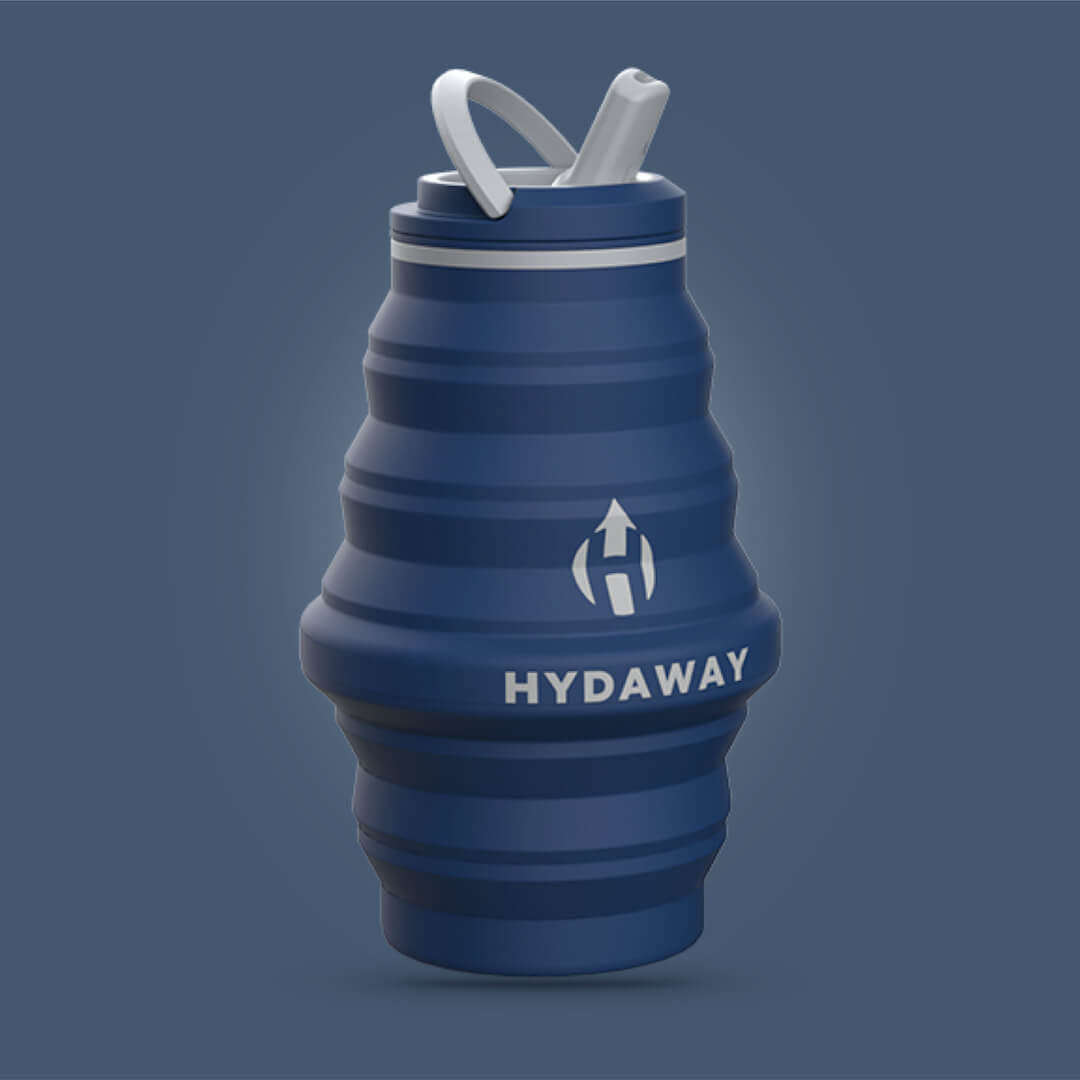
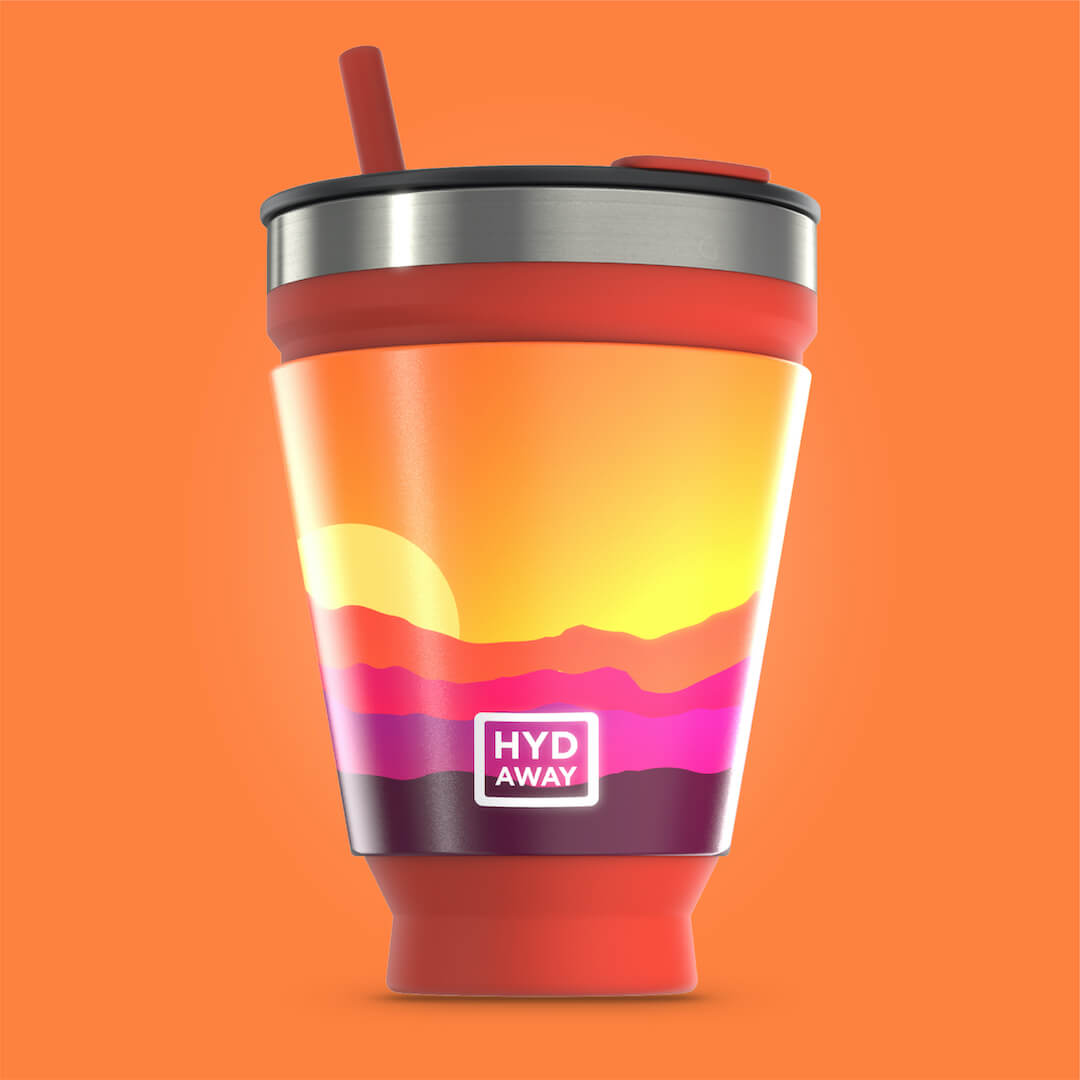
HYDAWAY's 16oz Collapsible Pint fits this specific use case because it folds flat for packing and gives you a real drink vessel once you're inside. If you want a better sense of how that kind of setup works in everyday carry, this collapsible travel cup guide is relevant.
A few practical matches:
- For all-day heat: Choose an insulated option if cold drinks matter more than pack size.
- For minimalist travel: A collapsible silicone cup is easier to live with than a hard-sided tumbler.
- For rough handling: Durable plastic and stainless steel usually tolerate bag drops and campsite chaos better than delicate drinkware.
- For mixed use beyond festivals: Pick the cup you'll also use on trains, in coworking spaces, on hikes, or at airports. Reuse only counts if it keeps showing up in your life.
A cup that lives in your bag all summer will do more good than a “sustainable” one that stays in a drawer.
Even event style can influence your choice. If you're headed to a more polished food-and-drink gathering, glassware shape and serving rituals may matter more than in a muddy field. For a sense of how drink presentation changes by occasion, this champagne coupe guide for Cape Town events is a nice reminder that the vessel always affects the experience.
What usually doesn't work
The awkward middle ground is the cup that's neither compact nor especially durable. It takes up space, doesn't insulate well, and becomes one more object you resent carrying. The other bad pick is buying a personal cup for a single event with no plan to use it again. That's not a materials problem. It's a behavior problem.
Choose the cup you'll keep using when festival season ends. That's the whole point.
Navigating Festival Rules and Deposit Systems
Festival cup policies are usually simple once you're standing at the bar, but they can feel vague when you're packing at home. The easiest way to avoid surprises is to assume the event has one of two systems. Either they issue their own reusable cup at point of sale, or they allow limited use of personal cups under specific conditions.

How the deposit model works in practice
The most effective systems are straightforward. You pay a small deposit on the first drink, keep the cup, then exchange it for a clean one or return it later for the deposit back. According to Vision: Sustainable Events, most successful festival deposit schemes use a £1–£2 deposit, which drives return rates as high as 95-97%. The same guide notes that immediate post-event collection and washing within 24 hours is key if organizers want those cups to keep circulating effectively.
For attendees, the lesson is simple. Return the cup. Don't ditch it under a bench when you're rushing to catch the final set.
What to check before you bring your own
Some festivals welcome personal cups. Others won't fill them at all. Many sit in the middle and allow them only if the cup is visibly clean and easy for staff to handle.
Run through this checklist before you leave:
- Read the event FAQ: Look for wording around reusable drinkware, prohibited materials, and whether outside containers are accepted.
- Check size and shape: Bars move fast. A wide, easy-to-fill cup is more likely to be accepted than something narrow, deep, or awkward.
- Arrive with it clean and dry: Staff are much more likely to say yes when the cup doesn't raise hygiene questions.
- Pack it where you can reach it quickly: If you have to unpack half your bag in the queue, you'll hold up service and annoy everyone behind you.
Pack for speed, not just ideals
The best personal-cup setup is the one that disappears into your routine. Slide a collapsible cup into the outer sleeve of your daypack, a jacket pocket, or a small pouch with your sunscreen and power bank. Keep it separate from dusty gear and snack wrappers.
If your cup folds down, collapse it only when it's dry. If it's still wet, give it a minute in open air before putting it away. That small step prevents the gross, sealed-up smell that turns people back to disposables.
Fast bars reward simple gear. If your cup takes two hands, a balancing act, and a mini explanation, it's too fussy for the field.
The On-Site Guide to Cup Cleaning and Hygiene
Most personal-cup advice falls apart when practicalities emerge. Bringing your own cup sounds easy until you've finished your first drink, there's no sink in sight, and your only options seem to be “reuse it as-is” or give up and join the cup queue.
That friction is real. The attendee side of festival reusable cups doesn't get enough practical attention, even though hygiene is often the deciding factor.

Why personal cup hygiene feels harder
A venue-run system works because the organizer has enough stock in circulation to keep service moving while used cups are collected and cleaned. The personal-cup user has the opposite situation. As one identified gap in the discussion points out, venues may plan for up to 7 cups per person per day in their systems, while an individual with a single personal cup faces a zero-wash scenario. That's why the hygiene vs. convenience trade-off is such a major barrier for attendees, as summarized in this festival discussion and analysis.
The fix isn't perfection. It's having a realistic field-cleaning routine.
A cleaning routine you can actually use
Here's the version that works best in real conditions:
- After beer, soda, or mixed drinks: Rinse as soon as you can at a water refill point. A fast rinse prevents sticky buildup.
- For a better clean between rounds: Add a little water, a drop of travel soap if you carry it, close or cover the cup, shake, dump, then rinse again.
- Before collapsing the cup: Dry it with a clean bandana, napkin, or let it air for a moment. Don't trap moisture.
- If the cup sat dirty too long: Don't force it. Either wash it properly back at camp or switch to the venue system for the rest of the day.
A smooth, non-porous silicone cup is usually easier to wipe out than one with hard-to-reach seams. If you want a packable cleaning backup for longer trips, HYDAWAY's bottle cleaning tablets are more relevant for deeper cleans before and after the event than for the bar line itself.
Smart storage matters as much as washing
A clean cup can get filthy fast if you toss it loose into a bag with grit, receipts, lip balm, and whatever leaked from lunch. Keep the inside protected.
Three storage habits make a big difference:
- Clip it externally when dry: A carabiner keeps the cup accessible and away from the mystery crumbs at the bottom of your bag.
- Use a small case or pouch: This works especially well for collapsible cups that flatten down.
- Separate clean from dirty: If you can't wash it yet, give it its own pocket until you can.
Later in the day, a quick visual guide helps more than another paragraph of theory:
When not to use your own cup
Personal cups work best for water, simple drinks, and people who are willing to manage them. They work poorly when you're bouncing between stages, sharing rounds for a group, or ordering drinks that leave heavy residue and smell if they sit.
That isn't failure. It's good judgment. A reusable habit that fits the day is much better than a rigid one you abandon by sunset.
A Look Behind the Bar for Event Organizers
Attendees mostly experience the cup as a quick transaction. Organizers deal with the machinery behind it. Inventory. Collection. Wash flow. Storage. Staff training. Loss. Return behavior. If any one of those pieces slips, the whole system starts to feel clumsy.
The strongest reusable cup programs aren't built around good intentions. They're built around throughput.

Start with cup volume, not branding
The first operational question is quantity. Upstream Solutions gives a useful benchmark: for fast events like festivals, organizers need a minimum of 7 reusable cups per visitor per day if washing is off-site, but only 4 with on-site washing. The same guidance says planners should add a 10-15% margin for loss and damage, especially because the industry average loss rate is 13.92%, with 8.18% damaged and 5.74% lost.
That's the kind of number that changes purchasing decisions fast. If your team under-orders, bars stall. If your team ignores loss, the system looks fine on paper and fails in real circulation.
The operational pillars that actually matter
A workable system usually rests on five things:
- Inventory planning: Match stock to service speed, not just ticket count.
- Return design: Put collection points where people naturally exit or pause.
- Washing flow: Decide early whether on-site washing is realistic for your venue.
- Staff ownership: Someone needs clear responsibility for cup logistics during the event.
- Loss prevention: Build recovery into signage, bar scripts, and exit routes.
A related benchmark from Original Cupkeeper's planning guide is worth noting too. Organizers are advised to add one extra logistics staff member for every 3,000 visitors and use a deposit of at least €1.00 to support reliable cup returns.
The bar team can't fix a broken cup system on the fly. They can only feel the pain of one.
Rent, buy, or sell branded cups
This decision is less about sustainability slogans and more about event pattern.
| Model | Works well when | Watch out for |
|---|---|---|
| Renting | You want cleaning and logistics support built in | Less control over long-term stock |
| Buying house stock | The event repeats and storage is manageable | Upfront planning gets more demanding |
| Selling branded cups | Souvenir value is part of the experience | People keep them, which can reduce recovery |
For organizers still sourcing the broader event setup, it helps to view cups as one item in a larger operations ecosystem. Resources that cover wholesale festival supplies can help teams think through adjacent needs like service ware, packing, and event consumables.
What good recovery looks like
High recovery doesn't happen because attendees suddenly become perfect recyclers. It happens because the system makes the right action obvious and quick. Clear signage at bars. Staff repeating the same short script. Visible return stations near exits. No confusion about whether the cup is swapped, refunded, or kept.
If you're running a city-linked or multi-venue event, logistics discipline matters even more. The cup program isn't just a sustainability feature. It's part of crowd flow and bar economics.
Your Impact One Sip at a Time
The honest answer to “Are festival reusable cups worth it?” is yes, but not in exactly the same way for everyone.
For organizers, the payoff comes from designing a system that people can use without thinking. Fast returns, realistic stock levels, and enough handling capacity behind the scenes. For attendees, the payoff comes from matching the method to your behavior. If you'll happily return a deposit cup every time, the venue system can be excellent. If you travel constantly and carry the same cup across flights, campgrounds, coworking spaces, and festivals, a personal cup can make a lot of sense too.
The tricky part is the sustainability math that people often skip. Envirotec explains that a personal collapsible cup must be used approximately 20–50 times to offset its manufacturing footprint compared to single-use plastic. It also notes that for people who attend only 1-2 events per year, a venue's high-turnover deposit scheme might be the more sustainable option.
That's not bad news. It's useful news.
If you're an infrequent attendee, use the deposit system well. Return the cup. Don't treat it like a disposable with extra steps. If you're the kind of person who lives out of a backpack, keeps a day kit ready, and already uses packable gear all year, then a collapsible cup can earn its place through repetition.
Sustainable festival habits don't need to be performative. They need to be repeatable.
That's the culture shift that matters. Less trash underfoot. Fewer abandoned cups at sunrise. Better systems from organizers, smarter habits from attendees, and gear choices that fit real life instead of just sounding responsible online. One sip won't change a festival. Thousands of small, repeated choices will.
If you want a reusable cup that fits festival days, travel days, and everyday carry without taking over your bag, take a look at HYDAWAY. Their collapsible drinkware is built for people who want practical packability, not another bulky item to haul around.