


Your Ultimate Guide to Building a Camping Kitchen Kit

A well-built camping kitchen kit is the difference between savoring a hot, delicious meal under the stars and settling for another cold can of beans. I've learned over the years that the best kits are versatile, efficient, and packed smart—not just jammed full of gear. It’s all about creating a core system you can adapt for any trip, from a big family basecamp to a solo backpacking adventure.
Rethink Your Outdoor Cooking System
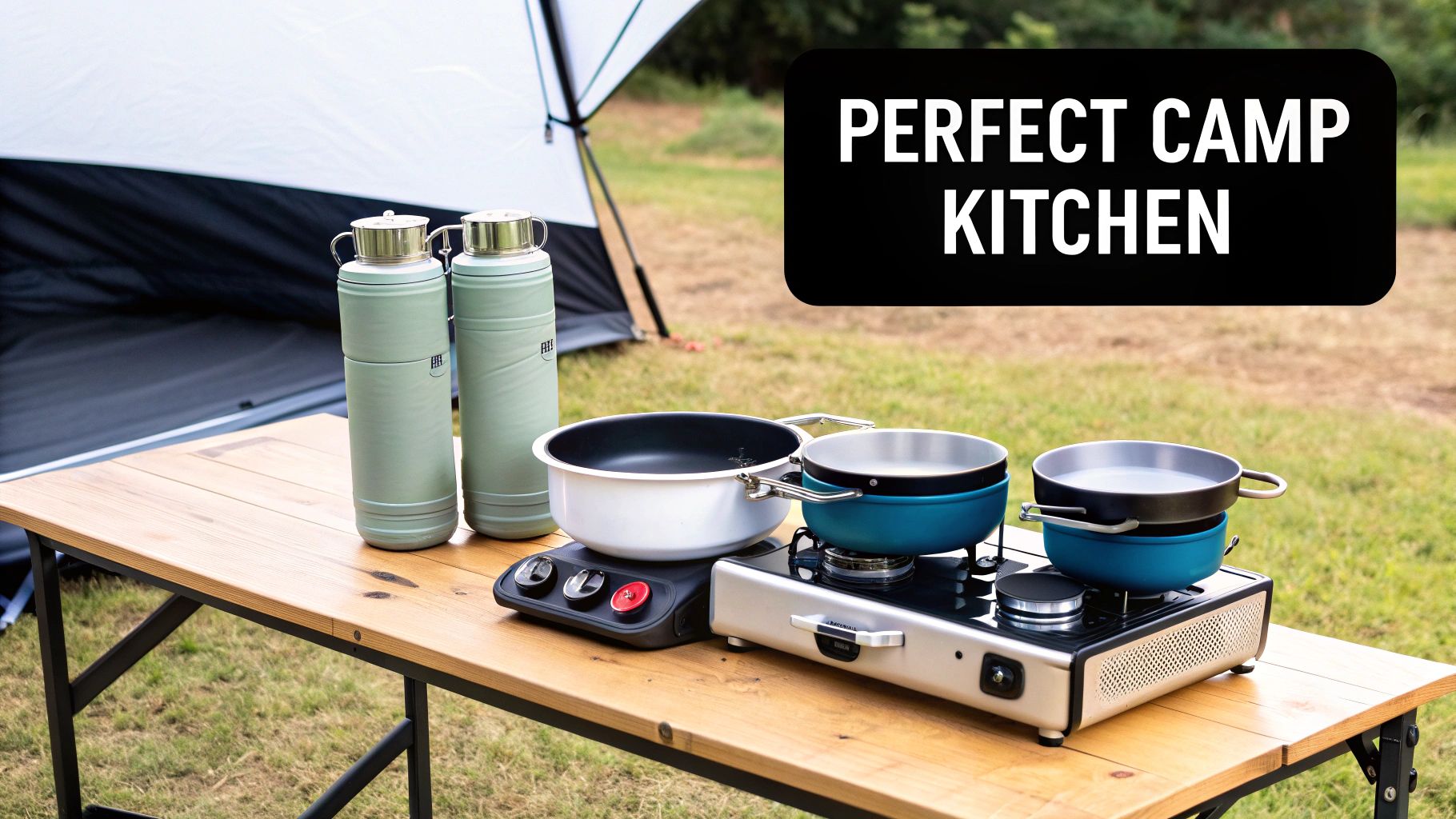
Putting together the perfect camp kitchen isn't about ticking off items on a generic checklist. It's about building a foundation that actually works for you. The real secret is moving beyond a random pile of gear and creating a cohesive, efficient system that saves you time, space, and a ton of frustration at the campsite.
And we're not alone in wanting better outdoor cooking solutions. The global market for outdoor camping cookware is projected to hit $1.1 billion by 2033. That’s a huge leap from its $350 million valuation in 2020. It just goes to show how many people are discovering the joy of cooking outside and are ready to invest in gear that makes it easier and more enjoyable.
Start with the Essentials
Before you grab a single utensil, think about the core jobs your kitchen needs to do. Every great camping kitchen, no matter the size, has to handle a few key tasks. Nailing these pillars ensures you're ready for any meal, anywhere.
- Prep Station: This is your space for chopping veggies, mixing ingredients, and getting the meal organized. Imagine prepping kebabs for the campfire grill—you need a clean surface and the right tools on hand.
- Cook Station: The heart of your kitchen. This is your stove, fuel, and cookware. Reliability and efficiency are what matter most here when you're trying to get water boiling for coffee on a chilly morning.
- Serve & Eat: This covers everything from plates and bowls to forks and mugs. Modern gear makes this category incredibly space-efficient.
- Clean-Up Station: A well-planned clean-up system respects Leave No Trace principles and makes those post-meal chores quick and painless.
A well-organized kit brings the comforts of a home kitchen to the outdoors without the bulk. By categorizing your gear, you can quickly find what you need and focus on the joy of cooking instead of rummaging through a messy bin.
This table breaks down the essential categories every camping kitchen needs. Think of this as your core system before you start customizing it for specific trips.
Your Camping Kitchen Foundation: A Quick Checklist
| Category | Core Function | Key Considerations |
|---|---|---|
| Prep & Storage | Chopping, mixing, and keeping food fresh. | Packability of cutting boards, sharpness of knives, and seal on containers. |
| Cooking | Applying heat to cook food. | Stove fuel type, pot/pan size for your group, and wind resistance. |
| Serving & Eating | Getting food from pot to mouth. | Durability of plates/bowls, ease of cleaning utensils, insulation for mugs. |
| Cleaning | Washing up responsibly. | Biodegradable soap, a packable sink or basin, and a quick-dry towel. |
| Beverages | Making coffee, tea, and staying hydrated. | Water filtration method, capacity of bottles, preferred coffee brewing gear. |
Getting this foundation right means you have a reliable, organized setup that you can build upon for years to come.
The Role of Smart Gear
Using innovative, space-saving gear is what really elevates a modern camp kitchen. A great practical example is how a single set of HYDAWAY's collapsible bowls can replace a bulky stack of rigid dinnerware. This simple change instantly frees up precious space in your pack or gear bin, making room for more food or other essentials.
The same logic applies to your morning ritual. When planning your beverage station, understanding the various coffee brewing methods helps you pick the right gear, whether that’s a compact French press or a simple pour-over cone. A little planning upfront makes the whole system click. For more inspiration, check out our guide on camping kitchen setup ideas.
Tailoring Your Kit for Every Adventure
Let's be honest: your camping kitchen should never be a one-size-fits-all deal. The gear a solo backpacker needs to crush 20 miles a day is a world away from what a family needs to set up a comfortable basecamp for a weekend. The real secret is matching your kitchen to your adventure, so you have exactly what you need without hauling a single ounce of dead weight.
This is exactly why the camp kitchen market is booming, growing from $902.71 million in 2024 to an expected $953.53 million in 2025. More than 60% of that is driven by people like us—from families hitting the road to retirees exploring national parks—all looking for smarter, more efficient ways to eat well outside. If you're curious, you can explore more camp kitchen market trends to see just how big the demand for good gear has become.
So, let's break down how to build the perfect kit for four classic adventure styles.
The Ultralight Backpacker
When you're hiking big miles, every single ounce matters. The goal here is a sub-2lb cook kit that practically disappears in your pack. This isn’t about gourmet cooking; it’s about pure, rugged efficiency for rehydrating a meal and getting that essential morning coffee brewed fast.
Your whole system needs to nest together like a Russian doll. Start with a small, 750ml titanium pot. Inside it, you should be able to fit a pocket rocket-style stove, a small fuel canister, a lighter, and a foldable spork. That self-contained pod is the heart and soul of your backcountry kitchen.
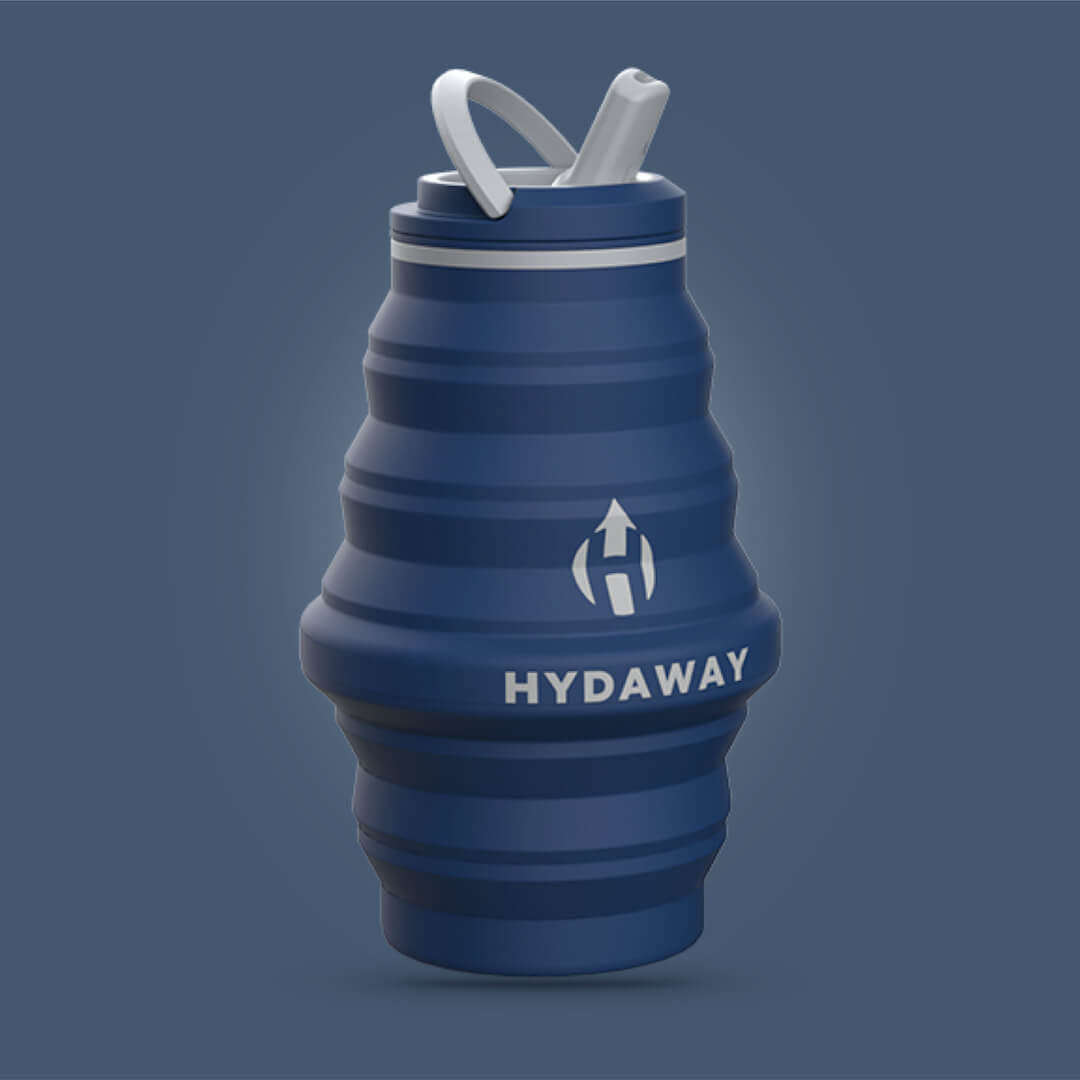
To round it out, ditch that bulky, rigid water bottle. A HYDAWAY 25oz collapsible bottle is the perfect move. It gives you plenty of water at camp but shrinks down to just over an inch thick when empty, freeing up precious space in your pack for the hike out. That's a practical way to lighten your load and reduce bulk when it matters most.
The Car Camping Family
Car camping is where you can lean into comfort and create a truly functional home away from home. This means your kitchen can be more robust, designed to cook real meals for the whole crew. Organization is everything, and the classic "kitchen-in-a-bin" system is your absolute best friend.
Get a large, clear plastic bin and dedicate it only to kitchen gear. Inside, you’ll pack your two-burner propane stove, a full-size pot and pan, cutting boards, knives, and cooking utensils. Having it all in one grab-and-go container is a total game-changer.
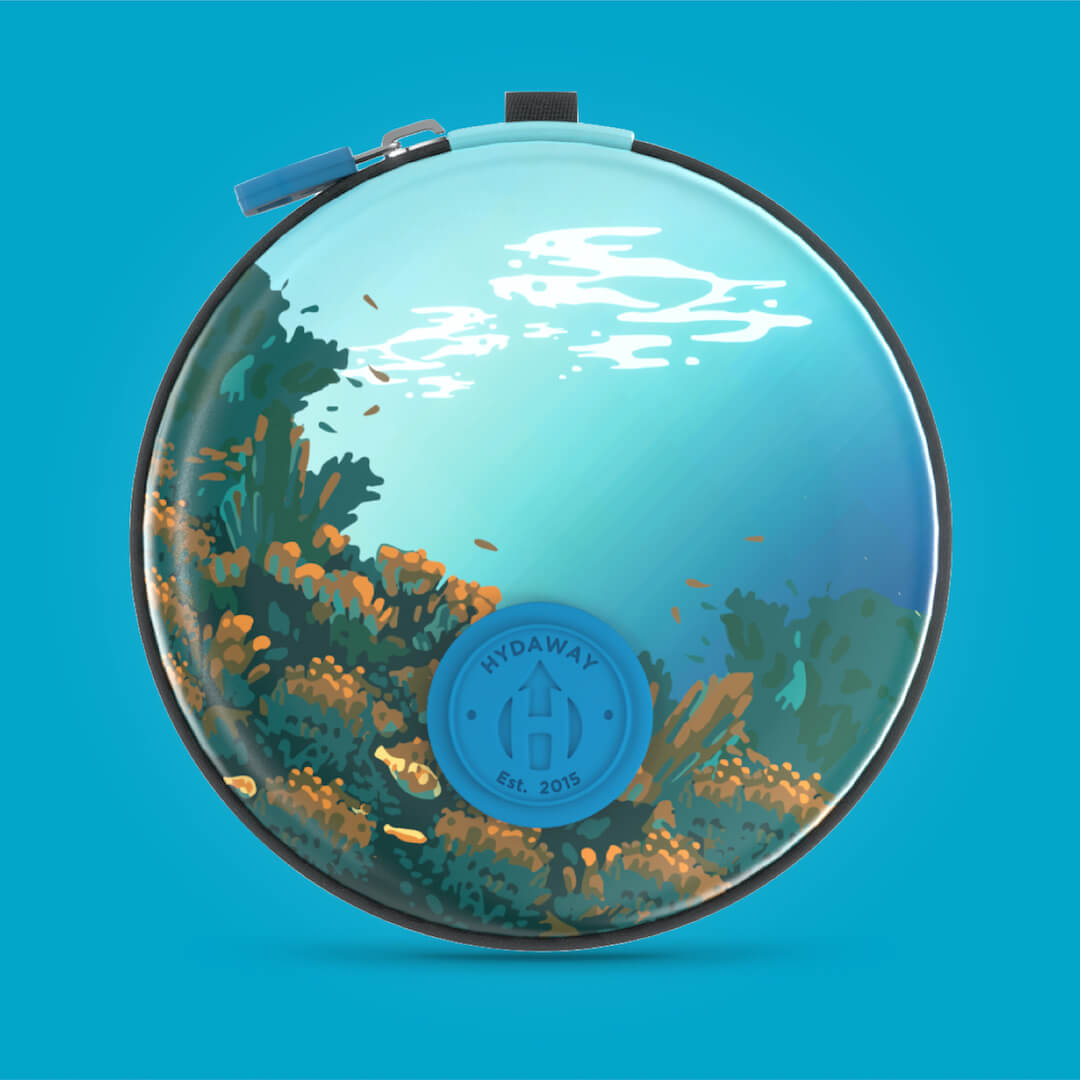
This is also where a complete dinnerware system really shines. Instead of dealing with a messy, rattling stack of plastic plates, the HYDAWAY Camp Kit gives you a full service for four—bowls, tumblers, and utensils—all packed into a sleek case no bigger than a book. It keeps everything clean, organized, and ridiculously compact, leaving more room in your bin for the important stuff: food.
The Van Lifer and Overlander
When your vehicle is your home, your kitchen isn't just for camping—it's for life. Smart, efficient use of a very small space is the name of the game. A drawer-based system is often the perfect solution, creating a dedicated, slide-out galley that makes cooking a breeze.
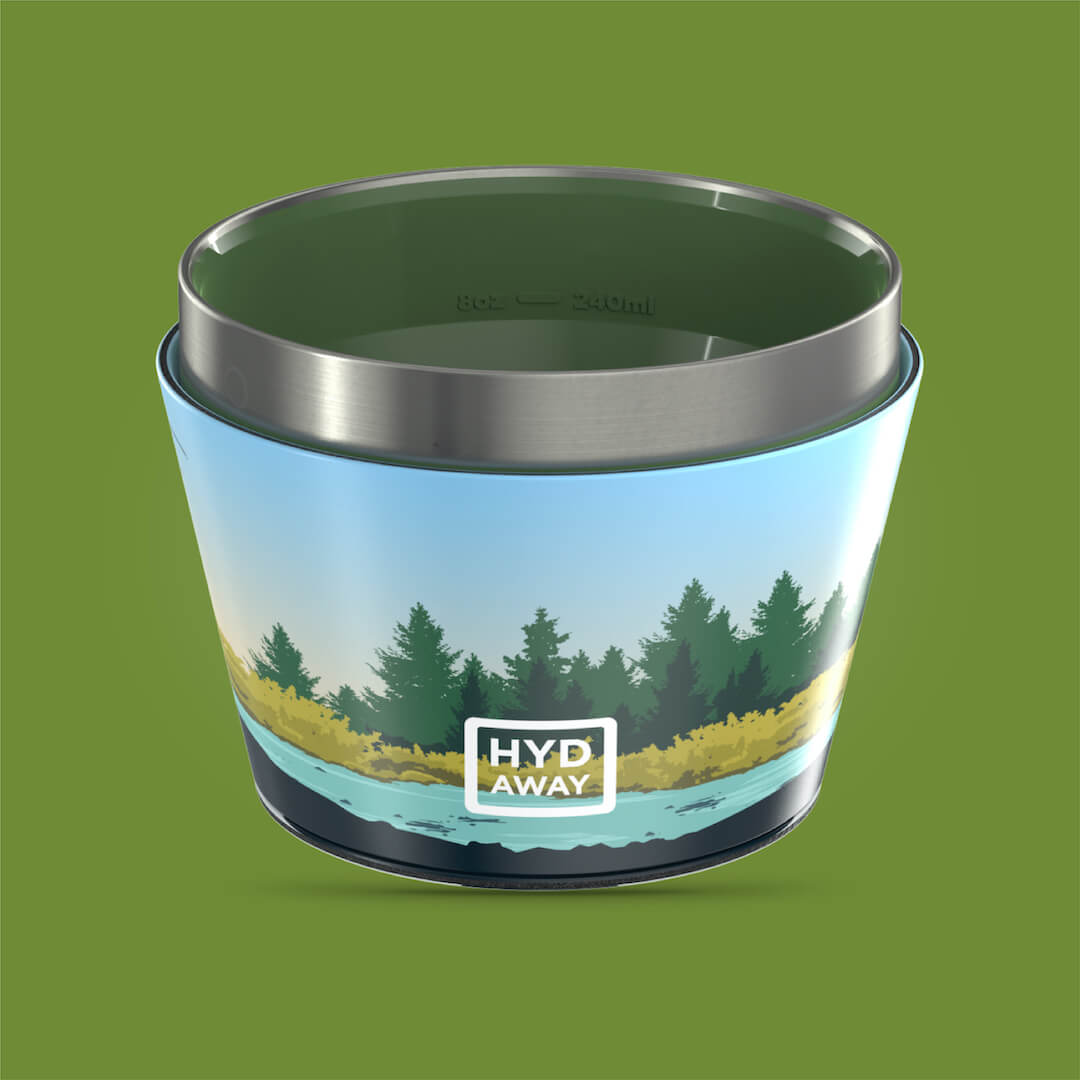
This kind of setup can support a much more advanced cooking experience, with things like built-in sinks, small fridges, and a permanent stove. Your dinnerware needs to be just as integrated and space-savvy. A set of HYDAWAY Insulated Bowls fits perfectly here. They collapse totally flat for easy stacking in a shallow drawer, but pop open to hold hot soup or morning oatmeal, keeping your food warmer for longer.
The best van life kitchens feel intuitive and integrated, not like a jumble of loose parts. Every single item should have a home, making it easy to cook a full meal and clean up without completely wrecking your living space.
The Day Tripper and Picnicker
Even a simple day trip to the beach or a local park gets a major upgrade with a well-planned kit. You don’t need a stove, but having a simple, reusable setup for snacks and drinks makes the whole day more enjoyable and way more sustainable.
Your kit should be light and easy to carry, so start with a small cooler or an insulated tote bag. Inside, pack your sandwiches and snacks in reusable containers. For drinks, HYDAWAY Insulated Drink Tumblers are ideal. They'll keep your water cold for hours and are totally spill-proof, which is a lifesaver if you're chasing after kids. Best of all, when you’re done, they collapse down and save you a ton of space in your bag for the walk back to the car.
Mastering Space-Saving Packing and Organization
Having the right gear for your camp kitchen is only half the battle. How you pack it is what really separates a smooth, enjoyable trip from a frustrating one. Smart organization means less time setting up, less clutter around the campsite, and always knowing exactly where to find what you need, right when you need it.
The goal is to create a system that just clicks with your camping style. A couple of tried-and-true methods stand out for being ridiculously effective.
Nested & Binned: Two Paths to Organization
For backpackers, the ‘nested doll’ technique is king. It’s all about packing smaller items inside larger ones—think a fuel canister inside a pot, or a spork and lighter tucked into a mug. This creates a single, dense, rattle-free block of gear that uses every last cubic inch of your pack space.
For car campers and overlanders, the ‘kitchen-in-a-bin’ system is the gold standard. You just dedicate one or two sturdy, clear bins exclusively to your kitchen gear. No more digging through duffel bags for the salt or wondering where the can opener vanished to. Everything lives in one place, ready to grab and go.
This simple flow chart breaks down how to think about your kit based on your specific adventure.
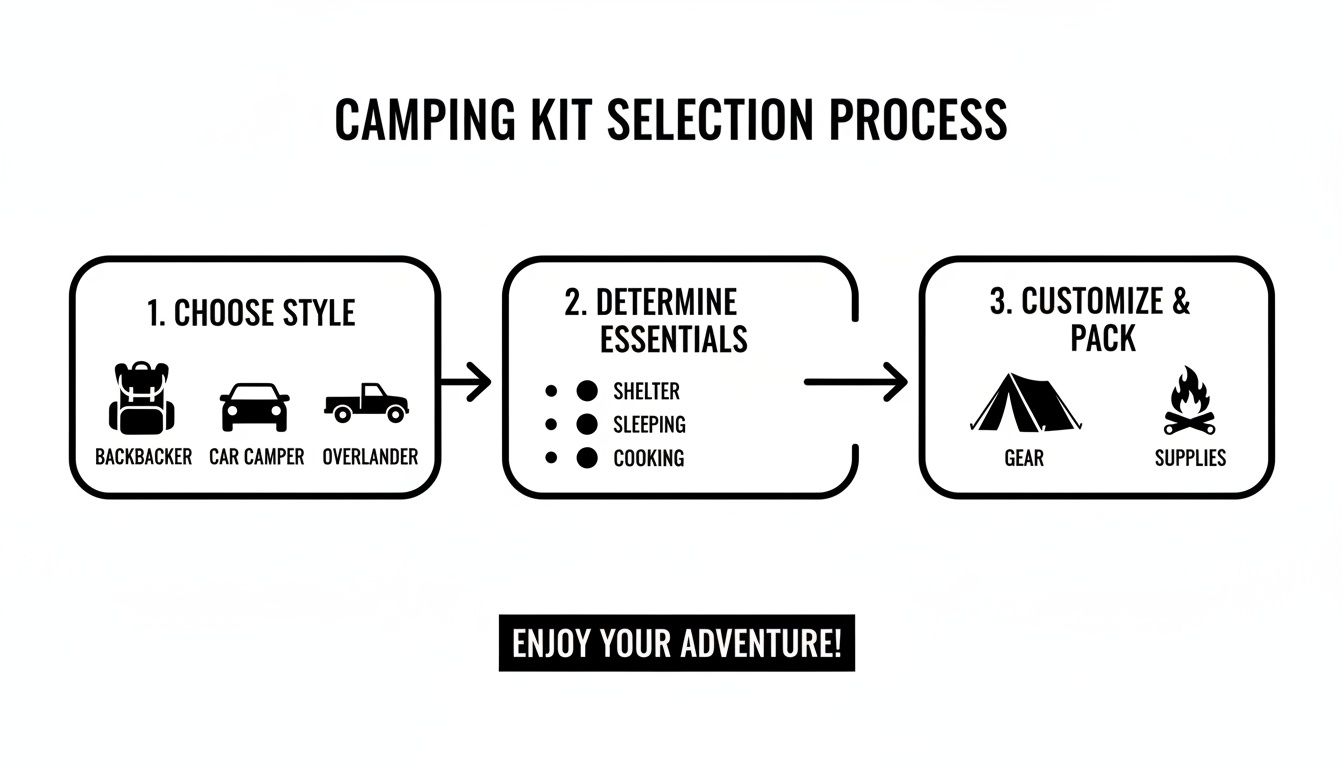
As you can see, organizing your gear logically within your chosen system is the secret sauce for making it work, no matter where you're headed.
To make your bin system truly awesome, you have to pack with intention. The key is to think in layers based on when you'll need each item. This avoids the dreaded "bin dive"—that moment you have to pull everything out just to find a single fork.
A logical packing order looks something like this:
- Bottom Layer (Last In, First Out): This is for your big, bulky stuff you only need once or twice. Your two-burner stove, cast-iron skillet, and extra fuel canisters belong here.
- Middle Layer: This is home base for all your food prep tools. Nest your cutting board, knives, mixing bowls, and spice kit in this section.
- Top Layer (First In, Last Out): This is for the things you grab constantly. Your plates, mugs, and utensils should be right on top for easy access when hunger strikes.
Packing System Showdown: Bin vs. Bag vs. Modular
Choosing the right container is the first step to an organized camp kitchen. Whether you're a weekend warrior or a long-term nomad, the right system can make all the difference. Here’s a quick rundown of the most popular options to help you decide.
| System Type | Best For | Pros | Cons |
|---|---|---|---|
| The Classic Bin | Car camping, family trips, basecamps | Easy to stack, waterproof, protects fragile items, everything in one spot | Bulky, heavy, can become a "junk drawer" if not organized |
| The Duffel Bag | Overlanding, van life, trips with limited rigid space | Flexible shape fits odd spaces, lightweight, easy to carry short distances | Offers less protection, items can get crushed, harder to find things |
| Modular Pouches | Backpacking, minimalist camping, organizing a larger bin/bag | Highly organized, easy to grab just what you need, lightweight | Can be time-consuming to pack/unpack, requires multiple containers |
Ultimately, the best system is the one that fits your gear and your brain. Don't be afraid to mix and match—maybe a bin for the big stuff and modular pouches inside for the smalls.
The Power of Collapsible Gear
This is where the magic of collapsible items becomes incredibly clear. Imagine swapping out three bulky, rigid plastic bowls for three HYDAWAY Insulated Bowls. They flatten down and stack to take up the same space as a single plate. Boom—you've just created a ton more room in that critical top layer of your bin.
That one simple switch can make your entire kit more compact and way easier to manage. For your life, this means less time spent Tetris-ing your gear into the car and more space for other comforts, like an extra blanket or camp chair.
The most organized campers aren't the ones with the most gear—they're the ones whose gear packs down the smallest. Every inch of space you save with collapsible items is an inch you gain for something else.
By combining a layered packing strategy with space-saving gear, you can turn a chaotic pile of equipment into a slick, highly functional outdoor kitchen. For a deeper dive, check out more great tips on how to organize camping gear and make sure you're never digging for a spork in the dark again.
Why Collapsible and Multi Use Gear Is a Game Changer
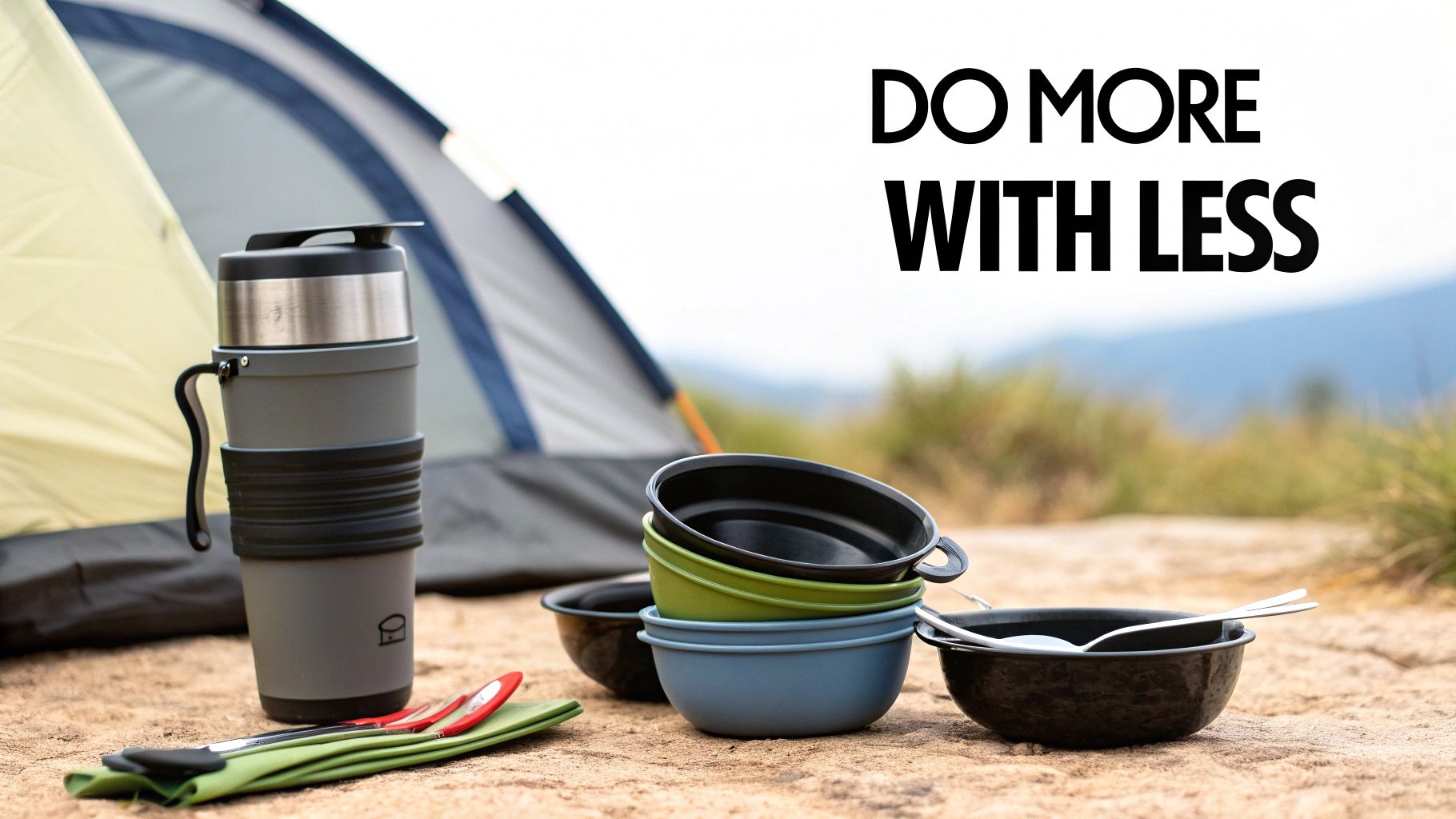
The biggest leap forward in modern camping gear isn’t about flashy tech—it’s about the simple brilliance of doing more with less. If you want to make a smart upgrade, invest in multi-functional and collapsible items for your kitchen kit. This isn't just about shaving an inch or two off your pack size; it's about fundamentally simplifying your entire outdoor experience, from packing up at home to cleaning up at the campsite.
This shift toward smarter, more packable gear is reshaping how we explore. The global camping equipment market was valued at $18.45 billion in 2024 and is projected to hit $31.01 billion by 2032. A massive driver for that growth is our collective demand for gear that cuts weight and bulk. In fact, some collapsible mess kits can trim your pack weight by a staggering 40% compared to their old-school rigid counterparts.
Embrace the Multi-Tool Mindset
The best pieces of gear are the ones that pull double or triple duty. When you start thinking this way, you evaluate every item not just for what it is, but for what it can be. This mindset is the secret to a lighter pack and a more efficient camp kitchen.
A perfect example from my own kit is the HYDAWAY Insulated Drink Tumbler. On a single weekend trip, I've used it as a:
- Morning Coffee Mug: Keeps my coffee piping hot while I'm watching the sunrise.
- Afternoon Smoothie Cup: Perfect for a quick recovery drink after a long hike.
- Evening Soup Bowl: Just the right size for sipping a warm broth by the fire.
That one item takes the place of three separate, bulky pieces of gear. It’s a simple swap, but it has a huge impact on pack space and the overall simplicity of my setup. Once you apply that logic to your entire kit, the space savings really start to add up.
The Power of a Pre-Built System
Trying to build a complete camp dinnerware set from scratch can be a real headache. You’re hunting for bowls, plates, cups, and utensils that all need to nest together, be durable, and not weigh a ton. It usually involves a lot of trial and error (and a few frustrating returns).
This is where a pre-made, collapsible system becomes a true game-changer. The HYDAWAY Camp Kit just eliminates all that guesswork. It's a full set of collapsible bowls, tumblers, and utensils for four people, all packed neatly into one compact case.
A consolidated kit does more than save space—it saves mental energy. Knowing your entire dinnerware setup is in one grab-and-go case means less pre-trip anxiety and more time enjoying the outdoors.
Instead of a chaotic jumble of mismatched gear, you have a clean, organized system where every single piece is designed to work together. That kind of efficiency is at the heart of what makes modern camping so enjoyable. If you want to dive deeper, you can learn more about the benefits of collapsible camping cookware and see how it can totally streamline your setup. Ultimately, choosing gear that is both collapsible and multi-functional is the best strategy for building a truly superior camp kitchen.
Keeping Your Gear Clean and Ready for the Next Trip
Nothing wraps up a great trip like… doing dishes in the dirt. Kidding, of course. But a well-maintained camp kitchen is an investment that pays off trip after trip. Taking care of your gear not only makes it last longer, but it also means everything is clean, hygienic, and ready to grab for your next spontaneous adventure. This whole process really starts at the campsite and gets its finishing touches back home.
Out in the wild, the golden rule is to follow Leave No Trace principles. This means using a packable, collapsible sink with a tiny bit of biodegradable soap at least 200 feet from any river, lake, or stream. Once you're done, strain the greywater to pull out any food bits and then scatter the water over a wide area.
Cleaning at the Campsite
Keeping a clean kitchen area is just good practice. It makes for a much more pleasant trip, deters curious critters, and keeps your cooking space sanitary. A huge part of this is knowing how to keep flies away while camping so you can actually enjoy your meals in peace.
Here are a few field-tested tips I swear by:
- Scrape everything clean: Before you even think about washing, scrape every last bit of food off your plates and into your trash bag to pack out. The less gunk that goes into your wash water, the better.
- Wipe it down: I keep a designated camp towel handy just to wipe down prep surfaces and my stove after every meal. A quick wipe prevents buildup.
- Let it air-dry: String up a small clothesline or use a mesh bag to hang your dishes and utensils. Letting them air-dry completely before stashing them away is key to preventing funky smells.
Post-Trip Deep Clean and Storage
The real work begins once you get home. This is your chance to do a thorough deep clean to stop rust from forming on cast iron, prevent mildew in water containers, and get rid of any lingering smells in your gear bin. Take everything apart, give it a proper wash, and—most importantly—let it dry completely.
This is where HYDAWAY gear, like the Camp Kit or our collapsible bottles, really shines. They are all dishwasher safe, so you can just toss them in for a full sanitizing cycle. Easy. The silicone they're made from is great at resisting odors and mildew, so they’re always fresh for the next outing.
Caring for your kit is a direct investment in future adventures. A clean, well-stored camping kitchen means less pre-trip packing stress and more confidence that your gear will perform when you need it most.
By choosing durable, reusable gear and looking after it, you're also doing your part for the planet. You’re actively cutting down on single-use plastic waste and helping to preserve the beautiful natural spaces we all love to explore.
Common Questions About Camping Kitchen Kits
As you get your gear together for the next trip, a few questions always seem to pop up. I hear them all the time. Here are some quick, no-nonsense answers to the most common ones I get, designed to help you iron out the kinks in your own camp kitchen setup.
What's the Most Essential Item?
This one's tough, and everyone has a different opinion. A reliable stove is definitely the heart of your cook system, and you won't get far without a versatile pot and a good knife. But if I had to pick the one thing that makes the biggest difference for convenience and just making life easier? It’s a consolidated dinnerware set.
Seriously, just having your eating and drinking gear sorted out and ready to go eliminates so many little frustrations. The HYDAWAY Camp Kit, for example, bundles your bowls, tumblers, and utensils into one neat little case. It's a simple solution, but it means you're never digging around for a clean bowl or cup when the chili is finally ready.
How Can I Drastically Reduce My Kit's Weight?
If you're looking to cut some serious weight from your pack, you need to get ruthless in three key areas: swapping materials, demanding your gear does double-duty, and ditching all that extra packaging.
- Materials: This is a classic move for a reason. Switching from steel to titanium for your pots and utensils shaves off precious ounces.
- Multi-Functionality: Think like a minimalist. Your pot can be your bowl. A spork is way better than a separate fork and spoon. Every item should pull its weight, and then some.
- Ditch Packaging: Never, ever carry the original food boxes. Repackage everything—pasta, oatmeal, trail mix—into lightweight, reusable bags.
But honestly, the biggest game-changer is often embracing collapsible gear. Think about it: that rigid 32oz water bottle takes up the same amount of space whether it's full or empty. Swapping it for a HYDAWAY 25oz collapsible bottle saves a surprising amount of room and weight, especially on that long hike out when every ounce counts.
What's the Best Way to Wash Dishes While Camping?
The only "best" way is the one that follows Leave No Trace ethics. It all starts before you even add water. Scrape every last bit of food off your plates and cookware directly into your trash bag to pack it out. Don't leave a single noodle behind for the critters.
When you're car camping, a three-bin system is the gold standard: one for washing, one for rinsing, and a third for sanitizing. If you're backpacking, you can get the same job done with a single collapsible sink or even your main cook pot. Just remember the golden rule: use a tiny amount of biodegradable soap and do all your washing at least 200 feet away from any river, lake, or stream. This protects the whole ecosystem.
Are Pre-Made Kits a Good Investment?
They absolutely can be, especially if you're just getting into camping or you just want a setup that works without a ton of guesswork. A well-designed kit, like the ones from HYDAWAY, is great because you know every piece was chosen to work together and pack down perfectly. It can save you from a lot of trial-and-error and often ends up being cheaper in the long run.
That said, there's a certain satisfaction that comes from curating your own custom kit over many seasons of adventuring. A great approach is to start with a solid core kit and then slowly swap in specialty items that fit your personal cooking style, whether that's a fancy pour-over for your coffee or a specific pan for backcountry pizzas.
Ready to build a smarter, more compact camping kitchen? Check out the full range of collapsible, space-saving dinnerware, drinkware, and bottles from HYDAWAY and see just how much easier outdoor cooking can be. Your next adventure starts at https://myhydaway.com.