


1 Pint Mason Jars: The Ultimate Guide for 2026

You're probably looking at a shelf, a pantry bin, or a thrift-store find and wondering whether a 1 pint Mason jar is the right size for what you do every day. Maybe it's overnight oats for tomorrow's train ride, a batch of refrigerator pickles for this week's lunches, or a tidy way to store tea, rice, and trail mix without buying another plastic container.
That's why the pint jar keeps showing up everywhere. It's small enough to feel practical, big enough to be useful, and familiar enough that it is already trusted before it's been used well. At home, it's one of the most dependable containers you can own. On the road, though, the story gets more complicated.
The Enduring Charm of the Pint-Sized Jar
The pint jar has earned its place the old-fashioned way. It works. You see it in pantries lined with lentils and coffee beans, on counters holding kitchen herbs, and in the fridge with leftover soup or a quick lunch layered the night before. It also carries a certain mood. Resourceful, tidy, low-waste, a little nostalgic.
That's part of why 1 pint mason jars never really disappear from everyday life. The size feels approachable. A quart jar can be bulky for solo use, while a smaller jar can feel limiting once you start making dressings, storing grains, or packing a full serving of something hearty. A pint sits in the middle and handles a wide mix of jobs without fuss.
Why this size keeps winning
A pint jar suits the way many people cook and store food now.
- Weekday meal prep: one jar for overnight oats, chia pudding, soup mix, or a packed salad base.
- Pantry order: flour for a recipe, a portion of nuts, dried beans, tea bags, or baking add-ins.
- Small-batch preserving: jams, jellies, pickles, and sauces that don't need a bigger vessel.
- Simple decor: cut flowers, pens, matches, cotton rounds, or a candle on a guest-room shelf.
Practical rule: The best jar is the one that gets reused without needing a special occasion.
That's where the pint jar shines. It isn't precious. It's useful enough for daily rotation and good-looking enough to leave out in the open.
There's also a reason travelers and renters still love the idea of Mason jars even when they don't want a whole canning setup. A pint jar represents a durable, reusable way of living. Keep what you need, use what you have, waste less. That instinct fits just as well in a small apartment as it does in a van, campsite, or carry-on packed for a month of moving around.
Decoding the Pint Jar Dimensions and Volume
A standard 1 pint Mason jar holds exactly 16 fluid ounces, or approximately 473 milliliters according to this mason jar size guide. In practical kitchen terms, that means 2 cups.
That sounds simple, but the physical shape matters almost as much as the volume. A standard pint jar typically stands between 4.8 and 5.25 inches tall and measures about 3.0 to 3.5 inches in diameter, depending on whether you choose regular or wide mouth. Empty, with lid and band, it weighs 234 to 284 grams (8.25 to 10 oz) according to OXO Packaging's mason jar size breakdown.

Quick ways to visualize the size
If you don't think in ounces or milliliters, think in real kitchen habits.
| Unit | Equivalent Value |
|---|---|
| Fluid ounces | 16 oz |
| Cups | 2 cups |
| Milliliters | 473 to 475 ml |
A pint jar is a natural fit for a single smoothie, a full portion of soup, a layerable lunch, or a dry pantry mix you want to grab without opening a giant container. It's also compact enough to fit into most cabinets without wasting vertical space.
What the glass weight changes
Here's the trade-off many people miss. The jar itself adds noticeable weight before you put anything in it. That matters less on a pantry shelf and much more when you're carrying lunch to work, walking to a train, or trying to keep a backpack light.
That's one reason it helps to compare pint jars to larger options before buying in bulk. If you're deciding between pint and quart formats for storage, this look at 1 qt mason jars helps frame the jump in size and usability.
A pint jar feels compact in the hand. Once it's filled with food or liquid, it behaves more like a small glass canister than a lightweight travel container.
For home use, that's usually a strength. The heft feels stable on a shelf and sturdy in the dishwasher. For commuting or adventure travel, it becomes a real packing decision.
Choosing Your Jar Regular vs Wide Mouth
Not all pint jars handle the same jobs well. The biggest functional choice is regular mouth versus wide mouth. This isn't a cosmetic detail. It changes how easily you can fill, empty, clean, stack, and enjoy using the jar.

When regular mouth makes more sense
Regular-mouth jars usually feel better for liquids and pourable foods. Think salad dressing, broth, infused water, or a smooth sauce that you'll pour rather than scoop.
They also look a little neater on the shelf. If you like pantry storage that feels classic and uniform, regular mouth often gives that effect.
When wide mouth is the better tool
Wide-mouth jars are easier to live with when food has texture. If you're packing fruit, layered salads, overnight oats, cut vegetables, or anything you'll eat with a spoon, the wider opening is just less annoying.
A few times of trying to wash peanut butter residue out of a narrow opening is usually enough to settle the debate.
- Choose regular mouth if you mostly pour from the jar.
- Choose wide mouth if you mostly fill, scoop, or eat from the jar.
- Choose based on cleaning habits if convenience matters more than appearance.
A small detail collectors notice
Vintage jar hunters often date old jars by the side logo rather than by guesswork. The logo changed frequently until approximately 1962, which makes it one of the most useful clues when identifying when a specific jar was made, as noted by Minnetrista's guide to dating Ball jars. That same evolution also shows how the Mason jar moved from a thrifty household staple into a modern cultural icon.
For everyday use, though, the practical choice still comes down to one question. Are you pouring, or are you scooping?
Creative and Practical Uses for Jars at Home
The pint jar earns its keep at home because it crosses categories so easily. It can be part pantry container, part lunch prep tool, part serving glass, part project supply holder. You don't have to become a canner or a minimalist influencer to get value from one.

A current example is the way people prep compact, fridge-ready meals for hybrid workweeks. A wide-mouth pint jar works well for yogurt and fruit, oats soaked overnight, chopped vegetables, a noodle salad, or a layered bean lunch. It's also a smart size for keeping the portion realistic without feeling skimpy.
Pantry and fridge jobs that actually stick
A lot of jar ideas look good online but don't last in real kitchens. These tend to last:
- Dry goods you reach for often: nuts, seeds, cocoa, rice, lentils, coffee, tea, and granola.
- Small leftovers: one serving of soup, stock, or sauce.
- Ready-to-cook kits: pancake mix, soup mix, taco seasoning, or a pasta add-in blend.
- Countertop utility: cooking utensils, fresh herbs in water, or clipped recipes.
The jar is also a fine drinking glass for iced coffee, smoothies, and cold brew at home. It feels solid, washes clean, and doesn't need special care beyond common sense.
Canning and preserving basics
For preserving, the pint size is especially useful for jams, jellies, pickles, and small-batch sauces. A 1 pint Mason jar requires headspace of 0.25 to 0.5 inches in home canning so food can expand and a vacuum seal can form properly, according to Berlin Packaging's guide to mason jars.
That single detail matters more than people think. Overfill the jar and you risk seal problems. Leave too much space and the result may be less reliable than you want.
Leave the headspace your tested recipe calls for. In canning, close enough isn't the same as correct.
For water bath canning, Ball's water bath canning instructions also note that jars should rest undisturbed in the canner for 5 minutes after processing before you remove them and set them upright on a towel.
If you like watching the rhythm before trying it yourself, this video is a helpful visual reference.
Non-food uses that don't feel gimmicky
Pint jars also work well where you want reusable storage without visual clutter.
| Use | Why it works |
|---|---|
| Bathroom storage | Easy for cotton rounds, bath salts, or hair ties |
| Desk organizing | Holds pens, clips, chargers, or small tools |
| Simple gifts | Good for cookie mix, tea blends, or homemade seasoning |
| Casual decor | Makes a clean vase, lantern, or shelf accent |
The best use is usually the one that reduces one more disposable or flimsy container in your home.
From Kitchen Counter to Carry-On Luggage
A 1 pint Mason jar is excellent at home. It's much less convincing once you leave the house.
Glass is stable and reusable, but it's also heavy, rigid, and breakable. Fill a pint jar with salad, soup, or cold brew and you've added both bulk and fragility to your day. That may be fine for a short drive to the office. It's not ideal for airports, day hikes, train transfers, crowded tote bags, or a backpack already carrying chargers, layers, and snacks.

Where the jar stops being convenient
The problem isn't the volume. The problem is the format.
A pint-sized container sounds perfect for travel food or a portable drink, but a glass jar doesn't compress when empty, doesn't forgive impacts, and doesn't disappear into a small daypack once you've finished using it. On a road trip, that's manageable. On a flight, ferry, or walking-heavy day, it gets old fast.
That's also why seasoned travelers tend to split their gear by context:
- At home: glass is great for prep, storage, and leftovers.
- In motion: packable gear wins because it saves space before and after use.
- Mixed-use days: lightweight, reusable containers reduce hassle without feeling disposable.
Building a cleaner travel kit
If you already like the low-waste logic of Mason jars, the travel version of that mindset usually includes flexible, purpose-built gear instead of glass. It's the same ethic, adapted to movement.
A practical packing setup might include snack storage, compact meal gear, and a small personal-care kit. For fragrance or refillable toiletry routines, these travel size perfume atomizers are a helpful example of how much easier life gets when containers are made for portability instead of countertop display.
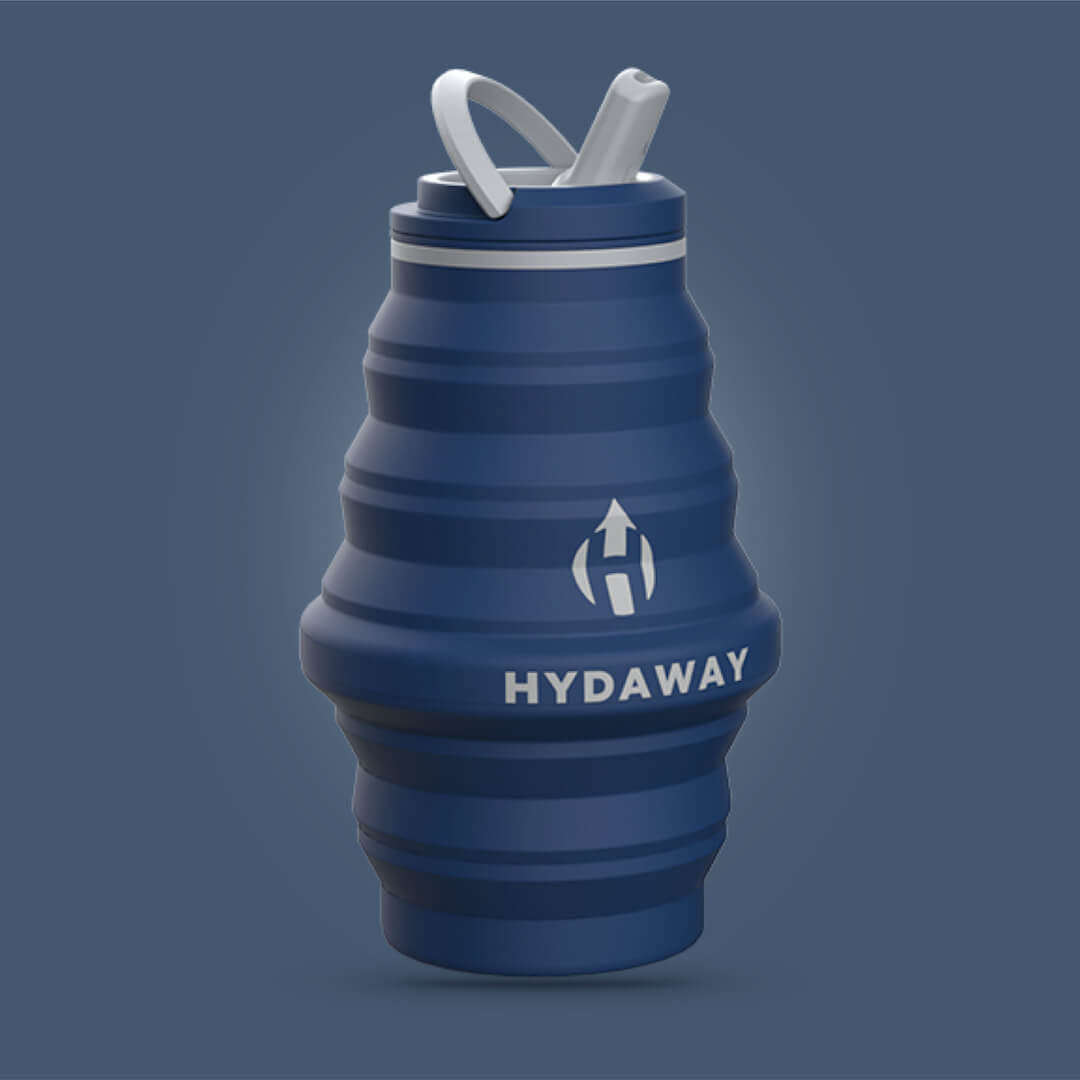
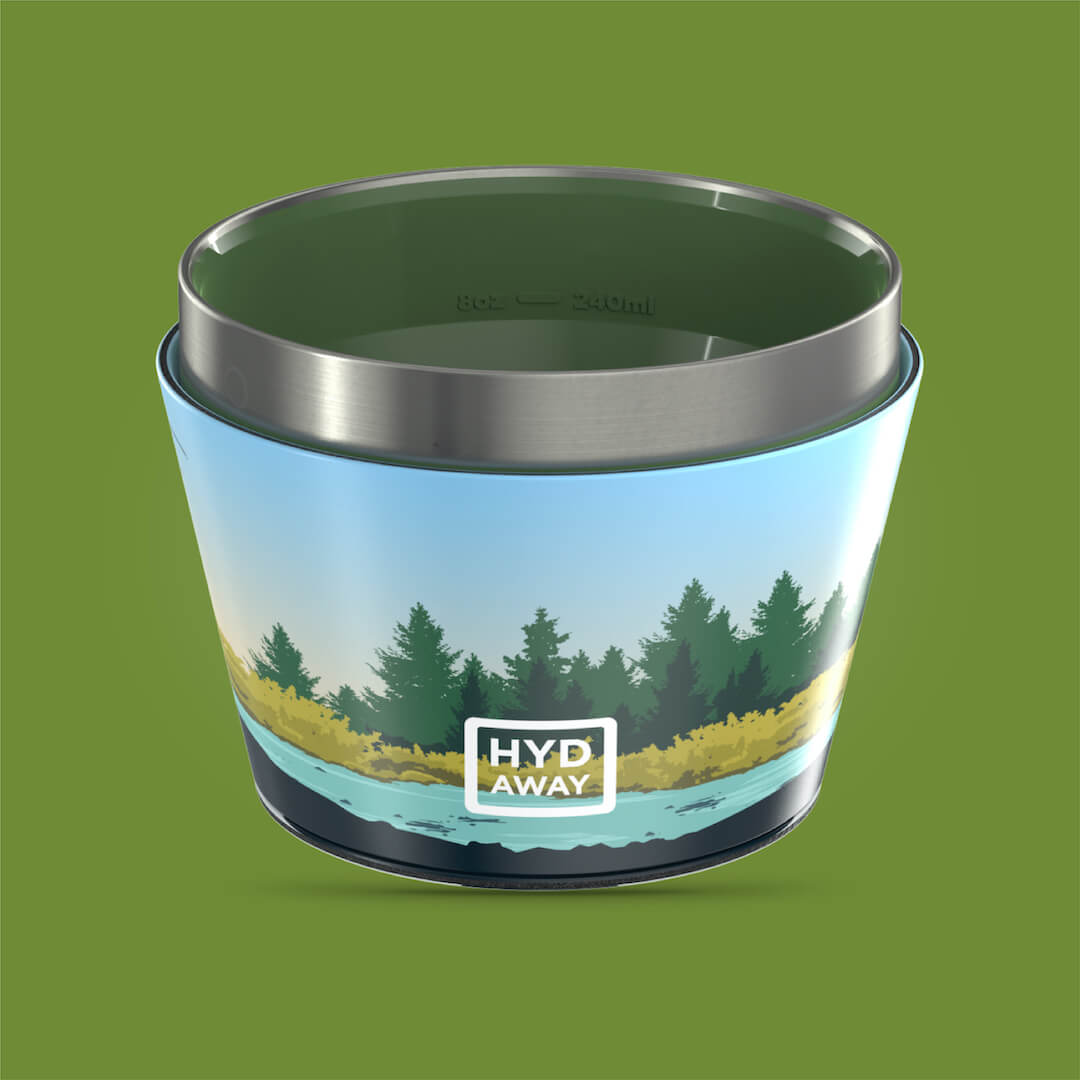
For food and drink, the same principle applies. A collapsible bowl, tumbler, or bottle works better when you need something reusable that won't dominate your bag all day. If you're streamlining a packing system, this guide to reusable travel containers is useful for sorting what belongs in your kitchen and what belongs in your carry-on.
Good travel gear doesn't just hold things. It gets out of the way when you're done using it.
That's the dividing line. Mason jars are still one of the best home standards around. Travel asks for a different kind of intelligence.
A Guide to Buying and Caring for Your Jars
The backstory is part of the appeal. The Mason jar traces back to November 30, 1858, when John Landis Mason patented the first threaded screw-top glass jar made to be airtight and watertight for food preservation, according to the Mason jar history entry. That design logic still shapes the jars people use now.
What to buy and where to look
New jars are easy to find at grocery stores, hardware stores, kitchen shops, and farm-supply retailers. Vintage jars are more of a treasure hunt. Thrift stores, flea markets, estate sales, and antique booths can all turn up useful pieces.
If you're shopping vintage, check for chips, hairline cracks, and rough rims before buying. Decorative use gives you more flexibility. Food use demands a more careful eye.
For fermentation projects, sourdough is one place where container shape really matters. If you bake often, this guide on choosing a sourdough starter jar gives good practical criteria.
Care that helps them last
A few habits go a long way:
- Wash with normal kitchen care: standard soda-lime glass jars are dishwasher safe and chemically inert, as noted earlier.
- Avoid sudden temperature swings: don't move a cold jar straight into very hot conditions or the reverse.
- Store lids dry: moisture is what shortens the life of metal parts first.
- Keep empty jars accessible: if they're easy to grab, they'll get reused.
If your kitchen leans low-waste, these broader ideas around sustainable kitchen products pair well with a jar-based setup.
Frequently Asked Questions About Pint Jars
Are 1 pint Mason jars freezer-safe
Some are. Straight-sided pint jars are the safer choice for freezing because that design allows for expansion more cleanly than jars with shoulders. Leave enough space for expansion and never fill to the brim.
Can I microwave a Mason jar
It's generally not the first choice. The metal lid components are an obvious issue, and the larger concern is thermal shock. If a jar is cold and heats unevenly, breakage becomes a real possibility. For reheating, many people decant into a microwave-safe bowl instead.
How much solid food fits in a pint jar
For liquids, a pint jar holds the full pint. For dense foods, the usable amount can feel different because packing and air gaps change the result. That's why salads, beans, chopped fruit, and grains all “fill” the same jar differently in day-to-day use.
Are old jars safe to use
Sometimes yes, sometimes no. A vintage jar can be great for dry storage or decor, but inspect it carefully before using it for food. Chips, hairline cracks, and damaged rims make it a poor candidate for preservation work.
Is a pint jar better than a quart jar for everyday use
For many households, yes. Pint jars are easier to finish, easier to lift with one hand, and better suited to single servings and small-batch storage. Quart jars still make sense for bulk ingredients and larger preserved batches.
What's the biggest mistake people make with pint jars
Using the right jar in the wrong context. A glass pint jar is excellent in the kitchen and awkward in motion. That's why it helps to think in systems. Keep glass where stability matters. Use lighter, packable reusables where movement matters.
If you love the low-waste practicality of Mason jars but need something built for motion, HYDAWAY makes that shift easy. Their collapsible bottles, tumblers, bowls, and travel-ready gear fit the same reusable mindset with far less bulk, which makes them a smart companion for commuting, camping, flights, and everyday adventures.