

The Ultimate 1 Oz Bottle Guide for Smart Travelers

You're probably staring at the same problem most smart travelers hit the night before a trip. Clothes fit. Shoes fit. Chargers fit. Then the bathroom-counter lineup starts taking over the whole plan. Full-size shampoo, face wash, sunscreen, lotion, maybe a little bottle of olive oil or hot sauce if you're road-tripping, and suddenly the “light pack” turns into a heavy, awkward mess.
That's where the 1 oz bottle earns its place. Not as a tiny afterthought, but as one of the most useful tools in a flexible travel kit. Used well, it cuts bulk, reduces waste, keeps your bag organized, and helps you portion only what you'll use. For flights, campervan weekends, theme park days, train travel, and hotel hopping, it's one of the simplest upgrades you can make.
The Smart Packer's Solution to Bulky Luggage
The most common packing mistake isn't bringing too little. It's bringing full-size everything “just in case.”
A family heading to Disneyland does it with sunscreen and shampoo. A remote worker flying to Europe does it with skincare and hair products. A van-lifer does it with cooking oils, soap, and trail-seasoning basics. The result is the same. Too much volume devoted to liquids, too much weight in one corner of the bag, and too much risk if one cap loosens in transit.

A better approach starts with editing, not stuffing. Instead of packing the original bottle, decant only what matches the trip. For a long weekend, that might mean face cleanser, moisturizer, laundry soap, and one condiment bottle for campsite meals. For a beach vacation, it might be after-sun lotion, aloe gel, and a small bottle of body wash.
Why small wins
The beauty of a 1 oz bottle is that it forces useful discipline. You stop packing for fantasy scenarios and start packing for the actual days ahead.
A few practical wins show up fast:
- Less dead weight: Full-size containers waste space even when they're half full.
- Cleaner organization: Small matching bottles stack, label, and store better than assorted retail packaging.
- Lower leak fallout: If a small bottle fails, you lose less product and ruin less gear.
- Faster decision-making: You know exactly what's coming and how much you have.
Practical rule: If you wouldn't finish a product on the trip, don't bring the original container.
Travel gets easier when every item has a job and a size that matches it. That's the same mindset behind packing light with purpose. Small bottles aren't just about squeezing into a bag. They're about carrying less friction from the start.
Why the 1 oz Bottle is a Traveler's Secret Weapon
The reason this size works so well is simple. A 1 fluid ounce bottle corresponds to a nominal liquid capacity of 30 milliliters, and that standard matters for labeling, compliance, and consistency across markets, as noted in this overview of 1 ounce bottle sizing and 30 mL standardization.
That sounds technical, but in practice it means the size is predictable. When a traveler sees “1 oz,” they can plan around it. When a refill routine works once, it usually works again.
More useful than a toiletry bottle
A lot of people only think of shampoo when they hear 1 oz bottle. That's too narrow. This size shines when you use it for small, high-value liquids that don't need bulk packaging.
Examples that work right now:
- Skincare edits: cleanser, serum, toner, or face oil for a city break
- Wellness basics: massage oil or essential oil blends for long travel days
- Camp cooking: soy sauce, chili crisp oil, vanilla extract, maple syrup, or dish soap
- Family travel: kids' detangler, hand soap, or backup stain treatment
- Day-trip efficiency: a tiny refill of lotion or sanitizer in a sling bag
A 1 oz bottle holds approximately 30 milliliters, or about two tablespoons of liquid, which makes it especially useful for portion-controlled flavorings and samples, according to this guide to ounces, liters, and bottle-size equivalents.
What works and what doesn't
This size works best when the product is either potent, used sparingly, or needed for a short window. It works less well for anything you apply generously several times a day.
Use a 1 oz bottle when:
- You need a small daily dose
- The product is messy in larger packaging
- You want backup supply without bulk
- You're building a modular kit for different trip types
Skip it when:
- You're carrying body sunscreen for a full beach week
- You need enough dish soap for a group camp kitchen
- The product is thick enough that dispensing becomes annoying
- You'll have easy access to a better format, like a solid bar
The secret isn't packing everything into 1 oz bottles. It's reserving them for the liquids that earn the space.
If you want ideas for modular packing setups, this roundup of uses for 1 ounce containers is a practical place to start.
Choosing Your Bottle Materials and Closures
Size matters, but material matters just as much. A bad bottle choice usually fails in one of three ways. It cracks, it leaks, or it becomes unpleasant to clean.
A useful note from a 2024 Euromonitor International report is that consumers now prioritize product safety and hygiene, while many guides still skip the practical question of how material choice affects microbial growth and when bottles should be replaced, especially for longer trips, as summarized in this discussion of 1 oz travel bottles and hygiene concerns.
That gap matters. A bottle that's ideal for facial toner may be a poor choice for oily tinctures or sticky condiments.
1 oz Bottle Material Comparison
| Material | Pros | Cons | Best For |
|---|---|---|---|
| Glass | Chemically stable, easy to clean, good for strong-smelling liquids | Heavier, breakable, less forgiving in rough travel | Essential oils, tinctures, facial oils |
| Rigid plastic | Lightweight, durable, easy to pack in multiples | Can retain odor, can scratch over time, not ideal for every reuse cycle | Shampoo, body wash, hand soap |
| Silicone | Flexible, squeezable, useful for thicker products | Harder to fully dry, can trap residue in seams or caps | Lotion, conditioner, thicker creams |
How to choose by use case
Glass is the specialist's choice. If you carry concentrated oils, botanical blends, or liquids where scent transfer matters, glass is often the cleanest long-term option. I'd use it for a toiletry pouch stored carefully, not for a loose side pocket in a hiking pack.
Rigid plastic is the all-rounder. It's a strong fit for frequent travel because it's light, cheap to replace, and easier to live with when you're moving often. For hotel hopping, family trips, and airport carry-ons, this is often the least fussy option.
Silicone solves one specific problem very well. Thick products. If you've ever tried to shake conditioner or heavy lotion out of a stiff bottle, you already know the appeal. But silicone needs more attention after the trip. If you don't clean and dry it well, residue hangs around.
Closures decide whether the bottle behaves
The cap is where many “good” bottles fail.
- Screw caps: Best for storage and lower-risk liquids. Simple and dependable when tightened properly.
- Flip caps: Convenient in the shower or at a sink, but more vulnerable if they get pressed in transit.
- Spray tops: Best for mists, toners, or sanitizer-type liquids. Poor fit for anything thick.
- Dropper-style tops: Useful for oils and precise dispensing, but they require careful sealing.
Choose the closure based on viscosity, not convenience. A cap that feels easy at home can become a leak point after hours in a backpack.
A practical buying filter
Before buying a bottle set, check four things:
- Opening width: Wider openings are easier to fill and clean.
- Thread quality: Rough or shallow threading often leads to leaks.
- Labeling space: If you can't label it clearly, you'll guess later.
- Cap design: The more moving parts, the more carefully you need to test it.
For repeated travel, boring reliability beats novelty every time.
Navigating TSA and Airline Rules Like a Pro
Airport stress usually isn't about the rule itself. It's about poor prep five minutes before the checkpoint.
The key standard is straightforward. The TSA 3-1-1 rule allows liquids in containers of 3.4 oz (100 mL) or smaller in a single quart-size clear bag, which makes a 1 oz bottle a practical carry-on choice, as explained in this guide to travel-size bottles and TSA rules.
Put the visual checklist near the top of your routine, not the bottom.

A smoother checkpoint routine
Travelers who move through security quickly usually do the same few things every time.
- Use one dedicated clear bag: Don't rebuild your liquids setup for every trip.
- Group by purpose: Skincare together, oral care together, meds together.
- Test lids before departure day: A bottle that leaks in your bag can also create a mess during inspection.
- Pull the bag early: Don't wait until you're at the bin stack.
A lot of confusion comes from oral-care items. If you're refining that part of your setup, Mouthology's tips for travel toothpaste are worth a read because they address the practical gray areas travelers encounter.
Where people get tripped up
Creams, gels, and similar personal-care products often deserve the same attention as liquids when you pack. If it can spill, smear, or squeeze out, treat it like a checkpoint item and pack accordingly.
This short walkthrough is useful if you want a visual refresher before a flight.
Keep your liquids kit packed between trips. The less you improvise before a flight, the fewer mistakes you make.
Medically necessary items can involve different handling, so the smart move is to separate them clearly and give yourself extra time. Calm, visible organization does more for a smooth screening experience than any last-minute reshuffling.
The Sustainable Guide to Cleaning and Reusing Bottles
The true value of a 1 oz bottle isn't the first trip. It's the twentieth.
A reusable bottle only reduces waste if you reuse it, and that means cleaning it well enough that you trust it next time. That's where many travel kits begin to fall apart. People refill too fast, skip drying time, then wonder why a bottle starts smelling off or dispensing clumpy product.
A wider environmental reason matters too. UNEP's 2025 single-use plastics report indicates that tourism-related single-use plastics generate roughly 1.5 million tonnes annually in Asia alone, yet travel advice still often treats the 1 oz bottle as an airport trick instead of a reusable tool in a broader plastic-reduction system, as noted in this reference to the tourism single-use plastics figure.

A cleaning routine that holds up
After each trip, empty every bottle completely. Don't leave “just enough for next time” unless you know you'll use it soon and the product is stable in that container.
Then follow a simple sequence:
- Rinse immediately: Dried residue is harder to remove than fresh residue.
- Wash with warm water and soap: Pay extra attention to threads, caps, and flip-top hinges.
- Use a narrow brush if needed: Especially for oils, syrups, and thicker lotions.
- Dry fully before refilling: Moisture trapped inside creates the most common hygiene problem.
- Relabel when contents change: Mystery liquids are how good routines break down.
For travelers who want a low-fuss option for reusable drinkware and cleaning kits, bottle cleaner tablets for travel gear can make upkeep easier between longer stretches on the road.
What to watch over time
Not every bottle deserves permanent service. Retire one if the cap no longer seals well, the threads wear down, the body stays cloudy with residue, or odors won't wash out.
A few practical habits help:
- Reserve bottles by category: One set for body care, another for food items, another for oils or tinctures.
- Avoid constant product switching: It increases odor transfer and cleaning time.
- Store uncapped until dry: Especially after washing at a hotel or campsite sink.
- Check before departure: A clean bottle can still fail if the seal is warped.
Reusable gear saves more waste when it becomes part of a repeatable system, not a one-trip experiment.
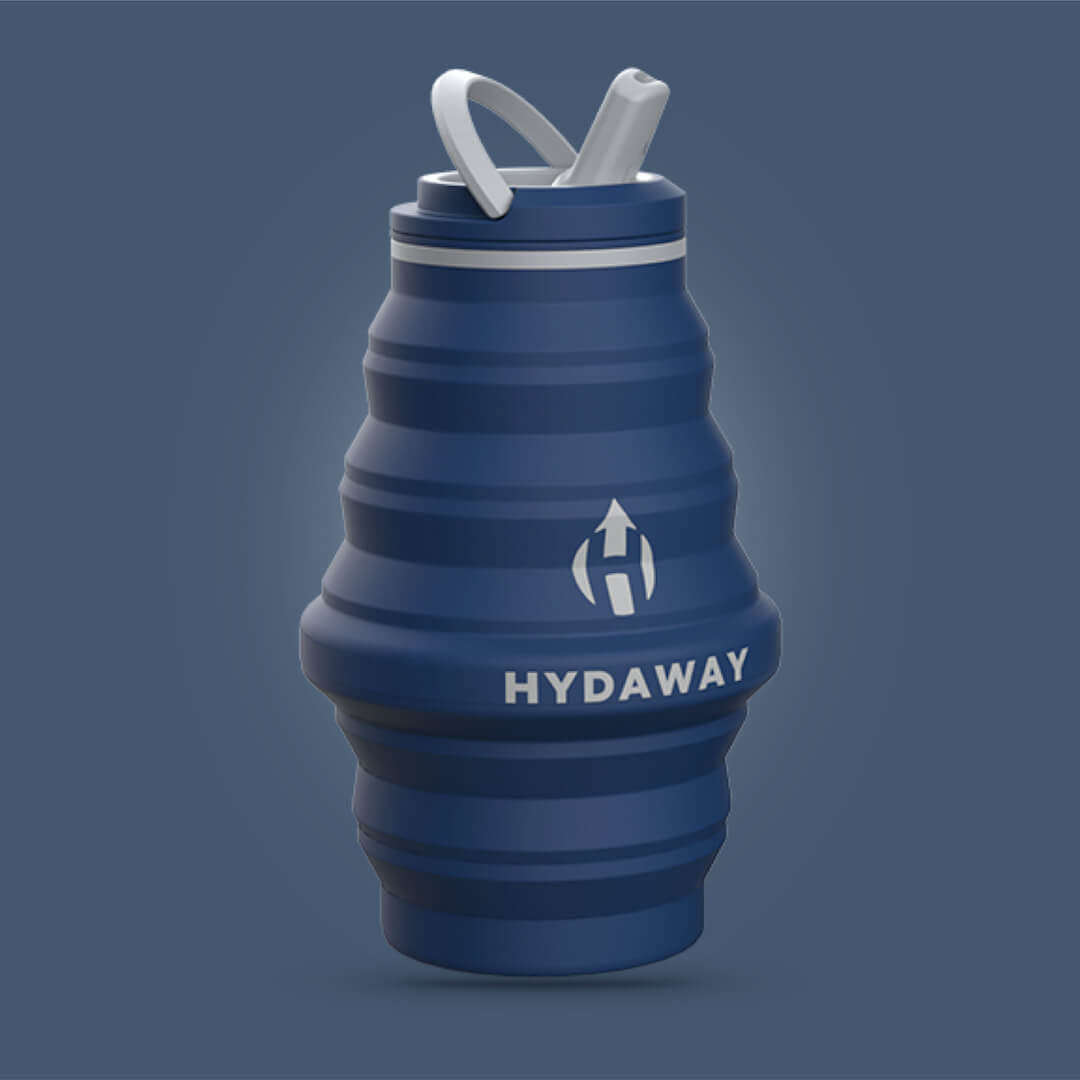
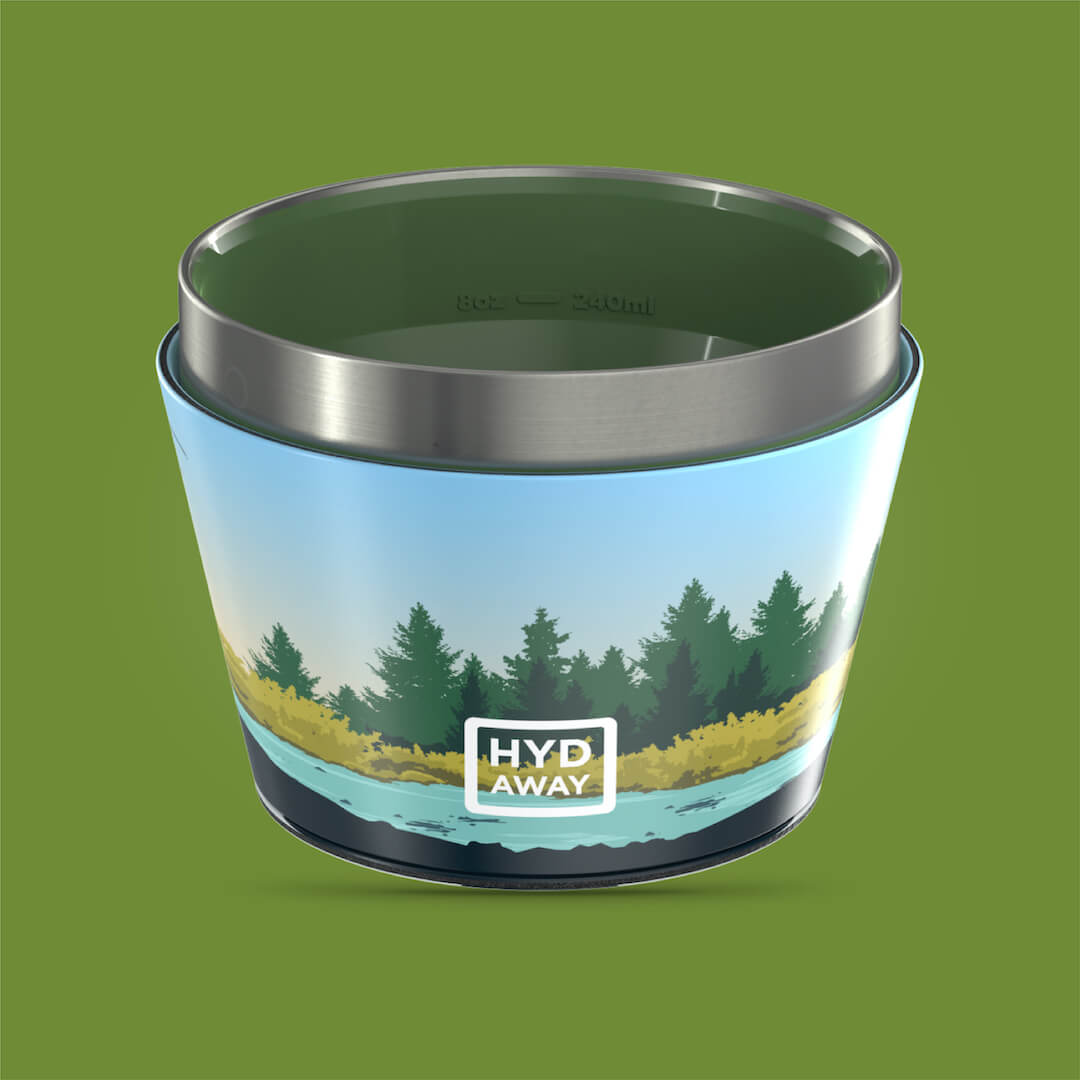
The strongest sustainable setup usually mixes small refillables with larger reusable essentials. A tiny bottle handles soap concentrate or cooking oil. A collapsible water bottle handles hydration. A packable bowl handles leftovers, fruit, oatmeal, or campsite meals. That combination does more than shrink luggage. It cuts down on the disposable cups, condiment packets, mini toiletries, and takeout containers that pile up over the course of a trip.
Beyond the Bottle When to Pack Differently
A 1 oz bottle is a sharp tool, not an answer to every packing problem.
Its sweet spot is precision. Since a 1 oz bottle holds about 30 milliliters, or roughly two tablespoons, it's great for samples, flavorings, and controlled portions, but not ideal for bulk use, as noted earlier in the bottle-size guide.
Better alternatives for certain jobs
Sometimes the smartest move is to skip liquids altogether.
- Solid toiletries: Shampoo bars, conditioner bars, and soap bars remove leak risk and free up bag space.
- Larger meal storage: A collapsible bowl makes more sense than multiple tiny bottles if you're packing leftovers, trail lunches, or breakfast prep.
- High-use products: Body lotion, sunscreen, or cooking oil for longer trips often deserve a bigger dedicated container.
- Group travel: Shared items are easier to manage in larger formats than in several tiny refills.
Build a system, not a collection
The best packers don't obsess over one object. They match each container to the job.
A weekend city traveler might carry one 1 oz bottle for cleanser and another for serum, then rely on refill stations or hotel basics for the rest. A camper might use small bottles for spices and soap concentrate, but pack a larger water solution and a fold-flat bowl for everyday eating. A parent handling theme-park snacks may use a 1 oz bottle for hand soap or dressing, while the rest of the food kit lives in compact reusable containers.
That's the larger lesson. The 1 oz bottle works best when it's part of a space-saving system that includes solids, larger reusable vessels, and compact food gear. Used that way, it stops being a travel accessory and becomes a packing strategy.
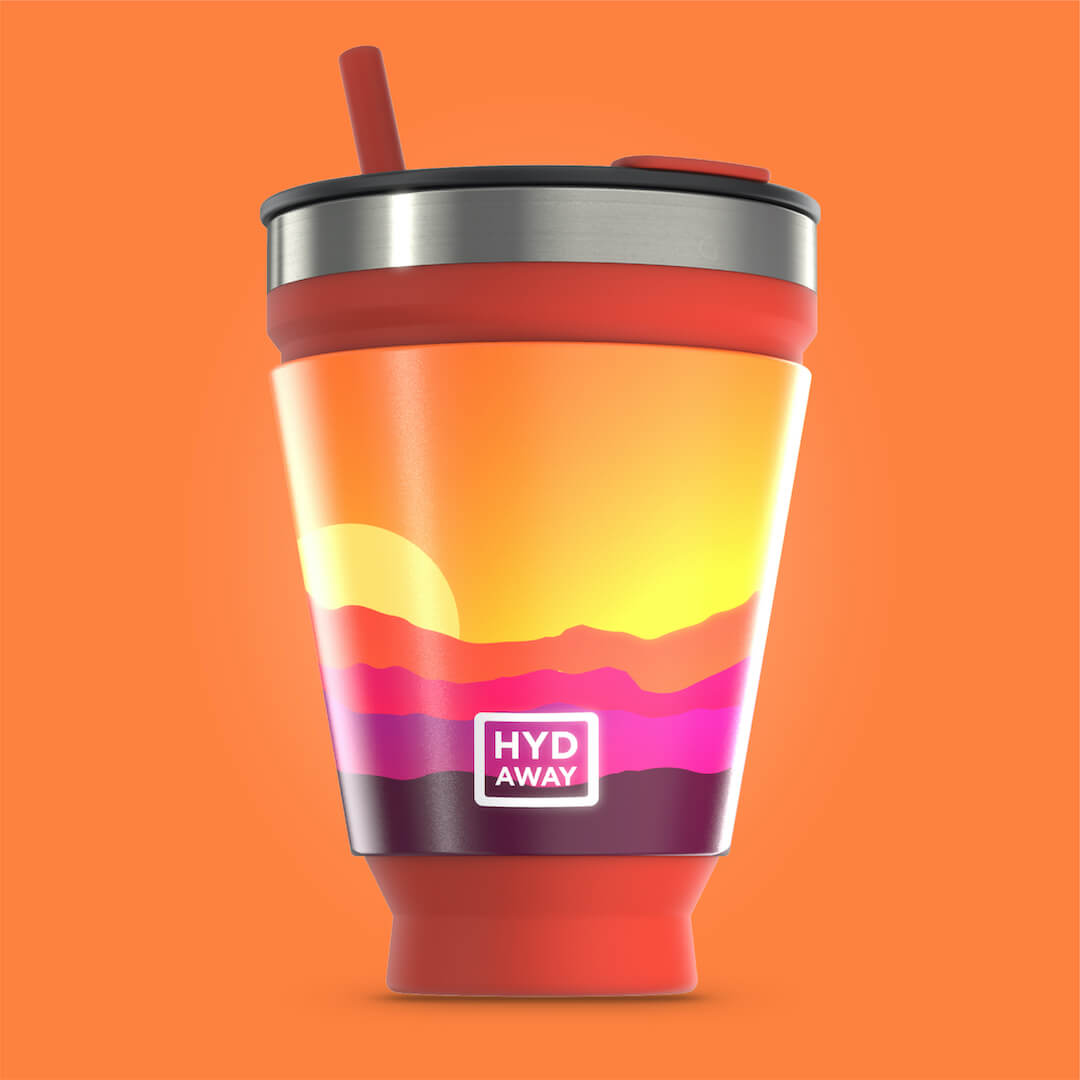
If you want that kind of system in real life, explore HYDAWAY. Its collapsible bottles, bowls, drinkware, and compact travel gear fit the same smart-packing logic that makes a 1 oz bottle so useful: carry only what you need, save space when you're done, and replace throwaway travel habits with reusable gear that works from airport to campsite to everyday commute.