


A Runner's Guide on How to Stay Hydrated While Running

Staying hydrated on a run is a pretty simple concept, but it's all about being proactive. The secret is to start drinking hours before you even lace up, carry water with you for any run that goes over 60 minutes, and then focus on replenishing everything you lost when you're done. It's a constant cycle of replacement, not just chugging water when you suddenly feel parched.
Why Smart Hydration Is Your Ultimate Performance Edge

Proper hydration is so much more than just drinking water; it's one of the most fundamental parts of your running performance and overall health. Think of it as the oil in your engine—even a small dip can cause some major problems. For a runner, that might look like a heart rate that suddenly spikes on an easy jog or a frustrating lack of focus just when you need to dig deep for that final mile.
So many runners mistakenly blame their fitness level when they hit a wall, especially on a hot day. More often than not, the real culprit is a failure to properly manage fluid and electrolyte levels. Dehydration is sneaky, and its effects start to creep in long before you feel overwhelmingly thirsty.
The Real Impact on Your Run
Losing just 2% of your body weight in fluid can seriously tank your endurance and efficiency. This guide is all about moving beyond generic advice to help you build a hydration strategy that’s personalized for your body and your goals. We'll dig into the unique factors that influence your needs and how modern gear makes it easier than ever to stay on top of your game.
Smart hydration isn’t about chugging water; it’s about timing and balance. A proactive plan ensures your body has the resources it needs to perform at its best, recover faster, and stay healthy mile after mile.
You can see the growing emphasis on this everywhere. The market for running hydration packs was valued at USD 285 million in 2024 and is expected to climb all the way to USD 485 million by 2033, thanks in large part to the explosion of trail running and endurance events. It shows a collective shift towards prioritizing on-the-go hydration.
For a more holistic look at how hydration fits into the bigger picture of a runner's health, check out these Top Tips on Hydration, Nutrition, Exercise, and Sleep.
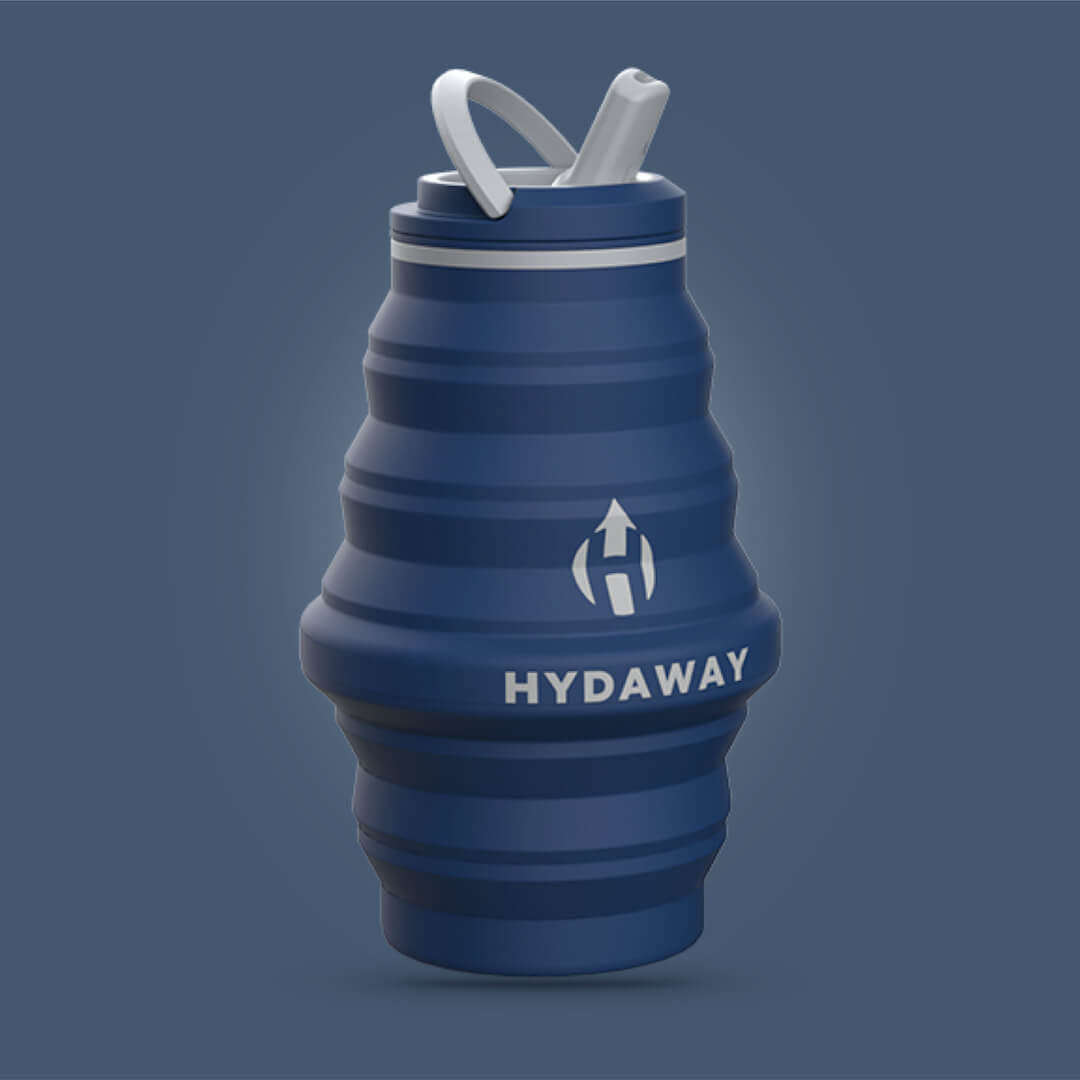
Making hydration convenient is the key. Imagine you're training for the Leadville 100, where every ounce in your pack matters. A runner can pack a HYDAWAY 25oz collapsible bottle for a long training run. It starts full but shrinks as they drink, saving precious space in their vest for other essentials. This practical approach supports an active lifestyle, making smart hydration simple no matter the challenge.
Creating Your Pre-Run Hydration Ritual
A great run doesn’t just happen. It starts long before you even think about tying your shoes, and proper hydration is a huge piece of that puzzle. This isn't about chugging a bottle of water moments before you dash out the door—that’s a recipe for sloshing and side stitches.
Think of it as a gradual, consistent process. Effective pre-run hydration really begins up to 24 hours in advance. It's all about sipping steadily throughout the day, topping off your body's reserves so your cells are saturated and ready to go when you are.
Nailing Your Pre-Run Timing
As you get closer to your run, timing becomes more critical. The goal is to be perfectly hydrated without feeling waterlogged or needing an unscheduled pit stop a mile in.
Here’s a simple timeline that works for most runners I know:
- 2-3 hours before your run: Drink about 16-20 ounces of water. This gives your body plenty of time to absorb the fluid and get rid of any excess.
- 20-30 minutes before your run: Have a final 8-10 ounces. This is your last top-off to ensure you start your run at peak hydration.
The easiest way to know where you stand? The old-fashioned 'urine check.' If it's a pale, straw-like yellow, you're good to go. Anything darker is a clear sign you need to drink a bit more.
Why Electrolytes Matter Before You Sweat
On a hot day or for a really tough workout, water by itself might not cut it. Your body loses crucial electrolytes—especially sodium—when you sweat. These are what help you hold onto water and get it to your muscles efficiently.
A pinch of salt or a simple electrolyte tab in your pre-run water can be a total game-changer.
Don’t underestimate the power of pre-loading with electrolytes. This simple step helps maintain fluid balance, which is critical for preventing muscle cramps and managing your core temperature, especially when it’s hot and humid.
It's a proactive step that, surprisingly, many runners skip. A study of recreational marathoners found that a staggering 72.5% weren't meeting daily fluid recommendations. Even worse, over half only had a small amount of plain water before a race, putting them at a major risk for dehydration. You can read the full study on runner hydration habits to dig into the data yourself.
Imagine this: the night before your weekend long run, you mix an electrolyte drink and pour it into your HYDAWAY 25oz bottle. You leave it in the fridge so it's perfectly chilled and ready to grab in the morning. That simple habit ensures you start your run strong and properly hydrated. For more ideas on what to carry with you, check out our guide on choosing the right running water bottle.
Mastering Hydration On The Move
Figuring out how to drink while you’re actually running shouldn’t feel like a chore. If you've done your homework and hydrated well the day before, your focus simply shifts to keeping that balance topped up.
What this looks like in practice really depends on your run. A quick 30-minute jog around the block has totally different hydration needs than a two-hour sufferfest on the trails.
For any run that’s under 60 minutes, plain water is usually fine. Your body has plenty of stored energy and electrolytes to get you through without needing a special formula. But once you push past that one-hour mark, the game changes. Your reserves start to run low, and just sipping on water isn’t going to cut it anymore.
This infographic breaks down the crucial pre-run steps, making sure you're set up for success before your shoes even hit the pavement.

Think of it as a visual timeline—a reminder that what you do on the run only works if you’ve laid the groundwork beforehand.
Dialing In Your Mid-Run Fluid Intake
For longer efforts, a solid starting point is to drink 3-6 ounces of fluid every 15-20 minutes. Taking small, consistent sips is way easier on your stomach than chugging a ton of water at once, which is a classic recipe for that awful sloshing feeling or, worse, cramps.
But that's just a starting point. The absolute best way to nail your hydration is to figure out your personal sweat rate. It sounds complicated, but it's actually super simple and gives you a powerful look into what your body uniquely needs.
Here’s the rundown:
- Weigh yourself naked right before a typical one-hour run.
- Run for one hour without drinking anything.
- Weigh yourself again (still naked) as soon as you get back.
- Do the math. Every pound you lost is equal to about 16 ounces of fluid. That number is your hourly sweat rate.
For example, if you dropped one pound, you know you lose about 16 ounces of sweat per hour. That’s your target. You should aim to replace that amount, broken up into smaller sips, during your next long run.
Knowing your personal sweat rate transforms your hydration from guesswork into a precise science. You can replace what you actually lose, which keeps you safe from both dehydration and the less common—but just as serious—problem of overhydration.
The Critical Role of Electrolytes
After an hour of running, especially when it’s hot, you're losing a lot more than just water. Your sweat is packed with essential electrolytes like sodium, potassium, and magnesium. You can sweat out anywhere from 500 to 1,000mg of sodium per hour. If you don't replace it, you’re setting yourself up for muscle cramps, dizziness, and a serious case of fatigue.
This is exactly why sports drinks or electrolyte tabs become non-negotiable on long runs. They put back the minerals your body is crying out for to maintain fluid balance and keep your muscles firing on all cylinders.
To help you put it all together, here’s a quick reference table for your on-the-go hydration needs.
On-the-Go Hydration: A Quick Guide
This table breaks down your fluid and electrolyte needs based on how long you're running.
| Run Duration | What to Drink | How Much to Drink | HYDAWAY Gear Solution |
|---|---|---|---|
| Under 60 Mins | Plain Water | 3-6 oz every 15-20 mins if needed | HYDAWAY 17oz Collapsible Bottle for easy carrying |
| 1-3 Hours | Water + Electrolytes | 4-8 oz every 15-20 mins | HYDAWAY 25oz Collapsible Bottle mixed with an electrolyte powder |
| Over 3 Hours | Water + Electrolytes + Carbs | 4-8 oz every 15-20 mins | HYDAWAY 25oz Bottle for electrolyte/carb mix and a second bottle for plain water |
Use this as a guide, but always listen to your body and adjust based on the conditions of your run.
Smart gear also makes a massive difference here. A trail runner heading out for a multi-hour adventure will love the HYDAWAY 25oz collapsible bottle because it’s perfect for mixing an electrolyte drink. As you sip, the bottle shrinks down, saving precious space in your vest and getting rid of that annoying sloshing sound.
If you’re a city runner who likes a more minimalist setup, the HYDAWAY 17oz version is a dream. It fits into a running belt or even a pocket, giving you access to fluids without weighing you down with a clunky, hard-sided bottle. Finding the right gear is a game-changer, and you can learn more in our guide to choosing the perfect handheld water bottle for running.
Your Post-Run Recovery and Rehydration Plan

The second you hit "stop" on your watch, the recovery process begins. What you drink in that first hour is just as crucial as the fluids you took in on the move. Your body is running on empty—low on fluids, electrolytes, and energy. A smart rehydration plan is your first step to bouncing back.
That post-run window is prime time for replenishment. Your body is incredibly receptive to absorbing fluids and nutrients, making it the perfect opportunity to give it exactly what it needs to repair and refuel.
The 150 Percent Rule of Rehydration
Here’s a simple, effective strategy I always recommend to runners: the 150% rule. It’s a foolproof way to replace the fluids you’ve sweated out.
The idea is simple: for every pound of body weight you lost during your run, you need to drink 20-24 ounces of fluid. So, if you hop on the scale and you’re down one pound, your target is about 24 ounces over the next few hours.
But don’t just chug it all at once. Sip gradually. This gives your body a fighting chance to actually absorb the fluids and electrolytes effectively. Aim to hit your rehydration goal within two to four hours post-run to maximize retention without overwhelming your system.
Spreading out your intake helps your body find its balance again, rather than just flushing everything out.
Crafting the Perfect Recovery Drink
After a long, tough run, plain water just isn't going to cut it. Your ideal recovery drink needs a powerful trio of ingredients: fluids, electrolytes, and carbohydrates.
- Fluids: This one’s a no-brainer. You need to replace the sheer volume of water you lost.
- Electrolytes: Sodium is the big one here. It helps your body actually hold onto the fluids you’re drinking and gets your mineral balance back on track.
- Carbohydrates: These are essential for starting the process of refilling your muscle glycogen stores—your body's primary fuel tank.
This combination is a game-changer for recovery. The carbs actually help shuttle water and sodium into your cells more efficiently, which speeds up the whole rehydration process.
Picture this: you've just crossed the finish line of a summer half-marathon, totally wiped. You can mix the perfect recovery shake—with protein, carbs, and electrolytes—right in a HYDAWAY 25oz bottle. It’s sturdy enough to shake up your drink, and you can pre-measure your powder at home so all you have to do is add water from the aid station.
This approach makes rehydration feel like a seamless part of your post-run ritual instead of a chore. And when you're done, keeping your gear fresh is easy. Check out our guide on using bottle cleaning tablets to make sure your bottles are always ready for the next adventure.
Adjusting Your Hydration for Different Conditions
A hydration plan that feels perfect on a cool, crisp morning can fall apart completely during a humid summer heatwave. The truth is, your hydration strategy can't be set in stone. Learning to stay properly hydrated means learning how to read the room—or in this case, the weather forecast.
The conditions you’re running in—heat, humidity, altitude, and even cold—radically change how much fluid and electrolytes your body loses. A static, one-size-fits-all approach just won't cut it when the variables are always changing. You have to be ready to adapt.
Running in Heat and Humidity
Heat is tough on its own, but heat combined with high humidity is a runner's true nemesis. When the air is already saturated with moisture, your sweat has nowhere to evaporate. That evaporation is your body’s primary cooling system.
When that system fails, your core temperature can climb dangerously fast. Your body responds by sweating even more, desperately trying to cool itself down. This is where fluid and electrolyte loss can become extreme.
- Bump up your fluid intake: On those soupy, humid days, your standard 3-6 ounces every 20 minutes might not be enough. Don’t be afraid to sip more frequently. Listen to your thirst.
- Prioritize electrolytes: You're shedding way more salt through that extra sweat. An electrolyte drink becomes non-negotiable, even on shorter runs where you might normally just stick to water.
- Pre-cool your drinks: Starting your run with an ice-cold beverage can actually help lower your core temperature from the inside out. It's a simple trick that makes a big difference.
The real danger of humidity is that your sweat rate increases, but its cooling effect decreases. This double-whammy requires a much more aggressive hydration and electrolyte replacement strategy to stay safe and maintain performance.
Adapting to Altitude and Cold
Running at higher altitudes brings its own unique hydration challenges. The air is thinner and much drier, which means you lose a surprising amount of fluid just by breathing. The problem is, you often don't feel as thirsty, making it dangerously easy to fall behind on hydration.
Cold weather can be just as deceptive. You might not feel like you're sweating much under all those layers, but trust me, you are. Your body is also working overtime to warm and humidify the cold, dry air you’re breathing in. Getting your fluids right is a critical part of any successful winter run, which is why it's worth brushing up on some specific running in cold weather tips.
A Real-World Example in the Tropics
Picture a runner training for a marathon in a tropical climate like Southeast Asia. The constant heat and humidity make hydration a 24/7 job. They might rely on their collapsible HYDAWAY 25oz bottle, which they can easily pack in a travel bag and carry on every single run. It's an indispensable tool that helps them keep up with the intense demands of the environment without adding bulk.
Research confirms just how critical this is, and even highlights some differences between men and women. In tropical conditions, one study showed that men tended to dehydrate faster, with higher sweat rates (1.3 L/h) compared to women (0.9 L/h). This makes having a proactive hydration plan even more vital. You can dig into the full findings on gender differences in tropical running hydration to see the data for yourself.
Your Top Hydration Questions, Answered
Even the most dialed-in hydration plan can leave you with a few nagging questions. That’s perfectly normal. Getting a handle on the "why" behind the advice is just as crucial as knowing the "how-to."
Let's dig into the questions I hear most often from runners. Clearing these up will give you the confidence to adapt your strategy on the fly, whether you're in a tough training block or toeing the start line.
Is It Possible to Drink Too Much Water While Running?
You bet it is. While we talk a lot about dehydration, its opposite—overhydration—can be just as dangerous. It's a condition called hyponatremia, and it happens when you chug so much plain water that you dilute the sodium levels in your blood to a dangerously low point.
This is precisely why electrolytes become non-negotiable on any run that stretches past an hour. The tricky part is that hyponatremia symptoms can mimic dehydration: nausea, bloating, confusion, and headaches. The best way to avoid this is simple: drink to thirst instead of forcing fluids down on a rigid schedule.
Should I Use Sports Drinks, Electrolyte Tabs, or Just Water?
The right fuel source really boils down to your run's length and intensity.
Here's my rule of thumb:
- For runs under 60 minutes: Plain water is usually fine. Your body has enough electrolytes in the tank to get you through a shorter, easier effort.
-
For runs over 60 minutes or in serious heat: You absolutely must replace lost electrolytes.
- Sports Drinks: These are a two-for-one deal, giving you electrolytes for hydration and carbohydrates for a quick energy boost.
- Electrolyte Tabs: Perfect for runners who get their calories from gels or chews. They dissolve in water to deliver the essential minerals you need without any extra sugar.
For those longer efforts, a HYDAWAY 25oz bottle is a fantastic tool. It’s got plenty of room for your favorite electrolyte mix, making sure you’re covered for the long haul.
What Are the First Signs of Dehydration to Watch For?
Don't wait until you feel like you're crawling through the desert. By the time you're overwhelmingly thirsty, your performance has already taken a significant hit. The real trick is learning to spot the early, subtle warning signs.
The first clues are rarely dramatic. Tune into things like a dry or sticky mouth, a sudden wave of fatigue when you shouldn't be tired, or a dull headache starting to creep in. Another massive tell is seeing your heart rate spike at a pace that usually feels like a walk in the park.
Other signals to keep an eye out for include:
- Feeling dizzy or lightheaded
- Noticing your urine is a dark yellow color
- Getting chills or feeling unusually hot spots on your skin
Catching these signals early means you can start rehydrating immediately and stop a small issue from wrecking your entire run.
How Can I Carry Water Without It Being Bulky?
Ah, the classic runner's dilemma. You know hydration is key, but the thought of carrying a sloshing, awkward bottle is the worst. Handhelds, belts, and vests all have their place, but they can often feel cumbersome and just plain annoying.
This is where collapsible gear completely changes the game. A bottle like the HYDAWAY 17oz is the minimalist runner’s dream. It’s incredibly lightweight, can be tucked into a small waistband pocket, and—the best part—it shrinks down as you drink. No more sloshing. It just gets smaller and more out of the way, making it the ideal choice when you want your water accessible but totally unnoticeable.
Ready to solve your on-the-go hydration problems for good? The innovative, collapsible gear from HYDAWAY is designed to fit your active life. Check out the full collection of packable bottles, drinkware, and accessories at https://myhydaway.com.