


What Does BPA Free Mean? A Guide to Safer Drinkware

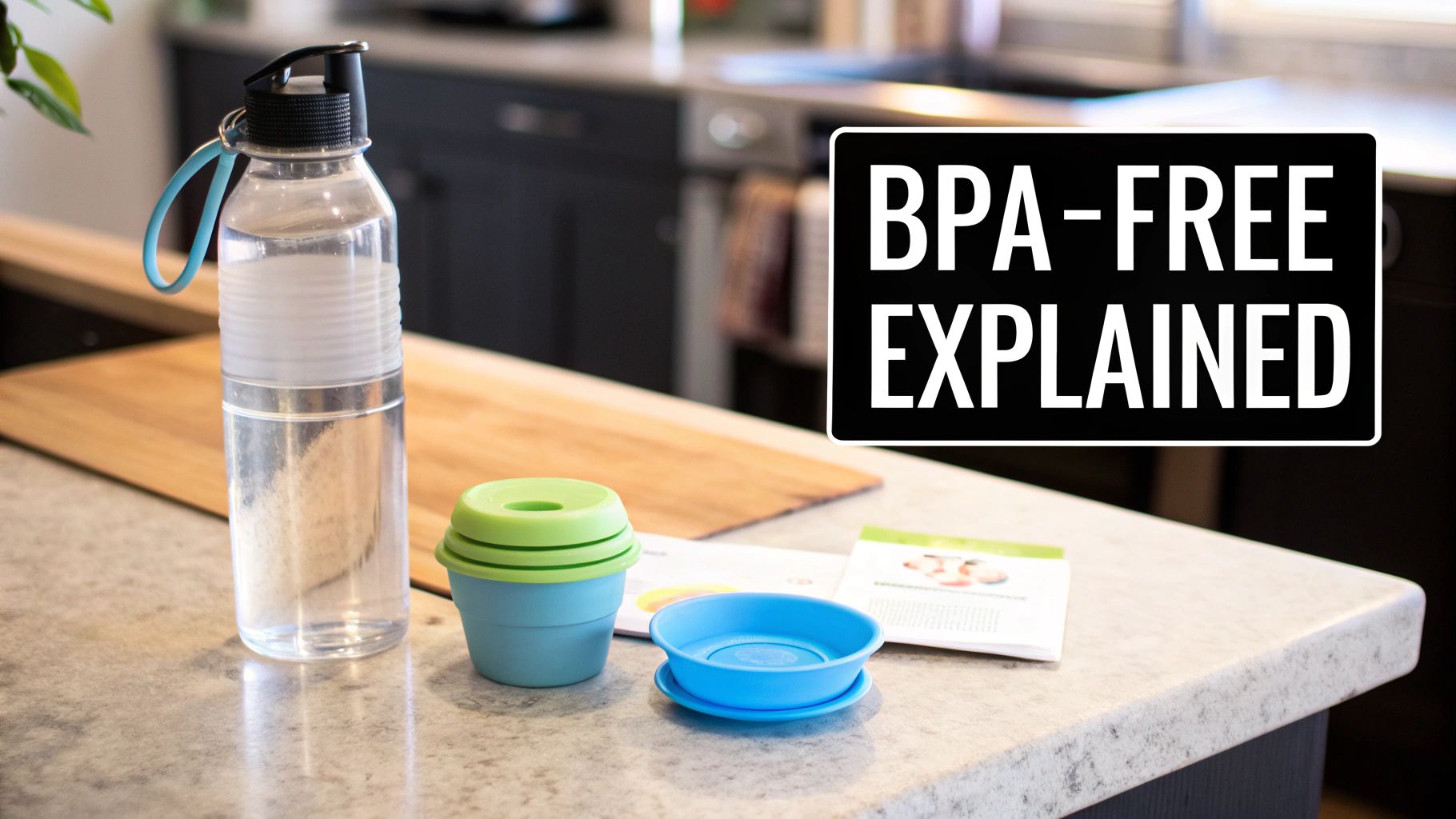
When you see a ‘BPA-free’ label on a product, it’s a lot like seeing a ‘gluten-free’ sticker in a grocery store. It’s a simple signal that the item doesn't contain a specific chemical—Bisphenol A—that many people are actively trying to avoid for health reasons. Let's cut through the noise and get straight to what that label really means for you and your family.
Decoding the BPA Free Label
So, what's the big deal with this one chemical anyway? BPA became a household name because it’s known as an endocrine disruptor. In simple terms, this means it can act like the hormone estrogen in the body. When tiny amounts of BPA leach from plastic containers into your food and drinks, it has the potential to throw your body’s natural hormonal functions out of whack.
This gets particularly dicey when plastics get hot—think of a water bottle left in a sweltering car during a summer road trip or a plastic container zapped in the microwave. Heat can cause the plastic to break down faster, which ramps up the amount of BPA transferring into whatever’s inside. The possible health risks, especially for kids, kicked off a huge consumer movement demanding safer stuff to eat and drink from.
What Does This Mean for You?
Understanding what "BPA-free" stands for helps you make smarter, healthier choices every single day. Picture this: you're packing snacks for a family day at a theme park. Grabbing a verified BPA-free container means you don't have to worry about what’s seeping into your food, even if your backpack bakes in the sun while you're waiting in line for the newest ride.
Key Takeaway: Choosing "BPA-free" isn't just about a label. It's a simple, proactive way to cut down your family's exposure to potentially harmful chemicals in the products you use all the time.
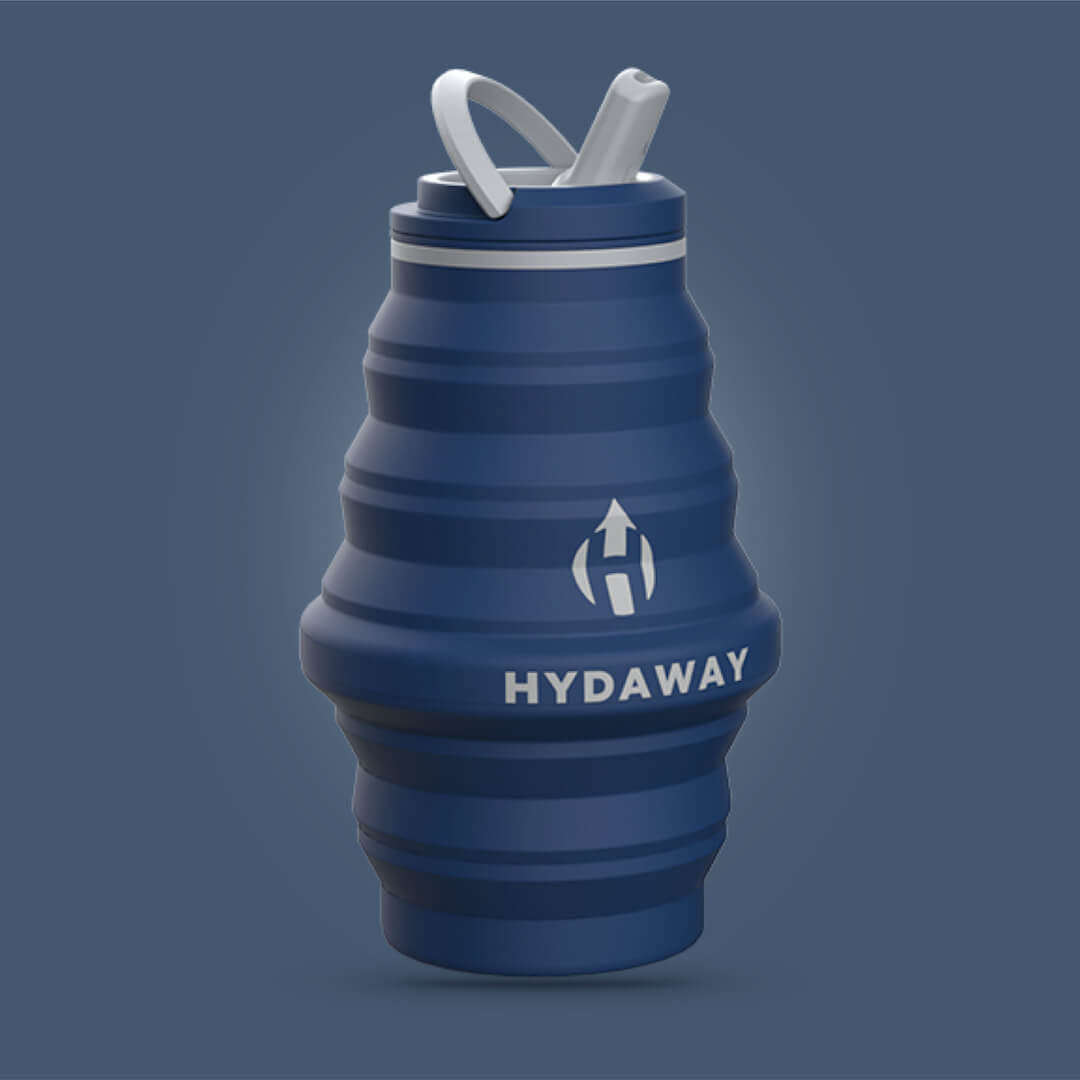
This is exactly why we started HYDAWAY. We built our collapsible bottles and containers from 100% food-grade silicone—a material that's naturally BPA-free right from the get-go. No substitutes, no workarounds needed.
For a busy parent or an avid traveler, that means one less thing to worry about. You can squash your HYDAWAY bottle down to fit in a pocket, then fill it up at an airport water station, knowing it’s made from a material designed with your health as the absolute top priority.
The Hidden History of BPA in Everyday Products
How did a chemical like Bisphenol A get into everything? It wasn't some evil plot. It was a classic case of industrial innovation moving faster than our understanding of long-term health. The story of BPA’s rise and fall is a fascinating look at how consumer awareness can completely reshape an industry.
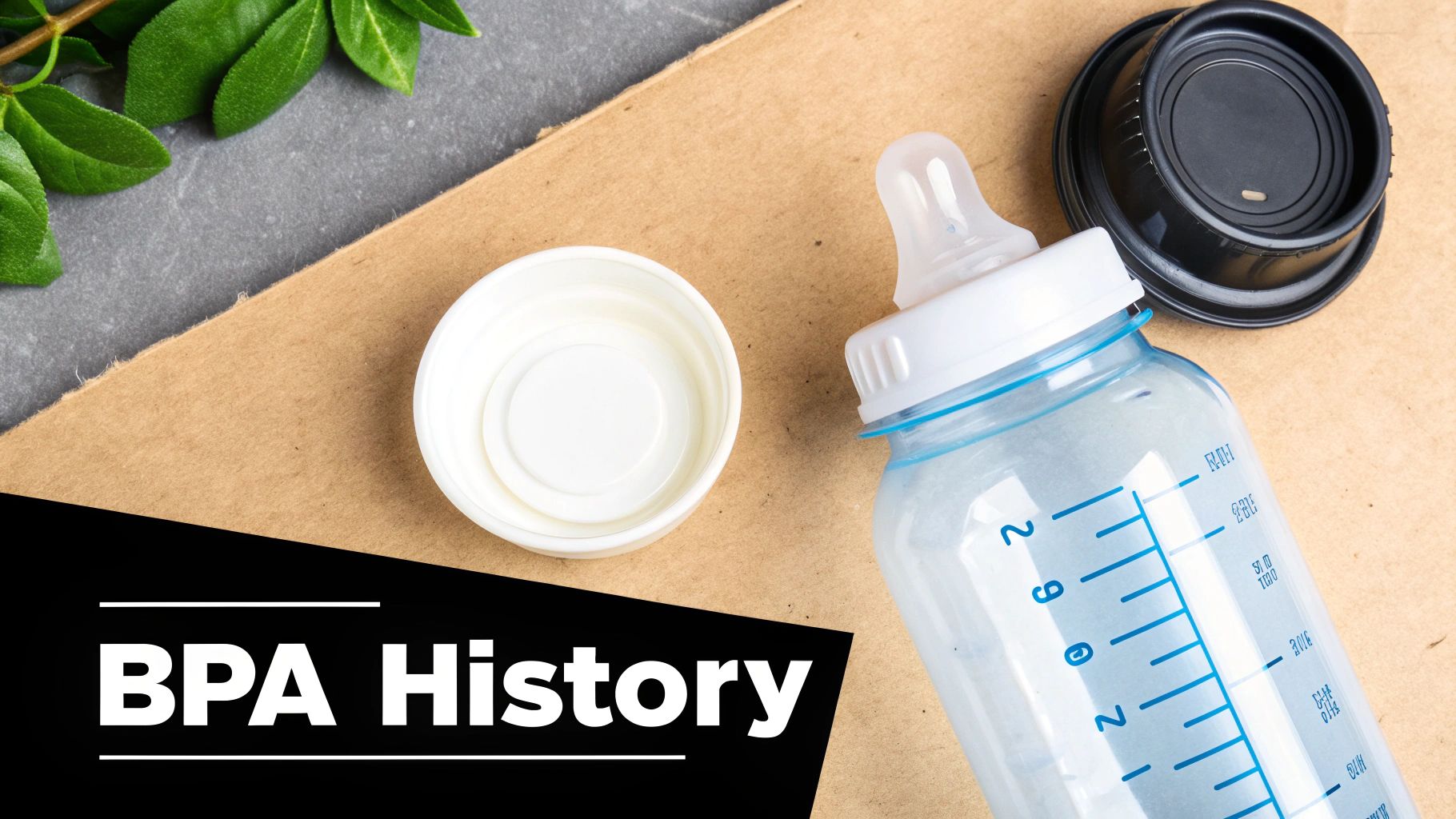
BPA was first created way back in 1891, but it sat on a shelf until the 1950s. That’s when chemists discovered its incredible potential for making polycarbonate plastic—a material that seemed like a miracle at the time. It was lightweight, virtually shatterproof, and crystal clear.
Suddenly, manufacturers had a cheap, durable material perfect for just about everything. It became the backbone of countless products, from eyeglasses to electronics. Most importantly, it was used for food and beverage containers. That hard, transparent water bottle you carried in the 90s? Almost definitely made with BPA. The same goes for baby bottles, Tupperware-style containers, and the epoxy resins used to line millions of metal food cans to keep them from corroding.
The Science Behind the Concern
The tide started to turn when scientists figured out how BPA actually behaves inside the human body. It turned out that the same chemical properties that made it a great plastic hardener also raised major health red flags.
BPA is an endocrine disruptor. Think of your body’s hormone system like a complex network of locks and keys. Hormones are the keys, fitting into specific receptor “locks” to kick off essential biological processes. BPA is like a master key forger—its molecular structure is just similar enough to the hormone estrogen that it can fool the body’s receptors.
By mimicking estrogen, BPA can throw the body's delicate hormonal symphony out of tune. This can potentially disrupt everything from growth and development to metabolism and reproductive health. This is the core reason the world pushed for BPA-free products.
This hormone-mimicking ability is especially concerning for infants and children. The potential for BPA to interfere during critical windows of development is what first sparked widespread public alarm and launched a wave of new research.
A Timeline of Public Awakening
The shift away from BPA didn’t happen overnight. It was a slow burn, fueled by scientific studies and a groundswell of consumer demand.
Here’s a quick look at the key moments:
- Early 2000s: A steady stream of scientific studies began linking BPA exposure in animals to various health issues, catching the eye of health advocates and the media.
- Mid-2000s: Consumer groups launched major campaigns to raise public awareness, focusing heavily on BPA in baby products. Parents became a powerful voice, demanding safer alternatives for their kids.
- 2012: In a landmark decision, and in response to overwhelming public pressure, the U.S. Food and Drug Administration (FDA) officially banned the use of BPA in baby bottles and sippy cups.
That 2012 ban was a watershed moment. It validated the public’s concerns and sent a clear message to the industry: the age of BPA was coming to a close. It’s why today, you’ll never find a new baby bottle made with the chemical.
This history is why we make the choices we do now. When you choose a HYDAWAY bottle made from certified food-grade silicone for your child's school lunchbox, you're benefiting from decades of advocacy for safer materials. You're choosing a product designed from the ground up to be free from the very chemicals that sparked a global health movement.
Is BPA Free Always a Guarantee of Safety?
Seeing a "BPA-free" label on a water bottle or food container feels like a clear win. It's a reassuring sign that the manufacturer got rid of a specific chemical you're trying to avoid. But here's where the story gets a bit more complicated.
That sticker only confirms one single chemical is gone. The really important question is, what did they use to replace it?
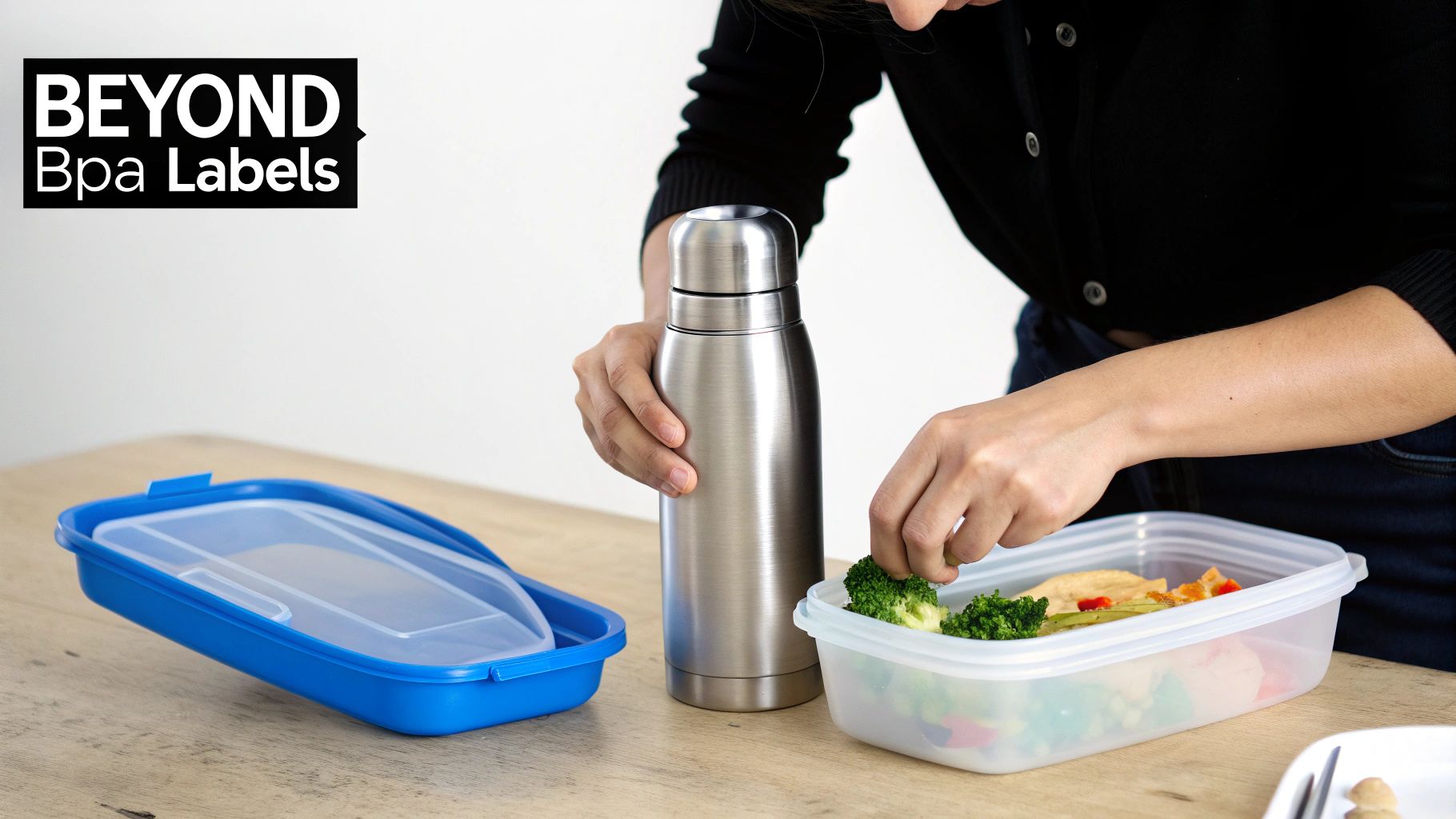
This brings us to the frustrating world of "regrettable substitutes." When public pressure mounted against BPA, many companies scrambled for a quick fix. In many cases, they just swapped BPA for its close chemical relatives, like Bisphenol-S (BPS) or Bisphenol-F (BPF). This simple switch allowed them to legally (and ethically questionably) slap a "BPA-free" label on their products, potentially creating a whole new set of problems.
Think of it like being warned to stay away from a specific type of poisonous mushroom. A sign that says "No Death Caps Here!" is technically true, but it doesn't tell you if the mushroom right next to it is just as deadly. BPS and BPF are chemical cousins to BPA. They share a similar molecular structure and, as emerging research suggests, similar hormone-disrupting effects.
The Problem with Chemical Look-Alikes
The real issue is that BPS and BPF can behave in the body a lot like BPA does. Their similar shapes let them fit into the same hormonal "locks," or receptors, which could lead to the same kind of endocrine disruption that made BPA a public health concern to begin with.
This means that in some cases, we've simply traded one problem for another, with no real improvement in safety. You might be diligently choosing a BPA-free product, but you could still be exposing yourself to a chemical with comparable risks.
The Uncomfortable Truth: A "BPA-free" label is not a certified guarantee of overall safety. It only confirms the absence of one specific bisphenol, leaving the door open for other, less-studied chemicals to take its place.
It's a frustrating reality for anyone trying to make healthy choices. It highlights a major gap in regulation, where focusing on a single chemical can completely miss the bigger picture of material safety. The responsibility then falls back on you, the consumer, to look beyond the basic labels and dig a little deeper.
A Practical Example of Why This Matters
Picture this: you're a parent getting ready for a day trip to the zoo. You carefully pack healthy snacks and drinks in plastic containers you bought specifically because they were labeled "BPA-free." You feel good about that choice. But then you leave the backpack in a hot car for an hour while you're getting tickets.
If those containers are made with an untested substitute like BPS, the heat can cause that chemical to leach into your child's apple slices and sandwiches. You did everything right based on the label, but you might still be facing the exact risk you were trying so hard to avoid. This is exactly why understanding the materials themselves is so much more important than just reading a sticker.
This very scenario is why HYDAWAY opts out of the plastic substitute game entirely. By using 100% food-grade silicone, we start with a material that is inherently free of BPA, BPS, BPF, and other petroleum-based chemicals. There are no regrettable substitutes because no bisphenols were ever needed in the first place.
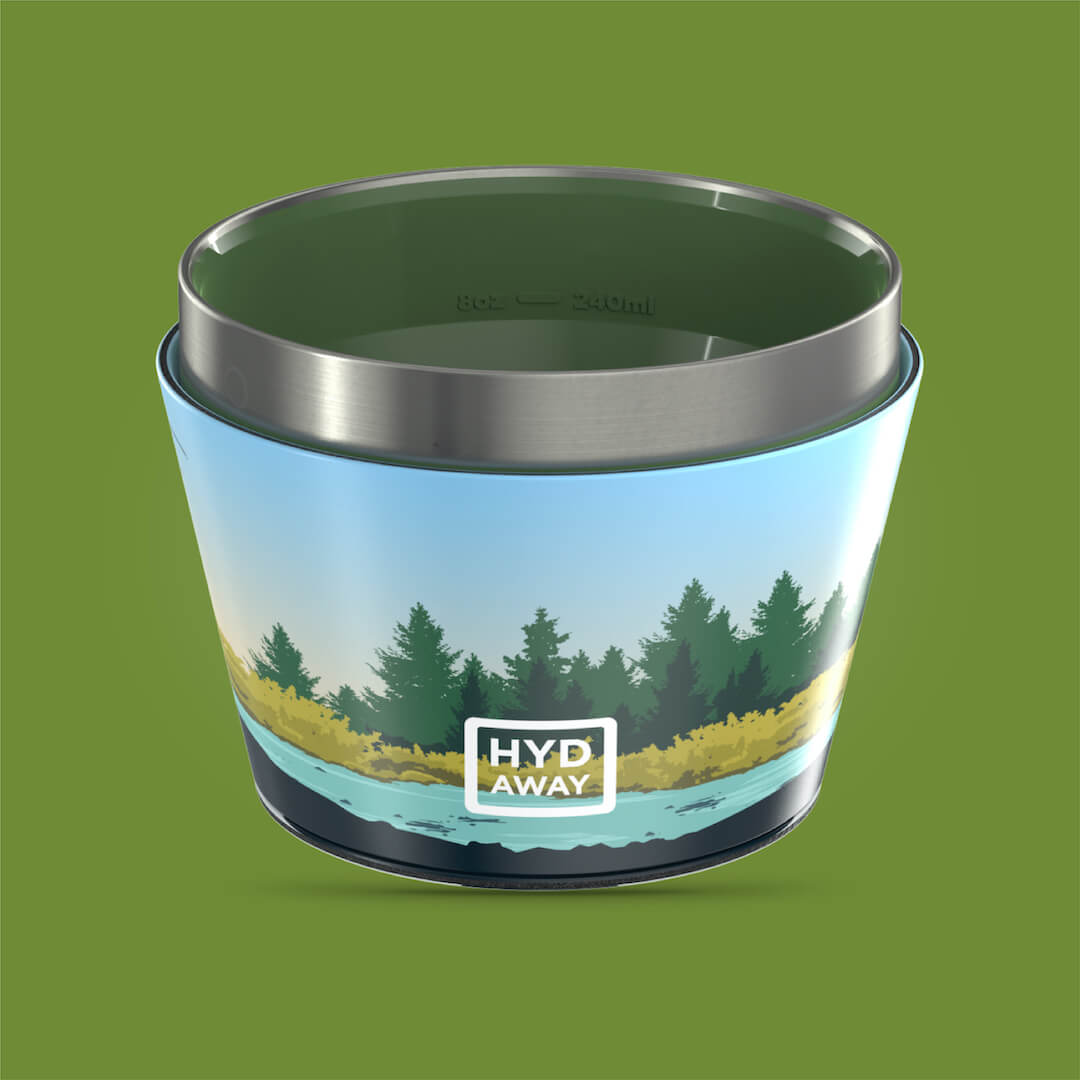
For a family on the go, this provides genuine peace of mind. Your collapsible HYDAWAY bowl can hold hot oatmeal on a camping trip or cold fruit at the park without any worry of chemical leaching, no matter the temperature.
Moving Beyond a Single Chemical
The conversation around safe products is shifting. Instead of just asking, "What does BPA-free mean?" we need to start asking a better question: "What is this product actually made of?" True safety isn't about avoiding one bad ingredient; it's about choosing materials that are proven to be non-toxic and stable from the get-go.
Here are the key takeaways when you're sizing up a product's safety:
- Look for Material Transparency: Brands that are confident in their safety will clearly state what their products are made from. Vague descriptions should be a red flag.
- Prioritize Inherently Safe Materials: Glass, stainless steel, and certified food-grade silicone are top-tier choices because they don't rely on a cocktail of industrial chemicals to do their job.
- Demand Third-Party Verification: The highest level of assurance comes from independent testing that confirms a product is free from a whole list of harmful substances, not just BPA.
By focusing on the total material composition, you can sidestep the shell game of chemical substitutes and make choices that genuinely protect your health.
How to Choose Genuinely Non-Toxic Drinkware
Feeling overwhelmed by all the chemical names and confusing labels? You're not alone. It can feel like you need a chemistry degree just to buy a water bottle, but picking genuinely safe drinkware is much simpler than it seems once you know what to look for.
Let's cut through the noise. Instead of getting bogged down in a long list of things to avoid, we’ll focus on what to choose. The easiest path to peace of mind is to pick materials that are inherently free from BPA and its sneaky substitutes.
Start with Safe Materials
The foundation of any truly non-toxic product is the material it's made from. Some materials are naturally stable and don't need the chemical shortcuts found in certain plastics. Think of it like cooking: a fresh apple doesn't need a paragraph of ingredients, but a highly processed snack cake probably does.
Here are the top-tier materials to look for when you're shopping:
- Food-Grade Silicone: This is a standout choice, especially for an active lifestyle. It's a non-petroleum-based polymer that’s naturally free from BPA, BPS, and phthalates. It's also ridiculously durable, flexible, and handles hot and cold temperatures like a champ, making it perfect for everything from collapsible water bottles to travel-friendly food bowls.
- Stainless Steel: A classic for good reason. Stainless steel is tough as nails, lasts forever, and won't leach chemicals or hold onto the taste of yesterday's coffee. It’s a fantastic option for insulated bottles that keep your drinks icy cold or piping hot for hours on end.
- Glass: When it comes to purity, glass is king. It's non-porous and impermeable, meaning it won’t absorb flavors, smells, or chemicals from your drinks. While it's heavier and obviously more fragile, it’s an excellent choice for use at home or in the office.
The HYDAWAY collapsible bottle is a perfect example of building a product on this principle. We chose 100% food-grade silicone because it delivers safety and performance without any trade-offs. For a traveler packing light for a weekend getaway or a parent heading to a soccer tournament, its collapsible design is a game-changer, while its material provides total confidence.
Comparing Common Reusable Bottle Materials
To make things even clearer, let's break down the pros and cons of the most common materials you'll find. This can help you match the right bottle to your lifestyle.
| Material | Safety Profile (BPA & Alternatives) | Best For | Potential Downsides |
|---|---|---|---|
| Food-Grade Silicone | Naturally free of BPA, BPS, and phthalates. Very stable and non-leaching. | Travel, hiking, kids, and anyone needing a flexible, lightweight option. | Can sometimes retain strong odors if not cleaned properly; not as rigid as metal or glass. |
| Stainless Steel | Excellent safety profile; inherently free from bisphenols and other plastic chemicals. | Keeping drinks hot or cold for extended periods, durability, everyday use. | Can be heavy, may dent if dropped, and not microwave-safe. |
| Glass | The gold standard for purity; completely inert and free of all plastic-related chemicals. | Taste purists, home/office use, storing juices or smoothies. | Heavy, fragile, and not ideal for rough-and-tumble activities. |
| Hard Plastics (e.g., Tritan) | Labeled "BPA-free," but may contain other bisphenols or have unproven long-term safety. | General use, budget-friendly options, when transparency is needed. | Potential for "regrettable substitutes"; can scratch and may retain odors over time. |
Choosing a material like food-grade silicone or stainless steel is your most straightforward bet for avoiding unwanted chemicals right from the start.
Why You Can’t Always Trust Recycling Codes
You've probably heard the tip to check the recycling number on the bottom of a plastic product to see if it's safe. While it can be a helpful clue, it’s far from a foolproof system. Knowing how to read labels is a great skill, but these little numbers only tell part of the story.
The main code to be wary of is #7 (OTHER). This category is a catch-all for various plastics, including polycarbonate—the original plastic made with BPA. Even though many #7 plastics are now made without BPA, the symbol itself doesn't guarantee it's safe.
Key Insight: Recycling codes were created for waste management, not consumer safety. Relying on them alone can give you a false sense of security, as a "BPA-free" product with a #7 code could still contain other concerning chemicals like BPS.
This is exactly why focusing on the material itself is a much more reliable strategy than trying to decode a symbol designed for recycling plants.
Look for the Gold Standard: Third-Party Testing
So, how can you be absolutely sure a product is safe? The highest level of assurance comes from third-party testing. This is when a brand voluntarily sends its products to an independent, accredited lab to get them screened for a whole host of harmful chemicals.
This process goes way beyond a simple "BPA-free" claim on the package. A truly comprehensive test will check for:
- Bisphenols (BPA, BPS, etc.): Verifying the absence of the entire family of chemicals.
- Phthalates: Plasticizers that are often used to make plastics more flexible.
- Lead and other heavy metals: Ensuring no toxic metals have contaminated the product.
When a brand invests in third-party verification, it speaks volumes. It shows they aren't just meeting the bare-minimum legal standards; they are proactively proving their products are genuinely non-toxic.
This is a non-negotiable for us at HYDAWAY. All our products—from our collapsible bottles to our travel bowls—are independently tested and certified to be free from BPA, BPS, phthalates, and lead. For our community of adventurers, families, and daily commuters, this verification offers the ultimate confidence. Whether you’re filling up at a remote mountain spring or packing a snack for your kid's lunch, you know your HYDAWAY gear is safe, tested, and ready for anything.
To explore our top picks and find the perfect match for your lifestyle, you might be interested in our guide to finding the best BPA-free water bottles for you.
Building a BPA-Free Lifestyle Beyond Your Water Bottle
Figuring out what "BPA-free" really means is a huge first step. But the real win comes when you start applying that knowledge to your daily life, cutting down your family's exposure to sketchy chemicals for good.
Creating a safer, healthier home isn't about some massive, overwhelming overhaul. It's about making small, consistent swaps in your kitchen, at the grocery store, and even when you're out and about. It's a series of simple habits that add up, helping you dodge not just BPA but those "regrettable substitutes," too.
Your Everyday Checklist for a BPA-Free Home
Meaningful change is way easier when you know where to start. Let's focus on the high-impact areas where these chemicals love to hide.
-
Rethink Canned Goods: A lot of food and beverage cans are lined with epoxy resins containing BPA to keep them from corroding. Whenever you can, opt for fresh or frozen fruits and veggies. If you do need something from a can, look for brands that make a point of advertising their BPA-free linings.
-
Never Microwave Plastic: Heat is plastic’s worst enemy. It breaks down the material and makes it way more likely that chemicals will leach right into your food. Always, always move food to a glass or ceramic container before you nuke it—even if the plastic claims to be "microwave-safe."
-
Be Wary of Receipts: You know that slick, thermal paper most receipts are printed on? It's often coated with BPA or BPS to make the ink appear. Just say no to a receipt if you don't need it, or at least wash your hands after touching one, especially before you eat.
This handy little decision tree can help you visualize how to pick the right non-toxic drinkware for any situation.
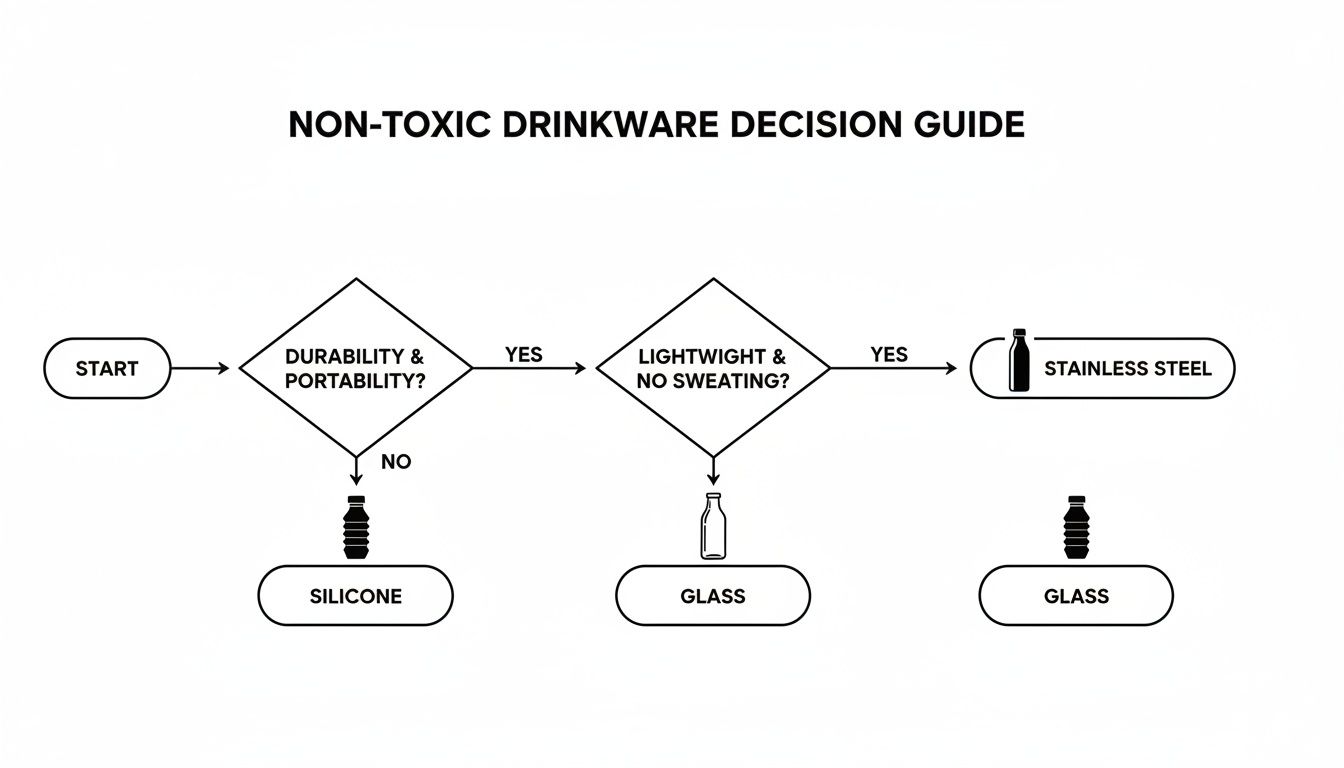
As you can see, materials like stainless steel, glass, and silicone each bring something different to the table. It's all about matching the material to your top priorities, whether that's durability, weight, or portability.
Making Smart Swaps on Your Adventures
Your commitment to healthier living shouldn't get left at home. In fact, it’s probably most important when you’re traveling or camping, because convenience often tempts us into making not-so-great choices. This is where having a trusted toolkit of safe, reusable gear really pays off.
Picture this: you're at an outdoor concert and get hungry. Instead of buying food in a disposable plastic container, you use your HYDAWAY collapsible bowl that you packed. It’s made from third-party verified, food-grade silicone, so it can handle your hot chili dog or cold pasta salad without any drama, keeping your meal pure and delicious. If you want to dive deeper into this amazing material, check out our guide on what is food-grade silicone.
This simple swap isn't just about dodging BPA; it's about having total confidence in your gear. You can enjoy a hot meal by the campfire or a fresh salad at a theme park without giving a second thought to what’s seeping into your food.
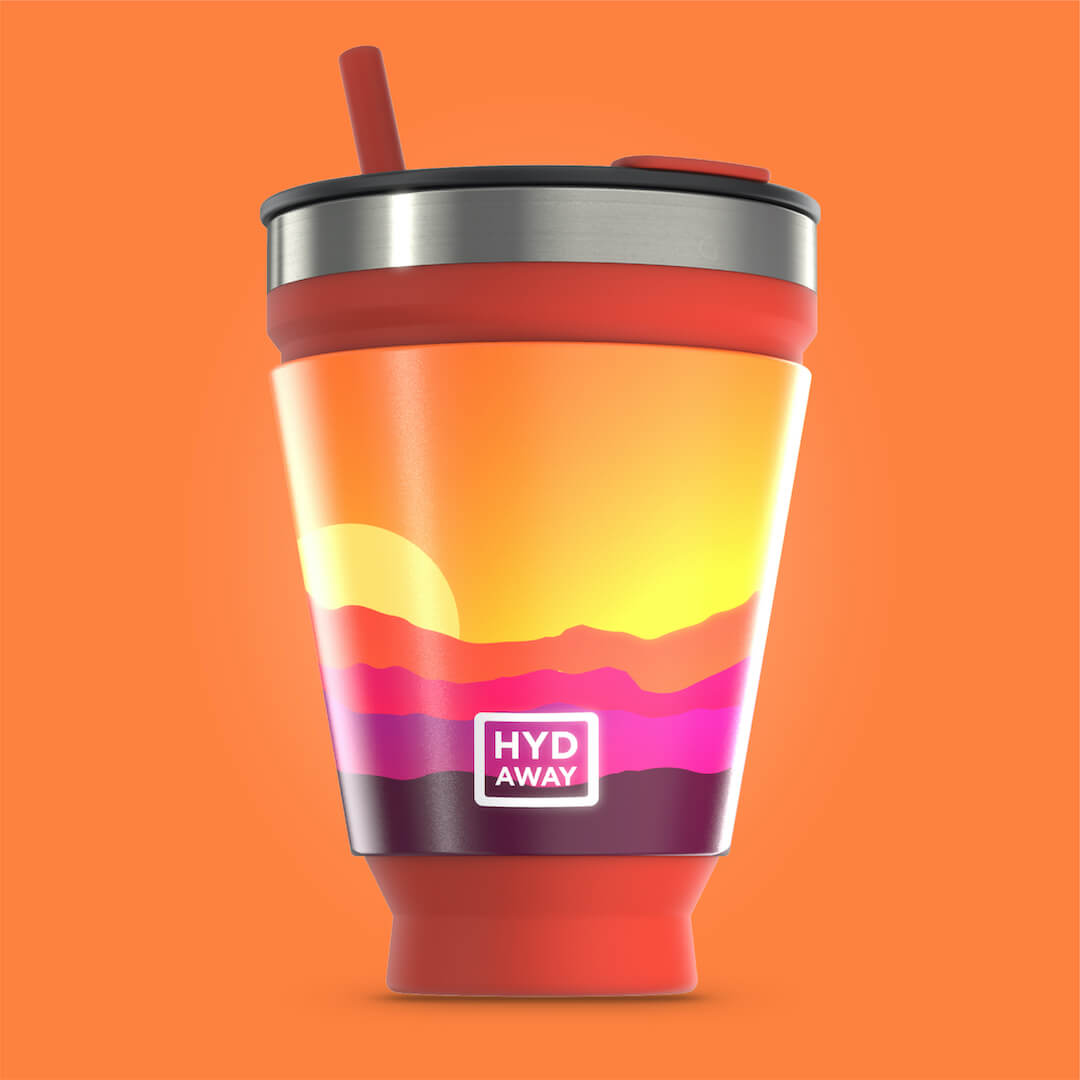
When you thoughtfully build a system of safe and portable products, you empower yourself to live healthier no matter where life takes you. A HYDAWAY bottle, tumbler, and bowl can all collapse down to practically nothing, fitting into a small bag to create a complete, space-saving system for any adventure.
This mindset turns "BPA-free" from a simple label into an active lifestyle. It's about having the right tools on hand to make the healthiest choice the easiest choice—whether you’re climbing a mountain or just navigating a busy airport.
Still Have Questions About BPA-Free Products?
Jumping into the world of non-toxic products can feel like learning a new language. As you start making healthier choices for yourself and your family, it’s only natural to have a few questions. Let's clear up some of the most common points of confusion so you can feel completely confident in your decisions.
Think of this as your quick-scan guide to what "BPA-free" really means for your day-to-day life.
If a Product Isn't Labeled BPA-Free, Does That Mean It Contains BPA?
Not always, but you're rolling the dice with certain plastics. The biggest culprits are typically older, hard, and clear polycarbonate plastics, often stamped with the recycling code #7. Many other common plastics, like PET (#1), have never contained BPA in their chemical structure to begin with.
But here’s the reality: without a clear label or—even better—third-party verification, you can't be 100% certain. For genuine peace of mind, it’s always best to choose products from brands that are transparent about their materials and testing. The simplest path? Stick to materials that are inherently safe, like glass, stainless steel, or certified food-grade silicone.
Can I Safely Put BPA-Free Plastic in the Dishwasher?
This one really depends on the quality of the product. High-grade, durable plastics and food-grade silicone, like the materials we use in all HYDAWAY products, are specifically engineered to be top-rack dishwasher safe. They’re built to handle the heat and detergents without breaking down or causing trouble.
The danger comes from lower-quality plastics. Heat and harsh detergents can cause these less stable materials to degrade over time, which could lead them to leach other chemicals. Your best bet is to always follow the manufacturer's care instructions. Products with third-party safety verification have usually been tested to prove they stay stable and non-toxic, even after hundreds of wash cycles. To get the full scoop on proper care, check out our guide on using bottle cleaner tablets for a deeper clean.
A Practical Tip: If you're ever on the fence about a plastic item, just hand-wash it. Using mild soap and lukewarm water is the safest way to prevent potential chemical leaching and help the product last longer.
This is a huge advantage of HYDAWAY gear. Whether you're a parent cleaning a dozen items after a long day at a theme park or a traveler rinsing your bottle in a hostel sink, you can trust our products are designed for easy, safe cleaning.
Are BPS and BPF the Only Other Chemicals I Should Worry About?
BPS and BPF are the most well-known "regrettable substitutes" for BPA, but they are far from the only chemicals of concern. The plastics industry uses thousands of different compounds, including plasticizers like phthalates, colorants, and stabilizers. The unfortunate truth is that many of these have never been thoroughly studied for their long-term health effects.
This uncertainty is exactly why third-party verification is so important. A simple "BPA-free" sticker just tells you one chemical is missing. A comprehensive, independent test screens for a whole list of known harmful substances, giving you a much stronger and more reliable guarantee of overall safety.
This broader approach is what sets a truly non-toxic product apart from the rest. It moves beyond a single marketing claim to provide verified proof that the item is free from an entire spectrum of concerning chemicals.
Why Does HYDAWAY Use Food-Grade Silicone?
Great question! We chose food-grade silicone because it offers the perfect mix of safety and real-world performance for people on the move. It's a stable, inert material that is naturally free from BPA, BPS, phthalates, lead, and other petroleum-based chemicals right from the start. No risky substitutes were ever needed because they were never in the formula in the first place.
But beyond its fantastic safety profile, silicone is just incredibly practical for an active lifestyle:
- It’s Durable and Flexible: You can squash it, drop it, and pack it away without it breaking. This makes it perfect for travel, hiking, and daily adventures.
- It Handles Temperature Extremes: It’s safe for both hot and cold drinks, and you can confidently toss it in the dishwasher.
- It’s Lightweight and Packable: This unique material is what allows our products to collapse down, saving precious space in a backpack, carry-on, or gym bag.
For our community of travelers, families, and daily commuters, this means you never have to compromise. You get a product that fits seamlessly into your life without ever having to second-guess its safety—and for us, that’s non-negotiable.
Ready to embrace a healthier, more convenient lifestyle on the go? Explore HYDAWAY's full collection of certified BPA-free collapsible bottles, bowls, and tumblers. Our gear is designed to save space and provide total peace of mind, no matter where your adventures take you. Shop now at myhydaway.com and discover your new favorite travel companion.