


Tiny House Storage Solutions: The Ultimate Room-by-Room Guide

Unlocking a comfortable, stylish, and truly functional tiny home all comes down to clever storage. The secret isn't about sacrifice; it’s about embracing intentional design. It's about using multi-functional furniture, tapping into vertical space, and choosing the right collapsible gear to make every single square inch work for you.
The Secret to Spacious Tiny Living
Living tiny doesn't mean you have to part with everything you love. It means living smarter with the things you choose to keep. This whole shift to smaller homes is more than just a passing trend—it's a conscious decision to put experiences ahead of possessions.
This philosophy demands a completely new way of looking at storage. It’s no longer an afterthought but a core element of your home's design and flow. Forget the old rules of organizing you might use in a traditional house. In a tiny home, your storage strategy is your interior design.
The goal here is to create a space that feels open, calm, and always ready for the next adventure—not one that feels like a frustrating game of Tetris. We're going to walk through the practical, real-world solutions that seasoned tiny dwellers rely on every single day. We’ll look at how to turn overlooked nooks into hard-working zones and how choosing the right gear can dramatically expand your sense of space. For some great foundational ideas, check out these 10 clever tiny home floor plan ideas for maximizing your space.
Embracing the Tiny Home Ethos
The entire tiny home movement is built on minimalism and efficiency. When your living space is under 500 square feet, smart storage isn't just nice to have—it's what makes the lifestyle not just possible, but genuinely liberating. A huge 72.4% of tiny homes are in that 130-500 sq. ft. range, and their owners have become masters of storage hacking. They use multi-functional furniture and hidden compartments to slash clutter by up to 40%.
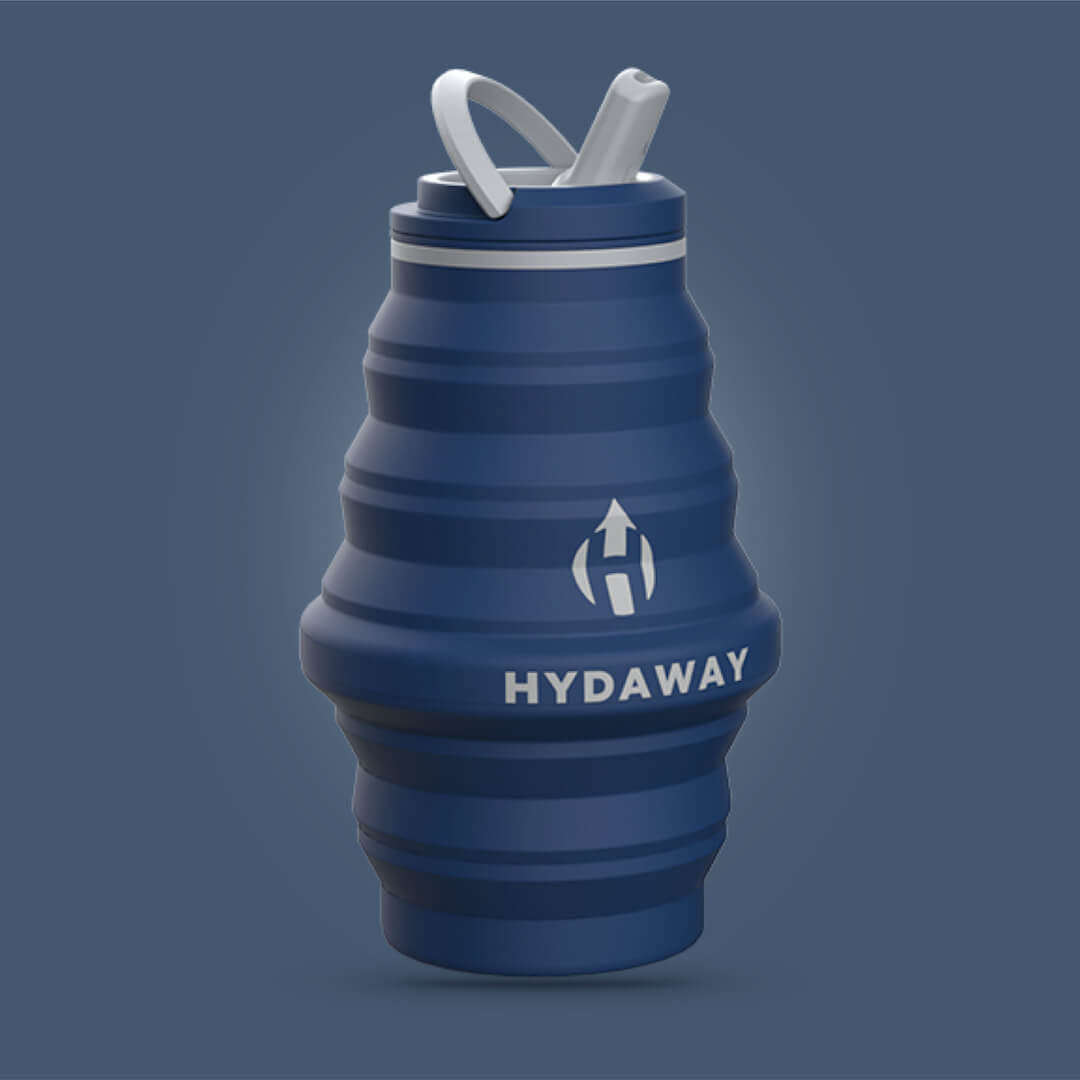
This mindset of smart, efficient design fits perfectly with our philosophy at HYDAWAY to "carry less, do more." Just like a tiny home gets the most function out of a minimal footprint, our gear gives you full-size performance while collapsing to a tiny fraction of its size. For a tiny home dweller, this means a water bottle doesn't need to hog a whole cabinet shelf. You can flatten a HYDAWAY bottle to fit in a shallow drawer, freeing up that critical space for bulkier items like pots or food supplies. It’s the exact same principle, just applied to your everyday essentials.
Moving into a tiny home forces you to confront every item you own and ask a simple question: "Is this truly worth the space it occupies?" This isn't about deprivation; it's about curation. You're not just decluttering a house; you're designing a life.
That's what this guide is all about—helping you answer that question with confidence. Before we jump into specific rooms and solutions, it helps to understand the core principles that guide every good tiny home storage plan.
The 5 Core Principles of Tiny Home Storage
Everything we'll cover comes back to these five fundamental ideas. Keep them in mind as you assess your own space, and you'll find creative solutions everywhere.
| Principle | Core Idea | Example Application |
|---|---|---|
| Go Vertical | Your floor space is limited, but your wall space isn't. Think up, not out. | Tall, narrow shelving units; wall-mounted spice racks; hanging pot racks. |
| Think Multi-Function | Every item should serve at least two purposes, if possible. | An ottoman with hidden storage; a dining table that folds down into a console table. |
| Embrace Hidden Spaces | Utilize the "in-between" spaces that are often overlooked. | Under-stair drawers; toe-kick drawers under kitchen cabinets; storage inside a bed frame. |
| Prioritize Collapsibility | Choose gear that can shrink when not in use to reclaim valuable space. | A HYDAWAY water bottle; collapsible food containers; a folding step stool. |
| Curate Ruthlessly | Be intentional about what you bring into your home. Every item must earn its keep. | Adopting a "one in, one out" rule for clothing, books, or kitchen gadgets. |
By implementing creative tiny house storage solutions rooted in these principles, you’ll discover a sense of freedom and simplicity that larger homes often can't provide. To get started with the basics, check out our guide on how to organize small spaces.
Designing a Hyper-Efficient Tiny Kitchen
The kitchen is the heart of any home, and in a tiny house, it’s also the command center for pure efficiency. Let's be honest, a poorly planned kitchen can make the entire space feel chaotic and cramped. The goal isn't just to cram everything in; it's to create a workflow that feels seamless, intuitive, and surprisingly spacious.
It all starts with a mental shift: stop thinking horizontally and start thinking vertically. Your countertops are prime real estate, and keeping them clear is the number one rule for a functional tiny kitchen. Every item left out doesn't just add to the visual noise—it steals precious space you need for actual cooking.
Claim Your Vertical Territory
Look at your walls. They aren't boundaries; they're opportunities waiting to happen. This is where you can install some of the most effective tiny house storage solutions without sacrificing a single inch of floor or counter space.
- Magnetic Knife Strips: Ditch that clunky countertop knife block immediately. A strong magnetic strip mounted on the backsplash keeps your most-used tools safe, sound, and right where you need them.
- Hanging Pot Rails: Pop a sturdy rail with S-hooks above your stove or along an open wall. It's the perfect spot for hanging pots, pans, and big utensils. Suddenly, your cookware becomes a functional part of your decor.
- Wall-Mounted Spice Racks: You can free up an entire cabinet just by moving your spices onto the wall. Slim, vertical racks make everything visible and easy to grab while you’re in the zone.
By getting these essentials off the counter and onto the walls, you instantly open up your work area. It’s a simple change, but the impact on your daily routine is massive.
Uncover Hidden and Forgotten Spaces
Some of the best storage is lurking where you least expect it. Traditional kitchen design is full of dead zones, but in a tiny home, these little nooks and crannies are absolute goldmines.
Think about the space just above the floor. Toe-kick drawers are shallow drawers that fit right under your base cabinets—perfect for storing flat items like baking sheets, serving platters, or even your pet's food bowls. The inside of your cabinet doors can be just as useful, too. Add some slim organizers to hold cutting boards, foil, or cleaning supplies.
The most successful tiny kitchens don't just store items—they anticipate your needs. By placing things exactly where you use them, you eliminate wasted steps and create a sense of effortless flow, making the compact space work for you, not against you.
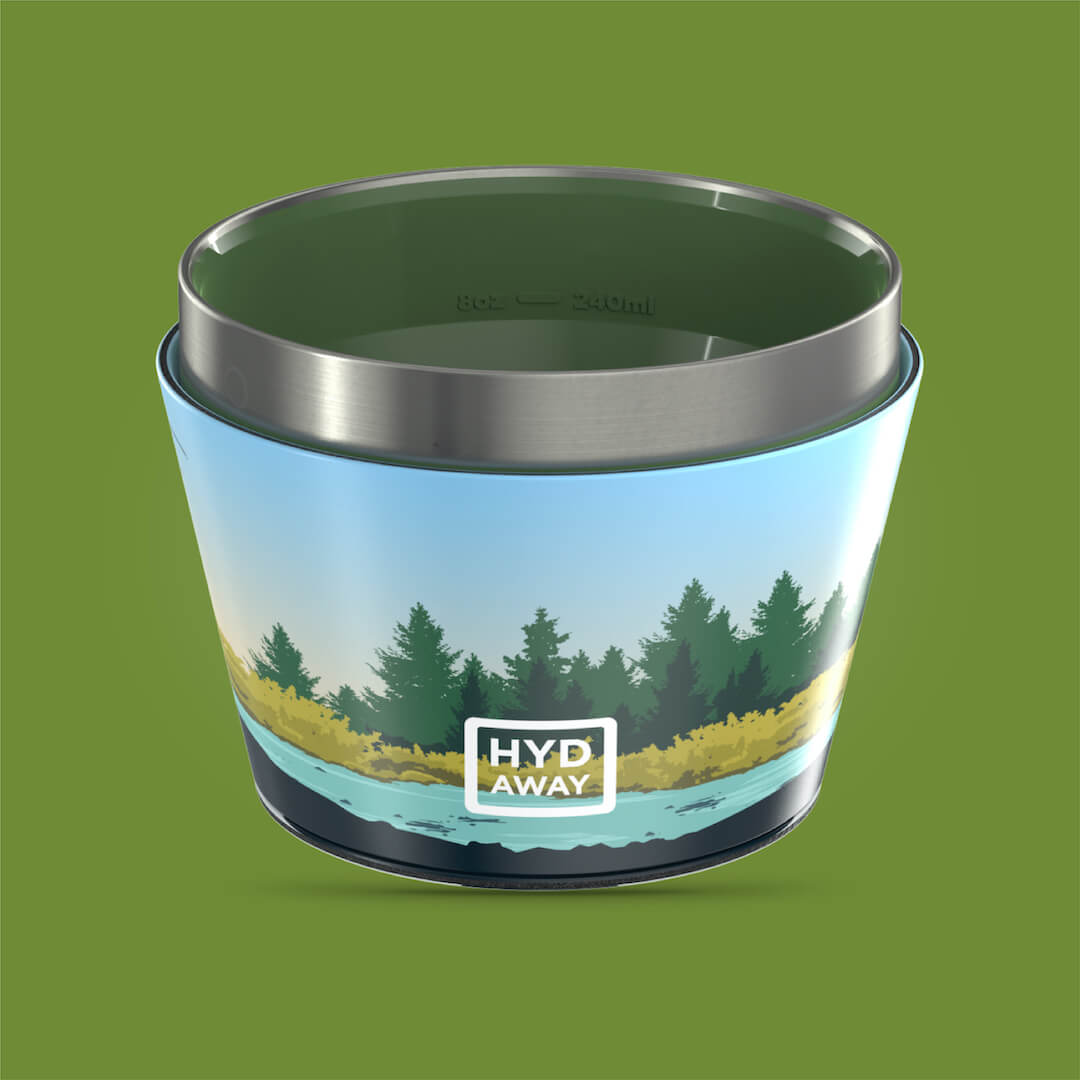
This kind of intelligent placement extends to your everyday gear. Imagine you're meal-prepping and need a container for cut vegetables. A HYDAWAY collapsible bowl is perfect. Once you’ve used it, instead of fighting with a bulky container, it flattens to about the thickness of a dinner plate and slides right into one of those shallow toe-kick drawers. It’s about choosing gear that actively helps you stay organized.
Select Smart, Compact, and Collapsible Gear
The final piece of your hyper-efficient kitchen puzzle is choosing the right tools and dinnerware. Bulky, single-use appliances are the sworn enemy of tiny living. Instead, hunt for compact, multi-functional items like a combination microwave-convection oven or an immersion blender that takes the place of a full-sized countertop model.
This principle is especially critical for things you use every day. A standard water bottle can be an awkward space-hog in a small fridge or cabinet. For a tiny home resident working from a small desk, a HYDAWAY 25oz collapsible water bottle keeps you hydrated without cluttering your workspace. Afterwards, it collapses to just over an inch thick, tucking neatly into a drawer and freeing up precious shelf space for other essentials.
The market has caught on to this need for smarter living. Research shows that tiny homes in the 130-500 sq. ft. sweet spot command a 72.4% market share. In these homes, every decision counts. It's why gear like HYDAWAY's insulated tumblers and spill-proof bowls are so effective—they collapse flat and slip into custom cubbies without a hitch. This efficiency also lines up with the broader sustainability vibe of tiny living, where eco-conscious residents often slash single-use plastics by 70% by embracing reusables.
By combining vertical storage, hidden compartments, and thoughtfully chosen collapsible gear, you can design a tiny kitchen that punches way above its weight class. For more ideas on outfitting your culinary space, you should check out our guide on space-saving kitchen accessories.
Creating Calm in Your Living and Sleeping Areas
Your living and sleeping areas are meant to be your sanctuaries, not glorified storage closets. In a tiny home, these zones often pull double or triple duty, acting as a lounge, office, and bedroom all in one. The trick to making this work without feeling boxed in is to lean hard into smart, dual-purpose furniture and clever hidden storage.
This whole approach is about cultivating a sense of calm and order. Your mind can finally relax when everything has a dedicated, out-of-sight home. The goal is to design a space that transforms in minutes, shifting from a productive work area to a serene retreat with almost zero effort.
Choose Furniture That Works Smarter
The single biggest win in any tiny living room or bedroom comes from picking furniture that does more than one job. Single-purpose items are a luxury your square footage just can't afford. Luckily, modern furniture designers have really embraced this need, creating some fantastic options that blend style with serious function.
- Storage Sofas and Ottomans: A sofa with a lift-up seat or deep drawers underneath is basically non-negotiable. It’s the perfect spot to stash extra blankets, board games, or seasonal decor. Pair it with a storage ottoman that can act as a coffee table, extra seating, and a hidden compartment all at once.
- Transforming Beds: The Murphy bed is a classic tiny house solution for a reason—it lets you reclaim your entire floor space during the day. Newer models are even better, often incorporating a built-in desk or sofa that appears when the bed is folded away.
- Under-Bed Drawers: If a Murphy bed isn't your style, make absolutely sure your bed frame is a storage workhorse. Go for a platform bed with deep, built-in drawers. This is the ideal spot for clothes, shoes, and linens, keeping them accessible but completely out of sight.
Imagine a couple living in a 300-square-foot home who need a workspace but don't have a spare room. They opt for a modern "cabinet bed" that folds up into a stylish console table during the day, instantly creating a functional office. At night, it converts back into a comfortable bed in under a minute, showcasing how multi-functionality is key to modern tiny living.
Master Your Wardrobe and Linens
Clothing can become one of the biggest sources of clutter—fast. Adopting a minimalist approach to your wardrobe isn't just some trendy idea; it's a practical necessity for tiny living.
A capsule wardrobe—a small collection of essential, high-quality items you can mix and match—dramatically reduces the amount of clothing you need to store. For off-season items like heavy winter coats, vacuum-sealed bags are your best friend. They can shrink bulky textiles down to a fraction of their size, letting you easily tuck them away in an under-bed drawer or loft cubby.
The real magic of tiny home living happens when your environment supports your lifestyle, rather than complicates it. Your storage shouldn't just hold your things; it should make it easier for you to live the life you want—one with less clutter and more freedom.
This philosophy of readiness should extend to all your gear. For those spontaneous weekend trips, you need a "go-bag" ready at a moment's notice. But where do you store a bulky backpack? The HYDAWAY collapsible travel backpack is the perfect solution. It performs like a full-size daypack for your hike, but once you're home, it folds down to the size of a book. Instead of taking up valuable closet space, you can slide it into a drawer with your socks, making spontaneous adventure completely frictionless.
Keep Daily Essentials Organized Yet Hidden
Even with the best multi-functional furniture, you still have daily items that need a home—books, remotes, charging cables, and personal effects. The key is to create designated spots for these things so they don't create visual noise.
Think about using wall-mounted floating shelves to get books and small decor off the floor. Use attractive baskets or fabric bins to corral smaller items together on these shelves. Inside that storage ottoman, use dividers to keep electronics and cables neatly separated from blankets.
This system of "a place for everything, and everything in its place" is the final layer in creating a truly serene home. When you know exactly where everything belongs, tidying up takes just a few minutes, leaving you with more time to simply enjoy the calm, beautiful space you’ve created.
Unlocking Vertical and Unconventional Storage
When your floor plan is measured in inches, not feet, the most valuable real estate you own is the air above your head. Looking up is the single most important shift in mindset for mastering tiny house storage. Forget adding more furniture on the floor; your walls, ceilings, and forgotten corners are where you’ll find the space you desperately need.
This means moving beyond a few simple floating shelves. True vertical storage is about creating floor-to-ceiling systems that work hard for you. Picture a slim bookcase paired with a library ladder, turning an entire wall into a functional display and storage hub. This approach not only draws the eye upward, creating an illusion of height, but it also gives you a home for books, baskets, and decor.
Thinking Beyond the Shelf
Unconventional storage is all about seeing potential where others see a blank wall or a structural element. It’s about building storage into the very fabric of your home. This is where tiny living gets truly creative.
- Recessed Wall Niches: The space between your wall studs is usually just empty air. By cutting into the drywall, you can create small, recessed shelves—perfect for spices in the kitchen, toiletries in the bathroom, or a charging station in the living area. It’s "free" storage that takes up zero floor space.
- Overhead Racks and Lofts: Don't forget about the ceiling! In spots with higher clearance, installing overhead racks is a brilliant way to store bulky but lightweight items like sleeping bags, extra bedding, or seasonal clothing. Some tiny homeowners even create small "gear lofts" above doorways for things they use infrequently.
- The Power of the Pegboard: A simple pegboard is one of the most versatile tools in your arsenal. Mount one in your entryway for keys and mail, in the kitchen for utensils and pans, or in a workspace for tools and supplies. Its customizable nature means it can adapt as your needs change.
The growth in the tiny homes market, which is expected to climb to USD 17.73 billion by 2030, is driven by these exact kinds of clever hacks. Prefab mobile units, the fastest-growing segment, rely on owners achieving up to 40% space gains from these smart storage ideas. And with 72.4% of tiny homes under 500 square feet, every inch counts. You can find more details about these market trends and the future of the tiny home industry.
The Storage Staircase: A Tiny Home Icon
One of the most iconic—and effective—tiny house storage solutions is the storage staircase. Instead of a simple ladder to a loft, each step is designed as a deep, fully functional drawer or cabinet.
This single feature can replace an entire dresser or closet. The deepest steps can hold shoes or bulky sweaters, while shallower ones are perfect for socks or accessories. It’s a prime example of turning a necessary architectural element into a storage powerhouse. Even better, it's a completely custom solution that can be built to address your specific needs.
By building storage into the structure of your home—like in staircases and walls—you eliminate the need for standalone furniture. This not only saves floor space but also creates a seamless, uncluttered look that makes a tiny home feel intentionally designed and thoughtfully crafted.
This approach pairs perfectly with a packable lifestyle. For example, a tiny home resident might designate a small, shallow stair drawer specifically for their grab-and-go items. A collapsed HYDAWAY bottle, a foldable backpack, and a packable hat can all fit neatly inside, ready for the next adventure. This frees up precious deep-drawer real estate for things that can't be collapsed, like hiking boots or a small appliance.
Hiding in Plain Sight
Some of the best unconventional storage disappears completely. Embracing innovative furniture that folds away, like Murphy cabinet and chest beds, can completely transform your living area.
These pieces allow a room to morph from a bedroom into a living room or office in seconds. A bed that folds into a cabinet is the ultimate space-saver, giving you back an entire room's worth of floor space every single day. By combining these vertical and hidden strategies, you can make your tiny home feel twice as large as it actually is.
Organizing Your Gear for Outdoor Adventures
For a lot of us, the pull towards tiny living is directly tied to a craving for more adventure. A smaller home means less time cleaning, smaller bills, and way more freedom to hit the trail. But this adventurous life comes with its own hurdle: a mountain of gear that doesn't exactly scream "minimalist."
The secret to balancing a passion for the outdoors with a tiny footprint is a two-part strategy. First, you need smart, easy-to-access storage for your bulky stuff. Second, you have to get serious about embracing packable, multi-use gear for everything else. This combo is the only way to keep your home feeling like a sanctuary instead of a cluttered gear shed.
Smart Storage for Bulky Outdoor Gear
Let's be real—hiking boots, climbing ropes, and camping equipment can swallow a small space whole. Your goal isn't just to shove this gear out of sight, but to store it so it's ready to grab at a moment's notice. After all, if you can't get to it, you won't use it.
- Exterior Mounts and Boxes: For things like bikes, skis, or even a kayak, going outside the walls is often the best move. Professionally installed roof racks or rear-mounted gear boxes on a tiny house on wheels (THOW) can free up an incredible amount of interior real estate.
- The Gear Nook: Carve out one specific, well-designed spot to be your "gear closet." This could be a tall, skinny cabinet by the door, a set of deep drawers built into a loft staircase, or even a dedicated zone under your bed platform.
- Hooks and Racks are Your Friend: Use heavy-duty hooks inside your gear nook to hang backpacks, helmets, and ropes. This simple trick gets them off the floor and stops them from turning into a tangled mess.
The tiny home movement keeps growing because people are finding these kinds of creative ways to make the lifestyle work for them.

This chart highlights just how much demand there is for efficient living. The market is projected to hit a massive $17.7 billion by 2030, growing at a rate of 6.1% each year.
The Collapsible Gear Revolution
Once you've got a plan for the big stuff, the real space-saving magic begins when you swap out your everyday adventure items for collapsible versions. Rigid, clunky gear items are absolute space hogs, whether they're in your hiking pack or your tiny kitchen cabinet. Switching to packable gear completely changes the storage game.
This is exactly where the HYDAWAY product line becomes a total game-changer for the tiny-living adventurer.
Picture this: you just got back from a long day hike. Instead of leaving a bulky water bottle and food container to dry on your limited counter space, your cleanup and storage is refreshingly simple.
Your gear shouldn't be an obstacle to adventure. It should be a silent partner that makes getting out the door easier. Choosing packable items removes the friction from both heading out and coming home, which means you're more likely to do it all again tomorrow.
You just rinse your BPA-free HYDAWAY water bottle and insulated bowl, collapse them down, and nest them together into a small, flat package. They can slide directly into a shallow drawer, leaving your precious gear closet and countertops totally free for non-collapsible essentials like your boots and backpack.
For a deeper dive into streamlining your adventure kit, you can learn more about how to organize camping gear and make every trip smoother.
Collapsible vs. Rigid Gear: The Space-Saving Difference
To really see the impact, let's look at the numbers. The difference in storage footprint between traditional gear and collapsible alternatives is pretty staggering.
Here's a quick comparison that shows just how much space you can reclaim.
| Gear Type | Traditional Rigid Item (Cubic Inches) | HYDAWAY Collapsible Item (Cubic Inches) | Space Saved |
|---|---|---|---|
| Water Bottle (25oz) | ~90 cubic inches | ~12 cubic inches | 87% |
| Food Bowl (22oz) | ~65 cubic inches | ~10 cubic inches | 85% |
| Drink Tumbler (16oz) | ~45 cubic inches | ~8 cubic inches | 82% |
As the table shows, making the switch to collapsible gear can claw back over 80% of the storage space for these common items.
When you multiply that savings across multiple bottles, bowls, and cups for yourself or a partner, you're literally freeing up entire shelves and drawers. This isn't just a tiny improvement; it's a fundamental shift in how you manage your most limited resource: space.
Your Tiny House Storage Questions Answered
Even with the best blueprints in hand, you're bound to run into some tricky storage questions when you start bringing your tiny home to life. Let's tackle some of the most common challenges tiny dwellers face with some quick, practical advice to help you get it right.
What Is the Single Most Effective Storage Hack for a Tiny House on Wheels?
For a tiny house on wheels (or THOW), the undisputed champion is multi-functional furniture with secured, built-in storage. I'm talking about a dinette bench with a heavy-duty latched lid that reveals a deep storage chest, or a bed frame with drawers that actually lock.
The reality of a THOW is that everything shifts when you're on the move. Sometimes, a lot. Containing your belongings inside latched furniture is the only way to prevent total chaos and potential damage on travel days. Always prioritize pieces that pull double-duty—seating that's also storage, a table that's also a workspace—to get the absolute most out of your moving footprint.
How Do I Avoid a Cluttered Look Even with Good Storage?
The secret sauce here is a two-part recipe: a strict "one in, one out" rule paired with a consistent visual style. Before anything new crosses your threshold, something of similar size or purpose has to go. No exceptions.
On the aesthetic side, stick to a limited color palette and choose closed storage (like cabinets and drawers) over open shelving whenever possible. If you must have open shelves, use matching baskets or bins to corral the items. This one simple move hides the visual noise of mismatched product labels and creates a clean, intentional look.
Your goal isn't just to store things; it's to create a visual sense of peace. By keeping surfaces clear and concealing clutter behind uniform doors or inside matching containers, you trick the eye into seeing a larger, more organized space.
Are There Any Storage Solutions I Should Absolutely Avoid?
Oh, absolutely. Steer clear of any bulky, single-purpose furniture. That beautiful, purely decorative armchair or a huge coffee table with zero storage underneath? They are the biggest space-killers in a tiny home.
Also, be really careful about buying those elaborate, pre-packaged organizational systems before you've actually lived in your space. It's so easy to end up with a drawer full of dividers that don't fit a single thing you own. Always measure twice and start with more flexible solutions like modular cubes or adjustable shelves before you invest in expensive, permanent built-ins.
How Can I Maximize Storage in a Tiny Bathroom?
You have to think vertically and look for hidden opportunities. Over-the-toilet shelving units are a classic for a reason. A mirrored medicine cabinet gives you crucial concealed storage, and those slim, rolling carts are perfect for sliding into the narrow gaps between the toilet and a wall.
Get creative by adding magnetic strips inside cabinet doors to hold small metal tools like tweezers and nail clippers. Most importantly, be ruthless about paring down your products. Decanting your liquids into smaller, uniform containers not only saves a surprising amount of space but also eliminates the visual chaos of clashing brand labels and bottle shapes. When every bottle looks the same, your tiny bathroom will instantly feel calmer and bigger.
At HYDAWAY, we believe that the gear you own should support your lifestyle, not complicate it. Our collapsible, space-saving water bottles, bowls, and travel gear are designed to give you full-size function without the full-size footprint, helping you live larger with less. Discover the perfect packable essentials for your tiny home adventures at myhydaway.com.