


10 Clever Space Saving Hacks for Your Home and Travel

You feel it in the moment the suitcase refuses to close, the van cabinet turns into a junk drawer, or a small kitchen starts wasting time because one crowded shelf hides everything you need. Space problems rarely come from one bad purchase. They usually come from rigid, single-use items that take up the same room when you are using them and when you are not.
The fix is practical. Save space by building around gear and systems that shrink, stack, nest, mount, or do more than one job. That matters whether you are packing for a flight, setting up a van galley, or trying to make a tiny apartment kitchen feel usable on a Tuesday morning.
Travel demand adds pressure to get this right. International tourism climbed back to near pre-pandemic levels in 2024, according to the UN World Tourism Organization as cited in this travel-focused look at under-served space-saving advice. More people are working within carry-on limits, shared accommodations, and compact living setups that punish bulky gear fast.
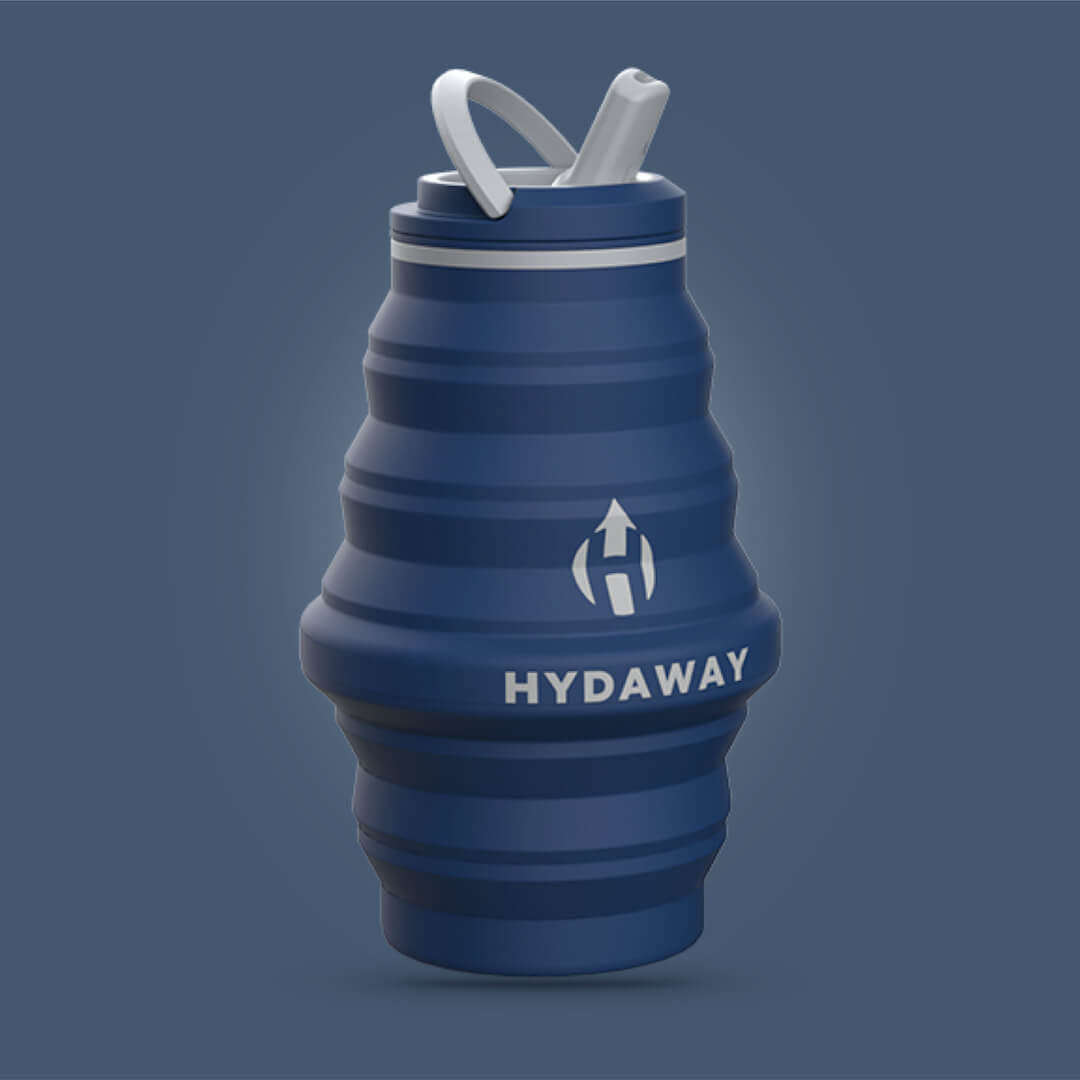
I've found that the best space-saving habits start with one principle. Stop storing empty air. Collapsible bottles, cups, bowls, and other multi-use pieces earn their place first because they reduce bulk at the source. HYDAWAY fits that approach well, not as a gimmick, but as a practical example of gear designed to disappear when you are done using it.
The 10 ideas below are organized by real situations, not abstract rules, so you can apply them where space gets tight first and build from there.
1. Collapsible Drinkware and Dinnerware
The fastest way to save space is to stop packing rigid emptiness. Bulky bottles, bowls, and food containers waste room even when they aren't doing anything. Collapsible gear fixes that by shrinking when empty and expanding only when you need it.
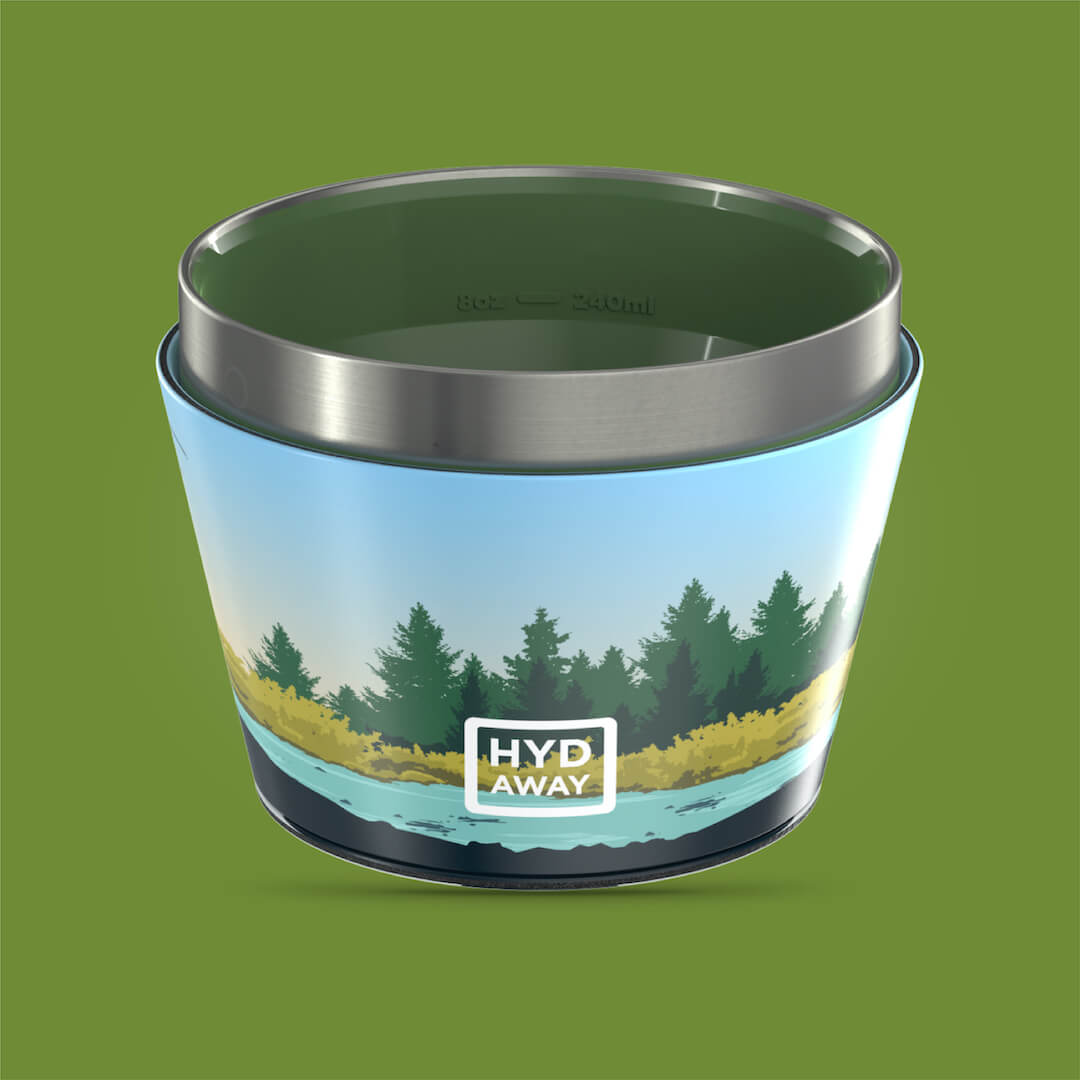
HYDAWAY's lineup fits this principle well because it's built around pack-flat hydration and meal gear. A 17oz or 25oz collapsible bottle can ride in a day bag, theme park tote, or commuter backpack without taking up the same dead space as a hard bottle. An insulated collapsible bowl with a lid can handle overnight oats in the morning, trail lunch at noon, and leftovers later.

Where this works best
This is one of the most practical space saving hacks for people who move around a lot. Think carry-on travelers filling bottles at their accommodation, van-lifers storing several drink options in one small cabinet, or families packing reusable snacks and drinks for a day at Disneyland or Six Flags.
I've found the trade-off is simple. Collapsible pieces are excellent for transport and storage, but they work best when you treat them like part of a system instead of random loose items.
- Pack by use case: Keep one bottle for water, one insulated tumbler for coffee or tea, and one bowl for meals or snacks.
- Store clean gear together: Use a zippered pouch or travel case so empty items stay clean between stops.
- Wash early: Silicone is convenient, but food residue gets annoying fast if you leave it sitting.
Practical rule: Replace your bulkiest empty items first. That's where you'll feel the biggest gain in a backpack, drawer, or van cabinet.
2. Vertical and Wall-Mounted Storage Systems
Most cramped spaces have the same problem. Everything spreads sideways. Counters get crowded, floors lose breathing room, and cabinets become catch-all zones.
Vertical storage gives you space back without changing your footprint. In a campervan, that might mean a pegboard wall for bowls, utensils, and lightweight kitchen tools. In a small apartment kitchen, it could be wall rails, hooks, or a slim shelf that turns blank wall space into a meal-prep station.
HYDAWAY products fit naturally here because lightweight collapsible gear is easier to hang, stack, and grab than rigid sets. A small kitchen can have a dedicated bottle-and-bowl station without feeling like a sporting goods aisle.
What works and what doesn't
Rental-friendly solutions are often the smartest starting point. Over-door organizers, removable hooks, and tension-based shelves are useful in apartments, hotels, and temporary housing because you can install them quickly and leave without patching walls.
What usually doesn't work is overbuilding too early. People buy a big rack system before they know their actual habits, then they create prettier clutter.
Try this instead:
- Store at eye level: Put daily-use gear where you can grab it with one hand.
- Group by routine: Keep coffee gear together, trail snacks together, and meal gear together.
- Use walls for light items: Reserve heavier gear for lower shelves or drawers.
Hang the thing you use every day. Hide the thing you use once a month.
In a van kitchen, for example, a magnetic strip or compact wall shelf can hold the essentials while flat-packed bowls stay nearby. In a hotel room, an over-door organizer can hold bottles, snacks, and chargers so nothing gets buried in your suitcase.
3. Multi-Functional Furniture and Dual-Purpose Items
Good space-saving setups don't just store more. They reduce how many separate things you need in the first place.
A storage ottoman that hides blankets is useful. A bed with built-in drawers is better because it replaces an extra dresser. A compact table that works for eating and laptop time can eliminate the need for duplicate surfaces in a studio or campervan.
The same logic applies to smaller gear. HYDAWAY bowls can work as prep bowls, serving bowls, and leftover containers when paired with lids. A collapsible backpack can stay tucked away until you need extra carrying capacity for groceries, a beach day, or a long sightseeing day.
The real trade-off
Not every dual-purpose item is worth it. Some are clever in theory and annoying in daily use. If converting the item takes too many steps, people stop doing it.
That's why I like judging multi-function gear by friction:
- Easy conversion wins: If it unfolds, opens, or repacks in seconds, it'll probably earn a permanent place.
- Primary function comes first: A bowl still has to be a good bowl. A bottle still has to be easy to drink from and carry.
- One strong second use is enough: You don't need five-in-one gimmicks. You need one item that solves two recurring problems.
This is especially useful for digital nomads and theme park families. A bag with smart compartments for snacks, reusable drinkware, and daily essentials cuts clutter because it stops everything from floating around loose.
4. Vacuum Storage and Compression Systems
Soft goods are where a lot of hidden volume lives. Jackets, sweaters, spare bedding, and off-season clothing expand to fill whatever room you give them. Compression bags let you claw that space back.
For travel, manual compression is usually more practical than a full vacuum setup. You don't want a brilliant packing solution that depends on an appliance you won't have in a hotel, campground, or airport lounge. A hand-pump or roll-compression bag is easier to live with.
Here's a helpful visual on how compression packing works in practice:
Best uses for compression
This works especially well for van-lifers storing seasonal clothing, families packing extra layers for a road trip, and campers trying to fit bedding into shallow cabinets. It's also one of the easiest ways to make room for higher-value items like food, shoes, or compact reusable drinkware.
Pair compression with a packing hierarchy. Compress the items you won't need right away, and keep your daily rotation accessible.
- Compress backup layers: Puff jackets, extra sweaters, and spare pajamas are ideal.
- Label each bag: Don't make yourself open three bags to find socks.
- Keep wrinkle-prone clothes out: Compression saves space, but it isn't kind to every fabric.
One common mistake is compressing everything. That creates a brick of clothing you have to unpack just to get dressed. A better setup is one accessible cube for current use, one compressed bag for backup, and flat-storing your HYDAWAY meal and hydration gear alongside it for a more balanced travel kit.
5. Digital Organization and Minimalist Tech Solutions
Sometimes the best storage solution is deleting the need for physical storage.
Paper files, guidebooks, notebooks, printed tickets, and duplicate cables add up fast. Digital copies cut that clutter without making life harder, especially if you travel often or work remotely. Scan important documents, keep secure backups, and stop carrying paper versions of things you can access from your phone or laptop.
This isn't just a personal habit. The same efficiency principle shows up in digital storage at scale. Seagate reports that enterprises collect only 56% of available data and put just 57% of that collected data to use, meaning an average of 68% of available enterprise data is never put to work (Seagate on unused enterprise data). Different context, same lesson: unused volume still costs space.
A cleaner tech kit
Minimalist tech also means reducing duplicate hardware. One charger system, one compact battery, one e-reader instead of several books, and a simple pouch for cables often beats a sprawling bag of “just in case” electronics.
What usually helps most:
- Digitize paperwork: Insurance info, reservations, itineraries, and IDs that can legally be stored digitally should be organized before the trip.
- Standardize accessories: Fewer cable types means fewer backups.
- Use naming conventions: Digital clutter gets just as frustrating as physical clutter if you can't find anything.
A van or small apartment feels larger when you aren't dedicating drawers and shelves to paper, media, and old tech. The lighter your admin load, the easier it is to keep your actual living space calm.
6. Strategic Packing and Capsule System Organization
If your bag is full of “maybe,” your essentials get crowded out by indecision.
Capsule packing is one of the most effective space saving hacks because it cuts volume before you ever reach for a compression bag or storage bin. Instead of packing for every hypothetical situation, you pack around a small set of items that work together repeatedly. That could mean a few tops and bottoms in the same color family, one layer for warmth, one shoe strategy, and reusable meal gear that covers daily hydration and food.
There's also a bigger consumer shift behind this. Space-saving products have moved beyond niche organizing advice into a sizable market. One estimate places the closet organizer market at $7.64 billion in 2024, rising to $8.25 billion in 2025, while another projects growth from $4.2 billion in 2024 to $7.5 billion by 2033, according to this roundup of wardrobe organization trend data. People are clearly looking for systems that help them live well with less volume.
Build your capsule around reality
The mistake is building a fantasy capsule instead of a real one. Don't pack for the person who suddenly starts wearing linen every day or cooking elaborate meals in every Airbnb.
Start with what you use. Then tighten it.
Bring fewer categories, not just fewer items.
A practical travel capsule might look like this in real life:
- Daily clothing core: Pieces that layer easily and handle repeat wear.
- One hydration setup: A HYDAWAY collapsible bottle for day use and an insulated tumbler if hot drinks matter to you.
- One meal system: Bowl with lid, utensil set, and snack strategy.
If you're a family heading into a long day out, capsule thinking works there too. Fewer toys, fewer just-in-case containers, fewer duplicate bottles. More room for the items you'll reach for.
7. Under-Bed and Hidden Storage Maximization
The easiest storage to waste is the space you stop seeing.
Under the bed, inside a bench seat, at the back of a deep closet, or beneath a van platform, hidden storage can carry a lot of weight without making a room feel crowded. The trade-off is access. If you put everyday items in a spot that requires kneeling, lifting, or unpacking something else first, the system will annoy you fast.
I treat hidden storage as a support zone, not prime real estate. It works well for items you need weekly, seasonally, or as backup. Extra linens, off-season layers, spare toiletries, overflow pantry goods, and flat-storing HYDAWAY bottles or bowls all fit that rule because they store compactly and don't demand constant access.
A good test is simple. If you would be frustrated reaching for it before coffee, don't store it under the bed.
Make hidden storage easy to trust
Hidden storage becomes junk storage when categories get mixed and containers are too hard to move. That is where people lose track of what they own and buy duplicates.
Keep the setup boring and specific:
- Use low bins that slide easily: Wheels help, but a handle cutout matters more than fancy features.
- Group by real-life use: Guest bedding together, road trip meal gear together, kids' activity supplies together.
- Label the front, not the lid: You should know what is inside before you pull the bin all the way out.
- Leave breathing room: A packed-to-the-edge compartment is harder to maintain than one with a little empty space.
This approach works especially well in family homes and small shared rooms. If you need ideas for organise baby toys for independent play, the same rule applies. Low, defined storage works better than one oversized catch-all box.
For remote workers in small apartments, hidden storage can also pull office clutter out of sight after hours. A shallow rolling bin under the bed or sofa can hold chargers, notebooks, and accessories more cleanly than letting them spread across the dining table. The result is the same goal behind every good space-saving setup. Live larger with less by giving each item a home that matches how often you use it.
8. Minimalist Cooking and Ingredient Consolidation
You open a tiny kitchen drawer in a rental or van and half the space is gone before you start cooking. The problem usually is not the room itself. It is a pile of single-use tools, duplicate containers, and ingredients bought for one recipe and forgotten.
A small cooking setup works better when every item can do at least two jobs. That is the foundation. Collapsible and multi-use gear earns space because it cuts both storage bulk and visual clutter.
Cook with fewer tools that cover more meals
Good minimalist cooking still needs to be practical. You should be able to make breakfast, prep lunch, and store leftovers without dragging around a full-size kitchen.
For a van, studio apartment, or short-term rental, a reliable core kit usually includes one versatile pot or sauté pan, one sharp knife, one cutting board, and a compact bowl or container that can handle prep, serving, and storage. HYDAWAY insulated bowls with lids fit that role well because they replace several rigid containers with one piece that packs down when you are done.
The trade-off is real. A pared-down kitchen asks more from each item, so quality matters more than quantity. One pan that heats evenly is more useful than three cheap pans that stack badly and cook poorly.
A simple reset helps fast:
- Cut specialty tools first: If it only handles one task and you use it rarely, it should not live in a small kitchen full time.
- Build around flexible ingredients: Rice, pasta, oats, eggs, canned beans, broth, and a few reliable sauces go further than a shelf of one-off items.
- Shrink your spice collection: Keep the seasonings you reach for weekly in small labeled containers.
- Match meals to your setup: Cook food your kitchen can support well, not recipes that require extra gear you do not own.
- Store by workflow: Keep prep, cook, and leftover items together so one meal does not spread across the whole room.
This scenario-based approach matters most when space is tight and temporary. In an Airbnb with weak cookware, or in a van where every cabinet inch counts, ingredient consolidation keeps you independent. You buy less, waste less, and still eat well.
9. Modular and Nesting Product Systems
The best storage products don't just take up less room on their own. They fit together in a way that removes wasted air between them.
That's what makes nesting systems so effective. A set of bowls that stack tightly, a cookware kit that packs into one unified footprint, or a travel case that keeps related gear together will usually outperform a pile of individually “compact” items.

Think in systems, not singles
Efficiency often suffers at this stage. People frequently purchase one compact bottle, one random bowl, and one separate utensil kit, then toss them all into different pockets. The pieces may be small, but the system is messy.
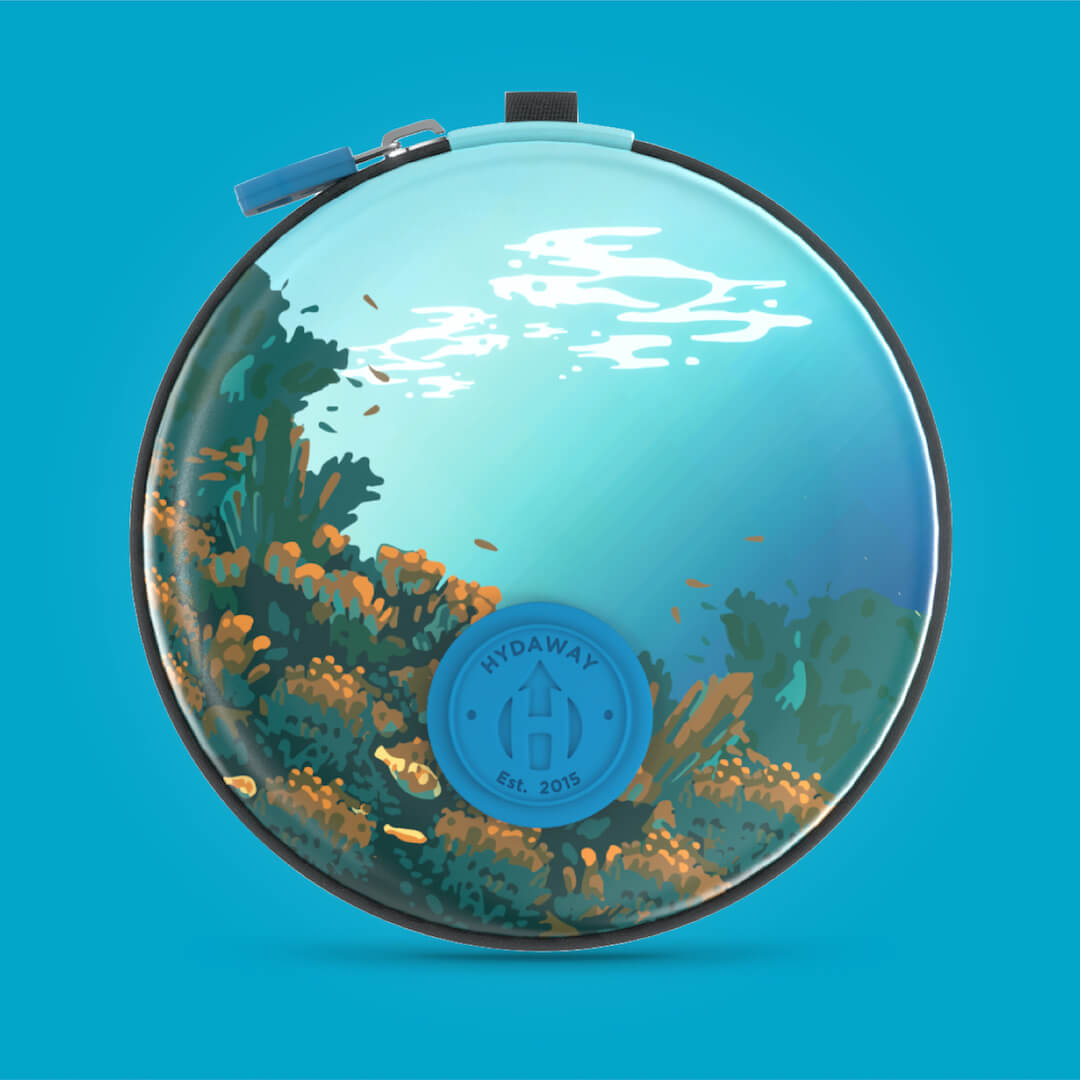
HYDAWAY's travel cases and curated gear combinations make more sense when you treat them as one meal-and-hydration module. The same idea applies to camping cookware, office lunch kits, or a van kitchen drawer.
A good nesting system saves space twice. Once in storage, and again in the time you save not hunting for parts.
A few rules make this easier:
- Keep sets together: Don't scatter components across multiple drawers.
- Buy graduated sizes: Nesting only works if dimensions are compatible.
- Assign one storage home: A single pouch, case, or shelf prevents drift.
For hikers and day-trippers, this can mean grabbing one ready-to-go kit. For commuters, it means lunch gear that doesn't turn your desk drawer into a junk bin.
10. Subscription and Rental Models Replacing Ownership
Some of the smartest space saving hacks have nothing to do with organizing. They start with not owning the bulky thing at all.
Specialty gear creates a lot of storage drag. Snow gear in the off-season, formalwear you wear once, tools for a one-time project, or activity-specific equipment for an occasional trip can sit around taking up valuable room for months. Renting or borrowing those items can be the cleaner decision.
Own the core, access the rest
This strategy works best when you separate core gear from occasional gear. Your core items are the things you use regularly and want dialed in. For many people, that includes dependable reusable drinkware, compact meal gear, and a few daily carry essentials. HYDAWAY products fit that owned-core category because they're designed for repeat use across commuting, hiking, camping, and travel.
The occasional category is different. Rent the paddleboard for one weekend. Borrow the specialty tool. Use a local gear shop or community lending option when the item solves a short-term need.
A practical decision filter:
- Own frequent-use items: If it earns space every week, keep it.
- Rent low-frequency bulk: If it's big and rarely used, don't store it by default.
- Count storage burden too: The cost of ownership includes the room it takes up.
People often focus on purchase price and ignore the cabinet, closet, or garage cost. In small homes, vans, and apartments, that hidden cost is real.
10-Point Space-Saving Hacks Comparison
| Item | 🔄 Implementation Complexity | ⚡ Resource Requirements | 📊 Expected Outcomes | ⭐ Key Advantages | 💡 Tips / Ideal Use Cases |
|---|---|---|---|---|---|
| Collapsible Drinkware and Dinnerware | Low–Moderate: easy to use; some cleaning care | Low: compact products, minimal storage needs | Significant space saved; fewer single-use items | Highly packable, lightweight, often insulated | Great for travel, commuters, van-life, carry 2–3, dry promptly |
| Vertical and Wall-Mounted Storage Systems | Moderate: may need drilling or custom fitting | Medium: mounts, shelves, tools or rental‑friendly hooks | Frees floor/counter space; improves visibility | Maximizes unused vertical space and accessibility | Ideal for campervans & small kitchens, use over‑door or pegboards |
| Multi-Functional Furniture and Dual-Purpose Items | High: selection and setup can be involved | Medium–High: higher upfront cost, occasional installation | Fewer total items; multi-use living areas | Consolidates functions, reduces overall footprint | Best when you evaluate actual use patterns; prefer easy transforms |
| Vacuum Storage and Compression Systems | Low–Moderate: simple operation, occasional manual pumping | Low: bags and pumps; optional machine at home | 50–80% volume reduction for soft goods | High compression and moisture protection | Use for seasonal clothing; label bags and use manual pumps for travel |
| Digital Organization and Minimalist Tech Solutions | Moderate: setup and habit changes required | Low–Medium: subscriptions and devices | Eliminates physical media; reduces weight and clutter | Scalable access, searchable backups, reduced visual clutter | Use cloud backup and e‑readers; maintain consistent file naming |
| Strategic Packing and Capsule System Organization | High upfront: planning and curation needed | Low: time and discipline more than money | 40–60% fewer items; faster packing and decision-making | Maximizes versatility with minimal pieces | Track 30 days of use, choose neutral palettes, pair with HYDAWAY sets |
| Under-Bed and Hidden Storage Maximization | Low: simple containers and placement | Low: flat bins, dividers, rollers | Reclaims wasted cubic footage; hides clutter | Out‑of‑sight storage that preserves room aesthetics | Use clear bins, create an inventory, prioritize rarely used items |
| Minimalist Cooking and Ingredient Consolidation | Moderate: requires adapting techniques | Low–Medium: invest in versatile cookware | 50–70% reduced kitchen footprint; simpler meal prep | Full capability with fewer tools; easier maintenance | Start with 3–5 essentials; use collapsible bowls for mixing/storage |
| Modular and Nesting Product Systems | Low–Moderate: buy compatible sets and organize | Medium: purchase complete systems for best gains | Combines multiple items into a single compact footprint | Excellent nesting efficiency and organized transport | Invest in graduated sets and keep components together in a case |
| Subscription and Rental Models Replacing Ownership | Low ongoing: planning and reservations | Medium–High: recurring costs, access logistics | Eliminates storage burden for infrequent items | Access to high-quality gear without long‑term storage | Rent specialty or seasonal gear; keep core daily items owned (e.g., HYDAWAY) |
Your Space-Saving Journey Starts Now
The best space-saving setups don't look extreme. They look calm, usable, and easy to maintain. That's the standard to aim for. If your system only works when you have an hour to refold, restack, and reorganize everything, it won't last.
Real progress usually comes from changing a few high-friction areas first. Replace bulky empty items with collapsible ones. Get daily-use gear off the counter and onto a wall or shelf. Compress the backup layers instead of cramming them into every spare corner. Build one capsule for a trip before you try to simplify your whole house.
That approach matters because most clutter problems aren't solved by buying more bins. They're solved by reducing wasted volume, cutting duplication, and matching storage to real habits. That's true in homes, on the road, and even in digital systems. InformationWeek's coverage of storage reduction methods points to principles like tiering, selective retention, and avoiding duplicates, which is a useful reminder that efficient systems preserve function while stripping out waste (InformationWeek on reducing storage volume). The physical version is just as practical: keep the essentials close, archive the low-use stuff, and stop paying space for redundancy.
If you travel often, your biggest wins may come from packable hydration, meal gear, and a more disciplined bag setup. If you live in a small apartment, vertical storage and under-bed organization may have the biggest impact. If you're in a van or RV, modular kits and minimalist cooking tools can transform daily life because every inch works harder.
Don't try to overhaul everything this weekend. Pick one pressure point. One drawer. One shelf. One travel kit. Then make that area easier to use than it was yesterday.
That's how people stick with space saving hacks. Not by chasing perfection, but by making daily life lighter.
If a compact reusable system fits your routine, HYDAWAY is one relevant option because its collapsible bottles, tumblers, bowls, travel cases, and packs are designed around the basic idea this whole article comes back to: save room without giving up function.
If you want gear built around that idea, explore HYDAWAY for collapsible bottles, bowls, drinkware, travel cases, and packable accessories that fit everyday carry, road trips, flights, camping, and small-space living.